
Reviewed · THIRD REICH & COLD WAR TOURS
Third Reich Berlin Walking Tour with a French-Speaking Guide
Nazi history, told in French, by foot. What I like is how this route turns central Berlin into a living map of Third Reich-era decisions, from deportation logistics to resistance. You also get the kind of clear, structured guiding that helps you connect names, buildings, and what happened in between.
I especially appreciate the mix of sites that speak to both the machinery of persecution and the human responses to it. The topic is heavy, so one drawback to consider is emotional impact, plus you will be on your feet for about three hours with a moderate walking pace.
In This Review
- Key highlights worth planning for
- Walking Berlin’s Third Reich Story, in French and on the ground
- Price and value: $31.99 for a 3-hour, guide-led history route
- Meeting at Potsdamer Platz, finishing near Hackescher Markt
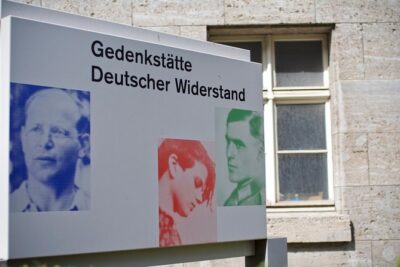
- German Resistance Memorial Center and Bendlerblock: resistance in the same block
- Anhalter Bahnhof: a deportation starting point you can still sense
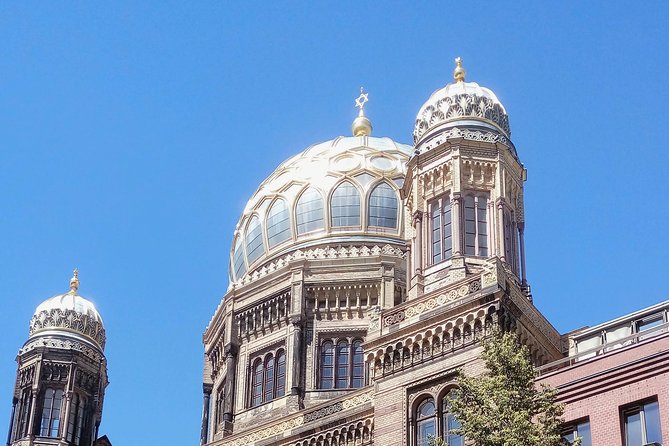
- Stiftung Neue Synagoge Berlin – Centrum Judaicum: community history, not just architecture
- Auguststrasse: institutions that shaped daily life under Nazi rule
- Grosse Hamburger Strasse: cemetery history and Sammellager detention
- Museum Blindenwerkstatt Otto Weidt: work, protection, and small acts that mattered
- Topography of Terror: understanding the system behind the scenes
- What the small group size changes for your experience
- Logistics that help: transit planning and smart pacing
- Who this French-guided Third Reich walking tour is for
- Should you book? My practical take
- FAQ
- How long is the tour?
- What is the price per person?
- Where does the tour start and when?
- Where does the tour end?
- What language is the guide?
- How big is the group?
- What sites are included during the walk?
- Is public transportation included?
- Does the tour run in bad weather?
- What is included in the tour price?
- Can I cancel and get a refund?
Key highlights worth planning for
- French-speaking guide who keeps the story organized, so the connections across neighborhoods actually make sense
- Bendlerblock and the German Resistance Memorial Center, including the Varian Fry memorial area and Operation Valkyrie context
- Jewish Quarter route with multiple WWII-era sites, from synagogue history to detention-related locations
- A stop at Museum Blindenwerkstatt Otto Weidt, focused on protection and survival through work
- Free admission tickets at key memorial stops, helping your budget stay controlled
- Small group size (max 24), which usually makes it easier to ask questions and follow along
Walking Berlin’s Third Reich Story, in French and on the ground
Berlin does not feel like a museum city when you walk it. It feels like a city that has layers, and this tour leans into that. You follow a path through central areas where you can still see how geography supported policy, from transport points to neighborhood institutions.
If you are learning French, this is also a practical choice. A French-speaking guide keeps the historical context from getting lost in translation, and it helps you pick up place names you will later recognize on your own.
You should know what you are signing up for, though. This is a Third Reich and Holocaust focused experience, and you will be talking about deportations, detention, and persecution. I’d treat it like a history lesson with real moral weight, not a casual sightseeing loop.
More Third Reich & Cold War Tours in Berlin
- Berlin: Third Reich and Cold War 2 Hour Walking Tour
★ 4.9 · 6,830 reviews - Berlin: Berlin Story Bunker Entry Ticket
★ 4.6 · 6,759 reviews - Berlin’s Best: 2 Hour Walking Tour Third Reich and the Cold War
★ 5.0 · 5,486 reviews
Price and value: $31.99 for a 3-hour, guide-led history route
At $31.99 per person for about three hours, you are paying mainly for a live guide and local expertise. The route is built around walkable sites plus a short train segment, so you are not just buying “points on a map.”
Many of the stops listed come with free admission tickets, which matters for value in Berlin where entry costs can add up fast. The tour also includes local taxes and a professional guide, so you are not surprised by extra base fees.
What is not included is important for planning: transportation to and from attractions and food and drinks. If you want smooth logistics, you will likely need a Berlin transit day card for zones AB, since the tour references public transport as part of the plan.
Meeting at Potsdamer Platz, finishing near Hackescher Markt
The tour starts at Potsdamer Platz 10 and ends next to Hackescher Markt, where you have S-Bahn access. Starting at Potsdamer Platz is convenient because it anchors you in central Berlin, with lots of transit options nearby.
Ending at Hackescher Markt is also smart. You finish near a station hub, so you can continue to dinner or another neighborhood without fighting your way back across town. If you like keeping your schedule tight, this ending point helps.
You should wear shoes you trust. The activity is listed for people with moderate physical fitness, and it runs in all weather. Berlin can throw sun and wind in the same hour, so dress for that, not for perfect conditions.
German Resistance Memorial Center and Bendlerblock: resistance in the same block
The first stop sets a tone that I really appreciate: it is not only about victims and persecution, it also frames German resistance. You begin from the Potsdamer Platz area and see a memorial related to Varian Fry, a name tied to helping people escape Nazi danger.
From there, you proceed to the German Resistance Memorial at the Bendlerblock. This is a powerful location because it is associated with the command structure for Operation Valkyrie, the plot tied to efforts to resist Hitler. Seeing this in person makes the history feel less abstract.
One practical upside: you do not have to budget time for paid museum time at this point. The stop includes 50 minutes with admission ticket free, so you can spend your energy listening and absorbing the context.
What to watch for as you listen: how resistance was not one single story. It involved decision-making under extreme risk, and the memorial helps you understand that resistance came in different forms, not just one moment.
More Walking Tours in Berlin
- Discover Berlin Half-Day Walking Tour
★ 5.0 · 9,624 reviews - Berlin: Discover Berlin Walking Tour
★ 4.9 · 5,998 reviews - Berlin: Hidden Backyards Guided Walking Tour
★ 4.8 · 5,360 reviews - Third Reich Berlin: Hitler and WWII Walking Tour
★ 5.0 · 3,301 reviews
Anhalter Bahnhof: a deportation starting point you can still sense
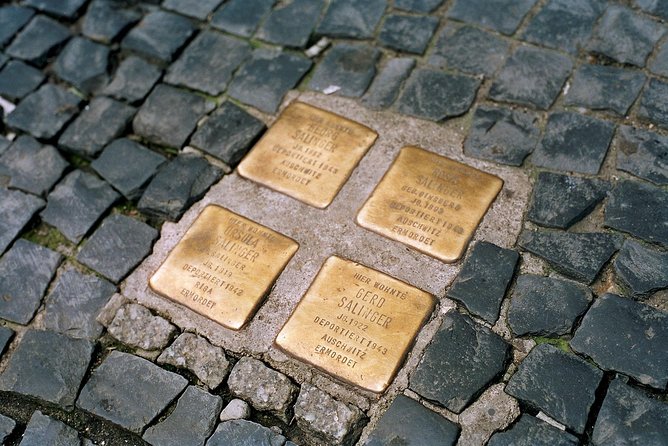
Next up is Anhalter Bahnhof. This is one of those Berlin places where history is not hidden. A ruined original part remains, and that physical reminder does a lot of work for your understanding.
The tour explains that it was one of the starting points for deportations of Berlin’s Jews. That single sentence is the reason this stop matters. Train stations are usually about movement and normal life, but here, the context is state violence.
The time here is short, about 10 minutes, which is actually useful. It gives you enough attention to grasp the significance, without turning the walk into a long detour.
Then you take a train to reach Berlin’s Jewish quarter. The key point for you is that the tour uses real transit connections, so the geography supports the story instead of fighting it.
Stiftung Neue Synagoge Berlin – Centrum Judaicum: community history, not just architecture
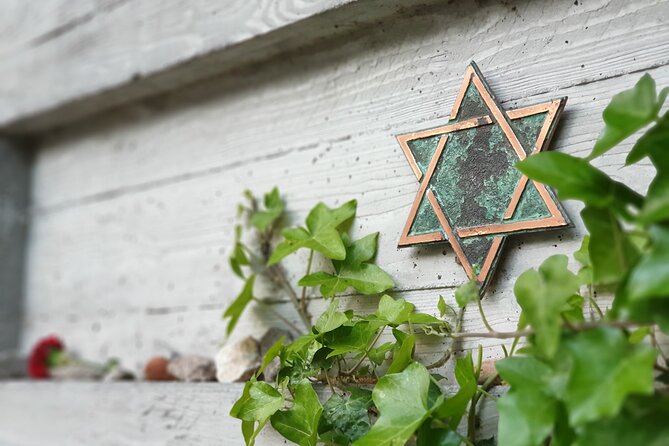
In the Jewish quarter, you visit Stiftung Neue Synagoge Berlin – Centrum Judaicum. The focus is community life and history through the 19th and 20th centuries, not just what the building looks like.
A lot of visitors only connect Jewish sites in Berlin to WWII. This stop helps you widen the timeline. You learn how a community developed, changed, and faced increasing pressure before and during the Nazi era.
The visit is about 15 minutes, so expect it to be a guided orientation rather than a long lecture. If you like getting a clear framework early, this timing works well.
Auguststrasse: institutions that shaped daily life under Nazi rule
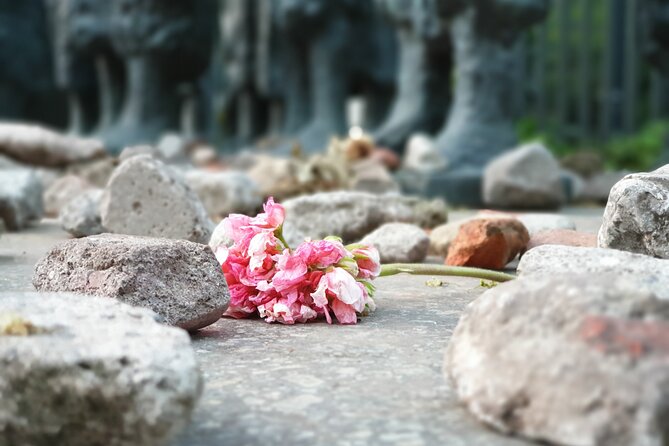
After that, the tour moves to Auguststrasse. This stretch is explained through different institutions that used to be there, including a school for Jewish girls and an orphanage during Nazi time.
That detail matters because it shows how persecution did not only happen through obvious violence. It also worked through schooling, housing, and institutional control, which affected daily life in very direct ways.
You get around 20 minutes here, enough time to connect how these institutions relate to broader policies. The guide also helps you understand why these streets became part of the system, not just backdrops.
Grosse Hamburger Strasse: cemetery history and Sammellager detention
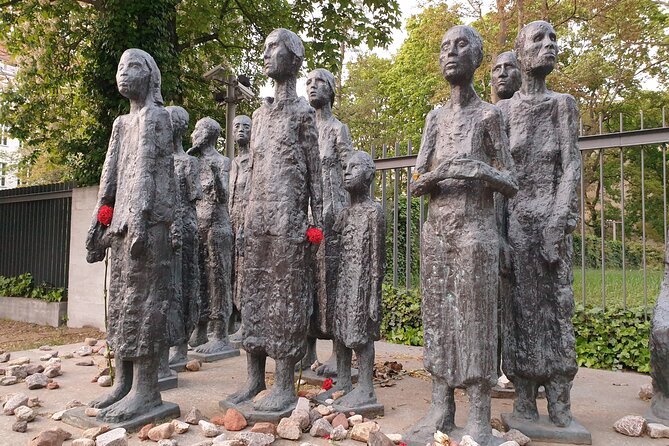
On Grosse Hamburger Strasse, you see the old Jewish cemetery and a Sammellager. A Sammellager is described here as a place where Jews were detained before deportation.
This is where you start feeling the “how” of the Nazi machinery. The stop is about 30 minutes, which is longer than the earlier street moments, and that extra time is useful. You can absorb the contradiction: sacred cemetery space on one side, detention logic on the other.
A practical tip: if you want to remember names and concepts, use your phone notes to jot down key terms as you go. The tour moves, and your brain will thank you later when you revisit these places independently.
Museum Blindenwerkstatt Otto Weidt: work, protection, and small acts that mattered
One of the most meaningful stops is Museum Blindenwerkstatt Otto Weidt. The museum story focuses on the workshop run by Otto Weidt, who employed mainly blind and deaf Jews during World War II.
You also learn about what they produced, including brooms and brushes. That production detail might sound small, but it grounds the story in real work and real schedules, not only slogans and dates.
The theme is courage and humanity. You get about 20 minutes here, which is enough for the guided narrative to land. This is also a good counterbalance after the darker site logic earlier in the route.
If you care about moral complexity, you will probably like this stop the most. It does not erase the horror. It explains how some people used limited power to protect others anyway.
Topography of Terror: understanding the system behind the scenes
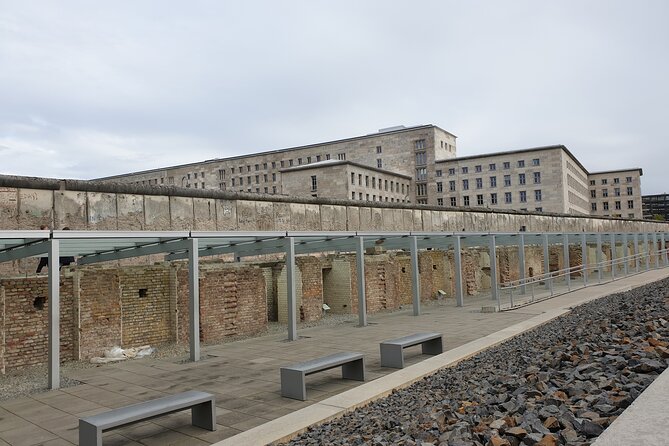
The tour overview includes time at Topography of Terror, Berlin’s site focused on terror and repression connected to the Nazi apparatus. Even if you have seen photos online, seeing it as part of this walk helps you connect the dots.
Here is why this matters for you: the route you walk builds from transport and institutions to resistance and documentation. By the time you reach a site like Topography of Terror, the “system” stops feeling like a keyword and starts feeling like a chain of decisions, spaces, and policies.
Your guide’s job is to keep this from becoming only a timeline. You want it explained as relationships between places and what they were used for.
The tour also keeps moving through central areas, so expect the pace to stay steady. You will likely feel mentally tired here, because the subject is relentless. That’s normal.
What the small group size changes for your experience
With maximum 24 travelers, you are not swallowed by a crowd. That matters in Berlin walking tours because the city is big and the sidewalk space can feel tight.
A smaller group usually means the guide can adjust when people miss a detail. It also makes it easier to ask a question without shutting down the flow.
I also like that the tour is structured around stops with specific time windows. You are not stuck wandering without direction, and you are not stuck hearing one thing too long.
Logistics that help: transit planning and smart pacing
Transportation to and from attractions is not included, so plan how you will get to Potsdamer Platz 10 before the 10:00 am start. You can handle it on public transit, and the tour mentions a day card for zones AB as a helpful approach.
During the tour, you should expect a short train transfer between sites. That is a practical way to cover more ground without turning the day into a marathon of walking.
Bring water if you usually drink while walking, but do not count on the tour including food or drinks. The tour is also listed as running in all weather, so if rain is in the forecast, plan for it.
Who this French-guided Third Reich walking tour is for
This is a good choice if you want a guided, French-language route through central Berlin and you care about history with specific locations. It suits you best if you like structure: a sequence of places, explanations, and context that connects.
It may not be the best fit if you want only outdoor “photo stops” without listening time. This is a narrative walk, and you will be processing a lot of information.
You also need to be ready for the emotional side. The tour covers deportation starting points, detention sites, and institutional persecution. If you want a gentler introduction to the subject, you might choose a different format first. But if you are ready to face history carefully, this route is thoughtfully organized.
Should you book? My practical take
Book it if you want history that stays tied to real places, not only abstract facts. The guide-led approach, the French language, and the range of sites from resistance to Jewish quarter locations and Museum Blindenwerkstatt Otto Weidt make this more than a standard highlights walk.
Skip it or reconsider if you are not comfortable with heavy subject matter or if a three-hour walking format is too much for your day. Also, since transportation and meals are not included, make sure you plan your transit with a Berlin day card for zones AB and keep yourself fueled outside the tour window.
If French is your preference and you like learning on foot in a small group, this tour is a strong value at $31.99 and an effective way to understand what happened in Berlin, step by step.
FAQ
How long is the tour?
The tour lasts about 3 hours.
What is the price per person?
The price is $31.99 per person.
Where does the tour start and when?
It starts at Potsdamer Platz 10, 10785 Berlin, Germany, with a start time of 10:00 am.
Where does the tour end?
The tour ends next to Hackescher Markt station (S-Bahn), at 10178 Berlin, Germany.
What language is the guide?
The tour is offered with a French-speaking guide.
How big is the group?
The tour has a maximum of 24 travelers.
What sites are included during the walk?
You visit the German Resistance Memorial Center at the Bendlerblock, Anhalter Bahnhof, Stiftung Neue Synagoge Berlin – Centrum Judaicum, Auguststrasse, Grosse Hamburger Strasse, Museum Blindenwerkstatt Otto Weidt, and Topography of Terror.
Is public transportation included?
Transportation to and from attractions is not included. You may want a Berlin day card for public transport in zones AB.
Does the tour run in bad weather?
Yes, it operates in all weather conditions, so dress appropriately.
What is included in the tour price?
Local taxes and a professional local guide are included.
Can I cancel and get a refund?
Yes. You can cancel up to 24 hours before the experience start time for a full refund.
More Wartime and Cold War History Walks in Berlin
- Skip-the-Line: Berlin Wall Museum at Checkpoint Charlie
★ 4.1 · 2,041 reviews - Berlin: Third Reich, Hitler, and WWII Walking Tour
★ 4.9 · 1,757 reviews - Cold War, Berlin Wall, Spies and the East Side Gallery
★ 5.0 · 1,024 reviews - Berlin Third Reich Sites: Half-Day Walking Tour
★ 5.0 · 835 reviews
Newest Berlin reviews on the site
- Your ticket to The Wall Museum Berlin★ 3.0 · 60 reviews
- Rickshaw Tours Berlin – Groups of up to 16 people with several rickshaws★ 4.0 · 97 reviews
- Love and War in Berlin: Self-Guided Story Puzzle Walk★ 5.0 · 7 reviews
- Warnemuende Shore Excursion: Berlin Private Sightseeing Tour from Rostock★ 5.0 · 4 reviews
- eSIM for Germany and 34 European Countries★ 4.5 · 16 reviews
- Walking on the Wall: 3-Hour Tour in Berlin★ 4.5 · 34 reviews
- Karl-Marx-Allee Tour: Life and Architecture in East Berlin★ 5.0 · 19 reviews
- Warnemuende Shore Excursion: Private Berlin Tour★ 4.5 · 27 reviews
Third Reich & Cold War Tours, compared.

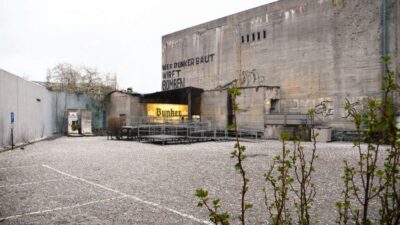
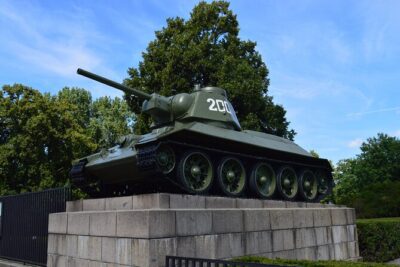
Berlin’s Best: 2 Hour Walking Tour Third Reich and the Cold War
Read our review →
Third Reich Berlin: Hitler and WWII Walking Tour
Read our review →
Skip-the-Line: Berlin Wall Museum at Checkpoint Charlie
Read our review →
Browse the lists this tour appears in