
Reviewed · THIRD REICH & COLD WAR TOURS
Third Reich Walking Tour Munich
Munich gets a hard, honest history walk. This 2.5-hour Third Reich tour follows the rise of Nazi power through real streets and buildings, including Königsplatz and the sites tied to public rallies. I like that the storytelling ties propaganda, political momentum, and real-world consequences into one clear line.
My second favorite part is the small group size, max 25, which makes it easier to ask questions and get straight answers. Guides mentioned in past tours include Michael, Nik, Jake, Aileen, and Alex, and the common thread is clear English plus a careful, respectful tone for a brutal subject.
One possible drawback: it is a walking route, and it depends on good weather. If you hate cold, wet, or windy days, plan for that, because you will be outside for much of the experience.
In This Review
- Key things to know before you go
- Why this Munich walking tour feels different than a museum visit
- Price and value: is $45.95 a good deal for 2.5 hours?
- Getting started at Radius Tours, then walking into the story
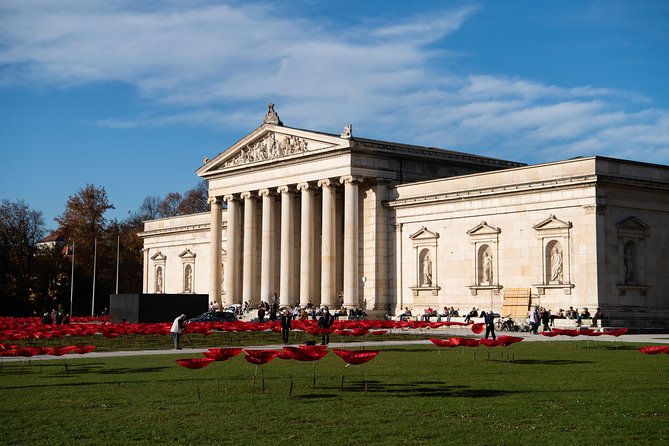
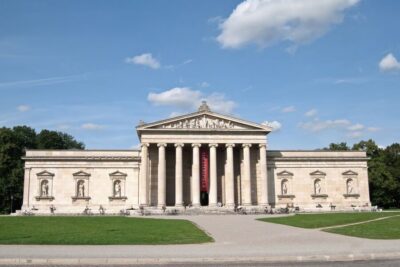
- Stop 2: Königsplatz, where public space became political theater
- Stop 3: Odeonsplatz and the feeling of staged marches
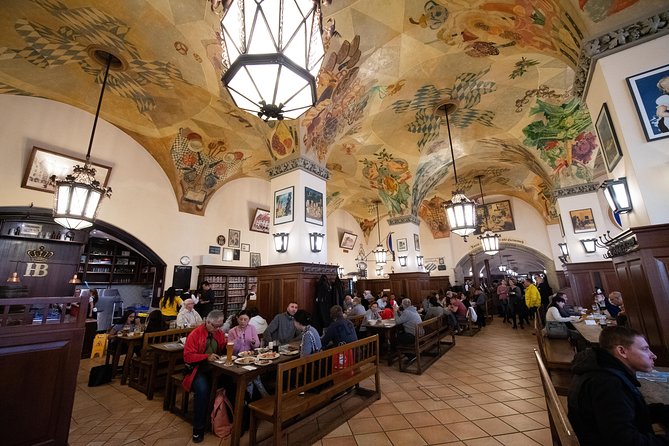
- Stop 4: Staatliches Hofbräuhaus, Munich’s beer halls as political megaphones
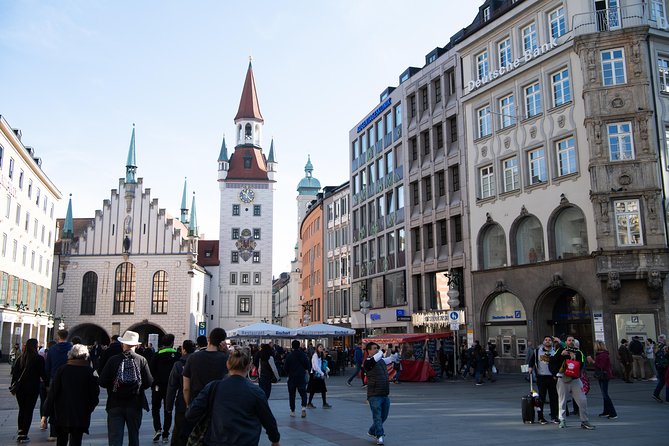
- Stop 5: Old Town Hall and the shift from movement to power
- Stop 6: Marienplatz, ending in the city center you’ll recognize
- The guide experience: clear English, room for questions, and the right tone
- How to prepare for a heavy topic without getting shut down
- Who this tour is best for, and who should skip it
- Practical logistics you’ll care about on the day
- Should you book the Third Reich Walking Tour in Munich?
Key things to know before you go
- Königsplatz and Odeonsplatz show how the Nazis used public space for marches and messaging
- Beer halls, including Staatliches Hofbräuhaus, connect politics to everyday Munich culture
- Memorial moments honor people who opposed Nazi ideology
- Ends at Marienplatz, so you can keep sightseeing right after the tour
- English mobile ticket makes check-in straightforward, and group size stays limited (max 25)
Why this Munich walking tour feels different than a museum visit
Munich did not just host Nazi history in the abstract. It became a stage where ideas turned into public power. This tour is built around that basic point: you walk the same streets where the Nazi movement tried to look inevitable, respectable, and unstoppable.
I like that it focuses on the mechanics, not only the headlines. You hear about the Nazi propaganda machine and the lead-up to World War II, but the guide also helps you understand why people were pulled in, how momentum built, and how local spaces became part of the plan. It is the kind of explanation that helps your brain connect the dots, especially if you have read about the period but never stood in the setting.
This is also a tour with a moral weight. The route includes memorials to those who suffered or died for opposing the hate-filled ideology. That part matters, because it keeps the story anchored in real victims, not only in famous names.
More Third Reich & Cold War Tours in Munich
- Munich: Third Reich & WWII Walking Tour
★ 4.6 · 6,181 reviews - Munich: Birthplace of the Third Reich Guided Walking Tour
★ 4.6 · 771 reviews - Munich World War II Sites Including Dachau Concentration Camp
★ 4.5 · 570 reviews
Price and value: is $45.95 a good deal for 2.5 hours?
At $45.95 per person for about 2 hours 30 minutes, the price works out to roughly the cost of other guided city tours, but with a sharper historical focus and a more intensive subject. The value is strongest if you want expert context while you see multiple landmarks in one go.
Here’s how I’d judge the value for you:
- You are getting an English-speaking local guide plus a route that hits major Third Reich era locations and related civic sites.
- The group limit (up to 25) keeps it social, but not huge, which helps with questions.
- The tour ends right in the center at Marienplatz, saving you time on logistics if you plan to keep exploring afterward.
If your goal is only a quick scenic hit of Munich highlights, you might feel the topic is heavy for the time. But if you want context in the real setting, the pricing makes sense.
Getting started at Radius Tours, then walking into the story
The tour begins at Radius Tours, Dachauer Str. 4 in Munich. The check-in is quick, and the first stop is basically where you get oriented and meet your guide. You should plan to arrive a bit early so you are not sprinting while everyone else is settling.
The start location is in a very practical part of town, close to public transport, so you can usually get there without stressing over parking or long transfers. You will also have a mobile ticket, which is handy because you are already juggling walking shoes, coats, and your phone.
From there, you move on foot in a route that is designed to be understandable as you go. That matters. Nazi history can be confusing if you only see isolated buildings, so the flow of the walk helps.
Stop 2: Königsplatz, where public space became political theater
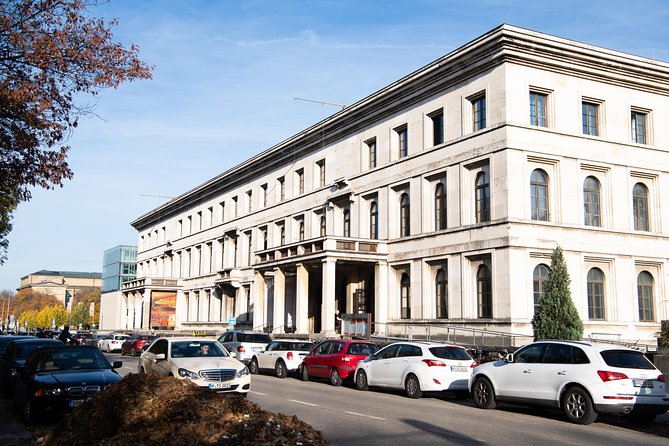
You spend about 15 minutes at Königsplatz, one of the key landmark areas tied to the Nazi Party. This is a place where you can see how ideology became a kind of stagecraft. Even without knowing every detail, the setting makes it easier to grasp the appeal of grand public imagery: wide sightlines, monumental form, and the sense that history itself was being choreographed.
What you’ll likely notice as the guide explains it:
- how the Nazis tried to use design and public gatherings to look powerful and organized
- how political meaning was “built in” to places people already walked past or gathered in
- how propaganda was not only posters or speeches, but also the environment around it
Potential drawback: if you are hoping for a slow, museum-style explanation at each site, 15 minutes is not that. It is more about seeing, then hearing the meaning attached to what you see. If you want extra depth, you may need a follow-up museum stop later.
More Walking Tours in Munich
- Munich: Old Town & Viktualienmarkt City Walk in German
★ 4.7 · 2,304 reviews - Munich: Night Watchman Walking Tour
★ 4.7 · 2,092 reviews - Munich Ghosts and Spirits Evening Walking Tour
★ 5.0 · 1,900 reviews - Munich Old Town Walking Tour
★ 4.5 · 1,287 reviews
Stop 3: Odeonsplatz and the feeling of staged marches
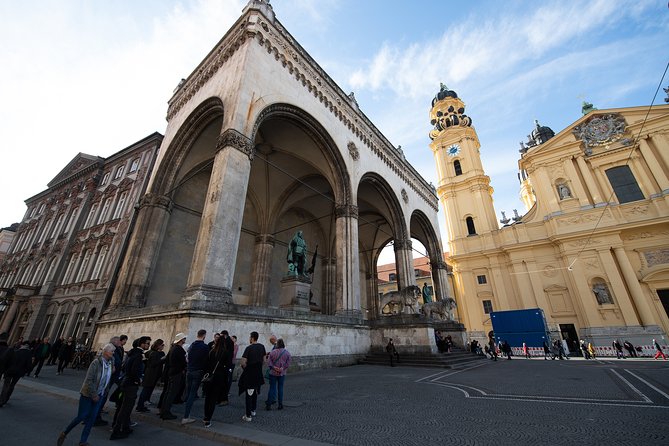
Next comes Odeonsplatz, with about 30 minutes here. This is tied to Nazi Party marches and memorial-style gatherings. It can be a chilling stop, because the purpose of the space comes through when you connect it to what the movement was trying to project.
This is also where a good guide really earns their keep. The best versions of this tour do not just name events. They help you visualize the atmosphere, then explain why public displays can persuade a crowd. If the guide uses photos or other visual aids, this is often where those help most, because you are standing in the present while the guide paints the past.
What to watch for: listen for how the guide frames the lead-up to war. This stop helps show that the Nazis did not only seize control at one moment. They worked the public mood and used public gatherings to normalize their worldview.
Stop 4: Staatliches Hofbräuhaus, Munich’s beer halls as political megaphones
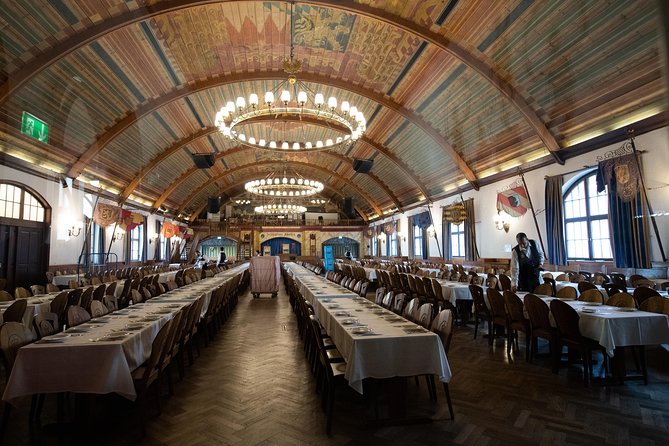
Then you move to Staatliches Hofbräuhaus, about 20 minutes. Yes, it’s a beer hall. And yes, it matters. The point of bringing you here is that Nazi politics did not live only in government buildings. It also moved through social spaces where ideas could circulate more easily, because conversations were already part of the culture.
A stop like this can feel surprising at first, but it is a smart inclusion. It helps you understand how ideology can spread through normal routines, not only through fear.
What I like about this part of the route is the balance it creates:
- You see a major civic landmark tied to gatherings.
- You hear how political messaging used cultural venues to get traction.
- You get a reminder that propaganda can be wrapped in charm, tradition, and familiarity.
A practical tip for this stop: if you are sensitive to heavy topics, give yourself a mental pause before you continue. This section can hit fast, since it connects politics to everyday life.
Stop 5: Old Town Hall and the shift from movement to power
About 15 minutes at the Old Town Hall helps you pivot from street-level politics to the civic heart of decision-making. Even if you already know the broad timeline, standing near buildings that signal authority makes the story feel more concrete.
This stop usually works best when the guide links three ideas:
- how the Nazi movement gained momentum
- how power became official and institutional
- how public life changed once the regime consolidated control
You might also hear the tour connect ideology to policy and social treatment of opponents. The goal is not just to say what happened, but to show how a political idea becomes a system that affects people’s daily lives.
Stop 6: Marienplatz, ending in the city center you’ll recognize
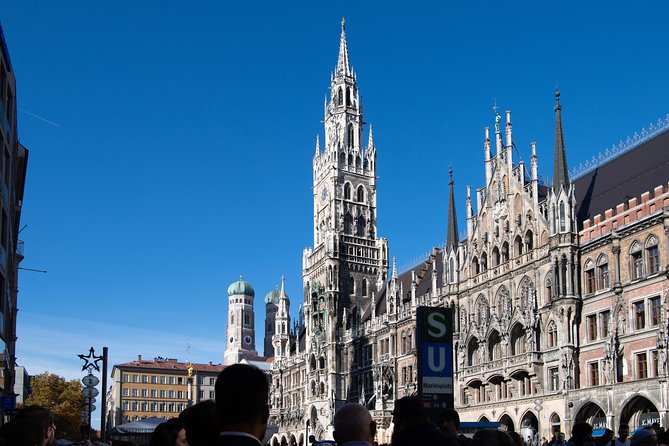
The final stop is Munich Marienplatz around 20 minutes. The tour ends here, right in the center, which is a huge convenience. Once you finish, you are already in the prime sightseeing zone for more walking, food, and photos.
I like endings like this because you get closure and momentum. You do not have to backtrack to find transit or return to where you started. Instead, you can immediately keep exploring Munich’s landmarks with a clearer understanding of the city’s layered past.
A quick reality check, though: the tour is only about 2.5 hours. That is enough to give you a strong orientation, but it is not enough to cover every detail that serious history readers might want. One of the more common frustrations is simply that the subject is broad. If you are the kind of person who thinks about dates, names, and causes afterward for days, you may want to schedule a follow-up visit to a museum or reading time.
The guide experience: clear English, room for questions, and the right tone
This is one of those tours where the guide can make or break the experience. What stands out in the pattern of guide styles is:
- Clear, easy-to-follow English for explanations
- A careful balance between facts and pacing, so the group is not overwhelmed
- Openness to questions, including ones that feel uncomfortable
- Sometimes a sense of humor, but with sensitivity to the topic
- Occasional visual aids like photos to connect stories to what you are seeing
A practical detail that can matter more than you think: some guides build in time for a quick break. There can be a pause around the middle where the group is polled for whether you want a bathroom and coffee stop. If you are someone who plans around comfort, that kind of flexibility can make the tour feel much easier to handle.
Also, because it’s a city walk, your guide often helps the group with “small logistics” like getting out of harsh weather when possible. If you’re visiting in colder months, dress for wind and damp. The route can be more draining than you expect when temperatures drop.
How to prepare for a heavy topic without getting shut down
This tour is not light entertainment, and it does not pretend to be. It deals directly with the Nazi ideology, the rise of Adolf Hitler and the Nazis in Munich, and the devastation of World War II. Then it pays tribute at memorials to people who resisted.
If you want to get the most out of it, I’d suggest you do two things before you go:
- Brush up on a simple timeline so the guide’s story has hooks you can hang on.
- Decide what you want from the tour: orientation and context, or specific deep facts. You can do both, but with only 2.5 hours, you will get the best experience by choosing a main goal.
During the walk, ask questions. The tone of this tour style is often described as open and honest, even when the answers are uncomfortable. If something feels unclear, the best payoff comes from asking right then, not later when you are half-remembering terms on a phone.
Who this tour is best for, and who should skip it
You should book this tour if:
- you want to see major and lesser-known Nazi-era related spots in Munich on foot
- you like guided explanations that connect propaganda to real places
- you value respectful memorial moments, not just a sightseeing route
- you are traveling in English and want a guide who can clearly explain the topic
You might skip or pair it differently if:
- you have limited stamina for a walking experience outdoors
- you prefer a lighter Munich day with fewer heavy themes
- you want more time at each site than a tight walking route allows
One more note: this tour can work well for history buffs and also for curious first-timers. The guide style is often praised for being fact-based, but not turning the walk into a lecture with no human touch.
Practical logistics you’ll care about on the day
The tour is offered in English, runs for about 2 hours 30 minutes, and has a maximum group size of 25. Confirmation is received at booking, and service animals are allowed. The meeting point is easy to find, and the route ends at Marienplatz, so you are not stuck at the edge of town when you finish.
It also requires good weather. If Munich is giving you rain or extremes, expect the provider to change plans, or you’ll be offered another date or a refund based on the standard policy.
As for clothing, the tours that run well in winter are the ones where you dress for wind and cold. If it’s chilly, plan on it.
Should you book the Third Reich Walking Tour in Munich?
Book it if you want more than textbook knowledge and you’re ready to see how Nazi power tried to take over public life, one street and one gathering at a time. The route is strong, the landmarks are specific, and the ending at Marienplatz keeps the rest of your day easy to manage.
Skip it if you want a quick scenic afternoon or if you know you cannot handle the emotional weight of Nazi ideology and wartime consequences. This is the kind of tour that rewards an open mind, good outdoor gear, and a willingness to learn with respect.
If that sounds like you, this is a very effective way to start your Munich trip with context, not just photos.
More Wartime and Cold War History Walks in Munich
- Munich City Walking Tour, includes Third Reich & Viktualienmarkt
★ 5.0 · 458 reviews - Third Reich & WWII Walking Tour
★ 4.5 · 417 reviews - Munich 3-Hour Segway Tour: Nazi Munich & Royal Architecture
★ 4.9 · 194 reviews - Munich and Nazi History Combination Day Tour Small Group
★ 5.0 · 32 reviews
Newest Munich reviews on the site
- Klassik im Museum★ 5.0 · 6 reviews
- Hidden Architectural Gems of Munich (Max. 16 guests)★ 4.9 · 52 reviews
- From Munich: Herrenchiemsee Palace and Boat Trip Day-Tour★ 4.8 · 129 reviews
- Munich: Half-Day Skip-the-Line Neuschwanstein Castle Tour★ 4.6 · 110 reviews
- Glockenbachviertel culinary – the food tour★ 4.6 · 5 reviews
- From Munich: To Neuschwanstein Castle, Linderhof, Oberammerg★ 4.7 · 8 reviews
- From Munich: Dachau Memorial Site Tour in Spanish★ 4.9 · 300 reviews
- From Munich: Trip to Neuschwanstein & Linderhof in Spanish★ 4.8 · 282 reviews
Third Reich & Cold War Tours, compared.

Berlin’s Best: 2 Hour Walking Tour Third Reich and the Cold War
Read our review →
Third Reich Berlin: Hitler and WWII Walking Tour
Read our review →
Skip-the-Line: Berlin Wall Museum at Checkpoint Charlie
Read our review →
Walking Tour of Former Nazi Party Rally Grounds
Read our review →Browse the lists this tour appears in