
Reviewed · THIRD REICH & COLD WAR TOURS
Munich: Third Reich & WWII Walking Tour
Hitler’s story starts on everyday streets. This 2.5 hour Munich walking tour traces how postwar chaos in Bavaria helped Nazi ideas take root, using real landmarks tied to the rise of the Third Reich.
I especially like the way the tour links major sites (Hofbräuhaus, Feldherrnhalle, Königsplatz) to a clear timeline, so you do not feel lost in dates. I also like the White Rose Resistance stop in the Hofgarten, which keeps the lesson human and urgent, not just political.
One thing to consider: it is heavy subject matter, and it is mostly outdoors. Wear warm layers and plan for cold pauses, especially if your guide offers tea or brief shelter breaks to keep everyone comfortable.
In This Review
- Key things to know before you go
- Walking the rise of the Third Reich in Munich
- Meeting up, timing, and staying comfortable outdoors
- Hofbräuhaus, where Nazi ideas found a mass audience
- Feldherrnhalle and the attempt to seize power
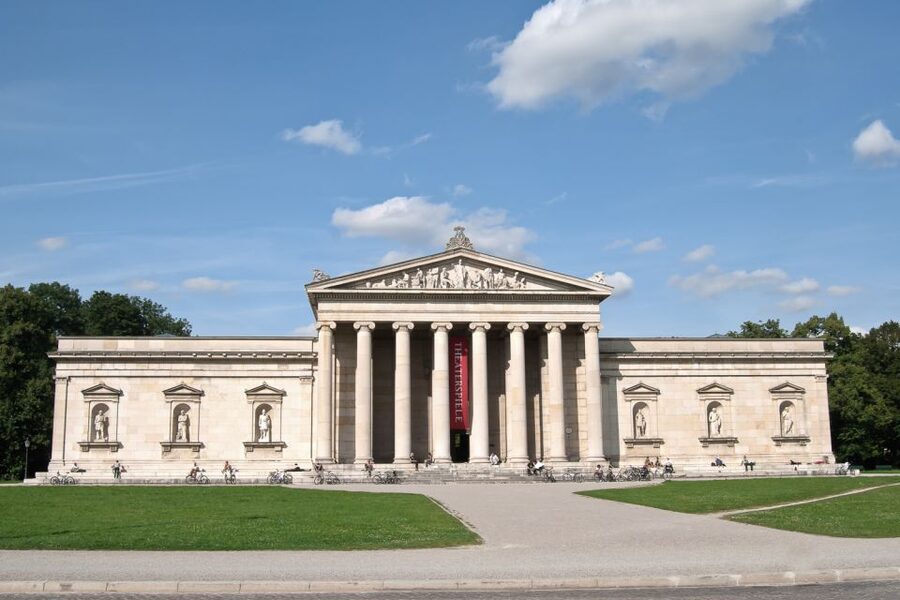
- Königsplatz: propaganda architecture and mass rally logic
- Hofgarten and the White Rose Resistance Movement
- How the tour ties it together: from Munich unrest to WWII wounds
- Price and value: what $31 gets you in Munich
- Who should book this Third Reich walking tour
- Should you book it
- FAQ
- How long is the Munich Third Reich and WWII walking tour?
- How much does it cost?
- Where does the tour meet?
- What languages are available for the guided tour?
- Is the tour wheelchair accessible?
- What should I bring?
- Is the tour free to cancel?
- Can I reserve and pay later?
- Is there a private group option?
Key things to know before you go
- A tight, 165 minute route that focuses on Munich’s role in Nazism, not a general sightseeing loop
- Landmark sequence from Hofbräuhaus to Feldherrnhalle to Königsplatz, each with a specific role in the movement
- The White Rose thread at the Hofgarten, adding resistance and moral choice to the story
- Experienced live guides, with English or German options (names you may hear like Michael, Steve, Josh, Alex, Florian, and Ulrich)
- Weather realism, because you will be walking outside, with some guides bringing warm drinks for the group
Walking the rise of the Third Reich in Munich
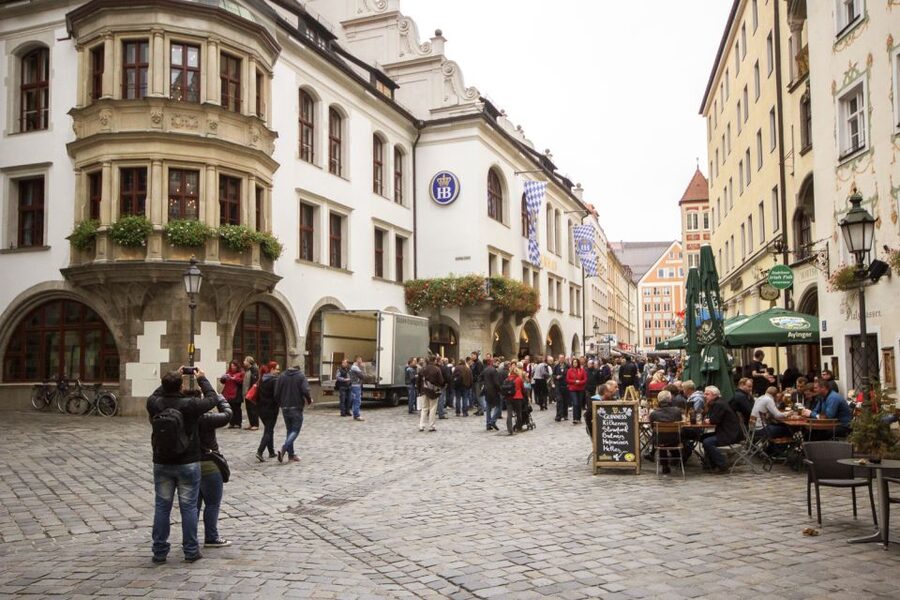
Munich is not just beer halls and fairytale facades. It has street corners that helped give Nazi ideology a start, and this tour uses that fact in a responsible way, with a narrative that stays connected to places you can actually see.
You start in the period after World War I, when Germany felt defeated and humiliated. Munich, in particular, was caught up in hyperinflation and political violence, with Bavaria dominated by revolution and even assassinations. The result was a kind of fertile ground for extremist movements to recruit, organize, and spread faster than ordinary politics could handle.
This is why I like the format. You are not just reading a textbook. You are walking a path that explains how a movement gained momentum, how it tried to seize power, and how it used public spaces as propaganda. It is one of those tours where the city starts to look different in your head, and that is exactly the point.
More Third Reich & Cold War Tours in Munich
- Third Reich Walking Tour Munich
★ 4.5 · 4,291 reviews - Munich: Birthplace of the Third Reich Guided Walking Tour
★ 4.6 · 771 reviews - Munich World War II Sites Including Dachau Concentration Camp
★ 4.5 · 570 reviews
Meeting up, timing, and staying comfortable outdoors
The tour runs about 2.5 hours, typically listed as 165 minutes. The meeting point can vary depending on the option booked, so you will want to check your confirmation carefully and arrive a few minutes early.
Most of the tour is outside, so your comfort affects how much you take in. The simple advice is also the most important: bring comfortable shoes and dress for cold, wind, and long standing pauses. Several guides are clearly used to winter conditions and try to help, like bringing hot tea or offering seating cushions during breaks, but you should still assume you will be on your feet for much of the time.
Language matters here. The tour is offered with a live guide in English or German, so pick the language you can follow without effort. You will get more from the story when you are not fighting the audio.
Hofbräuhaus, where Nazi ideas found a mass audience
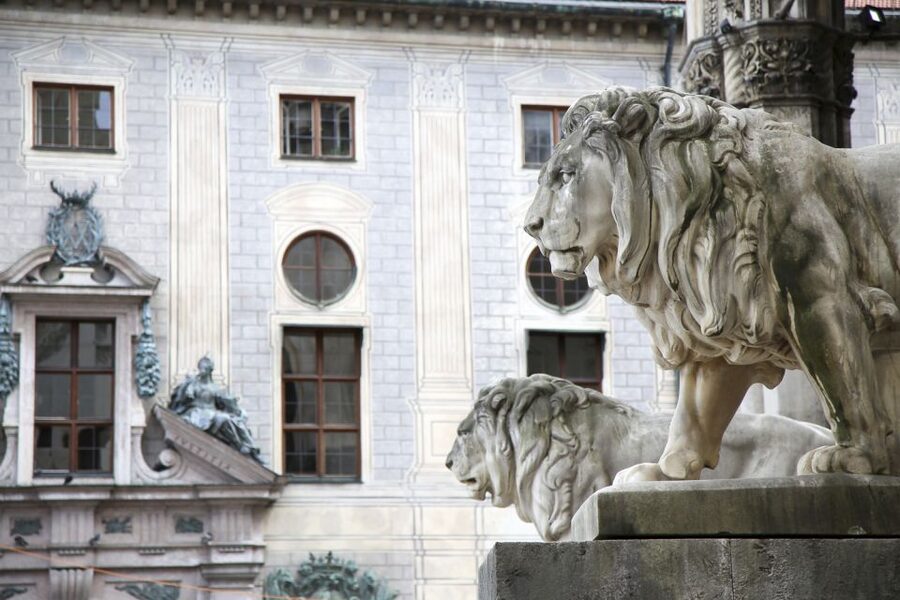
Your walk begins with the story of how Nazism moved from a small movement into something the public could not ignore. The Hofbräuhaus stop matters because it connects to the first mass meeting at this famous beer hall.
In practical terms, this is your starting anchor. Instead of jumping straight to later power struggles, the guide builds a chain of cause and effect. You learn what Munich’s postwar conditions made people ready to hear. Then you connect that to what leaders did next: holding meetings, attracting supporters, and turning anger and fear into political energy.
This is also where you get a sense of how public venues can speed up ideology. A big room, a crowd, the right message, and a town that already feels unstable. That combination is what the guide points you toward, and it helps you understand how propaganda can spread without needing fancy technology.
Feldherrnhalle and the attempt to seize power
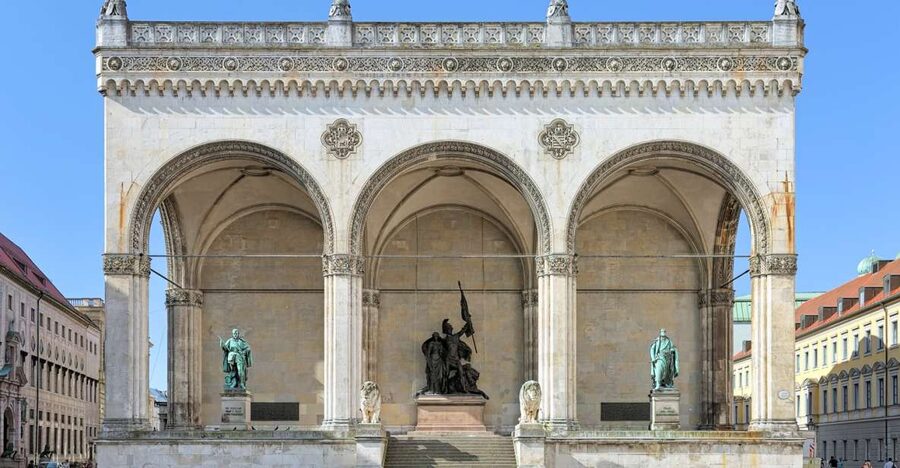
Next comes the Feldherrnhalle, tied to the failed attempt to seize power. Even if you already know the general outcome, this stop is valuable because it shows the stage where ambition met resistance.
As you stand near the landmark, the guide connects the failed power grab to the movement’s next phase. It is not just a tragic footnote. It helps you understand how extremist groups learn from setbacks, reorganize, and keep pushing.
One practical benefit of this section is pacing. You walk, you stop, you hear the story in chunks, and you end up with a mental map instead of a blur. Guides also tend to keep their voice clear for groups in busy areas, which matters when you are outside and there are other noises around.
More Walking Tours in Munich
- Munich: Old Town & Viktualienmarkt City Walk in German
★ 4.7 · 2,304 reviews - Munich: Night Watchman Walking Tour
★ 4.7 · 2,092 reviews - Munich Ghosts and Spirits Evening Walking Tour
★ 5.0 · 1,900 reviews - Munich Old Town Walking Tour
★ 4.5 · 1,287 reviews
Königsplatz: propaganda architecture and mass rally logic
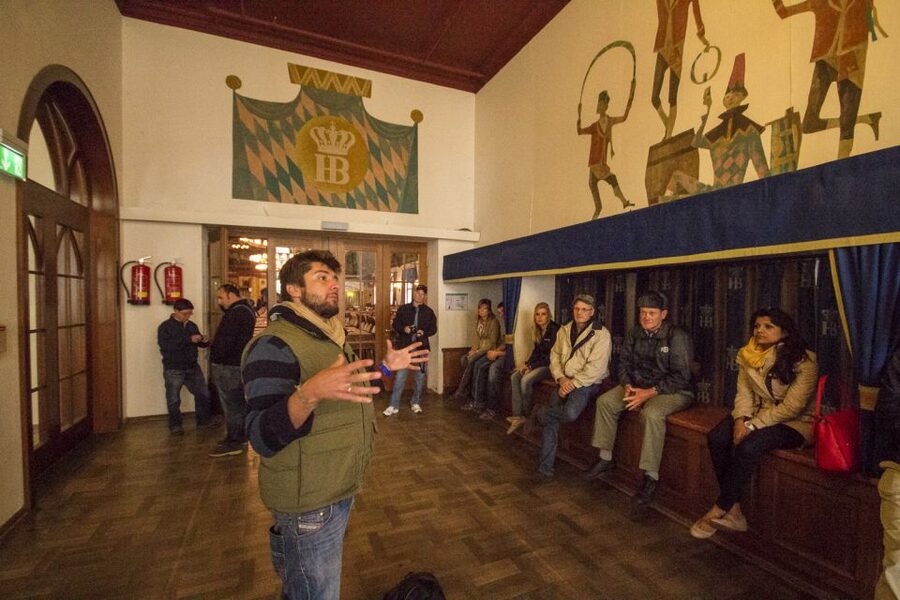
Königsplatz is one of the most important stops on the walk because it is connected to party rallies. The idea here is simple but chilling. Space can be designed, staged, and used to make crowds feel like history is on their side.
When you reach Königsplatz, the tour framing shifts. You move from the personal to the system. You start to see how the Nazi movement used organization and visibility to grow power, not just persuasion in one meeting at a time.
This is the part of the tour that can be visually hard to shake off. You can look at the open area and think about how a crowd gathers, how messages get repeated, and how public rituals can give a movement emotional momentum. The guide keeps the focus on what happened, why it mattered, and how the pieces fit together toward the broader Third Reich.
Hofgarten and the White Rose Resistance Movement
The Hofgarten stop changes the tone in the right way. It brings you to the seeds of resistance through the White Rose Resistance Movement, rather than leaving you only with the machinery of power.
This section is valuable because it adds moral context. You see that even in a city tied to Nazi beginnings, people pushed back. The guide’s framing helps you understand that resistance did not start as a grand movie scene. It started as people deciding they could not accept what was happening.
For your memory, this is a strong payoff stop. After the rallies and attempts at control, you get the counter story: ordinary people who refused to go along. It is one of the moments where the tour feels like it has a purpose beyond information.
How the tour ties it together: from Munich unrest to WWII wounds
The throughline is clear: Germany’s defeat in World War I, the humiliation and instability that followed, and Munich as a hotspot for political violence and propaganda. Out of this chaos, the Nazi movement grew, and Hitler’s rise became tied to specific places in Bavaria’s capital.
The tour does not stop at origins. It also gestures forward to the end of the story, explaining how Munich was left in ruins and how World War II cut deep across Deutschland. That matters because it keeps you from thinking of Nazism as a distant topic sealed in history books.
Instead, the guide frames how political choices lead to consequences, and how propaganda becomes policy, and then becomes atrocity. You end with the feeling that these sites are not just landmarks. They are warnings.
If you are pairing this with other things in Munich, you may like this tour’s location at the end. Some paths finish near the Dokumentationszentrum München, which makes it easier to continue the learning right away without jumping across town.
Price and value: what $31 gets you in Munich
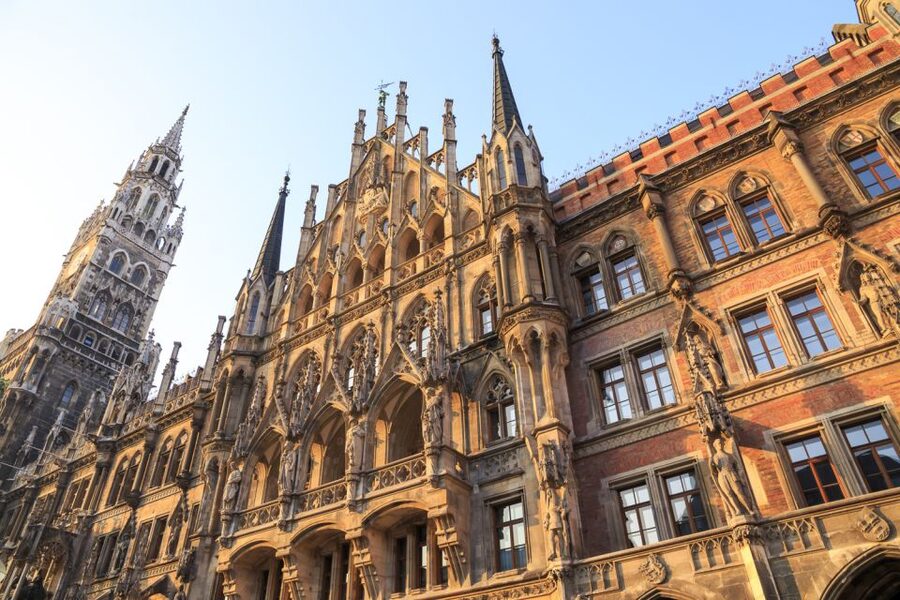
At about $31 per person for roughly 2.5 hours, this tour is priced like a real historical workshop, not a casual walk. The value comes from focus. You are not paying for generic city narration. You are paying for a guided storyline tied to the origins and growth of Nazism, using key landmarks that you can verify on the map.
There is also value in the guide quality. Many people mention that guides bring the subject clearly and respectfully, with strong voice projection, and they handle tough weather with care. When a guide is good, the pacing works and the facts stick.
Is it for everyone? If you want fluffy fun or a lighter history stroll, this is not that. But if you want to understand how Munich helped shape one of the darkest chapters of modern history, the time and cost are hard to beat.
Who should book this Third Reich walking tour
Book this if you:
- Want a history-focused walk anchored to real Munich landmarks
- Prefer a guide to help you connect events into a timeline
- Are interested in both the origins of Nazism and the White Rose resistance story
It is also a good fit if you like structure. The tour keeps a clear sequence from the first mass meeting concept, to the Feldherrnhalle attempt, to the rally settings at Königsplatz, and then the resistance thread in the Hofgarten.
It might be less of a fit if you cannot handle emotionally heavy topics for a sustained period. You should know the subject matter is dark, and it is meant to be faced, not gamified.
Should you book it
Yes, I think you should book it if your goal is real understanding of Munich’s WWII era connection, not just surface sightseeing. The tour’s strengths are the landmark sequence, the clear storytelling pace, and the fact that it includes the White Rose rather than stopping at propaganda sites alone.
If you book, do two things to get the best experience. First, wear warm layers and shoes for long outdoor pauses. Second, choose your tour language so you can follow the narrative without strain. Do that, and you will leave Munich seeing the city’s history in a way that is hard to forget.
FAQ
How long is the Munich Third Reich and WWII walking tour?
It lasts about 2.5 hours, listed as 165 minutes.
How much does it cost?
The price is $31 per person.
Where does the tour meet?
The meeting point may vary depending on the option you book.
What languages are available for the guided tour?
The live guide is available in English and German.
Is the tour wheelchair accessible?
Yes, the tour is wheelchair accessible.
What should I bring?
Wear comfortable shoes. Dress for the weather since it is a walking tour.
Is the tour free to cancel?
Yes, free cancellation is offered up to 24 hours in advance for a full refund.
Can I reserve and pay later?
Yes, you can reserve now and pay later.
Is there a private group option?
Yes, private group options are available.
More Wartime and Cold War History Walks in Munich
- Munich City Walking Tour, includes Third Reich & Viktualienmarkt
★ 5.0 · 458 reviews - Third Reich & WWII Walking Tour
★ 4.5 · 417 reviews - Munich 3-Hour Segway Tour: Nazi Munich & Royal Architecture
★ 4.9 · 194 reviews - Munich and Nazi History Combination Day Tour Small Group
★ 5.0 · 32 reviews
Newest Munich reviews on the site
- Klassik im Museum★ 5.0 · 6 reviews
- Hidden Architectural Gems of Munich (Max. 16 guests)★ 4.9 · 52 reviews
- From Munich: Herrenchiemsee Palace and Boat Trip Day-Tour★ 4.8 · 129 reviews
- Munich: Half-Day Skip-the-Line Neuschwanstein Castle Tour★ 4.6 · 110 reviews
- Glockenbachviertel culinary – the food tour★ 4.6 · 5 reviews
- From Munich: To Neuschwanstein Castle, Linderhof, Oberammerg★ 4.7 · 8 reviews
- From Munich: Dachau Memorial Site Tour in Spanish★ 4.9 · 300 reviews
- From Munich: Trip to Neuschwanstein & Linderhof in Spanish★ 4.8 · 282 reviews
Third Reich & Cold War Tours, compared.

Berlin’s Best: 2 Hour Walking Tour Third Reich and the Cold War
Read our review →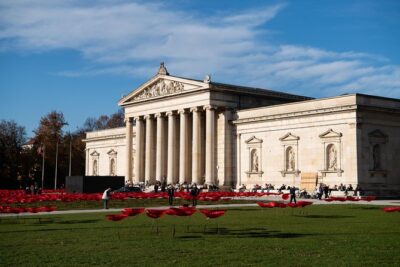
Third Reich Berlin: Hitler and WWII Walking Tour
Read our review →
Skip-the-Line: Berlin Wall Museum at Checkpoint Charlie
Read our review →
Walking Tour of Former Nazi Party Rally Grounds
Read our review →Browse the lists this tour appears in