
Reviewed · THIRD REICH & COLD WAR TOURS
Skip-the-Line: Berlin Wall Museum at Checkpoint Charlie
Escape stories meet real Berlin fear. The Berlin Wall Museum at Checkpoint Charlie is compelling because it shows original artifacts used in successful escapes and explains the GDR’s machinery of control in plain, human terms. I love how the museum turns big Cold War politics into specific, physical examples, and I also like that it links escape attempts to the people who helped them. My main caution is that this place is reading heavy, so you’ll want time and patience.
This museum matters because it was created as a protest against the Berlin Wall, founded on October 19, 1962, by people who wanted to assist those trying to get free. Over time it expanded its exhibition space and grew into a place that fights human rights violations, not just a memorial to the past. If you like history you can see and touch, this is one of Berlin’s best stops.
In This Review
- Key highlights worth your time
- Checkpoint Charlie right outside, then straight into escape reality
- The artifacts that make the story feel real
- How the museum’s story expands past 1961
- Where Checkpoint Charlie fits, and why the layout matters
- Plan for about 2 to 3 hours, and expect a text workout
- Language support, audio choices, and what you should know
- Who should book this, and who might want to reconsider
- Price and value: is $21 worth it?
- Before you go: quick tips for a smoother visit
- Should you book the skip-the-line Berlin Wall Museum ticket?
Key highlights worth your time
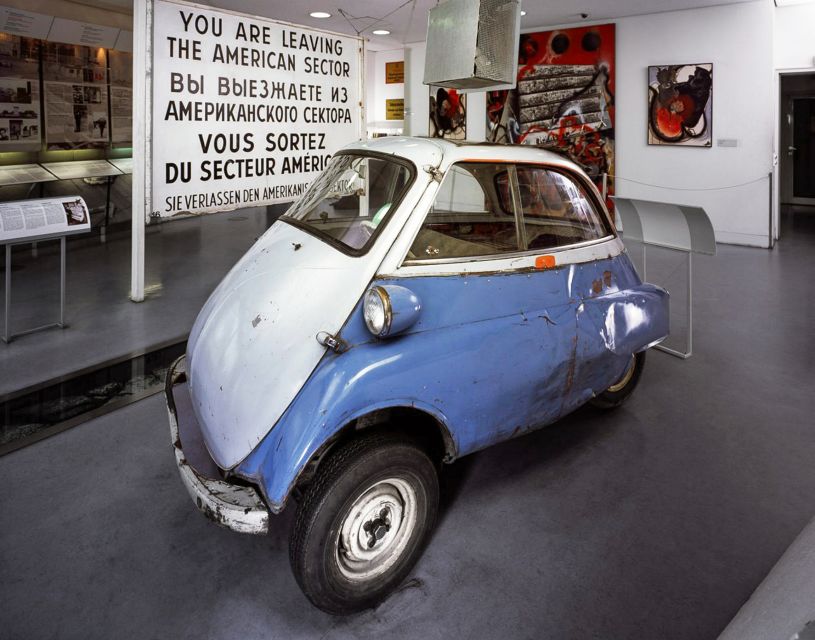
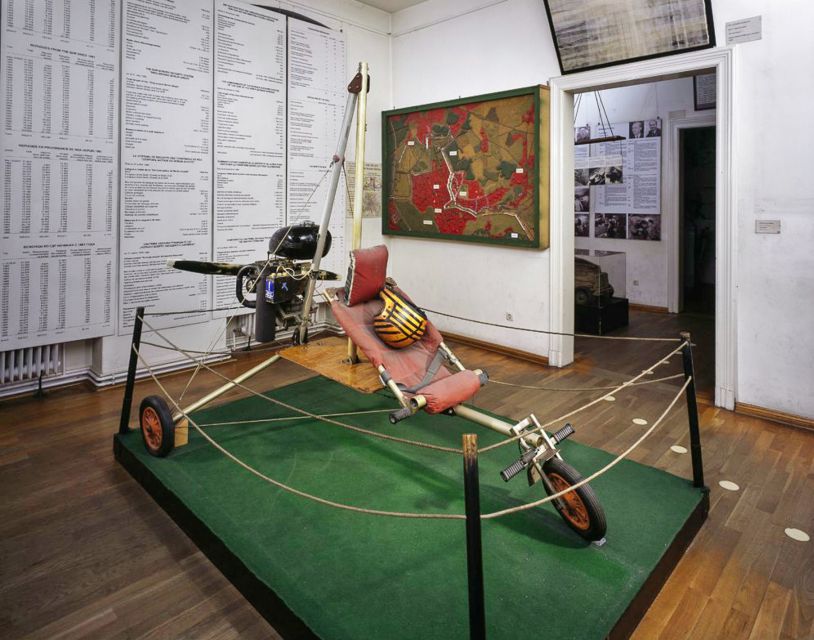
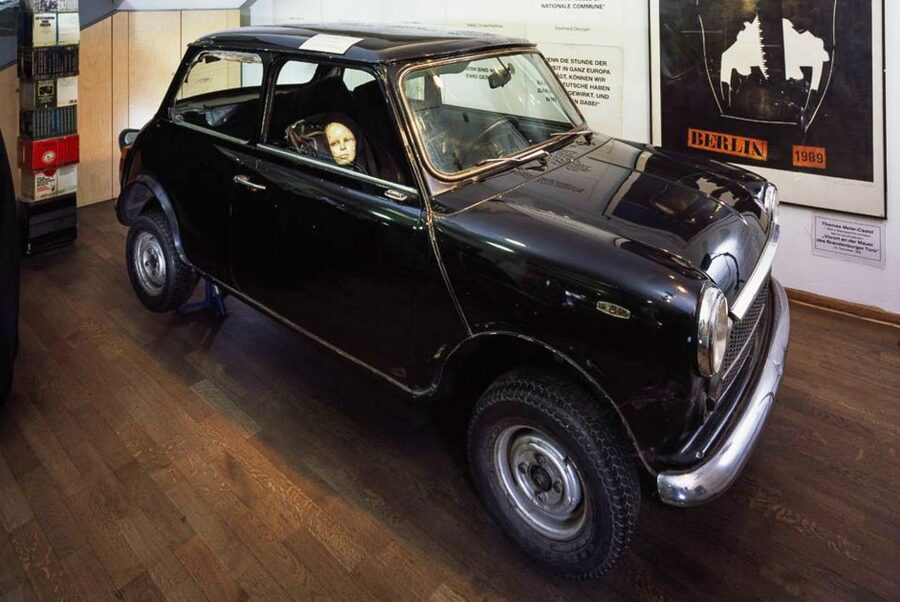
- Original escape gear including a hot-air balloon, a mini-submarine, cars, and airplanes tied to real escape stories
- Checkpoint Charlie context in the same area, so you can connect artifacts with the geography right outside
- A wider Cold War lens that extends beyond 1961 to include later human-rights stories
- Big on translations, with explanations in multiple languages across the exhibits
- Easy entry flow with a skip-the-line ticket for a smoother visit
Checkpoint Charlie right outside, then straight into escape reality
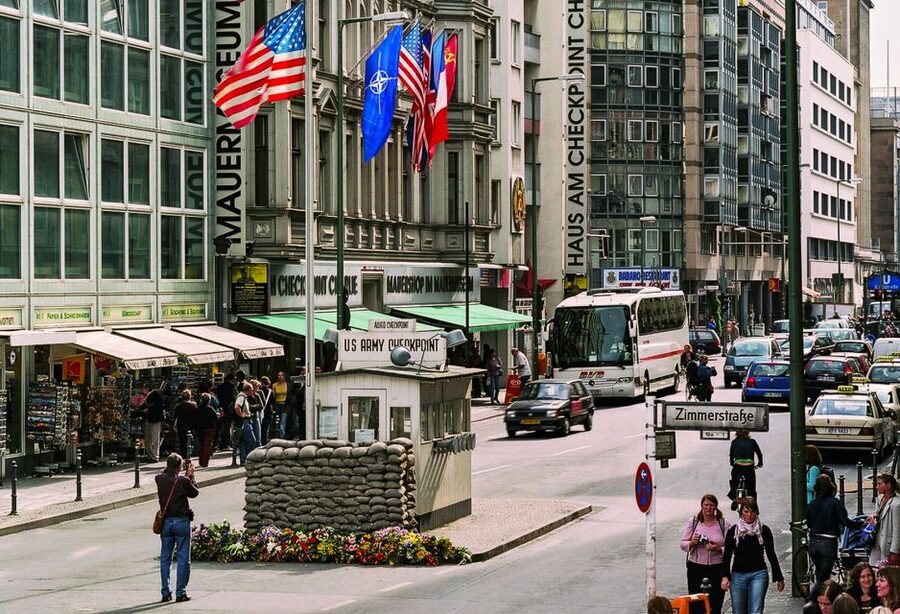
The Berlin Wall Museum at Checkpoint Charlie is located at Friedrichstraße 43-45, 10969 Berlin. That address puts you in the middle of the Checkpoint Charlie zone, which helps the museum land harder. You’re not studying the Wall from a distance, you’re standing near the kind of border drama that shaped daily life.
The skip-the-line part is genuinely useful here. This museum is famous, and lines can form because it’s both iconic and emotionally intense. With this ticket in hand, you can focus on reading, looking, and absorbing instead of spending your limited Berlin hours waiting.
What I’d tell you to do first is get your bearings fast once you enter. The museum is larger than the Checkpoint Charlie name makes it sound. Plan on taking a slow lap early, then come back to the areas that hook you most, especially the escape objects.
One more practical note: the museum’s tone is serious. Even when the exhibits show ingenious solutions, the backstory is about fear, repression, and risking everything to cross a border that was designed to keep people in.
More Museum Tours in Berlin
- Berlin: Natural History Museum Entrance Ticket
★ 4.6 · 3,382 reviews - Berlin: Museum Island Multiple Museum Entry Ticket
★ 4.4 · 2,861 reviews - Berlin: Interactive DeJa Vu Museum Entrance Ticket
★ 4.1 · 1,338 reviews
The artifacts that make the story feel real
The most powerful reason to go is simple: you get to see the actual tools and objects behind successful escapes. The museum’s collection includes items associated with famous escape methods, including a hot-air balloon, a mini-submarine, and escape conveyances such as cars and airplanes. These aren’t just illustrations. They’re part of the museum’s core evidence that people did find ways out.
And it’s not only about the escapees. The museum specifically documents how helpers worked as a network. The people who aided escapes used the museum as a base to plan operations and organize resistance to the unjust GDR regime. After escape attempts succeeded, refugees and their helpers donated the means of conveyance and other objects to the museum. That means the objects you see were preserved because they proved something.
What I like about this approach is that it removes the mystery. You don’t just get a moral lesson. You get the tangible proof of ingenuity and coordination, plus the reality that escape was not a solo fantasy. It was logistical, risky, and supported by others.
There’s also a sense that the museum is designed to teach you how escapes were made possible. The exhibits help you understand the system on the other side of the border, so the objects feel less like random miracles and more like responses to a specific kind of control.
How the museum’s story expands past 1961
The museum was founded on October 19, 1962, shortly after the Berlin Wall went up. That timing is important, because the museum began as protest, not as a neat museum project for the distant future. Its purpose was to fight human rights violations caused by the Wall, and it also aimed to assist people seeking help.
Over time, the museum increased its exhibition space and helped shape how people learned the Wall story. The big takeaway for you is that it’s not locked into one moment. The museum connects the Wall’s rise and fall to longer-term questions about freedom, resistance, and what happens when governments restrict human movement.
This is one reason the museum keeps getting strong marks. It’s not just about Checkpoint Charlie as a photo spot. The exhibits go wider into Cold War events and how political oppression forced people to think creatively about survival. The museum also documents and archives through today, so the emotional punch doesn’t fade when you walk out of the 1960s.
One example of this “through today” approach is an exhibit item that one visitor specifically pointed out, a car linked to a family fleeing Ukraine. That detail matters because it reminds you that forced displacement is not history-only. The Wall may be gone, but the underlying human pressure shows up in new forms.
Where Checkpoint Charlie fits, and why the layout matters
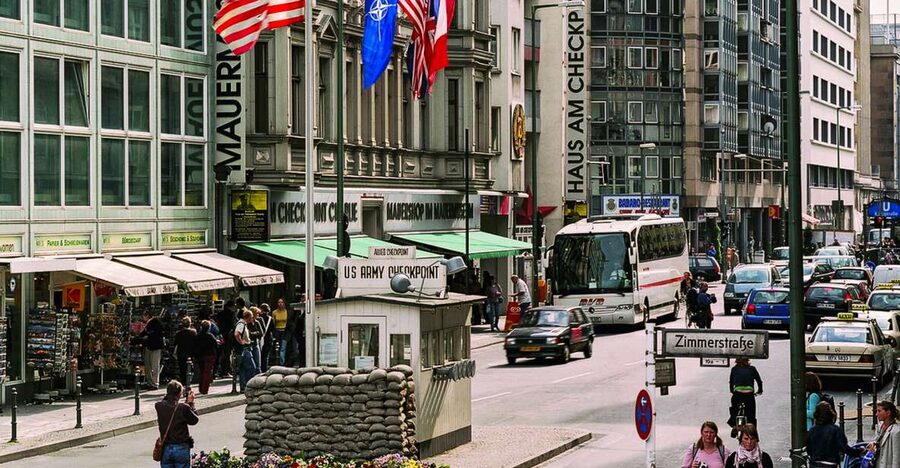
Checkpoint Charlie is right outside the museum, so you can connect your ticket purchase to the physical setting quickly. Several parts of the exhibits also reinforce this spatial connection. For instance, there’s an overhead view of Checkpoint Charlie you can find inside, which helps you understand why certain border areas became symbols.
Another reason this museum works well for first-timers is that it frames Checkpoint Charlie inside the broader story of East and West Berlin. You’re not just learning what happened at one crossing point. You’re learning how the border system was built, enforced, and experienced.
Now, a practical consideration: the museum’s flow can feel like a lot of material packed into a big footprint. One visitor even suggested the narrative could be smoothed from entrance to exit. That doesn’t mean it’s confusing, but it does mean you should be ready to choose priorities. If you try to read everything in order, you may feel overwhelmed.
I’d suggest this strategy: skim first, then slow down. Start with the escape artifacts, because they give you concrete anchors. Then move into the sections explaining how people lived under occupation and how repression shaped daily decisions. That way, the text becomes meaningful, not just words on walls.
More Third Reich & Cold War Tours in Berlin
- Berlin: Third Reich and Cold War 2 Hour Walking Tour
★ 4.9 · 6,830 reviews - Berlin: Berlin Story Bunker Entry Ticket
★ 4.6 · 6,759 reviews - Berlin’s Best: 2 Hour Walking Tour Third Reich and the Cold War
★ 5.0 · 5,486 reviews - Third Reich Berlin: Hitler and WWII Walking Tour
★ 5.0 · 3,301 reviews
Plan for about 2 to 3 hours, and expect a text workout
This is not a quick museum. Even when you’re only doing the highlights, you’ll want real time to process it. Many visitors report spending close to 2.5 hours reading and learning, and others note the museum is larger than it appears from the outside.
The exhibits are also not built for passive watching. Expect lots of text. Multiple visitors describe it as reading heavy, with plenty to absorb across rooms. There are some interactive elements, but at least one person noted some interactive features weren’t working, which can push you even more toward pure reading.
So for your comfort, bring your museum stamina. Wear shoes that don’t punish you after an hour. If you get tired of sitting, take short standing breaks. And if your group includes teens or anyone who prefers visuals, consider using a focused goal like escape methods first, everyday life second, and politics third.
One more small detail that affects your pacing: lockers may be needed for bags. One visitor specifically mentioned depositing bags with a 2 euro coin for a locker. That’s the kind of thing that can slow you down if you show up unprepared. If you can, travel light.
Language support, audio choices, and what you should know
The museum provides explanations and translations into multiple languages throughout the exhibits, and that’s a big reason it works for international visitors. So if you’re not traveling with perfect German, you still have a fair shot at following the story.
That said, your specific language needs may not be evenly covered in every section. One visitor noted missing Italian explanations, so if Italian is essential for you, don’t guess. Check language options before you go.
About audio: an audioguide is not included with this ticket. If you like to learn while walking, you might want to budget for audio elsewhere or check whether audio is available on-site as an add-on. Some visitors wished they had headsets because there is so much to read. If you’re someone who gets more out of listening than scanning wall text, plan accordingly.
Photography rules can also matter. At least one visitor reported being unable to take pictures, so assume the museum may have restrictions. If photos are a priority, check the posted rules when you arrive.
Who should book this, and who might want to reconsider
This museum suits you if you want real proof of escape ingenuity, not just Cold War slogans. You’ll also appreciate it if you like context, because the collection connects escapes to how the GDR regime shaped everyday life and why helpers took huge risks.
I also think it’s a strong choice for couples and friends who enjoy serious history but still want concrete artifacts. The museum doesn’t just tell you “people escaped.” It shows you the hardware, the planning, and the human cost behind it.
Where it might not fit perfectly is if you hate reading in museums or you’re looking for a mostly visual experience. More than a few visitors describe it as word-heavy, and if you’re traveling with someone who tunes out text walls, you may need to adapt your plan.
Another consideration is group dynamics. If your timing coincides with school groups, you may deal with noise and traffic in some areas. That’s not a reason to avoid the museum, just something to keep in mind.
Price and value: is $21 worth it?
At about $21 per person for an entrance ticket, the value depends on how you visit. If you treat it like a 30-minute stop, it won’t feel worth it. But if you give it the time it deserves, the price looks fair fast.
Here’s why: you’re paying for skip-the-line entry to one of the most famous Wall-related collections in Berlin, plus a dense exhibition that people often spend 2 to 3 hours inside. You’re also getting original escape-linked artifacts like the hot-air balloon and mini-submarine, and the objects were donated because they represented real successful efforts. That kind of material is rare.
Also, the museum isn’t only a memorial. It’s active in human-rights messaging, and it carries the story beyond the Cold War decades into today through archives and related exhibits. That broader scope is part of the value, because it makes your visit feel connected to the world you live in now.
The one cost you should mentally account for is attention. Since audio and guided tours aren’t included here, you will do more of the learning by reading. If you’re expecting a guided narrative, this ticket is more self-directed than you might imagine.
Before you go: quick tips for a smoother visit
- Arrive ready to read. Bring the mindset of a museum lecture, not a photo walk.
- Plan around 2 to 3 hours, especially if you want to linger over the escape artifacts.
- Travel with a small bag if possible, lockers may require a coin deposit.
- If language matters, count on translated text, but don’t assume every language is available everywhere.
- Consider adding audio support if you find wall text exhausting, since an audioguide isn’t included with this ticket.
Should you book the skip-the-line Berlin Wall Museum ticket?
Book it if you want an authentic, artifact-focused way to understand the Berlin Wall and the GDR, especially if you’re curious about how escapes were planned and carried out. The skip-the-line entry is a real convenience at a busy site, and the museum’s collection goes beyond Checkpoint Charlie into a broader human-rights story.
You might hold off if your ideal museum day is mostly visual and short. This is a serious stop, and it rewards patience. If you can give it time and you’re ready to read, this ticket is a solid use of one of your Berlin days.
More Museums in Berlin
- Berlin: East Side Gallery Spree Cruise in a Solar Catamaran
★ 4.1 · 1,086 reviews - Berlin WelcomeCard: Museum Island & Public Transport
★ 4.3 · 999 reviews - From Berlin: Sachsenhausen Concentration Camp Museum Tour
★ 4.8 · 514 reviews - Berlin: German Spy Museum Flexible Entry Ticket
★ 4.4 · 472 reviews
More Wartime and Cold War History Walks in Berlin
- Berlin: Third Reich, Hitler, and WWII Walking Tour
★ 4.9 · 1,757 reviews - Cold War, Berlin Wall, Spies and the East Side Gallery
★ 5.0 · 1,024 reviews - Berlin Third Reich Sites: Half-Day Walking Tour
★ 5.0 · 835 reviews - Berlin: History of the Third Reich Guided Walking Tour
★ 4.7 · 791 reviews
Newest Berlin reviews on the site
- Jetbike Berlin fun bike beer bike★ 5.0 · 3 reviews
- Karl-Marx-Allee Walking Tour: Berlin’s Socialist History★ 5.0 · 5 reviews
- Homeless on chic streets: city tour in Berlin from personal experience★ 4.6 · 3 reviews
- Berlin: Sachsenhausen Concentration Camp Guided Tour★ 4.9 · 42 reviews
- Historyof the Trans, Queer & Gay communities of Berlin tour★ 4.8 · 17 reviews
- Historic Berlin Pubs & History Tour★ 4.9 · 73 reviews
- Berlin: City Center Walking Tour★ 4.7 · 45 reviews
- Half-Day Berlin Highlights Segway Expedition★ 4.5 · 61 reviews
Third Reich & Cold War Tours, compared.


Berlin’s Best: 2 Hour Walking Tour Third Reich and the Cold War
Read our review →
Third Reich Berlin: Hitler and WWII Walking Tour
Read our review →

Walking Tour of Former Nazi Party Rally Grounds
Read our review →Browse the lists this tour appears in