
Reviewed · THIRD REICH & COLD WAR TOURS
Cold War, Berlin Wall, Spies and the East Side Gallery
Berlin’s Wall feels personal fast. This 3-hour walk links the big Cold War story to the exact streets where division, surveillance, and escape attempts played out, from the Friedrichstrasse area to the last major Wall stretch at the East Side Gallery.
I love the way the tour holds history and daily life together, including CIA, KGB, and Stasi surveillance techniques, not just dates. I also love the emotional punch of the Palace of Tears, where separation was the routine and heartbreak was built into border crossings.
One thing to consider: audio and pacing can depend on the guide and the group, and in some cases people report trouble hearing at moments or feeling the tour ran longer than expected. If you prefer a strictly lecture-style format, you might want to ask what the group dynamic looks like that day.
In This Review
- Key things I think you will care about
- Entering the Cold War at Friedrichstrasse Station
- The Death Strip and Wall remnants, where escape attempts had consequences
- Palace of Tears, Tränenpalast: heartbreak as a border routine
- Alexanderplatz and Karl-Marx-Allee: communist power in the open air
- Spies and surveillance: CIA, KGB, and the Stasi story you can picture
- East Side Gallery: turning the Wall into public art
- Price and logistics, what your €10 day pass is really for
- How the 3-hour structure works on the ground
- Which guide vibe fits you best
- Who should book this Cold War Wall tour
- Should you book this Cold War Berlin Wall tour?
- FAQ
- Where does the tour start and what time is it?
- How long is the tour?
- How much does it cost?
- Is this tour in English?
- Do I need a Berlin transport ticket?
- Is admission included for all stops?
- How many people are in the group?
- FAQ
- Is free cancellation available?
- What is included in the price besides the guide?
- Can I bring a service animal?
- When does the tour end?
Key things I think you will care about
- Friedrichstrasse and the ghost-train moment set the tone for how East and West stayed connected while still hostile
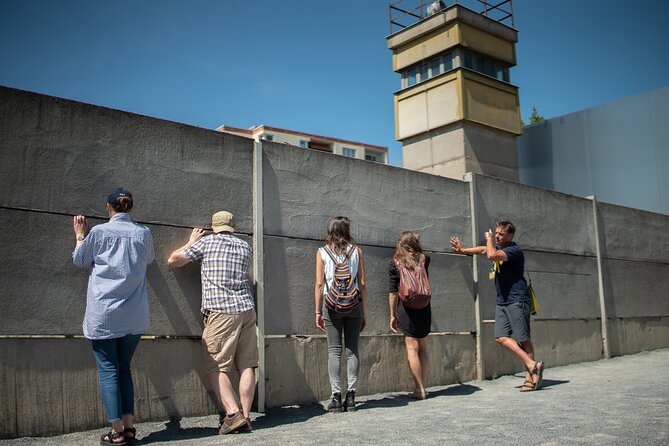
- The walk into Death Strip territory helps you understand why the Wall was not just a wall, it was a controlled zone
- Tränenpalast, the Palace of Tears is the stop that hits hardest, because it focuses on family separation
- East Berlin centers like Alexanderplatz and Karl-Marx-Allee show how propaganda met ordinary life
- The East Side Gallery turns surviving Wall sections into public memory, through art on concrete
- Small group size, capped at 22 people, helps keep questions manageable
Entering the Cold War at Friedrichstrasse Station
Your tour starts at Friedrichstrasse, one of the most historic crossroads of divided Berlin. The timing matters here, because this part of the city is all about movement, checks, and boundaries that were meant to feel permanent.
After a meet-and-greet with an expert local guide, you head into a key storytelling device from the Cold War era. You take the “ghost train,” an underground route that once connected East and West Berlin while operating under the tense rules of the period. It is a clever opener because it shows the paradox right away: connection without permission.
You also get an early sense of what the guide is aiming for, not just global politics, but what it meant on the ground. The guide’s job is to connect the spy games of the superpowers to the real checkpoints, restricted zones, and fear that shaped daily schedules.
More Museum Tours in Berlin
- Berlin: Natural History Museum Entrance Ticket
★ 4.6 · 3,382 reviews - Berlin: Museum Island Multiple Museum Entry Ticket
★ 4.4 · 2,861 reviews - Skip-the-Line: Berlin Wall Museum at Checkpoint Charlie
★ 4.1 · 2,041 reviews
The Death Strip and Wall remnants, where escape attempts had consequences
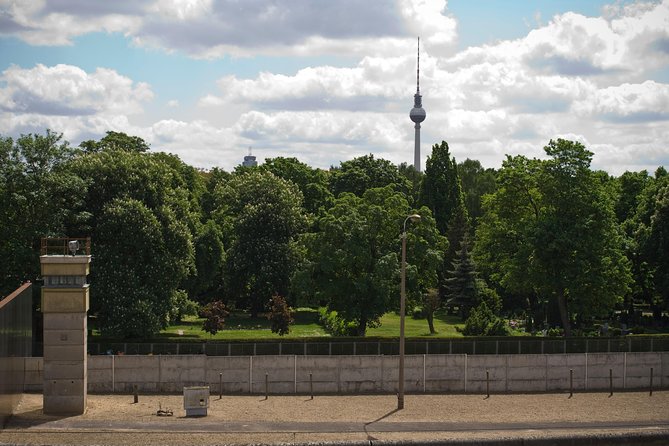
As you move along the Wall route and related memorial areas, the tour focuses on the “death strip,” the controlled ground between barriers. Understanding the death strip changes how you read the Berlin Wall in photos, it becomes a system designed to control bodies, not just a line on a map.
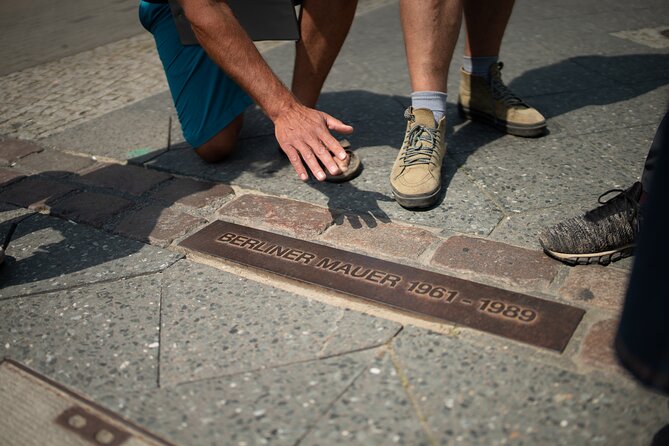
You will see parts of the Wall at the Berlin Wall Memorial area and learn about escape attempts connected to Bernauer Strasse. This is one of those spots where the guide’s framing really matters. You start to see why people tried anyway, and why the cost was so high.
You should expect a sober, factual tone at these points, with time to look closely at what remains. If you like learning through walking rather than standing still, this portion is a strong match, because the geography does a lot of the teaching.
Palace of Tears, Tränenpalast: heartbreak as a border routine
Then comes the stop that many people remember long after the rest of the route. The Palace of Tears, Tränenpalast, sits at the Friedrichstrasse area and acted as the emotional center of border separation during the Cold War.
This is where you hear about tearful goodbyes as families and loved ones were forced apart. The name is not poetic marketing. It is a direct summary of what happened there, again and again, under the rules of the divided city.
Today, Tränenpalast is a museum that explains the emotional and physical toll of the Wall. You will get exhibits related to escape attempts, the harsh separation between East and West, and what reunification changed. Even if you have read a bit about the Wall already, this stop tends to add a new layer because it puts feelings and daily disruptions into the foreground.
If you are the type who appreciates human-scale history, this is the high-impact moment of the tour.
Alexanderplatz and Karl-Marx-Allee: communist power in the open air
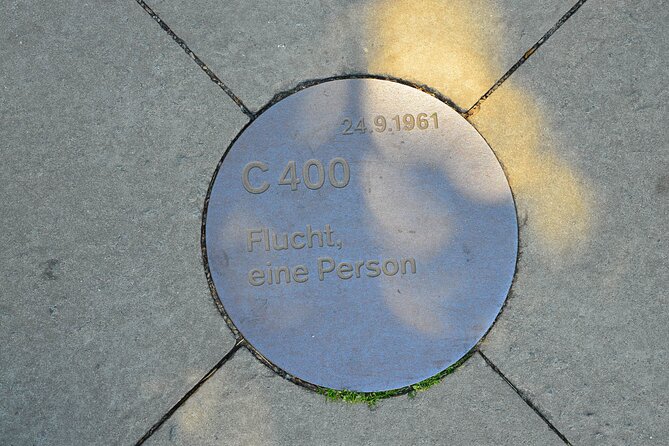
After the emotional core, the tour shifts to East Berlin’s center stages. Alexanderplatz is described as the beating heart of East Berlin, where communist power and mass rallies played out, and where surveillance was part of the everyday atmosphere.
This stop is a useful contrast. Instead of only seeing the Wall as a barrier, you see how political ideology shaped public space. The architecture and symbols around the square are not neutral backdrops, they were part of how the state wanted people to understand authority.
Next, you move toward Karl-Marx-Allee, East Germany’s showcase boulevard. This is where the guide explains the idea of a grand socialist dream built to impress the world, especially through Stalinist architecture.
What I like about this pairing is that you get two angles of the same system. Alexanderplatz shows public spectacle and power. Karl-Marx-Allee shows how that power tried to look permanent through built form.
The tour timing is tight, so you will not get long museum-style wandering here. If you want deeper time in these specific neighborhoods, you will likely want to circle back later on your own.
More Third Reich & Cold War Tours in Berlin
- Berlin: Third Reich and Cold War 2 Hour Walking Tour
★ 4.9 · 6,830 reviews - Berlin: Berlin Story Bunker Entry Ticket
★ 4.6 · 6,759 reviews - Berlin’s Best: 2 Hour Walking Tour Third Reich and the Cold War
★ 5.0 · 5,486 reviews - Third Reich Berlin: Hitler and WWII Walking Tour
★ 5.0 · 3,301 reviews
Spies and surveillance: CIA, KGB, and the Stasi story you can picture
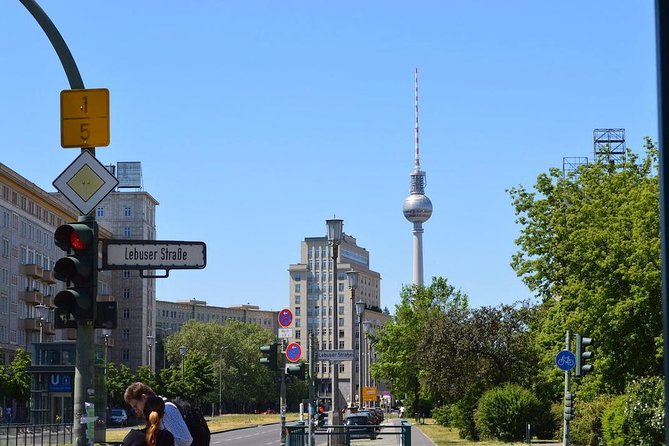
One of the tour’s best strengths is that it treats surveillance as more than spy-movie vibes. The guide discusses CIA, KGB, and Stasi surveillance techniques, and it connects them to how people lived behind the Iron Curtain.
This is also where the idea of the Eastern Bloc’s most heavily policed state comes into focus. The Stasi story matters because it helps explain why so many ordinary choices could feel risky. It is not just about secret agents. It is about the fear that shaped conversations, work, movement, and even who you trusted.
In my experience, this kind of explanation lands best when it is anchored to streets and specific places. That is why the tour’s route matters, it keeps the big themes from floating off into generic history.
If you like a guided narrative, watch for the moments when the guide ties spy rivalry to everyday details. It is that cause-and-effect chain that makes the Cold War feel real instead of distant.
East Side Gallery: turning the Wall into public art
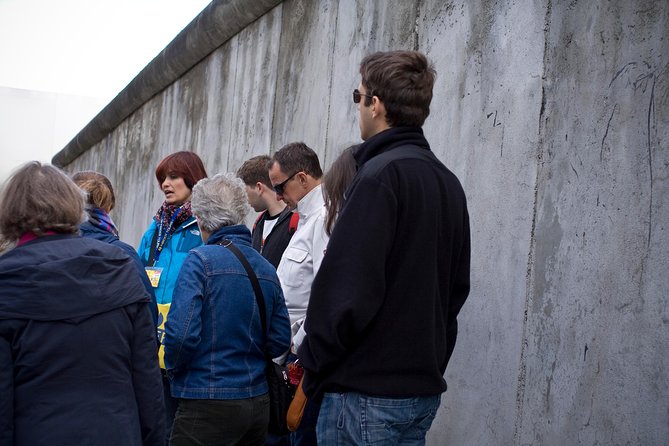
You finish at the East Side Gallery, a long stretch of surviving Berlin Wall covered in murals. It is described as the longest permanent graffiti wall in the world and the largest remaining section of the Berlin Wall, so it is not just symbolic, it is physically significant.
Here, the mood changes in a way that feels earned. The tour frames the wall as once deadly border, now transformed into art that carries themes of freedom and resistance. You can walk along and read the murals as public memory, a visual argument against the old system.
It is also a convenient ending. The tour concludes near major transportation options, so you can hop to your next stop without hunting for routes.
Bring your patience for a final stretch where people naturally slow down. This is the place where photos happen, but it also helps to listen to the guide’s take before you look too hard at the colors.
Price and logistics, what your €10 day pass is really for
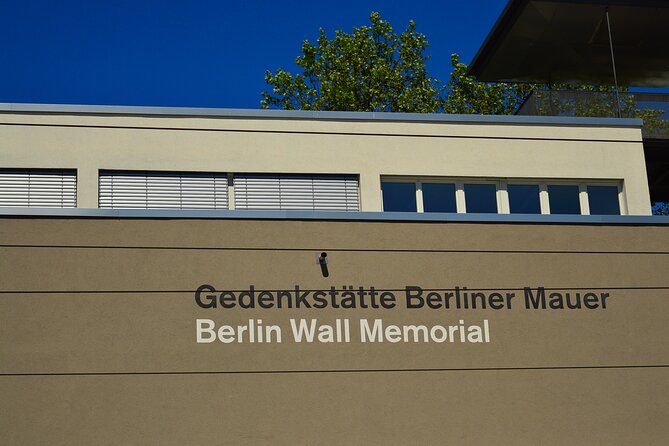
The price is $18.04 per person for an about 3-hour experience with a local expert guide. That is strong value if you treat it as a guided map of divided Berlin, because you are paying for access to context, not just movement from point to point.
One cost to plan for is the Berlin transport day pass AB Zone ticket. It is required, and it is listed at €10.00 per person, purchased from the meeting point. If you show up without it, you will feel it fast, because the route includes getting between key areas efficiently.
Admissions are mixed by stop. Some are marked free, while others are marked not included, such as Admiralspalast Berlin and Karl-Marx-Allee. That means you should not assume everything is covered, even with a low base price.
Also factor in what you are not paying for. The tour includes the guide, but food and drinks are not included. If you tend to get cold or distracted when hungry, add a simple snack plan, especially since you will be outdoors for parts of the route.
How the 3-hour structure works on the ground
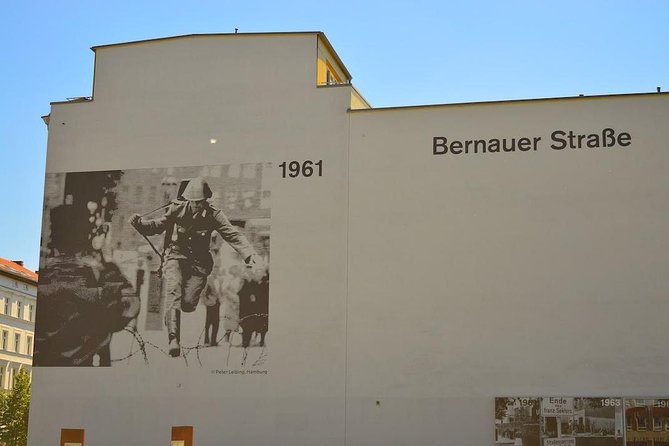
The route is built around short stops plus walking segments. The listed on-site times range roughly from 5 to 25 minutes, with extra time used for the Cold War story and the in-between connections.
The group size cap is 22 people, which is big enough for energy but small enough that the guide can keep everyone together. This matters in Berlin, because the Wall route and central squares can get crowded, and you do not want a guide playing chase-the-group.
Pacing is generally described as engaging rather than rushed, with time for questions. Still, I would keep one expectation flexible. If your guide gets a lot of questions in real time, the tour may run long, and in at least some cases people mention that timing slipped.
If that worries you, plan a loose schedule for the rest of your day. You will learn more if you are not mentally sprinting to your next booking.
Which guide vibe fits you best
The tour experience varies by guide, and the names shared for recent runs are a clue that different guides bring different storytelling styles. Klaus is often praised for encyclopedic detail that still feels easy to digest and for answering questions. Maria is noted for making the Soviet-occupied East Berlin lesson feel clear and direct.
Ariel and others get credit for engaging stories about life and escape attempts. Xavier, Nikolai, and Tobi are frequently highlighted for passion and, in some cases, personal connections that make the Cold War feel less like textbook content.
If you like questions and discussion, look for a guide who actively responds and stays interactive. If you prefer strict chronology with minimal detours, still book, but arrive ready to listen. Berlin’s Cold War is full of side streets of story, and guides will naturally pull threads that connect.
Who should book this Cold War Wall tour
This tour is a great fit if you want:
- A guided route that connects the Berlin Wall to the broader Cold War conflict between the United States and NATO allies versus the Soviet Union and its allies
- Specific locations tied to escape attempts, surveillance, and border separation
- A focus on daily life under the GDR, not just military headlines
It is also a good pick for first-timers who want orientation quickly, because Friedrichstrasse, Tränenpalast, and the later Wall stretch at the East Side Gallery form a logical arc.
It may feel less ideal if you want lots of time inside multiple museums. The structure is walking-and-stops, not a day of heavy indoor exhibits. You will likely want to add extra museum time on your own afterward if you are museum-focused.
Should you book this Cold War Berlin Wall tour?
Yes, if your goal is to understand the Wall as a living system: surveillance, fear, propaganda, border heartbreak, and survival. The mix of major places, emotional storytelling at Tränenpalast, and the finish at the East Side Gallery gives you a whole arc rather than random highlights.
Before you go, do two simple things. Dress for Berlin weather because parts of the route are outdoors. And budget for the required AB Zone day pass, plus the possibility that a couple of stops are not included for admission.
If you want the Wall story told with clarity and strong guide support, this one is worth your time.
FAQ
Where does the tour start and what time is it?
The tour starts at Friedrichstrasse Train Station area. The listed start time is 10:00 am, and you should arrive at least 15 minutes before the tour begins.
How long is the tour?
The tour is approximately 3 hours.
How much does it cost?
The price is $18.04 per person.
Is this tour in English?
Yes. The tour is offered in English.
Do I need a Berlin transport ticket?
Yes. A Berlin Transport day pass AB Zone ticket is required, and it can be purchased from the meeting point. The listed cost is €10.00 per person.
Is admission included for all stops?
Not for every stop. Some stops are marked as admission ticket free, while others are marked as not included (for example Admiralspalast Berlin and Karl-Marx-Allee).
How many people are in the group?
The tour has a maximum of 22 travelers.
FAQ
Is free cancellation available?
Yes. You can cancel up to 24 hours in advance for a full refund.
What is included in the price besides the guide?
The listing includes a local expert guide.
Can I bring a service animal?
Yes. Service animals are allowed.
When does the tour end?
The tour ends at the East Side Gallery area at Mühlenstraße, with convenient transportation options nearby.
More Museums in Berlin
- Berlin: Interactive DeJa Vu Museum Entrance Ticket
★ 4.1 · 1,338 reviews - Berlin: East Side Gallery Spree Cruise in a Solar Catamaran
★ 4.1 · 1,086 reviews - Berlin WelcomeCard: Museum Island & Public Transport
★ 4.3 · 999 reviews - From Berlin: Sachsenhausen Concentration Camp Museum Tour
★ 4.8 · 514 reviews
More Wartime and Cold War History Walks in Berlin
- Berlin: Third Reich, Hitler, and WWII Walking Tour
★ 4.9 · 1,757 reviews - Berlin Third Reich Sites: Half-Day Walking Tour
★ 5.0 · 835 reviews - Berlin: History of the Third Reich Guided Walking Tour
★ 4.7 · 791 reviews - Berlin: Guided Bike Tour of The Wall and Third Reich
★ 4.8 · 511 reviews
Newest Berlin reviews on the site
- Jetbike Berlin fun bike beer bike★ 5.0 · 3 reviews
- Karl-Marx-Allee Walking Tour: Berlin’s Socialist History★ 5.0 · 5 reviews
- Homeless on chic streets: city tour in Berlin from personal experience★ 4.6 · 3 reviews
- Berlin: Sachsenhausen Concentration Camp Guided Tour★ 4.9 · 42 reviews
- Historyof the Trans, Queer & Gay communities of Berlin tour★ 4.8 · 17 reviews
- Historic Berlin Pubs & History Tour★ 4.9 · 73 reviews
- Berlin: City Center Walking Tour★ 4.7 · 45 reviews
- Half-Day Berlin Highlights Segway Expedition★ 4.5 · 61 reviews
Third Reich & Cold War Tours, compared.


Berlin’s Best: 2 Hour Walking Tour Third Reich and the Cold War
Read our review →
Third Reich Berlin: Hitler and WWII Walking Tour
Read our review →
Skip-the-Line: Berlin Wall Museum at Checkpoint Charlie
Read our review →
Browse the lists this tour appears in