
Reviewed · MUSEUMS
Berlin: Natural History Museum Entrance Ticket
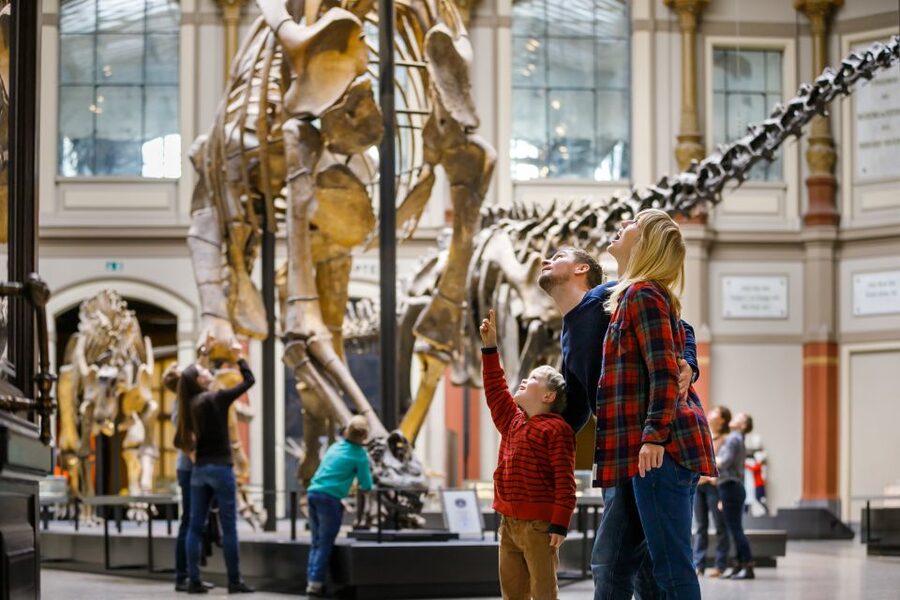
Dinosaurs and lab specimens in one stop. This Museum für Naturkunde ticket is a smart way to hit Berlin’s biggest natural history hits fast, with standout moments like the Giraffatitan dinosaur hall and the museum’s famous wet collection.
I love how the museum backs up the wow with real science, especially in the East Wing research collections. One thing to keep in mind is that the experience is very audio and phone-friendly, so you’ll want a working device and headphones, since not every label is guaranteed to be easy to read in English.
In This Review
- Key Highlights You Should Not Miss
- Entering Berlin’s Museum für Naturkunde, Without Wasting Time
- The Dinosaur Hall and Upper Jurassic World-Building
- Giraffatitan brancai: The Tallest Mounted Dinosaur Moment
- Archaeopteryx lithographica, Displayed Like a Treasure
- The East Wing Research Collection and the Wet Collection
- The Biodiversity Wall: 3,000 Species on One Look
- Tristan Otto and the T. rex Reality Check
- Downloadable Audio and Multilanguage Support That Actually Matters
- How Long Should You Spend Here, Really?
- Families, Kids, and the Noise Factor
- Price and Logistics: Is This Ticket Worth $12?
- Should You Book This Museum Ticket?
- FAQ
- How long is the Museum für Naturkunde ticket valid?
- Where do I meet for entry?
- Is this ticket for a guided tour?
- What’s included with the ticket?
- Is there a physical audio guide?
- What languages are available for the audio content?
- Do I need to bring identification?
- Is the museum wheelchair accessible?
- Can I cancel and get a refund?
Key Highlights You Should Not Miss
- Giraffatitan brancai: a towering, mounted dinosaur skeleton that greets you at the heart of the Dinosaur Hall
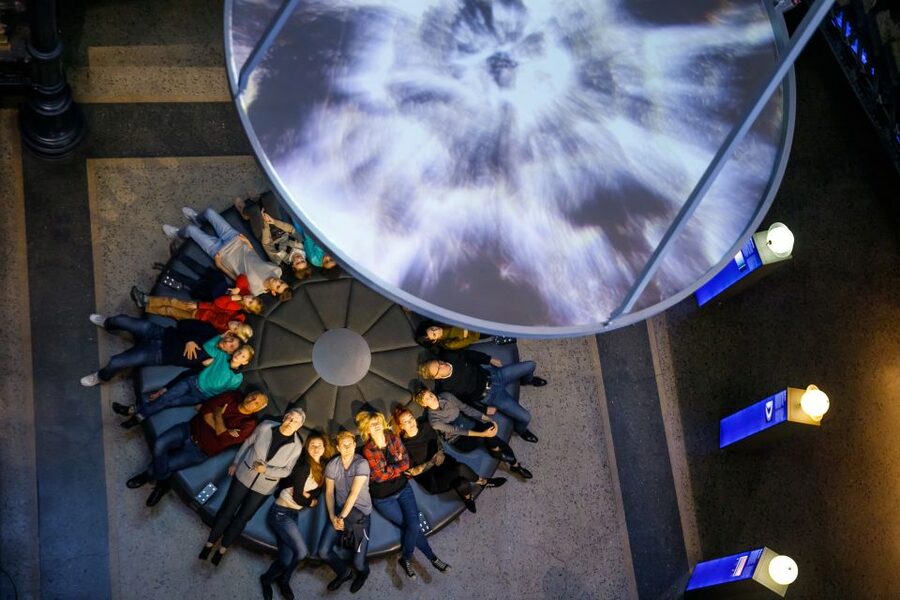
- Wet collection: about 1 million animals preserved in alcohol
- Biodiversity Wall: a single-wall snapshot of more than 3,000 species
- Archaeopteryx lithographica: displayed in a safety showcase like a natural history masterpiece
- Tristan Otto: one of the few original T. rex skeletons
- Multilanguage audio: downloadable content in several languages, built for self-guided visits
Entering Berlin’s Museum für Naturkunde, Without Wasting Time
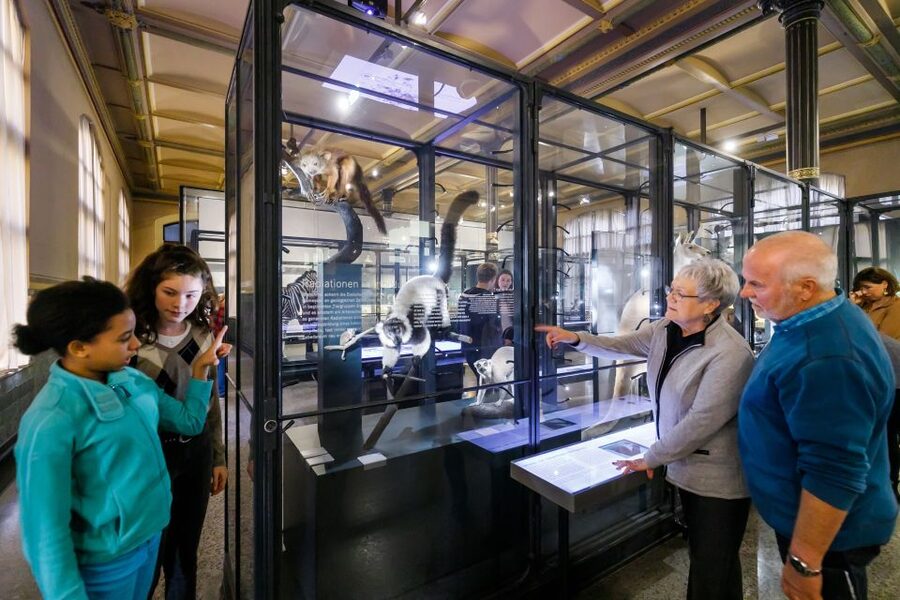
The museum sits at Invalidenstraße 43, and your ticket is for the main entrance. Your time window is roughly 30 minutes to 1 hour, which is perfect if you want a focused circuit of the museum’s most famous rooms.
What you get here is not a guided tour. Instead, you get the entrance, downloadable audio content (via a website), and access to a cloakroom. That setup makes sense in a place like this, because you can linger when you find something that hooks you, then move on before you start feeling rushed.
For your best visit flow, think in zones: start with the dinosaur display rooms, then swing to the research side of the museum, and end at the big “big picture” displays like the biodiversity installation. You’ll cover more ground that way, and it matches how the museum’s collection is actually organized.
Value-wise, the ticket price around $12 is a solid deal for a museum that houses world-class icons plus major research collections. You’re not just paying for a few skeletons. You’re paying to walk through the story of how scientists collect evidence, study it, and build new understanding over time.
More History Tours in Berlin
- Berlin: 3-Hour World Heritage Cruise to Potsdam
★ 4.5 · 1,569 reviews - Berlin: History of the Third Reich Guided Walking Tour
★ 4.7 · 791 reviews - Berlin Historical Highlights Walking Tour
★ 4.9 · 657 reviews
The Dinosaur Hall and Upper Jurassic World-Building
If you only have an hour, the Dinosaur Hall is your main event. This space reconstructs life as it might have been in the Upper Jurassic period, about 150 million years ago, so you’re stepping into deep time rather than just looking at old bones.
The hall is built around the scale of dinosaurs. The design is meant to pull you to the center first, then let you fan out to smaller details. In practice, that means you should pick one anchor and then let the rest of the room orbit it.
A practical tip: when you enter, head straight for the central skeleton, then work your way back through the surrounding displays. That order helps you avoid that common problem of drifting at the entrance, then realizing you’ve spent 25 minutes near the same corner.
The museum also keeps the tone scientific. The fossil objects, especially dinosaurs, are presented as evidence that still produces new secrets for researchers.
That matters because it turns the dinosaurs from “cool props” into the start of a real question: how do we know what we know, and what could we learn next?
Giraffatitan brancai: The Tallest Mounted Dinosaur Moment
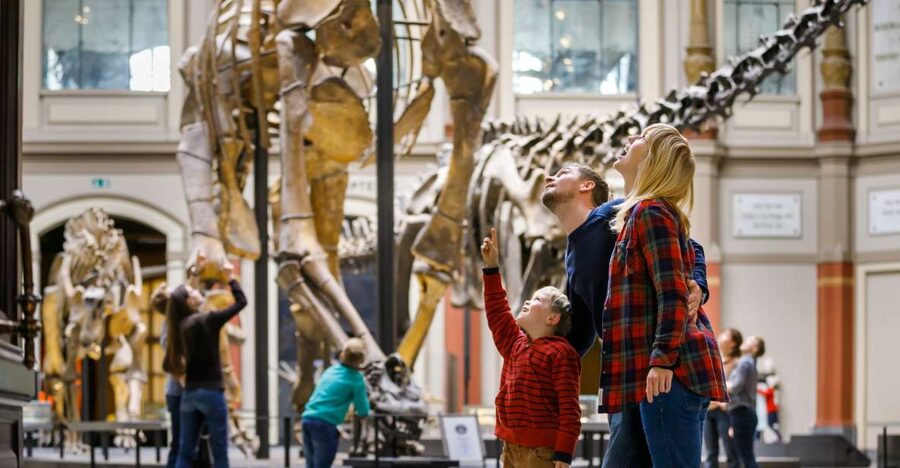
The first major “wow” sits in the middle of the Dinosaur Hall: Giraffatitan brancai, described as the world’s tallest mounted dinosaur skeleton. Even if you’re not a dinosaur fanatic, the height is hard to ignore. It changes how you read the space because you start looking up, not just forward.
This is a great place to slow down for a few minutes. Look at proportions, how the mount shows the long neck, and how the display guides you to compare size and shape cues.
I also like that the hall doesn’t stop at one exhibit. You’ll see multiple fossil highlights arranged so you can make connections between different species and time periods. For many people, this is the part that feels most like a blockbuster museum, but it still feels grounded because the exhibits are tied to scientific study.
If you’re visiting with kids, this is the room that helps everyone get on the same page fast. You can point out the “giant skeleton” first, then let the audio guide or the labels carry you through the details after the initial shock wears off.
Archaeopteryx lithographica, Displayed Like a Treasure
At the back of the Dinosaur Hall, you’ll find Archaeopteryx lithographica in a safety showcase. The museum calls it the Mona Lisa of natural history, and you can feel the special-care presentation.
This isn’t about towering size. It’s about importance. Archaeopteryx gets attention worldwide because it connects ideas about early birds and bird-like dinosaurs, and the museum’s way of framing it makes you treat the specimen like evidence, not just decoration.
If you want to get the most from this stop, don’t rush straight past. Spend a couple of minutes reading the nearby context and using the audio track if you have it downloaded. Even if some labels are not as easy to read in your language, the audio can still help you connect what you’re seeing with why it matters.
Also, remember that this is a safety showcase. That means you’re viewing through the museum’s protective setup, not a close-up viewing experience. Keep your expectations realistic, but don’t keep your interest shallow. The point here is scientific value.
More Museum Tours in Berlin
- Berlin: Museum Island Multiple Museum Entry Ticket
★ 4.4 · 2,861 reviews - Skip-the-Line: Berlin Wall Museum at Checkpoint Charlie
★ 4.1 · 2,041 reviews - Berlin: Interactive DeJa Vu Museum Entrance Ticket
★ 4.1 · 1,338 reviews - Berlin: East Side Gallery Spree Cruise in a Solar Catamaran
★ 4.1 · 1,086 reviews
The East Wing Research Collection and the Wet Collection
This museum goes beyond “extinct fossils on display.” In the East Wing, you can see a genuine scientific research collection with standout scale: about 1 million animals stored in roughly 80 tonnes of alcohol.
This is the part that surprises people most, because it feels almost like a cabinet of scientific history. It also gives you a different angle on the museum’s mission. The dinosaur halls tell one kind of story, but the wet collection tells another: preservation as a tool for ongoing research.
For value, this is where your ticket really earns its keep. Many museums show specimens. This museum highlights the collection as a working resource, tied to the museum’s ongoing scientific work. That context makes the alcohol-preserved specimens feel purposeful, not just eerie.
If you’re sensitive to the idea of preserved animals, this is where you may want to go slowly or skim. The museum doesn’t hide the method, and it’s normal if your comfort level is lower here than in the fossil-only galleries.
But if you can handle it, it’s fascinating. It helps you understand that natural history science is not just about what’s extinct. It’s about building reference material so scientists can compare, classify, and test new ideas.
The Biodiversity Wall: 3,000 Species on One Look
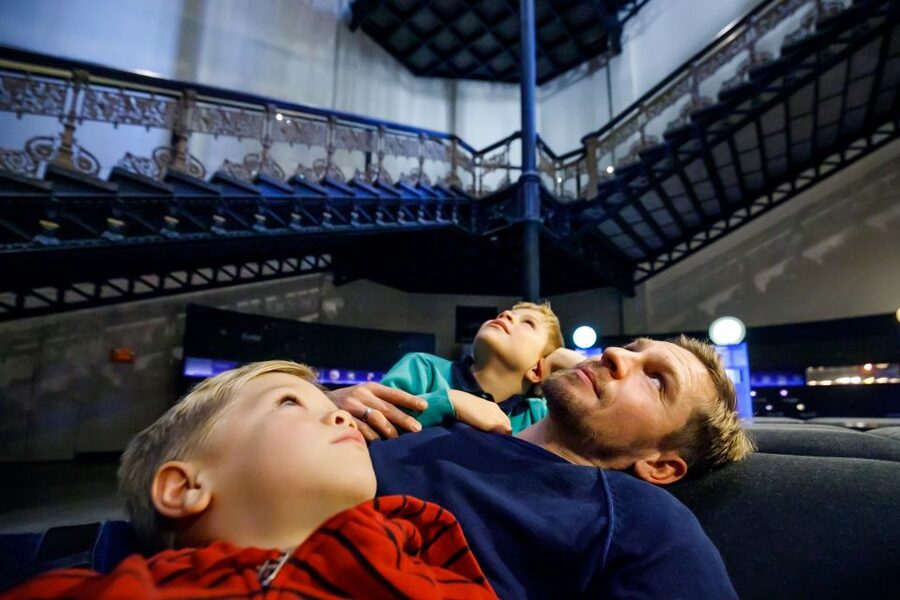
The Biodiversity Wall is a thought-provoking moment. It shows more than 3,000 different species in a way that forces you to look at variety and then think about loss.
This is not a room designed to cheer you up. It’s designed to make you pause. I like that the museum ties biodiversity to its research priorities, so the installation feels connected to real work rather than being a one-off art project.
How to approach it: don’t just stand and take a photo. Spend a minute letting your eyes move across the wall, then ask yourself what kinds of species are represented, and how that picture might change over time.
This stop also works well as a reset if you’ve been mentally sprinting through dinosaurs. It shifts you from “individual skeletons” to “systems.” That’s a different kind of learning, and it’s one of the reasons the museum feels complete rather than gimmicky.
Tristan Otto and the T. rex Reality Check
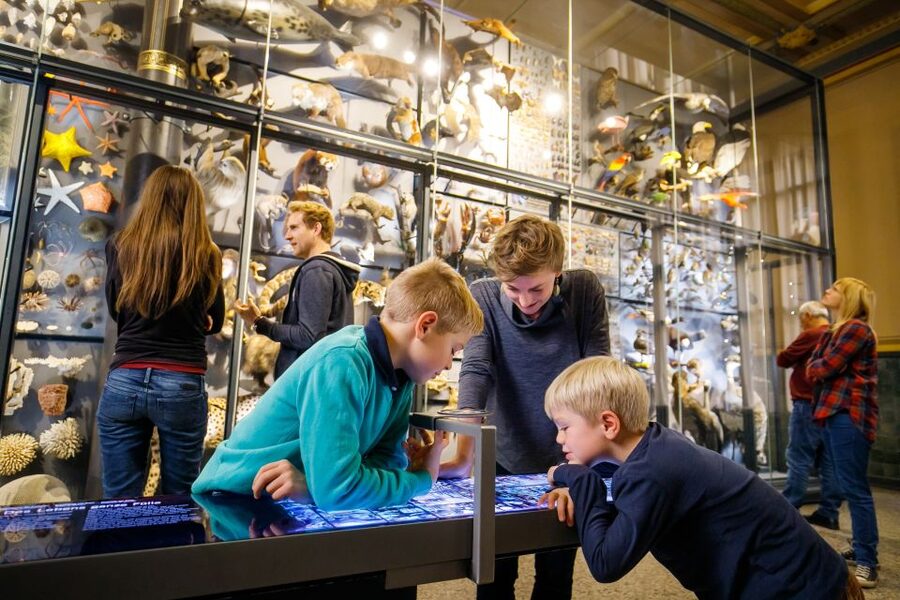
One of the most requested highlights is Tristan Otto, an original T. rex skeleton. If T. rex is the reason you bought the ticket, plan time for this properly.
The T. rex display tends to hit a different emotional note than many dinosaur fossils. You’re not just seeing a creature from a faraway era. You’re seeing one of the most famous predator images ever, turned into something physical and real.
A practical note: don’t let the T. rex area swallow your whole visit. If you only have one hour, treat it as a planned stop, not a detour. See it, read the key context, then keep moving so you also catch the wet collection and biodiversity wall.
If you’re visiting as a family, this can be your “final boss” room, the one that makes kids remember the trip. It’s also a good anchor if you have mixed interests in your group, since T. rex has universal appeal.
Downloadable Audio and Multilanguage Support That Actually Matters
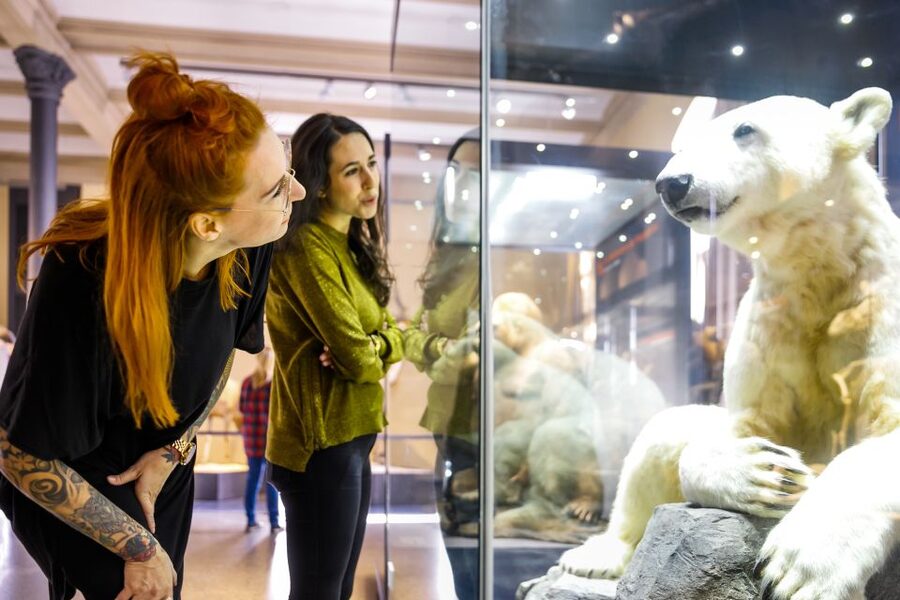
The ticket includes access to downloadable audio content in multiple languages, including English, French, German, Italian, Japanese, Polish, Portuguese, Russian, Spanish, and Turkish. The catch is that it’s not a physical audio device.
You’ll need your phone, plus headphones. I strongly recommend you arrive ready to use the audio website, and that you try the audio before you’re deep into the museum. When the system works, it turns this from “look at objects” into “understand why these objects matter.”
A key planning point: some reviews also flag that not every display description is perfectly easy to read in English. So think of the audio guide as your safety net, especially in rooms where labels are smaller or not as consistent in language coverage.
Also, keep your device charged. This kind of museum is the sort of place where you end up wanting the audio for multiple sections, not just one.
And if you get stuck at the door with how the ticket is displayed, stay calm. The museum staff will scan you at the main entrance, but some people have run into app confusion. The fix is simple: have your ID ready and make sure your ticket is visible when you reach the entrance.
How Long Should You Spend Here, Really?
Your booking window is 30 minutes to 1 hour, and many visitors can do a strong highlights loop in that time. Still, the museum is big enough that a second pass is tempting, especially if you’re a fossil person or you want to read more carefully.
Here’s a realistic way to handle the time:
- First 20 minutes: Dinosaur Hall anchor exhibits, with a quick but focused route
- Next 20 to 30 minutes: Archaeopteryx showcase and then East Wing wet collection
- Final 10 to 20 minutes: Biodiversity Wall, and T. rex moment if you haven’t hit it yet
If you only have time for one “theme,” pick the dinosaurs. If you want variety and a more thought-through visit, build in the wet collection and biodiversity wall. That mix gives you both awe and perspective.
If you wander without a plan, you can end up feeling lost. The museum’s organization is thoughtful, but it’s still easy to lose your bearings when you’re bouncing between rooms and reading multiple label sets.
Families, Kids, and the Noise Factor
This museum works for families, especially because the dinosaur section is so visually powerful. Many kids don’t need much encouragement when the skeletons are this large.
That said, this is still a museum building with school traffic at certain times. The result can be a lot of energy and noise, which is normal. Bring patience, plan your favorite stops, and don’t rely on silent viewing time.
Also, while there are interactive touches in some parts of the experience, it’s not an amusement park. If your expectation is lots of hands-on play stations in every room, you might feel slightly disappointed. The “interaction” here is mostly about looking closely, reading carefully, and listening through the audio.
For families with very young kids, the best strategy is to keep the route short and pick the most visually obvious rooms first. Use the audio for the adults, and when the kids lose interest, pivot quickly to the next big visual anchor like T. rex.
Price and Logistics: Is This Ticket Worth $12?
For about $12, you’re paying for a high-value mix: major fossil icons, a research collection with massive preservation scale, and a biodiversity installation tied to current science.
You’re also paying for a setup that reduces friction. The ticket includes skip-the-ticket-line access and includes a cloakroom, which sounds minor until you’re juggling bags in a busy museum.
Where value can slip is when your visit time balloons because you keep stopping to read everything. That’s not a bad problem, just a scheduling one. If you only booked the 30 to 60 minute window, decide in advance what matters most, so you don’t spend the last 10 minutes rushing the exhibits you cared about earlier.
If you’re visiting during peak periods, it’s smart to have a flexible mindset. Some people have reported waiting when capacity is full, even with timed entry. A little buffer keeps your visit comfortable.
Should You Book This Museum Ticket?
Yes, if you want a high-impact natural history visit that fits into a short Berlin window. This ticket is especially good if you care about dinosaurs but also want the science side: the wet collection, the museum’s ongoing research focus, and the biodiversity message.
I would book it if:
- You want the big icons like Giraffatitan, Archaeopteryx, and Tristan Otto
- You like museums that connect display objects to real research
- You’re comfortable using a downloadable audio guide on your phone
I might skip or reconsider if:
- You strongly prefer printed labels only, and you don’t want to use your phone audio
- You need lots of hands-on interactions, not just exhibits and close viewing
- You’re expecting a very spread-out, multi-day museum experience from a one-hour visit
If you book, do yourself a favor and bring headphones, keep your route focused, and treat the wet collection and biodiversity wall as non-negotiable stops. That’s where the museum stops being just impressive and starts being meaningful.
FAQ
How long is the Museum für Naturkunde ticket valid?
Your entry time is listed as 30 minutes to 1 hour. It’s based on available starting times.
Where do I meet for entry?
The meeting point is the main entrance of the museum at Invalidenstraße 43, 10115 Berlin.
Is this ticket for a guided tour?
No. This is an entrance ticket. Guided tours are listed as not included.
What’s included with the ticket?
Included items are the museum entrance fee, access to downloadable audio content (through logging into a website), and the cloakroom.
Is there a physical audio guide?
A physical audio guide is not included. The audio content is downloadable and used from your device.
What languages are available for the audio content?
The downloadable audio content is listed in English, French, German, Italian, Japanese, Polish, Portuguese, Russian, Spanish, and Turkish.
Do I need to bring identification?
Yes. You should bring a passport or ID card. Reduced tickets require proof of age or status at entry.
Is the museum wheelchair accessible?
Yes. The activity is listed as wheelchair accessible.
Can I cancel and get a refund?
You have free cancellation up to 24 hours in advance for a full refund.
More Historical Tours in Berlin
- Berlin: 1h Boutiquestyle-Cruise on the Historic HEMINGWAY
★ 4.6 · 563 reviews - Berlin Private Complete History All Day Walking Tour
★ 5.0 · 474 reviews - Berlin: Cold War Era History Guided Bike Tour
★ 4.8 · 413 reviews - Berlin Craft Beer & Cultural Tour With Snack
★ 5.0 · 343 reviews
More Museums in Berlin
- Cold War, Berlin Wall, Spies and the East Side Gallery
★ 5.0 · 1,024 reviews - Berlin WelcomeCard: Museum Island & Public Transport
★ 4.3 · 999 reviews - From Berlin: Sachsenhausen Concentration Camp Museum Tour
★ 4.8 · 514 reviews - Berlin: German Spy Museum Flexible Entry Ticket
★ 4.4 · 472 reviews
Newest Berlin reviews on the site
- Jetbike Berlin fun bike beer bike★ 5.0 · 3 reviews
- Karl-Marx-Allee Walking Tour: Berlin’s Socialist History★ 5.0 · 5 reviews
- Homeless on chic streets: city tour in Berlin from personal experience★ 4.6 · 3 reviews
- Berlin: Sachsenhausen Concentration Camp Guided Tour★ 4.9 · 42 reviews
- Historyof the Trans, Queer & Gay communities of Berlin tour★ 4.8 · 17 reviews
- Historic Berlin Pubs & History Tour★ 4.9 · 73 reviews
- Berlin: City Center Walking Tour★ 4.7 · 45 reviews
- Half-Day Berlin Highlights Segway Expedition★ 4.5 · 61 reviews
Museums, compared.


Skip-the-Line: Berlin Wall Museum at Checkpoint Charlie
Read our review →Browse the lists this tour appears in