

Reviewed · MUSEUMS
Berlin: Interactive DeJa Vu Museum Entrance Ticket
Your eyes lie to you in a hands-on museum. The DeJa Vu Museum near Alexanderplatz turns that idea into a playable route through optical illusions and themed spaces, with you as the main character in plenty of the setups. I like how interactive it is, not just something you look at, and the whole pace stays playful from room to room.
I also love the photography potential, especially in the mirror worlds and the colorful projector moments where you can test angles and poses. Rooms like the Starroom and Abyss make for memorable shots, and the art gallery by Oleg Shupliak adds a more thoughtful layer to all the fun. The main drawback to plan around is timing, some exhibits are inside small rooms, so if it is busy you may wait and some tricks can feel a bit repetitive.
In This Review
- Key things to notice before you go
- Finding the Deja Vu Museum entrance by Alexanderplatz
- Two floors of illusions: how the museum is laid out
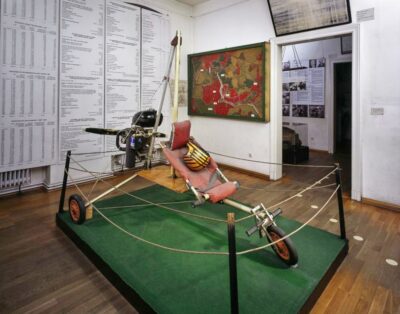
- Beuchet-Stuhl, Dark Room, and Interactive Sandbox: the hands-on stuff
- Projector rooms where you become part of the artwork
- Oleg Shupliak art gallery: layered portraits and a thinking game
- Mirror rooms like the Starroom and Abyss, plus kaleidoscope photo moments
- Puzzles and themed gallery spaces: the in-between moments
- How long it really takes, and when to go for fewer waits
- Price and value: what $17 buys you in Berlin
- Who should buy this ticket in the first place
- Quick comfort and practical notes that matter
- Should you book the Deja Vu Museum ticket?
- FAQ
- How long is the Deja Vu Museum visit?
- Where is the meeting point?
- How much is the ticket?
- What languages are available for the host or greeter?
- Are pets, food, drinks, or alcohol allowed?
- Is free cancellation available and is reserve now pay later offered?
Key things to notice before you go
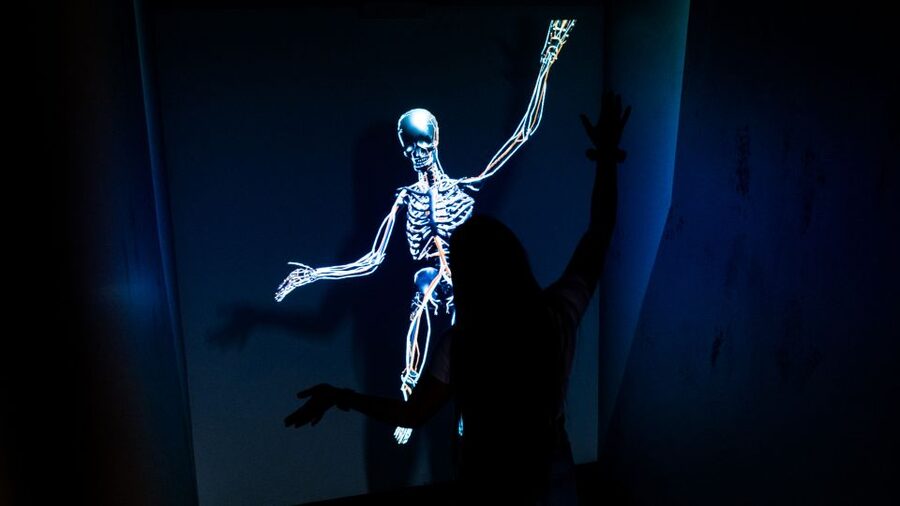
- Interactive projector rooms that make you part of the illusion, not just an observer
- Mirror rooms like the Starroom and Abyss where photos actually show the effect
- Oleg Shupliak art gallery with layered artwork and portrait-style puzzle moments
- Hands-on exhibits such as the Beuchet-Stuhl, Dark Room, and Interactive Sandbox
- Photo-friendly kaleidoscope visuals you can capture as stills or video
Finding the Deja Vu Museum entrance by Alexanderplatz
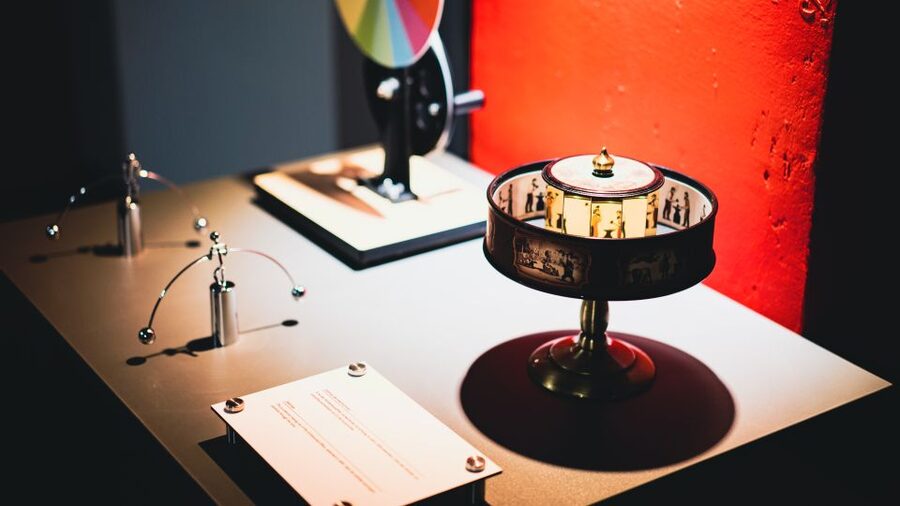
Plan to keep it easy. The entrance sits right by Alexanderplatz, roughly 300 meters from Fernsehturm. That matters because this type of experience runs best when you arrive without rushing, grab your ticket, and start walking immediately.
Since the visit is listed at 1.5 hours, you do not need a big time block. Still, it helps to arrive with a little buffer so you do not feel chased while you are trying to understand each optical trick.
More Museum Tours in Berlin
- Berlin: Natural History Museum Entrance Ticket
★ 4.6 · 3,382 reviews - Berlin: Museum Island Multiple Museum Entry Ticket
★ 4.4 · 2,861 reviews - Skip-the-Line: Berlin Wall Museum at Checkpoint Charlie
★ 4.1 · 2,041 reviews
Two floors of illusions: how the museum is laid out
The museum takes you through two floors packed with interactive exhibits, mirror rooms, puzzles, and themed gallery spaces. Instead of one long hallway of the same thing, the flow changes often enough to keep your brain awake. You are moving, testing, turning your head, and comparing what you expect to what you see.
A lot of the value here comes from variety. The museum mixes classic optical illusion concepts with modern, room-based effects. That is how you get that consistent wow factor across the whole route.
Tip from how the rooms work: go slowly at first. The first few exhibits teach you how the museum wants you to look, so you will get more out of the later projector rooms and mirror scenes.
Beuchet-Stuhl, Dark Room, and Interactive Sandbox: the hands-on stuff
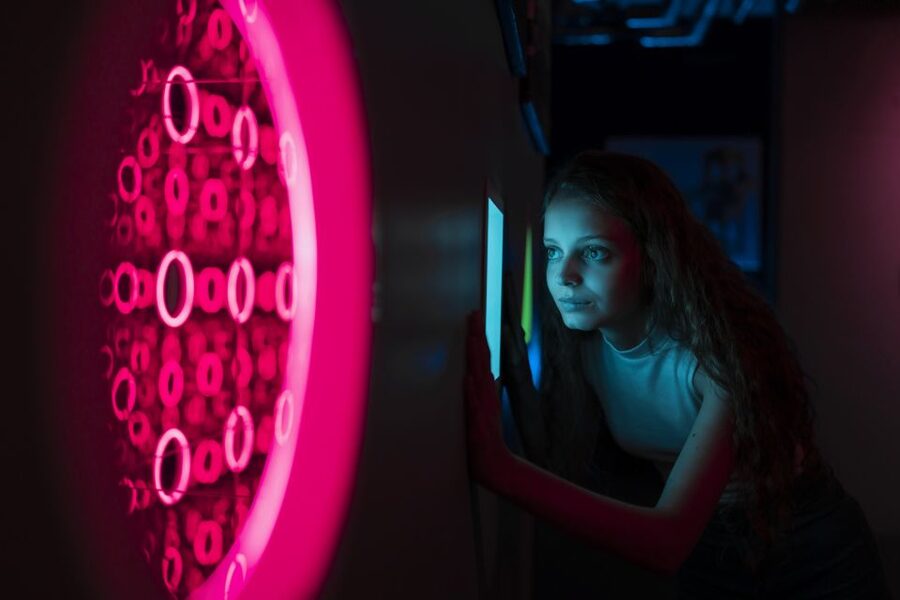
Some museums show illusions. This one gives you knobs, positions, and tasks, so you are actively solving. Expect classic interactive set pieces, including the Beuchet-Stuhl, the Dark Room, and the Interactive Sandbox.
Here is why this kind of exhibit is worth your time. Optical tricks often make sense only after you try them from the right angle or in the right spot. When you are allowed to interact, the illusion becomes a puzzle, not a lecture.
The Dark Room approach is especially useful if you want a break from bright, normal viewing. Your eyes adjust, and that makes the illusion feel more dramatic. It is also a good reset when you start to feel like you have seen too much of the same visual trick.
For families and groups, the Interactive Sandbox style also helps. People can take turns and test ideas quickly. That keeps the visit from stalling into long lines for one single attraction.
Projector rooms where you become part of the artwork
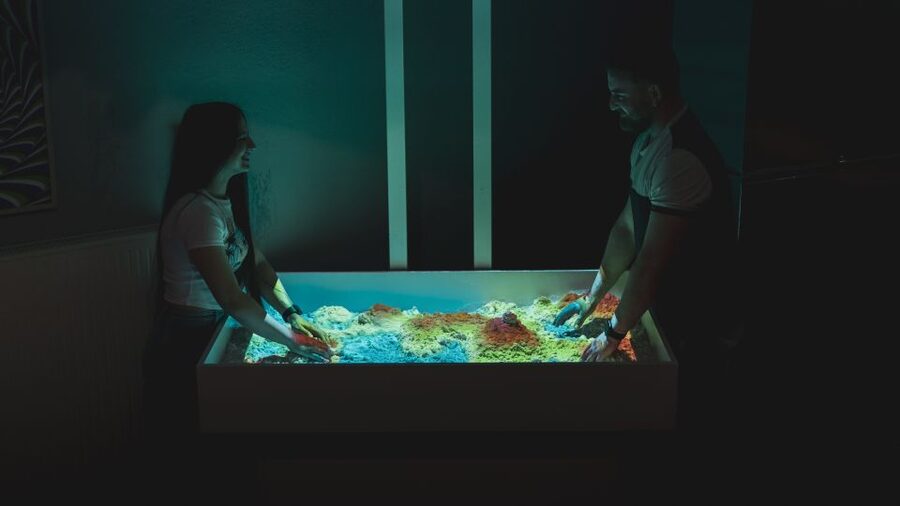
One of the most fun sections is the projector rooms, where the artwork and illusions focus on you. Instead of only looking at a display, you step into the effect. Your body becomes the moving part.
What I like about this concept is the built-in challenge. You are constantly trying to figure out what the projector is doing, so you naturally experiment with stance, distance, and timing. That turns the museum into something more like a game you play with your senses.
These projector rooms also tend to be the easiest for memorable photos. If you can position yourself quickly and understand the framing, you can capture the effect in a way that static exhibits just cannot match.
A few more Berlin walks and trips to compare
- Berlin: East Side Gallery Spree Cruise in a Solar Catamaran
★ 4.1 · 1,086 reviews - Cold War, Berlin Wall, Spies and the East Side Gallery
★ 5.0 · 1,024 reviews - Berlin WelcomeCard: Museum Island & Public Transport
★ 4.3 · 999 reviews - From Berlin: Sachsenhausen Concentration Camp Museum Tour
★ 4.8 · 514 reviews
Oleg Shupliak art gallery: layered portraits and a thinking game
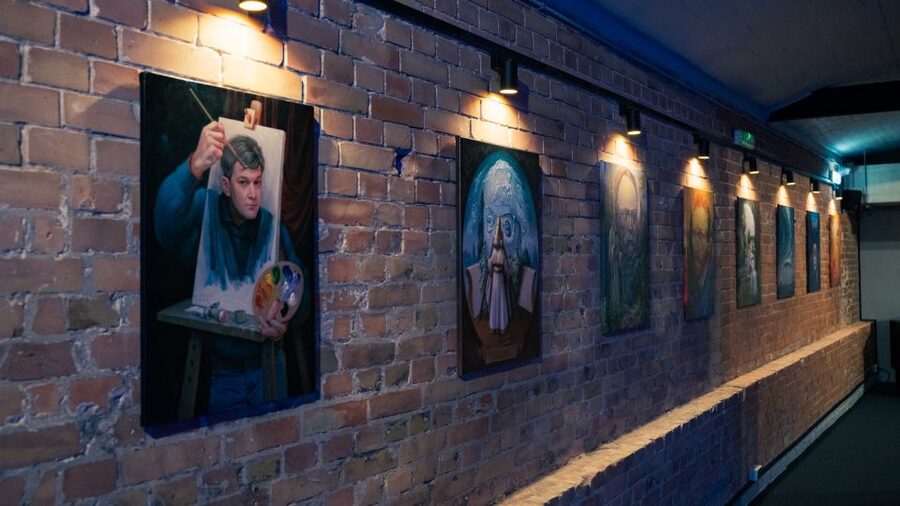
The museum includes an art gallery focused on painter Oleg Shupliak. This part stands out because it feels more like gallery time inside all the playful illusion rooms.
You will see different layers of Shupliak’s artworks, and there is a portrait element where you guess who is portrayed. That guessing game adds a light puzzle layer to the visit, so it is not all pure visual trickery.
Why this is valuable: the museum otherwise leans toward immediate fun. The Shupliak gallery slows you down just enough to appreciate that the illusions connect to artistic choices, not only gimmicks. It gives adults and older kids a reason to focus beyond selfies.
If you like noticing details, spend a little extra time here. Layered artwork rewards patience. Even if you do not fully decode it, you will feel the structure in the way the pieces are built.
Mirror rooms like the Starroom and Abyss, plus kaleidoscope photo moments
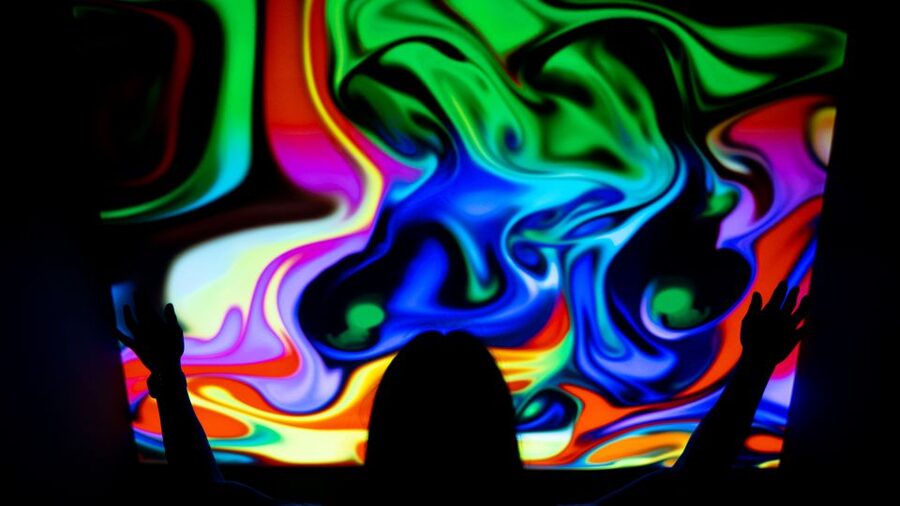
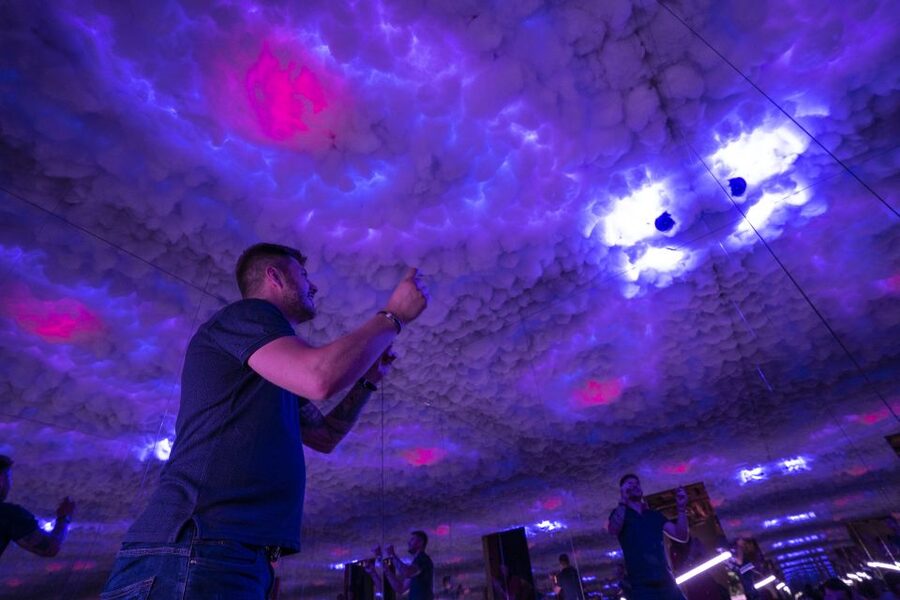
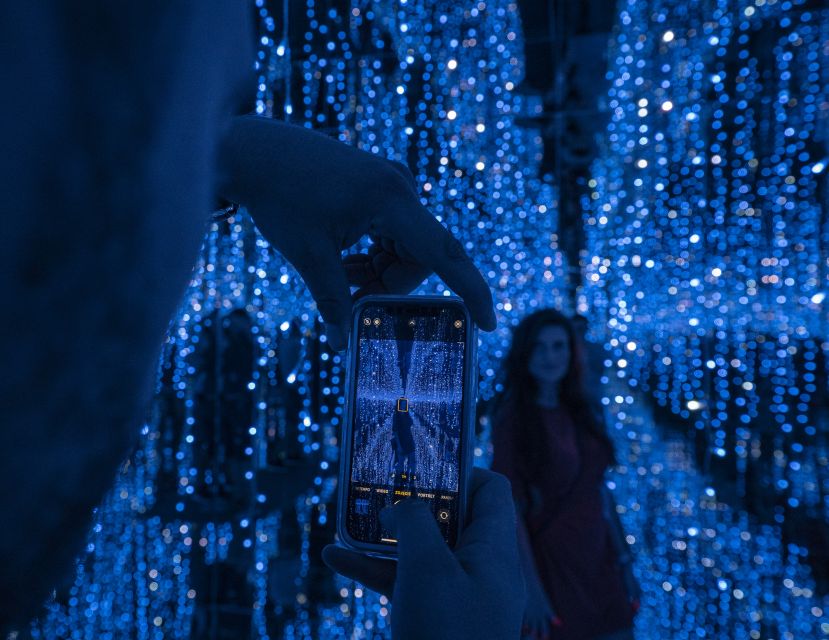
Mirror rooms are one of the biggest reasons people bring their phones. The museum includes themed mirror spaces such as the Starroom and the Abyss. These rooms create a strong sense of depth and repetition, which is exactly what your camera needs to make the effect visible.
You also have colorful kaleidoscope-style visuals where you can take stunning photos or videos. The trick is to treat the camera like a tool for understanding the illusion, not just a button for random shots. If you pause and reframe, you will usually get better results.
Practical photo tip: try a couple of angles rather than one. Mirror rooms change the look based on where you stand, and kaleidoscope visuals can look different with even small shifts in position.
These are also the rooms that tend to produce the most laughter, because you will see the room change as you move. That is the real point of the mirror effects, your movement becomes the motion in the scene.
Puzzles and themed gallery spaces: the in-between moments
Between the major attractions, you will find puzzles and smaller interactive elements sprinkled across themed gallery spaces. These are not always the loudest or flashiest parts of the museum, but they are important because they keep you engaged while you move from one big room to the next.
This matters for value. A 1.5-hour museum can either feel like a highlight reel or like a full experience. The puzzle moments give you something to do even when the most dramatic rooms are in between.
If you are going with kids or teens, these puzzle spaces help you keep momentum. If you are going as adults, they help you slow down and really look.
How long it really takes, and when to go for fewer waits
The listed duration is 1.5 hours, and that is a realistic target if you want to try most exhibits without rushing. If you move fast, you might finish earlier. If you stop for lots of photos and you get stuck in a couple of favorite rooms, you may stretch closer to the full time.
One thing to think about is crowding. Some exhibits live inside rooms that can feel tight, and that can lead to waiting when it is busy. If you want the smoothest experience, aim for a calmer time slot when you can.
Also, your best strategy is to keep your favorites for mid-visit rather than right at the start. Optical illusions can be mentally tiring. Spreading out the big wow rooms helps your eyes stay curious instead of exhausted.
Price and value: what $17 buys you in Berlin
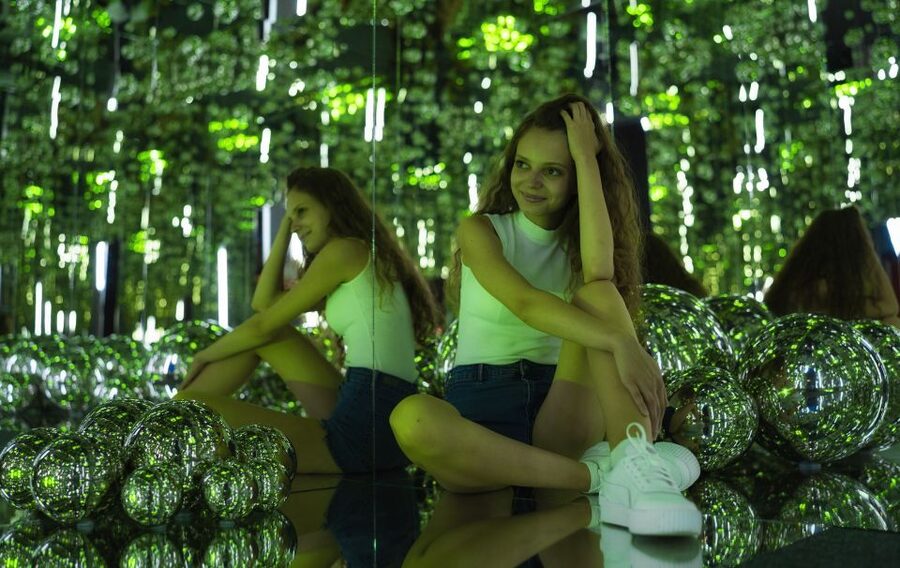
At about $17 per person for roughly 1.5 hours, this is a strong value choice for Berlin if you want something indoor and different. The price makes sense because you get far more than one attraction. You get multiple exhibit types, including interactive displays, puzzles, mirror rooms, and an art gallery section.
The best value is in groups. When you go with friends or family, people naturally take turns and trade places in projector rooms and interactive setups. That makes the museum feel longer than it is, even though the visit time stays compact.
So who should see it as a budget-friendly win? Anyone who wants a rainy-day plan, a low-pressure activity, or a hands-on break from classic sightseeing.
Who should buy this ticket in the first place
This ticket is built for broad ages, and it hits especially well for kids and teenagers because it is interactive and photo-ready. Older visitors also enjoy it, particularly if you like visual games and art that is meant to be watched and tested.
That said, it is not for everyone. It is not suitable for people with mobility impairments. It is also not suitable for people with epilepsy. If either applies, you should skip this experience and choose something that fits better.
Also note the house rules that affect your comfort. Pets are not allowed, and food and drinks are not allowed. Alcohol and drugs are also not allowed. Plan your Berlin day so you do not need snacks during the visit.
Quick comfort and practical notes that matter
The host or greeter is available in English, German, Polish, Spanish, and French. If you want help understanding where to start or how to move through the rooms, you should have no language barrier.
You should also check the start times available for your schedule. The museum lists the visit length, but start times can vary, so it is worth picking a slot that matches your energy and your plans in Alexanderplatz.
Should you book the Deja Vu Museum ticket?
If you want a playful, sensory, indoor experience that mixes interactive exhibits with mirror rooms and a small art gallery puzzle, I think it is an easy yes. It is also a great pick when you want something that actually rewards participation, not just looking.
I would hold off only if you have mobility or epilepsy concerns, or if you hate waiting and tight rooms. Otherwise, this is one of the better ways to spend about an hour and a half in Berlin without needing a big plan.
FAQ
How long is the Deja Vu Museum visit?
The duration is listed as 1.5 hours.
Where is the meeting point?
The entrance is right by Alexanderplatz, roughly 300 meters from Fernsehturm.
How much is the ticket?
The price is listed at $17 per person.
What languages are available for the host or greeter?
The host or greeter is available in English, German, Polish, Spanish, and French.
Are pets, food, drinks, or alcohol allowed?
No. Pets are not allowed, and food and drinks are not allowed. Alcohol and drugs are also not allowed.
Is free cancellation available and is reserve now pay later offered?
Yes. You can cancel up to 24 hours in advance for a full refund. You can also reserve now and pay later, meaning you can book your spot and pay nothing today.
Newest Berlin reviews on the site
- Jetbike Berlin fun bike beer bike★ 5.0 · 3 reviews
- Karl-Marx-Allee Walking Tour: Berlin’s Socialist History★ 5.0 · 5 reviews
- Homeless on chic streets: city tour in Berlin from personal experience★ 4.6 · 3 reviews
- Berlin: Sachsenhausen Concentration Camp Guided Tour★ 4.9 · 42 reviews
- Historyof the Trans, Queer & Gay communities of Berlin tour★ 4.8 · 17 reviews
- Historic Berlin Pubs & History Tour★ 4.9 · 73 reviews
- Berlin: City Center Walking Tour★ 4.7 · 45 reviews
- Half-Day Berlin Highlights Segway Expedition★ 4.5 · 61 reviews
Museums, compared.
Skip-the-Line: Berlin Wall Museum at Checkpoint Charlie
Read our review →Browse the lists this tour appears in