
Reviewed · THIRD REICH & COLD WAR TOURS
Private Walking Tour in Berlin: Hitler’s Germany & WWII
Berlin turns dark fast. This private, historian-led walk connects the worst parts of Nazi Germany to the specific corners of today’s city, from Anhalter Bahnhof to memorials you will not forget. I like the way the pace is structured for clarity, and I really appreciate the mix of terror sites and human stories behind them.
One key consideration: almost everything is outside views only, and most stops are brief, so if you want long museum time or inside access, you will need extra hours on your own.
In This Review
- Key highlights you’ll care about
- A Nazi-era walking route that actually makes sense
- Price and what you’re really paying for
- How the timing works (and why the stops feel intense)
- Logistics that make the walk easier
- Museum Blindenwerkstatt Otto Weidt: a resistance and survival angle
- Neue Synagoge Berlin – Centrum Judaicum: seeing Jewish life and loss in one place
- Anhalter Bahnhof ruins: deportations made physical
- Topography of Terror: the state behind the state
- Aviation Ministry of Berlin: the reach of Nazi administration
- Johann Georg Elser Sculpture: resistance in human form
- The Holocaust Memorial: quiet time built into a busy walk
- Monument to Homosexuals Persecuted Under National Socialist Regime
- Soviet Memorial Tiergarten: another chapter of WWII remembrance
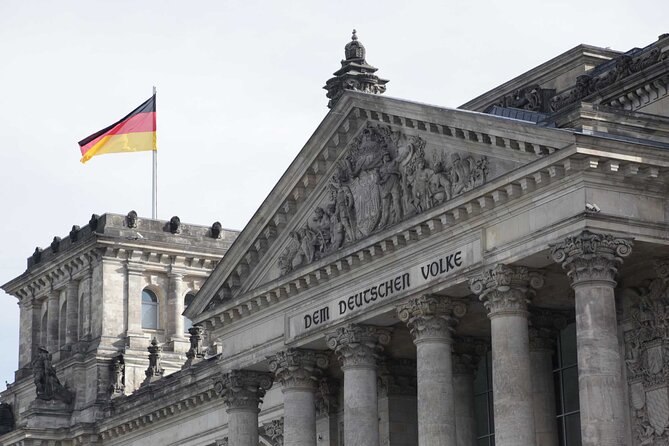
- Reichstag from the outside: closing on politics, not just the past
- Guides can make or break this topic
- Who this tour is best for
- Should you book this Hitler’s Germany and WWII walking tour?
Key highlights you’ll care about
- Private format, not a cattle-car walk, so you can ask questions in real time.
- Historian guide focus, with context that helps you connect what you see to what happened.
- Anhalter Bahnhof ruins, tied directly to deportations to concentration camps.
- Multiple victim and persecution memorials, including the Holocaust memorial and the monument for persecuted homosexuals.
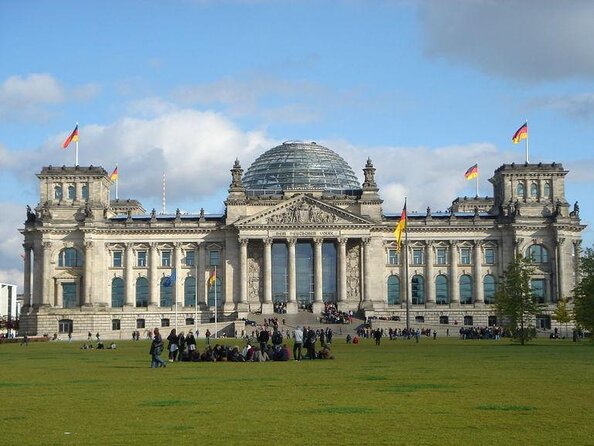
- Ends near the Reichstag, so you can keep exploring in the Reichstag and government quarter area.
- Outside-only touring, which keeps the walk moving, but limits time in any single location.
A Nazi-era walking route that actually makes sense

Berlin has a talent for swallowing history in plain sight. One minute you’re on a normal street, the next you’re standing near a place tied to arrests, forced deportations, and mass murder. That’s why this tour works: it’s not just a list of famous names, it’s a connected story told stop by stop, with a historian guide.
This is a 4-hour, private walking tour focused on Hitler’s Germany and WWII. You’ll cover key sites linked to the Nazi system of terror, plus memorials connected to the Holocaust and other persecuted groups. The tour finishes near the Reichstag, so you can cap it with a look at the city’s political heart from the outside.
If you care about understanding the machinery of dictatorship, this route is direct. And if you want to see how Berlin remembers victims today, you’ll find that too.
More Third Reich & Cold War Tours in Berlin
- Berlin: Third Reich and Cold War 2 Hour Walking Tour
★ 4.9 · 6,830 reviews - Berlin: Berlin Story Bunker Entry Ticket
★ 4.6 · 6,759 reviews - Berlin’s Best: 2 Hour Walking Tour Third Reich and the Cold War
★ 5.0 · 5,486 reviews
Price and what you’re really paying for
The cost is $173.06 per person for a private walking tour. That sounds high until you compare it to what you get: a professional guide and a historian style of interpretation, plus a dedicated route that takes you to many high-impact sites in one half day.
Also, it’s private, so you are not sharing your guide’s attention with a large crowd. That matters a lot on heavy-topic history, because you will likely have questions. If you are traveling with family or a small group, it can also feel like better value than you’d think, especially if you are skipping the trial-and-error of figuring out the route and the meaning of each location yourself.
If you’re on a strict budget, do the math. This tour is priced like an expert-guided experience, not like a general city walk.
How the timing works (and why the stops feel intense)
Plan for about 4 hours. Each location is allotted roughly 10 minutes, with a few slightly longer moments, such as the Holocaust Memorial stop (15 minutes). That means you get a focused briefing at each stop, then you move on.
This format is great for keeping your brain oriented. You’ll see many places without getting lost in one single site. But it also means you cannot expect the kind of slow, museum-style pacing where you linger and read everything.
The tour finishes before you’d reach the German parliament building area, ending near the Reichstag. From there, you can decide how long to spend in the surrounding government district on your own time.
Logistics that make the walk easier
You can expect pickup offered, and you’ll have a mobile ticket. The meeting point is Neue Promenade 3, 10178 Berlin, and the route ends at Platz der Republik 1, 11011 Berlin. The tour is also described as being near public transportation, which helps if you want to start or leave with less hassle.
One more practical item: public transport tickets are not included. The tour notes that you may need a Single Ticket AB which is listed at about 4€ per person. If you plan to ride, budget for that.
Finally, the big rule to know: the tour sees attractions from the outside only, not by entering buildings.
More Walking Tours in Berlin
- Discover Berlin Half-Day Walking Tour
★ 5.0 · 9,624 reviews - Berlin: Discover Berlin Walking Tour
★ 4.9 · 5,998 reviews - Berlin: Hidden Backyards Guided Walking Tour
★ 4.8 · 5,360 reviews - Third Reich Berlin: Hitler and WWII Walking Tour
★ 5.0 · 3,301 reviews
Museum Blindenwerkstatt Otto Weidt: a resistance and survival angle
The tour starts with Museum Blindenwerkstatt Otto Weidt. The guide will explain the history of the site, and the time on location is short, about 10 minutes.
Even without going inside, this stop sets an important tone. Nazi Germany was not only a story of institutions of terror. It was also a story of people who tried to protect others, and the way life could be constrained into survival mode.
What to do here: pay attention to how the guide frames what this site represents. These early minutes matter because they shape how you interpret the rest of the route. If you rush, you’ll miss that context.
Drawback to consider: the stop is brief, so you’ll likely want to save deeper reading for later if this topic hooks you.
Neue Synagoge Berlin – Centrum Judaicum: seeing Jewish life and loss in one place
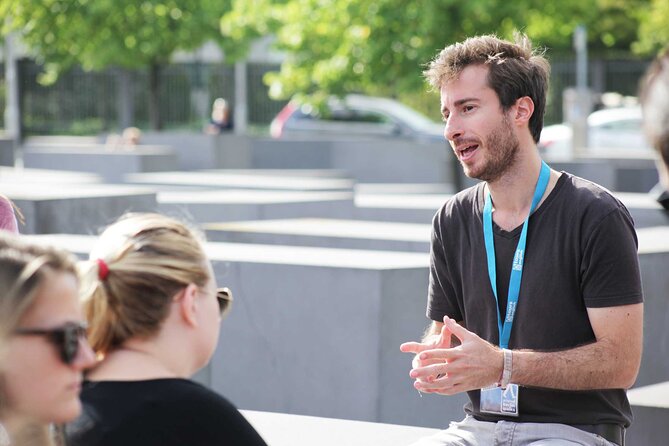
Next is Stiftung Neue Synagoge Berlin – Centrum Judaicum, again with about 10 minutes on site. You can expect an explanation of the site’s history from the guide.
This stop is valuable because it reminds you that what happened under the Nazis was not abstract. It targeted communities, homes, culture, and daily life. Seeing a site connected with Jewish history helps you understand why memorials later on are so emotionally charged.
Practical tip: take a moment to look around before you tune in fully. City context can help your brain place the story. Berlin can feel like a maze if you only read plaques.
Anhalter Bahnhof ruins: deportations made physical
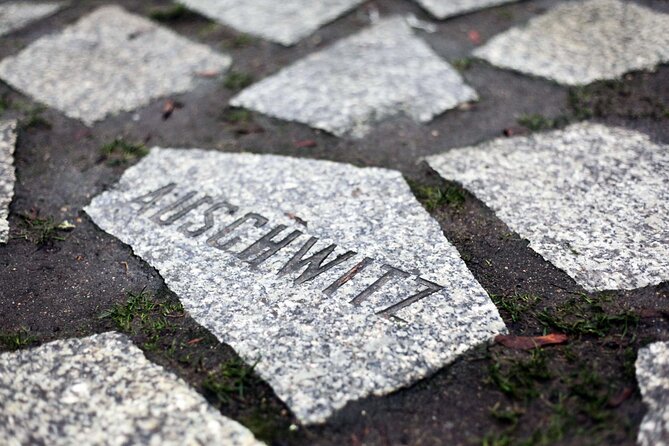
Then comes Anhalter Bahnhof, one of the most direct links to the Nazi machinery of mass deportation. The tour notes that it was used to deport prisoners to concentration camps, and your guide explains the site’s history.
This is the kind of stop where the “outside-only” format actually works. You can still look at the shape of the area and grasp how trains and transit routes were turned into tools for terror.
What I like about this part is that it anchors the story in a concrete logistics system, not just slogans. Deportation is not a vague idea. It is schedules, movement, and forced departures.
If you are sensitive to heavy topics, mentally prepare for this one. It is likely to feel the most blunt.
Topography of Terror: the state behind the state
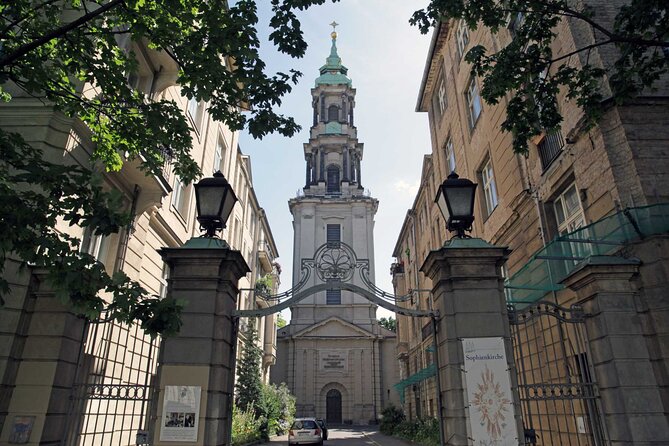
Next is Topography of Terror, with another short stop and historical explanation by your guide.
This stop matters because it pushes you toward the real architecture of Nazi power. You learn how terror institutions operated, and why their impact was so widespread. Even without entering, the guide’s narration should connect what you see in the city to the workings of the regime.
What to ask yourself during this stop: how does bureaucracy make cruelty easier? Berlin’s layers can tempt you to see buildings as just buildings, so lean into what the guide is teaching you about function and control.
Aviation Ministry of Berlin: the reach of Nazi administration
The tour continues to the Aviation Ministry of Berlin. Again, it’s about 10 minutes with the guide explaining the history of the site.
This is one of those stops where it helps to listen for the “how” story. Nazi Germany did not only use police and prisons. It also used government systems, planning, and administration to sustain the regime.
Even if you are not a WWII nerd, you’ll benefit here because it broadens the view. It’s the difference between seeing events and understanding the structure that allowed events to keep happening.
Johann Georg Elser Sculpture: resistance in human form
Next you’ll see the Johann Georg Elser Sculpture. The guide explains the history of the site, with about 10 minutes allocated.
This stop is important because it shifts your lens. The route spends a lot of time on where the Nazi system operated, but it also makes room for opposition. The presence of an Elysian-like monument in a hard historical area is a reminder that resistance also existed, even when it was dangerous.
Practical note: since your time here is limited, let the guide set the scene first. If you try to figure everything out just by reading a plaque, you’ll probably miss the bigger point.
The Holocaust Memorial: quiet time built into a busy walk
One of the longer moments comes at the Holocaust Memorial, Memorial to the Murdered Jews of Europe, with about 15 minutes.
This is where I’d slow down mentally, even if your legs keep moving. A guided explanation can help, but the real value is in the atmosphere and the space to absorb what you are seeing.
What you should do: stand still when your guide finishes speaking. Don’t rush to the next point. This stop is short by design, but you can control how fast you process the moment.
Also, for comfort and respect, dress for standing. Wear shoes you can stand in for a few extra minutes if the group allows it.
Monument to Homosexuals Persecuted Under National Socialist Regime
After that, you’ll stop at the Monument to Homosexuals Persecuted Under National Socialist Regime, about 10 minutes.
This part matters because it expands the lens beyond the most talked-about victims. The Nazi system targeted multiple groups for persecution. Including this memorial makes the tour feel more complete, and it helps you understand that the regime’s cruelty had different targets and different mechanisms.
If you like to connect memorials to broader moral lessons, this stop will speak to you.
Soviet Memorial Tiergarten: another chapter of WWII remembrance
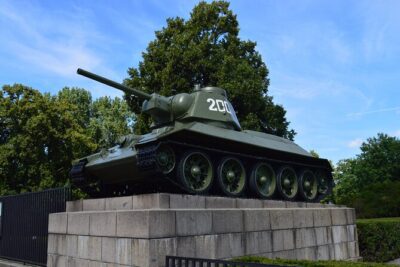
Next is Soviet Memorial Tiergarten, again around 10 minutes. Your guide explains the history of the site.
This stop adds another layer to WWII memory in Berlin. It can be a useful counterbalance to the focus on the Nazi state, because it reminds you that the war ended with enormous loss on multiple sides.
A helpful mindset: treat each memorial as a lens. Each one frames a different victim group and a different postwar way of remembering.
Reichstag from the outside: closing on politics, not just the past
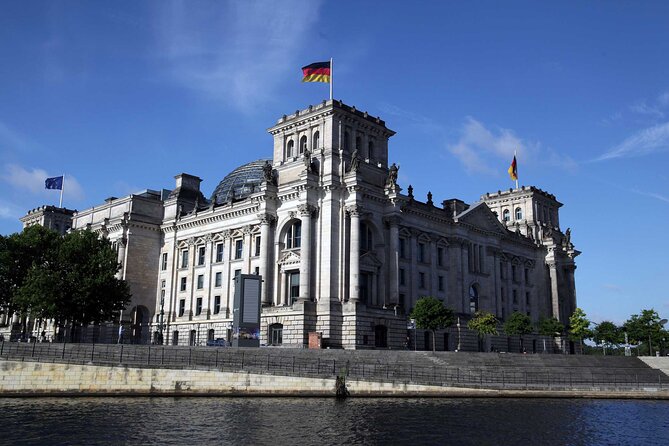
The tour finishes at the Reichstag Building, with about 10 minutes. The tour notes that the building itself is not included, so you’ll view it from the outside, while your guide provides context from the outside perspective.
Ending near the Reichstag is a smart move. It gives you a natural transition from the Nazi-era story into how modern Germany displays democratic power in a place that once sat near the edge of historical upheaval.
If you want to extend the day, this is a good area to do it. You’ll be close to cafés, parks, and other Berlin sights. I’d plan a little time buffer, so you can keep exploring without feeling rushed.
Guides can make or break this topic
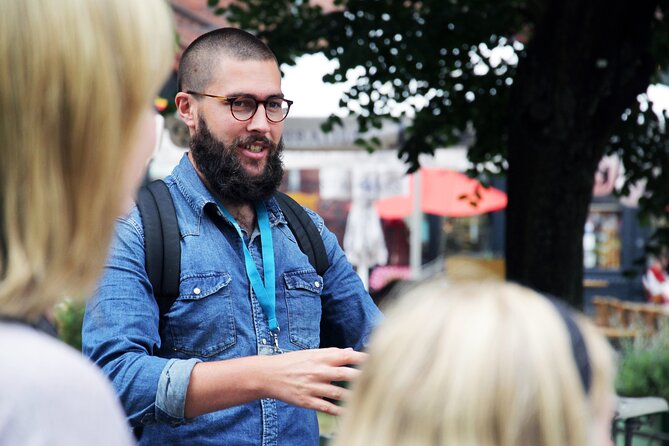
The reviews I’ve seen line up on one big theme: the guides are active, interactive, and strong with history. Names that showed up include Jasper, Stefan, Rohan, Lewis, and Xavier.
What you should hope for in a guide on a tour like this:
- Clear explanations that connect locations to the bigger story
- Answers to your questions, not a lecture that steamrolls you
- A way of handling heavy subject matter with care
If you can request a guide, you might try matching your preference to a style. For example, one review highlighted a guide who was especially interactive, another mentioned humor, and another focused on thorough detail.
And yes, on hot days, good guides also pace the group and keep energy steady. One review mentioned heat, so bring water and pace yourself.
Who this tour is best for
This walk fits you if:
- You want a guided Nazi Germany and WWII Berlin route that doesn’t get lost in random landmarks
- You like historical context told in a way you can follow as you walk
- You are okay with outside-only viewing and short time at each stop
It might feel less ideal if:
- You want long museum time or interior access at specific sites
- You need a slower pace for reflection and reading
- Your group prefers light sightseeing rather than heavy history
Should you book this Hitler’s Germany and WWII walking tour?
I’d book it if you want one half-day in Berlin that gives you a structured, guided path through some of the most important Nazi-era and Holocaust-related locations, without spending the whole day sorting out logistics yourself.
Skip it if you’re looking for casual sightseeing or if you specifically want to enter museums and buildings as part of the experience. Since the format is outside views only, you’ll need to plan additional time if that’s your priority.
If you do book: wear comfortable shoes, bring water for warm weather, and come ready to ask questions. A private historian-led walk is at its best when you treat it like a conversation with the city’s past.
More Wartime and Cold War History Walks in Berlin
- Skip-the-Line: Berlin Wall Museum at Checkpoint Charlie
★ 4.1 · 2,041 reviews - Berlin: Third Reich, Hitler, and WWII Walking Tour
★ 4.9 · 1,757 reviews - Cold War, Berlin Wall, Spies and the East Side Gallery
★ 5.0 · 1,024 reviews - Berlin Third Reich Sites: Half-Day Walking Tour
★ 5.0 · 835 reviews
Newest Berlin reviews on the site
- Your ticket to The Wall Museum Berlin★ 3.0 · 60 reviews
- Rickshaw Tours Berlin – Groups of up to 16 people with several rickshaws★ 4.0 · 97 reviews
- Love and War in Berlin: Self-Guided Story Puzzle Walk★ 5.0 · 7 reviews
- Warnemuende Shore Excursion: Berlin Private Sightseeing Tour from Rostock★ 5.0 · 4 reviews
- eSIM for Germany and 34 European Countries★ 4.5 · 16 reviews
- Walking on the Wall: 3-Hour Tour in Berlin★ 4.5 · 34 reviews
- Karl-Marx-Allee Tour: Life and Architecture in East Berlin★ 5.0 · 19 reviews
- Warnemuende Shore Excursion: Private Berlin Tour★ 4.5 · 27 reviews
Third Reich & Cold War Tours, compared.

Berlin’s Best: 2 Hour Walking Tour Third Reich and the Cold War
Read our review →
Third Reich Berlin: Hitler and WWII Walking Tour
Read our review →
Skip-the-Line: Berlin Wall Museum at Checkpoint Charlie
Read our review →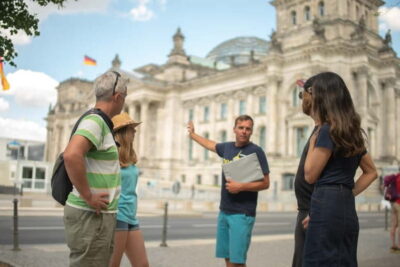
Browse the lists this tour appears in