
Reviewed · THIRD REICH & COLD WAR TOURS
Private Walking Tour Berlin Third Reich Hitler and World War II
Hitler’s Berlin, walked step by step. This private 3 to 4 hour route strings together the places where Nazi power rose, ruled, and finally collapsed, with clear guide commentary at every stop.
I especially like the hotel pick-up and drop-off. It saves time and keeps your day from feeling like a scavenger hunt.
I also love how the walk hits major remembrance sites, including the Holocaust Memorial, plus key “how it worked” locations like Wilhelmstraße. One thing to consider: this is heavy material, and you will be outdoors for much of the tour even in cold or rainy weather.
In This Review
- Key highlights at a glance
- Hotel pickup and a private pace through Berlin’s hardest history
- Tiergarten to Wilhelmstraße: where Berlin’s WWII story starts changing hands
- Topography of Terror and the machinery of repression
- Bendlerblock to Bebelplatz: resistance, book burning, and moral courage
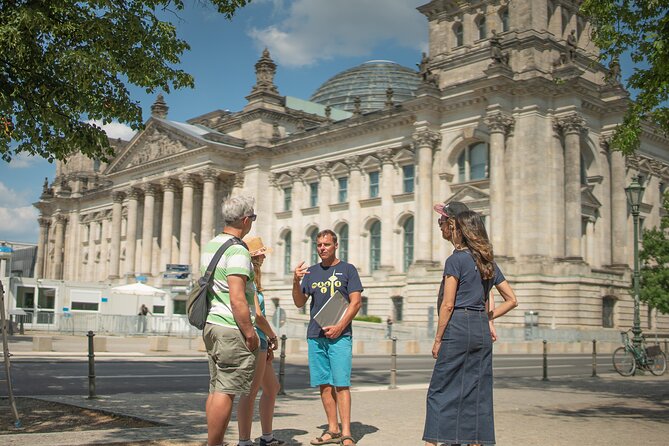
- Reichstag and the Nazi power grab
- Holocaust Memorial, Anhalter Bahnhof, and the routes of persecution
- T4 euthanasia victims, the Führerbunker, and the last days of the Third Reich
- Wilhelmstraße revisited, then you leave with a map of cause and effect
- How to make this day work for your body, your questions, and your emotions
- Should you book this Third Reich and WWII Berlin walking tour?
- FAQ
- How long is the private walking tour?
- Is hotel pick-up and drop-off included?
- What language is the tour offered in?
- Are museum or site entry tickets included?
- Does the tour run in bad weather?
- Is this a private tour for just my group?
Key highlights at a glance
- Hotel pick-up and drop-off: starts and ends smoothly, so you can focus on the story.
- A true private group experience: you can set the pace and ask questions without crowd noise.
- Stop-to-stop WWII context: Soviet victory, Nazi administration, repression, and resistance are all connected.
- Multiple memorial types in one route: genocide, euthanasia, persecution logistics, and resistance are each handled separately.
- Most admissions are free, with one exception: Reichstag building entry is not included.
- Solid guide performance shows up repeatedly: many guests praise guides for clarity and adjusting the pace.
Hotel pickup and a private pace through Berlin’s hardest history
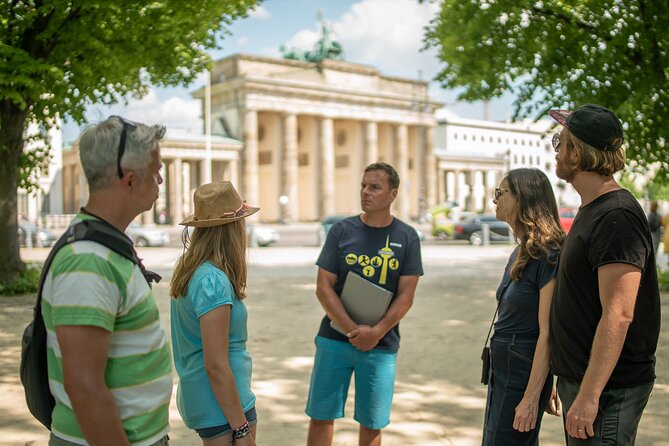
This is a private walking tour in Berlin that runs about 3 to 4 hours, and it stays structured enough to be useful without feeling rushed. You get a professional guide, and the format is designed for your group only, so you are not squeezed between other people’s photos and questions.
At this price point, the real value is the combination of logistics plus interpretation. Hotel pick-up and drop-off are included, and that matters in a city where transfers can eat up time. The tour also covers a lot of ground on foot, so paying for a guide helps you make the walk feel like a guided lesson rather than a list of locations.
There is one practical catch. The theme is grim, and the route is built around sites tied to mass murder, political repression, and the final days of the Third Reich. If you are traveling with kids, or if your group needs a gentler rhythm, you will want a guide who can calibrate the tone, and you should plan to ask for that early.
More Third Reich & Cold War Tours in Berlin
- Berlin: Third Reich and Cold War 2 Hour Walking Tour
★ 4.9 · 6,830 reviews - Berlin: Berlin Story Bunker Entry Ticket
★ 4.6 · 6,759 reviews - Berlin’s Best: 2 Hour Walking Tour Third Reich and the Cold War
★ 5.0 · 5,486 reviews
Tiergarten to Wilhelmstraße: where Berlin’s WWII story starts changing hands
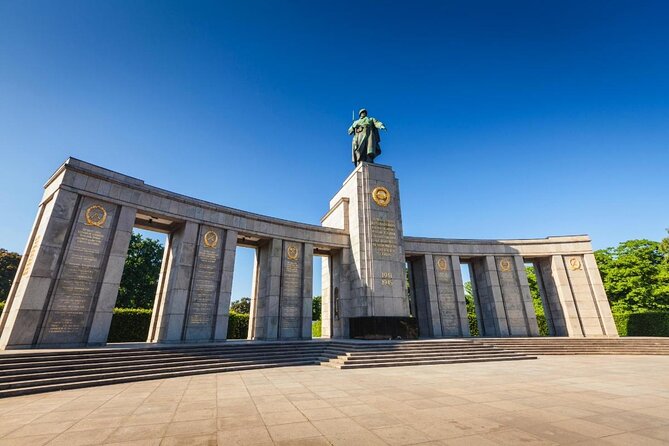
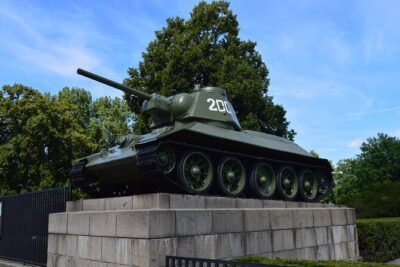
The tour opens at the Soviet Memorial in Tiergarten, a reminder that Berlin’s story does not end with Nazi defeat. The memorial was inaugurated in 1949 and centers on a large statue of a soldier holding a sword and a shield, a symbol meant to point to victory and sacrifice.
What I like about starting here is that it sets a bigger frame fast. You see how the Battle of Berlin in 1945 brought the Soviet Army into the center of the narrative, and you understand why commemoration in Berlin can include both Soviet and German remembrance.
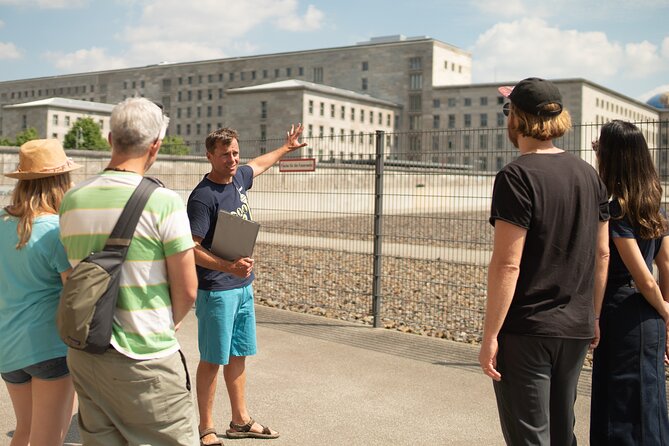
From there, you move toward Wilhelmstraße, and this is where the tour shows you the administrative engine behind the violence. One of the key stops is the Detlev-Rohwedder-Haus on Wilhelmstraße, a building with layers. Originally built in the 1930s as headquarters for the Reichsbank, it later became the Ministry of Aviation under Hermann Göring. After the war, the same building was transformed into the German Federal Treasury, so the physical structure keeps returning in new political chapters.
If you like history that explains cause and effect, Wilhelmstraße delivers. It is the kind of street where the distance between offices and outcomes can feel chillingly short.
Topography of Terror and the machinery of repression
Topography of Terror is the centerpiece for understanding how the Nazi state turned ideology into daily enforcement. This stop focuses on the former SS and Gestapo headquarters site, and the tour guides you through both indoor and outdoor exhibition areas.
Expect a heavy mix of photographs, documents, and testimonies. The point is not just to name groups and dates, but to show how repression worked as a system, not a random act. The guide helps connect the rise of the regime with the methods used against dissenters, which makes the later memorial stops hit with more clarity.
A practical tip: this is one of those places where your guide’s pacing matters. If your group is the type that wants time to read, ask your guide to slow down for a few key panels. If your group is more visual and prefers big picture, the guide can do the filtering so you do not get lost in text.
Bendlerblock to Bebelplatz: resistance, book burning, and moral courage
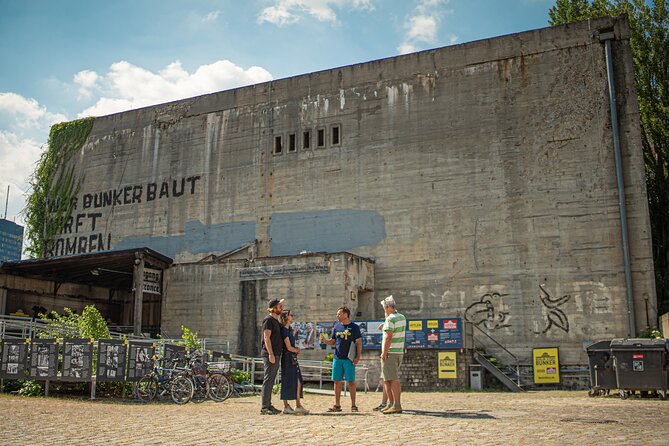
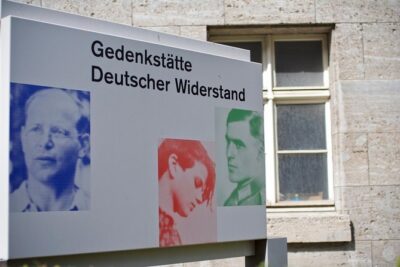
Berlin does not only remember victims. It also remembers people who tried to resist. The German Resistance Memorial Center at the Bendlerblock is built for that. Here you learn about the different resistance movements in Germany, with special attention to figures like Claus von Stauffenberg and the July 20, 1944 assassination attempt on Hitler.
This stop is emotionally different from the repression sites because it emphasizes motives and consequences. You are shown the courage it took to oppose tyranny, and you also see how brutally the regime responded.
Then the tour shifts to Bebelplatz, and it tackles repression in a different form: censorship. You hear about the book burnings on May 10, 1933, when thousands of books labeled un-German were destroyed by the Nazi regime. Beneath the square, there is a memorial with empty bookshelves, a strong symbol of what was erased.
This part works well because it expands the definition of violence. Not every harm comes from a gun. Some comes from controlling information, shaping what people are allowed to think, and punishing ideas.
More Walking Tours in Berlin
- Discover Berlin Half-Day Walking Tour
★ 5.0 · 9,624 reviews - Berlin: Discover Berlin Walking Tour
★ 4.9 · 5,998 reviews - Berlin: Hidden Backyards Guided Walking Tour
★ 4.8 · 5,360 reviews - Third Reich Berlin: Hitler and WWII Walking Tour
★ 5.0 · 3,301 reviews
Reichstag and the Nazi power grab
The Reichstag building stop is short, but it is a good anchor point for how the Nazis consolidated power. The building was completed in 1894 and became a key figure in Germany’s political life. In 1933, the Reichstag Fire becomes central to your story, since the Nazis used it to tighten control and suppress opposition.
You also learn about damage from World War II and how the building was restored later as a modern symbol of democracy. That contrast is important in Berlin, because the city keeps reusing buildings for new meanings.
One practical note: Reichstag entry is not included in the tour price. The stop is still valuable for orientation and context, but if you want to go inside beyond what the guide covers, budget for that separately.
Holocaust Memorial, Anhalter Bahnhof, and the routes of persecution
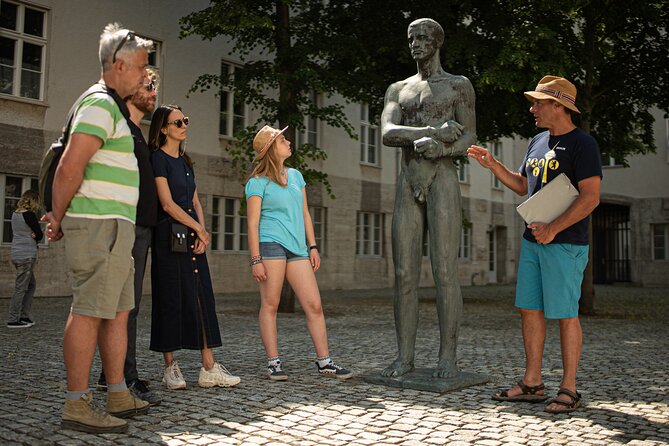
Two of the tour’s most significant remembrance stops are the Memorial to the Murdered Jews of Europe and Anhalter Bahnhof. Together, they show both scale and process.
The Holocaust Memorial uses 2,711 concrete slabs of varying heights arranged in a grid. The design creates a disorienting effect that is meant to make you feel the difficulty of tracking your way through fear and loss. Your guide explains the design choices and places it in the historical context of Nazi policies toward European Jewry.
After that, Anhalter Bahnhof adds logistics. This once-busy railway station played a major role in transporting people before and during World War II. In the Nazi era, it was connected to deportations of Jews to concentration camps, and today memorials and exhibits at the station commemorate victims. It is a tough stop because it brings home how persecution used everyday infrastructure.
If you want to get the most out of these two, do not rush them. Spend a moment letting the memorial do its job, then listen carefully when your guide talks about what happened at the station. One spot gives emotion and scale, and the other gives mechanism.
T4 euthanasia victims, the Führerbunker, and the last days of the Third Reich
Berlin forces you to confront that Nazi crimes did not only target groups defined by ethnicity or religion. The T4 Memorial for the Victims of the Nazi Euthanasia Program is dedicated to victims of the Nazi euthanasia program, a campaign aimed at people labeled unworthy of life, including those with disabilities and mental illnesses.
This stop is designed around facts and ethics. Your guide points you to how the program operated, and it also frames the broader implications of discrimination and the importance of remembering so these abuses are harder to repeat.
Then the tour moves into the final collapse. The Führerbunker stop is above the underground complex beneath the Reich Chancellery. This is described as Hitler’s last refuge during the final months of World War II. While much of the original structure was destroyed after the war, you learn about the bunker’s layout and the historical significance, including what happened as the Allies closed in.
One of the hardest things about this section is that it is not only about battlefield events. It is about decision making, despair, and how totalitarian leadership responded when the system it built was falling apart.
The tour adds one more “movement of forces” stop with Moltkebrücke. As Soviet forces crossed the bridge in 1945, it marked a pivotal route into the city during the assault on Berlin. Standing there, you hear how the bridge functioned in the fast-changing final days.
Wilhelmstraße revisited, then you leave with a map of cause and effect
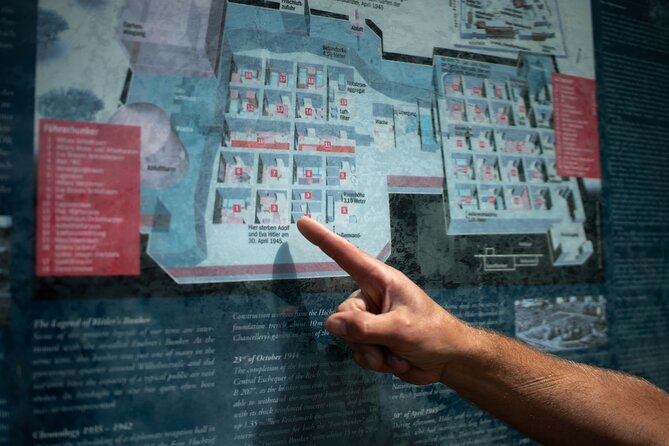
The last Wilhelmstraße portion matters because it ties earlier ideas together. Wilhelmstraße is presented as a central avenue in Nazi administration, with ministries and offices that shaped policy and wartime strategy. Your guide points out key buildings along the way, including sites like the Detlev-Rohwedder-Haus and how the street connects to the broader machinery of power.
This is also where Berlin’s political theater shows up. You learn how parades and propaganda rallies fit into the control system, and how the city’s space itself helped broadcast authority.
By the time the tour ends, you will likely feel you have a clearer map of cause and effect. You can look at Berlin and see why some buildings were targets, why certain streets mattered, and why remembrance is concentrated where it is.
How to make this day work for your body, your questions, and your emotions
A few practical things help you get the most from a tour like this.
First, wear shoes that can handle a long urban walk. One guest reported about 10,000 steps on the route, and even if your group walks a bit less, you should plan for steady time on your feet.
Second, dress for outdoor time. The tour runs in all weather, so think layers. In cold Berlin weather, even a “brief stop” can feel longer than you expect.
Third, bring questions that match your interests. This tour can work for beginners because the guide’s explanations set the stage early. One family also said their guide was a history teacher and made the experience moving for their kids, which suggests that a good guide can scale the tone to the group.
Finally, be aware that guide style can vary. One guest liked how Ariel handled timing and navigation at Berlin Hauptbahnhof, but also felt parts of the tour had the guide’s own agenda and preferred a native Berliner. That is a reminder to stay engaged and speak up if you want the pace or emphasis adjusted.
Should you book this Third Reich and WWII Berlin walking tour?
Book it if you want a structured, private route through Berlin’s most important WWII and Third Reich sites, with hotel pick-up and drop-off included. It is also a strong choice if you value interpretation, not just sightseeing, because the walk connects Nazi administration, repression, resistance, and remembrance into one continuous story.
Skip it, or consider adding a lighter plan on the same trip day, if heavy subject matter and outdoor walking will be draining for your group. Also, if you have very specific preferences about how a guide presents history, message your expectations when booking so you and the guide align early.
Overall, I think this is one of those Berlin tours that makes the city feel legible. The places are famous for a reason, and the private format makes it easier to ask the questions that come up when you are standing where events happened.
FAQ
How long is the private walking tour?
It runs about 3 to 4 hours.
Is hotel pick-up and drop-off included?
Yes, hotel pick-up and hotel drop-off are included.
What language is the tour offered in?
The tour is offered in English.
Are museum or site entry tickets included?
Most stops list free admission, but the Reichstag building admission ticket is not included.
Does the tour run in bad weather?
Yes, it operates in all weather conditions, so you should dress appropriately.
Is this a private tour for just my group?
Yes, it is a private tour or activity, so only your group participates.
More Wartime and Cold War History Walks in Berlin
- Skip-the-Line: Berlin Wall Museum at Checkpoint Charlie
★ 4.1 · 2,041 reviews - Berlin: Third Reich, Hitler, and WWII Walking Tour
★ 4.9 · 1,757 reviews - Cold War, Berlin Wall, Spies and the East Side Gallery
★ 5.0 · 1,024 reviews - Berlin Third Reich Sites: Half-Day Walking Tour
★ 5.0 · 835 reviews
Newest Berlin reviews on the site
- Jetbike Berlin fun bike beer bike★ 5.0 · 3 reviews
- Karl-Marx-Allee Walking Tour: Berlin’s Socialist History★ 5.0 · 5 reviews
- Homeless on chic streets: city tour in Berlin from personal experience★ 4.6 · 3 reviews
- Berlin: Sachsenhausen Concentration Camp Guided Tour★ 4.9 · 42 reviews
- Historyof the Trans, Queer & Gay communities of Berlin tour★ 4.8 · 17 reviews
- Historic Berlin Pubs & History Tour★ 4.9 · 73 reviews
- Berlin: City Center Walking Tour★ 4.7 · 45 reviews
- Half-Day Berlin Highlights Segway Expedition★ 4.5 · 61 reviews
Third Reich & Cold War Tours, compared.

Berlin’s Best: 2 Hour Walking Tour Third Reich and the Cold War
Read our review →
Third Reich Berlin: Hitler and WWII Walking Tour
Read our review →
Skip-the-Line: Berlin Wall Museum at Checkpoint Charlie
Read our review →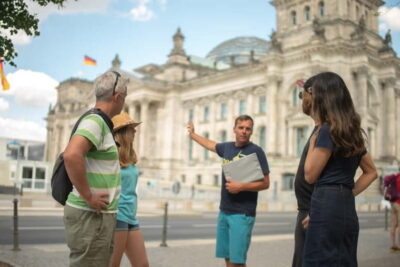
Browse the lists this tour appears in