
Reviewed · THIRD REICH & COLD WAR TOURS
Berlin: World War Two Third Reich and Cold War Walking Tour
History walks in Berlin, not just on paper. This guided route links WWII and Cold War Berlin in one continuous story, so the city’s buildings and street corners make more sense. I like that you get to see Berlin Wall remnants tied to the people who lived with East Communism, not just the wall itself. The main drawback to consider is that meeting up at the start can be hectic when many tours gather at the same spot, so you should plan to confirm your group before you move.
The walk runs about 5 hours with a live English guide and a local historian, then you finish back near the start so you can keep exploring on your own. It is also wheelchair accessible, which matters in a city where walking is the default mode. If you go, bring snacks and drinks, wear comfortable shoes, and dress for the weather, because you will be outside for most of the day.
In This Review
- Key highlights that make this tour worth it
- Starting at Generator Berlin Alexanderplatz, find the white umbrella
- Early stops: seeing how the Third Reich shaped Berlin
- Reichstag area and other WWII landmarks you will recognize
- The Flak Tower: why air defense towers become history lessons
- Hitler’s bunker: understanding the last chapter of a regime
- Transition moment: why the Cold War feels different from the WWII era
- Berlin Wall remnants, guard towers, and escape routes
- Where to keep your eyes: the places that feel quiet
- Eastside Gallery and Berlin Wall Memorial: art and remembrance in the same breath
- Why the local historian guide changes the whole experience
- Price and value: is $21 for 5 hours actually fair?
- What to bring for a smooth 5-hour walk
- Timing, meeting point, and the one logistics snag to plan for
- Who should book this Berlin WWII and Cold War walking tour
- Should you book it?
- FAQ
- Where does the tour start and end?
- How long is the tour?
- Is the tour offered in English?
- What is included in the ticket price?
- What should I bring?
- Are meals included?
- Is hotel pickup or drop-off included?
- Is the tour wheelchair accessible?
- What is the cancellation policy?
- Can I reserve without paying right away?
Key highlights that make this tour worth it
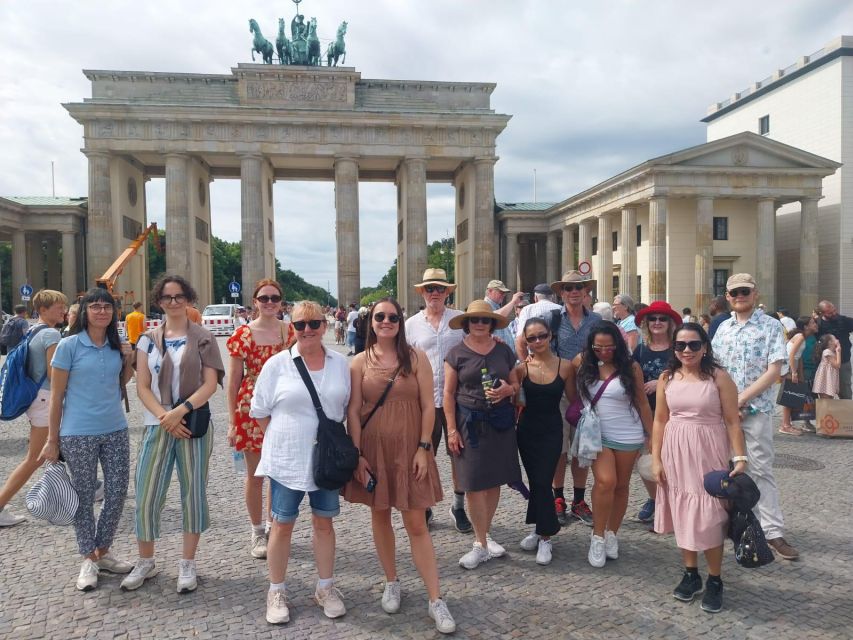
- Third Reich to Cold War, in one storyline so the WWII sites connect to what came next.
- Berlin Wall remnants and memory places that explain the human impact of separation.
- Expert local historian guidance that turns landmarks into context you can actually use.
- Key stops tied to power and control from major WWII locations to Cold War sites.
- Selected landmark entry included so you spend less time staring at fences.
- Ends back at Alexanderplatz area for easy follow-on sightseeing.
Starting at Generator Berlin Alexanderplatz, find the white umbrella
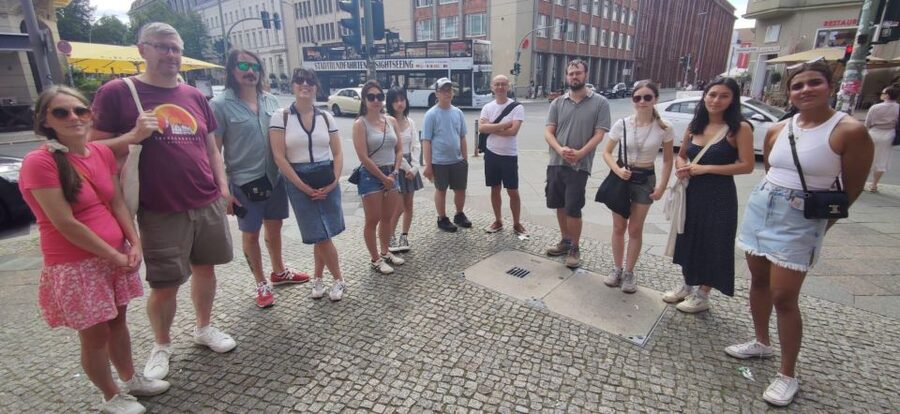
You kick things off in the Alexanderplatz area, which is a smart place to begin. It is central, easy to reach, and it makes it simple to start early or pair the tour with other Berlin sights afterward. Your job at the beginning is easy but important: look for the white umbrella on the corner in front of Generator Berlin Alexanderplatz.
This matters because the tour runs with groups, and Berlin has lots of walking tours that may converge near the same meeting areas. If you want a smooth start, arrive with some buffer time, take a minute to confirm the right group, then listen for instructions. If you are late or flustered, it becomes harder to connect with the correct departure.
Also, the tour ends back at the meeting point. That is a small thing that feels big later, because you do not need to re-navigate Berlin at the exact moment you are most tired.
More Third Reich & Cold War Tours in Berlin
- Berlin: Third Reich and Cold War 2 Hour Walking Tour
★ 4.9 · 6,830 reviews - Berlin: Berlin Story Bunker Entry Ticket
★ 4.6 · 6,759 reviews - Berlin’s Best: 2 Hour Walking Tour Third Reich and the Cold War
★ 5.0 · 5,486 reviews
Early stops: seeing how the Third Reich shaped Berlin
The tour begins by putting you in the middle of Berlin during the WWII era, when the city was under the grip of Nazi power. As you walk, your guide frames what you are seeing as part of a larger system, not random rubble and monuments.
Even without getting stuck in dates all day, you start to notice how politics can physically change a city. Buildings and locations that might look ordinary at first turn into clues. Your guide helps you connect the visual setting to what was happening around it, including how Berlin became a place where decisions were made and then enforced.
This early segment is where the tone sets itself. It is not a light, casual stroll. You are learning about dictatorship, war, and the machinery behind it, which can feel heavy. The upside is that you are not just reading about the past, you are watching it unfold around you, block by block.
Reichstag area and other WWII landmarks you will recognize
One of the best parts of this tour is that it threads together famous and less-obvious WWII-related sites in a way that keeps momentum. The route specifically includes the area around the Reichstag, plus stops connected with the Russian-German war museum, the Flak Tower, and Hitler’s bunker.
You might already know the names, but the guide helps you see why they mattered. The Reichstag area is tied to Germany’s political story, and the tour uses it to connect authority to place. From there, you move into sites that represent how the war was experienced on the ground, not just decided at headquarters.
The Flak Tower: why air defense towers become history lessons
The Flak Tower is a good example of how Berlin keeps reminders from the war era in plain sight. Even if you have seen photos before, seeing it as a real structure next to modern Berlin changes the way you process it. This stop tends to make people slow down, because it is hard to forget a structure built for survival and impact.
More Walking Tours in Berlin
- Discover Berlin Half-Day Walking Tour
★ 5.0 · 9,624 reviews - Berlin: Discover Berlin Walking Tour
★ 4.9 · 5,998 reviews - Berlin: Hidden Backyards Guided Walking Tour
★ 4.8 · 5,360 reviews - Third Reich Berlin: Hitler and WWII Walking Tour
★ 5.0 · 3,301 reviews
Hitler’s bunker: understanding the last chapter of a regime
Hitler’s bunker stop is another “name you have heard” location. On this tour, it is treated as part of the endgame of the Third Reich, not as a sensational quick photo stop. Your guide helps you understand why Berlin’s underground and last-stand stories became symbols, long after the fighting stopped.
A note of balance: if you prefer to keep a distance from very dark subjects, this tour will feel intense. Still, the walk keeps your understanding grounded, with explanations that link the sites back to the people affected.
Transition moment: why the Cold War feels different from the WWII era
After the WWII portion, the tour shifts into the Cold War era, and you can feel the change in the story. WWII is about total war and collapse. The Cold War in Berlin is about control, borders, watching, and the pressure of living in a divided city.
Your guide explains East Communism and the daily realities shaped by the Berlin Wall. That context is what makes the Wall segment more than a photo opportunity. It helps you understand that the Wall was not only physical. It was also a lived system that affected movement, work, family ties, and trust.
This is the section where the walking approach really pays off. As you move through locations, you start to see how one era’s logic can persist into the next, just with different methods.
Berlin Wall remnants, guard towers, and escape routes
The tour’s centerpiece is the Berlin Wall narrative, built around remnants of the Wall and what they represented. You will visit places that explain the Berlin Wall and how it changed lives, including details about guard towers and escape routes.
That might sound like history trivia, but it is more human than that. When you hear how escape attempts worked and what security looked like, you stop thinking of the Wall as a straight line. You start seeing it as a set of constraints, with people trying to find openings inside a closed reality.
The guide also points out how the Wall’s story is told in memorial spaces. So you get both the “what happened” and the “how we remember it now,” which is a big part of why Berlin keeps returning in global history conversations.
Where to keep your eyes: the places that feel quiet
A lot of the most important Wall-related areas look calm on the surface. That is normal. Berlin’s reminders often sit beside everyday life, which can be unsettling if you expect monuments to be dramatic. This is another reason to stay close to your guide. Their explanations help you read what you are seeing instead of just walking past it.
Eastside Gallery and Berlin Wall Memorial: art and remembrance in the same breath
The tour includes two standout Wall-related stops: the Eastside Gallery and the Berlin Wall Memorial. Together, they show two different ways Berlin communicates memory.
At the Eastside Gallery, you get the Wall through the lens of art. It is one of those places where creativity and politics collide, and the guide helps connect that to post-Wall identity. Instead of only focusing on separation, you start seeing how people repurposed a symbol of division into something public and expressive.
Then the Berlin Wall Memorial brings you back to direct remembrance. This is where the explanations tend to feel more grounded and sobering. The memorial framing helps you understand why certain locations are preserved and how visitors are meant to learn from them.
If you like tours that balance emotion with facts, this pairing works well. You are not stuck in one tone the entire time.
Why the local historian guide changes the whole experience
You get a guided journey with a local historian, and that is a key value point here. A good guide does two things at once: they explain what you are seeing, and they help you make sense of why it matters.
On a topic like Berlin’s WWII and Cold War past, dates can blur fast. The guide’s job is to keep the story moving, with connections you can hold onto later. That is how you leave feeling like Berlin’s present makes more sense, not just like you learned a few facts.
Also, the tour includes exclusive entry to selected landmarks. That matters because Berlin can be full of “look from the sidewalk” sightseeing. When entry is included, you get more time inside key spaces and less time guessing what you are missing.
Price and value: is $21 for 5 hours actually fair?
At about $21 per person for roughly 5 hours, this is priced like a value-forward walking tour. You are paying for a live English guide, local historian interpretation, and included entry to selected landmarks. For Berlin, that combination is often what separates a basic sightseeing loop from something that changes how you understand the city.
The math also depends on what you would do otherwise. If you are planning to visit multiple WWII and Wall-related sites anyway, the included landmark access and guided context help you “buy” fewer separate tickets and spend less time assembling a DIY route.
The only caution is not about cost. It is about expectations. This is a walking tour with heavy subject matter and outdoor time. If you want lots of indoor comfort or you dislike history that covers dictatorships and war, you might feel the price is fair but the style is not for you.
What to bring for a smooth 5-hour walk
Berlin weather can shift fast, and you are out for most of the experience. Bring:
- Comfortable shoes (plan on a real walk)
- Snacks and drinks (there are no meals included)
- Cash (handy for any site-related purchases)
- Weather-appropriate clothing
You might also want to pack a small layer for wind and sun, because the walk moves through open areas as well as more enclosed spots.
And remember: the tour ends back at the meeting point, so you can plan your next stop nearby. That is a nice setup for a midday museum visit or an easy meal afterward.
Timing, meeting point, and the one logistics snag to plan for
The official meeting is at the white umbrella in front of Generator Berlin Alexanderplatz, and the tour ends back there. The schedule shows a 5-hour duration, with starting times depending on availability.
Here is the practical snag to account for: the start area can be chaotic when many tours meet at the same location. On at least one occasion, group division at the meeting point did not feel smooth, and someone reported that a tour did not run as titled after arriving.
You can reduce the odds of that happening to you with a simple plan:
- Arrive early enough to find the right group
- Confirm you are with the correct departure before you start walking
- Keep an eye out for the guide team visible at the white umbrella start
It sounds basic, but Berlin tour meeting points can behave like a busy train station. A little patience early saves stress later.
Who should book this Berlin WWII and Cold War walking tour
This one makes the most sense if you are:
- A first-time Berlin visitor who wants a guided backbone to the city’s most important modern history
- Someone who likes walking tours that connect multiple eras instead of jumping randomly between sites
- Interested in the Wall story from the perspective of East Communism and the people living under it
- Comfortable spending a long stretch outdoors
It may be less ideal if you want a purely visual “greatest hits” tour with minimal context. This experience is history-led, and the subject matter is serious.
Good news for accessibility needs: the tour is wheelchair accessible, so you do not have to choose between history and mobility support.
Should you book it?
Book it if you want Berlin to make sense through two major chapters of modern history, WWII and the Cold War, and you value guided context plus some entry into key sites. The combination of Berlin Wall remnants with serious WWII landmarks gives you a stronger picture of how Berlin changed and why the world cared.
Hold off or prepare yourself if you do not do well with heavy topics or you are worried about meeting-point chaos. If you do book, show up early, find the white umbrella, and treat the start like a check-in process, not a casual meet-and-go.
If you want one dependable way to connect the Third Reich story to the Cold War reality in the same walk, this is a solid choice at the $21 price point.
FAQ
Where does the tour start and end?
It starts at the corner in front of Generator Berlin Alexanderplatz, where you should look for a white umbrella. It ends back at the same meeting point.
How long is the tour?
The tour lasts about 5 hours.
Is the tour offered in English?
Yes, the live guide speaks English.
What is included in the ticket price?
You get a guided journey with a local historian, exclusive entry to selected landmarks, and deep dives into Berlin’s WWII and Cold War eras.
What should I bring?
Bring snacks and drinks, cash, weather-appropriate clothing, and comfortable shoes.
Are meals included?
No, meals and refreshments are not included.
Is hotel pickup or drop-off included?
No, there is no hotel pickup and drop-off service.
Is the tour wheelchair accessible?
Yes, the tour is wheelchair accessible.
What is the cancellation policy?
You can cancel up to 24 hours in advance for a full refund.
Can I reserve without paying right away?
Yes, reserve now and pay later is available, so you can book your spot and pay nothing today.
More Wartime and Cold War History Walks in Berlin
- Skip-the-Line: Berlin Wall Museum at Checkpoint Charlie
★ 4.1 · 2,041 reviews - Berlin: Third Reich, Hitler, and WWII Walking Tour
★ 4.9 · 1,757 reviews - Cold War, Berlin Wall, Spies and the East Side Gallery
★ 5.0 · 1,024 reviews - Berlin Third Reich Sites: Half-Day Walking Tour
★ 5.0 · 835 reviews
Newest Berlin reviews on the site
- Jetbike Berlin fun bike beer bike★ 5.0 · 3 reviews
- Karl-Marx-Allee Walking Tour: Berlin’s Socialist History★ 5.0 · 5 reviews
- Homeless on chic streets: city tour in Berlin from personal experience★ 4.6 · 3 reviews
- Berlin: Sachsenhausen Concentration Camp Guided Tour★ 4.9 · 42 reviews
- Historyof the Trans, Queer & Gay communities of Berlin tour★ 4.8 · 17 reviews
- Historic Berlin Pubs & History Tour★ 4.9 · 73 reviews
- Berlin: City Center Walking Tour★ 4.7 · 45 reviews
- Half-Day Berlin Highlights Segway Expedition★ 4.5 · 61 reviews
Third Reich & Cold War Tours, compared.


Berlin’s Best: 2 Hour Walking Tour Third Reich and the Cold War
Read our review →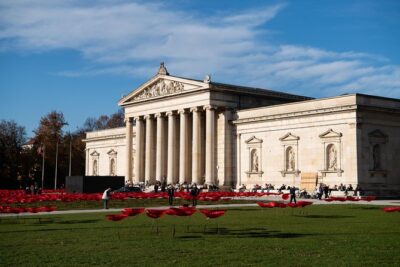
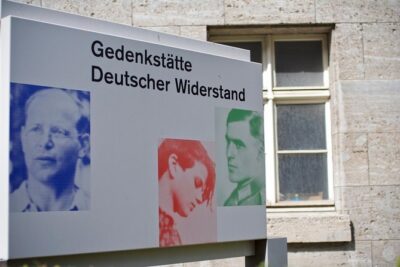
Third Reich Berlin: Hitler and WWII Walking Tour
Read our review →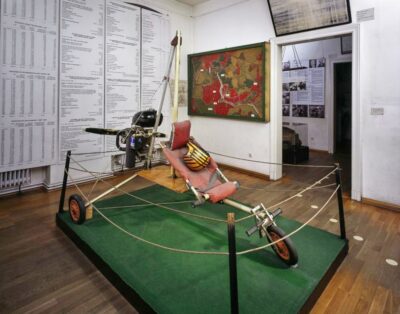
Skip-the-Line: Berlin Wall Museum at Checkpoint Charlie
Read our review →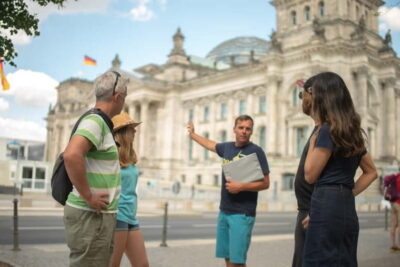
Browse the lists this tour appears in