
Reviewed · THIRD REICH & COLD WAR TOURS
Berlin: Berlin Wall and the Cold War Walking Tour
The Wall is still visible in Berlin. This 2-hour walk through the Bernauer Straße Wall Memorial makes the Cold War feel personal, with vivid stories about day-to-day life in the GDR and the desperate choices people faced when they tried to flee. I also love how you get to view the real border landscape, including the hard-to-miss features that made escape so dangerous. One consideration: it runs as a short walking tour with a bit of public transport involved, so you’ll want to arrive on time.
The guides keep the pace humane and the facts grounded, not lecture-y, and you’ll hear clear explanations in English. I especially like that the experience can be handled as small groups, which helps if your questions run longer (or if you want the tour slowed down). If you’re expecting a long, stop-every-corner sightseeing day, this is more focused and shorter, so plan it as a key Wall moment rather than your whole Berlin history day.
In This Review
- Key highlights at a glance
- Where Bernauer Straße makes the Berlin Wall feel real
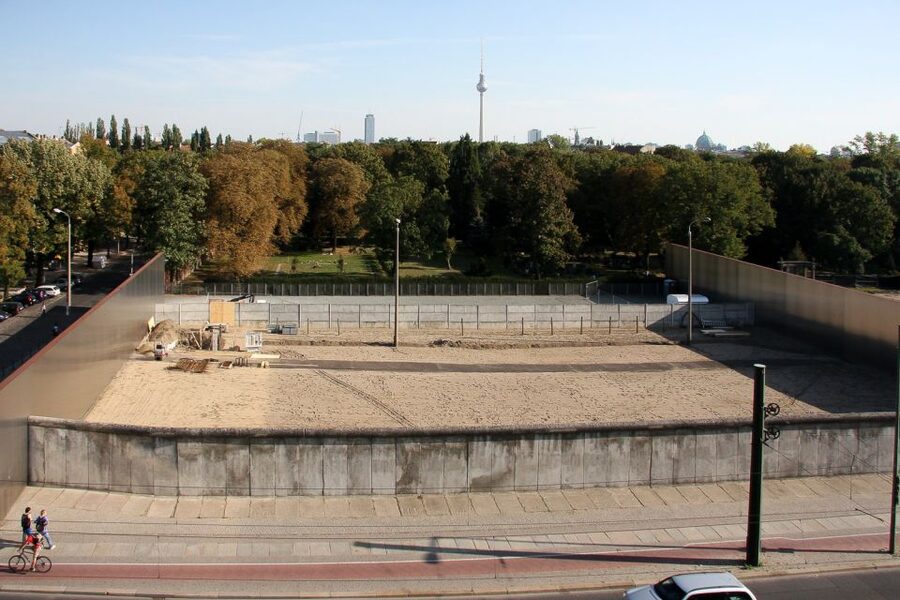
- Seeing the death strip, watchtower views, and border barriers
- Everyday GDR life: neighbors, fear, and the psychology of control
- Tunnel 57 and the ghost stations: engineering and hope
- The Wall’s overnight creation in 1961, and what it changed overnight
- Pace, guide style, and how the tour stays engaging
- Price and logistics for a 2-hour Wall walk
- Who should book this, and who might want a different fit
- Should you book Berlin: Berlin Wall and the Cold War walking tour?
- FAQ
- How long is the Berlin Wall and Cold War walking tour?
- What’s included in the price?
- Does the tour use public transport?
- Where is the meeting point?
- What languages is the tour offered in?
- Can I cancel, and is there flexibility when booking?
Key highlights at a glance
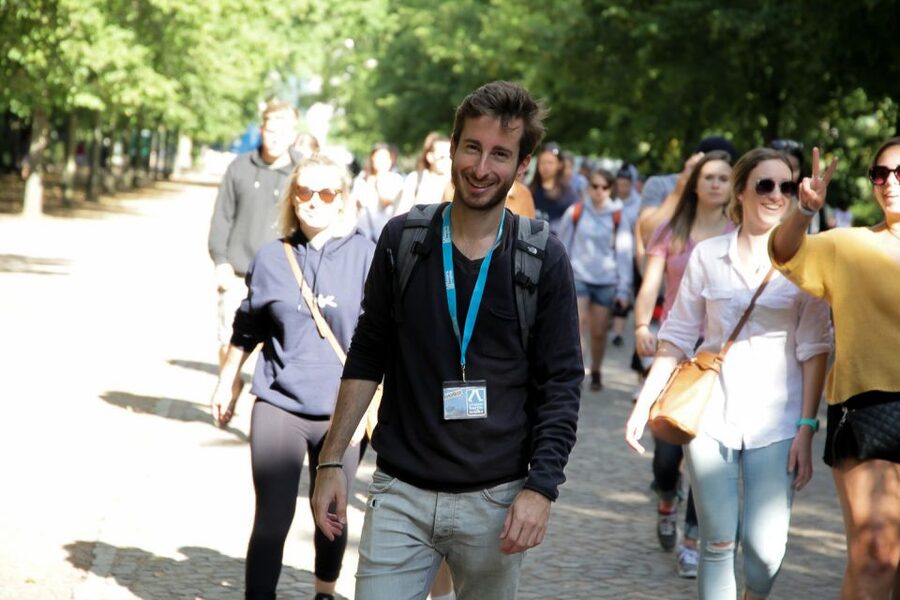
- Bernauer Straße Wall Memorial with a licensed guide
- Original border features including the death strip, walls, barriers, and a watchtower area
- Stories of everyday life in the GDR, including neighbor spying and pressure from the border regime
- Tunnel 57 and other dramatic escape attempts, explained in context
- Memorial ground where people lost their lives trying to reach the West
- A focused 2-hour format that keeps you moving but still answers questions
Where Bernauer Straße makes the Berlin Wall feel real
If you want the Berlin Wall in its most concentrated, honest form, Bernauer Straße is the place to start. The memorial area sits along one of the most visible stretches of the border, so you’re not learning the Wall as an abstract idea. You’re walking it as a physical system that shaped routines, fear, and choices.
What makes this tour work is the combination of location and storytelling. The guide connects the structures around you to what people actually dealt with, like how control worked and why escape attempts were so high-stakes. You’ll hear talk of the secret police and the border regime, but in a way that helps you understand how power felt on an ordinary street.
One practical upside: in just 2 hours, you get a strong overview of the Wall’s purpose and the human consequences. That’s great if you’re short on time and want a Wall experience that doesn’t balloon into a half-day commitment.
More Third Reich & Cold War Tours in Berlin
- Berlin: Third Reich and Cold War 2 Hour Walking Tour
★ 4.9 · 6,830 reviews - Berlin: Berlin Story Bunker Entry Ticket
★ 4.6 · 6,759 reviews - Berlin’s Best: 2 Hour Walking Tour Third Reich and the Cold War
★ 5.0 · 5,486 reviews
Seeing the death strip, watchtower views, and border barriers
A lot of Berlin Wall content can feel like photos and headlines. Here, you get to stand where the system was built to function, including the death strip concept and its surrounding controls. As you move through the memorial zone, the explanations help you picture how surveillance and physical barriers worked together.
The tour highlights the original setup elements you can still recognize: walls, barriers, and the watchtower area. Even if you only catch a few visual angles, the guide will connect them to what they meant for visibility, movement, and risk. It’s one thing to learn that escape was lethal. It’s another to see the kind of terrain and structure that made it lethal in practice.
This is also where you get a better sense of why the Wall stayed in place for decades. The point was not just to stop people leaving. It was to make leaving feel nearly impossible, and to turn the border into a daily threat.
Everyday GDR life: neighbors, fear, and the psychology of control
The most memorable part of this tour is how it treats the GDR as real life, not just a political timeline. You’ll hear how neighbors were encouraged to spy on one another, which helps explain why the border regime extended far beyond the walls. Control was not only at the edge. It was inside neighborhoods.
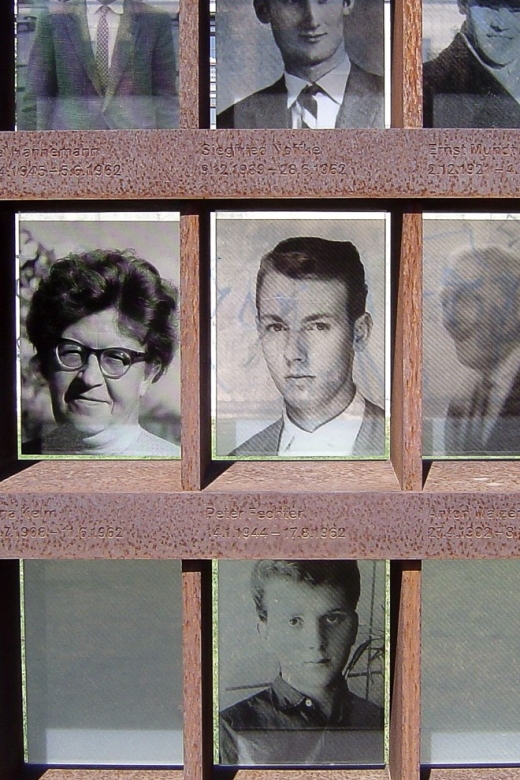
The guide also brings in the human side of the escape drive, including the daring escape attempts people tried even when the risks were obvious. That includes the grim reality that many people did not make it. The memorial stops are important here, because they anchor the story in names and losses rather than keeping everything at the level of theory.
If you like history that answers the question What did it feel like to live there, you’ll appreciate how the stories are framed. You’re not just learning who had power. You’re learning how power shaped trust, daily routines, and decision-making.
Tunnel 57 and the ghost stations: engineering and hope
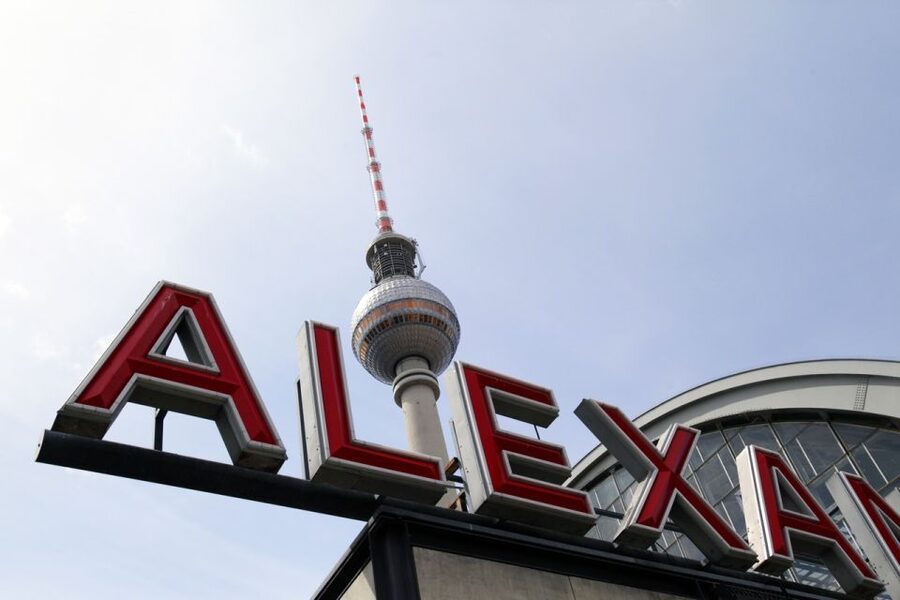
When you hear about Tunnel 57, it stops being just a Wall story and becomes a story about planning, secrecy, and sheer determination. The tour explains the tunnel in a way that makes the escape attempt feel both frightening and intensely human. It’s a reminder that people didn’t only rely on luck, they built routes.
You’ll also hear about ghost stations, which adds another layer to the border reality. Even places underground and transit-related became part of the divided system. The result is a clearer picture of how the Wall shaped movement not only on the surface, but through Berlin’s everyday infrastructure.
This section is valuable because it breaks the usual pattern of Wall tours, which focus mostly on barricades and dates. Here, you get the behind-the-scenes side: how escape attempts were thought through, and how the border regime responded.
More Walking Tours in Berlin
- Discover Berlin Half-Day Walking Tour
★ 5.0 · 9,624 reviews - Berlin: Discover Berlin Walking Tour
★ 4.9 · 5,998 reviews - Berlin: Hidden Backyards Guided Walking Tour
★ 4.8 · 5,360 reviews - Third Reich Berlin: Hitler and WWII Walking Tour
★ 5.0 · 3,301 reviews
The Wall’s overnight creation in 1961, and what it changed overnight
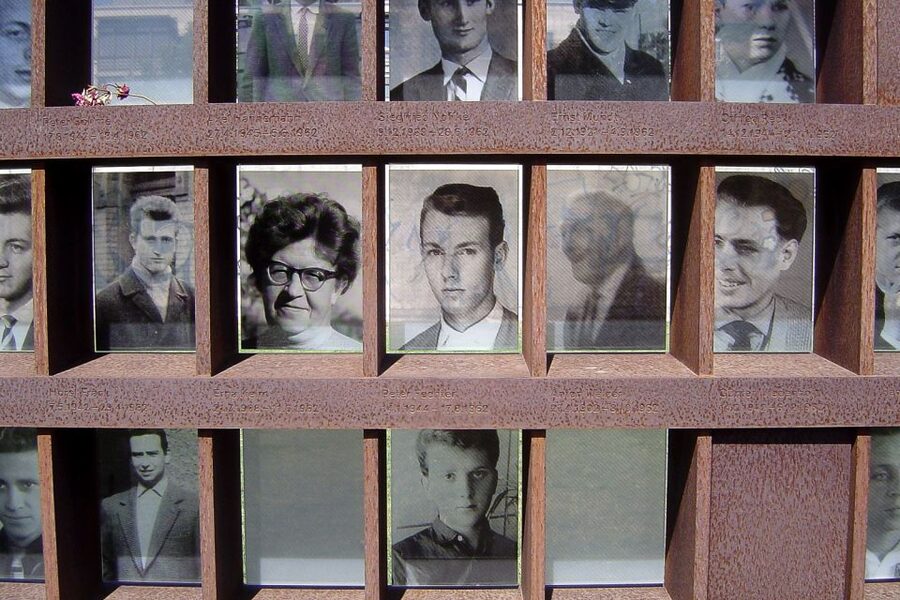
One key thread running through the walk is the idea that Berlin was cut in two quickly, in an overnight shift in 1961. That “how fast everything changed” factor matters because it explains why life in divided Berlin wasn’t just a slow political evolution. It was a sudden shock that rewired where people could go and what they dared to want.
The guide frames Berlin as East versus West, with capitalist West and communist East living inside the same city. When you stand at the memorial and listen to that framing, the division stops feeling like a map concept. It starts feeling like a daily boundary that shaped identity.
As Germany reunified, signs of the old East slowly disappeared. This tour gives you a chance to still read the past on the ground while it’s accessible at the memorial site. You’ll come away with a stronger sense of why reunification was not just a political event, but a life overhaul for millions.
Pace, guide style, and how the tour stays engaging
A 2-hour walking tour lives or dies by pacing. This one tends to work because the guide is focused on making connections, not rattling dates. Names like Nathan and Rebecca come up as examples of guides who keep people involved and make explanations feel clear, not forced.
You’ll also appreciate the flexibility in how the walk gets handled. One clear example from guide performance is adjusting the tour flow to what you need in the moment, including practical breaks tied to what you enjoy. That kind of responsiveness matters because it turns the tour from a rigid script into a conversation grounded in learning.
For you, that means you can ask real questions without feeling like you’re derailing the whole experience. It’s especially good if you care about the tough parts, like the secret police and the mechanics of the border regime, but you want them explained in human terms.
Price and logistics for a 2-hour Wall walk
This tour costs $23 per person, and the value comes from what’s included in that time. You’re getting a licensed English-speaking guide for a 2-hour walk focused on a high-impact memorial area. You’re also skipping the ticket line, which is a big deal when you’re on a tight schedule.
Logistics are straightforward, with one catch. The tour uses public transport, and you should expect about 15 minutes of transit as part of the experience. You’ll also choose between two starting location options, one being a Starbucks at Gartenstraße 85, and the other starting point may vary by booking. Meeting point details can shift depending on which option you pick.
Why that matters: if you’re traveling with limited time in Berlin or you’re bouncing between neighborhoods, this tour is efficient. If you dislike public transport or you’re arriving late, you could feel rushed, because the whole format depends on arriving on schedule.
Who should book this, and who might want a different fit
I think this tour is a strong fit if you want your Berlin Wall time to be focused and emotionally grounded. You’ll like it if you care about the everyday human side of the Cold War, including the way surveillance shaped life and the stories behind escape attempts.
It also works well as a complement to other Berlin history stops. Instead of scattering Wall facts across several sites, you get one tight, high-signal experience at Bernauer Straße, where the border system becomes visible and understandable.
You might consider something else if you want a longer tour that covers more locations or if you prefer purely architectural sightseeing without the personal stories. This experience is designed for meaning, not for a marathon.
Should you book Berlin: Berlin Wall and the Cold War walking tour?
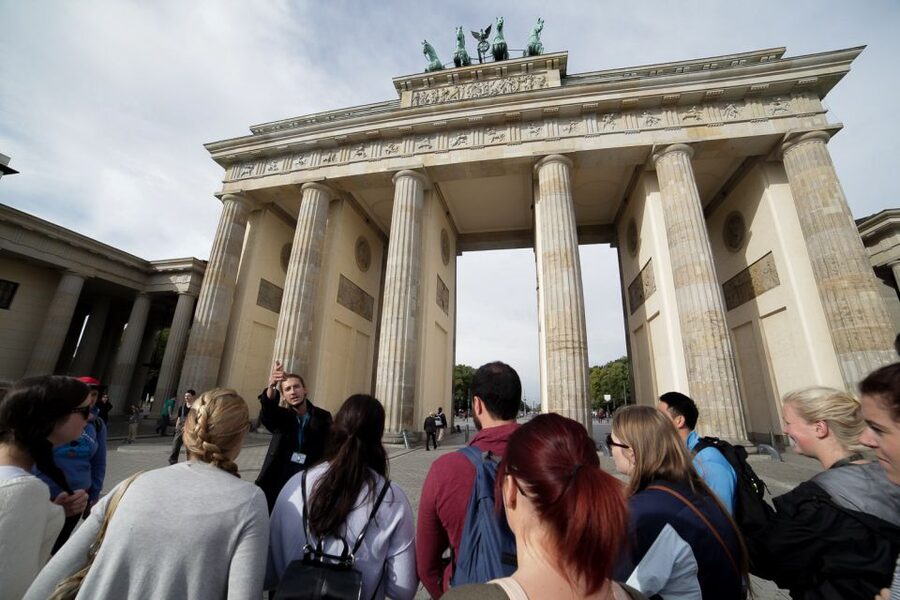
If your goal is a high-impact Wall experience without spending half a day, I’d book it. The combination of Bernauer Straße access, a licensed guide, and explanations that connect the structures to the realities of GDR life is the kind of learning that actually sticks.
My practical advice: treat it as your Wall anchor stop. Pair it with lighter, flexible Berlin time before or after, and plan your arrival so you can handle the short public transport segment without stress. If you do that, you’ll leave with a clear picture of how the Wall worked, why people tried to escape anyway, and what the border regime meant for real people.
FAQ
How long is the Berlin Wall and Cold War walking tour?
The tour lasts 2 hours.
What’s included in the price?
The tour includes an English-speaking guide and it skips the ticket line.
Does the tour use public transport?
Yes. It uses public transport, and you may need to choose the right option depending on whether you already have a ticket.
Where is the meeting point?
The meeting point may vary depending on the starting option booked.
What languages is the tour offered in?
The tour is offered in English and German.
Can I cancel, and is there flexibility when booking?
Free cancellation is available up to 24 hours in advance for a full refund, and there is a reserve now and pay later option.
More Wartime and Cold War History Walks in Berlin
- Skip-the-Line: Berlin Wall Museum at Checkpoint Charlie
★ 4.1 · 2,041 reviews - Berlin: Third Reich, Hitler, and WWII Walking Tour
★ 4.9 · 1,757 reviews - Cold War, Berlin Wall, Spies and the East Side Gallery
★ 5.0 · 1,024 reviews - Berlin Third Reich Sites: Half-Day Walking Tour
★ 5.0 · 835 reviews
Newest Berlin reviews on the site
- Jetbike Berlin fun bike beer bike★ 5.0 · 3 reviews
- Karl-Marx-Allee Walking Tour: Berlin’s Socialist History★ 5.0 · 5 reviews
- Homeless on chic streets: city tour in Berlin from personal experience★ 4.6 · 3 reviews
- Berlin: Sachsenhausen Concentration Camp Guided Tour★ 4.9 · 42 reviews
- Historyof the Trans, Queer & Gay communities of Berlin tour★ 4.8 · 17 reviews
- Historic Berlin Pubs & History Tour★ 4.9 · 73 reviews
- Berlin: City Center Walking Tour★ 4.7 · 45 reviews
- Half-Day Berlin Highlights Segway Expedition★ 4.5 · 61 reviews
Third Reich & Cold War Tours, compared.


Berlin’s Best: 2 Hour Walking Tour Third Reich and the Cold War
Read our review →
Third Reich Berlin: Hitler and WWII Walking Tour
Read our review →
Skip-the-Line: Berlin Wall Museum at Checkpoint Charlie
Read our review →
Browse the lists this tour appears in