
Reviewed · THIRD REICH & COLD WAR TOURS
Third Reich & WWII Walking Tour
A walk through Munich can feel normal, right up until it does not. This 2.5 hour Third Reich tour strings together the key Nazi era sites in central Munich, with clear context for how power and ideology took hold. I really like the small-group size and the way the route hits big names like Königsplatz, Feldherrnhalle, and Hofbräuhaus without turning it into a history lecture. I also like that the guides handle the subject with care, often using photos and moments for reflection rather than rushing you through the worst parts. One drawback to plan for is that it is a lot of standing and walking on a heavy topic, so bring water and expect you will want a snack.
If you want a practical way to understand why Munich played such a central role in the rise of the Nazi Party, this tour is built for that. It starts in the city center area at Marienplatz and works toward Königsplatz, finishing near Hitler’s former headquarters. You’ll hear the story from the post World War I chaos to the failed power grab, then into how Munich remembers, including resistance like the White Rose.
In This Review
- Quick hits: what makes this Munich tour work
- Munich’s Nazi story makes more sense when you walk it
- Where you start: Marienplatz as your grounding point
- A practical tip
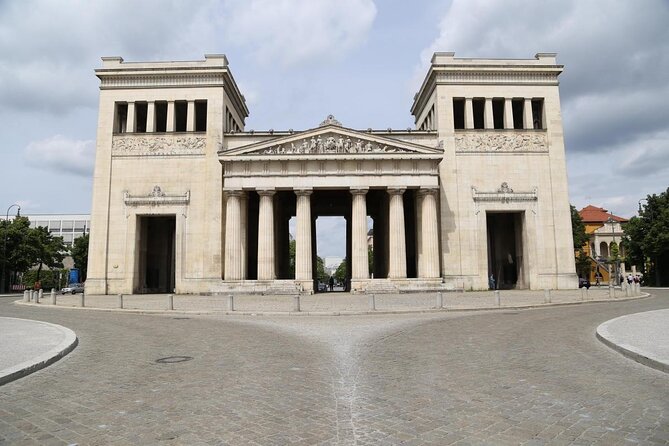
- Königsplatz: the political stage where rallies took shape
- What to watch for
- The path through Feldherrnhalle: from theater to attempted power
- A comfort note
- Hofbräuhaus: how the story starts with mass meetings
- Hofgarten and the White Rose: resistance in the same city
- The finish near Hitler’s former headquarters: leaving with closure, not just facts
- Practical mindset
- Guides, pacing, and how they handle a hard subject
- Walking time, group size, and what to bring
- What you should bring
- Price and value: is $35.09 a fair deal?
- Who this tour is best for
- Should you book this Munich Third Reich walking tour?
Quick hits: what makes this Munich tour work
- Tight route, major stops that make the Nazi story easier to picture in real locations
- Small-group feel (designed for up to 10) while still operating within an overall cap of 30
- English speaking guide with lots of room for questions and group discussion
- Built-in reflection, with guides often pausing for the group to process serious moments
- A mid-tour break is sometimes included, which helps if you are walking in cold weather
- Ends near Hitler’s former headquarters, so you leave with a clear sense of what came next
Munich’s Nazi story makes more sense when you walk it
Munich looks photogenic from many angles, which is exactly why it can be unsettling when you learn what happened on the same streets. This walking tour is interesting because it connects ideology to geography, not just dates and names. Instead of trying to memorize a timeline, you move through the spaces where rallies, marches, and political theater played out.
The value is not the spooky factor. It is the practical context. You learn why post World War I conditions mattered, how the Nazi movement grew in Munich, and how the story moved from meetings and propaganda into attempts to seize power. If you like history that has a street-level feel, this format helps you make sense of it fast.
There is also a strong emphasis on how Germans today come to terms with the past. That matters because it changes the tour from a dark postcard to a real lesson in memory, responsibility, and consequence. And yes, it is heavy, but guides on this tour tend to handle it with sensitivity and clear facts, not shock value.
More Third Reich & Cold War Tours in Munich
- Munich: Third Reich & WWII Walking Tour
★ 4.6 · 6,181 reviews - Third Reich Walking Tour Munich
★ 4.5 · 4,291 reviews - Munich: Birthplace of the Third Reich Guided Walking Tour
★ 4.6 · 771 reviews
Where you start: Marienplatz as your grounding point
Most history walks begin with a vague meeting spot and then immediately sprint into details. Here, you start at Marienplatz (80331 München), which is one of Munich’s busiest navigation anchors. That is useful, especially if you are new to the city, because you can orient quickly and meet people without hunting around.
From Marienplatz, the walk sets you up for the shift from everyday Munich to the political stage. You are not just going to monuments, you are getting the story of why these spaces mattered. As you move, your guide ties architecture and location to the events being discussed, so the places stop feeling like random landmarks.
A practical tip
Because this is a walking tour with limited stopping, I would plan on arriving a few minutes early. It is also smart to check the exact meeting point details in the booking materials, since some guests have mentioned confusion about the map pin location.
Königsplatz: the political stage where rallies took shape
Königsplatz is the tour’s emotional and historical centerpiece. This is where you get the contrast: Munich as a normal city, and Munich as a platform for mass politics. The tour frames the period right after World War I, when Germany was humiliated and unstable, and hyperinflation and violence were reshaping daily life.
You learn how the Nazi movement rose from that chaos and why Munich became such fertile ground. Then the guide connects those conditions to the Nazi Party’s rise, including the importance of mass meetings and party rallies tied to specific sites. Standing at Königsplatz makes the idea of public spectacle feel real, because the square was designed and used for exactly that kind of political performance.
Königsplatz also sets up the next part of the story: the path from popularity to attempted seizure of power. Even if you have never studied the subject, the tour gives you the backbone so you can follow what comes next.
More Walking Tours in Munich
- Munich: Old Town & Viktualienmarkt City Walk in German
★ 4.7 · 2,304 reviews - Munich: Night Watchman Walking Tour
★ 4.7 · 2,092 reviews - Munich Ghosts and Spirits Evening Walking Tour
★ 5.0 · 1,900 reviews - Munich Old Town Walking Tour
★ 4.5 · 1,287 reviews
What to watch for
Look at the layout and how it supports crowds. This is one of those places where the space helps explain the strategy behind political messaging. Your guide will connect that to what you are seeing, not just what happened.
The path through Feldherrnhalle: from theater to attempted power
Feldherrnhalle is where the tour’s narrative sharpens. You do not just hear about the Nazi movement as an idea, you see how it tried to turn belief into action. The guide discusses the party’s failed attempt to seize power and places that event in the broader Munich context.
This stop is valuable because it helps you understand how the Nazis gained momentum. It was not only propaganda in books or speeches. It was also public action, staged confrontation, and a willingness to gamble. That is part of why this walk is gripping: it shows the steps that made the later takeover possible.
You will also notice how the guide keeps pulling you back to the local setting. Munich was not an abstract backdrop. It was the political home base where the early movement learned how to mobilize people.
A comfort note
This section can include a lot of standing close together with other walkers. Dress for the weather and keep your phone ready only when you need it, because you will want your eyes on your guide and the space.
Hofbräuhaus: how the story starts with mass meetings
The tour links the Nazi movement’s early growth to Hofbräuhaus, including the idea that one of the first mass meetings happened there. This stop is not just about the famous beer hall. It is about the social mechanics of recruitment.
You get context for how political groups used familiar public settings to spread influence. That is one of the most important lessons of the tour: how something radical can grow when it finds a foothold in mainstream routines. Your guide explains that connection clearly, and the discussion format tends to help if you are going in as a beginner.
If you have ever wondered how ideology turns into crowds, this is the part of the walk that makes the question feel less abstract.
Hofgarten and the White Rose: resistance in the same city
A good tour does not end with the rise. This one also points you toward resistance, including the White Rose movement, with a stop around the Hofgarten area for discussion.
This matters because it keeps the story from becoming one-sided. You learn that brave people pushed back, even when the consequences were brutal. It also adds a layer of meaning for the present, since the city is not only remembering perpetrators, it is also remembering opposition and conscience.
This stop can be one of the most human parts of the tour. The guides tend to handle it with respect and, in many cases, create space for the group to reflect before moving on.
The finish near Hitler’s former headquarters: leaving with closure, not just facts
The tour ends at Königsplatz 1, near Hitler’s former headquarters. That finish is powerful because it gives the story a physical endpoint. You arrive with context for how Munich shaped the Nazi Party and how that path led to catastrophe.
Depending on conditions, you may also have a chance to regroup and take in the surroundings more calmly. One guide, Ulrich, is mentioned in this context as encouraging guests to consider visiting a documentation museum after the walk. Even if you do not do that specific stop, ending near where history concentrated makes it easier to plan your next hour on your own.
Practical mindset
Expect a mental shift at the end. Most people feel the weight of what they just learned. Give yourself a buffer before your next activity, especially if you are visiting during a busy day.
Guides, pacing, and how they handle a hard subject
Many guests highlight the guides by name, and that is a good sign. Guides mentioned include Michael, Alex, Josh, Danielle, Joel, Ulrich, and Bridget. Across those different names, the common theme is presentation that stays factual while still being emotionally responsible.
Pacing also gets attention. People say it is packed with locations and events, and that it can feel overwhelming at first if you are starting from zero. But the better part is that guides often manage that overload by inviting questions and keeping the route coherent. One strong pattern is that guides pause for quiet processing, rather than turning the heavy content into a nonstop monologue.
There are a couple of practical issues worth noting. Some guests mention difficulty hearing the guide unless you are in a good spot, so if you are hard of hearing or you do not like crowded audio, pick a position that faces the guide early. Others mention that there is not much time to sit, and snacks or a drink can help. Some mention a short indoor break mid-way, about 15 minutes, which can be a lifesaver in cold weather.
Overall, the tour feels professional and structured, not random. That matters because this topic deserves order. You want to learn without confusion, and you want the facts delivered with care.
Walking time, group size, and what to bring
The duration is listed around 2 hours 45 minutes. In real life, guests describe it as around 3 hours, so plan your day with a similar buffer. You will be moving between sites that are close enough to make walking practical, but far enough that you will feel it by the end.
Group size is designed to keep the experience personal: limited to 10 people as a small-group tour, with an overall max listed at 30. In practice, smaller groups often mean you can ask questions without waiting forever, and your guide can keep better control of where everyone is standing.
What you should bring
- A drink and a light snack, because rest time is limited
- Layers and gloves in winter, guides have handled freezing weather by keeping people moving and warm with explanations
- Comfortable walking shoes, because you will stand a lot between stops
- A charged phone or camera, but use it wisely to keep attention on the guide
One more tip if you are sensitive to topics: this is a serious subject matter. If you are easily distressed by historical violence, plan to step away and breathe at the end.
Price and value: is $35.09 a fair deal?
The price is $35.09 per person, which is not huge, but it is not free either. For that cost, you get a professional guide, a route through multiple major sites, and the kind of context that would be hard to assemble on your own without doing extra research.
The value comes from three things:
- You are covering several key stops in one morning or afternoon block.
- A guide connects them with explanations, including why Munich mattered and how the Nazi movement grew.
- The pacing and handling of the material are part of the experience. This is not a self-guided walk where you only get placards.
If you are visiting Munich for just a couple of days, this is a cost-effective way to get a structured introduction to the Third Reich in the city. If you are already a WWII expert with strong familiarity with Munich sites, you might need less interpretation and could prefer a longer museum visit instead. Most first-timers, though, benefit from a guided route like this.
Who this tour is best for
This tour is a strong fit if you:
- Want a street-level introduction to how the Nazi Party rose in Munich
- Prefer walking with stops and explanations over reading guidebooks alone
- Like asking questions and discussing history in real time
- Are prepared for a heavy topic and respectful of the sites
It is also not recommended for children under 12. That suggests the content and the intensity of standing and discussion are meant for older visitors.
If you are short on time and you want to understand why specific squares and buildings became important, this is a practical choice.
Should you book this Munich Third Reich walking tour?
I think you should book it if you want a focused way to understand Munich’s role in the Nazi era and you like learning with a guide on the ground. The small-group format, the clear coverage of key sites like Königsplatz and Feldherrnhalle, and the fact that guides often add resistance context like the White Rose all make it feel purposeful, not random.
You might skip it, or at least be cautious, if you hate long stretches of standing, struggle to hear in crowds, or are not ready for very dark historical material. If you do go, go prepared, bring water, check the meeting point details, and leave some quiet time after the walk so your brain can catch up.
More Wartime and Cold War History Walks in Munich
- Munich World War II Sites Including Dachau Concentration Camp
★ 4.5 · 570 reviews - Munich City Walking Tour, includes Third Reich & Viktualienmarkt
★ 5.0 · 458 reviews - Munich 3-Hour Segway Tour: Nazi Munich & Royal Architecture
★ 4.9 · 194 reviews - Munich and Nazi History Combination Day Tour Small Group
★ 5.0 · 32 reviews
Newest Munich reviews on the site
- Klassik im Museum★ 5.0 · 6 reviews
- Hidden Architectural Gems of Munich (Max. 16 guests)★ 4.9 · 52 reviews
- From Munich: Herrenchiemsee Palace and Boat Trip Day-Tour★ 4.8 · 129 reviews
- Munich: Half-Day Skip-the-Line Neuschwanstein Castle Tour★ 4.6 · 110 reviews
- Glockenbachviertel culinary – the food tour★ 4.6 · 5 reviews
- From Munich: To Neuschwanstein Castle, Linderhof, Oberammerg★ 4.7 · 8 reviews
- From Munich: Dachau Memorial Site Tour in Spanish★ 4.9 · 300 reviews
- From Munich: Trip to Neuschwanstein & Linderhof in Spanish★ 4.8 · 282 reviews
Third Reich & Cold War Tours, compared.

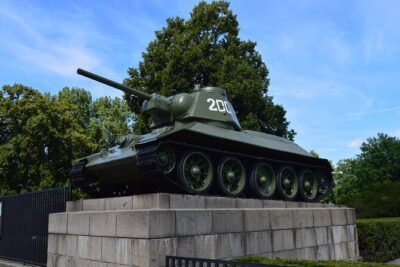
Berlin’s Best: 2 Hour Walking Tour Third Reich and the Cold War
Read our review →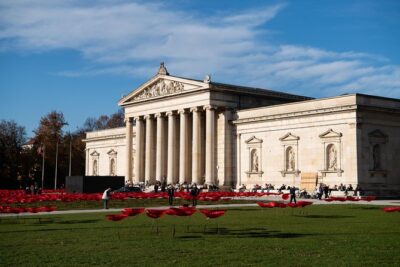
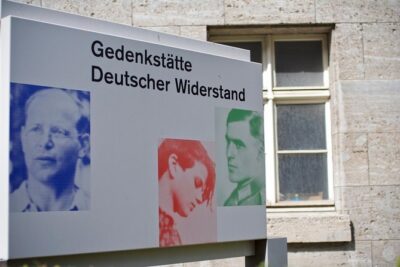
Third Reich Berlin: Hitler and WWII Walking Tour
Read our review →
Skip-the-Line: Berlin Wall Museum at Checkpoint Charlie
Read our review →
Browse the lists this tour appears in