
Reviewed · THIRD REICH & COLD WAR TOURS
The Cold War and The Wall – Private Tour with Jacob
Berlin can feel frozen in time. This private Cold War tour strings together the places you’ve heard about and explains what they meant for people living through it. I like how the route focuses on the Berlin Wall story through real checkpoints and control points, and I also love the pace because it’s built for a 2 hours 45 minutes walking visit that doesn’t rush the meaning out of the scenes.
My favorite part is the personal guide time. With your own guide, you can ask follow-up questions as you walk, and you end up with a clear picture of how the Cold War shaped everyday life in Berlin.
One drawback to plan for: it is a walking tour, so if you’re sensitive to long standing and city sidewalks, you’ll want comfortable shoes and a willingness to slow down.
In This Review
- Key points you should know before you go
- Cold War Tour in Berlin, built for meaning not trivia
- Price and group size, when $310 feels fair
- Pickup, mobile ticket, and the included Berlin cheat sheets
- Siegessaule and Straße des 17. Juni, where 1953 enters the story
- Brandenburg Gate, the Wall’s erection and fall in one sight
- Potsdamer Platz, the city divide and the freedom concert idea
- Aviation Ministry of Berlin area, Max Linger and Heinz Holzapfel escape attempts
- Trabi Museum, why the East German car mattered
- Checkpoint Charlie and Friedrichstraße Checkpoint Street
- Unter den Linden, Palace of Tears, and the machinery of control
- What makes the tour feel personalized in real life
- Logistics that actually matter once you’re walking
- Who this tour suits best
- Should you book The Cold War and The Wall with Jacob?
- FAQ
- How much does the tour cost?
- How long is the experience?
- Where does the tour start and end?
- Is pickup available?
- Are public transport tickets included?
- Is there free cancellation?
Key points you should know before you go
- Private, small-group format with your own guide, so you can move at your pace and ask questions along the way
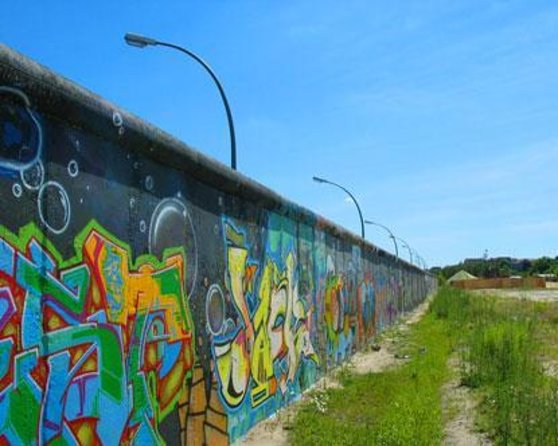
- Wall-era checkpoints in a tight loop, from Checkpoint Charlie through Friedrichstraße and the Palace of Tears
- Real-world context, not just dates, tying landmarks to escapes, control systems, and the city’s divide
- Free admission stops at every listed landmark, so you’re mostly paying for guide time and the storytelling
- Pickup in Berlin area plus a mobile ticket, which makes it easier to start without wrestling with transit right away
- Practical Berlin add-ons included, like an A3 guidance picture folder and a big subway map
Cold War Tour in Berlin, built for meaning not trivia
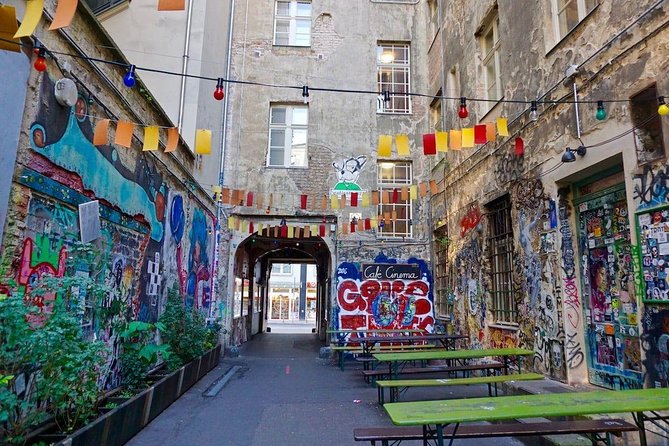
This is the kind of tour that helps you read the city. Berlin has monuments, gates, towers, and streets that look obvious from a photo, but the story underneath them is what makes everything click. The Cold War and The Wall private walk takes you through the fault line of Berlin, so you’re not just seeing famous spots, you’re learning what those spots did.
You’re also getting the advantage of private guiding. In one case, the guide was Jacob. In another, the guide name was Nadav Jacobs, and the overall feel was the same, lots of on-the-ground context and smart next-step suggestions. That matters if it’s your first time in Berlin, because you leave knowing what you want to see on your own after the tour ends.
Time-wise, the duration is about 2 hours 45 minutes, which is just long enough to connect the dots without draining you for the rest of the day.
More Third Reich & Cold War Tours in Berlin
- Berlin: Third Reich and Cold War 2 Hour Walking Tour
★ 4.9 · 6,830 reviews - Berlin: Berlin Story Bunker Entry Ticket
★ 4.6 · 6,759 reviews - Berlin’s Best: 2 Hour Walking Tour Third Reich and the Cold War
★ 5.0 · 5,486 reviews
Price and group size, when $310 feels fair
The price is $310 per group, up to 6 people. That is actually where the value comes from. A private guide costs more than a big group tour, but if you’re traveling with friends or family and fill the group, your per-person cost drops quickly compared with paying for a one-on-one guide.
If it’s just you, or you’re only two people, this price can feel steep. In that case, it only makes sense if you really want the private pacing, the pickup, and a guide who can tailor the history to what you care about. If you want the checklist of major sites with less personal time, you’d probably choose a group version.
Booked ahead, too. On average, this tour is booked about 40 days in advance, so if your dates are set, don’t leave it to the last minute.
Pickup, mobile ticket, and the included Berlin cheat sheets
I like tours that start clean. Here, hotel, B&B, train station, or airport pickup in Berlin is offered, which is a big help if you land with limited energy or you’re juggling luggage. You’ll also use a mobile ticket, so you’re not fumbling with paper confirmations.
Two small inclusions make a difference after the walk:
- an A3 guidance picture folder, which gives you something tangible to review later
- a big map of the subway station, useful for your next legs across Berlin
And there’s another practical touch: the guide is available for questions or help with your Berlin visit. That sounds simple, but it’s the difference between leaving with memories and leaving with a working plan.
Siegessaule and Straße des 17. Juni, where 1953 enters the story
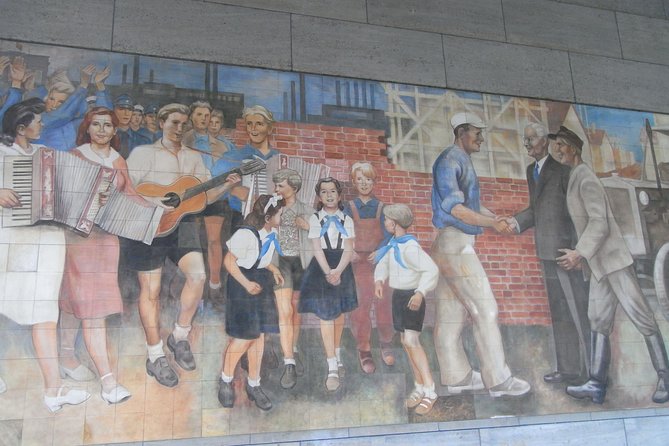
Your first stop is Siegessaule (Victory Column), near Straße des 17. Juni. This is a strong opening because it pulls you into the theme quickly, the East German uprising in 1953 and how the Cold War wasn’t only about buildings and borders.
What I like about starting here is that you see a landmark tied to political power, not just a neutral sightseeing object. The time at this stop is about 15 minutes, and admission is free, so you can focus on the explanation rather than budgeting for entry tickets.
A consideration: since the first stop is about revolutionary history, you’ll get more from it if you’re mentally ready to connect the past to the later checkpoints you’ll see. If you want only the dramatic Wall imagery, you may find this start a bit more political than photogenic.
More wartime and Cold War history walks in Berlin:
- Third Reich Berlin: Hitler and WWII Walking Tour
★ 5.0 · 3,301 reviews - Skip-the-Line: Berlin Wall Museum at Checkpoint Charlie
★ 4.1 · 2,041 reviews - Berlin: Third Reich, Hitler, and WWII Walking Tour
★ 4.9 · 1,757 reviews - Cold War, Berlin Wall, Spies and the East Side Gallery
★ 5.0 · 1,024 reviews
Brandenburg Gate, the Wall’s erection and fall in one sight
Next up is Brandenburg Gate. The tour frames it as a landmark linked to the erection and fall of the Berlin Wall, which helps you understand why this gate became such a symbol for divided and reunified Germany.
This stop is about 10 minutes with free admission. That time is short, but it’s not trying to be a long museum visit. The goal here is to give you the context you’ll carry as you move through the rest of the route.
If you’re someone who likes a quick hit of iconography, this is the payoff stop. If you like lingering, you may want a quick return later on your own for photos and extra reading time.
Potsdamer Platz, the city divide and the freedom concert idea
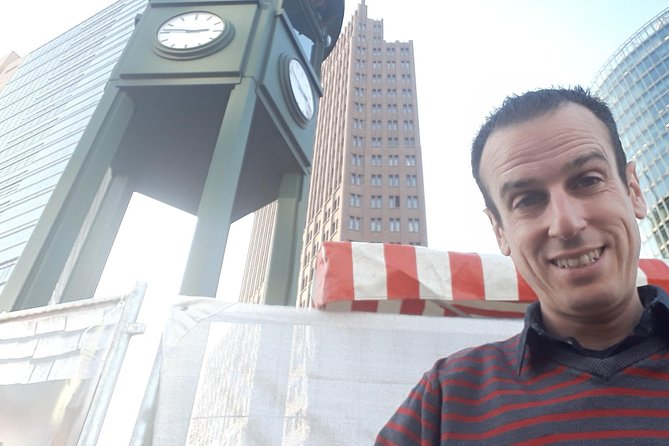
At Potsdamer Platz, you learn about the city divide and how the area connects to freedom themes after the Cold War. The stop runs about 15 minutes, and again, admission is free.
Potsdamer Platz is one of those Berlin locations where the modern city is obvious. But that’s exactly why this stop works. You get to see a place where you can compare what used to be a barrier zone with what became normal city life later. It’s easier to understand the human impact of division when you can look around and see what replaced it.
The only drawback is timing and attention. If you’re distracted by the shopping streets and crowds nearby, you might miss the point. Keep your eyes on what your guide is connecting to the stories of division.
Aviation Ministry of Berlin area, Max Linger and Heinz Holzapfel escape attempts
This is where the tour gets personal and story-driven. The stop is the Aviation Ministry of Berlin area, tying in Max Linger’s communist utopia and the Heinz Holzapfel escape attempt.
This is about the tension between control and human refusal. It’s not just walls and fences. It’s also people trying to get out, and the systems built to stop them. If that’s the kind of history you like, you’ll probably find this stop one of the most memorable.
Time here is around 10 minutes, free admission. That’s short, but it’s appropriate for an area where the most important part is the narrative link, not waiting for an exhibit.
Trabi Museum, why the East German car mattered
Then you head to the Trabi Museum for about 30 minutes. Admission is listed as free, which is a nice bonus for a museum-style stop.
The focus is the East German car, known for being tied to daily life and the frustrations of a system that couldn’t simply copy Western consumer conveniences. A car sounds like a small detail until you realize how much it can represent, scarcity, rules, and a way of getting around when options are limited.
This stop is longer than most, and I think that’s smart. It gives you a break from pure checkpoint history and adds a tangible symbol you can remember when you walk outside and see the modern city.
Checkpoint Charlie and Friedrichstraße Checkpoint Street
You’ll then move into the most famous crossing stories.
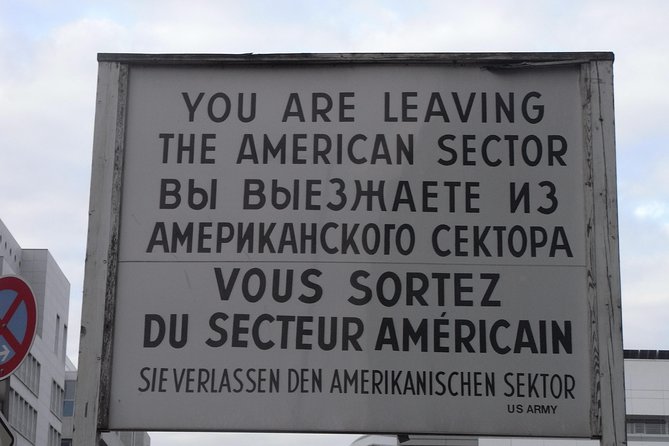
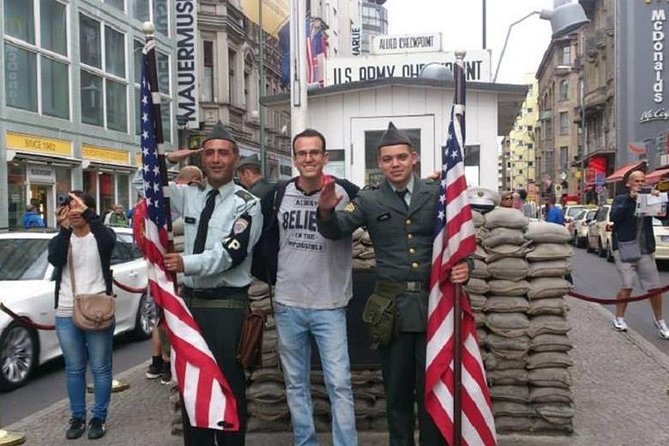
First is Checkpoint Charlie, about 10 minutes with free admission. It’s presented as the main crossroad between East and West, which is exactly why it became a global symbol. Even if you’ve seen photos before, having it explained as a functional crossing helps you understand it as infrastructure, not just a landmark.
From there, you go to Friedrichstraße, described as Check points Street, with about 20 minutes. This is where you understand how border life played out street by street. The tour makes it clear that the Cold War divide wasn’t a single moment. It was a process that people faced daily.
Practical tip: expect photo moments here, but don’t only snap pictures. The history will land better if you stand still and listen for the details your guide connects to how people traveled, waited, and were controlled.
Unter den Linden, Palace of Tears, and the machinery of control
Next comes Unter den Linden, described as East Germany’s main avenue leading toward the border. This stop lasts about 20 minutes with free admission. It’s a strong transition because you go from checkpoint points into the bigger geography of control and movement.
Then comes one of the most emotionally intense parts of the route: the Palace of Tears, about 20 minutes and free admission. It’s presented as the main checkpoint for citizens and communist control. The name alone tells you it’s tied to separation and the cost of trying to move freely.
Finally, you reach Alexanderplatz, about 10 minutes, with free admission. The story connection is the TV tower and the space race. That’s a great pivot because it reminds you the Cold War wasn’t only about borders. It was also propaganda and ambition, built into technology and visibility.
This cluster of stops can be heavy. If you find yourself getting overwhelmed, it helps to treat each location as a different piece of the same puzzle. A controlling state needs streets, checkpoints, and symbolic power, and this route shows how they fit together.
What makes the tour feel personalized in real life
The biggest strength is how the guide helps you build a mental map. One of the best parts of this style of private tour is that it doesn’t have to stick to a rigid script. If you care more about escape stories, you’ll likely hear more of that thread. If you care more about the everyday impact on movement and identity, you’ll get the connections there too.
You also get practical suggestions for what to do next. That’s something I really appreciate when I do a first Berlin visit. After a tour like this, you want to know which nearby streets and viewpoints you can hit on your own without wasting time.
Logistics that actually matter once you’re walking
This tour operates in all weather conditions, so bring an umbrella if rain is possible. It’s not a reason to skip, but it is a reason to be comfortable.
It’s also described as near public transportation. That helps if you get dropped off at pickup but later need an easy way to continue your day.
And since it’s a private tour, only your group participates. That means you won’t feel trapped behind strangers stopping for different reasons. It also helps the guide keep your attention aligned.
Who this tour suits best
I think this fits best if you are:
- visiting Berlin for the first time and want the Cold War story in a logical route
- interested in the human side of division, checkpoints, and escape attempts
- the type of traveler who values a guide who can answer questions as you walk
It’s also a good option if you want to prioritize the Wall era without building your own complex route across multiple neighborhoods.
If you’re in Berlin for only a short time and you’re hoping to hit dozens of major sites by speed-walking, you might feel like the route is too focused. This tour is about context, not volume.
Should you book The Cold War and The Wall with Jacob?
Book it if you want a guided connection between iconic landmarks and the systems behind them. The route hits the biggest names, but it also includes the kind of stories that make Berlin feel more real, including escape attempts like Heinz Holzapfel, and the checkpoint pressure tied to places like the Palace of Tears.
Skip it or consider alternatives if:
- you’re traveling solo or as a pair and the $310 private-group price feels hard to justify
- you prefer a long, museum-heavy format rather than a walking route built around context stops
- you want only surface-level sightseeing with minimal history
For most people who want the Wall story to make sense fast, this is a strong choice. The private time, the included Berlin reference materials, and the focused lineup of checkpoints add up to real value.
FAQ
How much does the tour cost?
It costs $310 per group, for up to 6 people.
How long is the experience?
The tour lasts about 2 hours 45 minutes.
Where does the tour start and end?
The tour starts in Berlin, Germany, and ends at Alexanderplatz 10178 Berlin.
Is pickup available?
Yes. Hotel, B&B, train station, or airport pickup in Berlin is offered.
Are public transport tickets included?
No. Public transport tickets are not included, and the cost is listed as around 3 to 11 euros depending on the ticket type (about 2 hours or a day ticket).
Is there free cancellation?
Yes. You can cancel for a full refund up to 24 hours in advance of the start time.
Newest Berlin reviews on the site
- Day trip through multicultural city landscapes & photo highlights★ 5.0 · 5 reviews
- Berlin in one day – day tour with an expert guide★ 5.0 · 14 reviews
- Berlin on Your Own – Deluxe Round Trip from Warnemünde Port★ 4.5 · 5 reviews
- Berlin sightseeing boat tour on the Spree★ 4.0 · 93 reviews
- Berlin by Night Private Tour – All Must-See Sites Magically Lit Up at Night★ 4.0 · 5 reviews
- Berlin & Sachsenhausen Concentration Camp Tour from Warnemünde and Rostock Port★ 4.5 · 60 reviews
- Berlin & The Third Reich Private Guided Tour★ 5.0 · 3 reviews
- Berlin and Car Culture Tour★ 4.5 · 8 reviews
Third Reich & Cold War Tours, compared.

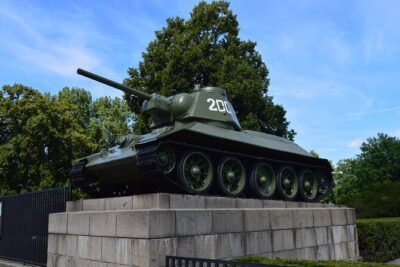
Berlin’s Best: 2 Hour Walking Tour Third Reich and the Cold War
Read our review →
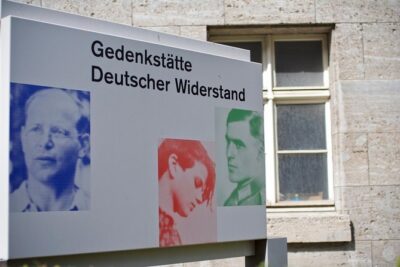
Third Reich Berlin: Hitler and WWII Walking Tour
Read our review →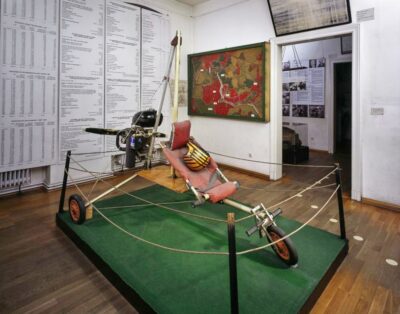
Skip-the-Line: Berlin Wall Museum at Checkpoint Charlie
Read our review →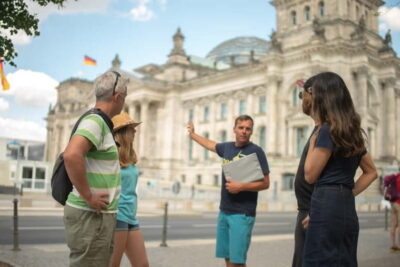
Browse the lists this tour appears in