Reviewed · WALKING TOURS
Stralsund Private Guided Walking Tour
A 90-minute walk through medieval Stralsund. I love how the tour connects UNESCO-listed streets with the big stories behind them, and I also like the focus on Hanseatic red-brick architecture you can see up close. One watch-out: the guide may pack a lot into a short time, so if you prefer slower pacing, tell them early.
This is a private group walk with a local professional guide who works only with your group, in either English or German. You start at the Kütertor gate (18439 Stralsund), then you’re guided through the old town’s cobbled streets and the standout buildings tied to medieval and city-changing moments.
What you’re really buying here is clarity. In a compact route, you’ll get the through-line from Stralsund’s early roots in the West Slavic Principality to its Hanseatic League era, then to the Thirty Years’ War events (including the Battle of Stralsund and the Treaty of Stettin), the later Duchy of Pomerania chapter, and the wartime trials of World War II. The old town you see today is also framed as a place that was restored after German reunification, which makes the “why it looks like this” question easier to answer.
In This Review
- Key highlights I’d mark on your Stralsund map
- Why Stralsund Feels Different Than Other Baltic German Towns
- UNESCO Streets and the Red-Brick Hanseatic Sights You’ll Notice Fast
- From West Slavic Roots to the Duchy of Pomerania Chapter
- Thirty Years’ War Stories at Street Level: Battle of Stralsund and Treaty of Stettin
- World War II Wartime Trials and Post-Reunification Restoration
- How the 90 Minutes Feel on Foot (And How to Get the Most Out of It)
- Price and Value: $294 Per Group Up to 15 People
- What to Expect From Your Local Guide (Customization Included)
- Who This Tour Suits Best
- Should You Book the Stralsund Private Guided Walking Tour?
- FAQ
- Where does the Stralsund private guided walking tour start?
- How long is the tour?
- Is this a private tour?
- What languages are available?
- What is included in the price?
- Are entrance fees included?
- How much does the tour cost?
- Can I cancel for a full refund?
- Can I book and pay later?
- Can the route or focus be adjusted during the tour?
Key highlights I’d mark on your Stralsund map
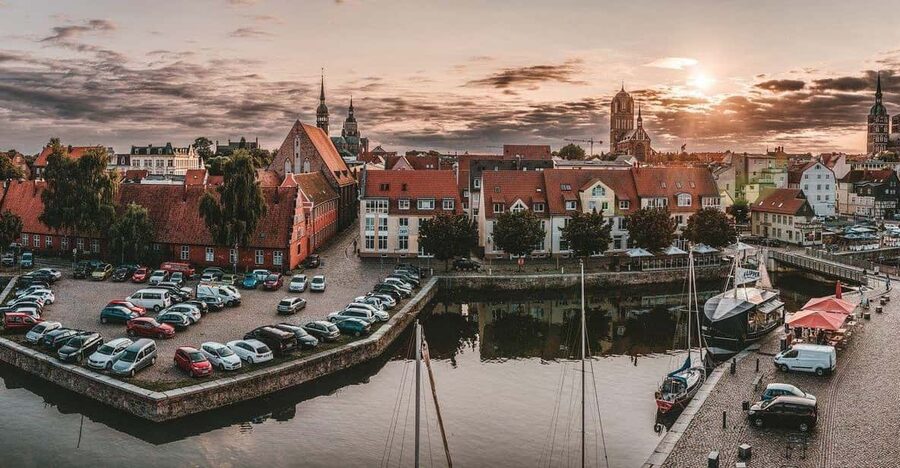
- UNESCO World Heritage old-town streets tied to what you’re seeing on foot
- Red-brick Hanseatic landmarks like the town hall, churches, monasteries, and patrician houses
- West Slavic origins and Duchy of Pomerania context, so the city feels less random
- Thirty Years’ War focus, with the Battle of Stralsund and Treaty of Stettin in plain language
- World War II wartime trials and post-reunification restoration, explained in the walking route
- Private guide-only format, so you can ask questions and adjust the pace on the spot
Why Stralsund Feels Different Than Other Baltic German Towns
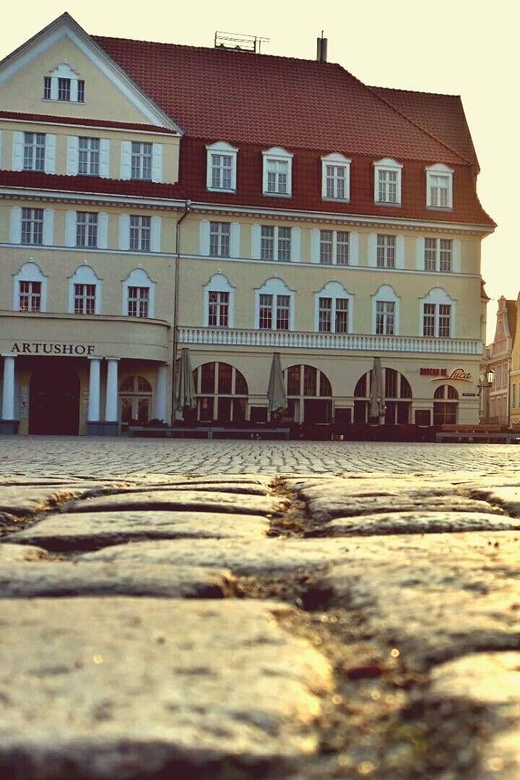
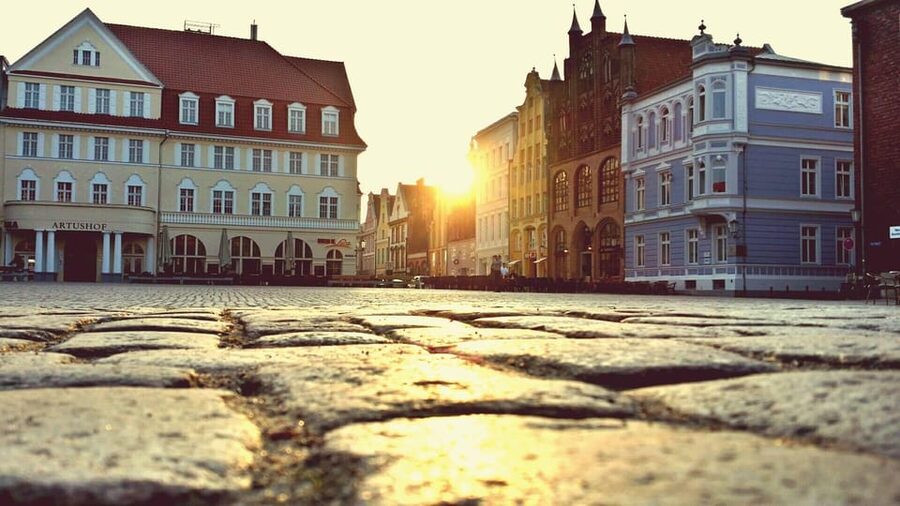
Stralsund sits on Germany’s Baltic coast, and it has a “seaside Gothic” look that’s not the same as inland German cities. The old town’s streets are cobbled, and the buildings read like a city that learned to flex with trade and conflict. That mix is exactly why this walk works.
You’re not just getting a list of pretty sights. You’re getting a timeline you can see. The guide connects what you’re passing to the city’s earlier identity as part of a West Slavic Principality, then to the Hanseatic League era when Stralsund’s wealth and influence rose through trade, building, and civic power.
If you like your history with street-level details, you’ll probably enjoy how quickly the guide helps you connect the architecture to the people who lived there. And because it’s a private setup, you can ask for slower explanations around whichever part matters most to you, whether that’s the medieval roots or the city’s wartime story.
More walking tours in Germany:
- Discover Berlin Half-Day Walking Tour
★ 5.0 · 9,624 reviews - Berlin: Third Reich and Cold War 2 Hour Walking Tour
★ 4.9 · 6,830 reviews - Munich: Third Reich & WWII Walking Tour
★ 4.6 · 6,181 reviews
UNESCO Streets and the Red-Brick Hanseatic Sights You’ll Notice Fast
Stralsund’s old town is recognized as a UNESCO World Heritage site, and the walking route is built around that idea: you’re seeing the historical core as a living design pattern.
Here’s what you’ll focus on, and why it matters:
- Town hall: This is often where civic pride gets carved into stone, and in Stralsund it’s part of the red-brick Hanseatic story you’re there to understand.
- Churches and monasteries: Religious buildings in Hanseatic towns helped shape education, charity, and community rhythm. The guide points out how these structures fit the city’s medieval and trading-era development.
- Patrician houses: These homes of wealthy city families help you understand how wealth circulated through Stralsund. The red-brick look isn’t just decorative, it’s tied to the resources and status of the era.
The “practical” benefit for you is that you’ll stop seeing the buildings as random shapes. After you’ve heard how the Hanseatic system worked, those red-brick façades turn into evidence. You’ll start noticing patterns in how the city presents authority and prosperity in stone and brick.
One more thing: Stralsund’s Gothic character plus the Baltic setting makes the photos feel less generic. If you’re the type who walks past buildings without looking up, this tour nudges you to do the opposite, and you’ll come away with a much stronger sense of place.
From West Slavic Roots to the Duchy of Pomerania Chapter
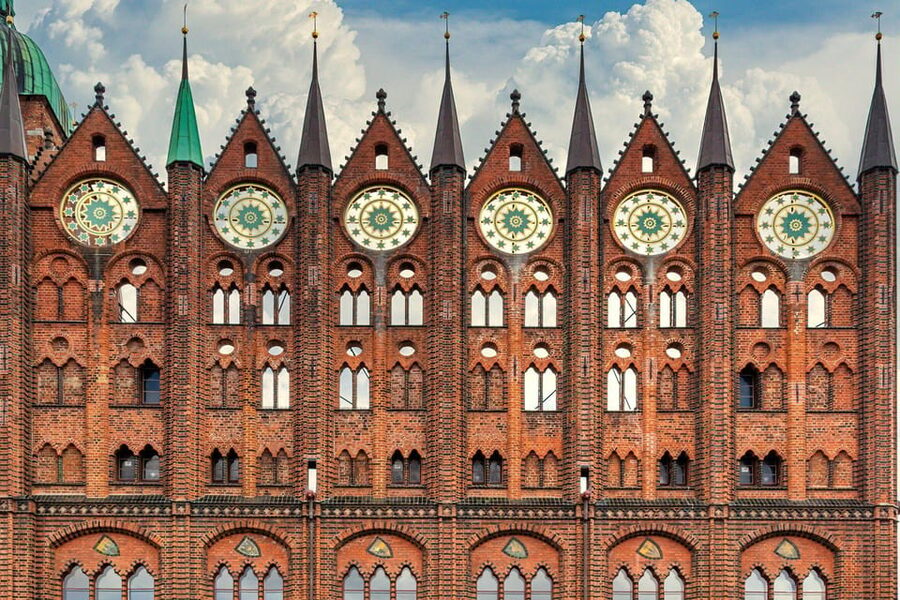
A common problem on short walks is that the guide spends the whole time in one era. Here, the point is to give you the city’s bigger shifts so later events make sense.
You’ll hear about Stralsund’s medieval roots in the West Slavic Principality, then how the city’s story moves into the Duchy of Pomerania period. That may sound like a history lecture, but the practical payoff is that you learn what changed and why it mattered for the city’s identity.
Think of it like this: once you know where Stralsund is coming from politically and culturally, you can better interpret the Hanseatic era. You can also better understand why certain moments in war and diplomacy land where they do in the story.
This part is ideal if you want something more than “this building is old.” You’ll start understanding Stralsund as a town that kept redefining itself, not just a postcard that stayed frozen in time.
Thirty Years’ War Stories at Street Level: Battle of Stralsund and Treaty of Stettin
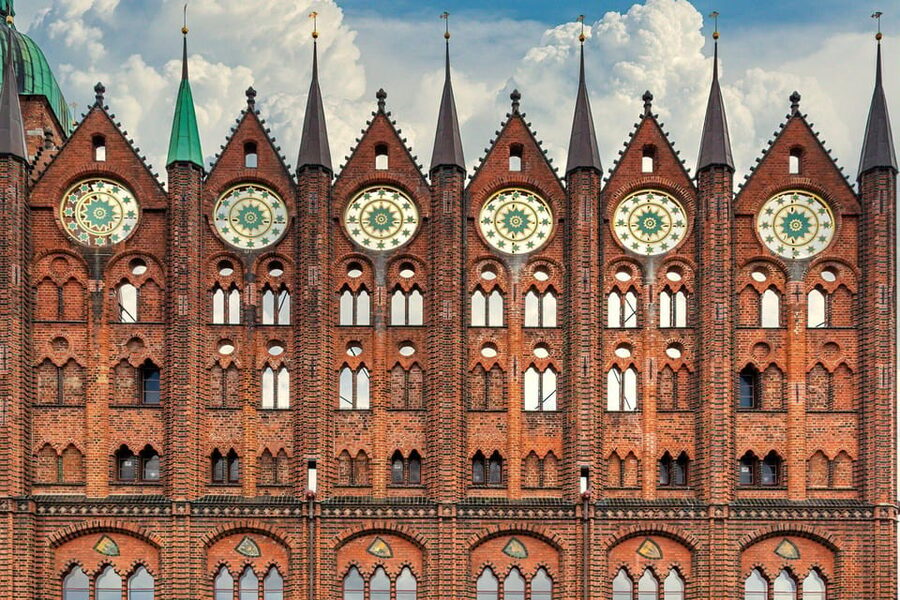
The Thirty Years’ War is a heavy topic, but the tour keeps it anchored to Stralsund. You’ll hear about the city’s role during the conflict, including the Battle of Stralsund and the Treaty of Stettin.
Why this is valuable on a walking tour: diplomacy and warfare feel abstract until you attach them to a specific place. In Stralsund, that place is visible in the way the old town reads as a fortified, strategic, and economically important city.
As you walk, you’ll get the sense that the city’s survival and alliances were tied to trade routes and political bargaining. When a guide connects those dots, you come away with a better grasp of why a Baltic coastal town mattered so much.
Also, this is where I’d pay attention if you care about “cause and effect” history. You’ll likely leave with a clearer mental map of what was at stake for Stralsund, and how that connects to later periods.
A few more Germany walks and trips to compare
- Berlin: Private Reichstag and Glass Dome Tour
★ 4.8 · 2,226 reviews - Berlin Private Complete History All Day Walking Tour
★ 5.0 · 474 reviews - Munich Private Tour with a Local – Highlights & Hidden Gems
★ 5.0 · 469 reviews - Private Walking Tour Berlin Third Reich Hitler and World War II
★ 5.0 · 360 reviews
World War II Wartime Trials and Post-Reunification Restoration
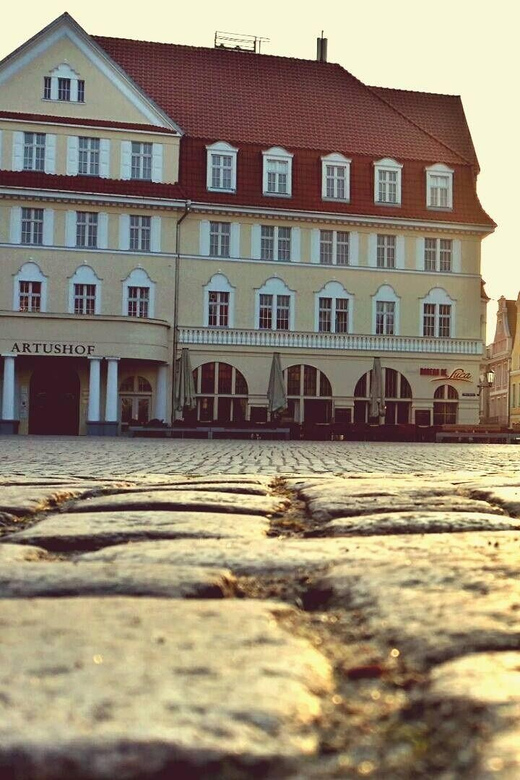
The tour does not stop at medieval and early modern eras. It also covers World War II wartime trials, and it frames today’s old town as something that was restored after German reunification.
You’ll hear this as part of Stralsund’s ongoing story, which helps keep the tour honest and grounded. It’s not only about what the city once was. It’s also about how communities deal with damage, memory, and rebuilding.
If you’re someone who prefers history that respects the difficult chapters, this is an important inclusion. It also helps you understand why certain streets and buildings may feel preserved or reworked. Even without going into technical restoration details, the guide gives you the “why” behind what you see.
Just a note on pacing. In only 90 minutes, the guide may move quickly through the later periods. If that’s your concern, ask a question during the walk about what they want you to notice in the WWII and post-reunification section. That tends to slow things down naturally and makes the last part stick.
How the 90 Minutes Feel on Foot (And How to Get the Most Out of It)
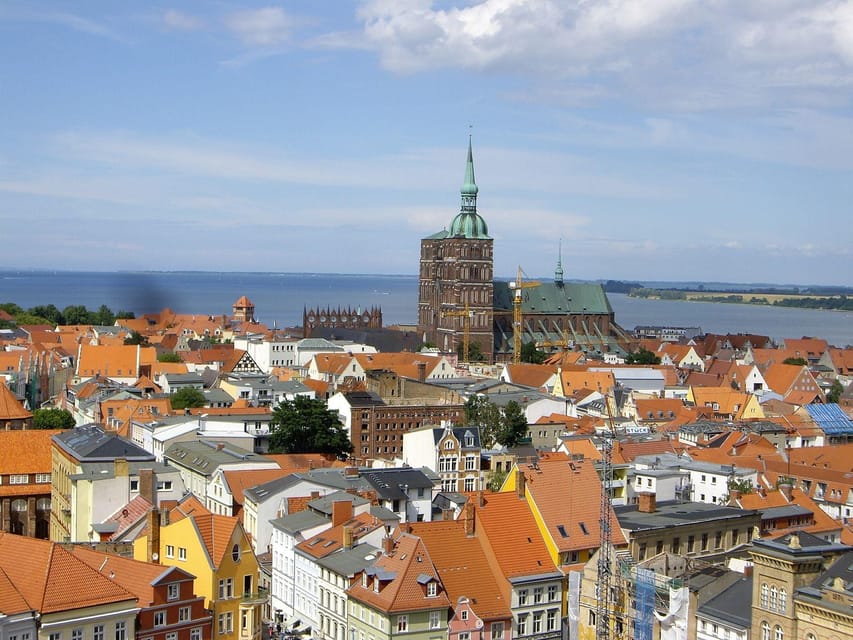
This is a 90-minute private walking tour, so it’s designed for focus rather than wandering. Expect a guided route through the old town’s key areas, starting at the Kütertor gate.
Because the tour is private, you’re not stuck with the slowest or fastest pace of a big group. That’s a real advantage if you:
- like to ask follow-up questions,
- want time for photos,
- or prefer the guide to explain one topic longer, even if it means less time on another.
Two practical tips to make the time work for you:
- Decide in advance what you care about most, and say it at the start. For example, if you want Hanseatic architecture more than wartime stories, tell the guide early.
- If you’ve got limited walking tolerance, bring that up right away. The guide can usually adjust how they pace the route since it’s a private format.
One of the reviews implied there can be a lot of information packed into a short span. That’s not a flaw, it’s just the nature of compact tours. Your best move is to communicate your preferred pace in the first few minutes, so the guide can aim for the explanation style that suits you.
Price and Value: $294 Per Group Up to 15 People
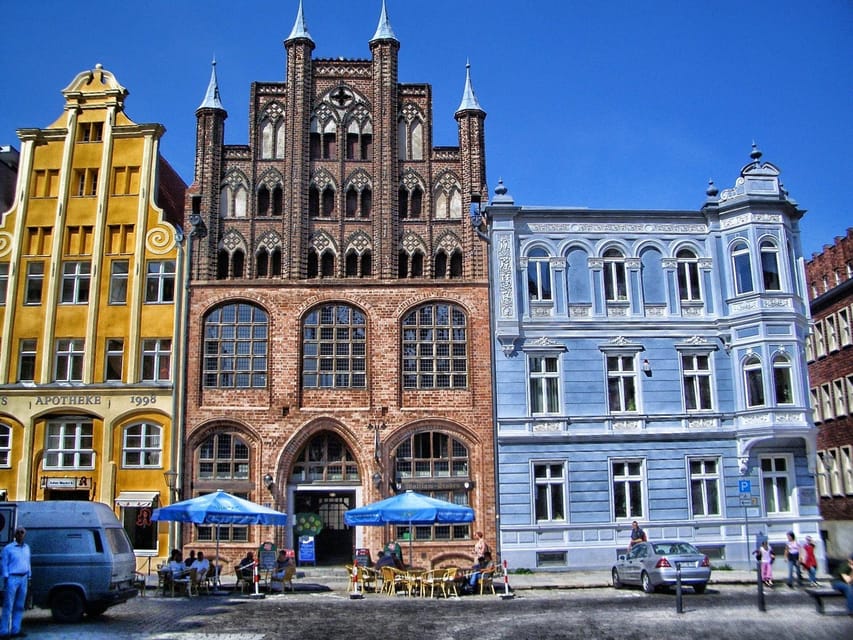
At $294 per group (up to 15 people), this is priced like a private city walk where the cost spreads across the people you bring. For a solo traveler, that price is higher on a per-person basis. For a small group of friends, a family, or a couple visiting with another couple, it can be a very smart use of time.
Here’s how I think about the value:
- If you fill more spots, your per-person cost drops quickly.
- You’re paying for a local professional guide who is with your group only, not shared with strangers.
- You’re also paying for interpretation. The architecture and UNESCO streets are easy to look at. The hard part is understanding how the pieces connect, and that’s where the guide adds real value.
Entrance fees are not included, so you should treat this as a guided walking experience where most of the “seeing” happens outside. If you want to step inside specific sites during the walk, plan extra spending for any entry tickets.
For short stays in northern Germany, the timing is also a plus. Ninety minutes is long enough to cover the essentials, but short enough that you can still explore on your own afterward without feeling rushed.
What to Expect From Your Local Guide (Customization Included)
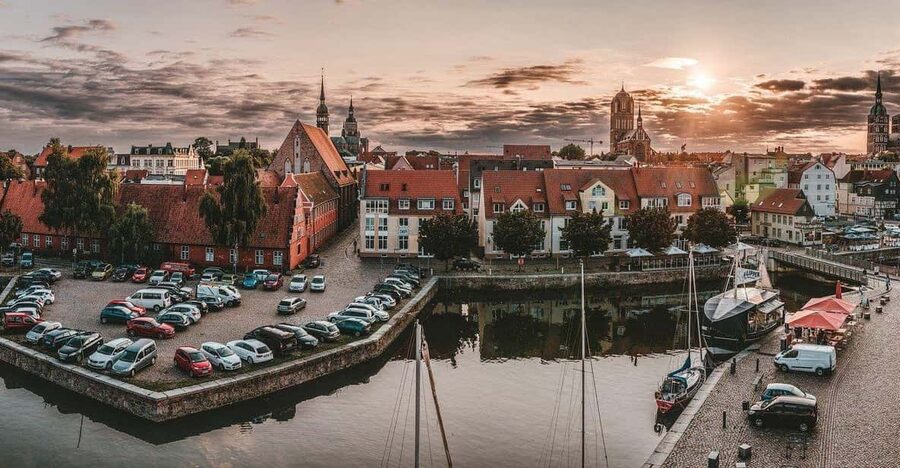
The tour includes a local professional guide who stays with your group the whole time. There’s also possible customizing on the spot, which matters because Stralsund has multiple “good” angles.
You can guide your guide. If you’re most interested in the Hanseatic red-brick look, you can ask for more time around the town hall and other civic and religious buildings. If war and diplomacy are your priority, ask for extra emphasis on the Thirty Years’ War period and what the Battle of Stralsund and the Treaty of Stettin mean for the city.
Language options are English and German, so you can match the explanation style to your comfort level. If you’re traveling with someone who prefers German, it’s a nice bonus to keep the whole group together rather than switching mid-tour.
Who This Tour Suits Best
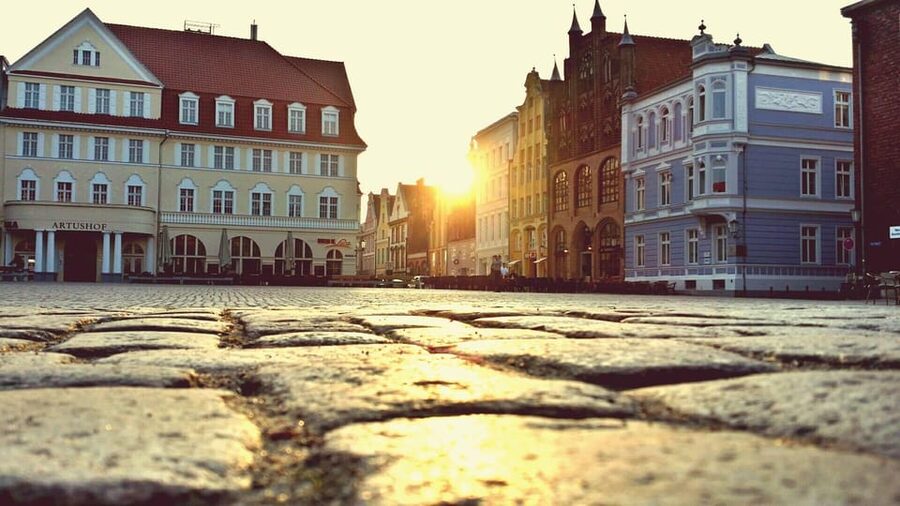
This tour is a good match if you:
- want a private walking tour instead of a large group experience,
- care about Gothic and Hanseatic-era architecture on the Baltic coast,
- enjoy history that connects buildings to events,
- and you’d rather understand the story quickly than spend days researching on your own.
It may be less ideal if you want a long, slow tour with lots of interior time, because the format is built around a tight 90-minute walk. But if you’re strategic with what you ask the guide to focus on, you can still get a lot out of the short duration.
Should You Book the Stralsund Private Guided Walking Tour?
I’d book it if you want strong value from a compact time window and you like guided context. The highlights are exactly the kind that pay off in person: UNESCO streets, red-brick Hanseatic landmarks you can actually point to, and clear explanations of major turning points from the West Slavic roots through the Thirty Years’ War and into the city’s WWII and post-reunification story.
Skip it if you need long visiting time inside buildings, or if you dislike tours that cover multiple time periods in one go. In that case, you might prefer a longer themed tour.
If you do book, do one thing that makes a difference: tell the guide up front which era you want to emphasize. With a private group, that small conversation helps shape the whole experience.
FAQ
Where does the Stralsund private guided walking tour start?
The meeting point is at the Kütertor gate, 18439 Stralsund, Germany.
How long is the tour?
The tour lasts 90 minutes.
Is this a private tour?
Yes. It is a private group tour with your guide working with your group only.
What languages are available?
The live guide is available in English and German.
What is included in the price?
A local professional guide is included. The tour may also be customizable on the spot with your guide.
Are entrance fees included?
No. Entrance fees are not included.
How much does the tour cost?
It costs $294 per group, for up to 15 people.
Can I cancel for a full refund?
Yes. Free cancellation is available up to 24 hours in advance for a full refund.
Can I book and pay later?
Yes. You can reserve now and pay later.
Can the route or focus be adjusted during the tour?
The tour description states there can be possible customizing on the spot with your local guide.
Newest Germany reviews on the site
- Munich – the essential walking tour★ 5.0 · 30 reviews
- Munich Beer and Bavarian Bites Small-Group Tour★ 5.0 · 167 reviews
- Munich to Prague – Private Transfer with 2 hours of Sightseeing★ 5.0 · 6 reviews
- 800 Years of History: A Munich GPS Audio Tour★ 4.5 · 12 reviews
- Munich in the 3rd Reich and WW2 private walking tour★ 5.0 · 148 reviews
- Munich Food Tour with Full Meal & Drinks by Do Eat Better★ 5.0 · 59 reviews
- Munich Scavenger Hunt and Sights Self-Guided Tour★ 4.5 · 8 reviews
- Munich Christmas Market Small Group Tour with Gingerbread Heart★ 4.0 · 9 reviews
Walking Tours, compared.


Berlin’s Best: 2 Hour Walking Tour Third Reich and the Cold War
Read our review →