
Reviewed · THIRD REICH & COLD WAR TOURS
National Socialism WWII with licensed guide – private tour
One part street walk, one part classroom, all real. You focus on Third Reich locations in Munich and you also see how propaganda worked through photo material your guide brings into the walk. The tradeoff is that this is a serious, heavy subject, so it is not the kind of tour where you can skim and still feel informed.
This tour is run by Wolfgang Brehm of schwarzgold.info, and it is designed to help you connect the dots from origins of National Socialism to the buildings and memorials that still shape Munich today. You get a guided route that ends at Königsplatz and includes a stop at the NS Documentation Centre, where admission is not included after the tour but you can still go in if you want. One thing to consider is timing, the route is only 2 hours, so you are moving steadily rather than lingering for long photos at every corner.
In This Review
- Key things to know before you go
- A two-hour walk that turns Munich landmarks into answers
- Starting at Residenzstraße and walking out from Odeonsplatz
- Feldherrnhalle into the court garden, where power meets memory
- House of German Art and Munich Residenz, the propaganda of culture
- Victims and the White Rose at the LMU stop
- Haus der Kunst, sponsors at Karolinenplatz, and what buildings implied
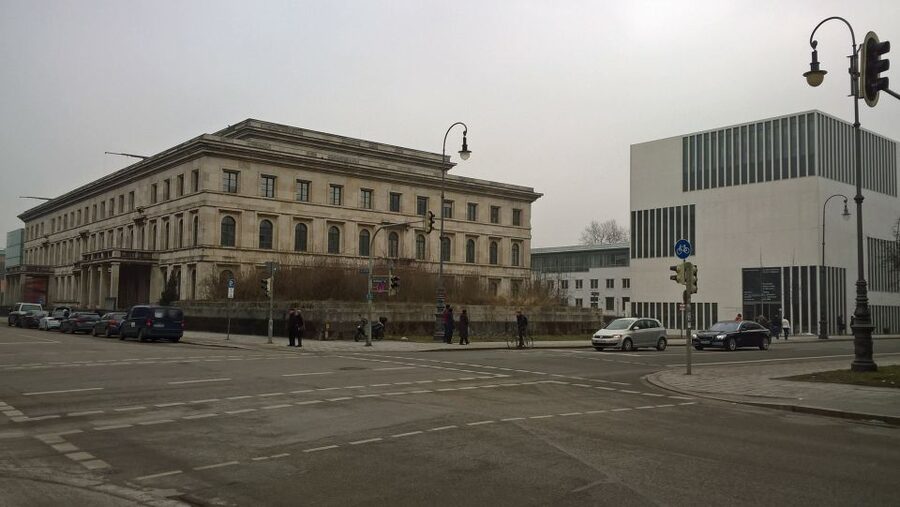
- Königsplatz: the party center, Brown House, and the Führer building area
- The NS Documentation Centre stop, included and worth your time
- Price and value for a private group up to 30
- Who should book, and who should skip this Munich walk
- Should you book?
- FAQ
- Where does the tour start and end?
- How long is the tour?
- Is this a private tour?
- What languages are available?
- What is included in the price?
- Is admission to the NS Documentation Centre included?
- Is the tour wheelchair accessible?
- Is there cancellation flexibility?
- Can I book without paying right away?
Key things to know before you go
- A focused 2-hour route through major Munich sites tied to the Nazi era
- Odeonsplatz and Feldherrnhalle set the stage with the story of the Hitler coup area
- White Rose resistance is explained at the LMU stop, including the flyers and the fate of members
- Art under Nazi control gets a practical explanation, including the Degenerate Art exhibition connection
- Königsplatz as a power center, including the Brown House and the Führer building area
- NS Documentation Centre visit included, with an option to return afterward
A two-hour walk that turns Munich landmarks into answers
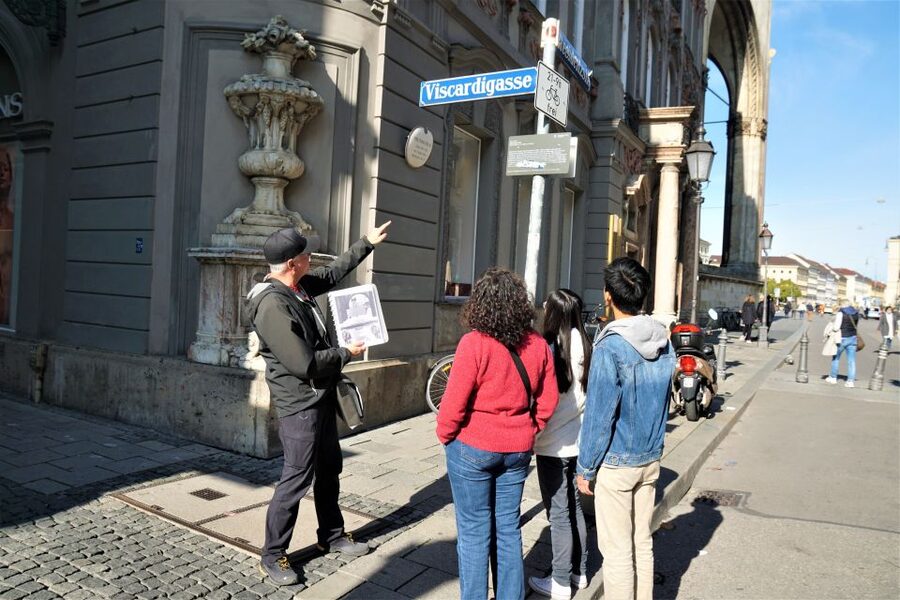
Munich has a way of looking composed from the sidewalk. But this private tour uses that very normal look to teach you how the Nazi movement took root there, then scaled up into a system of control. It is not just dates and names. It is the way those ideas attached themselves to specific streets, squares, and buildings.
What I like most is how the tour links cause and effect. You start with why Hitler came to Munich, then work toward where he lived and how the NSDAP formed. You also get the concrete side of propaganda, with extensive photo material used throughout the walk, so you can see what people were shown and how.
The second thing I like is that the route does not stop at the machinery of power. You also hit resistance in Munich, including the White Rose story, plus a memorial stop focused on victims of National Socialism. That balance matters, because otherwise you only understand the Nazi side of the story.
If you are coming for a casual sightseeing loop, this may feel intense. If you want to understand how history gets built into the city, you will likely appreciate the structure.
More Third Reich & Cold War Tours in Munich
- Munich: Third Reich & WWII Walking Tour
★ 4.6 · 6,181 reviews - Third Reich Walking Tour Munich
★ 4.5 · 4,291 reviews - Munich: Birthplace of the Third Reich Guided Walking Tour
★ 4.6 · 771 reviews
Starting at Residenzstraße and walking out from Odeonsplatz
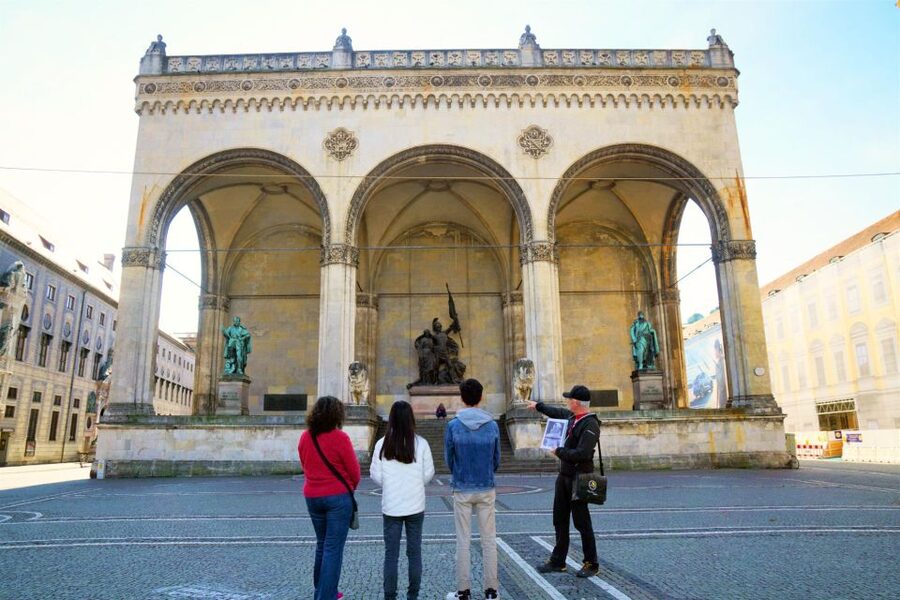
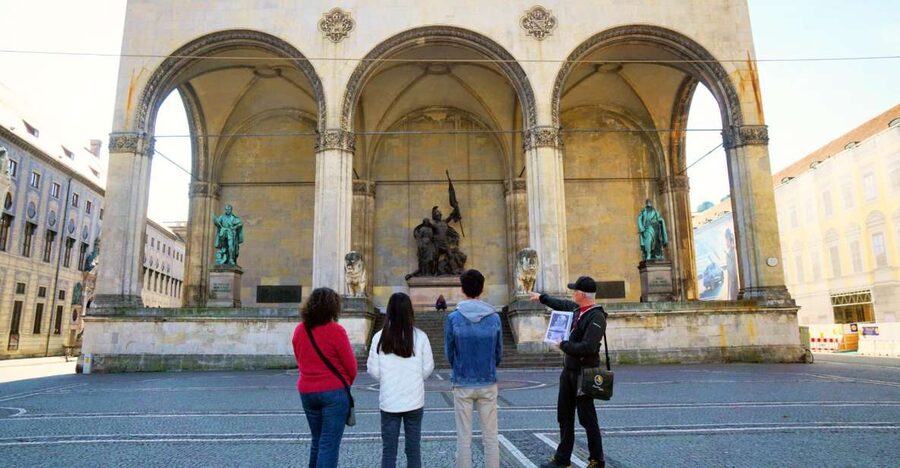
The tour starts at the steps at Feldherrnhalle at Odeonsplatz. That area is more than a postcard spot. It is tied directly to early Nazi symbolism and public spectacle, and your guide uses it to frame the story before you move into the rest of the route.
You hear why Hitler came to Munich and where he lived, plus how he made a living at that stage. That early context is important, because it prevents you from treating the Nazi rise as some sudden lightning strike. You get a sense of how ideas became organizations, and organizations became street presence.
At Feldherrnhalle, you also get oriented around what is often called the Hitler coup. The tour points out the general area where it ended and includes the former monument erected for the deceased putschists. The point is not to romanticize any of it. It is to show you how the Nazis used public memory, stone, and ceremony.
Practical tip: wear comfortable shoes. Even though this is a short tour, it still moves from stop to stop with guided talking at each site.
Feldherrnhalle into the court garden, where power meets memory
After Feldherrnhalle, you continue through the court garden. This is the kind of stop that can be easy to miss if you are only sightseeing, but on this tour it serves a purpose: memory gets placed in public space on purpose.
You explore a monument erected for resistance fighters. That matters because it sets up a theme you keep seeing later in the walk. Nazi power tried to control the story of who was a hero and who was an enemy. Resistance groups, victims, and later memorialization tell the other side.
This stop can feel quiet compared to the loud symbolism of early Nazi locations, but that contrast is part of the learning. It also gives you a breath between the bigger historical statements.
House of German Art and Munich Residenz, the propaganda of culture
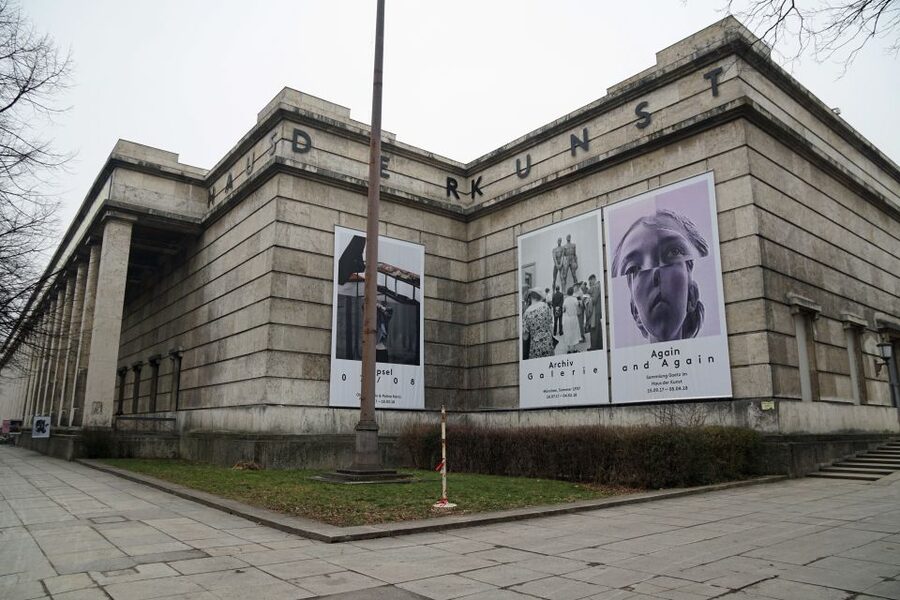
Next you move toward Haus der Kunst. Here the tour turns to art and ideology, and it stays practical. Nazis did not only rule with police and politics. They also worked to control culture, deciding what art should look like, who should create it, and what audiences should accept.
You learn how the Nazi system influenced art. Then you connect that to the Degenerate Art exhibition timing and location, which you can still link to Galeriestraße. Even if you have read about these exhibitions before, seeing how it attaches to a real street helps the information stick.
The tour also includes the Munich Residenz area. Even with only a short guided segment there, it supports the theme that Nazi ideology did not replace everything overnight. It interacted with existing power structures in the city and used public attention to push its worldview forward.
What to watch for: if you are pairing this with other history stops in Munich, keep your expectations clear. This tour is not a general architecture tour. It is about how ideology used the built environment, down to the cultural institutions.
More wartime and Cold War history walks in Munich:
- Munich World War II Sites Including Dachau Concentration Camp
★ 4.5 · 570 reviews - Munich City Walking Tour, includes Third Reich & Viktualienmarkt
★ 5.0 · 458 reviews - Third Reich & WWII Walking Tour
★ 4.5 · 417 reviews - Munich 3-Hour Segway Tour: Nazi Munich & Royal Architecture
★ 4.9 · 194 reviews
Victims and the White Rose at the LMU stop
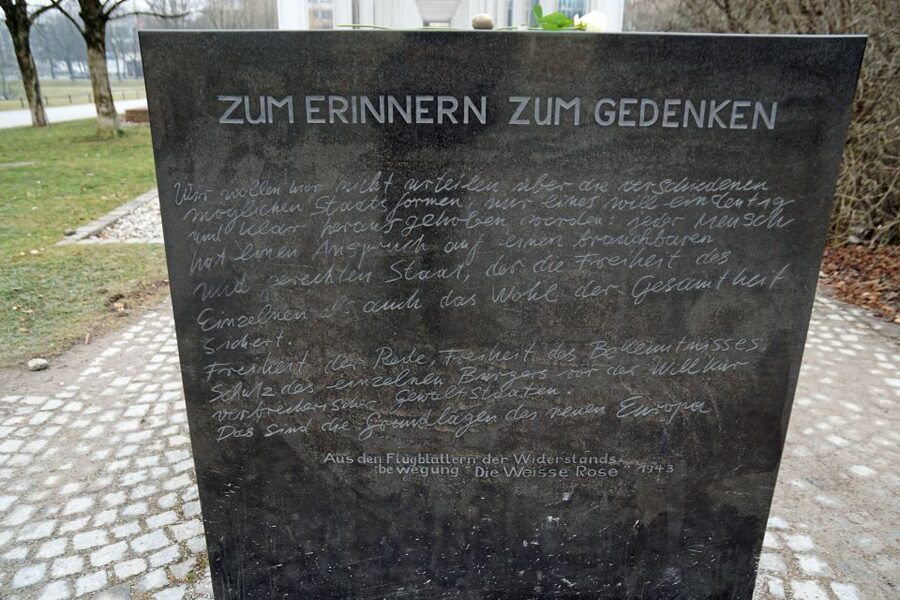
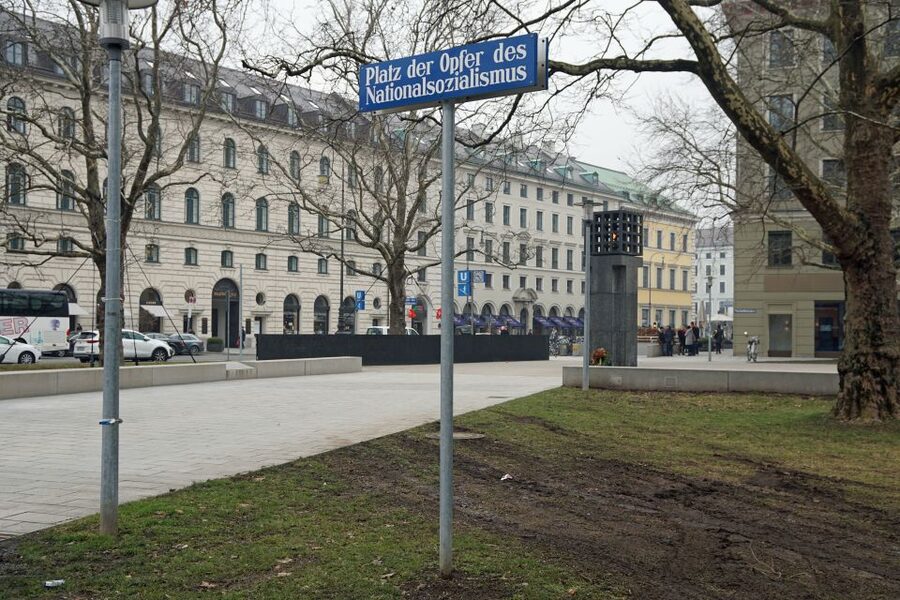
One of the strongest parts of the walk comes when the tour turns to resistance. You stop at the Square for the Victims of National Socialism, where you learn exactly who the victims were. That level of specificity helps you avoid vague sadness. You understand the targeting and the categories of people harmed by the regime.
Then the tour goes to LMU, the largest university in Germany. At this stop, you hear about the White Rose. The story is presented around the flyers they produced, and what happened to them afterward, including the fact that they were beheaded at the end. It is blunt, and it is meant to be.
For me, this is where the tour feels most educational in a human way. You see how resistance could start as small acts, like distributing information, and still collide with a violent system.
If you are traveling with students, this portion is also a good match. One review highlighted its usefulness for a GCSE history student, and that tracks with the way the story is laid out: clear causes, clear outcomes, and strong references to real places.
Haus der Kunst, sponsors at Karolinenplatz, and what buildings implied
After LMU, you continue through the route with more specific topic stops. At Karolinenplatz, you get to know the main sponsors of the Nazis. This is a helpful addition because it moves the story beyond one man and one party. You see how networks and supporters helped the regime get established and normalized.
You also revisit key cultural messaging connections through stops like Haus der Kunst. The idea is to show you that propaganda was not only posters and speeches. It was also a way of shaping taste, institutions, and public respectability.
Possible drawback to consider: the tour contains multiple topic layers in a short time. If you are the type who likes to take in every detail slowly, you might want to plan your schedule so you are not rushing afterward. You will probably want time for a pause afterward to sort what you learned.
Königsplatz: the party center, Brown House, and the Führer building area
The walk ends at Königsplatz, at Königsplatz 1. This square is treated as a climax in the tour, because it is tied to the Nazi party center of Munich.
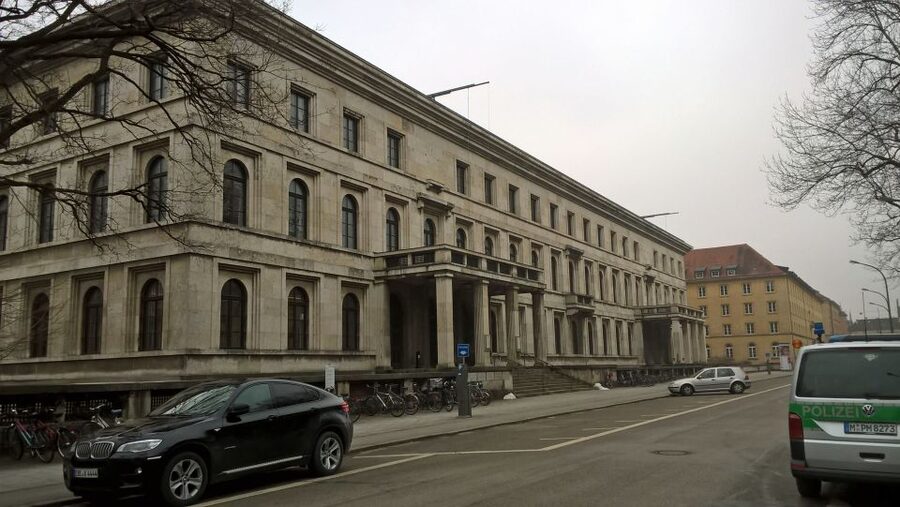
Here you discover several linked pieces of the Nazi setup: the Brown House, the Führer building area (Hitler’s office), and the NSDAP administration. Even though you are not standing in a museum-like room the whole time, the guide uses the layout and the architecture cues to explain how this space supported political power.
This is also where you get a key institutional detail, the NS Documentation Centre, which opened in 2015. The tour uses this connection to bring you from the era of the regime to the era of remembering it, with a space designed to help you study the past without turning it into spectacle.
Practical tip: if you are planning photos, do them quickly and respectfully. Some parts of the route are better used for listening than for camera work.
The NS Documentation Centre stop, included and worth your time
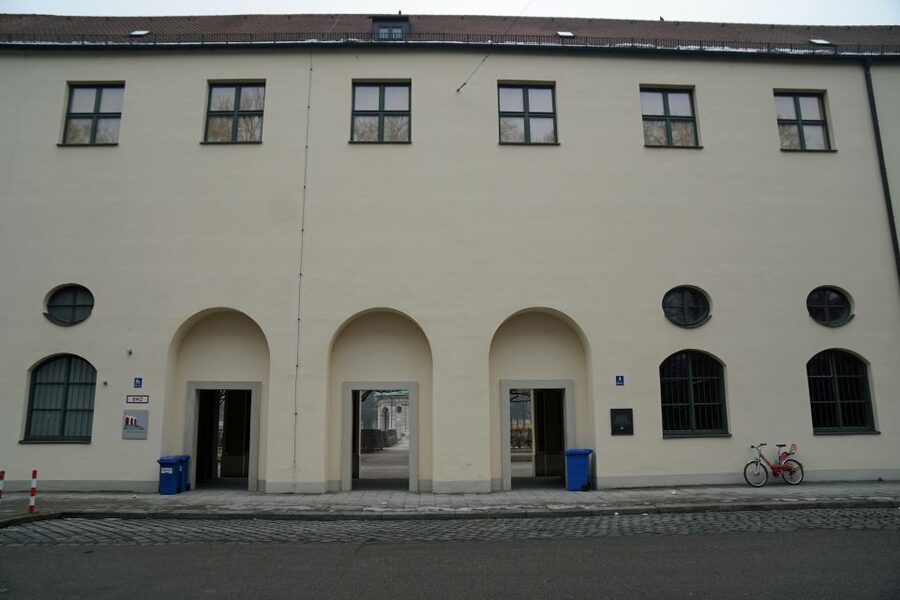
The NS Documentation Centre is the last major guided site during the tour, with a guided segment built in. Admission is not included for any additional time after the tour, but the structure matters: you are guided to what to pay attention to before you decide whether to return or spend more time there.
This included guided visit is one of the best value pieces of the experience. A walking tour can teach you locations, but the NS Documentation Centre is where you can ground those locations in deeper context. Even if you already know some Nazi history, the centre helps you connect the street-level story to documented facts.
Since the tour is only 2 hours, the guide’s pacing is key. The centre stop gives you that final anchor before you head off at Königsplatz. It also prevents the common problem where people leave a city walk with memories of buildings but not enough understanding of how those buildings fit the larger system.
Price and value for a private group up to 30
The price is $259 per group, up to 30 people, for a 2-hour private tour. That sounds like a group rate, and that is exactly how you should think about value.
If you are traveling with a small group of friends, the per-person cost becomes more reasonable because you are splitting one group fee. If you are just two people, this can still be a smart spend compared with paying separate fares for multiple people on standard public tours. And you get a certified guide who can respond to questions in real time.
If you are traveling alone, the fixed group pricing can feel pricey. In that case, you are mainly paying for the benefit of a structured, guided walk with a licensed specialist, plus the tight 2-hour timeline that keeps you from losing time searching for the right places on your own.
The fact that it is wheelchair accessible is also a practical value point. Short, guided routes are often easier for accessibility needs than long self-guided wandering.
Who should book, and who should skip this Munich walk
This tour is best for people who want more than basic sightseeing. If you want the how and why behind National Socialism in Munich, and you prefer an itinerary that points out the exact places where ideas became a regime, you will probably find it satisfying.
It is also a good fit for students or anyone studying history for school, since the story is structured clearly and supported by photo material. If you like learning from both the physical city and visual references, this approach makes sense.
One more important point: this tour is not for right-wing radical or Nazi fans. It is built for education and factual understanding, with a focus on victims and resistance as well as perpetrators and propaganda. That direction helps keep the tone appropriate and the information focused.
Should you book?
I would book this tour if you want a high-signal walk through Munich that connects ideology to real locations, including resistance stories like the White Rose and memorial focus on victims. The included guided segment at the NS Documentation Centre is a big reason to choose it over a general walking tour, because it helps you leave with context, not just coordinates.
I would think twice if you only want a light overview, or if you are not ready for the subject matter. Also, if you hate walking and prefer long museum time, you might find the 2-hour pace a bit tight.
If you do book, plan your day so you can sit down afterward and process what you learned. Munich has a way of making the past feel far away, and this tour is built to make it feel close, in the right way.
FAQ
Where does the tour start and end?
The tour starts at the steps at Feldherrnhalle at Odeonsplatz. It finishes at Königsplatz 1, 80333 München, Germany.
How long is the tour?
The tour lasts 2 hours.
Is this a private tour?
Yes, it is a private group tour.
What languages are available?
The tour is offered in English and German.
What is included in the price?
You get a professional, certified tour guide with more than 10 years of experience.
Is admission to the NS Documentation Centre included?
No, admission is not included. The tour includes a guided stop at the NS Documentation Centre, and you may have the opportunity to visit it after the tour, but admission is not included.
Is the tour wheelchair accessible?
Yes, it is wheelchair accessible.
Is there cancellation flexibility?
Yes, free cancellation is offered up to 24 hours in advance for a full refund.
Can I book without paying right away?
Yes, you can reserve now and pay later.
Newest Munich reviews on the site
- Munich Beer and Bavarian Bites Small-Group Tour★ 5.0 · 167 reviews
- Munich to Prague – Private Transfer with 2 hours of Sightseeing★ 5.0 · 6 reviews
- Munich – the essential walking tour★ 5.0 · 30 reviews
- 800 Years of History: A Munich GPS Audio Tour★ 4.5 · 12 reviews
- Munich in the 3rd Reich and WW2 private walking tour★ 5.0 · 148 reviews
- Munich Food Tour with Full Meal & Drinks by Do Eat Better★ 5.0 · 59 reviews
- Munich Scavenger Hunt and Sights Self-Guided Tour★ 4.5 · 8 reviews
- Munich Christmas Market Small Group Tour with Gingerbread Heart★ 4.0 · 9 reviews
Third Reich & Cold War Tours, compared.

Berlin’s Best: 2 Hour Walking Tour Third Reich and the Cold War
Read our review →
Third Reich Berlin: Hitler and WWII Walking Tour
Read our review →
Skip-the-Line: Berlin Wall Museum at Checkpoint Charlie
Read our review →
Browse the lists this tour appears in