
Reviewed · THIRD REICH & COLD WAR TOURS
Munich: Private or Group Third Reich and WWII Walking Tour
Monuments can lie, but streets remember. Munich is famous for its grand squares and beer halls, yet it also served as the launchpad for Nazism, and this walking tour connects the dots with real places in Old Town. I particularly love seeing original buildings and locations tied to the Third Reich rather than just reading about them on a screen.
What makes the experience click is how your certified guide brings each stop to life with documents and pictures from the era, so you understand what happened at that exact spot. I’ve also seen guide names like Karl and Ina in the feedback, and the common thread is warm, human storytelling that helps history feel less like a textbook and more like a chain of choices.
One thing to consider is the topic is heavy. You’ll cover anti-Semitic violence, the burning of books, and the rise of Hitler, so it’s not a tour for when you want something light and casual.
In This Review
- Key things to know before you walk
- Why Munich became the engine room of Nazism
- Starting at Marienplatz, meeting at Marien-säule
- From Marienplatz to Königsplatz: following the power trail
- Beer halls, propaganda, and the public mechanics of hatred
- Hitler’s failed coup and why Munich still matters
- Former Nazi headquarters: walking through where power was exercised
- What the war scar contrast teaches you
- Resistance and the human side of resisting Nazism
- Private tour vs group option: who gets the best experience
- Price and value: what $259 buys you in Munich
- Logistics you should plan for before you go
- Should you book this Munich Third Reich and WWII walking tour?
- FAQ
- How long is the Munich Third Reich and WWII walking tour?
- Is this tour private or offered as a group?
- How much does it cost?
- Where do I meet the guide?
- What languages are available?
- Is the tour wheelchair accessible?
- What should I bring?
- Can I record video during the tour?
Key things to know before you walk
- Marienplatz to Königsplatz: the route is built around the rise of the movement in central Munich
- Original sites over vague facts: you focus on buildings that still bear the marks of the era
- Docs and photos at each stop: your guide uses period material to explain what you’re seeing
- Certified, guided context: you’re not left to guess what each landmark meant
- Two formats: private group or group option, both lasting about 2 hours
- Not for young kids: it’s marked as not suitable for children under 10
Why Munich became the engine room of Nazism
Hitler did not invent Nazism in a vacuum. Munich is where the NSDAP was founded, where the Beer Hall Putsch failed, and where, in 1935, the city was named the Capital of the Movement, or Hauptstadt der Bewegung. Even Allied Supreme Commander Dwight D. Eisenhower later called Munich the cradle of the Nazi beast, which tells you how influential the city’s role was in shaping what came next.
What I like about this tour is that it treats Munich as more than a postcard. You walk through the same civic spaces where public life turned ugly, and your guide connects the political theater to the real streets: rallies, propaganda, and intimidation.
More Third Reich & Cold War Tours in Munich
- Munich: Third Reich & WWII Walking Tour
★ 4.6 · 6,181 reviews - Third Reich Walking Tour Munich
★ 4.5 · 4,291 reviews - Munich: Birthplace of the Third Reich Guided Walking Tour
★ 4.6 · 771 reviews
Starting at Marienplatz, meeting at Marien-säule
The tour begins at MARIENSÄULE, right in the middle of MARIENPLATZ. You meet at a golden statue on a tall red marble column, and the easiest way to spot your guide is the blue bag labeled Weis(s)er Stadtvogel.
This matters because the first minutes set the tone. You’re in the heart of the city, then you’re gently guided toward how that same landscape became a stage for extremist power, and why so much of it still feels “normal” today even when the story underneath is not.
From Marienplatz to Königsplatz: following the power trail
The tour is designed around a short walk through the Old Town area, especially around Marienplatz to Königsplatz. That spacing is useful. You’re not covering the whole city, but you are moving through the urban core where political messages were amplified and where major public moments played out.
Your guide will translate what you see into context, taking you from the chaotic post World War I years toward the dark reality of World War II. Expect to hear how Hitler was already known in Munich as a beer hall orator and public figure, followed by how his followers revered him as der Führer.
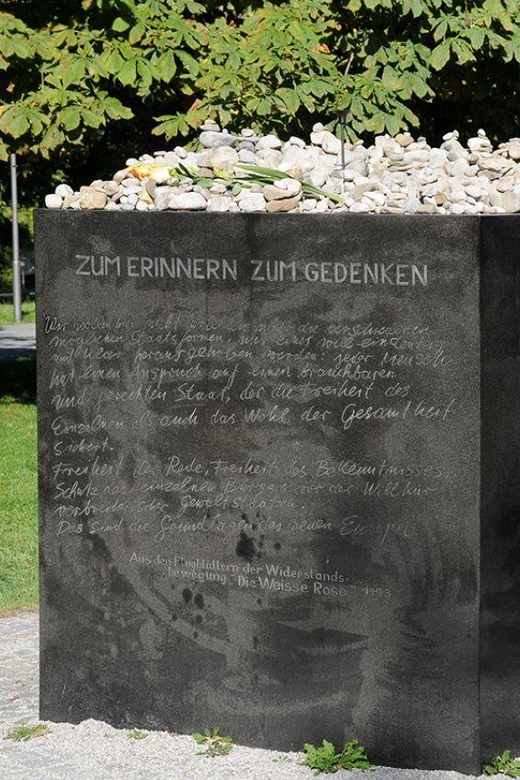
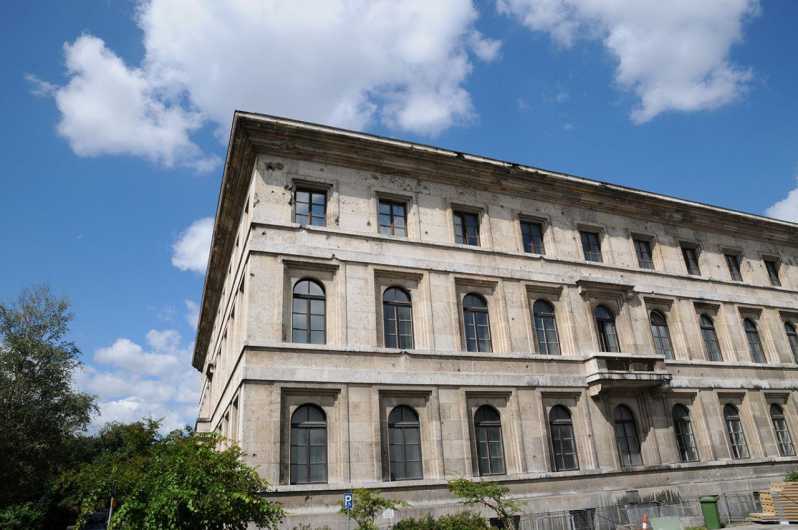
And because many central parts of Munich were heavily damaged by Allied bombing, the tour leans into an important irony. While plenty of the city’s fabric was destroyed, the grand structures built on Hitler’s orders often survived, so you get a stark contrast between physical remains and the memorials that point to victims.
Beer halls, propaganda, and the public mechanics of hatred
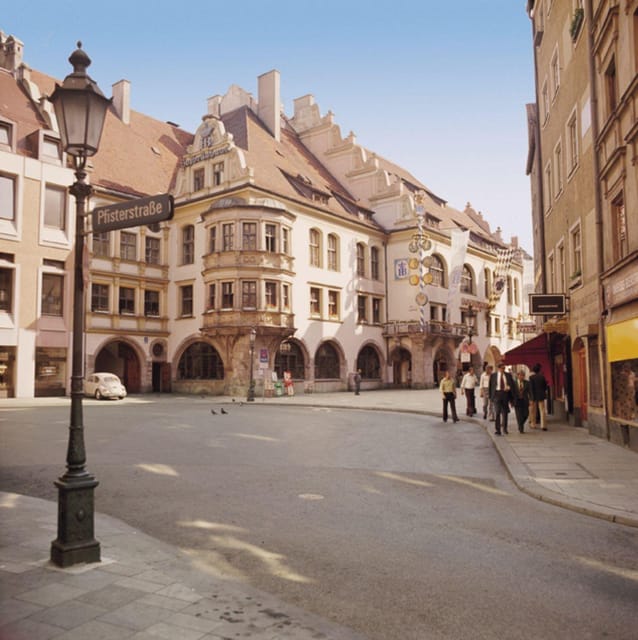
A walking tour of Munich’s Nazi past has to deal with the early stage: how a small group gained attention and then gained momentum. In this case, your guide focuses on the beer halls and meeting places where Hitler spoke early and where extremists drew in supporters.
This is where the tour feels most “in the moment.” Instead of treating propaganda as something abstract, your guide points at the type of venues where speeches could stir a crowd, spread ideology, and set the stage for intimidation. It’s also where you’ll hear about the Brownshirts and the atmosphere they helped create.
If you’re the kind of traveler who wants history to explain human behavior, this is a strong segment. You come away with a better sense of how public performance and organized pressure can change a society fast.
More Walking Tours in Munich
- Munich: Old Town & Viktualienmarkt City Walk in German
★ 4.7 · 2,304 reviews - Munich: Night Watchman Walking Tour
★ 4.7 · 2,092 reviews - Munich Ghosts and Spirits Evening Walking Tour
★ 5.0 · 1,900 reviews - Munich Old Town Walking Tour
★ 4.5 · 1,287 reviews
Hitler’s failed coup and why Munich still matters
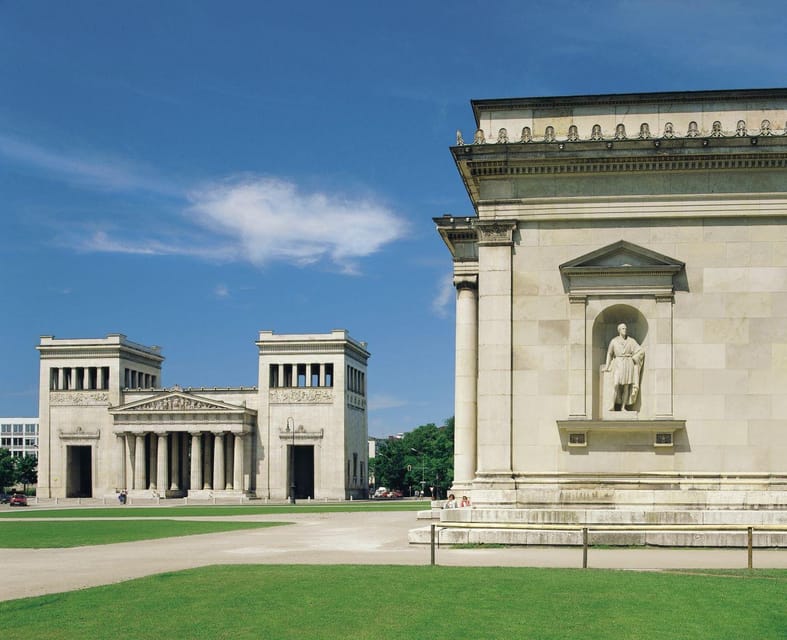
The tour doesn’t skip the key turning point: the Beer Hall Putsch, Hitler’s initial failed coup, tied to this city. Your guide uses this moment to explain that the movement was not inevitable from the start. It faced resistance and failure, yet it still found ways to grow.
This is also where Munich’s label as the Capital of the Movement starts to make more sense. It wasn’t just that events happened here, it’s that the city became an official hub of the national party. Once you understand that, you start noticing how public buildings and prominent squares can become tools for political messaging.
Former Nazi headquarters: walking through where power was exercised
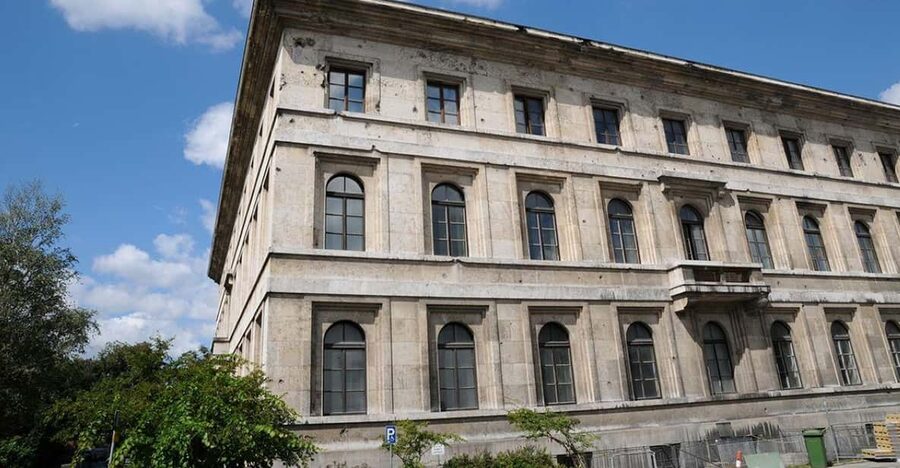
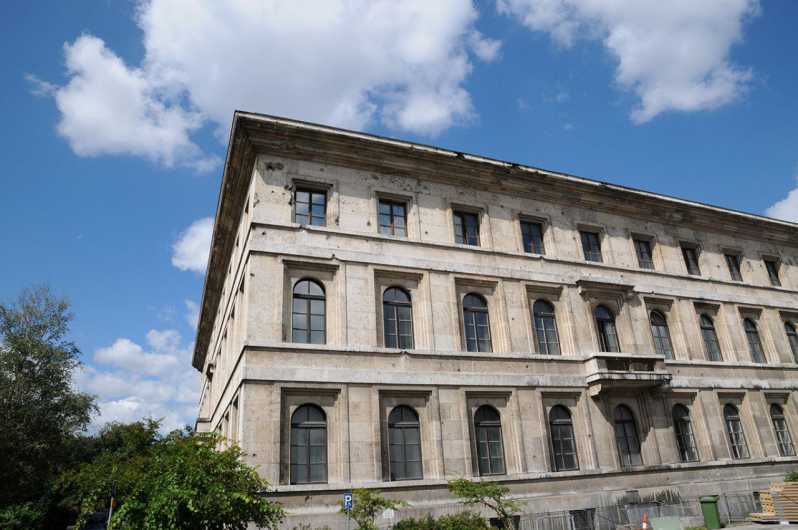
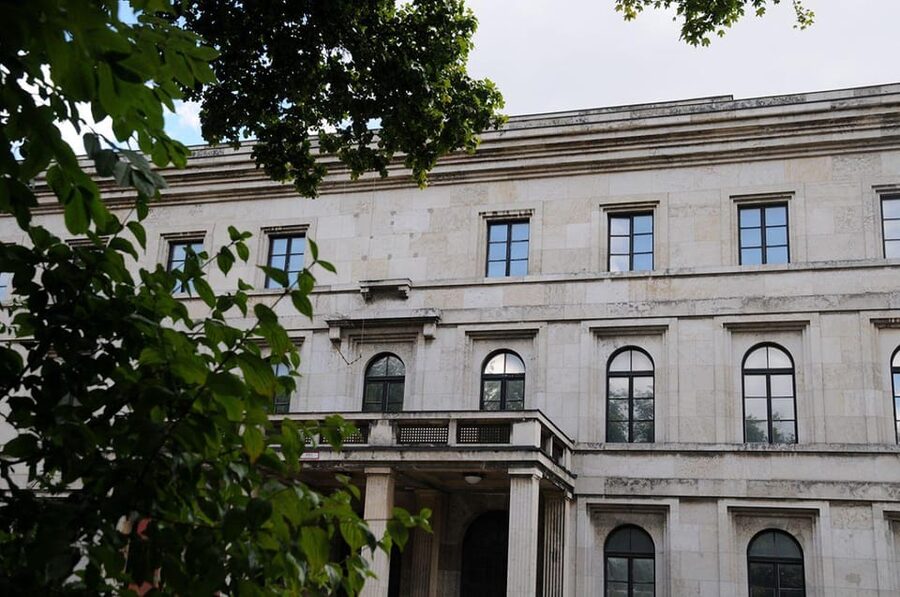
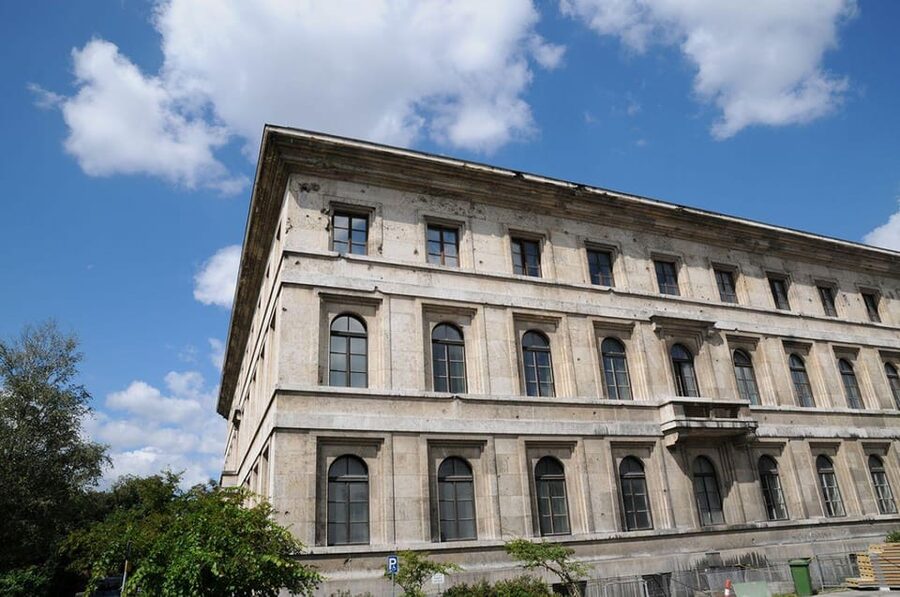
One of the most compelling stops is the former Nazi Headquarters, the place where Hitler once wielded his power. Even without getting lost in details you can’t verify on the street, the meaning lands quickly because you’re standing in a real Munich location that once helped run the machinery of the regime.
Your guide also brings in the visual layer, using documents and pictures to show what the area looked like during Nazi rule. That matters because architecture and layout can look timeless, but your guide helps you connect the present-day view to the past function.
Practical note: since this is a 2-hour walking tour, you’ll move at a steady pace. Bring comfortable shoes, because you’re going to spend more time on your feet than you might expect for a “city center” route.
What the war scar contrast teaches you
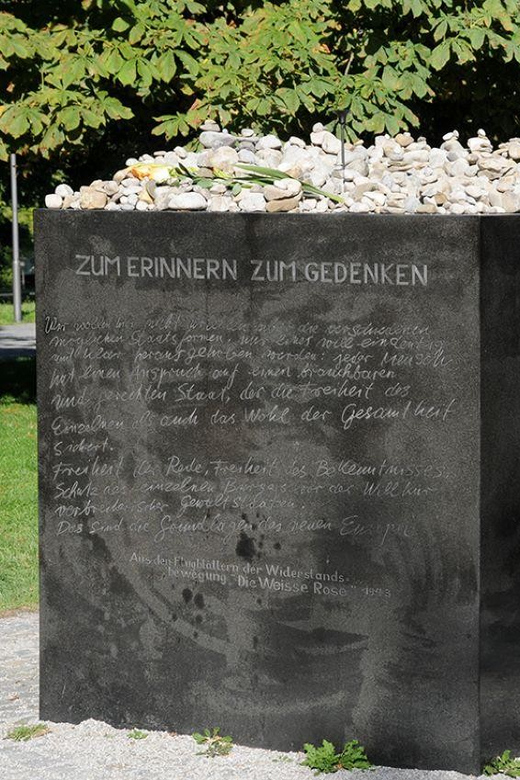
Munich’s central streets present a visual lesson. Many of the grand buildings connected to the Third Reich survived, while much of the rest of central Munich was destroyed by Allied bombing. So you get a tough kind of sightseeing: the physical remains of power on one hand, and the reminders of victims on the other.
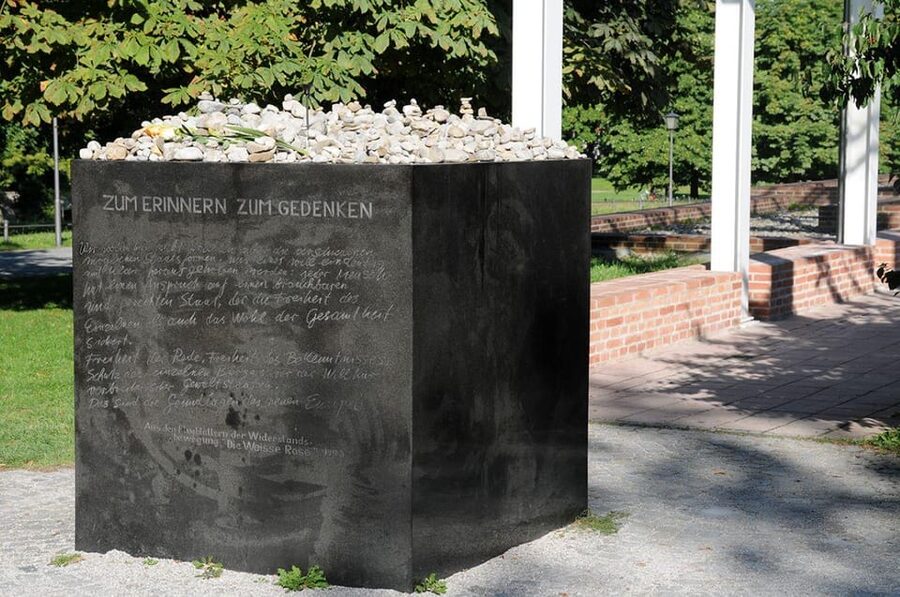
Your guide points out both sides. Along the walk, you’ll see memorials dedicated to people who suffered under Nazism and who sacrificed their lives resisting Hitler’s hateful ideology. It’s not just a history lecture, it’s a route that forces you to notice what the city chooses to remember.
That contrast is one reason the tour can feel more emotionally grounded than other WWII-themed walks. You’re not just learning about the past, you’re seeing how the present tries to live with it.
Resistance and the human side of resisting Nazism
This tour covers more than the regime. Your guide also includes stories of those who opposed Hitler in the name of democracy, which keeps the narrative from becoming purely about perpetrators and events.
From what I’ve seen highlighted in the feedback, guides like Ina were praised for being heartfelt and not only reciting rehearsed descriptions. That style helps, because resistance is often reduced to dates, when in reality it was made of people with fear, courage, and hard choices.
You also learn how Munich’s darkest past included public burning of books, destruction of synagogues, and anti-Semitic pogroms. Those topics are presented with the clear aim of helping you understand what these policies did in everyday life, not just what they were called in history books.
Private tour vs group option: who gets the best experience
The experience offers both private and group walking options, with a fixed duration of 2 hours. The price is listed as $259 per group up to 25, so the value depends on your group size. If you’re traveling with friends or family and you want a guide to pace the conversation, private often becomes the best deal per person once you divide the cost.
A group option can work well too, especially if you enjoy learning from different perspectives and want a more social pace. Either way, you get a certified guide and a route centered on Munich’s most relevant Nazi-era locations.
If you’re a solo traveler, this tour can still work because you’re guided through the same key sites, and the structure means you’re not left piecing meaning together alone.
Price and value: what $259 buys you in Munich
At $259 per group up to 25, the headline cost looks steep only if you assume you’re paying per person like a standard museum ticket. The way it’s priced makes more sense as a group activity, and you should think of it as paying for the guide time and interpretation over a tight 2-hour route.
Value is strongest when you fall into one of these categories:
- You want context, not just photos of buildings
- You care about how ideology connected to specific places
- You’re short on time and want a high-efficiency walking route
If you prefer self-guided walking with a phone app and no discussion, then a guided format might feel like overkill. But if you want the “why” behind what you see, paying for a guide is the whole point here.
Logistics you should plan for before you go
This is a 2-hour walking tour with a certified guide, and transportation is not included. That means you should plan to reach Marienplatz on your own.
Bring comfortable shoes and drinks. The meeting point is outdoors in a major square, and you’ll be moving between central sites on foot.
One rule to note: video recording is not allowed. It’s the kind of policy that keeps the focus on listening and respectful attention rather than filming every moment.
Also, the tour is marked as wheelchair accessible, which is a real plus if mobility is a concern.
Should you book this Munich Third Reich and WWII walking tour?
I’d book it if you want a guided, place-based explanation of how Munich became central to Nazism, and how the city still holds the evidence in buildings, scars, and memorials. The tour’s best strength is the pairing of authentic locations with documents and photos that give you context you cannot easily get on your own.
Skip it if you want a casual city stroll or if heavy content is hard for you. It’s also not suitable for children under 10, so if you’re traveling with younger kids, you’ll want another option.
If you’re ready to walk through Munich with your eyes open, this is one of the more purposeful ways to understand the city’s role in WWII, not just as a backdrop, but as a driver of events.
FAQ
How long is the Munich Third Reich and WWII walking tour?
The tour lasts 2 hours.
Is this tour private or offered as a group?
You can choose either a private group option or a group option.
How much does it cost?
The price is $259 per group up to 25.
Where do I meet the guide?
Meet at MARIENSÄULE in the center of MARIENPLATZ. Look for a golden statue on a tall red marble column, and for a tour guide with a blue bag that says Weis(s)er Stadtvogel.
What languages are available?
The live tour guide speaks German and English.
Is the tour wheelchair accessible?
Yes, it is wheelchair accessible.
What should I bring?
Bring comfortable shoes and drinks.
Can I record video during the tour?
No, video recording is not allowed.
More Wartime and Cold War History Walks in Munich
- Munich World War II Sites Including Dachau Concentration Camp
★ 4.5 · 570 reviews - Munich City Walking Tour, includes Third Reich & Viktualienmarkt
★ 5.0 · 458 reviews - Third Reich & WWII Walking Tour
★ 4.5 · 417 reviews - Munich 3-Hour Segway Tour: Nazi Munich & Royal Architecture
★ 4.9 · 194 reviews
Newest Munich reviews on the site
- Munich – the essential walking tour★ 5.0 · 30 reviews
- Munich Beer and Bavarian Bites Small-Group Tour★ 5.0 · 167 reviews
- Munich to Prague – Private Transfer with 2 hours of Sightseeing★ 5.0 · 6 reviews
- 800 Years of History: A Munich GPS Audio Tour★ 4.5 · 12 reviews
- Munich in the 3rd Reich and WW2 private walking tour★ 5.0 · 148 reviews
- Munich Food Tour with Full Meal & Drinks by Do Eat Better★ 5.0 · 59 reviews
- Munich Scavenger Hunt and Sights Self-Guided Tour★ 4.5 · 8 reviews
- Munich Christmas Market Small Group Tour with Gingerbread Heart★ 4.0 · 9 reviews
Third Reich & Cold War Tours, compared.

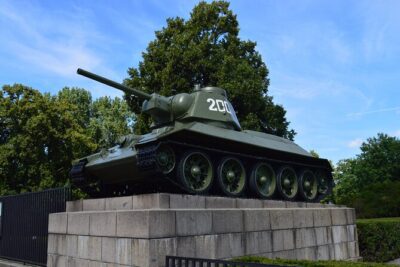
Berlin’s Best: 2 Hour Walking Tour Third Reich and the Cold War
Read our review →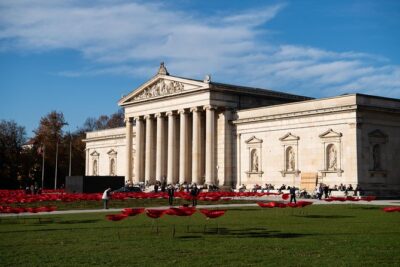
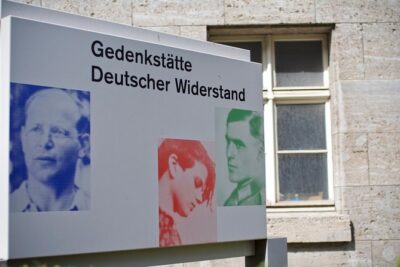
Third Reich Berlin: Hitler and WWII Walking Tour
Read our review →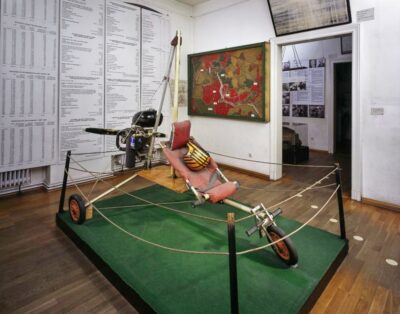
Skip-the-Line: Berlin Wall Museum at Checkpoint Charlie
Read our review →
Browse the lists this tour appears in