Reviewed · THIRD REICH & COLD WAR TOURS
Munich: Nazi History 2-Hour Small Group Walking Tour
Munich can feel like a postcard, until you walk the other route. This 2-hour small-group tour follows the Nazi movement’s rise through real places in central Munich, including the rally grounds and the beer hall era. You will start in the city center and connect names, dates, and motives to what you can actually see on the street.
What I like most is the way the guide brings the story down to human scale, while still being respectful. I also love the small-group feel, where you can actually ask questions and stay engaged for the whole walk, with Alun Evans leading the experience in clear, spoken English.
The main drawback to consider is that the topic is heavy. You need to be mentally ready for World War II era events and Nazi propaganda sites, shown without sugarcoating, but with a tactful approach.
In This Review
- Key points I’d plan around
- Why Munich’s Nazi Story Starts at Marienplatz
- Hofbräuhaus München, and the gravity of the beer hall era
- Odeonsplatz, the Opera area, and how power borrows prestige
- Königsplatz rally grounds: propaganda designed for crowds
- Alun Evans leads with respect, clarity, and real engagement
- Time on the street: what two hours really covers
- Price and value: $58 for context, not just a route
- Should you book this Munich Nazi History walking tour?
Key points I’d plan around
- Small group size (listed as limited to 10 participants, with the tour also described as max 15), which makes the pace feel manageable and personal
- Start and finish at Marienplatz, so it’s easy to plug into your day in central Munich
- Hofbräuhaus München stop connected to speeches and the 1923 Beer Hall Putsch fallout
- Odeonsplatz, Bavarian State Opera, and Residenz area, where cultural landmarks sit near the regime story
- Königsplatz rally grounds, a final place where you can literally see how power presented itself in public
Why Munich’s Nazi Story Starts at Marienplatz
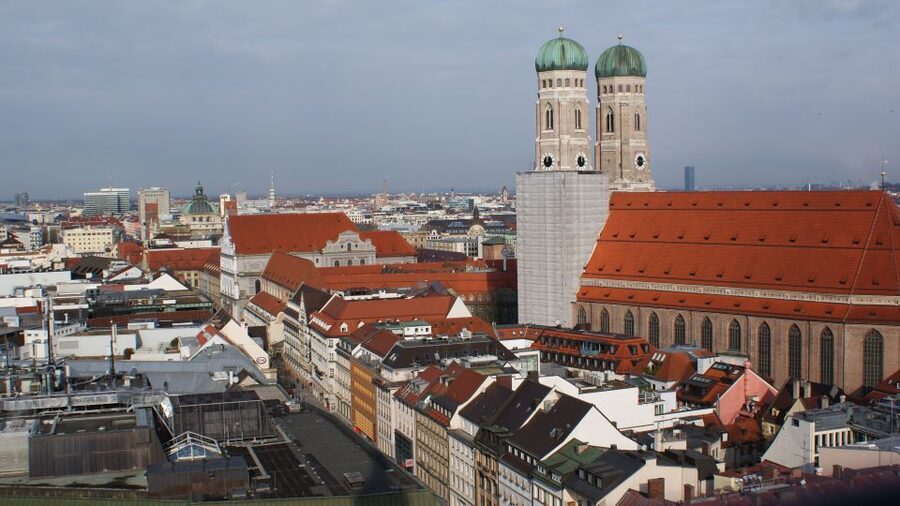
Marienplatz is where most first-time visitors get their bearings. That is exactly why this tour begins there. You are in the most navigable part of Munich, and the route quickly turns from everyday sightseeing into something much darker.
During the opening stretch, you get an orientation that helps the rest of the walk click into place. The tour frames Hitler’s move to Munich as a pivotal moment, noting that he arrived in 1913 as a 24-year-old with no real prospects. That detail matters, because it shifts the story from simple villain mythology to how political movements take shape in ordinary cities.
You also get an important expectation set right away: this is not a lecture read from a textbook. It is history tied to street-level geography, with the guide pointing to where Nazi party and SS activity took root and how public spaces became stages for control.
More History Tours in Munich
- Munich: Guided Tour of the historic Town Hall on Marienplatz
★ 4.8 · 63 reviews - Munich Craft Beer & Cultural Tour With Snack
★ 5.0 · 46 reviews - Munich History Tour: Private & Personalized with a Local Guide
★ 4.5 · 33 reviews
Hofbräuhaus München, and the gravity of the beer hall era
One of the most memorable parts is the stop at Hofbräuhaus München. This is where the tour uses a physical location to explain a psychological one: how gatherings, charisma, and repetition helped the Nazi movement build momentum.
You spend a short guided block here, and it is intentionally focused. The guide connects the Nazi party’s meetings and Hitler’s speeches to the atmosphere of the beer hall. Even if you have read about this era before, seeing the place helps you understand why the Nazis leaned on mass public events.
The tour also brings in the failed Beer Hall Putsch of 1923, including the site of the attempt. This is a key moment because it explains how a failed coup attempt did not end the movement, it reshaped it. Instead of treating 1923 as a footnote, you get it as a turning point that pushed the story toward the longer, more organized path to power.
This whole section is not about performing shock. It is about explaining mechanism. The guide keeps the tone moving, and that is part of what makes the experience work, especially in a fixed, two-hour format.
Odeonsplatz, the Opera area, and how power borrows prestige
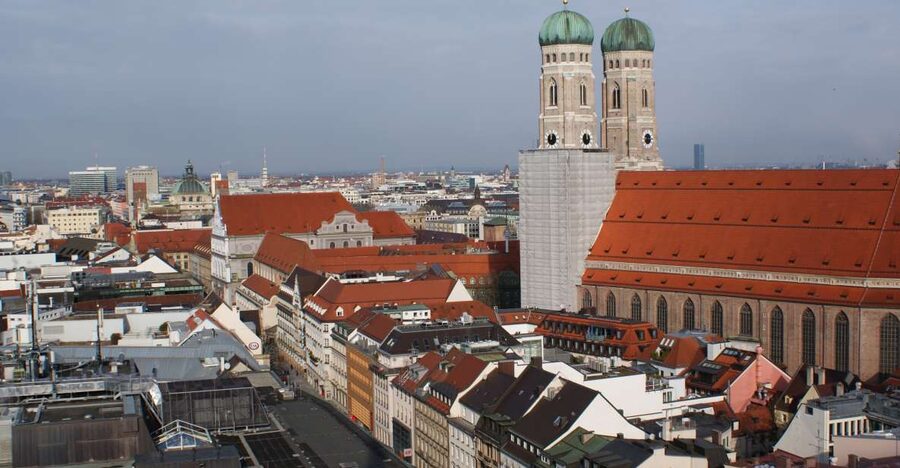
Next comes Odeonsplatz, a square that looks like it belongs to architecture books and classical-city photos. That contrast is the point. The tour uses this area to show how the Nazi movement positioned itself near institutions and landmarks associated with status.
From Odeonsplatz, you also see the home of the Bavarian State Opera and the Residenz building. Even though these are not Nazi sites in the straightforward sense, the guide’s job is to connect what you see with what was happening around it. You start understanding how propaganda does not always arrive as chaos. Sometimes it arrives as order, tradition, and claimed legitimacy.
The guided time at Odeonsplatz is short, but you get enough context to make it meaningful. If you have only visited Munich for beer gardens and museums, this stop can feel like a sudden correction. It forces you to notice that even beautiful, established places can exist beside political violence and manipulation.
Königsplatz rally grounds: propaganda designed for crowds
The walk ends at Königsplatz, and this is where the tour’s location-based teaching really pays off. This area is closely tied to Nazi rallies, so the final stop is not random. It is where you get a clearer sense of how the regime wanted people to feel.
You are seeing a space that was used for big public displays. That matters because propaganda is not just what is said. It is also the layout, the scale, and the way a crowd is guided into attention.
By the time you reach Königsplatz, the earlier stops have already given you the story backbone: Munich as a place where the movement formed after Hitler’s arrival in 1913, major public moments like the beer hall scene, and the 1923 plot as a critical pivot. Ending here helps you see the end result of all that early building, at least in terms of the regime’s visible use of space.
This stop also tends to linger in your head, because the silence of a square after a guided explanation can feel louder than the words. You leave with more than dates. You leave with a sense of how public life can be reshaped.
More Third Reich & Cold War Tours in Munich
- Munich: Third Reich & WWII Walking Tour
★ 4.6 · 6,181 reviews - Third Reich Walking Tour Munich
★ 4.5 · 4,291 reviews - Munich: Birthplace of the Third Reich Guided Walking Tour
★ 4.6 · 771 reviews - Munich World War II Sites Including Dachau Concentration Camp
★ 4.5 · 570 reviews
Alun Evans leads with respect, clarity, and real engagement
This tour’s biggest strength is the guide. Multiple reviews call out Alun Evans by name, and the common thread is how he handles difficult material with care.
People describe him as humble, welcoming, and someone who treats everyone with respect. That is not just a personality note, it affects the experience. When the topic is Nazi history, the tone matters. The guide’s approach is described as candid but tactful, which is a hard balance to pull off.
You can also see from reviews that he adjusts to the group. One reviewer noted a snowy, very cold day, with just four people, and Alun kept the group engaged despite the weather. That tells you the tour does not rely on a casual, autopilot script. It relies on active guiding, with enough flexibility to keep you connected.
If you love history, this is also the kind of tour that makes you wish you had more time to talk. One review mentions wanting the chance to sit down with him over a brew and discuss further. That craving is a good sign, it suggests you will leave with questions, not just facts.
Time on the street: what two hours really covers
Two hours is short on paper, but it is actually a smart length for this kind of walk. You get a full central-Munich route without burning your whole day. And because the group stays small, you are not trapped listening to one long monologue.
The walking time is paced. You spend time at Marienplatz for orientation, then shorter guided stops at key locations like Hofbräuhaus München and Odeonsplatz, with the tour finishing at Königsplatz. The schedule is structured so each place adds a specific piece, rather than repeating the same point again and again.
Weather matters here. The tour runs in all weather conditions, so dress for the outdoors. In Munich you can get sudden cold or wet weather even when the day starts mild. If you are the type who gets uncomfortable easily, plan for layers, warm shoes, and a light rain option.
Also, there are no refreshments included. That is not unusual for walking tours, but it is worth planning around. If you want to stay comfortable and present, bring water and handle snacks before you start.
Price and value: $58 for context, not just a route
At $58 per person for a two-hour small-group tour, you are paying for three things that are hard to replicate alone.
First, you are paying for a local, English-speaking guide who can connect the dots between locations and events. Reading a plaque on your own gives you fragments. This tour is built to give you the chain, from Hitler’s 1913 arrival to major turning points and rally sites.
Second, you are paying for small group dynamics. With a limited number of participants, you get more interaction and better attention. Some reviews mention private-tour conditions, which tells you the operator takes size seriously. In practice, fewer people usually means the guide can slow down when questions come up.
Third, you are paying for time efficiency. The locations are in central Munich, but they are not always obvious as “this is the exact place where this moment happened.” A guide saves you from turning history into a scavenger hunt.
Could it be longer? One reviewer wished it were. That makes sense, because this topic reaches across years, ideologies, and local politics. But the short duration is also the deal. It is a focused, emotionally serious introduction to Munich’s Nazi-era footprint without turning the day into an all-day slog.
Should you book this Munich Nazi History walking tour?
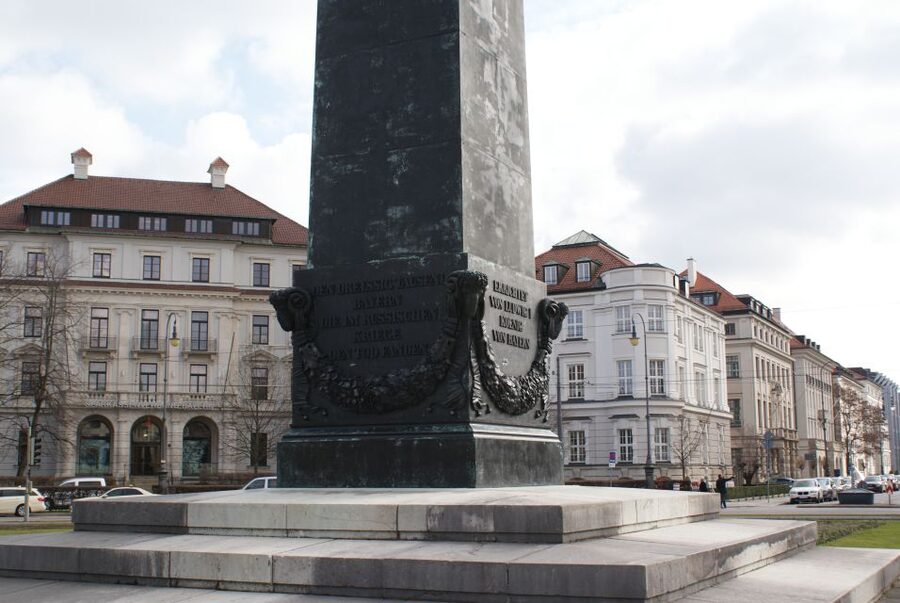
Yes, if you want a guided route through central Munich that connects real locations to the rise of the Nazi movement. This is especially a good fit if you like asking questions and you appreciate a guide who can present dark history with respect. Alun Evans repeatedly comes up in reviews as welcoming, engaging, and patient, and those traits matter when the subject is difficult.
I would think twice if you are easily overwhelmed by World War II-related material or if you are looking only for light sightseeing. This tour is not themed entertainment. It is an informed walk through a painful chapter of history that happened in the spaces you can still see today.
If you are in Munich for a short time and you want the context that makes the city’s darker layers understandable, this tour is a solid use of your two hours.
More Wartime and Cold War History Walks in Munich
- Munich City Walking Tour, includes Third Reich & Viktualienmarkt
★ 5.0 · 458 reviews - Third Reich & WWII Walking Tour
★ 4.5 · 417 reviews - Munich 3-Hour Segway Tour: Nazi Munich & Royal Architecture
★ 4.9 · 194 reviews - Munich: Third Reich and World War II Segway Tour of the City
★ 4.1 · 44 reviews
More Walking Tours in Munich
- Munich: Old Town & Viktualienmarkt City Walk in German
★ 4.7 · 2,304 reviews - Munich: Night Watchman Walking Tour
★ 4.7 · 2,092 reviews - Munich Ghosts and Spirits Evening Walking Tour
★ 5.0 · 1,900 reviews - Munich Old Town Walking Tour
★ 4.5 · 1,287 reviews
Newest Munich reviews on the site
- South Tyrolean specialties and wine tasting★ 5.0 · 5 reviews
- Size Matters Beer Tour Munich★ 4.6 · 105 reviews
- Short & sweet: Tasting the Viktualienmarkt★ 4.8 · 37 reviews
- Schwabing: Insider Tour! Neighborhood, Revolt, Secrets in Munich’s Cult District★ 4.9 · 28 reviews
- From Munich: Royal Fairytale Tour★ 4.9 · 56 reviews
- Munich: Romantic Wine Experience for Two at Viktualienmarkt★ 4.2 · 14 reviews
- Munich: Resistance against Hitler – Historical Walking Tour★ 5.0 · 5 reviews
- Residence of Munich private tour with skip the line ticket★ 5.0 · 4 reviews
Third Reich & Cold War Tours, compared.

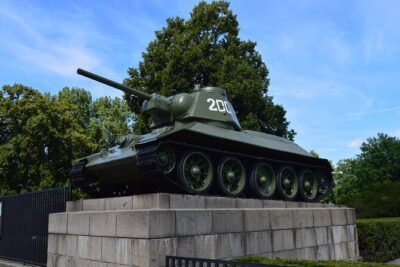
Berlin’s Best: 2 Hour Walking Tour Third Reich and the Cold War
Read our review →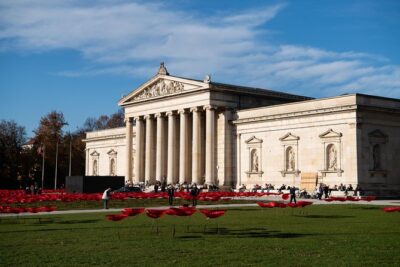
Third Reich Berlin: Hitler and WWII Walking Tour
Read our review →
Skip-the-Line: Berlin Wall Museum at Checkpoint Charlie
Read our review →