
Reviewed · HISTORICAL TOURS
Munich: Resistance against Hitler – Historical Walking Tour
Munich has two faces, and this tour forces you to see both. You start at the LMU fountain and follow real resistance threads through National Socialist propaganda sites and quieter acts of courage, including the White Rose. The stories are serious, but the pacing stays clear and human, helped by a guide who really knows the city.
Two things I like a lot. First, Alex brings the resistance to life with clear explanations and the kind of Q&A energy that makes questions feel welcome. Second, you do not just hear one famous story, you get a mix of well known and lesser known efforts, including plans tied to a secret plot and the assassination idea involving a lone man and a bomb.
One possible drawback: the tour is German only, so if you do not read or listen comfortably in German, you might miss parts. Also, it runs rain or shine, so plan on walking in weather rather than hoping for perfect conditions.
In This Review
- Key highlights you should care about
- Start at LMU: Munich, propaganda, and the first big shift in viewpoint
- Alex the guide: why the storytelling feels local, not textbook
- White Rose and more: how resistance spread beyond one group
- The university stop: youth, preparation, and the tension of silence
- Following the secret plot: from clandestine planning to real locations
- The coup sight at the right moment: resistance was also a timing problem
- Odeonsplatz finish: carrying the story forward, not just ending the walk
- Price and value: why $28 makes sense for this focused format
- Logistics that actually matter for a great walk
- Who this tour suits best
- Should you book this Munich resistance tour?
- FAQ
- Where does the tour start?
- How long is the tour?
- What is the price per person?
- Is the tour guided?
- What language is the tour in?
- Does the tour run in bad weather?
- What should I bring?
- Is hotel pickup included?
- Can I cancel for a refund?
- Is it wheelchair accessible?
- Can I reserve without paying right away?
Key highlights you should care about
- LMU fountain meeting point at Geschwister-Scholl-Platz 1, a practical start that anchors the tour right in the city’s historical debate
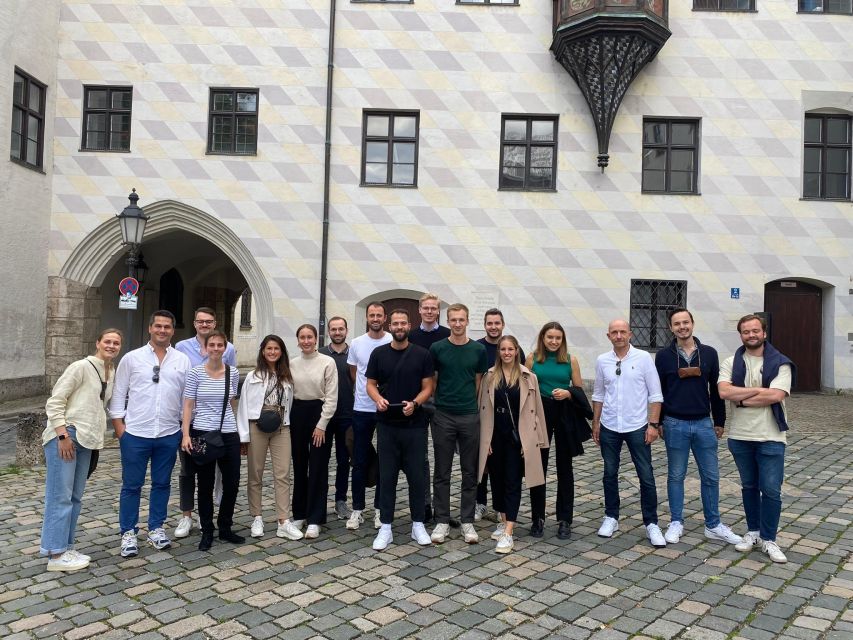
- Alex as a Munich local guide with a passion for history and a relaxed, question-friendly style
- White Rose focus plus other resistance movements, so you leave with more than one name to remember
- Stop for the bomb plot tied to Hitler and the story of a lone man’s attempt to change the course of events
- A military coup sight that shows how resistance was not only paperwork and pamphlets
- Final walk to Odeonsplatz, where the mood shifts from tragedy toward what people tried to protect
Start at LMU: Munich, propaganda, and the first big shift in viewpoint
The tour begins at the big fountain in front of the main entrance of the Munich University (LMU), Geschwister-Scholl-Platz 1. That matters. Munich was the birthplace of National Socialism, and the city is full of places where Hitler and the Nazi Party built their public momentum. Starting at a central university setting also nudges you to think about ideas, youth, and persuasion right away.
From there, you walk through the broader city logic: propaganda, public messaging, and the way the Nazis worked to shape everyday life. The guide ties these themes directly to resistance, so you are not just cataloging events. You are tracing a conflict over who gets to define Germany’s future.
The tone is respectful, but it is not gloomy for the sake of it. You keep moving, you keep learning, and the history stays tied to specific locations you can point at on the map.
More History Tours in Munich
- Munich: Guided Tour of the historic Town Hall on Marienplatz
★ 4.8 · 63 reviews - Munich Craft Beer & Cultural Tour With Snack
★ 5.0 · 46 reviews - Munich History Tour: Private & Personalized with a Local Guide
★ 4.5 · 33 reviews
Alex the guide: why the storytelling feels local, not textbook
This is where the tour earns its strong reputation. Alex is a real Munich local, and you feel it in the way he talks about the city. The explanations are structured, but not stiff. You get the sense that Alex has spent time thinking about how to make complex resistance stories understandable without turning them into a movie plot.
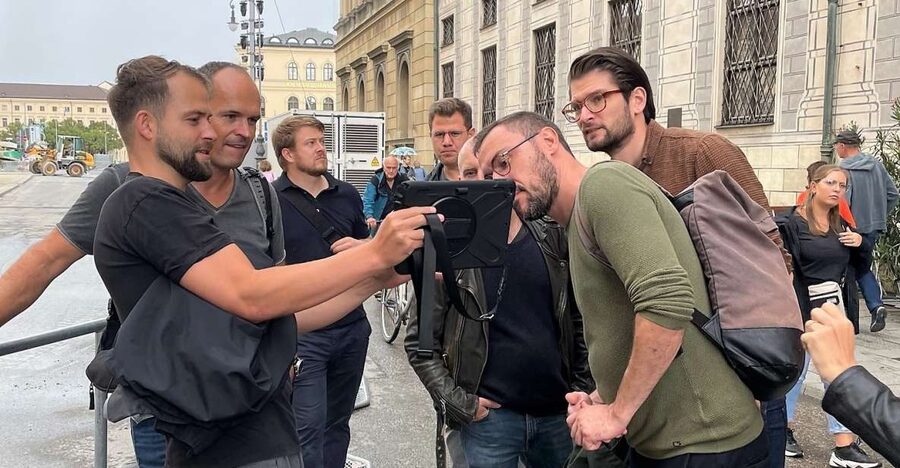
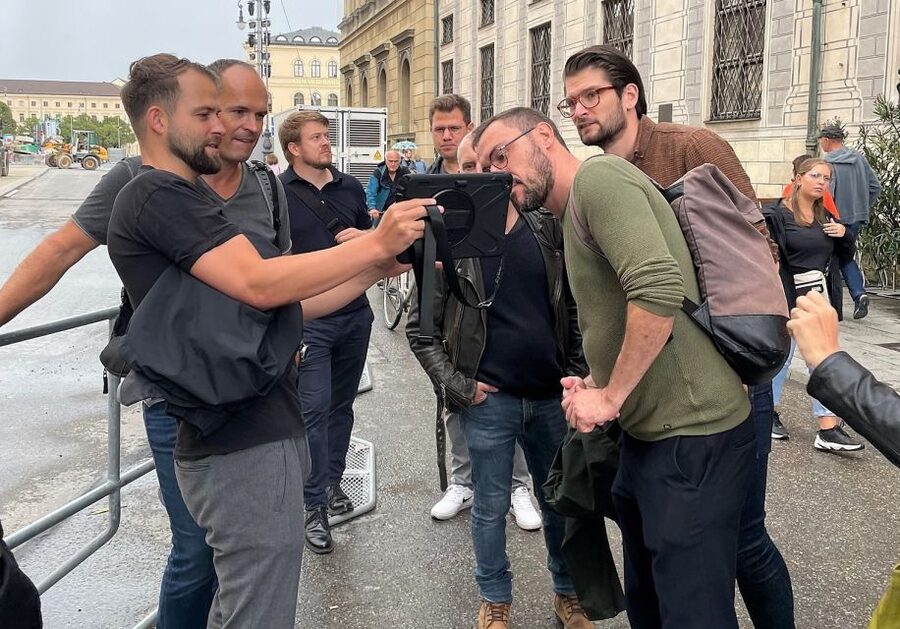
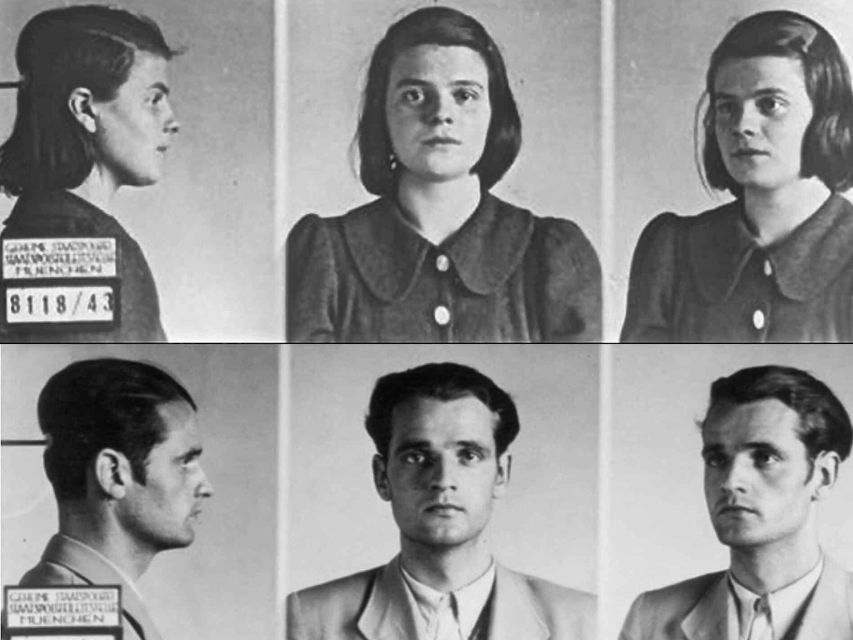
I also like that the tour includes historical image material at the right moments. When you are dealing with pamphlets, plans, and clandestine activity, pictures help you stay oriented. They also make the locations more concrete, especially when you are standing in a street scene that looks calm today.
Another practical win: Alex can answer questions. The tour is serious material, so it helps when a guide can clarify details without getting defensive or rushing. Even if you come in with some background knowledge, you are likely to pick up something new, because the tour mixes the famous and the nearly forgotten.
White Rose and more: how resistance spread beyond one group
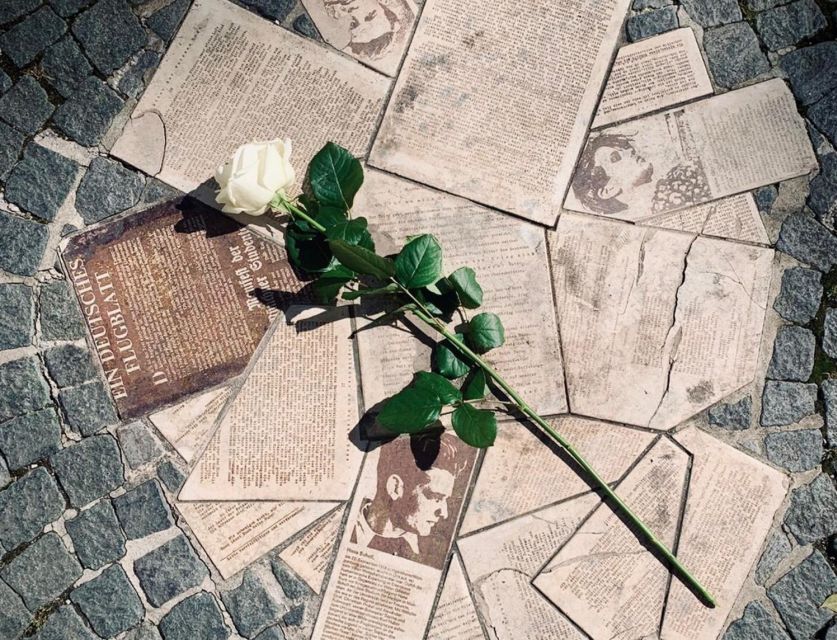
Most people arrive knowing the White Rose, Germany’s most famous resistance group. That is a good starting point, but this tour does not stop there. You also hear about other resistance movements that sometimes get less attention, including efforts connected to the military and to the city’s wider culture of opposition.
What I find valuable is the balance between public and private resistance. Some acts were direct and risky. Others were part of a longer struggle, like trying to keep critical thinking alive when the Nazi message was everywhere. The guide frames the stories around people who had the courage to resist, even when silence was the easy option.
And the tour does not treat resistance as one type of person. You hear about women and men who chose active opposition, plus references to how different age groups responded. That makes the overall picture feel more honest, because the Nazi era was not only a clash between a few heroes and a faceless crowd.
The university stop: youth, preparation, and the tension of silence
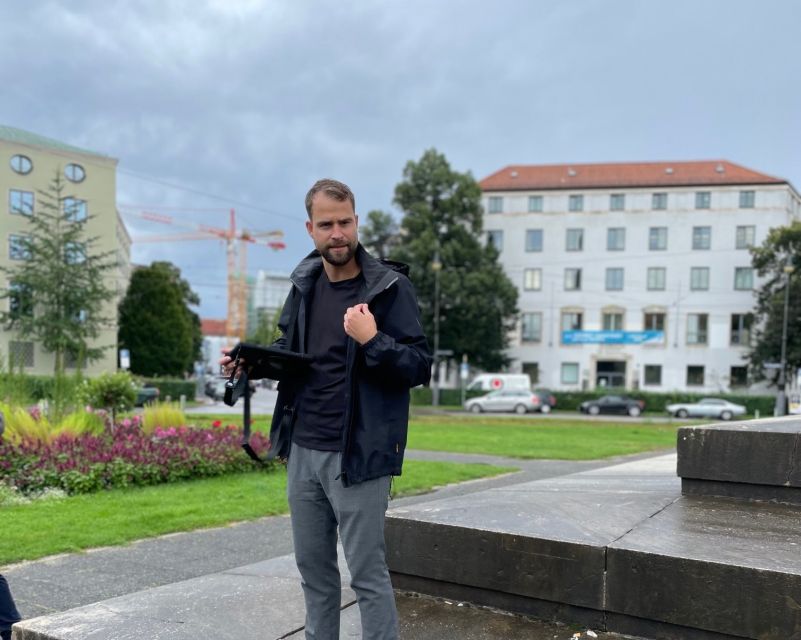
The tour’s early routing makes sense for a reason. You are in Munich, a city where propaganda was strong to the very end. And yet, even in a place where many Germans silently endured the madness, there were people who prepared to resist.
When you move through the university area, the story naturally bends toward youth. The tour specifically includes how Munich’s youth was prepared to resist. That angle helps you understand the White Rose connection without treating it like an isolated event.
If you have ever wondered why younger people sometimes act sooner than older ones, this kind of framing gives you a starting point. The guide highlights how some older people deliberately looked the other way, which adds a hard moral contrast to the bravery of the younger resisters. It is not an excuse, but it does explain the pressure those decisions were made under.
This section is also a reminder to look around while you walk. The buildings and squares feel ordinary now, and that is part of the lesson. History happened in spaces that still look usable for life today.
More Walking Tours in Munich
- Munich: Third Reich & WWII Walking Tour
★ 4.6 · 6,181 reviews - Third Reich Walking Tour Munich
★ 4.5 · 4,291 reviews - Munich: Old Town & Viktualienmarkt City Walk in German
★ 4.7 · 2,304 reviews - Munich: Night Watchman Walking Tour
★ 4.7 · 2,092 reviews
Following the secret plot: from clandestine planning to real locations
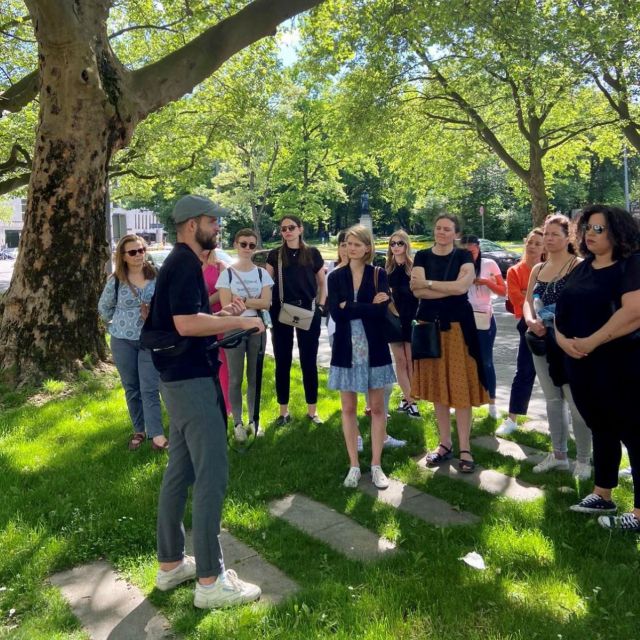
At some point, the tour shifts from general context to sharper suspense. You encounter original historical sites that connect to a former central ministry area and a secret military plot. You also learn about daring assassination plans linked to one courageous man who built a bomb to kill Hitler.
You might not expect a walking tour to handle this kind of detail, but it works because the guide grounds the dramatic elements in real geography. You stand near places tied to planning and attempt, not just vague references in a book.
A key value here is perspective. Resistance was not only leaflets and hidden messages. There were also plots in the military sphere, and the tour makes clear that opposition could come from people with access to institutions, not only from outsiders.
There is also an emotional edge to these stops. The topic is tragic, and you feel that in the way Alex keeps the attention on the human cost. Still, the tour remains orderly, and the pacing helps you digest what you are hearing without getting overwhelmed.
The coup sight at the right moment: resistance was also a timing problem
One highlight is the chance to explore the original sight of a dramatic military coup against the Nazis. Timing and coordination were everything in those efforts, and that is a useful lens for understanding why some plans failed and others lived only briefly.
The coup angle also broadens the definition of resistance. It challenges the assumption that resistance must always look like protest. In the Nazi era, resistance sometimes meant trying to seize control, disrupt power, and remove Hitler from the picture before the system could finish tightening its grip.
As you walk, the guide connects this to what you already learned about earlier resistance threads. The stories stop feeling random and start forming a timeline of intent. You begin to see how different groups could share goals while using different methods.
Odeonsplatz finish: carrying the story forward, not just ending the walk
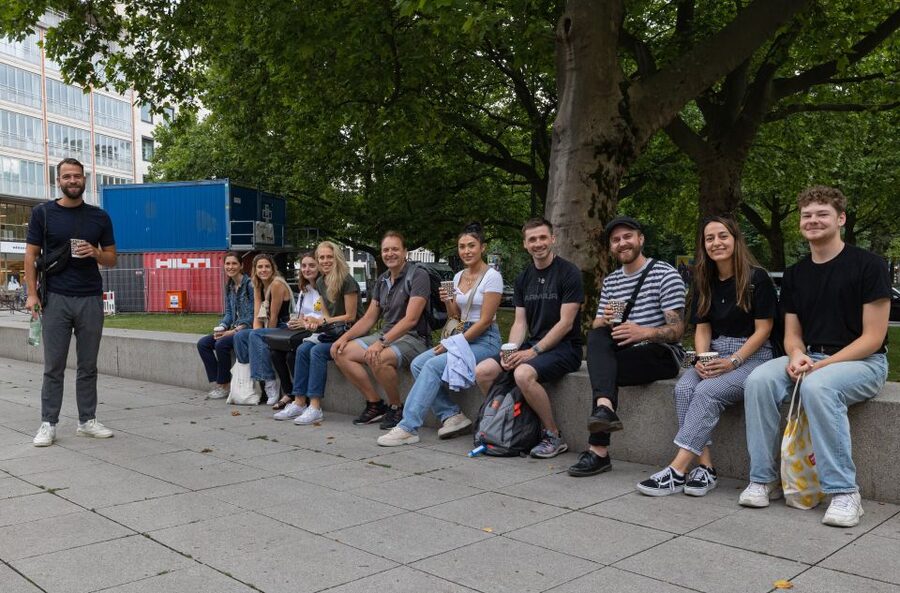
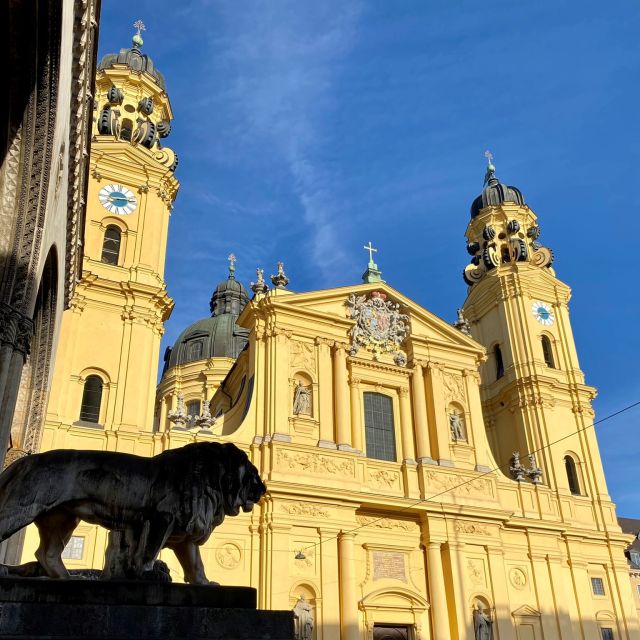
The tour concludes at Odeonsplatz, which is also the last stop on this two-hour route. This is a smart finish point. Odeonsplatz gives you a strong sense of Munich’s public face, and that helps you reflect on the contrast between what the Nazis used public space for, and what resistance tried to reclaim.
By the end, you have walked past multiple parts of the story: propaganda roots, youth resistance, the White Rose, a bomb plot tied to killing Hitler, and military opposition including a dramatic coup effort. That is a lot for a two-hour walk, but the tour stays organized enough that you are not left with fragments.
What I like most about finishing here is the shift toward a more hopeful note. The resistance stories are tragic, but they show people risking or sacrificing their lives for a better Germany. If you want a tour where the last minutes do not leave you only with despair, this one gives you a path to leave with something steadier.
Price and value: why $28 makes sense for this focused format
The price is $28 per person for about two hours, guided in German by Alex. On paper, that is not a throwaway cost. But in practice, you get value in three ways.
First, you are paying for a local guide. Alex is not just narrating facts, he is translating Munich into context, and that is hard to replicate with a self-guided audio tour.
Second, the stop selection matters. You are not just hearing about resistance in general. You are walking to historically relevant sites tied to planning, assassination ideas, and resistance networks, and that geography makes the stories stick.
Third, you get personalized recommendations to explore Munich like a local. Those suggestions are small, but they can help you turn your remaining time into better decisions, like choosing what to see next without wasting hours.
If you are in Munich for a short time and want the resistance story rather than only the Nazi rise story, this format offers strong return for the money.
Logistics that actually matter for a great walk
This is a two-hour walking tour, rain or shine. So treat it like a real stroll with history, not a sit-down lecture. Wear comfortable shoes, because you will be on your feet enough that discomfort can steal your focus.
The meeting point is fixed and easy to find in practical terms, the big fountain in front of the main entrance of LMU at Geschwister-Scholl-Platz 1. If you want to get the best experience, arrive a few minutes early so you start listening right away instead of joining late.
Language is live German. There is wheelchair accessibility, which is great if mobility is a concern for you. What is not included is hotel pickup, so you will need to handle your own way to LMU.
Who this tour suits best
I think this tour fits best if you:
- want a resistance-focused Munich walk, not only a story about how Hitler rose
- like guides who can answer questions and explain the why, not just the what
- are comfortable with a serious subject handled respectfully
- enjoy structured routes with specific historical stops rather than broad city facts
It may be less ideal if you:
- do not understand German well enough to follow a live guide
- prefer lighter history, because this is about resistance against a brutal regime
Should you book this Munich resistance tour?
Yes, if you want a thoughtful, location-based resistance story that goes beyond the White Rose name you already know. I like that Alex keeps the tone serious while staying organized, and I like that you get both famous and lesser known efforts, including the bomb plot and a military coup sight.
Book it if you value a local guide, solid explanations, and a route that ends in a reflective place at Odeonsplatz. Skip it only if German-only narration would leave you frustrated. If you can follow the language, this is one of the better ways to see Munich while understanding what people tried to fight against.
FAQ
Where does the tour start?
You meet at the big fountain in front of the main entrance of the University of Munich (LMU), Geschwister-Scholl-Platz 1.
How long is the tour?
The tour lasts about 2 hours.
What is the price per person?
The price is $28 per person.
Is the tour guided?
Yes. It includes a fully guided tour by Alex, a Munich local.
What language is the tour in?
The live tour guide speaks German.
Does the tour run in bad weather?
Yes. The tour takes place rain or shine.
What should I bring?
Wear comfortable shoes, since it is a walking tour.
Is hotel pickup included?
No, hotel pickup is not included.
Can I cancel for a refund?
Yes. Free cancellation is available up to 24 hours in advance for a full refund.
Is it wheelchair accessible?
Yes, the tour is wheelchair accessible.
Can I reserve without paying right away?
Yes. You can reserve now and pay later.
More Historical Tours in Munich
- Munich and Nazi History Combination Day Tour Small Group
★ 5.0 · 32 reviews - Munich: Nazi History 2-Hour Small Group Walking Tour
★ 5.0 · 30 reviews - Private Sound-of-Music and Historic Salzburg Tour from Munich
★ 5.0 · 28 reviews - Munich: Historical Walking Tour on the Rise of Hitler
★ 5.0 · 13 reviews
Newest Munich reviews on the site
- South Tyrolean specialties and wine tasting★ 5.0 · 5 reviews
- Size Matters Beer Tour Munich★ 4.6 · 105 reviews
- Short & sweet: Tasting the Viktualienmarkt★ 4.8 · 37 reviews
- Schwabing: Insider Tour! Neighborhood, Revolt, Secrets in Munich’s Cult District★ 4.9 · 28 reviews
- From Munich: Royal Fairytale Tour★ 4.9 · 56 reviews
- Munich: Romantic Wine Experience for Two at Viktualienmarkt★ 4.2 · 14 reviews
- Residence of Munich private tour with skip the line ticket★ 5.0 · 4 reviews
- Munich: Raven Black Witches and Executioners Walking Tour★ 4.7 · 298 reviews
Historical Tours, compared.

City History Canal Sightseeing Tour on a Motorboat
Read our review →

Browse the lists this tour appears in