
Reviewed · WALKING TOURS
Aschaffenburg: Private Guided Walking Tour
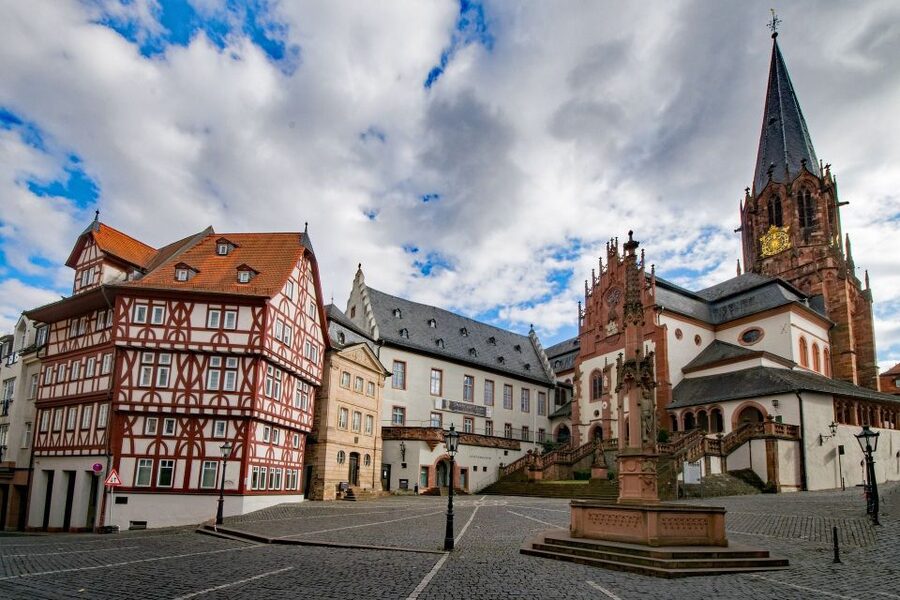
Aschaffenburg rewards slow walking. This private 90-minute walk in western Lower Franconia blends big political history with real street-level sights, from the Schloss Johannisburg library of engravings and paintings to the deep influence of the Archbishopric of Mainz that began in 982. I also like how the guide keeps the tone calm and easy to follow, with room for small, memorable teaching moments like a turtle story that made the facts stick.
One drawback to plan for: entrance fees are not included, so if you want extra time inside any major stop, factor in add-on tickets.
In This Review
- Key things I found most useful
- Aschaffenburg: a small town with big, messy power shifts
- The private format that keeps 90 minutes actually usable
- Price and value for a group up to 15
- Meeting at Tourist-Information Aschaffenburg: start with context, not confusion
- Mainz power in action: 982 to 800 years of influence
- Schloss Johannisburg: the palace stop with a special library focus
- St. Peter und Alexander: early medieval architecture plus preserved monuments
- War and survival: Peasants’ War, Thirty Years’ War, and who held the city
- Kingdom of Bavaria and the 19th century shift in power
- Prussian Army and the Austro-Prussian War: the big state showdown angle
- Cold War layers: US Army installations you might not expect
- A playful teaching style that makes facts easier to remember
- What I would do to get the most out of your private guide
- Should you book this Aschaffenburg private guided walking tour?
- FAQ
- How long is the Aschaffenburg private guided walking tour?
- Where is the meeting point?
- Is this a private tour?
- How big is the group?
- What languages are available for the guide?
- Are entrance fees included?
- Can the tour be customized?
- What should I bring?
- Can I cancel for a full refund?
- Can I reserve now and pay later?
Key things I found most useful
- Schloss Johannisburg and its engraving and painting collection give you something more specific than a generic palace photo spot.
- St. Peter und Alexander (built in the second half of the 10th century) is a strong anchor for understanding early medieval Aschaffenburg.
- Mainz rule for more than 800 years helps you connect many eras without getting lost in names.
- War stories you can place on a timeline, from the German Peasants’ War to the Thirty Years’ War.
- Cold War US Army installations add a 20th-century layer most people miss in a short town walk.
Aschaffenburg: a small town with big, messy power shifts
Aschaffenburg sits at the western edge of Lower Franconia, and that location matters. The Spessart Hills acted like a boundary, separating this city from the central and eastern parts, so different rulers and armies shaped daily life in distinct ways.
What I like about this tour is that it doesn’t treat history like a list of dates. It links each era to a place in town, so you start seeing how power worked, how it changed hands, and how long those changes lasted.
More walking tours in Germany:
- Discover Berlin Half-Day Walking Tour
★ 5.0 · 9,624 reviews - Berlin: Third Reich and Cold War 2 Hour Walking Tour
★ 4.9 · 6,830 reviews - Munich: Third Reich & WWII Walking Tour
★ 4.6 · 6,181 reviews
The private format that keeps 90 minutes actually usable
You are with a local guide who stays with your group only, which is a big deal in a short walking tour. Instead of tuning out while a crowd moves as one, you can ask quick questions, get clarifications, and steer the focus when something sounds more interesting.
The tour runs for 90 minutes, which is just enough time to hit the main sights and still get context. It is also short enough that you will spend your energy on understanding what you are seeing, not cramming every possible stop.
You will want comfortable shoes. This is a walking experience, and the guide’s explanations work best when you can stay focused without stopping every few minutes to rub sore feet.
Price and value for a group up to 15
At $288 per group for up to 15 people, this is priced like a true private experience rather than a per-person bus tour. The value comes from two things: a guide who is with you directly, and the chance to customize on the spot.
If you are a couple, a small group of friends, or a family group with shared interests, the cost can feel very reasonable for what you get. For solo travelers, you might not always get the best value versus a group tour, but the private attention is real, especially when you care about history or architecture.
Just remember entrance fees are not included. That means the tour can still be a great deal, but you may choose to add tickets later if you want more time inside.
Meeting at Tourist-Information Aschaffenburg: start with context, not confusion
The meeting point is Tourist-Information Aschaffenburg, Schloßpl. 2, 63739 Aschaffenburg. That is practical because you start your walk with a clear orientation to the sights ahead.
From the beginning, the guide frames what you are about to see. You are not just collecting landmarks, you are learning why this city mattered to rulers in different centuries, from medieval church power to later military and state shifts.
A few more Germany walks and trips to compare
- Berlin: Private Reichstag and Glass Dome Tour
★ 4.8 · 2,226 reviews - Berlin Private Complete History All Day Walking Tour
★ 5.0 · 474 reviews - Munich Private Tour with a Local – Highlights & Hidden Gems
★ 5.0 · 469 reviews - Private Walking Tour Berlin Third Reich Hitler and World War II
★ 5.0 · 360 reviews
Mainz power in action: 982 to 800 years of influence
Aschaffenburg belonged to the Archbishopric of Mainz for more than 800 years, starting in 982. That single detail is the key that makes the rest of the timeline click, because it explains why so many events and personalities show up again and again.
During the walk, you connect the role of the Archbishopric to the larger political world around it. You will also hear about the Archbishop of Mainz, not as a vague title, but as a power center that shaped local life for generations.
If you like history that you can map onto specific places, this part is especially satisfying. You start to see Aschaffenburg less as a random stop and more as a frontier city with constant pressure from neighboring forces.
Schloss Johannisburg: the palace stop with a special library focus
Schloss Johannisburg is a highlight for a reason. You do not just hear that it is a palace, you learn what is inside that makes it distinct, including a library collection of engravings and paintings.
That detail matters because it changes how you think about the building. A palace can feel like walls and rooms in photos, but the idea of a curated collection points to culture, status, and learning as part of rule.
Keep expectations practical: entrance fees are not included, so your exact time inside may depend on what you choose. Even without a long indoor visit, the guide’s explanations give you enough structure to understand what you are looking at.
St. Peter und Alexander: early medieval architecture plus preserved monuments
St. Peter und Alexander collegiate church was built in the second half of the 10th century. That is early enough that it anchors the tour in the medieval world, before the big later wars and political shifts.
The most useful part of this stop is how the guide connects the church to what has been preserved. You learn about monuments associated with the Vischers, which helps you notice layers of art and craftsmanship rather than treating the church as just an old building.
If you are the type who likes architecture that carries stories, this is the kind of place you will enjoy. It gives you a concrete way to understand continuity, meaning how older structures and later artistic work can both matter.
War and survival: Peasants’ War, Thirty Years’ War, and who held the city
Aschaffenburg suffered significantly during the Thirty Years’ War. The city was held in turn by various belligerents, so it was not a single conflict with a clean beginning and end, it was repeated pressure and changing control.
The tour also touches the German Peasants’ War in 1525. That is important because it broadens the story beyond kings and generals, showing how ordinary unrest could collide with established authority.
This is where a private guide pays off. You get help placing events into a timeline so you can stop feeling overwhelmed by the number of factions and rulers mentioned along the way.
Kingdom of Bavaria and the 19th century shift in power
You also learn about the Kingdom of Bavaria and how Aschaffenburg’s modern story connects back to earlier centuries. The guide brings you through changes that run into the 19th century, so the walk becomes more than medieval tourism.
For me, the value here is the logic of transition. You understand how regions and affiliations change over time, and why the same place can belong to different political worlds without becoming unrecognizable.
A good tip is to pay attention to what the guide emphasizes as the turning points. In short tours, the most important details are often the ones that explain why later events happen, not just what happened.
Prussian Army and the Austro-Prussian War: the big state showdown angle
The tour includes history of the Prussian Army and the Austro-Prussian War. That is a major shift in European power dynamics, and it helps you see how Germany’s story moved toward new state structures.
Even if military history is not your main interest, this part gives you useful perspective. It explains why earlier local church and regional authority stories start to feel less like the whole picture, and more like steps in a larger machine.
Keep an eye on the guide’s framing. In a 90-minute experience, the best explanations are the ones that connect the war to what you would actually recognize in the city’s later identity.
Cold War layers: US Army installations you might not expect
During the Cold War, this town was the location of several United States Army installations. That detail is powerful because it flips the usual assumption that a historic town only tells ancient stories.
You get a sense of how modern military presence adds a new chapter to the city. It also helps you understand why 20th-century changes can be visible in places you might otherwise treat as ordinary.
This part can be a nice reality check if your mental image of Aschaffenburg is only medieval churches and palaces. The city has multiple identities, and the guide helps you read them in order.
A playful teaching style that makes facts easier to remember
One thing I really appreciated from the way the tour is described is the balance of informative and calm storytelling. The pacing sounds relaxed, not a frantic march through facts.
You may also get small, unexpected teaching moments, like a turtle that was used to make something click. Those details are not random. They help you remember the concept because your brain tags the lesson to a concrete image.
If you care about learning, this style works. If you prefer a more strictly formal lecture, you can still get that, but the guide seems to keep the tone human and easy.
What I would do to get the most out of your private guide
Since customization is possible on the spot, come with a couple questions. I’d ask how the Archbishopric of Mainz shaped day-to-day life in different centuries, or which war period the guide thinks affected the city most.
I’d also ask for a short explanation of the connection between the church monuments and the later cultural developments you see at Schloss Johannisburg. When the guide ties stops together like that, the walk turns into a story you can repeat.
And keep your time practical. If you want more than a brief look inside, decide early. Entrance fees are not included, so you may want to plan for optional indoor time that matches your interests.
Should you book this Aschaffenburg private guided walking tour?
I’d book this tour if you want a focused, history-driven walk with real landmarks and enough context to make them make sense. It is especially worth it if you like medieval power stories, want clarity on the long Mainz influence, or you enjoy connecting wars and political change to specific places.
I would think twice if you are hoping for a long museum-style experience with lots of paid interior time. The tour is 90 minutes, and entrance fees are not included, so the indoor portion depends on what you choose to add.
If your group is up to 15 and you value a guide who can adjust on the spot, this is a strong match. You leave knowing what the city’s major eras mean, not just what they are called.
FAQ
How long is the Aschaffenburg private guided walking tour?
The tour lasts 90 minutes.
Where is the meeting point?
You meet at Tourist-Information Aschaffenburg, Schloßpl. 2, 63739 Aschaffenburg, Germany.
Is this a private tour?
Yes. It is a private group tour.
How big is the group?
The price is listed per group up to 15 people.
What languages are available for the guide?
The live guide is available in English and German.
Are entrance fees included?
No, entrance fees are not included.
Can the tour be customized?
Yes, there is possible customizing on the spot with your local guide.
What should I bring?
Wear comfortable shoes.
Can I cancel for a full refund?
Yes. You can cancel up to 24 hours in advance for a full refund.
Can I reserve now and pay later?
Yes. The listing offers a reserve now and pay later option so you can book your spot and pay nothing today.
Newest Germany reviews on the site
- Koblenz: Sektmuseum Histor. Kelllergewölbe incl. 1 Glas Sekt★ 4.5 · 41 reviews
- Koblenz: Wein-& Sektgeschichte(n) incl. Wein/Sekt Verkostung★ 4.7 · 8 reviews
- Koblenz: The Living Vineyard, Nature & Wine Enjoyment★ 5.0 · 14 reviews
- Koblenz: Private pub crawl with insider guide & free shots★ 5.0 · 5 reviews
- Koblenz: Christmas Boat Tour with Mulled Wine★ 4.3 · 35 reviews
- Koblenz: Express Walk with a Local★ 5.0 · 4 reviews
- Koblenz: Guided tour Moselle kisses Rhine★ 5.0 · 3 reviews
- Koblenz: Rhine Valley Castle Sightseeing Cruise★ 4.6 · 98 reviews
Walking Tours, compared.

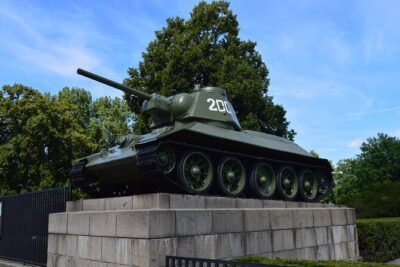
Berlin’s Best: 2 Hour Walking Tour Third Reich and the Cold War
Read our review →
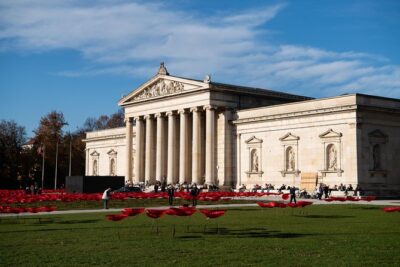
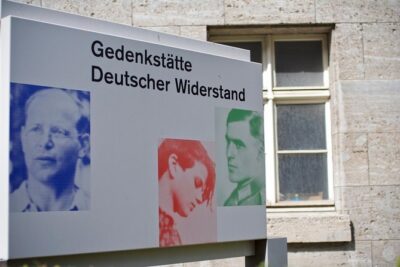
Third Reich Berlin: Hitler and WWII Walking Tour
Read our review →Browse the lists this tour appears in