
Reviewed · WALKING TOURS
Small-Group 3-Hour Berlin Walking Tour of Kreuzberg ‘s Wild Side
Kreuzberg has a wild side you can walk. This 3-hour small-group stroll through one of Berlin’s most layered neighborhoods mixes street life with sharp local context, from SO36-area culture to the city’s Berlin Wall leftovers. You end near Oberbaumbrücke, so the walk feels like it has an actual finish line, not just a loop.
I especially liked the focus on Oranienstraße courtyards and how the guide connects everyday spaces to Berlin’s bigger story, from the 19th century to today. I also liked that the tour doesn’t treat history like a museum label, instead tying it to fashion, art, and music along the way, then closing with an included break in Market Hall Nine.
One thing to keep in mind is that timing can be touchy. I’ve seen cases where people waited about 25 minutes for the guide, and cancellations can happen if public transit is hit and other guests do not show up, so keep a little buffer in your day.
In This Review
- Key Things You’ll Notice on This Kreuzberg Walk
- Getting Oriented: Meeting at Skalitzer Str. 137, Ending at Oberbaumbrücke
- Price and Time: Why $22.45 Can Be a Good Deal
- The Small-Group Advantage (Up to 12) and Your Walking Pace
- Stop 1: SO36 and the Idea of Kreuzberg’s Alternative Pulse
- Oranienstraße, Courtyards, and the Neighborhood’s Big Turn
- Mariannenplatz and Arthouse Bethanien: Old Building, New Meaning
- Market Hall Nine Break: What’s Included and How to Use It
- Stop 2: Rio-Reiser-Platz, Heinrichplatz, and Frauenzentrum Schokoladenfabrik
- Stop 3: Görlitzer Park for a Softer Landing
- Who This Tour Fits Best (and Who Might Want a Different Plan)
- Watch-Outs: Timing, Transit Disruptions, and Meeting the Guide
- Should You Book This Kreuzberg Walking Tour?
- FAQ
- How long is the Kreuzberg walking tour?
- What does the tour cost?
- Where does the tour start and end?
- How large is the group?
- Is food included?
- What’s included in the tour?
- What about tickets and confirmation?
- Is this tour near public transportation?
- What is the cancellation policy?
Key Things You’ll Notice on This Kreuzberg Walk
- SO36 club area stop: a short, focused introduction to the neighborhood’s alternative music and club scene
- Oranienstraße street-level history: courtyards and architecture explained in human terms, not textbooks
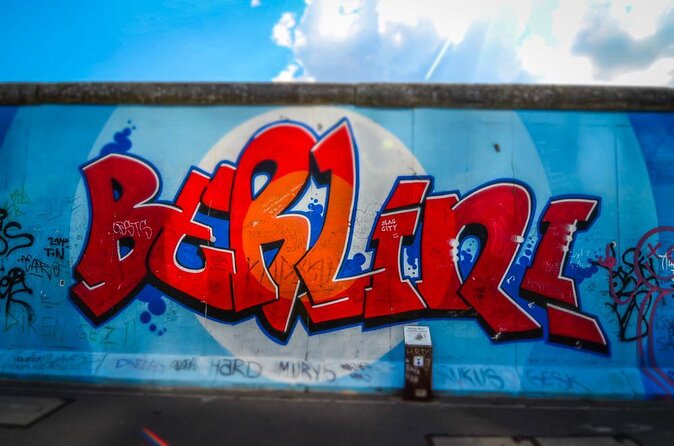
- Berlin Wall-adjacent sights: stops that show how the Wall’s legacy shaped daily life nearby
- Arthouse Bethanien and nearby landmarks: a historic hospital building with a past tied to the area’s reinvention
- Market Hall Nine break: an included pause at a famous market setting, with food and drinks you can buy
- Görlitzer Park wrap-up: a relaxing finale before the walk ends at Oberbaumbrücke
Getting Oriented: Meeting at Skalitzer Str. 137, Ending at Oberbaumbrücke
This tour is designed for a walk you can actually follow without chaos. You start at Skalitzer Str. 137 (10999 Berlin), and you finish at Oberbaumbrücke (10243 Berlin). That matters because Kreuzberg is big and full of side streets. A straight start and finish line helps you remember what you saw later, especially if you plan to explore on your own afterward.
The walk itself centers on Kreuzberg’s “wild side,” but that phrase is really about contrast: alternative cafes and bars sitting beside older streets and landmark buildings, and neighborhood change you can see block by block. You begin in the general orbit of Kottbusser Tor, which the tour frames as a multicultural hotspot, then move through places like SO36, Oranienstraße, and parkland.
You should also know the tour format: it’s a small group, with a stated maximum of 12 travelers, and it runs about 3 hours. That’s long enough to learn the neighborhood, but not so long that you feel crushed by walking before dinner.
More Walking Tours in Berlin
- Discover Berlin Half-Day Walking Tour
★ 5.0 · 9,624 reviews - Berlin: Third Reich and Cold War 2 Hour Walking Tour
★ 4.9 · 6,830 reviews - Berlin: Discover Berlin Walking Tour
★ 4.9 · 5,998 reviews
Price and Time: Why $22.45 Can Be a Good Deal
At $22.45 per person for about 3 hours, you’re paying for more than walking. The tour includes a driver/guide and a local guide, plus an included break in the Market Hall. Most of the key stops listed are free to enter, so you’re not paying add-on ticket fees just to see the highlights.
Is it “cheap” compared to Berlin attractions with entry prices? It depends on what you planned to do anyway. But for a first or second day in Berlin, this type of guided street walk can be strong value because it helps you interpret what you’re seeing. Kreuzberg is full of layers, and the guide’s role is to connect those layers: 19th-century development, the neighborhood’s later identity, and the way the city evolved into what people enjoy today.
A simple rule I use: if a tour gives you context you can reuse later, it’s usually worth the money. This one is built around that idea.
The Small-Group Advantage (Up to 12) and Your Walking Pace
The cap of 12 travelers is not just a marketing line. It changes how the tour feels. With a smaller group, you’re more likely to get real back-and-forth instead of hearing the same information shouted to a crowd. You also have a better chance to stay together through tighter streets and courtyards, which is where bigger groups often stretch out.
The tour also notes it’s near public transportation and you use a mobile ticket. Translation: plan to arrive using transit, then meet the guide. There’s no hotel pickup, so you’ll need to get yourself to the starting point.
Duration is about 3 hours, which is manageable even if you’re not a speed-walker. Still, bring comfortable shoes. Kreuzberg is a neighborhood you learn by moving, and that means steady walking.
Stop 1: SO36 and the Idea of Kreuzberg’s Alternative Pulse
The first scheduled stop is SO36 for about 10 minutes. Admission is listed as free, so you’re not stuck paying just to stand in front of a door. What you get here is more conceptual than visual: a quick orientation to how Kreuzberg became known for music, art, and alternative culture.
SO36’s presence also helps explain why the tour’s tone is labeled wild. Kreuzberg isn’t only “quirky side streets.” It has a reputation tied to clubs and creative scenes, and that reputation didn’t appear out of nowhere. The guide’s job is to connect the dots as you walk, not just point at a site for a photo.
Practical tip: use this first stop to get your bearings. Early in the tour is when you’ll be most likely to remember directions, because your brain is still mapping the neighborhood.
Same city, a different way to spend the afternoon:
- Berlin: Reichstag, Dome and Government District Guided Tour
★ 4.7 · 18,288 reviews - Berlin: 1-Hour City Tour by Boat with Guaranteed Seating
★ 4.3 · 16,993 reviews - Berlin: TV Tower Standard Entrance Ticket
★ 4.4 · 15,883 reviews - Berlin: Boat Tour Along the River Spree
★ 4.4 · 11,252 reviews
Oranienstraße, Courtyards, and the Neighborhood’s Big Turn
After the SO36-area introduction, the route shifts toward the heart of Kreuzberg’s energy: Oranienstraße and the streets around SO36 district. This is where the tour’s “history you can walk through” approach becomes real.
The tour specifically calls out typical Berlin courtyards, and that’s key. Courtyards are not a random Berlin quirk. They’re where you see how dense European urban living works, how buildings are organized, and how a neighborhood’s architecture supports daily life. When a guide explains these spaces, you start spotting patterns you would otherwise miss.
The tour also emphasizes Kreuzberg’s transformation from one of Berlin’s poorer quarters to one of its most popular districts. That’s a big claim, but you don’t have to take it on faith. You see the transition in the mix of uses, from older structures to the newer reputation for cafes, stylish bars, and international restaurants that the area is known for today.
You’ll also hear about how the neighborhood’s evolution connected to fashion, art, and music. Even if those words aren’t your personal interests, it helps you understand why Kreuzberg attracts creative energy and why certain streets develop strong identities.
Two landmarks you may pass in this stretch are St. Thomas Protestant church and Wiener Street. The church is a useful anchor because it brings “normal city life” into the mix. Wiener Street is one of those side-street names that makes the area feel lived in, not staged.
Mariannenplatz and Arthouse Bethanien: Old Building, New Meaning
Another highlight is reaching Mariannenplatz and the Arthouse Bethanien, described as a historic hospital building next to the former Berlin Wall. That placement is not trivia. It changes how you see the area.
Buildings near the Wall often carry a heavier atmosphere, even when life around them is lively. In this case, the guide uses the historic hospital context to show how the neighborhood shifted over time, with the Wall’s legacy part of the story rather than a separate topic.
The tour also mentions seeing former squatted house projects en route to Mariannenplatz. Whether you’re into that specific chapter of Berlin’s history or not, it’s valuable because it shows another way neighborhoods reinvent themselves: not only through official development, but through people taking space, creating community, and forcing attention to issues.
Also on the Wall-legacy side: you’ll see the treehouse built next to the Berlin Wall. That detail sticks in your memory because it’s an example of how people made meaning out of the barrier’s presence and the space around it.
Market Hall Nine Break: What’s Included and How to Use It
You get an included break in the Market Hall, specifically tied to Market Hall Nine, which the tour frames as a farmer’s market setting. This is where you can reset your energy without turning the walk into a long food stop.
Food and drinks are not included, but the break is. Translation: you can buy something you like, not something you’re required to take. That flexibility matters because Berlin has different styles of quick eats, from pastries to simple prepared meals, and you can choose what fits your pace and stomach.
Use the Market Hall break for practical wins:
- Pick up water if you’re thirsty, because Kreuzberg walking can add up fast
- If you need a restroom, this is the most likely moment during the tour
- Try a small bite rather than a full meal, so you’re not too heavy for the final stretch
And because Market Hall Nine is part of the tour’s route plan, the guide can connect it back to neighborhood change and culture, instead of it feeling like a random stop.
Stop 2: Rio-Reiser-Platz, Heinrichplatz, and Frauenzentrum Schokoladenfabrik
Stop 2 is listed as Rio-Reiser-Platz with Heinrichplatz / Frauenzentrum Schokoladenfabrik, lasting about 10 minutes. Admission is free, so you’re mostly stopping to learn and look.
This stop matters because it shows how street culture and community institutions coexist. The names are part of the neighborhood’s identity, and the tour’s emphasis on culture and history suggests the guide will connect what you see here to Kreuzberg’s broader story.
Even if you don’t recognize every place name in advance, the value is in the “why this here” explanations. A guided walk like this works best when you treat it like translation, not sightseeing autopilot.
Stop 3: Görlitzer Park for a Softer Landing
The final scheduled stop is Görlitzer Park for about 15 minutes, again with admission noted as free. Parks are great tour anchors because they give your legs a break, and they add context to how a neighborhood handles public space.
By the time you reach Görlitzer Park, you’ve already walked through the Wall-adjacent story and the courtyards and streets that define daily Kreuzberg. The park helps you absorb it. Instead of constantly looking at buildings and streets, you get a change of pace, and that makes the tour feel more balanced.
Then the walk ends at Oberbaumbrücke, which gives you a satisfying finish point. If you like extending your day, this end location is convenient for continuing the theme of Berlin’s cityscapes and river-area views.
Who This Tour Fits Best (and Who Might Want a Different Plan)
This tour is a good match if you like:
- Street-level history you can connect to real places, like courtyards and Wall-adjacent landmarks
- Neighborhood identity, including the mix of clubs, art, and community spaces
- A guided route that helps you understand Kreuzberg beyond clichés
It’s also a smart pick if you want a manageable walking window. At about 3 hours, it works well as an intro tour, then you can wander afterward with more confidence.
On the other hand, if you need strict timing, you should consider the risk of delays. There’s at least one documented case of waiting around 25 minutes for the guide, and there can be cancellations when public transit is disrupted and attendance drops below what’s needed.
Watch-Outs: Timing, Transit Disruptions, and Meeting the Guide
This is the “be adult about logistics” section.
First, arrive a few minutes early. The meeting point matters, and your day is easier if you’re already in place when the group starts.
Second, Berlin transit can affect tours. One cancellation reason mentioned is a BVG strike on a specific date, combined with other guests not appearing. That doesn’t mean it will happen to you. It does mean the tour can be sensitive to major citywide disruptions.
So, plan like this:
- Keep your schedule flexible on tour day
- Don’t book a must-do appointment that starts immediately after the tour ends
- If you’re using public transit, allow extra time so you do not feel rushed if things run behind
Should You Book This Kreuzberg Walking Tour?
I’d book it if you want a guided, walkable introduction to Kreuzberg that covers the neighborhood’s creative side and its historical foundations, including places tied to the Berlin Wall and reinvention. For $22.45 with a small group and an included Market Hall Nine break, it’s good value for learning the “why” behind what you see.
I would hesitate only if your schedule is rigid or you cannot tolerate delays. Also, if you’re the type who prefers self-guided museum-style history in quiet spaces, you might find this street-walk format a better fit than a museum.
If you can handle a bit of walking and you like learning by moving, this is a solid way to get your bearings fast in Kreuzberg’s wilder, more creative corner of Berlin.
FAQ
How long is the Kreuzberg walking tour?
It lasts about 3 hours.
What does the tour cost?
The price is $22.45 per person.
Where does the tour start and end?
It starts at Skalitzer Str. 137, 10999 Berlin, Germany and ends at Oberbaumbrücke, 10243 Berlin, Germany.
How large is the group?
The tour has a maximum of 12 travelers.
Is food included?
No. The tour includes a break in the Market Hall, but food and drinks are not included.
What’s included in the tour?
Included are a driver/guide, a local guide, and a break in the Market Hall.
What about tickets and confirmation?
You receive confirmation at booking time, and the tour uses a mobile ticket.
Is this tour near public transportation?
Yes, it is near public transportation.
What is the cancellation policy?
You can cancel for a full refund up to 24 hours before the experience starts. The experience may also be canceled if a minimum number of travelers is not met, in which case you are offered a different date/experience or a full refund.
Newest Berlin reviews on the site
- Your ticket to The Wall Museum Berlin★ 3.0 · 60 reviews
- Rickshaw Tours Berlin – Groups of up to 16 people with several rickshaws★ 4.0 · 97 reviews
- Love and War in Berlin: Self-Guided Story Puzzle Walk★ 5.0 · 7 reviews
- Warnemuende Shore Excursion: Berlin Private Sightseeing Tour from Rostock★ 5.0 · 4 reviews
- eSIM for Germany and 34 European Countries★ 4.5 · 16 reviews
- Walking on the Wall: 3-Hour Tour in Berlin★ 4.5 · 34 reviews
- Karl-Marx-Allee Tour: Life and Architecture in East Berlin★ 5.0 · 19 reviews
- Warnemuende Shore Excursion: Private Berlin Tour★ 4.5 · 27 reviews
Walking Tours, compared.

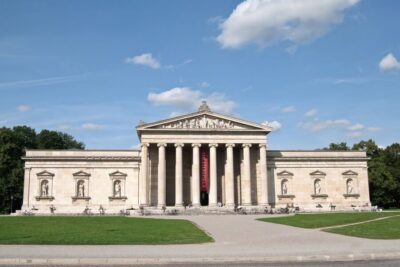
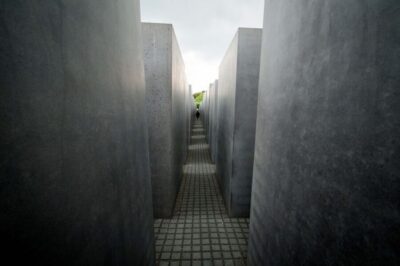
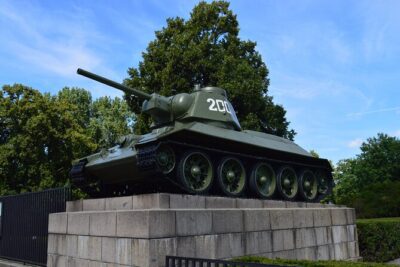
Berlin’s Best: 2 Hour Walking Tour Third Reich and the Cold War
Read our review →
Third Reich Berlin: Hitler and WWII Walking Tour
Read our review →Browse the lists this tour appears in