
Reviewed · WALKING TOURS
Queer Berlin Walking Tour
Berlin has a way of telling stories. This Queer Berlin Walking Tour uses streets and landmarks to show how LGBTQ life survived, pushed back, and changed the city.
I love that it focuses on Schöneberg, Berlin’s iconic gay neighborhood, instead of treating queer history as a side note. You also get a strong mix of famous names and uncomfortable truths, from the former Eldorado bar site to the memorial for homosexual victims of Nazi persecution.
One consideration: expect a lot of walking and some heavy subject matter, especially around Nazi repression and the sites tied to state persecution.
In This Review
- Key highlights you will feel on the walk
- Why Schöneberg and Tiergarten are the heart of queer Berlin
- Price and logistics that actually make sense for $23
- Start in Schöneberg, then watch nightlife culture shape identity
- The former Eldorado bar site, old queer community in one stop
- Nazi persecution memorial, when the walk gets serious
- Magnus Hirschfeld and the Institute for Sexual Science, progress that was violently stopped
- Tiergarten, queer meeting space, and the Berlin Wall’s shadow
- The guides and the tone that keep it from feeling like a lecture
- What to wear, what to bring, and how to pace yourself
- Who this tour is best for
- Should you book the Queer Berlin Walking Tour?
- FAQ
- How long is the Queer Berlin Walking Tour?
- What is the price per person?
- What is included in the tour price?
- What is not included?
- Where is the meeting point?
- What languages are offered?
- Does the tour run in bad weather?
- Can I reserve now and pay later?
- Is there free cancellation?
Key highlights you will feel on the walk
- Schöneberg, the classic gay neighborhood, with stops tied to old nightlife and longtime community life
- The former Eldorado site, one of Berlin’s oldest queer and transvestite bar spaces
- Magnus Hirschfeld and the Institute for Sexual Science, including how it was shut down in 1933
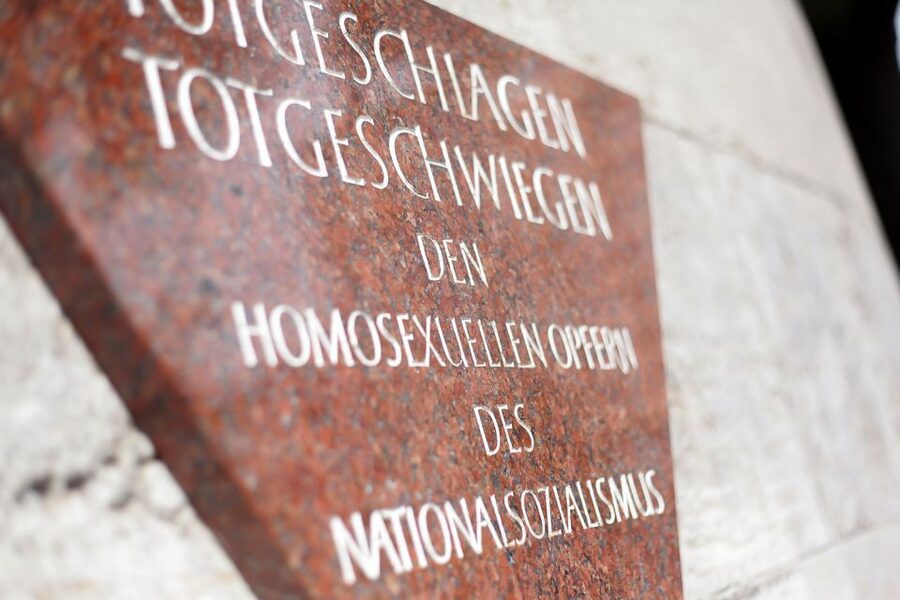
- A memorial to homosexuals persecuted by the Nazis, a quiet moment that hits hard
- Tiergarten under the Berlin Wall’s shadow, showing how public space shaped queer meeting points
- A long timeline of visibility, from Friedrich the Great to openly gay mayor Klaus Wowereit
Why Schöneberg and Tiergarten are the heart of queer Berlin
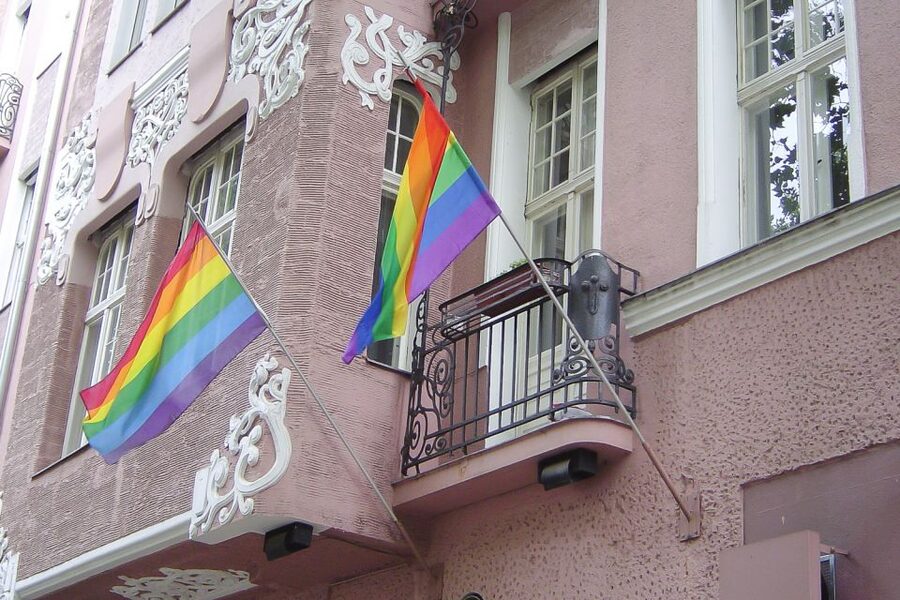
If you want queer Berlin history that feels grounded, not museum-only, this walk makes sense. You start in Schöneberg, where generations of LGBTQ people built social life, nightlife culture, and community networks. Then you shift toward Tiergarten, Berlin’s well known gay meeting area, and you see how politics and power shaped what could be public and what had to be hidden.
The best part is the storyline. You are not just ticking off names. You are watching how Berlin’s legal system, cultural scenes, and public spaces interacted. That includes the reality of Section 175, the German penal code that criminalized male homosexuality for decades after World War 2, even as the city became a pioneer for rights starting in the late 19th century.
More Walking Tours in Berlin
- Discover Berlin Half-Day Walking Tour
★ 5.0 · 9,624 reviews - Berlin: Third Reich and Cold War 2 Hour Walking Tour
★ 4.9 · 6,830 reviews - Berlin: Discover Berlin Walking Tour
★ 4.9 · 5,998 reviews
Price and logistics that actually make sense for $23
At $23 per person for a 3.5 hour walking tour, you are paying for guided context and a guided route through key locations. That is where the value shows. Berlin can be a maze of streets, and queer history often hides in plain sight. A guide helps you connect the dots between a bar site, a memorial, and the bigger shifts in rights and repression.
This tour is English-speaking and also runs in German depending on the option you choose. The guide wears a blue Original Berlin Walks name badge, so you can spot them quickly.
A few practical points to plan your day:
- There is no entrance fees listed as included, so most stops are exterior or walk-up points tied to the story.
- Public transport is not included, so have a transit plan if your schedule needs it.
- The tour runs in all weathers, so bring something you would wear in real Berlin wind and drizzle.
Start in Schöneberg, then watch nightlife culture shape identity
Schöneberg is where the tour sets its tone. You get a sense of neighborhood rhythm, the way nightlife and community spaces shaped how people met and expressed themselves. This is also where Berlin’s queer history connects to wider cultural trends, including the city’s cabaret scene.
During the walk, you focus on key addresses and associations tied to people like Marlene Dietrich, plus writers and artists such as Christopher Isherwood and Otto Dix. These stops matter because they show something important: queer culture in Berlin was never only about sexuality. It was also about performance, art, nightlife, and the creative freedom that attracted people in the first place.
I like how this portion keeps you moving between story and place. You are not just learning that cabaret existed. You are seeing where it happened, and hearing how the city’s identity formed around that scene.
The former Eldorado bar site, old queer community in one stop
One of the tour’s standout moments is seeing the site of the former Eldorado, described as one of Berlin’s oldest queer and transvestite bars. Even if you have never visited a venue like this, the guide’s framing helps you understand why a place like Eldorado mattered.
Bars like Eldorado were more than a nightlife option. They were social infrastructure. In a city where laws and police attention could make visibility risky, community spaces helped people find each other, share information, and build resilience. When you hear that it is among the oldest of these queer and transvestite spaces, you can feel how long Berlin’s queer social life has been operating under pressure and adaptation.
If you are the kind of person who likes history through everyday life, this is the stop that will land hardest.
Same city, a different way to spend the afternoon:
- Berlin: Reichstag, Dome and Government District Guided Tour
★ 4.7 · 18,288 reviews - Berlin: 1-Hour City Tour by Boat with Guaranteed Seating
★ 4.3 · 16,993 reviews - Berlin: TV Tower Standard Entrance Ticket
★ 4.4 · 15,883 reviews - Berlin: Boat Tour Along the River Spree
★ 4.4 · 11,252 reviews
Nazi persecution memorial, when the walk gets serious
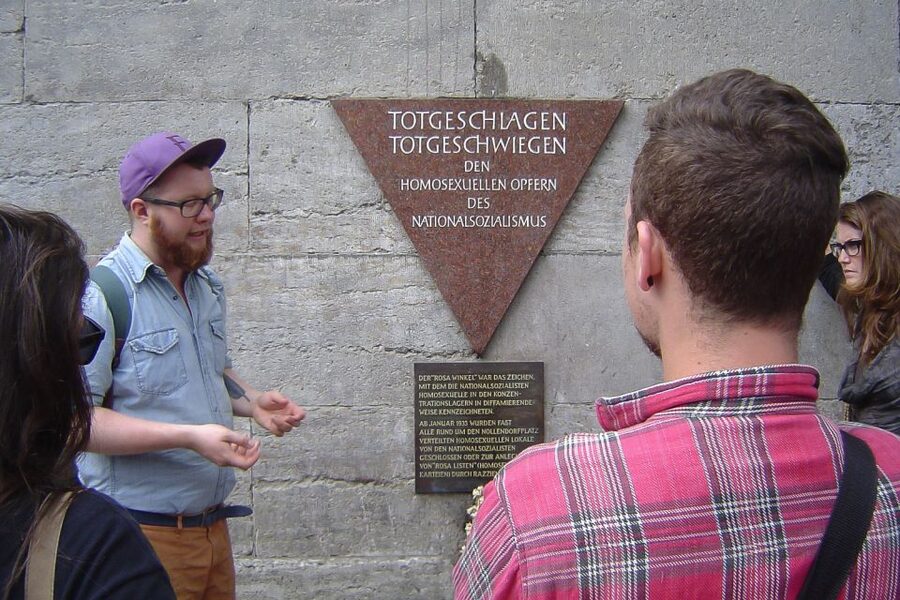
The tour includes a stop at a memorial for homosexuals persecuted by the Nazis and sent to concentration camps. This is not a fun detour. It is part of the tour’s core promise, to tell queer Berlin stories honestly, including the parts that are difficult to hear.
Why this stop matters: it makes the history concrete. Berlin’s rights and cultural prominence were never guaranteed. The same city that produced major cultural names and later progressive visibility also created systems that targeted LGBTQ people.
As you stand there, the earlier discussion of Section 175 and the legal oppression of male homosexuality helps the memorial connect to a longer arc, not just a single dark chapter.
Magnus Hirschfeld and the Institute for Sexual Science, progress that was violently stopped
Another major pillar of the tour is Magnus Hirschfeld and the Institute for Sexual Science. You learn about how Hirschfeld provided assistance and support for openly queer and transgendered individuals, at a time when most societies were still treating gender and sexuality as threats or taboos.
Then the story turns sharply toward what happened next. The Institute was shut down in 1933, and its library was destroyed during the Nazi book burnings. That detail is powerful because it shows that persecution was not only physical. It was also intellectual, cultural, and administrative. The Nazis did not just target people. They tried to erase the knowledge and communities those people relied on.
This is one of the tour’s best sections for your understanding, because it gives you a clear cause and effect chain: scientific and human-support work meets political power, and political power ends it.
Tiergarten, queer meeting space, and the Berlin Wall’s shadow
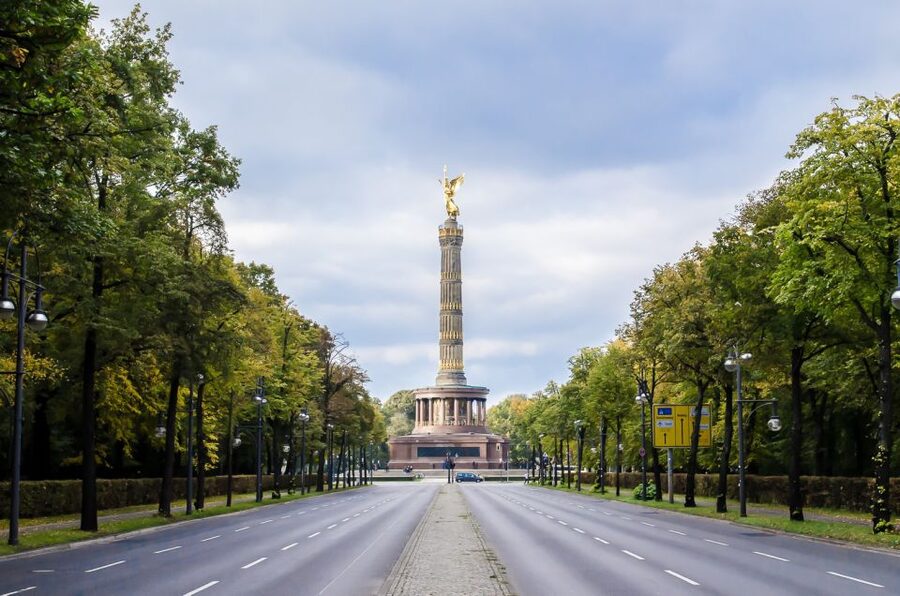
After Schöneberg, the tour shifts toward Tiergarten, described as Berlin’s best known gay meeting spot. The guide connects the area to public visibility, and how public space can act like a stage even when laws and society remain hostile.
A key detail here is that Tiergarten is set in the shadow of the Berlin Wall. That matters because it adds another layer of division. This was not only about sexuality and laws. It was also about Berlin’s political geography and the way movement, information, and control worked during the Cold War.
You also hear how queer figures shaped Berlin over time, from Friedrich the Great to Klaus Wowereit, an openly gay mayor. That long timeline helps you see queer life in Berlin as something ongoing, not stuck in one era.
The guides and the tone that keep it from feeling like a lecture
The tour’s reviews point to one big pattern: the guide matters. Names that show up often include Tobi, Tom, Kyle, Finn, Beth, and Jared. People praise them for mixing facts with humor, staying patient with questions, and handling real-life logistics during the walk.
That tone is practical for you. Berlin walking tours can go one of two ways: either the facts are dry, or the story is so loose you miss the connections. Here, the guide approach seems built to keep you on track while still making space for curiosity.
If you are the type who likes to ask what something meant then, and what it means now, you will likely appreciate that the guides are comfortable answering.
What to wear, what to bring, and how to pace yourself
This is a walking tour through city areas like Schöneberg and Tiergarten, so plan like it is a proper half day outside. Some reviews specifically call out that it is lots of walking, so pack light and be ready for several hours on foot.
A simple packing checklist:
- Comfortable shoes you trust for long stretches
- Weather gear, because the tour runs in all weathers
- A cool drink and a small snack, since 3.5 hours can be a lot without a break
Also, set expectations for the content. This is not only about parties and pride. You will also learn about repression, the destruction of Hirschfeld’s work, and Nazi persecution. A guide will frame these moments, but you should still decide how sensitive you want your day to be.
Who this tour is best for
This Queer Berlin Walking Tour is a strong fit if you want:
- LGBTQ history tied to real places, not just general facts
- A balance of queer life, cultural scenes, and political context
- A route that connects early rights discussions to later Nazi repression and then back to modern visibility
It is also a good choice if you enjoy walking tours that tell stories with names you recognize, like Marlene Dietrich, plus the bigger institutional story around Hirschfeld. Even if you come to Berlin knowing very little, the structure helps you build a timeline as you go.
If you hate walking, or you want something strictly light and social with no hard chapters, this might not match your mood. The memorial and persecution parts are central to the experience.
Should you book the Queer Berlin Walking Tour?
I would book it if you want a focused, 3.5 hour route that makes queer Berlin history readable on the ground. For $23, you are getting guided context for key locations like Schöneberg, the former Eldorado site, the Hirschfeld-related story, and Tiergarten, plus the memorial stop that gives the whole timeline weight.
Book it sooner rather than later if:
- You like history that includes politics, culture, and everyday meeting places
- You want a guide who can answer questions and keep the pace engaging
- You are staying in central Berlin and want a concentrated half day activity
Skip or look for another option if:
- You want minimal walking
- You would rather avoid Nazi-era persecution content entirely
- You are looking for a tour centered only on modern nightlife
If your goal is to understand why Berlin is often called the queer capital of Europe, this is one of the best ways to see the layers, one stop at a time.
FAQ
How long is the Queer Berlin Walking Tour?
The tour lasts 3.5 hours.
What is the price per person?
The price is $23 per person.
What is included in the tour price?
An English-speaking guide is included.
What is not included?
Public transport and entrance fees are not included.
Where is the meeting point?
The meeting point may vary depending on the option booked.
What languages are offered?
The tour is available in English and German.
Does the tour run in bad weather?
Yes, it runs in all weathers.
Can I reserve now and pay later?
Yes. You can reserve now and pay nothing today.
Is there free cancellation?
Yes, you can cancel up to 24 hours in advance for a full refund.
Newest Berlin reviews on the site
- Your ticket to The Wall Museum Berlin★ 3.0 · 60 reviews
- Rickshaw Tours Berlin – Groups of up to 16 people with several rickshaws★ 4.0 · 97 reviews
- Warnemuende Shore Excursion: Berlin Private Sightseeing Tour from Rostock★ 5.0 · 4 reviews
- eSIM for Germany and 34 European Countries★ 4.5 · 16 reviews
- Love and War in Berlin: Self-Guided Story Puzzle Walk★ 5.0 · 7 reviews
- Walking on the Wall: 3-Hour Tour in Berlin★ 4.5 · 34 reviews
- Karl-Marx-Allee Tour: Life and Architecture in East Berlin★ 5.0 · 19 reviews
- Warnemuende Shore Excursion: Private Berlin Tour★ 4.5 · 27 reviews
Walking Tours, compared.



Berlin’s Best: 2 Hour Walking Tour Third Reich and the Cold War
Read our review →
Third Reich Berlin: Hitler and WWII Walking Tour
Read our review →Browse the lists this tour appears in