
Reviewed · THIRD REICH & COLD WAR TOURS
Nuremberg: Nuclear Bunker in Main Railway Station
Underground bunkers don’t usually sit under a train station. This one turns the spotlight on World War II and the Cold War civilian-protection plans, with exhibits about nuclear weapons and real-life practice inside. I love how the tour explains a modern bunker built for multiple threats, not just nuclear fallout. I also like the computer simulation idea, which helps you compare the destructive power people feared then versus what later warheads could do. The main catch is simple: it’s not a good fit if you hate tight spaces or claustrophobia.
The experience also has a practical, human touch. You’ll follow clear directions from the main hall, but the entrance can feel a bit hidden, so I recommend getting oriented before your start time. With a live guide (German) and a 75-minute pace, you’re not rushed, but you also cannot enter after the tour begins.
In This Review
- Key things to know before you go
- Why a nuclear bunker is tucked under Nuremberg’s main station
- Entering the bunker: how to find it in the station basement
- What you will learn from nuclear to chemical and biological threats
- The 75-minute flow: what happens after you walk in
- Life inside the bunker: lying down to feel the reality
- Practical preparedness theme: the bunker makes you ask Are you ready?
- Price and value: is $15 worth 75 minutes underground?
- Rules and reality checks before you book
- Who should take the Nuremberg nuclear bunker tour
- Booking decision: should you go?
- FAQ
- FAQ
- How long is the nuclear bunker tour in Nuremberg?
- Where do I meet for the tour?
- What does the ticket price include?
- Is food or luggage allowed inside?
- Who is this tour not suitable for?
- Does the tour run in bad weather?
Key things to know before you go
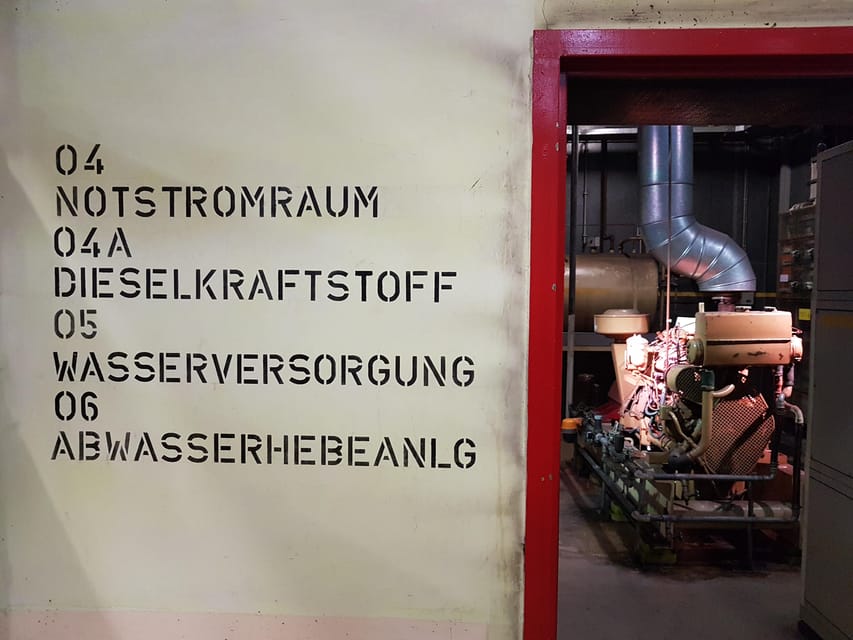
- It’s a nuclear, biological, and chemical protection bunker, built with real civilian shielding in mind.
- Exhibits compare early atomic bombs to modern warheads, plus a computer simulation to show the progression of threats.
- You get an active “feel it” moment, where you can lie down on a pallet or sit to imagine packed conditions.
- The entrance is easy to miss, especially if you do not know Nuremberg’s station layout.
- It runs rain or shine and stays underground, so dress for cool basement air.
- Not for claustrophobia, wheelchairs, or people with mobility impairments, and children under 8 are not suitable.
Why a nuclear bunker is tucked under Nuremberg’s main station
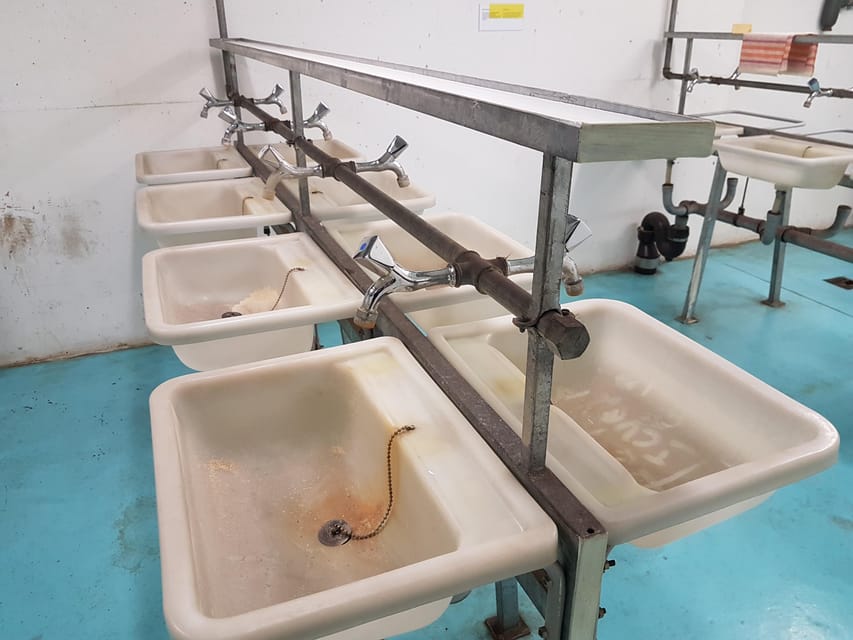
Nuremberg’s nuclear bunker sits beneath the central train station area, which makes the whole topic hit differently. Instead of learning about Cold War fear only from books or museum panels, you see how the threat shaped real planning for everyday life. After World War II and the atomic bombings of Japan, the nuclear arms race became a defining Cold War reality, and the question quickly shifted to this: how do you protect civilians from something so extreme?
This bunker was designed to protect some inhabitants and, importantly, people in transit. That matters because it changes the mental picture. This was not only for soldiers or a distant government facility. It was meant for regular people caught in the wrong place at the wrong time, including travelers passing through one of the city’s busiest hubs.
Just as important, the bunker was built with protection in mind for more than one type of attack. Along with nuclear threats, it was also intended to shield against biological and chemical attacks. So while the story starts with atomic weapons, it keeps broadening into civilian preparedness.
More Third Reich & Cold War Tours in Nuremberg
- Nuremberg: Walking Tour of Former Nazi Party Rally Grounds
★ 4.7 · 1,665 reviews - Nuremberg: Historischer Kunstbunker WWII Art Bunker Tour
★ 4.8 · 921 reviews - Nuremberg Old Town and Nazi Party Rally Grounds Walking Tour in English
★ 4.5 · 504 reviews
Entering the bunker: how to find it in the station basement
Start at the main portal and make your way into the main hall. From there, you will see four escalators leading to the basement floors. You basically have two routes down:
- Take the long escalator to the shopping arcade (Königstorpassage), or
- Take the short escalator and then use the step staircase.
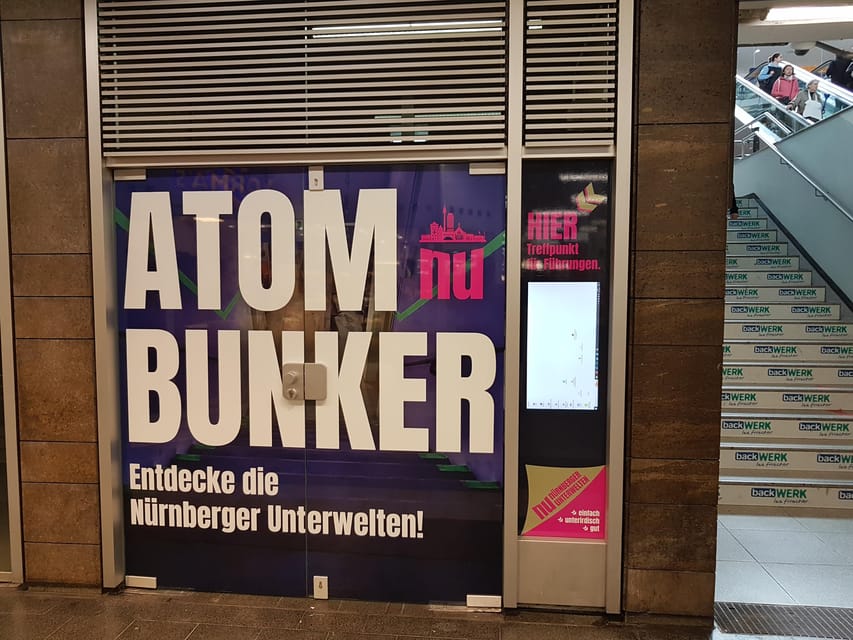
Once you reach the basement level, the key move is to not wander. Immediately at the foot of the escalator stairs, turn sharply to the right. The bunker entrance is on the right wall. Then wait for the tour to begin directly by Yorma’s restaurant.
Here is the practical tip I cannot overstate: if you are not local, check once before your start time. The entrance can feel tucked away inside the station flow. People do miss it when they rely on intuition.
What you will learn from nuclear to chemical and biological threats
The tour framing is clear and direct. You start with the Cold War context, then the exhibits work through the threat in a way that connects history to fear, and fear to planning.
You will see information focused on civilian protection, and the message is not just that nuclear weapons exist. It is that the nature of the threat forced a rethink of how civilians might be protected at all. That is why the bunker is presented as a solution for an acute, urgent scenario.
The exhibits also push you to visualize scales. You will learn how to imagine the destructive force of nuclear weapons, and you will get context on how influential the first atomic bombs were compared with modern nuclear warheads. That comparison is the kind of thing that can otherwise stay abstract.
Then comes the computer simulation. It is designed to give you an idea of how frighteningly far the nuclear arsenal could develop. The point is not to scare you. The point is to help you understand that the threat changed over time, which is exactly why bunkers and protective planning also had to evolve.
Along the way, the bunker story includes the bigger umbrella of protection. Since the facility was meant to shield against biological and chemical attacks too, the exhibits are not trapped in one narrow lane. You get a wider view of how authorities imagined multiple hazards and tried to prepare for them.
The 75-minute flow: what happens after you walk in
This is not a long “half day in a bunker” project. It is a tight 75 minutes, guided start to finish. That duration is part of the value. You get enough time to learn the logic behind civilian defense planning and still have the rest of your day in Nuremberg.
Inside, the tour approach feels like a guided walkthrough with a live explanation tied to each exhibit. You will spend time looking, reading, and listening, and then you will get the hands-on portion that brings the space to life.
One thing to remember: the tour takes place rain or shine, and the bunker is underground. So even if you start above ground in comfortable weather, plan for basement coolness and darker air. You also cannot enter after the tour starting time, so arrive early enough to find the entrance without stress.
More wartime and Cold War history walks in Nuremberg:
- Nuremberg Old Town and Nazi Rally Grounds Walking Tour
★ 4.7 · 377 reviews - Nuremberg Third Reich Tour in Spanish
★ 5.0 · 355 reviews - Nuremberg: WWII Tour, Courtroom 600 and 3rd Reich Sites
★ 4.6 · 94 reviews - Nuremberg: World War II Tour with Hotel Pickup
★ 4.4 · 51 reviews
Life inside the bunker: lying down to feel the reality

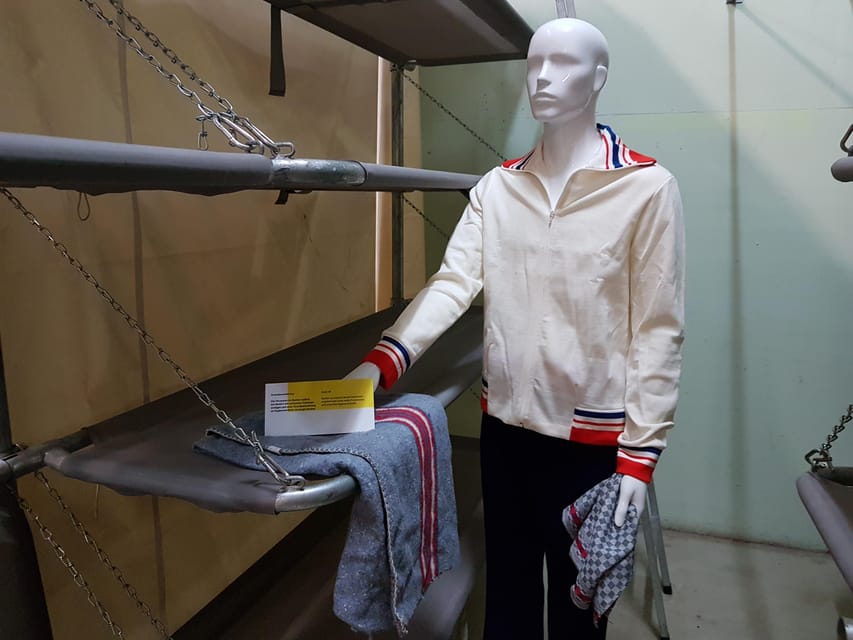
The most memorable part is the “how would you live here” moment. You are encouraged to experience the conditions through a simple action: lie down on a pallet or sit as you imagine what it would feel like to be cooped up with several hundred people.
That single shift, from reading about protection to physically responding to the idea of crowded shelter, does more than add drama. It helps you understand the emotional side of preparedness. Even a well-designed bunker is still a cramped, stressful environment. You are not just escaping a hazard. You are enduring confinement under threat.
It also makes the purpose of the bunker more believable. The facility was meant for acute situations, including travelers in transit. A setup that assumes packed conditions fits that mission.
If you love history, you will enjoy the exhibits. If you love practical empathy, you will probably remember the pallet moment longer than the nuclear comparison visuals.
Practical preparedness theme: the bunker makes you ask Are you ready?
One of the tour’s underlying threads is civilian protection and readiness. It asks, in plain terms, whether you are prepared for a scenario where the threat is extreme and the time window is short. The bunker itself is a physical reminder that people once planned for such scenarios with serious intent.
As you move through the exhibits, the story keeps pointing back to planning. How do you protect people who did not sign up for anything? What do you do when the nature of the threat keeps evolving? And how do you protect not only from nuclear risk, but also from biological and chemical dangers?
You leave with more than facts. You leave with a better mental model of how fear becomes policy. That is what makes the tour more than a novelty stop under a train station.
Price and value: is $15 worth 75 minutes underground?
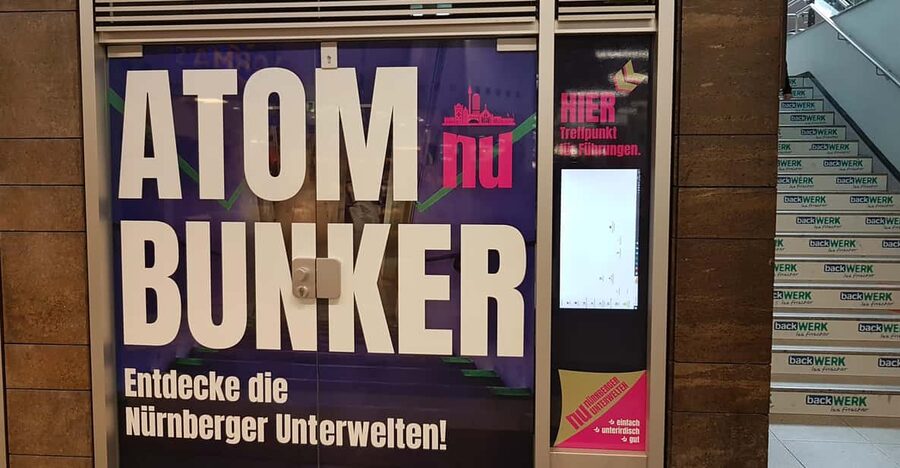
At about $15 per person, this tour is priced like an accessible museum visit, not a specialty private experience. For that money, you get two big value components that matter: entry to the bunker and a live guide. The guide is the difference between skimming exhibits and actually understanding what you are looking at, including the parts that try to compare nuclear weapon eras.
You also get a tightly managed 75-minute format. That is enough time for context plus the hands-on portion, without turning into an all-day commitment you might resent later.
What is not included is also important. You will need to handle transportation and plan for food and drinks separately. There are restrictions inside, including no food or drinks, so treat it like a guided indoor session rather than a place to grab a snack and linger.
If you are already spending time in central Nuremberg, this ticket price can feel like a smart use of time because you get a rare, specific experience in one go.
Rules and reality checks before you book
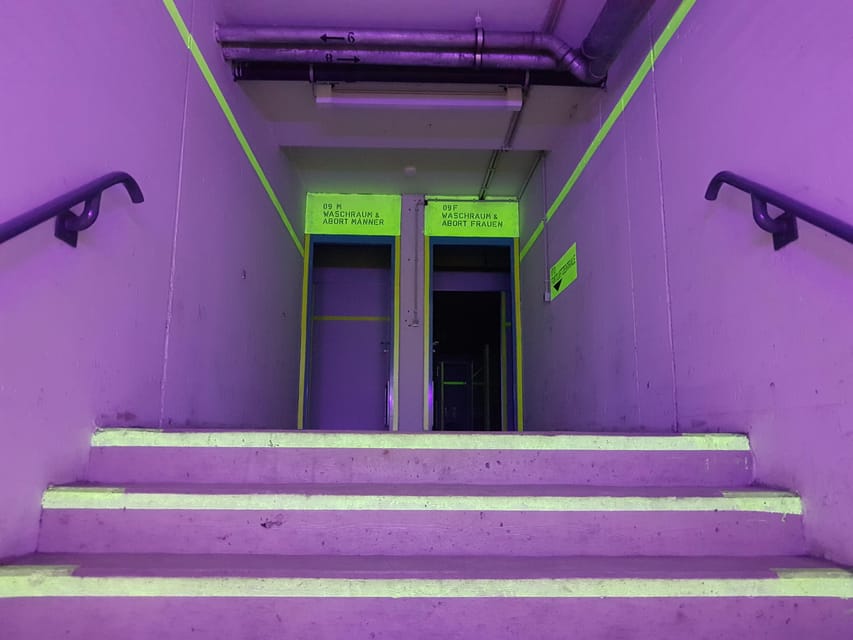
A few practical restrictions shape the experience:
- No smoking
- No food or drinks
- No luggage or large bags
- Pets are not allowed (assistance dogs allowed)
- No selfie sticks
- Do not touch the exhibits
Also, this tour is not suitable for:
- Children under 8
- People with mobility impairments
- Wheelchair users
- People with claustrophobia
That last point is not just a polite disclaimer. The whole concept is confinement. If you know tight spaces bother you, skip this and pick another stop in Nuremberg.
Who should take the Nuremberg nuclear bunker tour
This is a good match for you if you want:
- A guided lesson in Cold War civilian protection, not just general WWII facts
- An unusual way to connect a major European transit hub with history below ground
- A short, structured tour that still includes an embodied moment (pallet or sitting experience)
It is not the right choice if:
- You need wheelchair access or have significant mobility limitations
- You are sensitive to claustrophobic environments
- You are traveling with a lot of luggage or want to stop for snacks during the visit
Booking decision: should you go?
If you like history that connects to real life, and you are comfortable with an underground setting, I think you should book. This tour offers a rare pairing: a modern-era bunker concept explained clearly, plus exhibits that try to make nuclear progression understandable, and a hands-on moment that makes the conditions feel real.
If you are claustrophobic, wheelchair-bound, or you are traveling with restrictions that make underground confinement hard, then it is better to pass. No shame in that. The bunker is exactly what it says it is, and the experience is designed around that physical reality.
FAQ
FAQ
How long is the nuclear bunker tour in Nuremberg?
The tour lasts 75 minutes.
Where do I meet for the tour?
Enter the station through the main portal, go to the main hall, then take the escalators down. At the foot of the escalator stairs, turn sharply right to find the bunker entrance on the right wall. Wait directly at Yorma’s restaurant for the tour to begin.
What does the ticket price include?
Your ticket includes the nuclear bunker entry fee and a live guide.
Is food or luggage allowed inside?
No food and drinks are allowed, and luggage or large bags are not allowed.
Who is this tour not suitable for?
It is not suitable for children under 8, people with mobility impairments, wheelchair users, or people with claustrophobia.
Does the tour run in bad weather?
Yes, the tour takes place rain or shine.
More Train Experiences in Nuremberg
- Nuremberg: City Tour with the Bimmelbahn Train
★ 4.4 · 2,475 reviews - Dachau Concentration Camp Memorial Site Tour from Munich by Train
★ 4.5 · 5,637 reviews - Würzburg: City Tour with the Bimmelbahn Train
★ 4.4 · 1,322 reviews - Regensburg: City Tour with the Bimmelbahn Train
★ 4.3 · 1,010 reviews
Newest Nuremberg reviews on the site
- Tour en español al Campo Zeppelin★ 5.0 · 8 reviews
- Tour del tercer Reich por Núremberg en español★ 4.6 · 27 reviews
- Stein: Public guided tour of the “Old Mine” museum★ 4.5 · 18 reviews
- Nürnberg: Private JGA mit 4 Stopps + Clubeintritt + Shots★ 3.6 · 5 reviews
- “Rotes Bier” and “Blaue Zipfel”. A historical-culinary walk★ 4.4 · 190 reviews
- Outdoor escape with puzzle backpack in Nuremberg: The master’s legacy★ 4.6 · 5 reviews
- Nuremberg: Old Town Guided Tour By Bus★ 4.4 · 198 reviews
- Nuremberg: Bar and Club Tour with Free Shots and Free Entry★ 3.8 · 23 reviews
Third Reich & Cold War Tours, compared.
Berlin’s Best: 2 Hour Walking Tour Third Reich and the Cold War
Read our review →
Third Reich Berlin: Hitler and WWII Walking Tour
Read our review →
Skip-the-Line: Berlin Wall Museum at Checkpoint Charlie
Read our review →
Browse the lists this tour appears in