
Reviewed · WALKING TOURS
Munich: Private Half-Day Guided Walking Tour
Munich is a city you can read on foot. This private half-day walk connects Marienplatz, the Frauenkirche, and the Residenz area with straight answers about power, art, and World War II. It also keeps you moving through today’s Munich moments, including the Eisbach Surfers.
I especially like that the tour is private and led by a bilingual local guide who can shape the pace to your interests. One guide example I found compelling is Julian, described as having lived in Munich for around 40 years, so the explanations land with real local context. If you want iconic sights without turning it into a museum marathon, this format fits well.
One drawback to consider: with a 4-hour window and a long list of stops, you’ll be outside most of the time and you should expect quick looks at some landmarks rather than extended inside visits.
In This Review
- Key Highlights You’ll Actually Feel
- Why This Half-Day Tour Works So Well
- Meeting Your Guide Starts at Your Door
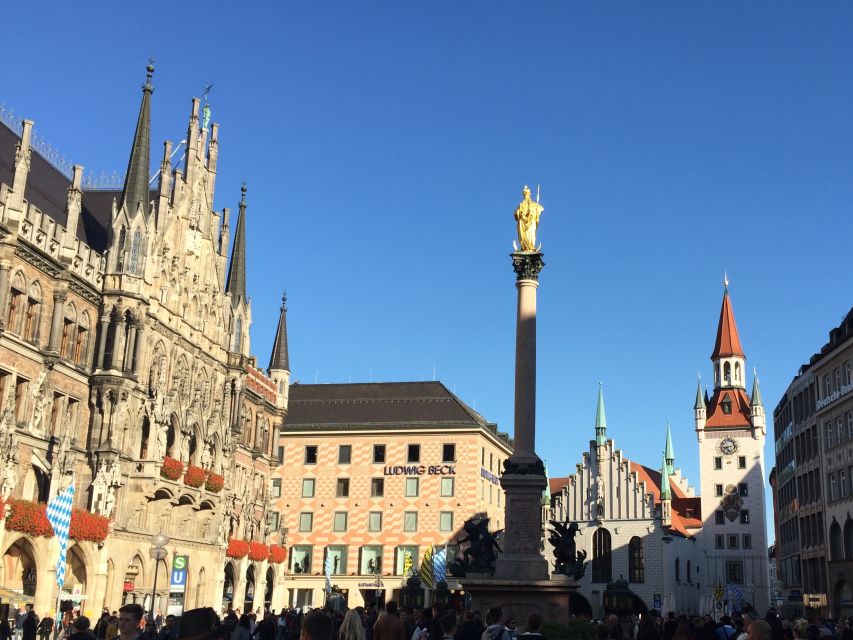
- Marienplatz and Rathaus: The Square Where Munich Announces Itself
- Frauenkirche and Church Architecture That Actually Means Something
- Viktualienmarkt: Munich’s Food Market as a History Clue
- Residenz Palace and Hofbräuhaus: Rulers, Rituals, and Everyday Culture
- Synagogue and Assam’s Church: Faith, Identity, and City Memory
- WWII Linked Stops and the Eisbach Surfers: History Meets the Present
- English Garden Options If You Have Extra Time
- Schwabing, University of Munich Area, Königsplatz, and the Gallery Quarter
- Price and Value: Is $336 Fair for a 4-Hour Private Tour?
- Who This Tour Is Best For
- Should You Book This Private Half-Day Guided Walk?
- FAQ
- How long is the Munich private walking tour?
- Where does the tour start and end?
- Is the tour private?
- What language is the guide?
- Is food or drinks included?
- Is transport included?
- Is the tour wheelchair accessible?
- What is included in the price?
- Is there flexibility to cancel or delay payment?
Key Highlights You’ll Actually Feel
- Hotel start and end, so you can plan around an easy meeting point
- Headsets for larger groups, which helps if you have trouble hearing in open squares
- Marienplatz to Viktualienmarkt routing, a fast way to understand the Old City layout
- Frauenkirche and other churches used as architecture lessons, not just photo stops
- Residenz Palace and Hofbräuhaus pairing, mixing rule-making and everyday culture
- History plus modern Munich, including WWII-linked places and the Eisbach Surfers
Why This Half-Day Tour Works So Well
This tour is built for people who want the meaning of Munich, not just the postcard checklist. In about four hours, you cover the core Old City area and several landmarks tied to ruling dynasties, major European art and architecture, and the city’s most difficult chapters. That combination matters, because Munich’s buildings are not random. They are answers to who held power, what mattered, and what people tried to forget.
You also get a guide who can connect the dots out loud. That is a big part of the value here. Without guidance, the city can feel like a sequence of squares and façades. With a guide, those same streets start to read like a story.
And because it is private, you avoid the “stuck behind someone who wants every angle” problem that can slow you down on group walks. You can ask follow-up questions, and the guide can adjust the emphasis if your interests lean more toward art, politics, or architecture.
More Walking Tours in Munich
- Munich: Third Reich & WWII Walking Tour
★ 4.6 · 6,181 reviews - Third Reich Walking Tour Munich
★ 4.5 · 4,291 reviews - Munich: Old Town & Viktualienmarkt City Walk in German
★ 4.7 · 2,304 reviews
Meeting Your Guide Starts at Your Door
The tour starts with pickup from your accommodation in Munich and ends back at your lodging. That alone can save you time and stress. You do not need to figure out trams or where to rendezvous with a big group. You simply show up at your hotel, and the walk begins.
The guide is bilingual, and the tour language is English. There is also wheelchair accessibility. That does not mean every single curb or street corner is effortless, but it tells you the route and logistics are planned with access in mind.
One practical note I would plan for: the tour does not include transport, food, or drinks. So you’ll want to eat before you go, or be ready to grab something after. If you are the type who likes a mid-walk snack, bring a small one in your day bag.
Marienplatz and Rathaus: The Square Where Munich Announces Itself
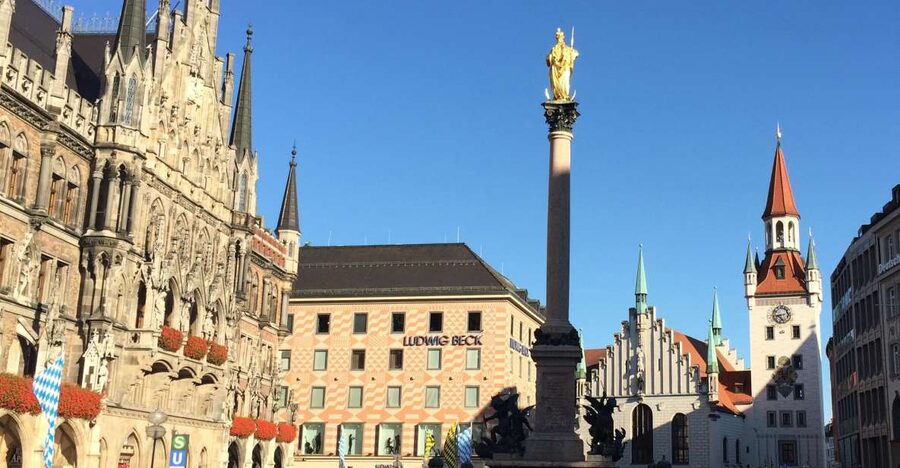
Your morning or afternoon kicks off in the Old City, centered on Marienplatz. This is where you get instant orientation. The square’s scale, layout, and nearby civic building make it clear why Munich grew around power and commerce at the same time.
From there, you move toward the Town Hall (Rathaus). Your guide uses stops like Rathaus to explain how municipal authority and dynastic power shaped the city’s public face. Even if you do not care about political history, this is the part that teaches you how Munich wants to look. You start seeing the design choices that reinforce legitimacy and importance.
If you love photos, Marienplatz is where you can capture classic angles quickly. If you do not love photos, you still benefit, because this is the anchor point that helps the rest of the route make sense.
Frauenkirche and Church Architecture That Actually Means Something
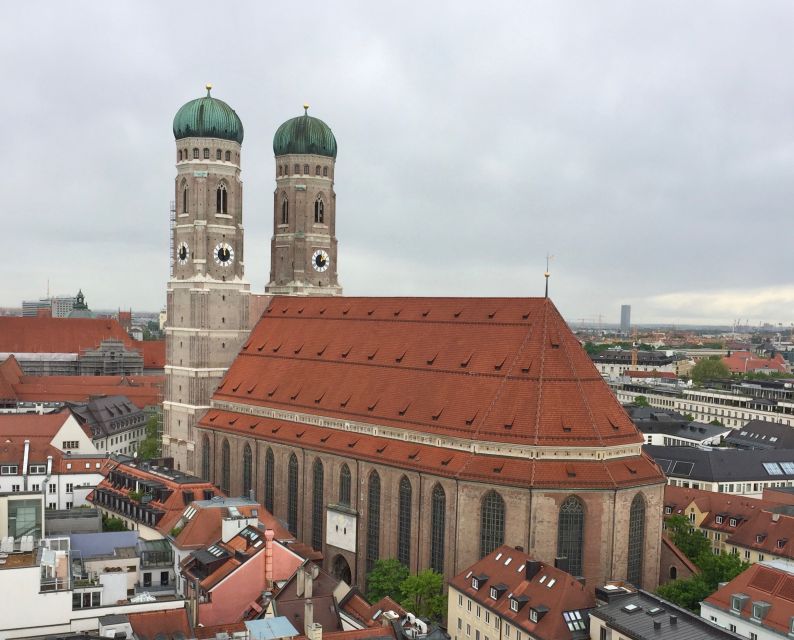
The tour includes Frauenkirche (Church of Our Lady). This is one of those stops where a short look can turn into a better understanding if your guide points out what to notice. You are not just scanning for towers and domes. You’re learning how church design communicated status, belief, and artistic priorities.
The plan also includes other church stops such as St. Peter’s Church. On foot, these places work like architecture flash cards. The guide can point out how different eras expressed meaning through form. That makes the walk more than sightseeing because you start to recognize patterns, not just landmarks.
A good tip for this section: wear comfortable shoes and give yourself a few seconds to step back before taking pictures. Churches often reward a slightly wider view, and you’ll find it easier to appreciate the details if you pause rather than rushing forward.
Same city, a different way to spend the afternoon:
- From Munich: Neuschwanstein & Linderhof Castle Full-Day Trip
★ 4.6 · 14,646 reviews - Neuschwanstein & Linderhof Castle-Fairytale Day Tour from Munich
★ 4.5 · 7,275 reviews - Dachau Concentration Camp Memorial Site Tour from Munich by Train
★ 4.5 · 5,637 reviews - Neuschwanstein Castle Tour from Munich
★ 4.5 · 5,117 reviews
Viktualienmarkt: Munich’s Food Market as a History Clue
After the civic core, the route moves toward Viktualienmarkt, Munich’s well-known market area. Here, the value is not only the market vibe. It’s how markets reveal daily life, trade patterns, and how communities gathered close to major landmarks.
Your guide can connect this market stop to broader themes like economic life and how Munich’s city center operated year-round. It’s an easy transition from royal or civic buildings to ordinary routines. If you want proof that history is not only in palaces, markets are a strong clue.
If you plan to stop for a snack, this is your best moment. Food is not included, but the timing of Viktualienmarkt makes it a practical place to refuel without disrupting the rest of the tour.
Residenz Palace and Hofbräuhaus: Rulers, Rituals, and Everyday Culture
Two of the biggest landmarks on the route are the Residenz Palace and the Hofbräuhaus. Put together, these create a useful contrast.
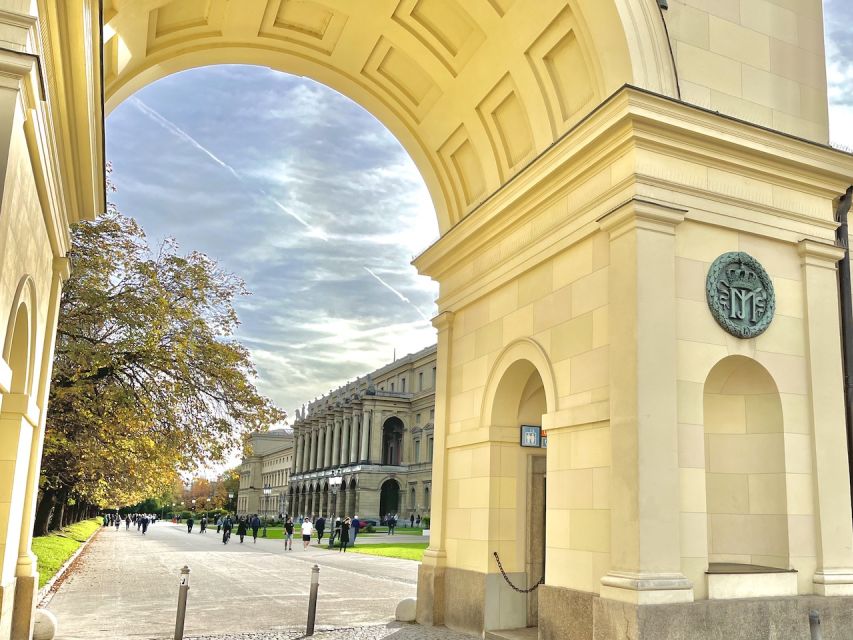
At the Residenz, you’re looking at the architecture of rule. This is where the guide can connect dynasties, art, and how power was staged through stone and space. Even if you only see exterior views, you learn what the building is trying to say about status and authority.
Then comes Hofbräuhaus, which helps you balance that story with the city’s social life. Beer halls matter in Munich because they are public spaces where culture and community habits repeat over generations. Your guide can explain how that tradition fits into the city’s identity, so you don’t treat it as a random stop for a souvenir photo.
If you are worried about mixing heavy history with casual culture, this pairing is actually a strength. It reflects Munich itself: the city holds serious chapters and everyday routines in the same neighborhoods.
Synagogue and Assam’s Church: Faith, Identity, and City Memory
The route includes the Munich synagogue and Assam’s Church. It also references Maximilian Street (Maximillians St.) as part of the walk through major landmarks.
These stops matter because they add layers beyond “the famous ruler sites.” Churches, synagogues, and street corridors show how different communities existed side by side in the city’s long timeline. With the guide’s explanation, you can understand architecture as identity, not just style.
This section also helps you see the city in a more human way. When you learn what buildings meant to the people who used them, you start to read the Old City differently.
WWII Linked Stops and the Eisbach Surfers: History Meets the Present
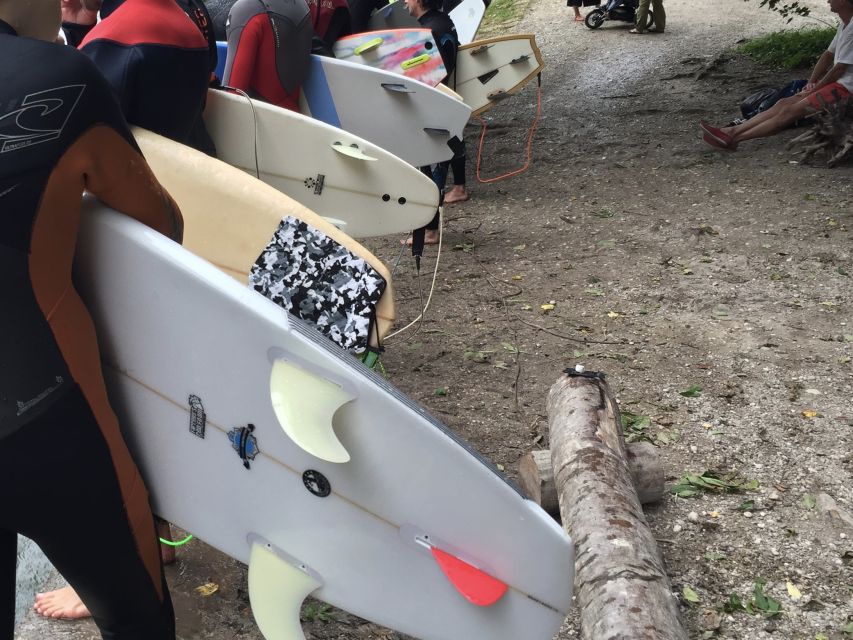
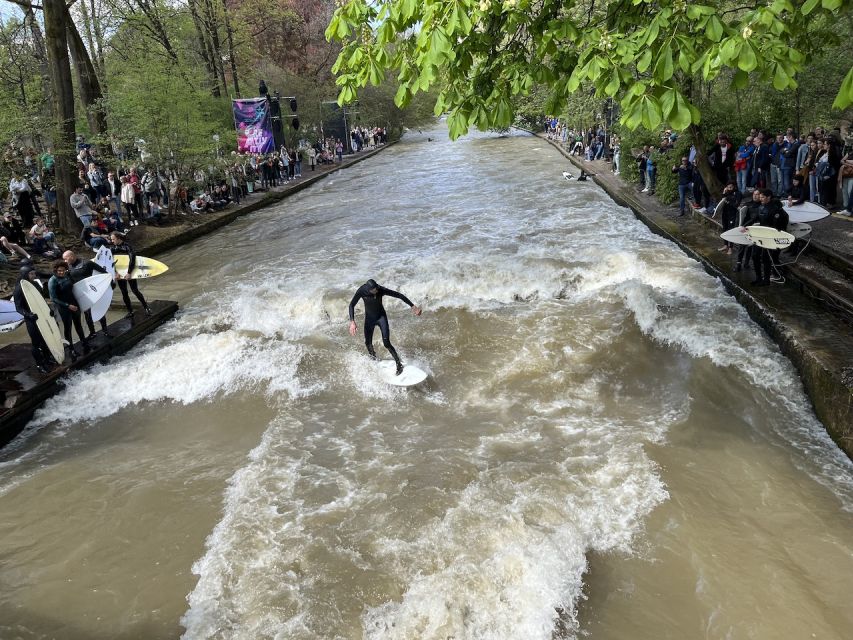
The tour includes places tied to the city’s Nazi-era remnants and World War II context. It also stops at the Eisbach Surfers, which is one of Munich’s most unexpected modern scenes. Yes, surfers in a river are a real thing here, and your guide includes it because Munich’s present life continues around difficult history.
This is a thoughtful way to structure a walking tour. You do not just skim famous buildings and move on. You get a reminder that the same streets have carried both tragedy and survival. Then you switch gears to the current street-level energy, which helps the city feel real instead of frozen in the past.
A practical caution: when a tour includes WWII-linked context, you may want to take notes or plan for a moment to reset if the subject hits heavy. A half-day pace can feel fast, so slow down mentally even if your feet keep moving.
English Garden Options If You Have Extra Time
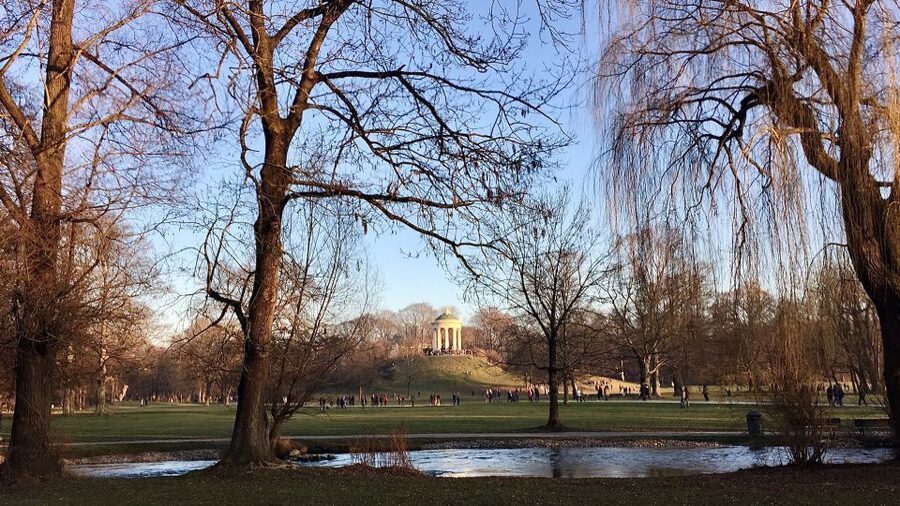
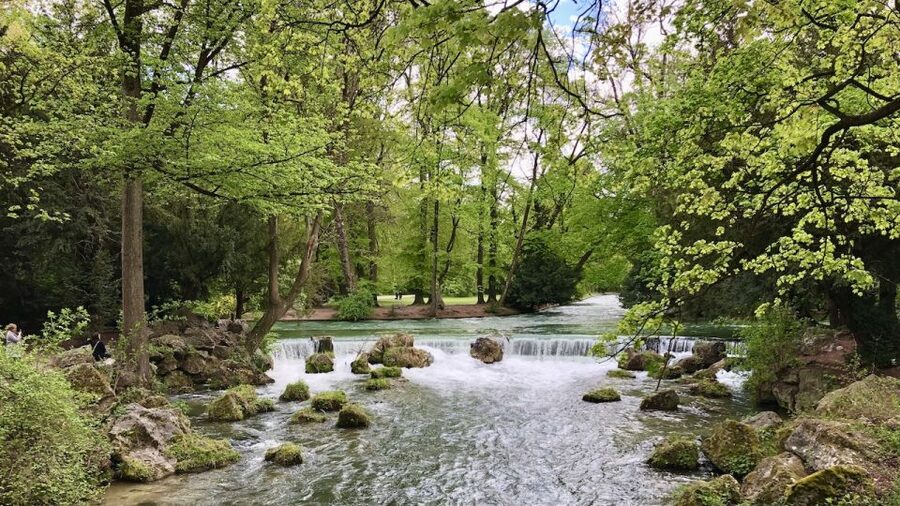
There is a chance to see parts of the English Garden, depending on time. The included options mention Monopterus, the Japanese Tea House, the Chinese Tower Beer Garden, and the Lake House.
This matters because it gives your tour a breather. After dense Old City architecture and historical stops, park scenery changes the rhythm. If you are the kind of person who likes your sightseeing to include a little air and space, this extension can be a smart bonus.
Keep in mind: your guide chooses what fits. So if English Garden views are a top priority, it’s worth telling the guide your preference early on when you start.
Schwabing, University of Munich Area, Königsplatz, and the Gallery Quarter
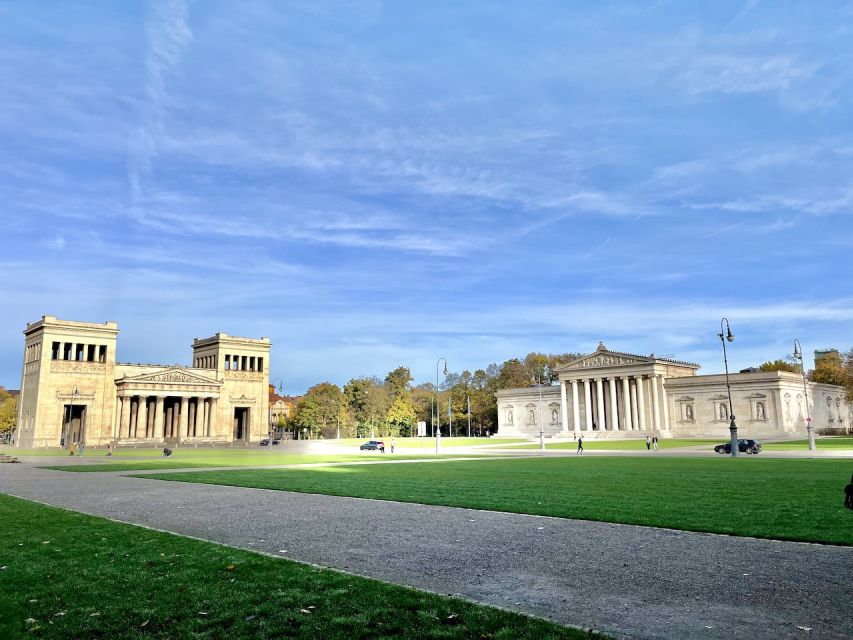
The route moves through Schwabing and the University of Munich area, described as connecting scenes of great tragedy and triumph. From there, you go to Königsplatz and the Gallery Quarter.
These are not just “pretty squares” on the map. With guidance, they can become a framework for understanding how Munich remembers its losses and celebrates recovery. Architectural style and open space design still matter, but the tour uses them as context for memory.
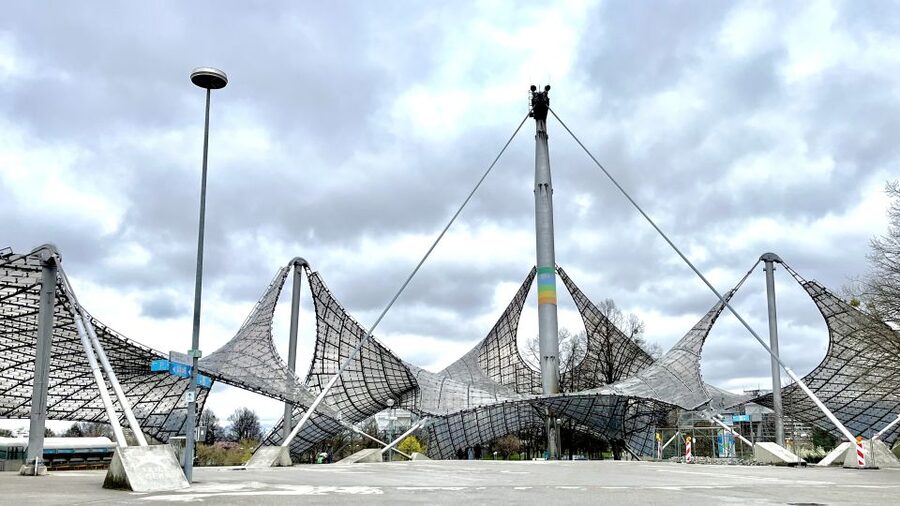
Königsplatz is a key cultural area, and it pairs nicely with a route that already included major royal and civic landmarks. By the time you reach it, you can see a pattern: public spaces in Munich were designed for more than movement. They were built for meaning.
Price and Value: Is $336 Fair for a 4-Hour Private Tour?
At $336 per group up to 35, the price structure can look confusing at first. The real question is value, not just cost.
Here’s the value logic I see:
- You get a private walking tour, led by a local guide, not a fixed script.
- You get a tight 4-hour route that hits many high-impact landmarks without requiring you to plan the day around logistics.
- Hotel pickup and drop-off mean you spend less time figuring out transport and more time on the walk itself.
- A guide explanation is included, and the tour can include headsets for larger groups, which helps the experience stay pleasant.
If you’re traveling as a small group, you still benefit from the private nature and the guide attention. If your group is larger (up to the stated maximum), the headset note suggests the provider anticipates hearing and comfort issues, which you can think of as part of the value.
One consideration: meals and drinks are not included. If you would normally budget for a guided tour plus a meal, you may want to plan where you’ll stop on your own.
Who This Tour Is Best For
This is a great fit if:
- You want a first-time Munich orientation that actually explains what you’re seeing
- You like history that stays connected to buildings and street layout
- You care about WWII context but still want the city’s present life included
- You prefer a guide who can adapt the pacing and focus
It might be less ideal if:
- You want long museum time inside major sites
- You want a slow, unhurried stroll with lots of free time at each stop
- You need a fully seated or minimal-walking experience. Even with wheelchair accessibility noted, this is still a walking route.
Should You Book This Private Half-Day Guided Walk?
I think this tour is worth booking if you want to maximize your Munich time and get sense-making context for the city’s most important landmarks. The combination of Marienplatz and Frauenkirche, the Residenz and Hofbräuhaus contrast, and the inclusion of WWII-linked stops plus the Eisbach Surfers makes the route feel like Munich, not just a list of famous sights.
If you book, do one small thing to improve your experience: decide what you care about most before you start, history, architecture, or city life. Then tell your guide early. With a guide like Julian, described as a long-time Munich resident with deep familiarity, you’ll likely get more out of the walk because the explanations can match your interests.
FAQ
How long is the Munich private walking tour?
It lasts 4 hours.
Where does the tour start and end?
The tour includes hotel start and end. The guide meets you at your accommodation in Munich and then returns you to your lodging at the end.
Is the tour private?
Yes, it is a private group walking tour.
What language is the guide?
The live guide is English, and the guide is described as bilingual.
Is food or drinks included?
No. Food, drinks, and snacks are not included.
Is transport included?
No. Transport is not included.
Is the tour wheelchair accessible?
Yes, the tour is listed as wheelchair accessible.
What is included in the price?
Included: hotel start and end, a bilingual local guide, and the private walking tour.
Is there flexibility to cancel or delay payment?
The activity lists free cancellation up to 24 hours in advance for a full refund, and a reserve now & pay later option.
Newest Munich reviews on the site
- Munich – the essential walking tour★ 5.0 · 30 reviews
- Munich Beer and Bavarian Bites Small-Group Tour★ 5.0 · 167 reviews
- Munich to Prague – Private Transfer with 2 hours of Sightseeing★ 5.0 · 6 reviews
- 800 Years of History: A Munich GPS Audio Tour★ 4.5 · 12 reviews
- Munich in the 3rd Reich and WW2 private walking tour★ 5.0 · 148 reviews
- Munich Food Tour with Full Meal & Drinks by Do Eat Better★ 5.0 · 59 reviews
- Munich Scavenger Hunt and Sights Self-Guided Tour★ 4.5 · 8 reviews
- Munich Christmas Market Small Group Tour with Gingerbread Heart★ 4.0 · 9 reviews
Walking Tours, compared.

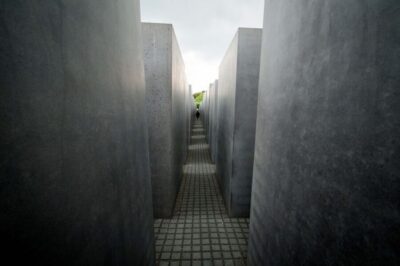
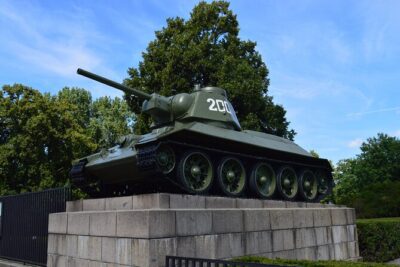
Berlin’s Best: 2 Hour Walking Tour Third Reich and the Cold War
Read our review →
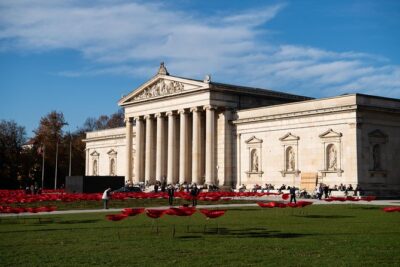
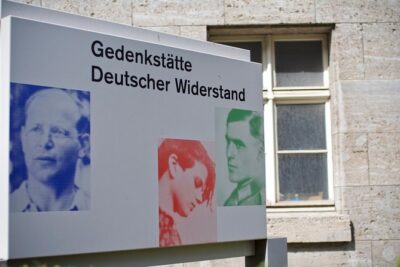
Third Reich Berlin: Hitler and WWII Walking Tour
Read our review →Browse the lists this tour appears in