
Reviewed · WALKING TOURS
Munich: Highlights Walking Tour with a Guide
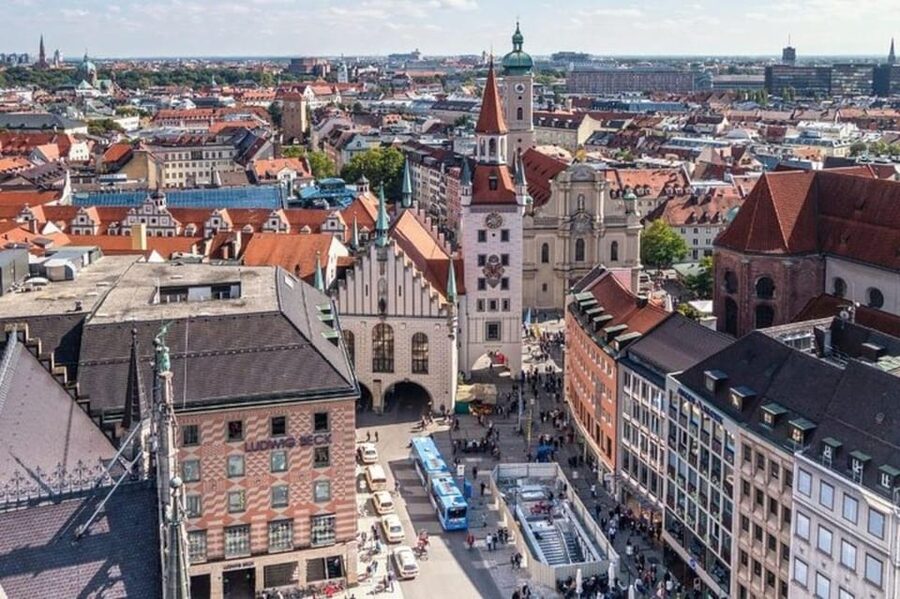
Old Town in Munich is best when someone points things out. This 3-hour highlights walk is built around major sights and practical local advice, so you can get your bearings fast. It’s especially handy if you want a tight route without spending your whole trip checking maps.
Two things I like a lot: you get to see the top landmarks you came for, and you also learn what to do next from a guide who knows where the time sinks are. The only real drawback to consider is that the route includes church stops, and if you are not into religious architecture or war-damage stories, you should set expectations with your guide early.
In This Review
- Key things to know before you go
- Why this 3-hour Munich highlights route works
- Starting at Marienplatz 15, then getting oriented fast
- Marienplatz and the Glockenspiel: plan your timing, not just your photos
- Frauenkirche: a major cathedral stop without needing to be religious
- Rathaus-Glockenspiel: history you can actually connect to the city
- Hofbräuhaus: beer hall energy with real-world Munich trivia
- Odeonsplatz: beauty plus a hard historical layer
- Residenz: royal power, close to the city you explore now
- Viktualienmarkt: a smart pass-by that sets up your next meal
- Price and value at about $53 for 3 hours
- Language options and group style you should match to your trip
- One thing to watch: timing and balance between churches and palaces
- Should you book this Munich highlights walking tour?
- FAQ
- Where does the tour start?
- How long is the Munich Highlights Walking Tour?
- What major sights are included?
- When does the Glockenspiel perform?
- Is food or drink included?
- What is included in the price?
- What languages are available?
- Can I cancel or book flexibly?
Key things to know before you go
- Private and customizable walking tour for a more tailored pace
- Marienplatz timing around the Glockenspiel shows (March to October)
- Historic stop variety, from Frauenkirche to Hofbräuhaus and the Residenz
- Odeonsplatz context, including its 1930s to 1940s history
- Viktualienmarkt in the mix, so you get food-market ideas on the way through
- Multilanguage live guide, with English, French, Spanish, Italian, and German options
Why this 3-hour Munich highlights route works
Munich can feel spread out if it is your first day, and you can burn time just moving between “important” places. This tour keeps things focused: in about 3 hours, you cover a chain of classic Old Town stops that most visitors want, plus a couple of spots that help you understand the city beyond postcards.
I like this format because it is not trying to be an all-day museum crawl. Instead, it’s designed for orientation and momentum. You start in the core around Marienplatz, you hit the big-name landmarks you are likely to remember later, and you end back at the central area so you can keep exploring when you still have energy.
The best value is not just the sights. It is the guide’s “what next” advice. Even if you already have a plan, Munich will hand you choices fast, and you will appreciate someone pointing you to the best fit for your time and interests.
More Walking Tours in Munich
- Munich: Third Reich & WWII Walking Tour
★ 4.6 · 6,181 reviews - Third Reich Walking Tour Munich
★ 4.5 · 4,291 reviews - Munich: Old Town & Viktualienmarkt City Walk in German
★ 4.7 · 2,304 reviews
Starting at Marienplatz 15, then getting oriented fast
The meeting point is simple and central: in front of the Julia-Capulet-Statue, and the tour route is built around the Old Town loop that returns you toward Marienplatz 15. That matters because it reduces the awkward part of first-day touring, the part where you are both sightseeing and figuring out where you are.
You then begin at Marienplatz, which is Munich’s natural “hub.” If you want to feel like you understand the city in fewer steps, this is a smart way to do it. You are not just watching buildings, you’re learning how the pieces connect, and how each location fits into the city’s story.
One practical note: because the schedule is built around show times later in the walk, your pacing and timing can matter. If you have a hard requirement like seeing a specific Glockenspiel show, I’d treat that as a key point to confirm with your guide on the day.
Marienplatz and the Glockenspiel: plan your timing, not just your photos
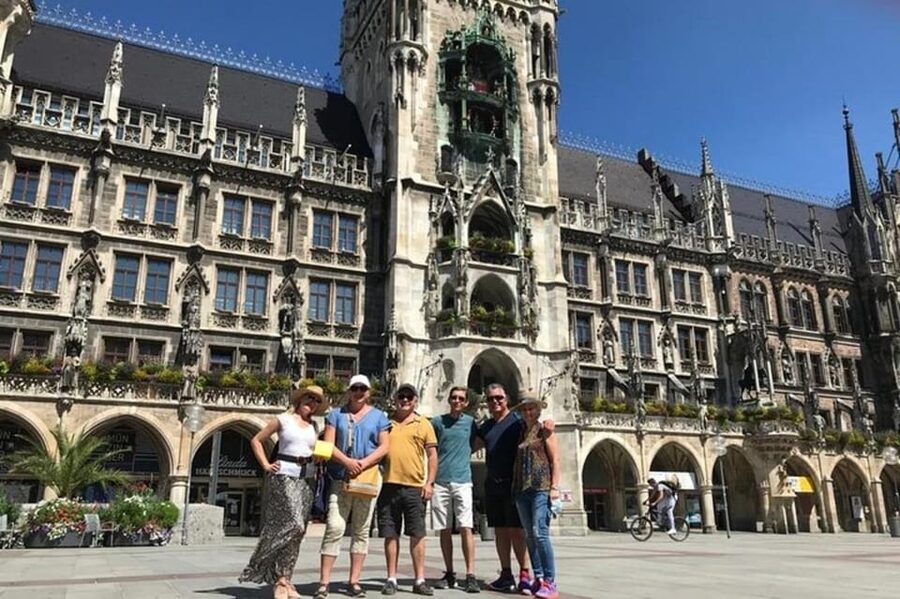
Marienplatz is where the tour earns its keep. You get a guided stop at Marienplatz, and you’ll have the chance to see the world-famous Glockenspiel performance at 11:00 am, 12:00 pm, and 5:00 pm from March until October.
This is one of those Munich experiences where “almost” seeing it is not the same as seeing it. If your visit overlaps March through October, it is worth aligning your day so you can catch at least one performance. A guided timing-focused approach is a big advantage here, because you are not guessing where to stand or when to be ready.
A realistic consideration: during a walking tour, you are balancing the needs of the group with the clock. If you care most about catching the 12:00 pm show, tell your guide up front and stay aware of timing as you move through the next stops. That attention to timing is what turns a good tour into a great one.
Frauenkirche: a major cathedral stop without needing to be religious
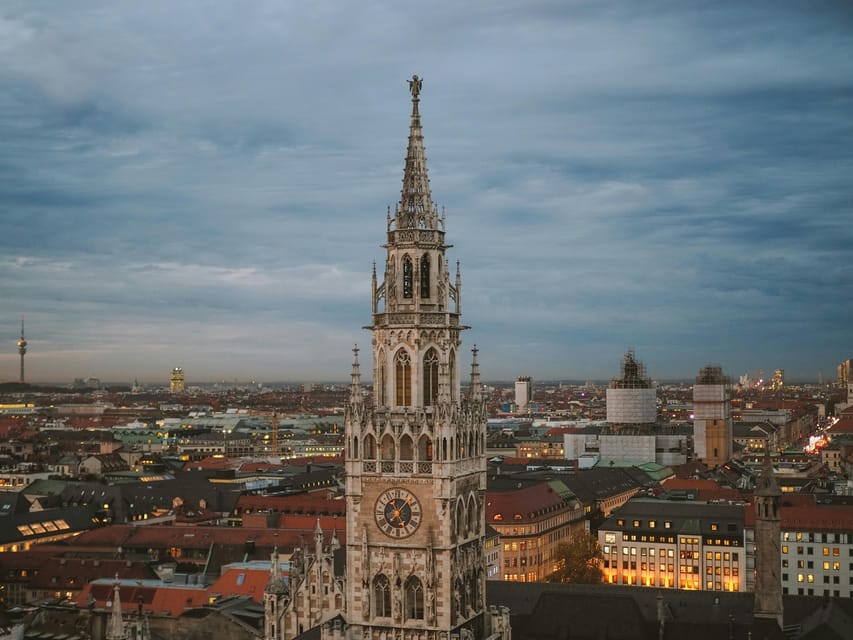
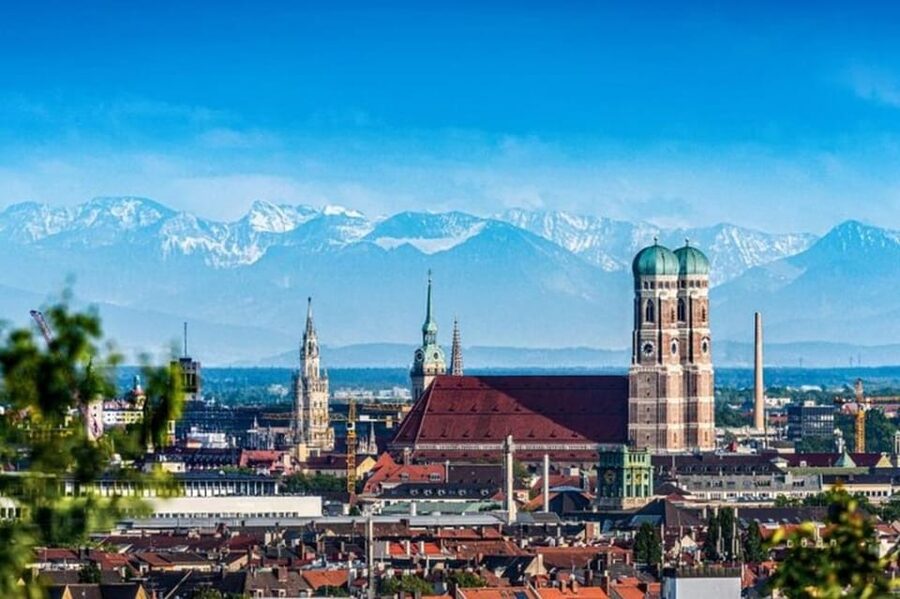
Next up is Munich Frauenkirche, described as the city’s largest church and a significant cathedral. This stop helps you understand why Munich’s Old Town feels “centered” on religion and power at the same time, even though modern visitors often show up for the atmosphere more than the theology.
I think this is a useful stop for most people because it sets a tone. You get a sense of what dominates the skyline, and you also get a clear reference point for the rest of the walking route. It’s also a good place to ask your guide to tailor the focus, especially if you prefer architecture and city history over religious themes.
One caution from real-world experience: church-focused narratives can take over if the guide leans heavily into that angle. If you are not interested in that kind of storytelling, bring it up early. You can usually guide a private tour by saying what you want more of, like civic life, royal history, or the beer hall side of Munich.
Same city, a different way to spend the afternoon:
- From Munich: Neuschwanstein & Linderhof Castle Full-Day Trip
★ 4.6 · 14,646 reviews - Neuschwanstein & Linderhof Castle-Fairytale Day Tour from Munich
★ 4.5 · 7,275 reviews - Dachau Concentration Camp Memorial Site Tour from Munich by Train
★ 4.5 · 5,637 reviews - Neuschwanstein Castle Tour from Munich
★ 4.5 · 5,117 reviews
Rathaus-Glockenspiel: history you can actually connect to the city
The tour then moves to the Rathaus-Glockenspiel, one of Munich’s most visited attractions. You’ll learn about its history and significance, which is exactly what makes this stop more than just a quick look.
I like Rathaus-Glockenspiel in a highlights itinerary because it ties together sound, symbolism, and civic pride. It’s also a nice contrast to Frauenkirche: you go from a sacred landmark to a city landmark. That mix keeps the tour from feeling like one long theme.
If you’re the type who enjoys context, this is a stop where you will likely feel the guide doing real work. Without explanation, it’s easy to treat a clock-and-figures attraction as purely decorative. With context, it becomes a window into how Munich presents itself.
Hofbräuhaus: beer hall energy with real-world Munich trivia
Then you head to the Staatliches Hofbräuhaus in München, the famous beer hall. This is where the tour shifts gears from landmark sightseeing to something very Munich: traditions that shaped daily life and visitor culture.
The guide also covers fun facts related to the beer purity law and the annual Oktoberfest. Even if you do not drink beer, these topics help you understand how beer became part of Munich identity in a way you can carry with you when you later walk into a beer garden or plan an Oktoberfest-era visit.
What I like here is that the beer hall stop gives you a break from “stand and look at buildings.” It’s still sightseeing, but it feels more grounded in the city’s everyday rhythm. Since the tour does not include food or drinks, you can also use this moment to decide whether you want a snack or a beer after the tour ends.
If you have dietary limits or you are not planning to stop for a drink, just treat Hofbräuhaus as a cultural stop. You’ll still get useful context.
Odeonsplatz: beauty plus a hard historical layer
At Odeonsplatz, the tour focuses on one of Munich’s most beautiful squares and discusses its history, including its use for Nazi rallies in the 1930s and 1940s.
This is the kind of stop that can make a highlights tour feel responsible instead of superficial. You are not only learning what looks good on a postcard. You are learning how public spaces were used, and why that matters.
A practical consideration: this is not a “happy history” stop. If you prefer lighter conversation, you can ask your guide how much time they want to spend here. In a tight 3-hour tour, you might want the balance to match your mood.
Residenz: royal power, close to the city you explore now
The tour visits the Residenz, described as the largest inner city palace in Germany and the ancestral home of the Wittelsbach Royal family of Bavaria. This stop adds the royal thread to the itinerary, which helps explain Munich’s blend of culture, politics, and architecture.
If you love palace interiors, you’ll probably want to spend longer here than a highlights walk allows. In a 3-hour tour, the Residenz works best as an overview. It gives you a strong sense of what the site is and why it matters, so you can decide later whether you want to come back for deeper exploring.
Also keep your priorities clear. Since the tour is timeboxed, you will get the most satisfaction if you tell your guide what you care about most. That way, you’re less likely to feel like you arrived at a must-see stop too late in the walk.
Viktualienmarkt: a smart pass-by that sets up your next meal
You also pass by Viktualienmarkt, described as the largest inner-city fresh food market in Germany. Even as a pass-by rather than a long sit-down, this stop is valuable because it “primes” you for what to eat and where to go next.
I like having a market in the itinerary because it shifts your brain from landmarks to practical travel. After you see it, you’ll have easier instincts for things like grabbing snacks, choosing a dinner vibe, or finding a grocery-style stop that makes travel smoother.
You don’t need this market to be a major time sink. A quick look plus guide context is often enough to point you in a good direction.
Price and value at about $53 for 3 hours
The price is $53 per person for a 3-hour guided walking experience. On paper, that sounds straightforward, but value depends on what is included.
Here’s what you are paying for:
- A live guide who leads the route through the main sights
- A walking tour focused on Old Town highlights
- The option for private and exclusive format (if you choose that option)
- Help from the team to book tickets for desired visits
What is not included is food or drink, so you should budget separately if you plan to stop at the Hofbräuhaus or eat afterward. For me, the big value driver is the “planning help” aspect, especially the guidance around what to prioritize and the ability to customize the route in a private setup.
If you are traveling solo and want someone to set the order of stops, this can be a time saver. If you are traveling in a group and want flexibility, the private option often makes the cost feel more reasonable because you get control over pacing and focus.
Language options and group style you should match to your trip
The guide is available in English, French, Spanish, Italian, and German, and the experience is listed as wheelchair accessible. There is also a private group option.
This matters because Munich’s highlights can be information-dense. A guide who can explain the why behind the what makes the stops more meaningful, especially at sites like Odeonsplatz and Residenz where context helps you see more than the surface.
On the group style: the “private and customizable” element is a real advantage if you want to spend more time where you care most, like the beer hall side of Munich or royal history. It also gives you a way to adjust if your interests are different from the standard highlights pattern.
One thing to watch: timing and balance between churches and palaces
Based on real-world experiences, the biggest risk with any highlights walk is mismatch between your interests and the guide’s focus. This tour includes multiple major stops that can feel “heavy,” especially church-related themes.
If you are not religious and you prefer architecture, civic life, or palaces, be direct early. Ask for a balance that matches you. A private tour gives you the best shot at getting that balance, but you still have to communicate.
Timing can also affect what you see in full. If your trip depends on catching a specific Glockenspiel performance window, treat that like a must. Confirm with your guide that the route plan lines up with that goal, and do not assume you will arrive exactly at the moment you want without coordination.
Should you book this Munich highlights walking tour?
I would book it if you want a fast, structured introduction to Munich Old Town with a guide who can connect the sights to what you should do next. The Glockenspiel timing, the Frauenkirche and Rathaus-Glockenspiel combo, the Hofbräuhaus context, and the Residenz royal angle make it a strong set of anchors for a first visit.
Skip or adjust it if your main interests lean away from church sites and you want the tour to focus more on palaces, squares, and food culture. In that case, tell your guide what you want to prioritize, and double-check timing around the show you care about.
FAQ
Where does the tour start?
You meet your guide in front of the Julia-Capulet-Statue.
How long is the Munich Highlights Walking Tour?
The tour lasts about 3 hours.
What major sights are included?
You’ll visit or pass by Marienplatz, Munich Frauenkirche, the Rathaus-Glockenspiel, the Staatliches Hofbräuhaus, Odeonsplatz, the Residenz, and the Viktualienmarkt.
When does the Glockenspiel perform?
From March until October, the Glockenspiel performs at 11:00 am, 12:00 pm, and 5:00 pm.
Is food or drink included?
No. Drink or food is not included.
What is included in the price?
The guide and the walking tour are included. Private and exclusive tour coverage is included if you select that option, and the team helps book tickets for desired visits.
What languages are available?
The live guide is available in English, French, Spanish, Italian, and German.
Can I cancel or book flexibly?
The tour offers free cancellation up to 24 hours in advance for a full refund, and it also offers a reserve now & pay later option.
Newest Munich reviews on the site
- Munich – the essential walking tour★ 5.0 · 30 reviews
- Munich Beer and Bavarian Bites Small-Group Tour★ 5.0 · 167 reviews
- Munich to Prague – Private Transfer with 2 hours of Sightseeing★ 5.0 · 6 reviews
- 800 Years of History: A Munich GPS Audio Tour★ 4.5 · 12 reviews
- Munich in the 3rd Reich and WW2 private walking tour★ 5.0 · 148 reviews
- Munich Food Tour with Full Meal & Drinks by Do Eat Better★ 5.0 · 59 reviews
- Munich Scavenger Hunt and Sights Self-Guided Tour★ 4.5 · 8 reviews
- Munich Christmas Market Small Group Tour with Gingerbread Heart★ 4.0 · 9 reviews
Walking Tours, compared.

Berlin’s Best: 2 Hour Walking Tour Third Reich and the Cold War
Read our review →
Third Reich Berlin: Hitler and WWII Walking Tour
Read our review →Browse the lists this tour appears in