

Reviewed · THIRD REICH & COLD WAR TOURS
Hitler’s Germany: Berlin During the Third Reich & WWII
Berlin keeps score, and this walk explains why. You get a tightly paced Third Reich to WWII route in central Berlin, plus expert guides known for native-level English and a story-first style, like Rebecca or Glen. Two big wins for me are the way you cover the Nazi power corridor outdoors and then take in Holocaust-era memory through major memorials. One consideration: the tour does not include guided entry into buildings, so it is best if you want context from the street level rather than interior exhibits.
The price is also a sweet spot for what you cover: 4 hours of guided interpretation for about $23, with a short metro hop and a museum break at Topography of Terror when you need a moment to reset. I’d also flag one logistics item, you will need a public transport ticket for the ride and walking segments.
In This Review
- Key highlights worth centering your day on
- Why this Berlin Third Reich route feels different from a basic sightseeing loop
- Meeting up in central Berlin and getting your bearings fast
- Anhalter Bahnhof and the power of starting at what WWII destroyed
- The Nazi government district walk, from air force HQ to SS and Gestapo power
- Topography of Terror and the value of a focused museum break
- Goebbels, the T4 euthanasia program, and the Holocaust, tied to what you see
- Memorials near the Tiergarten: Sinti and Roma, plus 1933 political arrests
- The Reichstag finish: Germania, Speer’s plan, and the Battle of Berlin
- Price and time: is $23 worth a 4-hour Berlin history tour?
- Who this tour is best for, and who might want a different option
- Should you book this Hitler’s Germany, Berlin walk?
- FAQ
- How long is this tour?
- How much does the tour cost?
- What languages is the guide speaking?
- Do you go inside buildings during the tour?
- Do I need a public transport ticket?
- What happens at the Topography of Terror stop?
Key highlights worth centering your day on
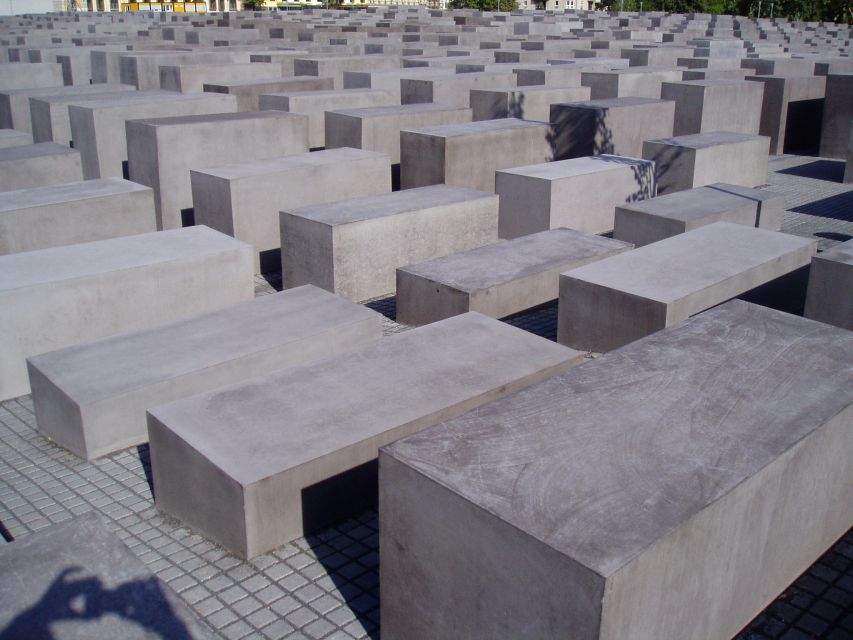
- A route that connects the Nazi government district to WWII outcomes instead of treating sites like disconnected postcards
- Expert guides with native-level English, with many praised for keeping groups engaged and answering questions (for example, Jonathan N and Emma)
- Topography of Terror area stop after you walk past the former Gestapo and SS headquarters zone
- Tiergarten memorial stops, including the Sinti and Roma Victims of National Socialism and a memorial tied to 1933 political arrests
- Reichstag finale, including the Germania redesign idea and the Battle of Berlin story at the exact place it played out
- Smaller-group feel in practice, since at least one booking notes a group size of 9
Why this Berlin Third Reich route feels different from a basic sightseeing loop
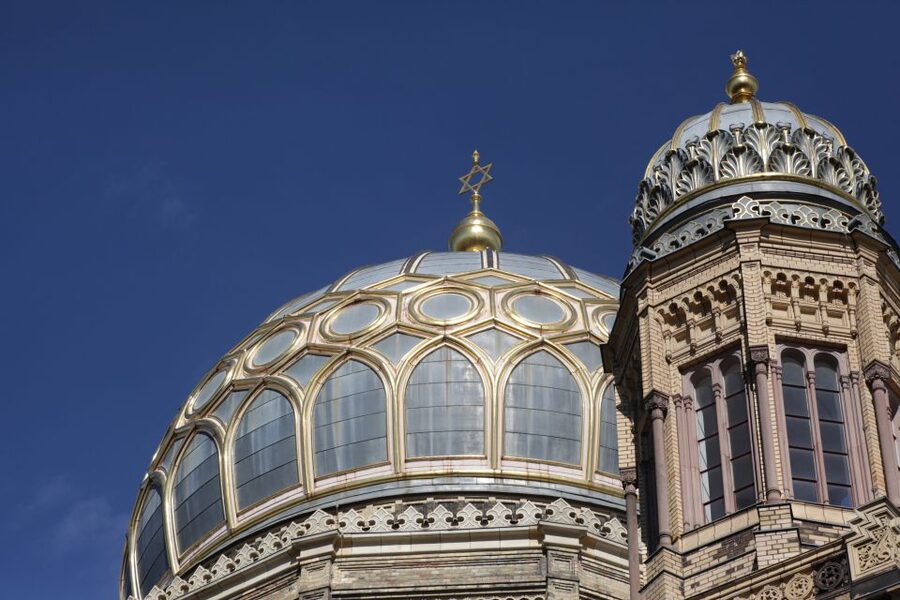
Berlin has lots of history. The trick is getting the threads connected, so the city stops feeling like a scrapbook. This tour aims to do that by moving through the physical geography of Nazi rule, from train infrastructure and ministry buildings to the Gestapo and propaganda machinery, and then finishing with the Reichstag during the endgame of WWII.
What I like most is how the pacing balances horror with meaning. You do not just point at plaques. The guide frames why each place mattered, and you get reminders along the way that persecution, propaganda, and violence were not abstract ideas. Even when the topic is grim, the tone in the reviews repeatedly hits the same note: serious material, handled carefully, and explained clearly enough that you can actually follow it.
The second big strength is the guide quality. Multiple named guides are praised for making history feel alive, including Rebecca, Glen, Jonathan N, Emma, and Artie. One review specifically notes a historian guide using maps, photos, and documents, which is a smart way to keep your brain oriented when you’re walking through a modern city that still looks nothing like 1930s Berlin.
More Third Reich & Cold War Tours in Berlin
- Berlin: Third Reich and Cold War 2 Hour Walking Tour
★ 4.9 · 6,830 reviews - Berlin: Berlin Story Bunker Entry Ticket
★ 4.6 · 6,759 reviews - Berlin’s Best: 2 Hour Walking Tour Third Reich and the Cold War
★ 5.0 · 5,486 reviews
Meeting up in central Berlin and getting your bearings fast
You meet your guide in central Berlin, and from there the day runs as a real city walk, not a museum-only day. If you book shared, you’ll join other people on the route. If you want control over pace and questions, private is available.
Right away, the guide sets the stage with the Nazi decimation of Berlin’s nearby Jewish district. This matters because it keeps the story from feeling like it jumps between unrelated locations. Instead, you start with the human target, then you follow how the regime built the machinery to harm, control, and erase.
Then comes a short metro ride to begin the walking portion near Anhalter Bahnhof. That quick transit break does two useful things. First, it saves time. Second, it reinforces how quickly Nazi-era Berlin moved people and supplies, long before the war wrecked the city.
Anhalter Bahnhof and the power of starting at what WWII destroyed
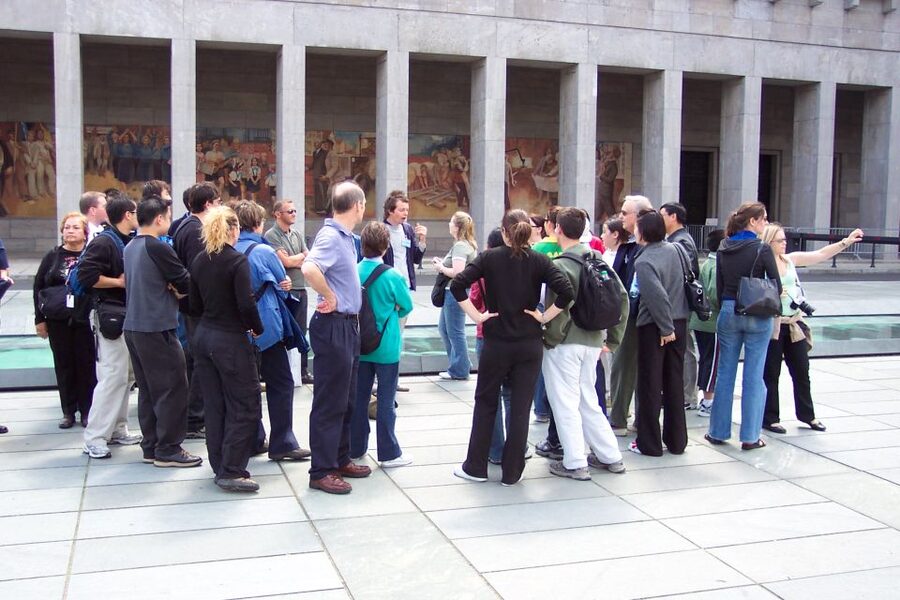
Your first major stop is the site of Anhalter Bahnhof, a huge train station that was destroyed in WWII. Even if you think you know Berlin already, it is worth starting here because rail infrastructure was part of how the Nazi state functioned. It was about moving people, goods, and power fast.
A station site also gives you a natural “time shift.” You’re walking in a modern city, but you’re starting from a point that got smashed by the war. That makes the next section about the Nazi government district feel less like a history lecture and more like an explanation of why the ruins and survivors are all around you.
Practical note: the walking is outdoors, and the tour runs in all weather. If it’s rainy, you’ll likely be glad you have a plan for wet conditions. One review mentions the guide having spare umbrellas, but you should not count on that.
The Nazi government district walk, from air force HQ to SS and Gestapo power
After the metro segment, the tour shifts into the former Nazi government district. This is the heart of why the tour is more than a list of famous sites. You’re moving past the kind of buildings that signaled official authority, and the guide uses the architecture to explain who held power and how they used it.
You’ll walk to the colossal former Luftwaffe headquarters, the German air force, headed by Hermann Göring. This is one of the best surviving examples of Nazi architecture, and that is not a small detail. When you see a regime’s headquarters still standing, it becomes harder to treat history as something safely distant. The guide can point out how those spaces were built to impress, not comfort.
From there, you continue to the Gestapo and SS headquarters zone, now home to the Topography of Terror Museum. Even though you’re in modern Berlin, you’re standing near where terror was organized. The tour’s strength is that it ties that spatial reality to the regime’s actions, including propaganda and mass persecution.
More wartime and Cold War history walks in Berlin:
- Third Reich Berlin: Hitler and WWII Walking Tour
★ 5.0 · 3,301 reviews - Skip-the-Line: Berlin Wall Museum at Checkpoint Charlie
★ 4.1 · 2,041 reviews - Berlin: Third Reich, Hitler, and WWII Walking Tour
★ 4.9 · 1,757 reviews - Cold War, Berlin Wall, Spies and the East Side Gallery
★ 5.0 · 1,024 reviews
Topography of Terror and the value of a focused museum break
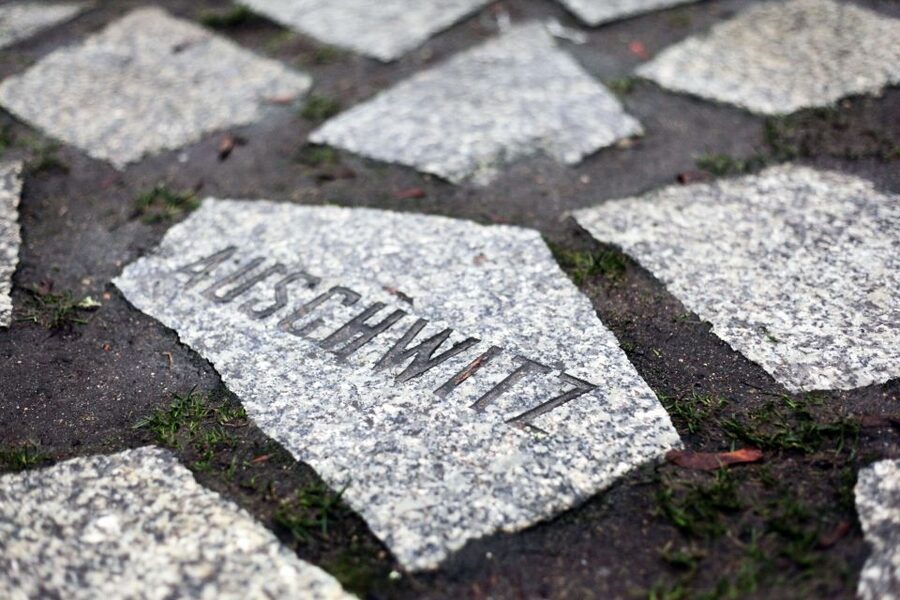
The tour includes a museum break around Topography of Terror. The listing also says tickets can be streamlined with skip-the-ticket-line, which suggests there is a way to access the museum experience efficiently during that stop.
One important caveat: the tour information notes that the tour does not enter any buildings. Because of that, I’d treat the museum break as a time to take in Topography of Terror content at the stop, rather than expecting a long guided interior tour. If you want deep museum time inside, you can always build a follow-up visit.
What makes this stop worthwhile is the follow-on storytelling. The guide continues with the regime’s sinister actions, including Joseph Goebbels’ use of propaganda and the broader system of terror. That connection is exactly what helps the museum stop land. You are not just reading about the past, you’re hearing why it happened in the specific places you’ve been walking past.
Goebbels, the T4 euthanasia program, and the Holocaust, tied to what you see
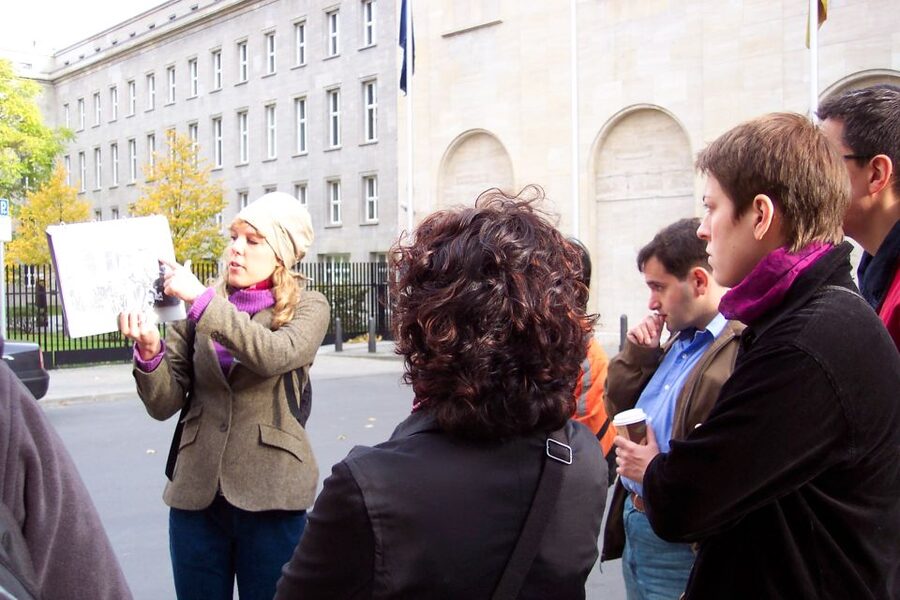
This is the section where the tour becomes emotionally heavy. The guide covers Goebbels’ propaganda, the ‘T4’ euthanasia program, and the Holocaust as you make your way onward.
Here’s what’s valuable for you as a visitor: these weren’t separate historical chapters. Propaganda helped manufacture consent and silence dissent. Programs like T4 reflect how the state used institutions and bureaucracy to dehumanize certain groups. Then the Holocaust becomes the culmination of those ideas turned into industrial-scale persecution.
Even if you already know the names, walking helps your brain hold the sequence. You see how one step supports the next. You’re also reminded that this story happened in a real city with real buildings, real offices, and real “normal” streets around it.
If you want a tour that stays factual but does not get lost in dates, this is the one. The repeated praise for guides keeping engagement going matters here, because heavy topics still require clarity and pacing. Several guides, including Jonathan N and Jasper, are praised for keeping groups interested through the full four hours.
Memorials near the Tiergarten: Sinti and Roma, plus 1933 political arrests
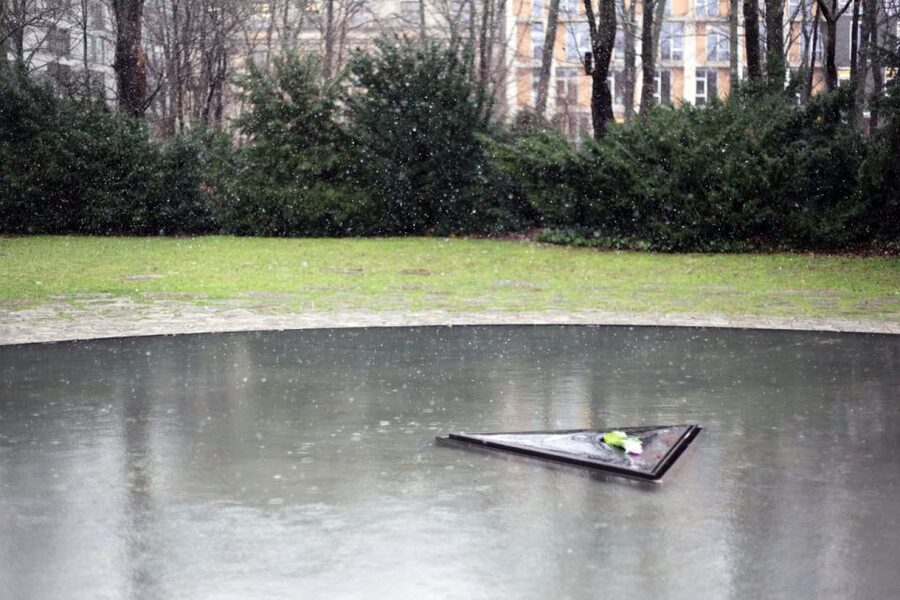
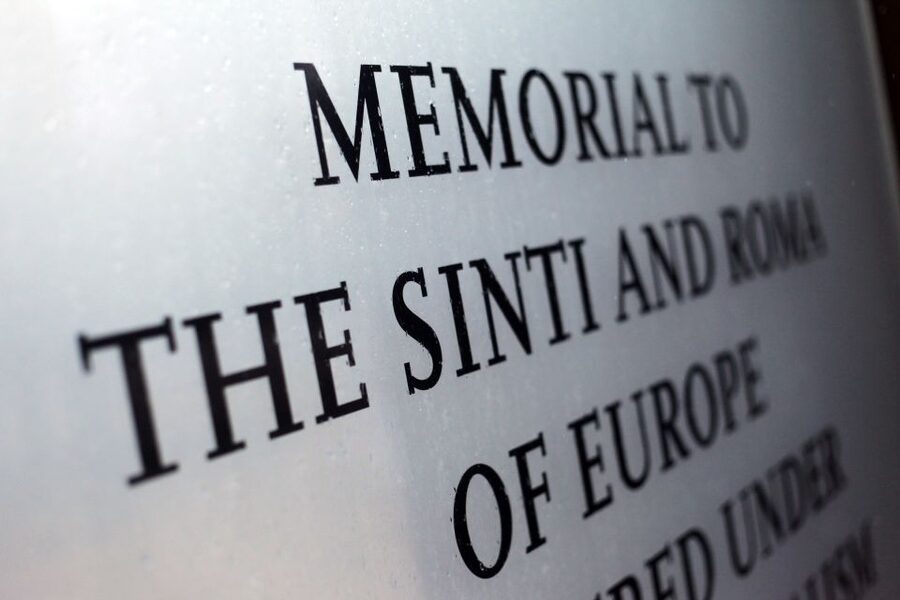
As you head toward Berlin’s largest park, the Tiergarten, you visit additional memorials that widen the lens beyond the most famous WWII images. You’ll see the Memorial to the Sinti and Roma Victims of National Socialism. You’ll also visit a memorial for 96 politicians arrested by the Nazis as they seized power in 1933.
I like that these memorials complicate the story in a useful way. The Holocaust gets the spotlight in most WWII tours, and it should. But these stops show that the Nazi regime targeted many groups and also moved against political opponents. The result is a more complete picture of how power was taken and how fear spread.
This section also helps you slow down. After intense site-to-site explanation near the power district and the terror institutions, the memorial pace is different. It gives you a moment to absorb, read, and let the scale of what happened sink in.
The Reichstag finish: Germania, Speer’s plan, and the Battle of Berlin
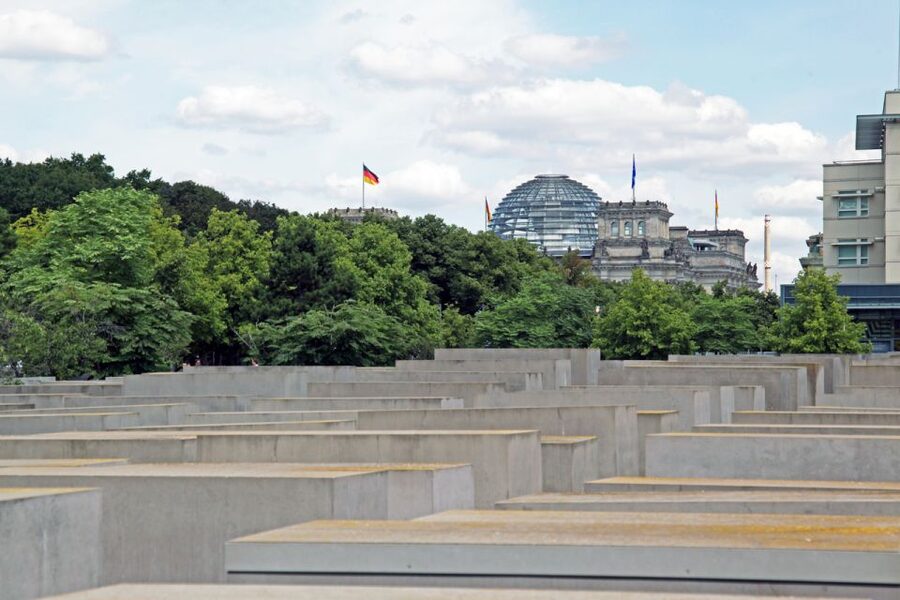
The tour ends in front of the Reichstag, the German parliament building. This is a smart closing location because it ties the regime’s fantasy of world empire back to the brutal reality of the war’s end.
Your guide explains Hitler and Albert Speer’s plan to completely redesign Berlin as ‘Germania’, the capital of the empire of the world. That detail matters because it frames Nazi rule not just as violence, but also as a project of reshaping the physical city into a political symbol.
Then you get the WWII finale at the same site. The guide covers the Battle of Berlin, including how Soviet soldiers assaulted the Reichstag under anti-aircraft fire while the Führer was committing suicide not even a mile away. Ending here makes the history feel like a full arc rather than a set of stops.
Even if you only know the Reichstag from photos, this explanation helps you read what you’re seeing. The building becomes part of the story, not just a backdrop.
Price and time: is $23 worth a 4-hour Berlin history tour?
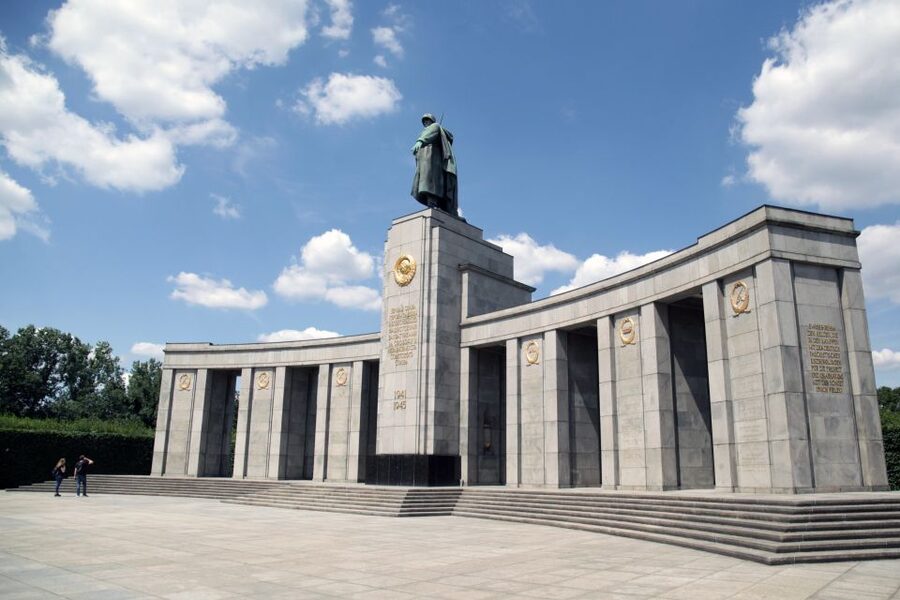
For $23 per person, you’re buying a 4-hour guided experience that covers major Nazi-era locations across the city. You also get a short metro ride segment and, in practice, a guide who can connect sites into a coherent narrative.
That value gets stronger when you factor in what’s included: a 4-hour guided tour and an expert guide with native-level English. In a city where you can spend hours hopping between landmarks on your own, this kind of interpretation is what turns “I saw stuff” into “I understand what I saw.”
There’s one cost wrinkle to keep in mind. A single public transport ticket is not included, and you do need public transport for the tour. So your real day cost depends on how you get to and around central Berlin. Still, for the amount of ground covered and how many major themes get addressed, $23 feels like solid value.
Also, the guide quality is a big part of the equation. When multiple named guides are praised for being engaging, story-driven, and willing to answer questions, that reduces the risk of spending a paid tour with a monotone lecture.
Who this tour is best for, and who might want a different option
This tour is best for you if you want a focused, structured route through the Nazi power corridor of Berlin, with a clear thread from propaganda and persecution to the end of WWII. If you enjoy WWII and Third Reich history, you’ll probably appreciate how the guide ties specific sites to the regime’s methods.
It is also a good fit if you want to see memorials you might miss on your own, especially the Sinti and Roma memorial and the memorial for 96 politicians arrested in 1933. The route gives you built-in meaning rather than random wandering.
You might consider a different approach if you specifically want lots of guided interior time in multiple buildings. The tour information says it does not enter any buildings during the tour, and the experience is mostly about what you can see and understand outdoors.
Should you book this Hitler’s Germany, Berlin walk?
Yes, I think you should book it if you want a time-efficient way to understand how Nazi power operated in Berlin and how the war ended at the Reichstag. The route covers major sites that are easy to pass without context, and the guide style is repeatedly praised for making the story understandable, even when it’s tough.
I’d especially recommend booking if you care about three things: serious historical context, native-level English guiding, and a route that includes memory stops, not just government buildings. If you’re the kind of traveler who likes learning through walking and story order, this fits.
If you tell me your travel dates and whether you prefer shared or private, I can suggest how to pair this with a couple of other nearby stops so your day flows without feeling rushed.
FAQ
How long is this tour?
It runs for 4 hours.
How much does the tour cost?
The price is $23 per person.
What languages is the guide speaking?
The live tour guide is available in English and German.
Do you go inside buildings during the tour?
The tour information states that it does not enter any buildings during the tour.
Do I need a public transport ticket?
Yes, a public transport ticket is needed on this tour.
What happens at the Topography of Terror stop?
You take a museum break there, and the tour includes skipping the ticket line.
Newest Berlin reviews on the site
- Jetbike Berlin fun bike beer bike★ 5.0 · 3 reviews
- Karl-Marx-Allee Walking Tour: Berlin’s Socialist History★ 5.0 · 5 reviews
- Homeless on chic streets: city tour in Berlin from personal experience★ 4.6 · 3 reviews
- Berlin: Sachsenhausen Concentration Camp Guided Tour★ 4.9 · 42 reviews
- Historyof the Trans, Queer & Gay communities of Berlin tour★ 4.8 · 17 reviews
- Historic Berlin Pubs & History Tour★ 4.9 · 73 reviews
- Berlin: City Center Walking Tour★ 4.7 · 45 reviews
- Half-Day Berlin Highlights Segway Expedition★ 4.5 · 61 reviews
Third Reich & Cold War Tours, compared.

Berlin’s Best: 2 Hour Walking Tour Third Reich and the Cold War
Read our review →
Third Reich Berlin: Hitler and WWII Walking Tour
Read our review →
Skip-the-Line: Berlin Wall Museum at Checkpoint Charlie
Read our review →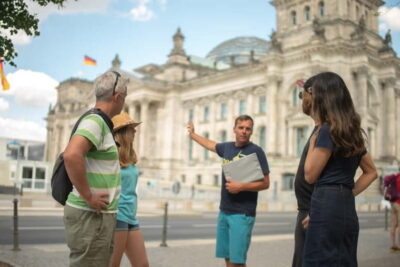
Browse the lists this tour appears in