
Reviewed · THIRD REICH & COLD WAR TOURS
Hitler to Stalin – WWII & Cold War Tour (Small Group)
History turns real fast in Berlin. This small-group tour connects Nazis to the Cold War with street-level stops you can actually stand on, not just read about. It is led by Berlin’s WWII specialists from On the Front Tours, so the story has a clear line from the Nazi years to life behind the Iron Curtain.
I especially like the way the walk links major sites to what changed afterward. Brandenburg Gate is treated as a pivot point, then you carry that perspective into the Berlin Wall area and what that fence meant day to day. You also get time at the Memorial to the Holocaust, which grounds the tour in the human cost, not just politics.
One thing to think about: it is a rain or shine walking tour. You will want truly comfortable shoes, plus water and light snacks, because 2.5 hours adds up when you are moving between landmarks.
In This Review
- Key highlights worth planning for
- Entering the story at the Brandenburg Gate
- WWII streets: Hitler’s Bunker and Gestapo HQ
- The Reichstag and Berlin politics you can see
- Memorial to the Holocaust: seeing with a different lens
- Berlin Wall: the Iron Curtain at street level
- Checkpoint Point Charlie and the reality of division
- How the guide turns landmarks into a timeline
- Small-group format: why it helps on heavy material
- Price and value for a 2.5-hour Berlin walk
- What to bring so you enjoy the walk
- Who should book this Hitler to Stalin tour
- Should you book this WWII and Cold War tour?
- FAQ
- How long is the Hitler to Stalin tour?
- Where do I meet for the tour?
- Is the tour offered in English?
- Does the tour run in bad weather?
- What should I bring?
- Is the tour wheelchair accessible?
- What is the cancellation policy?
Key highlights worth planning for
- Brandenburg Gate to Berlin’s division storyline, with a clear “then, now, and why” thread
- Berlin Wall focus, including a look at the actual Iron Curtain in place
- WWII checkpoints like Hitler’s Bunker and Gestapo HQ areas, tied to how the city operated
- Reichstag explained through politics, not just architecture
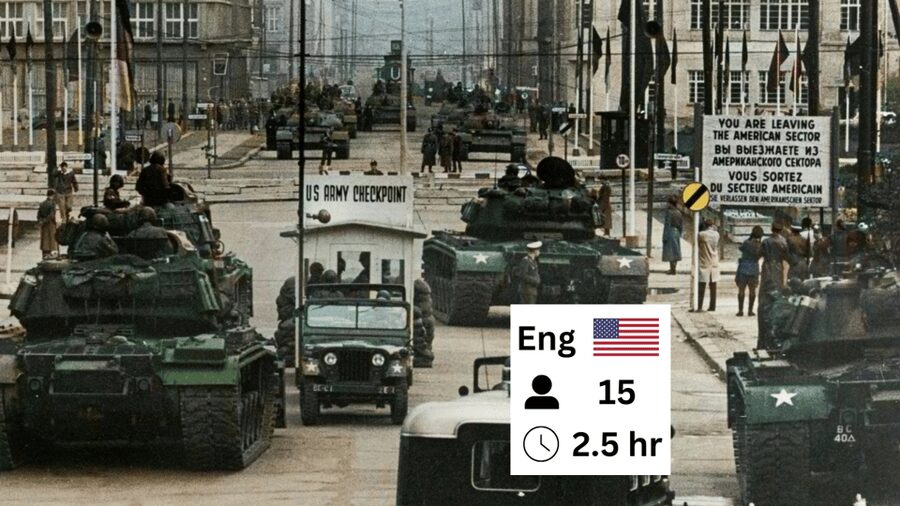
- Checkpoint Point Charlie stop, to make the meaning of a divided city concrete
- Then-and-Now photos and maps, so the past lines up with what you see today
Entering the story at the Brandenburg Gate
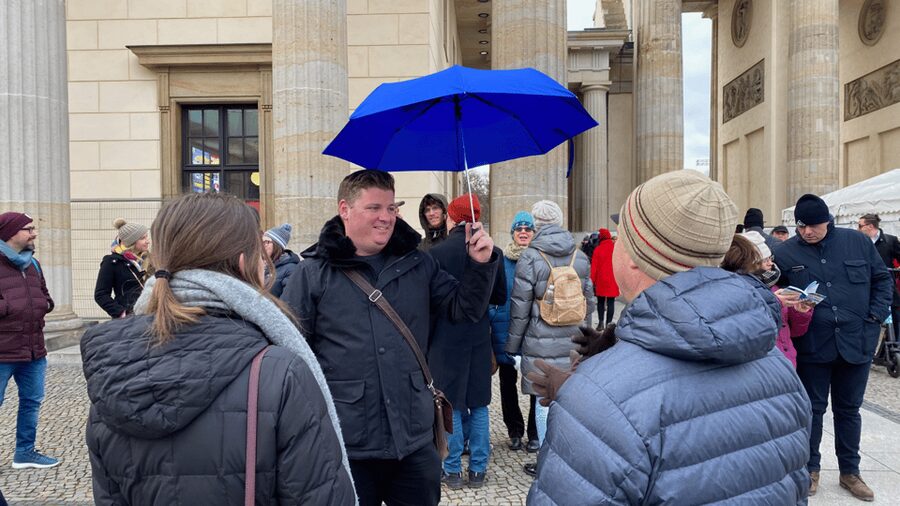
Your tour starts at the Tourist Center at the Brandenburg Gate. You will know you are in the right place by the blue umbrella. That matters more than it sounds. In Berlin, it is easy to get oriented toward the famous buildings and miss how the street plan shapes the history.
From the beginning, this is not framed as a random list of sites. It is built like a timeline you can walk. The Brandenburg Gate stop is key because it symbolizes shifts in power and identity. Standing here with the guide’s pacing, you get a sense of how Berlin kept reinventing itself, even when its politics were crushing.
If you like learning history while moving, this is a good format. It gives you short bursts of context at each stop, then you immediately connect that context to a real location. It is an effective way to reduce the “textbook effect,” where names float in your head but never hook to place.
More Third Reich & Cold War Tours in Berlin
- Berlin: Third Reich and Cold War 2 Hour Walking Tour
★ 4.9 · 6,830 reviews - Berlin: Berlin Story Bunker Entry Ticket
★ 4.6 · 6,759 reviews - Berlin’s Best: 2 Hour Walking Tour Third Reich and the Cold War
★ 5.0 · 5,486 reviews
WWII streets: Hitler’s Bunker and Gestapo HQ
The tour’s WWII portion moves through locations tied to Nazi power and repression, including the area associated with Hitler’s Bunker and Gestapo HQ. You do not just hear dates. You hear what those sites represented in daily life, how fear and control worked, and why Berlin became such a concentrated stage during the conflict.
Here is what I think you will appreciate: the guide keeps returning to cause and effect. Nazi decisions were not abstract. They shaped who had safety, who had rights, and what ordinary Berliners had to do to survive. When you look around modern streets afterward, the contrast is jarring in the right way.
One practical tip for this part: pace yourself mentally. WWII can get heavy fast. If you are the type who likes a breather, take it at transitions. When the guide moves you from one site to the next, pause for a moment, look around, and let the place sink in. You will get more out of the explanations that follow.
Also, the tour includes Then-and-Now photos and maps. That is especially useful during the WWII stops because the city can look “too modern.” The visual comparison helps you understand how much changed, and how much stayed in recognizable alignments.
The Reichstag and Berlin politics you can see
Next up is the Reichstag. This stop is about more than admiring a major building. The tour frames the Reichstag as a political symbol, which is exactly why it shows up in any serious Berlin history walk.
Why it works on this tour: the guide ties politics to real streets and real power struggles. You learn how institutions mattered, how legitimacy was fought over, and why Berlin’s governmental core became a stage again and again through the twentieth century.
If you are curious about how states fall and reform, this is a strong stop. You do not need a law degree to follow along, but it helps to stay alert to the guide’s emphasis on institutions and public messaging. The Reichstag stop can feel like the “explain it” moment, where earlier WWII repression links up to the later Cold War narrative.
Memorial to the Holocaust: seeing with a different lens
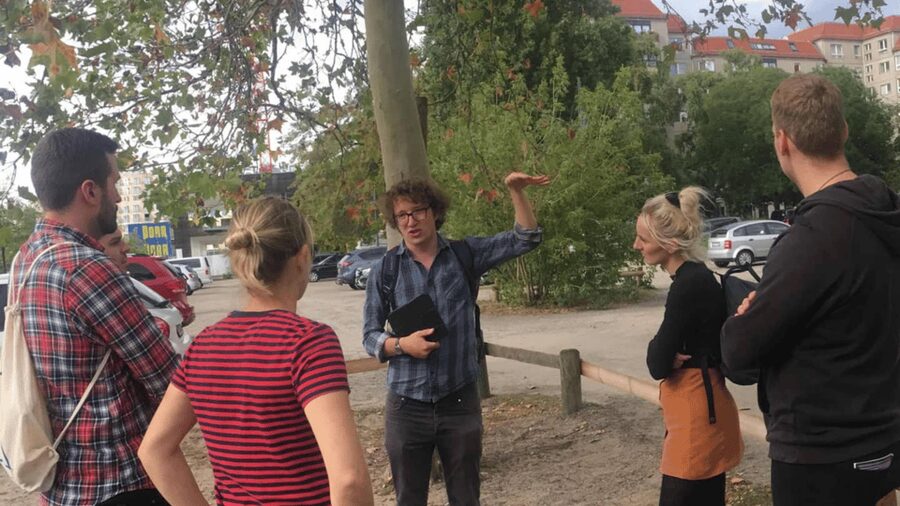
Then you reach the Memorial to the Holocaust. This is one of those stops that changes how you read the whole city, because it forces you to slow down and consider consequences.
What makes this part valuable is the balance. The tour does not treat the memorial as a checkbox. It sets up the Nazi era as a period of enormous loss and then points you toward the lessons Berlin carries forward.
A practical note: the memorial area can feel emotionally intense. Plan for a few quiet minutes. If you are traveling with a small group, this is also a good moment to step back from the conversation and just observe the space for yourself.
More wartime and Cold War history walks in Berlin:
- Third Reich Berlin: Hitler and WWII Walking Tour
★ 5.0 · 3,301 reviews - Skip-the-Line: Berlin Wall Museum at Checkpoint Charlie
★ 4.1 · 2,041 reviews - Berlin: Third Reich, Hitler, and WWII Walking Tour
★ 4.9 · 1,757 reviews - Cold War, Berlin Wall, Spies and the East Side Gallery
★ 5.0 · 1,024 reviews
Berlin Wall: the Iron Curtain at street level
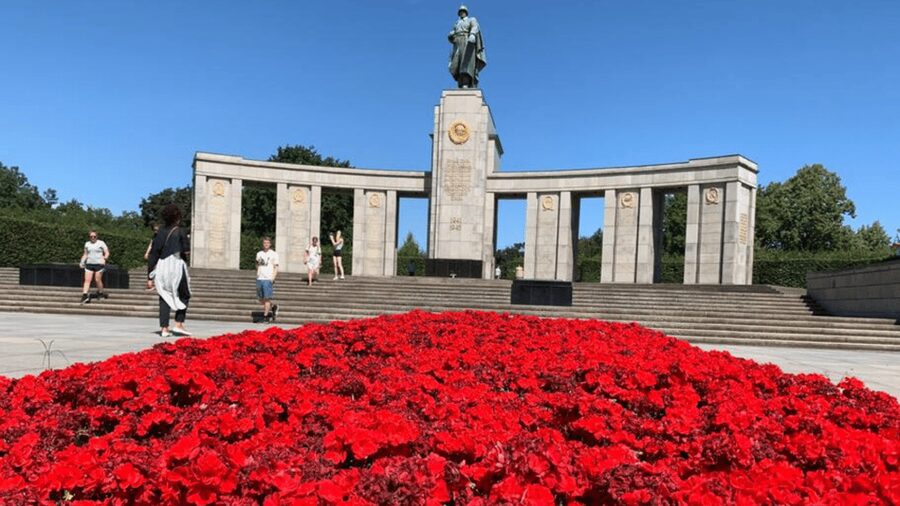
The Berlin Wall stop is one of the tour’s biggest draws, and for good reason. It is one thing to see photographs. It is another to stand in Berlin and understand that separation was not just a concept. It was physical. It shaped movement, families, jobs, and everyday routines.
The tour helps you connect the Wall to the Cold War atmosphere of tension. It frames the Wall as an “Iron Curtain” in the literal sense: a barrier that reshaped how people could live. This is where the tour’s Hitler to Stalin concept becomes more than a catchy title. You start to see how ideology and control turned into built environment.
If you have limited time in Berlin, do not rush this part. Give it your attention. Even if you already know the headline facts, you will likely find the street-level experience reframes them. Berlin has a way of doing that.
Checkpoint Point Charlie and the reality of division
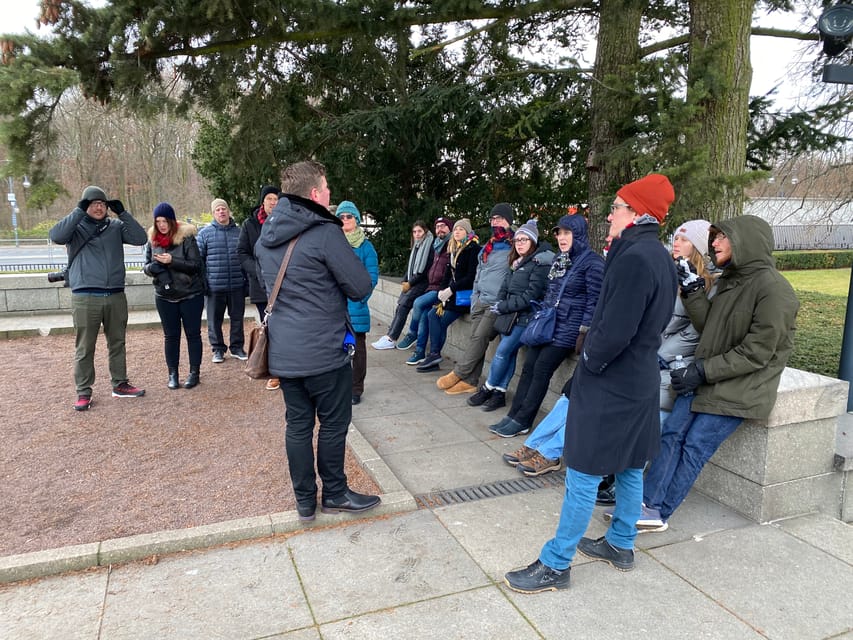
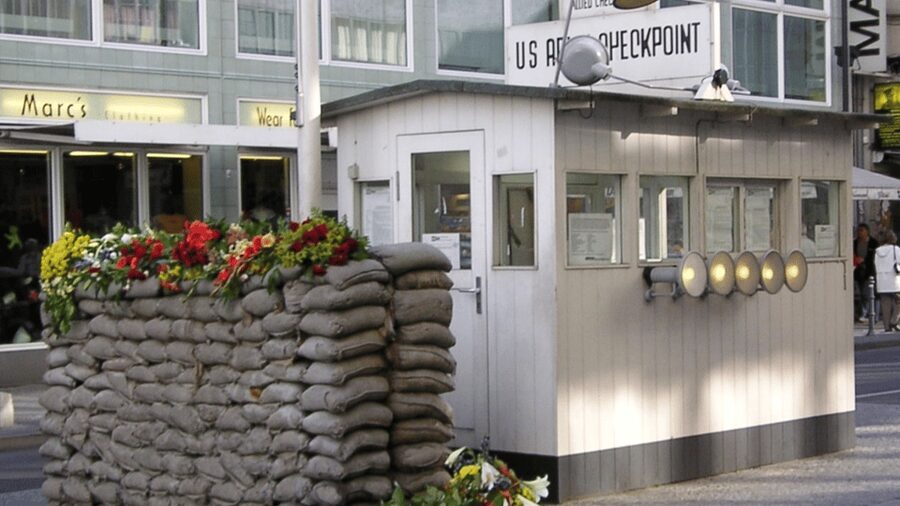
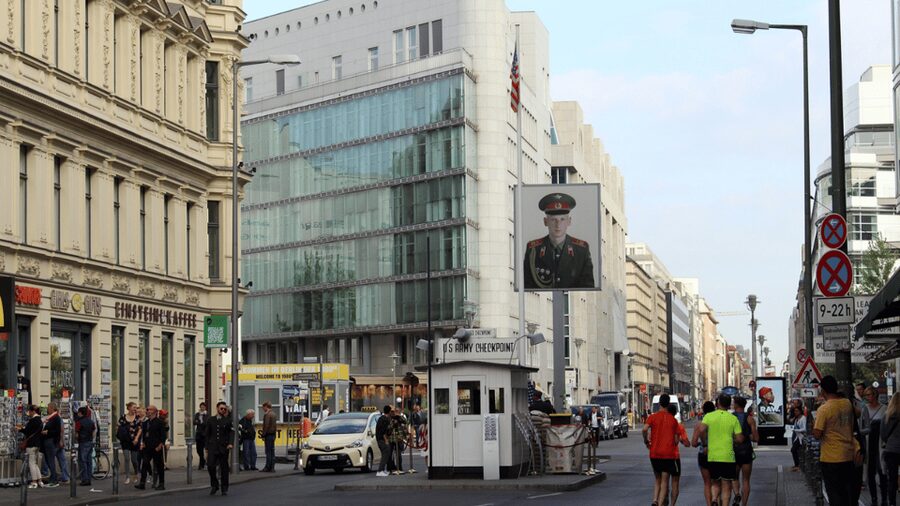
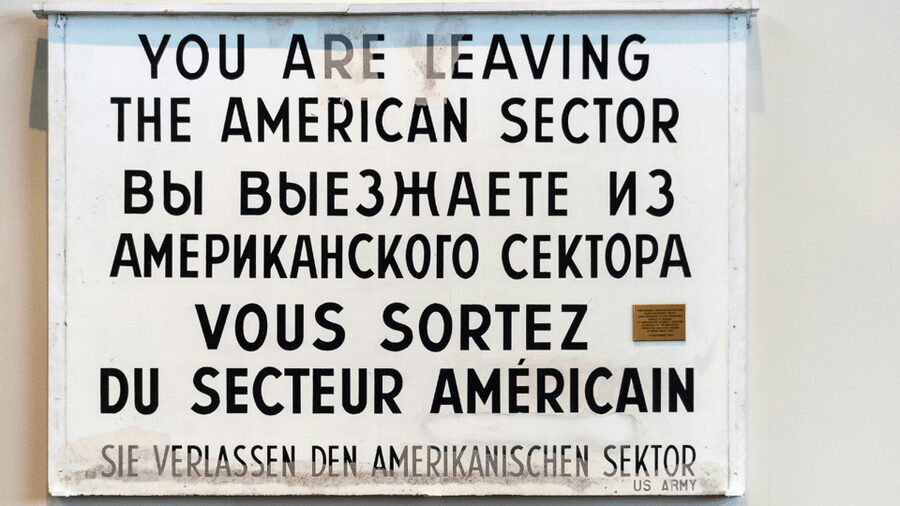
The tour also includes Check Point Charlie, another landmark that is famous for the idea of a divided city. The value here is that the guide connects the checkpoint to the lived experience of being watched, restricted, and sorted by invisible lines.
You will likely walk away understanding division as something more than a border on a map. It influenced who could cross, what information people could access, and how international politics played out on the ground.
This is also a good stop for photos, but with restraint. Take a couple, then focus on the explanation. If you keep your eyes on the guide’s framing, Check Point Charlie becomes less about tourist theatrics and more about what it meant to exist in that system.
How the guide turns landmarks into a timeline
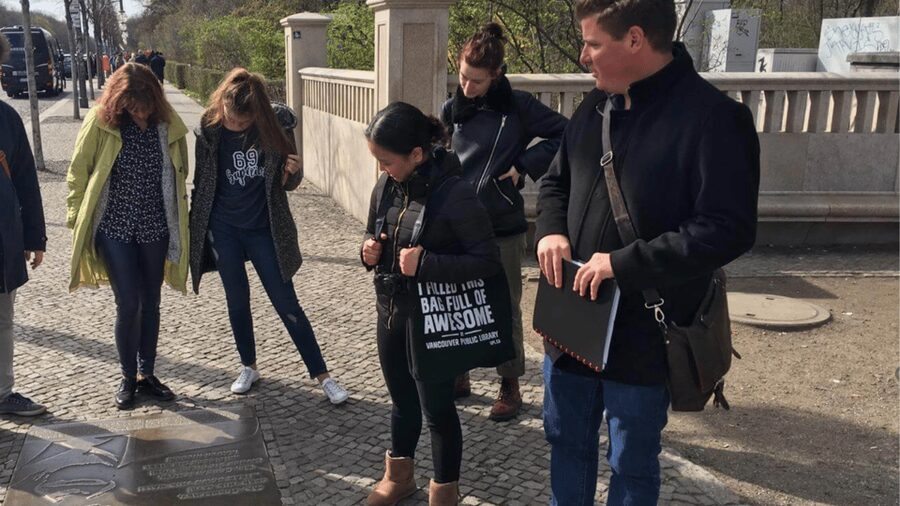
This tour is led by expert guides from On the Front Tours, and it is specifically described as run by Berlin’s only WWII tour specialists. That matters because the pacing and storytelling tend to be consistent. You are not switching between half-understood eras. You get a sequence: Nazi power, wartime impacts, then the Cold War strain, then the eventual unification story that follows.
One review singled out a guide named Tom as excellent, noting that he was knowledgeable, interesting, appropriate, and engaged well with all members of the group. That kind of feedback is worth paying attention to. For history tours, the guide quality is the difference between “I saw buildings” and “I finally understand the arc.”
You also get Then-and-Now photographs and maps included. I like this because it reduces the mental effort of visualizing what used to be there. The guide can point, explain, and you can compare what you see today with what existed in the past.
If you learn best by connecting visuals to facts, this is one of the smarter features here.
Small-group format: why it helps on heavy material
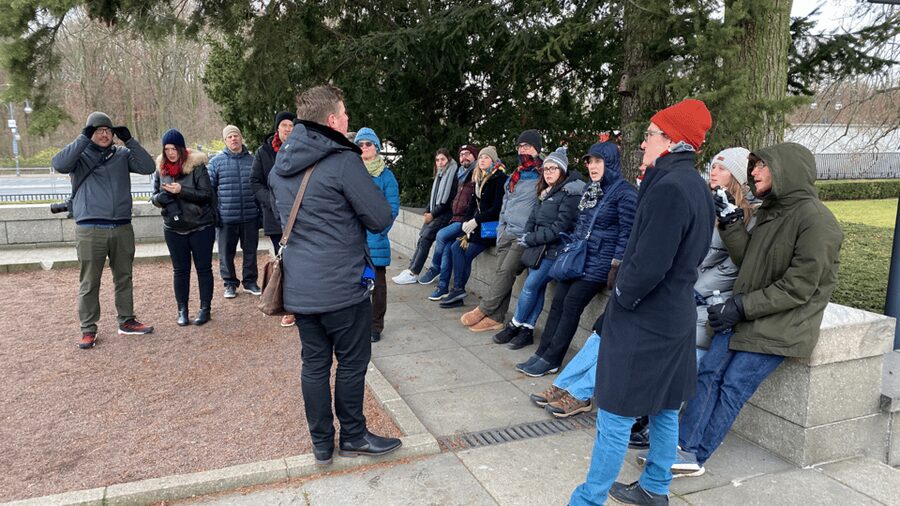
The tour is an exclusive small group experience. Even without a stated group size, the intent is clear: you get a closer feel to a guided walk, not a crowd herding exercise.
That matters on this topic. WWII and the Cold War can get emotional. With a smaller group, you are more likely to hear the guide’s explanations clearly, and you can ask practical questions without feeling lost in noise.
It also makes the pauses work better. You will want small breaks at certain stops, especially the memorial. The small-group structure supports those moments because the guide can regulate pace with the group rather than forcing everyone through like a conveyor belt.
Price and value for a 2.5-hour Berlin walk
The tour price is $34 per person for about 2.5 hours. At first glance, that can sound like a “good deal” or a “tourist price” depending on your style. Here is how I think about the value.
You are paying for:
- An expert live guide in English
- Access to multiple major WWII and Cold War landmarks in one connected story
- Then-and-Now photographs and maps
- A small-group format
For Berlin, packing this many high-impact locations into one time block is usually the real value. You save on planning time, and you avoid the “I walked here but I did not know why” problem. If you are only in town for a few days, a 2.5-hour history-focused tour like this can be one of the most efficient ways to get clarity fast.
Also, the meeting point is straightforward at the Brandenburg Gate area, and the tour ends back at the meeting point. That keeps logistics simple.
What to bring so you enjoy the walk
This tour runs rain or shine. So do not rely on good weather to make it pleasant.
Bring:
- Comfortable walking shoes
- Water
- Light snacks
- An umbrella or raincoat if weather looks questionable
For your best experience, also consider bringing a phone battery pack if you plan to take lots of photos at the Wall area and memorial. The tour is not described as using any special gear, but battery life matters when you are documenting what you see.
One more small suggestion: if you like writing notes, jot down three things you learned at the WWII stops, then three things you learned at the Cold War stops. This tour is structured so you naturally compare the two halves, and a quick note habit helps it stick.
Who should book this Hitler to Stalin tour
I think this works best for travelers who:
- Want a clear storyline through WWII into the Cold War, not random stops
- Like guided walking in a compact time window
- Appreciate strong interpretation at major landmarks like the Reichstag and the Memorial to the Holocaust
- Prefer small-group learning with an engaged guide
If you are the kind of traveler who only wants iconic sights and does not want context, you might feel the pace is heavy. But if you want the “why” behind Berlin’s division and unification, this tour is designed for you.
It is also wheelchair accessible, which is a big plus for visitors who need mobility-friendly planning.
Should you book this WWII and Cold War tour?
If your goal is to understand how Berlin went from Nazi terror to Cold War division, then to reunification, this is an efficient and meaningful way to do it in 2.5 hours. The biggest strengths are the connected storyline, the emphasis on major turning points, and the inclusion of Then-and-Now photos and maps that make the past line up with the streets you see today.
Book it if you want real interpretation at real places, especially the Berlin Wall area and the Memorial to the Holocaust stop. I would skip it only if you strongly dislike guided walking tours or you cannot handle a rain or shine 2.5-hour outing.
FAQ
How long is the Hitler to Stalin tour?
The tour lasts 2.5 hours.
Where do I meet for the tour?
You meet at the Tourist Center at the Brandenburg Gate and look for the blue umbrella.
Is the tour offered in English?
Yes, the live tour guide speaks English.
Does the tour run in bad weather?
Yes, it takes place rain or shine.
What should I bring?
Wear comfortable walking shoes and bring water and light snacks. You may also want an umbrella or raincoat if the weather looks bad.
Is the tour wheelchair accessible?
Yes, the tour is wheelchair accessible.
What is the cancellation policy?
Free cancellation is available up to 24 hours in advance for a full refund.
Newest Berlin reviews on the site
- Jetbike Berlin fun bike beer bike★ 5.0 · 3 reviews
- Karl-Marx-Allee Walking Tour: Berlin’s Socialist History★ 5.0 · 5 reviews
- Homeless on chic streets: city tour in Berlin from personal experience★ 4.6 · 3 reviews
- Berlin: Sachsenhausen Concentration Camp Guided Tour★ 4.9 · 42 reviews
- Historyof the Trans, Queer & Gay communities of Berlin tour★ 4.8 · 17 reviews
- Historic Berlin Pubs & History Tour★ 4.9 · 73 reviews
- Berlin: City Center Walking Tour★ 4.7 · 45 reviews
- Half-Day Berlin Highlights Segway Expedition★ 4.5 · 61 reviews
Third Reich & Cold War Tours, compared.


Berlin’s Best: 2 Hour Walking Tour Third Reich and the Cold War
Read our review →
Third Reich Berlin: Hitler and WWII Walking Tour
Read our review →
Skip-the-Line: Berlin Wall Museum at Checkpoint Charlie
Read our review →
Browse the lists this tour appears in