
Reviewed · WALKING TOURS
East Berlin and the Wall: Walking Tour
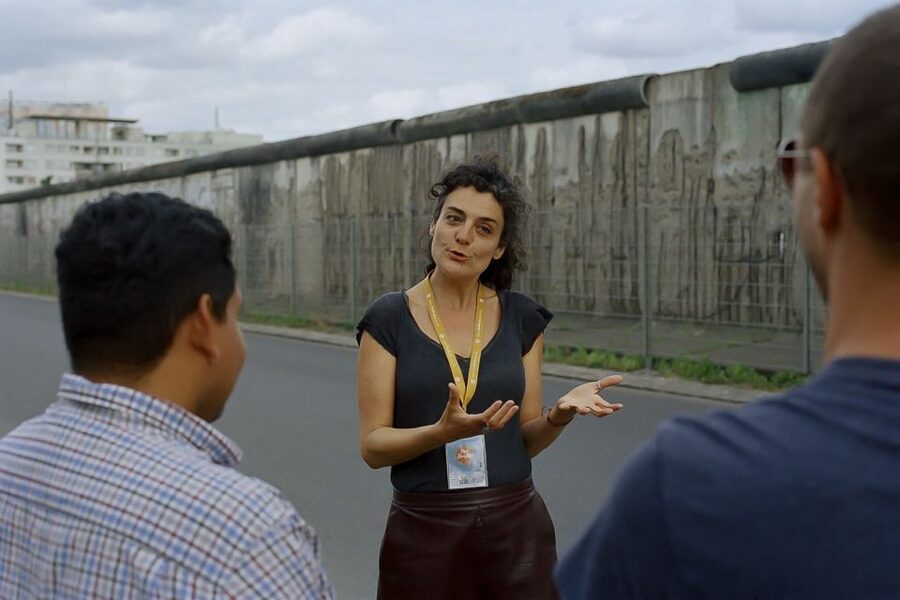
Wall stories hit harder when you can walk them. This small group tour focuses on the Berlin Wall Memorial and Bernauer Strasse, using a clear route that makes the Cold War feel personal.
I especially like the stop near Nordbahnhof, the former ghost station that sat closed for nearly three decades after the Wall went up. One practical consideration, you will need a valid public transport ticket for zones AB during the tour.
In This Review
- Key highlights at a glance
- How this East Berlin Wall walk makes the Cold War make sense
- From Potsdamer Platz to Nordbahnhof, you start with a boundary lesson
- Bernauer Strasse and the Wall Memorial, where the scale becomes personal
- Alexanderplatz, socialist architecture, and why protests mattered
- The East Side Gallery finale, 104 murals and one famous kiss
- Price and value, what $351 per group up to 6 really buys
- Who this Wall tour fits best
- Small-group guide quality makes a difference here
- Practical tips before you go
- Should you book this East Berlin and the Wall walking tour?
- FAQ
- How long is the East Berlin and the Wall walking tour?
- What does the tour price include?
- Where does the tour start and where is the meeting point?
- Do I need a public transportation ticket?
- Is pickup available?
- What languages are available for the live guide?
- Is the tour good for people who want a shorter, guided experience?
- What is the cancellation policy?
Key highlights at a glance
- Wall Memorial at Bernauer Strasse, with original border features and the human stories tied to escape attempts
- Nordbahnhof ghost station area, a powerful reminder that whole parts of the city were effectively shut down
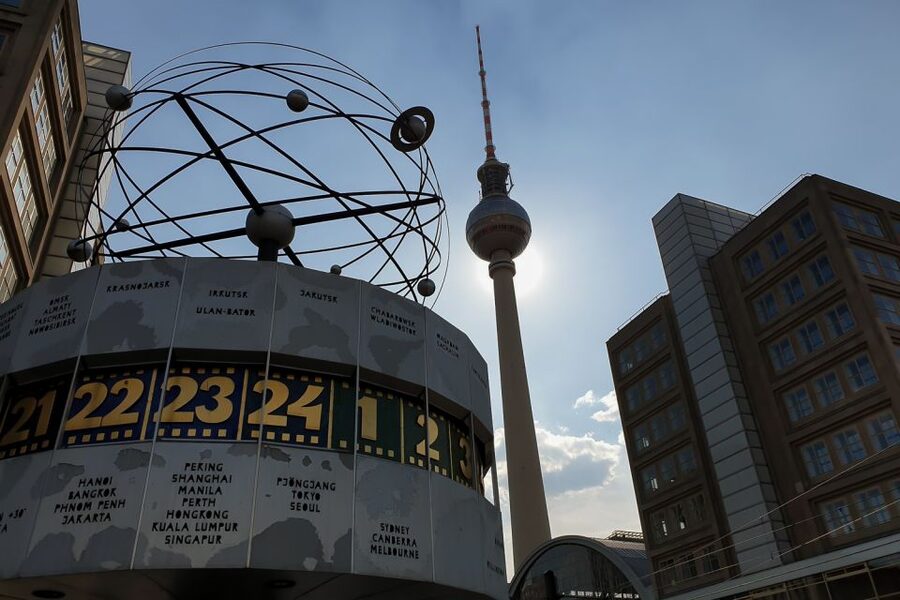
- Alexanderplatz and socialist architecture, plus context on demonstrations and STASI repression
- TV Tower area viewpoints, framing how East Berlin looked and felt in its era
- East Side Gallery finale, including the famous Brezhnev-Honecker kiss and 104 murals
How this East Berlin Wall walk makes the Cold War make sense
Berlin can feel like a museum, but the Wall tour energy is different. You’re not just looking at plaques. You’re moving through the spaces where decisions were made, families were separated, and people kept testing the system in small, desperate ways.
What makes this tour work is the pacing and the storytelling style. It stays tied to real daily life in the German Democratic Republic (GDR), not just big speeches and dates. One moment you’re thinking about border controls and the so-called death strip. The next moment you’re looking at the urban layout and realizing how East Berliners lived inside the boundaries of politics.
You also get a small-group format. That matters here. The Wall topics are heavy, and you want a guide who can answer questions without turning the walk into a lecture line. The tour runs about 3 to 3.5 hours, so it fits neatly into a Berlin day without turning into an all-day endurance test.
And yes, the places themselves help. Bernauer Strasse has a Wall Memorial setting that is unusually direct. Alexanderplatz, with its broad socialist-era design, helps you see how ideology shaped city life. Then you finish at the East Side Gallery where the Wall becomes art, and the Cold War ends up living in color.
More Walking Tours in Berlin
- Discover Berlin Half-Day Walking Tour
★ 5.0 · 9,624 reviews - Berlin: Third Reich and Cold War 2 Hour Walking Tour
★ 4.9 · 6,830 reviews - Berlin: Discover Berlin Walking Tour
★ 4.9 · 5,998 reviews
From Potsdamer Platz to Nordbahnhof, you start with a boundary lesson
The tour begins around Potsdamer Platz. From there, you take the S-Bahn to Nordbahnhof. This first hop is more than transit convenience, it’s a quick way to set your brain into the Wall-era logic of movement, access, and blockage.
Near Nordbahnhof, you encounter the story of a former ghost station. It closed for nearly three decades after construction of the Wall. Even if you do not see every preserved element on the platform, the concept hits fast: whole parts of Berlin became effectively off-limits, and the city re-routed itself around separation.
This is where I like the balance of the tour. It does not only point at the dramatic Wall segments. It also explains how infrastructure was reshaped, meaning East Berliners did not just live with a fence, they lived with altered routines and detours.
Tip for you: wear comfortable shoes here. Berlin’s subway stairs and station corridors can eat time. This tour keeps moving, so your feet will want to be happy.
Bernauer Strasse and the Wall Memorial, where the scale becomes personal
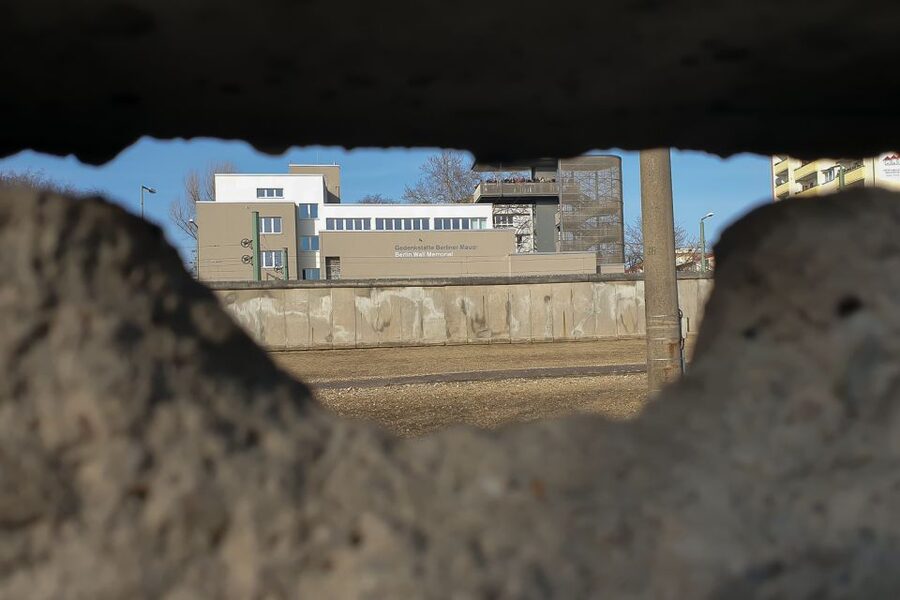
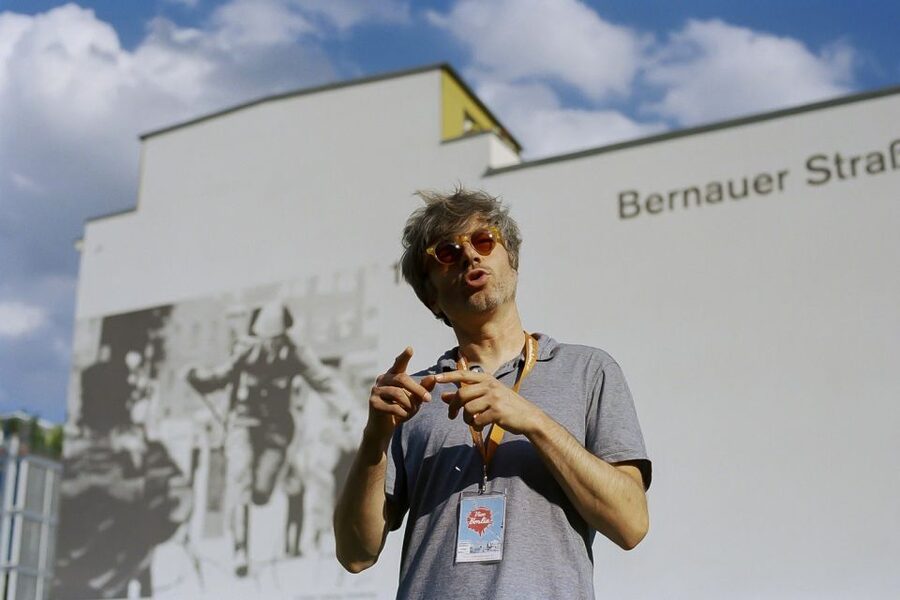
Bernauer Strasse is the emotional core. This is where the Wall Memorial tour portion goes deep into what separation meant on the ground.
You’ll visit the Wall Memorial area and hear about the original sections and the death strip context. That phrase is not just historical trivia. It’s a reminder that the boundary was engineered to control movement and discourage escape, sometimes with brutal results.
The guide also explains escape attempts and the tragic tales connected to people who tried to get through or get out. That narrative approach matters because it turns the Wall from a physical object into a human system with victims and consequences.
This stop is also why I think this tour is worth paying for. A self-guided visit can cover the basics, but a good guide connects the details into a timeline you can actually remember. And the guided discussion style tends to be clear and easy to follow. In this tour experience, guides have a reputation for explaining the story in a way that feels understandable, not overwhelming.
If you’re the type who needs a grounding moment after heavy topics, this is a good time to pace yourself. Take a breath. Look slowly. Let the details settle.
Alexanderplatz, socialist architecture, and why protests mattered
After Bernauer Strasse, the route shifts toward Alexanderplatz. The feel changes. You go from the stark Wall Memorial atmosphere into a broad, unmistakably socialist city space.
Alexanderplatz is a key setting for understanding East Berlin life because it’s tied to public life: where people gathered, where images of power were built into the skyline, and where pressure accumulated.
On this part of the walk, you’ll get context about peaceful demonstrations that challenged STASI political repression. The point is not to turn everything into a slogan. The point is to show how public space became a stage for courage, and how repression worked, not as an abstract concept, but as something people had to navigate daily.
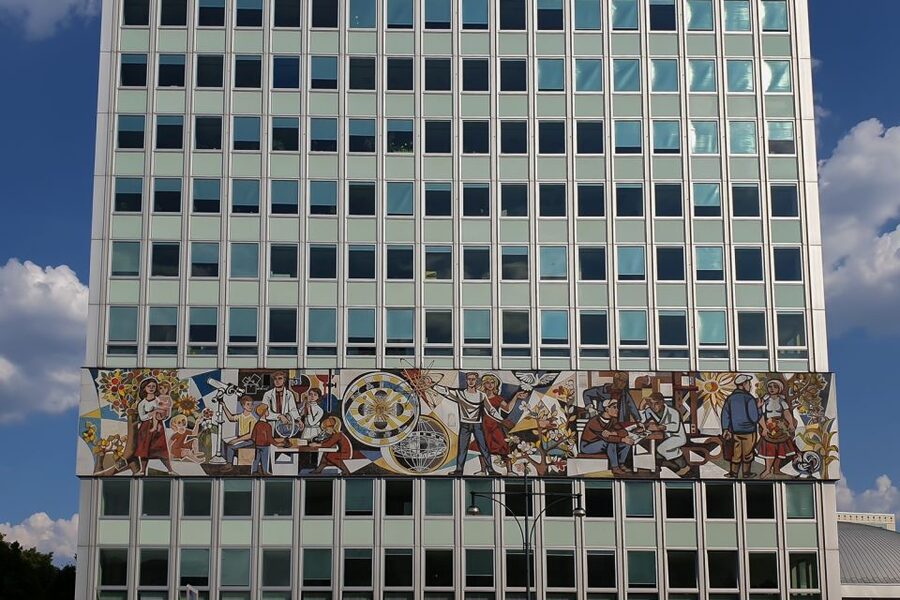
Also, the architecture itself helps the lesson. When you see the scale and the style of the buildings, you start understanding why the GDR projected strength through design. Then you can better appreciate why dissent had to find its own voice within that same environment.
You’ll also spend a short guided moment around the TV Tower area. That stop is quick, but it can help you place the city in your mind. It’s a reminder that East Berlin had its own symbols, and people lived their lives under those symbols, whether they agreed with them or not.
Same city, a different way to spend the afternoon:
- Berlin: Reichstag, Dome and Government District Guided Tour
★ 4.7 · 18,288 reviews - Berlin: 1-Hour City Tour by Boat with Guaranteed Seating
★ 4.3 · 16,993 reviews - Berlin: TV Tower Standard Entrance Ticket
★ 4.4 · 15,883 reviews - Berlin: Boat Tour Along the River Spree
★ 4.4 · 11,252 reviews
The East Side Gallery finale, 104 murals and one famous kiss
Then the tour ends at the East Side Gallery. Here’s where Berlin’s story turns toward survival, reclamation, and memory through art.
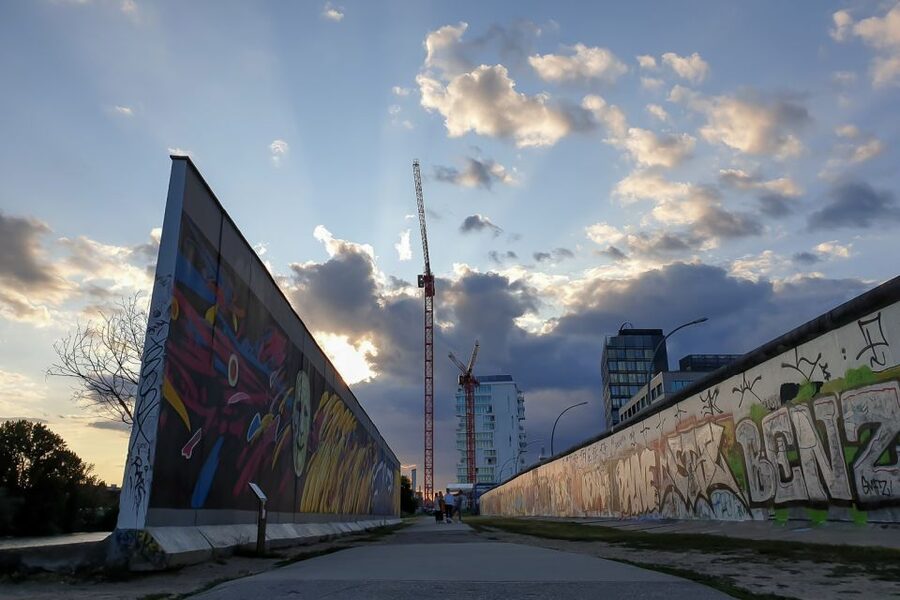
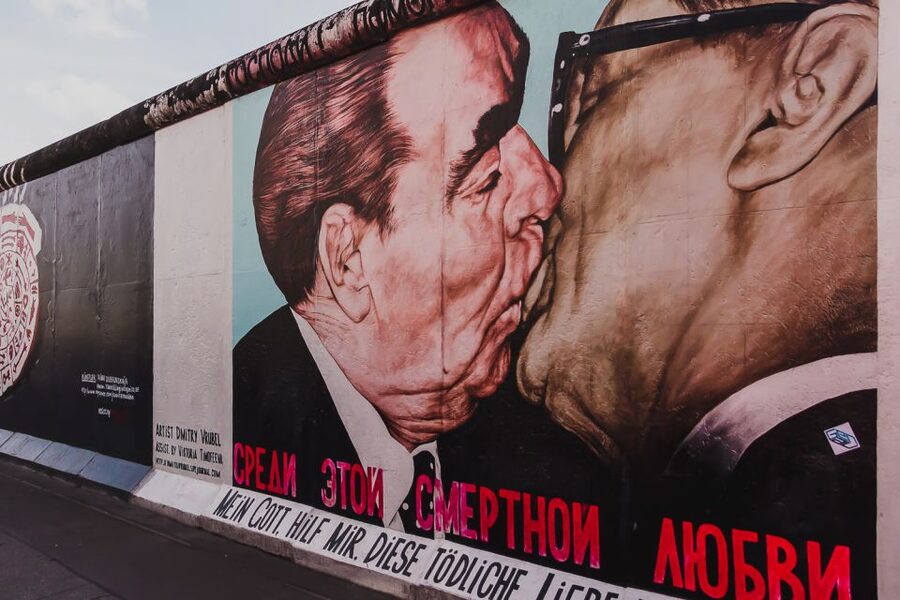
The East Side Gallery features 104 murals along the Wall. You’ll cover key pieces, including the iconic Brezhnev-Honecker kiss. That moment is famous because it mixes politics, choreography, and propaganda into a single image. But the larger value here is seeing the Wall transformed into a canvas.
In other words, you’re ending where the Wall stops being only a boundary and starts being a message. The street-level murals make the historical impact easier to grasp. They show how the Wall’s legacy evolved after it fell.
If you want to keep your visit practical, bring a phone camera and plan for a few slow minutes at the end. The murals are visual, and the guides can point you toward the stories behind specific artwork. That helps you leave with more than just a postcard.
Price and value, what $351 per group up to 6 really buys
The price is listed as $351 per group for up to 6 people, for a 3 to 3.5 hour tour. That can sound steep at first glance, until you factor in what this tour includes.
You’re paying for:
- a small-group walking format
- a guided experience through high-impact sites in East Berlin
- a guide who can handle the emotional and political content with clarity
- multilingual guide options, including French, Italian, English, Spanish, and German
For families or friends traveling together, the value can improve fast. A small group means less waiting and more chance to ask questions. And with Wall topics, the difference between a good guide and a random audio app is huge. The guide is what turns dates into understanding.
Also, the tour covers several key zones without turning into a complicated transit day. You’ll still need your own transport ticket for zones AB, but the route uses short segments of public transport to connect the big sites efficiently.
Who this Wall tour fits best
This is a strong match if you want:
- a guided walk that focuses on East Berlin and Wall context
- an explanation of life under the GDR, not only the wall itself
- a route that moves efficiently across major landmarks
It’s also a good pick for language flexibility. French, Italian, English, Spanish, and German guides are available, and the tour has a professional feel with a reputation for passionate, engaging guiding.
If you hate crowds and want a smaller setting for serious topics, the group size matters. If you prefer slow museum pacing, you might find the pace a little active, but the overall duration is still manageable.
And if you’re sensitive to heavy stories, Bernauer Strasse is the emotional peak. The tour handles the subject matter as human stories tied to separation and attempted escapes, so it’s worth going in ready for weight.
Small-group guide quality makes a difference here
What stands out across guide experiences is how they bring the story alive without losing clarity. Guides such as Paul, Paolo, Elisa, Claudia, and Catherine are described as prepared, engaging, and able to keep attention through the full walk.
Some guides also add a personal layer to the historical setting, including firsthand-style testimony during the experience. That kind of detail can make the GDR era feel less like a distant textbook chapter and more like a lived reality.
The best part is that you do not have to be a Cold War expert. The explanations are structured, with a route that helps you build a mental map of where the Wall shaped movement and daily life.
Practical tips before you go
- Wear comfortable shoes. This is a walking tour with station segments.
- Get your transport sorted. You need a valid AB day ticket for public transport during the tour.
- Plan on no food or drink being included. If you’re doing this as part of a packed Berlin day, grab a snack before or after.
- Expect a guided flow. The tour is designed to keep you moving at a steady pace for the 3 to 3.5 hour window.
Should you book this East Berlin and the Wall walking tour?
Book it if you want a guided, small-group Wall experience focused on East Berlin, with the Wall Memorial at Bernauer Strasse as the centerpiece. The combination of Wall stories, the Nordbahnhof ghost station context, Alexanderplatz atmosphere, and the East Side Gallery mural finale gives you a full arc. It moves from separation to daily life to the Wall’s aftermath.
Skip it if you only want a quick photo stop, or if you’re trying to avoid any transit planning at all. You will handle your own AB transit ticket, and the tour is designed to cover multiple locations in a half-afternoon.
Overall, it’s strong value when you’re traveling with friends or family and you care about understanding the meaning of the sites, not only seeing them.
FAQ
How long is the East Berlin and the Wall walking tour?
The tour lasts about 3 to 3.5 hours.
What does the tour price include?
It includes a walking tour with a small group and a French, Italian, Spanish speaking guide. Private group options are also available.
Where does the tour start and where is the meeting point?
The starting point and meeting point can vary depending on the selected option.
Do I need a public transportation ticket?
Yes. You need a valid ticket for public transportation for zones AB during the tour.
Is pickup available?
Pickup is optional. If you choose pickup, you should wait in the hotel lobby 10 minutes before the scheduled pickup time, and you should contact the provider to confirm details.
What languages are available for the live guide?
The live guide is available in Italian, French, English, Spanish, and German.
Is the tour good for people who want a shorter, guided experience?
Yes. The total time is only 3 to 3.5 hours, and it is designed as a focused walking tour through key sites.
What is the cancellation policy?
You can cancel up to 24 hours in advance for a full refund.
Newest Berlin reviews on the site
- Jetbike Berlin fun bike beer bike★ 5.0 · 3 reviews
- Karl-Marx-Allee Walking Tour: Berlin’s Socialist History★ 5.0 · 5 reviews
- Homeless on chic streets: city tour in Berlin from personal experience★ 4.6 · 3 reviews
- Berlin: Sachsenhausen Concentration Camp Guided Tour★ 4.9 · 42 reviews
- Historyof the Trans, Queer & Gay communities of Berlin tour★ 4.8 · 17 reviews
- Historic Berlin Pubs & History Tour★ 4.9 · 73 reviews
- Berlin: City Center Walking Tour★ 4.7 · 45 reviews
- Half-Day Berlin Highlights Segway Expedition★ 4.5 · 61 reviews
Walking Tours, compared.

Berlin’s Best: 2 Hour Walking Tour Third Reich and the Cold War
Read our review →
Third Reich Berlin: Hitler and WWII Walking Tour
Read our review →Browse the lists this tour appears in