
Reviewed · WALKING TOURS
Berlin’s Gay, Lesbian, and Queer Scene Small-Group Walking Tour
Queer Berlin is best seen on foot. In about 3 hours 30 minutes, you move through Schöneberg and into Südblock country, guided by someone who connects street-level sights to the bigger LGBTQ story.
I like two things a lot. First, the route covers the arc from the 19th century to today, so you get context, not just photos. Second, you’ll hear real people tied to real places, with names like Marlene Dietrich and Mayor Klaus Wowereit showing up along the way.
One possible drawback: the tour includes a stop at the Schwules Museum, so if you wanted almost all outdoor walking, you may find the museum time takes over. Another thing to plan for is meeting-spot clarity, since missing the start can lead to wrong-group mix-ups.
In This Review
- Key Points Before You Go
- Hitting Berlin’s Queer Hotspots, On Purpose
- Where You Meet, Where You Finish, and What Time Actually Means
- 3.5 Hours, 15 People, and a City That Doesn’t Stand Still
- The Neighborhood Arc: Schöneberg, Tiergarten, Kreuzberg
- The Real-World Names: Dietrich and Wowereit
- Südblock: A Queer-Run Place With Community Gravity
- Club History: From the 90s Scene to All-Night Culture
- Schwules Museum Stop: When History Gets Concrete
- Price and Value: What $24.14 Buys You in Berlin
- Small-Group Tips That Prevent Big Headaches
- Who This Tour Is Best For
- Should You Book This Gay Berlin Walking Tour?
- FAQ
- How long is the Berlin LGBTQ walking tour?
- What does the tour cost?
- Where do I meet the guide, and where does the tour end?
- Is the tour offered in English?
- Do I need a Berlin Transport ticket, and is it included?
- How many people are in the group, and are service animals allowed?
- Is free cancellation available?
Key Points Before You Go
- A focused route through Schöneberg, Tiergarten, and Kreuzberg that ties neighborhoods to LGBTQ life
- A guide-led timeline from the 19th century to modern Berlin, with named personalities like Marlene Dietrich and Klaus Wowereit
- Südblock as a community pillar, explained as more than a bar or restaurant
- Club history from the 90s scene to today, including how Berlin kept reinventing nightlife
- A stop at Schwules Museum, which can be a deal-maker if you want history in context
- Small-group size (max 15), with a pace that stays human-scale on city streets
Hitting Berlin’s Queer Hotspots, On Purpose
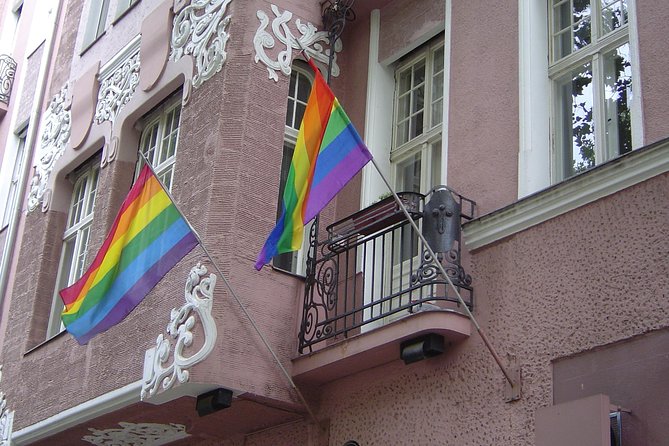
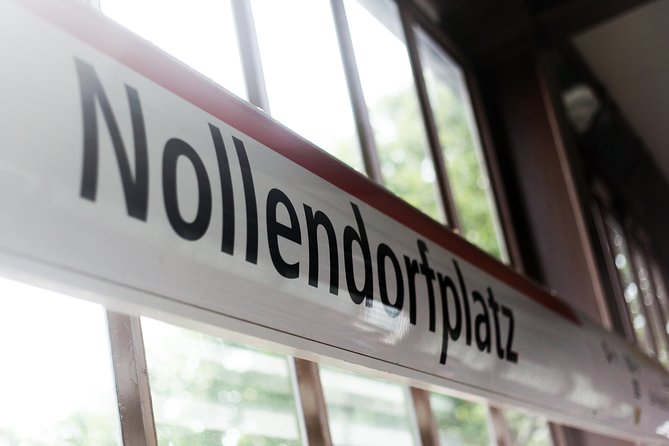
Berlin does “history you can walk to.” This small-group route is built for that reality. You start in central Berlin and end near Nollendorfplatz, while the guide keeps steering you toward places that helped shape queer life, activism, and nightlife.
The best part is how the tour uses the city like a timeline. You’re not just passing landmarks. You’re learning why these blocks mattered, who belonged here, and how the vibe changed over time. That makes the walking feel purposeful, even when you’re just standing on a sidewalk and looking at a building.
The group stays small, with a maximum of 15 people. That matters because you can actually hear the guide, ask questions, and keep a steady pace without the walk turning into a slow-moving crowd.
More Walking Tours in Berlin
- Discover Berlin Half-Day Walking Tour
★ 5.0 · 9,624 reviews - Berlin: Third Reich and Cold War 2 Hour Walking Tour
★ 4.9 · 6,830 reviews - Berlin: Discover Berlin Walking Tour
★ 4.9 · 5,998 reviews
Where You Meet, Where You Finish, and What Time Actually Means
Start time is 12:00 pm. The meeting point is Neue Promenade 3, 10178 Berlin, and the tour ends at Nollendorfplatz, 10787 Berlin.
I’d treat the meeting address like a waypoint, not a suggestion. One review described confusion when there were multiple tour activities happening at the same time, and there weren’t obvious signs. To avoid that, arrive a few minutes early, have your mobile ticket ready, and watch for a guide who calls people over for the queer tour.
This is also a near-public-transport stop, so you can connect easily. Just don’t plan to be late and rely on catching up, because the early minutes set the tone for what the tour will cover.
3.5 Hours, 15 People, and a City That Doesn’t Stand Still
About 3 hours 30 minutes is a sweet spot for this kind of storytelling. Long enough to cover multiple neighborhoods and major eras, not so long that you feel cooked before the last stop.
I also like that the pace can include “extra sight” moments. One review mentioned a bonus bus ride to pass additional buildings discussed by the guide. That kind of add-on is usually dependent on the day and route logistics, but the key point is this tour is flexible in how it shows you the story.
Weather is another practical detail. The tour operates in all weather conditions, so dress for walking. Berlin can swing from sunny to windy without much warning, and your comfort will affect how much you enjoy the stops.
The Neighborhood Arc: Schöneberg, Tiergarten, Kreuzberg
The tour’s core idea is geographic. You explore areas such as Schöneberg, Tiergarten, and Kreuzberg, and you learn how queer culture became part of Berlin’s identity over centuries.
Schöneberg is often where people start when they think about classic Berlin queer life, and the guide uses that energy wisely. Instead of treating it like a theme park, the tour links the neighborhood to community formation, visibility, and the push for acceptance.
Crossing into Kreuzberg, you get a sense of how queer culture didn’t stay locked in one place. It moved, adapted, and built alternative spaces. This matters because it shows you queer Berlin as something lived in, not something frozen in postcards.
Tiergarten acts like a connective thread too, helping you understand how the city’s layout and institutions influenced where people could gather, socialize, or simply exist in public.
Same city, a different way to spend the afternoon:
- Berlin: Reichstag, Dome and Government District Guided Tour
★ 4.7 · 18,288 reviews - Berlin: 1-Hour City Tour by Boat with Guaranteed Seating
★ 4.3 · 16,993 reviews - Berlin: TV Tower Standard Entrance Ticket
★ 4.4 · 15,883 reviews - Berlin: Boat Tour Along the River Spree
★ 4.4 · 11,252 reviews
The Real-World Names: Dietrich and Wowereit
One of the tour’s strengths is that it doesn’t rely only on generalities. The guide brings in main personalities, including Marlene Dietrich and Mayor Klaus Wowereit.
Why this is useful: names help your brain file the story. When you hear a person connected to a specific period or place, you’re better at remembering the eras the city went through. It also keeps the tour human, since politics and culture are still about individuals making choices under pressure.
If you care about how acceptance grows in fits and starts, this kind of anchoring is exactly what you want. It turns broad social change into something you can picture.
Südblock: A Queer-Run Place With Community Gravity
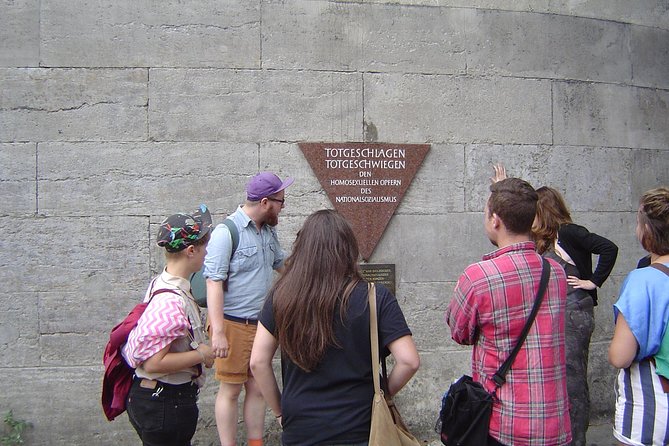
Südblock shows up as a major stop, and the tour frames it correctly. It’s not presented as a random bar or a place to grab a meal. The guide explains how Südblock is an integral pillar of the LGBTQ+ community.
That distinction changes how you experience it. When you understand a place’s role in community life, you notice different details. The vibe makes sense. The location makes sense. Even if you don’t eat or drink on the spot, you get a clearer picture of why people keep returning.
One practical note: the tour listing says food and drinks are not included. So if you’re hungry, plan accordingly. If you’re thirsty, you’ll need to handle it on your own at stops.
Club History: From the 90s Scene to All-Night Culture
After that, the tour pivots into the story of one of the world’s famous clubs. The guide connects its roots in the 90s gay scene to what Berlin became later, including the open-all-hours madness people associate with certain nightlife streets.
This section is valuable if you want to understand queerness as nightlife culture, not only as politics or identity activism. Clubs in Berlin have historically functioned as safe zones, social engines, and creative labs.
You’ll also get a better read on how a city can market itself while still depending on the communities that built the scene in the first place. That’s a key theme in Berlin, and it shows up in this stop.
Schwules Museum Stop: When History Gets Concrete
You’ll visit the Gay Museum, known as Schwules Museum. The tour presents it as a deeper comprehension of LGBT history and culture.
This stop is a good fit if you like structure. You can only learn so much from outside streets. A museum visit gives you a place to pause and connect names, dates, and shifts in social attitudes.
It can also be a point of tension. One review felt the museum should not have been mentioned in the program, which tells me the balance between walking and museum time may not match every expectation. If you’re the type who wants the whole tour to stay outdoors, think carefully before you commit.
If you do go in, you’ll likely get more from the walk afterward. The guide sets up context, and the museum turns context into something you can see and revisit.
Price and Value: What $24.14 Buys You in Berlin
At $24.14 per person, this tour is priced like a deal, especially because it includes a professional guide for roughly 3.5 hours and a route through multiple neighborhoods.
What you should know is what is not included. Hotel pickup and drop-off are not included. Food and drinks are not included. And you do need to sort out transit.
The Berlin Transport AB Zone day pass is listed at about 7.00 Euros, and it is available from your guide on the day. That’s helpful. It removes one headache, and it keeps you from running around the city trying to find the right ticket type at the last minute.
My practical take: at this price, you’re mostly buying the guide and the route logic. If you want a self-guided history walk, you can do that. But if you want your time in Berlin to feel organized and explained, this price looks fair.
Small-Group Tips That Prevent Big Headaches
A small group is great, but it also means details matter.
Here are the habits that make this tour smoother:
- Arrive a few minutes early at Neue Promenade 3, especially if there are other tours starting nearby.
- Have your mobile ticket ready on your phone so check-in is quick.
- Listen for the guide’s start announcements. One response mentioned guides usually announce loudly at the beginning, with guidance like Queer Tour please follow me.
- Wear shoes that handle standing and walking. Even if the itinerary is not super steep, you’re on city sidewalks for hours.
If you have strong preferences about tour focus, pay attention right at the beginning. One review described confusion when the tour direction did not match what was requested, which included a mix-up involving a street art focus. You can’t control how others arrive, but you can control how carefully you confirm the right guide at the start.
Who This Tour Is Best For
This is a strong choice for:
- Anyone who wants queer Berlin told as a route through real neighborhoods, not only as a lecture
- People who like named stories, such as Marlene Dietrich and Mayor Klaus Wowereit, tied to physical locations
- Travelers who enjoy a museum stop when it’s part of an overall narrative
It might be less ideal for you if:
- You want almost no museum time and expect only outdoor walking
- You are sensitive to start confusion and need extremely clear signage
- You’re arriving late or juggling plans at the same time as the tour start
Also, if you enjoy personal touches, you’ll likely appreciate that guides use visual aids. One review mentioned a guide carrying an iPad with reference points as the group walked, which helps when you’re trying to connect faces, eras, and street corners.
Should You Book This Gay Berlin Walking Tour?
If you want a guided, small-group walk that connects Schöneberg, Tiergarten, and Kreuzberg to queer history and culture, this one is worth your time. The price is low enough that it won’t feel like a risky gamble, and the stop at Südblock plus the Schwules Museum visit gives you both street-level and indoor context.
I’d only hesitate if you strongly prefer a pure outdoor walk or you know you get frustrated by meeting-spot confusion. If that sounds like you, solve it with one simple move: show up early, confirm the guide right away, and settle your expectations for the museum stop.
Overall, this tour is a practical way to understand how queer Berlin evolved, who shaped it, and why these locations still matter.
FAQ
How long is the Berlin LGBTQ walking tour?
The tour runs for about 3 hours 30 minutes.
What does the tour cost?
It costs $24.14 per person.
Where do I meet the guide, and where does the tour end?
You meet at Neue Promenade 3, 10178 Berlin, and the tour ends at Nollendorfplatz, 10787 Berlin.
Is the tour offered in English?
Yes, it’s offered in English.
Do I need a Berlin Transport ticket, and is it included?
A Berlin Transport AB Zone day pass is not included. The guide makes a day pass available on the day for about 7.00 Euros.
How many people are in the group, and are service animals allowed?
The group has a maximum of 15 people. Service animals are allowed.
Is free cancellation available?
Yes. You can cancel for a full refund up to 24 hours before the tour start time.
Newest Berlin reviews on the site
- Your ticket to The Wall Museum Berlin★ 3.0 · 60 reviews
- Rickshaw Tours Berlin – Groups of up to 16 people with several rickshaws★ 4.0 · 97 reviews
- Warnemuende Shore Excursion: Berlin Private Sightseeing Tour from Rostock★ 5.0 · 4 reviews
- eSIM for Germany and 34 European Countries★ 4.5 · 16 reviews
- Love and War in Berlin: Self-Guided Story Puzzle Walk★ 5.0 · 7 reviews
- Walking on the Wall: 3-Hour Tour in Berlin★ 4.5 · 34 reviews
- Karl-Marx-Allee Tour: Life and Architecture in East Berlin★ 5.0 · 19 reviews
- Warnemuende Shore Excursion: Private Berlin Tour★ 4.5 · 27 reviews
Walking Tours, compared.



Berlin’s Best: 2 Hour Walking Tour Third Reich and the Cold War
Read our review →
Third Reich Berlin: Hitler and WWII Walking Tour
Read our review →Browse the lists this tour appears in