
Reviewed · WALKING TOURS
Berlin: The Time of National Socialism Walking Tour
Berlin can feel like a history textbook.
A walk through the time of the Third Reich turns big landmarks into plain, explainable stories. I like how this is led by a certified, multilingual guide who connects the buildings you recognize with what they were used for, and I also love that you are shown visible wartime traces, not just explanations in the abstract. One drawback to consider is that it is a walking tour in all weather and on public holidays, so you will want warm layers and good shoes.
The route is tightly focused and emotionally heavy, but it stays practical: start at the Brandenburg Gate, link it to the Reichstag power shift in 1933, then keep walking through key sites that show how the regime worked, how people resisted, and what the war left behind. It is designed to help you read the city instead of just looking at it.
Key highlights worth your attention
- Brandenburg Gate to Reichstag: you connect propaganda space with political power in one smooth arc
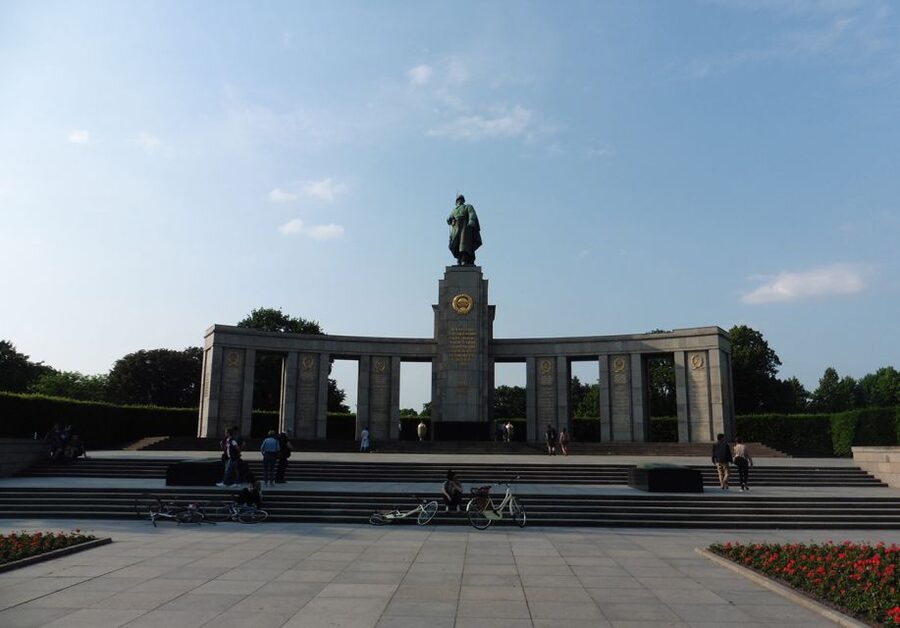
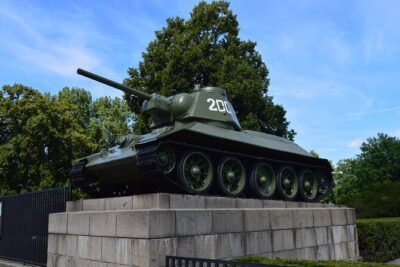
- Tiergarten Soviet War Memorial: you see wartime hardware like the T-34 tanks in the middle of the city
- Holocaust Memorial: a powerful stop that grounds the story in the murdered Jews of Europe
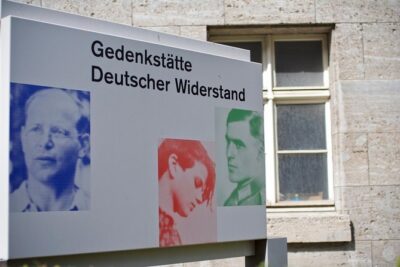
- Johann Georg Elser Memorial: a reminder that resistance existed inside Germany
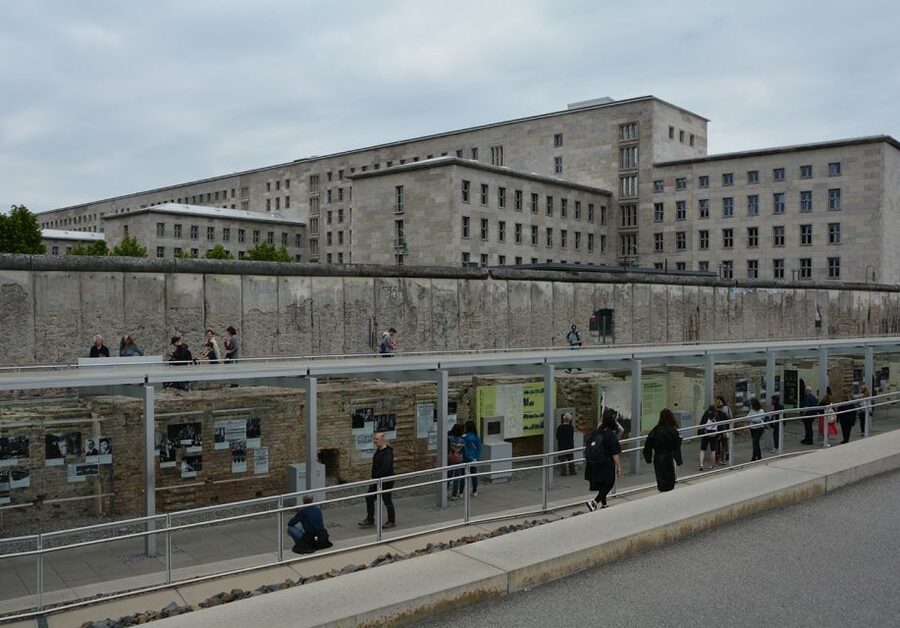
- Topography of Terror: where you learn about SS and security agencies and the machinery behind the terror
In This Review
- Walking the Nazi story, where Berlin still shows the scars
- Price and time: $43 for a focused 2-hour route
- Starting at Call a Bike and Pariser Platz: setting the stage
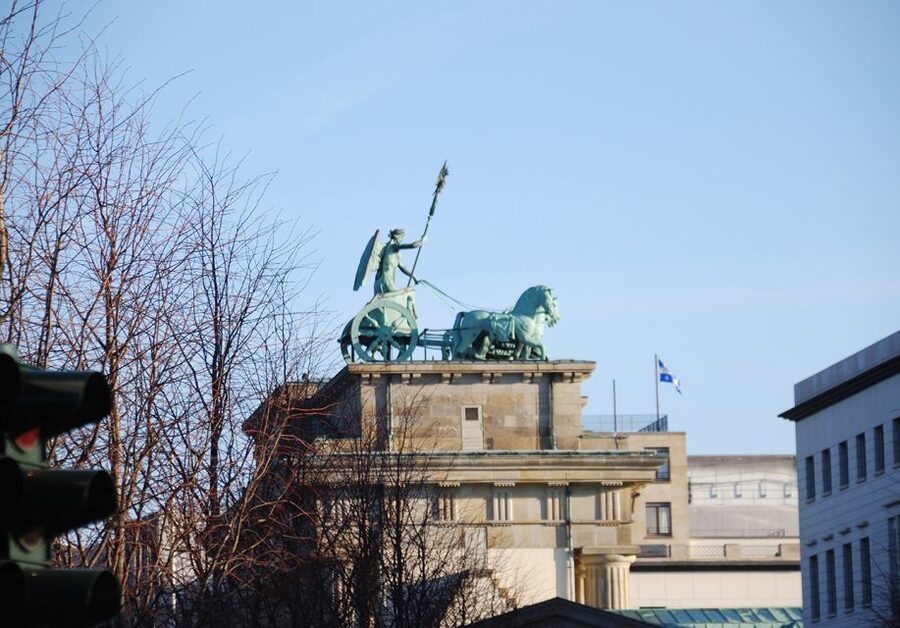
- Brandenburg Gate: propaganda marches, not just a postcard
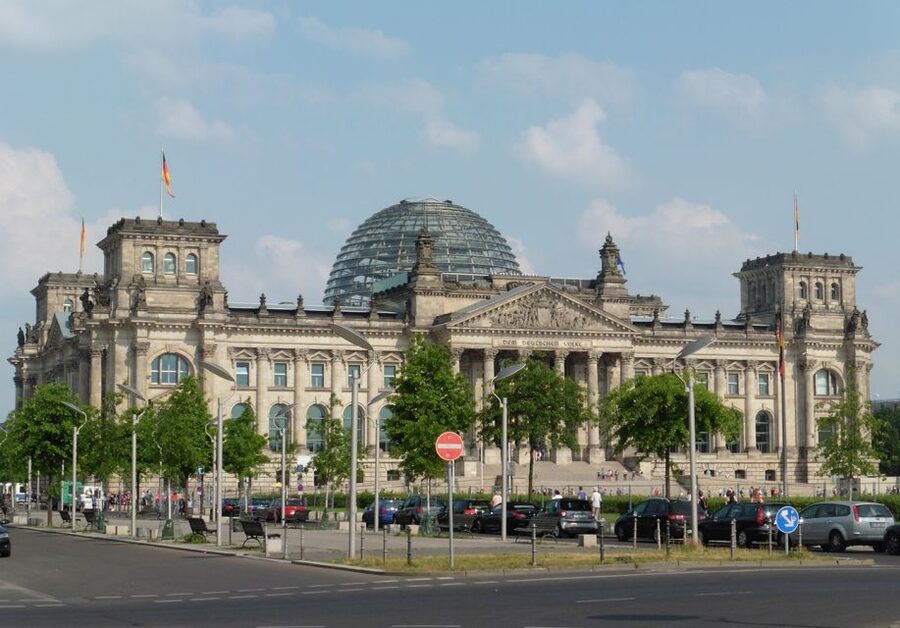
- Reichstag: how power changed in 1933
- Tiergarten Soviet War Memorial: wartime reality inside the city
- Holocaust Memorial: the stop that changes your whole pace
- Johann Georg Elser Memorial: resistance inside Germany
- Detlev-Rohwedder-Haus: another city clue
- Topography of Terror: SS and security agencies, explained where they sat
- What makes the guide matter: stories that help you picture the era
- Who this tour is for, and who should think twice
- Practical planning tips before you go
- Should you book the Berlin time of National Socialism walking tour?
- FAQ
- Where does the tour start?
- How long is the Berlin National Socialism walking tour?
- What is the price per person?
- Is the tour offered in German?
- How big is the group?
- Is the tour wheelchair accessible?
- Does the tour run in bad weather?
- Does the tour run on public holidays?
- What are the main places you visit?
- Is there a cancellation policy?
- Is there an option to pay later?
Walking the Nazi story, where Berlin still shows the scars
Berlin’s center can look polished and modern. That is exactly why this tour hits. You start in the area that became a stage for Nazi pageantry, then you walk toward places that were tied to government control, surveillance, and ultimately the brutal war that followed. The biggest value is how the guide helps you connect dots while you are standing on the pavement.
You also get a guided pace that feels like a friend who knows the streets. Even if you have been to Berlin before, this kind of walk changes how the city makes sense.
Because the group is limited to 10 participants, you are more likely to get real answers to your questions instead of hearing only a one-way script. In smaller groups, it can feel close to a private tour, and that matters when the topic is heavy and specific.
Price and time: $43 for a focused 2-hour route
At $43 per person for 2 hours, this is not an all-day museum binge. It is a high-information walking route through major sites tied to Nazi power, resistance, and wartime damage. For me, the value is less about what you get to see in the literal sense, and more about how much context you get at each stop, especially where Berlin can be confusing if you are reading things on your own.
If you are the type of traveler who wants a single theme tour that helps you plan the rest of your trip, this format is a good fit. You will finish with a clearer map in your head and a list of follow-up stops if you want deeper study later.
If you prefer long, slow museum time, you might feel the tour is fast. That said, it is built for concentration: you walk between key areas and keep the story moving without wasting time.
More Walking Tours in Berlin
- Discover Berlin Half-Day Walking Tour
★ 5.0 · 9,624 reviews - Berlin: Third Reich and Cold War 2 Hour Walking Tour
★ 4.9 · 6,830 reviews - Berlin: Discover Berlin Walking Tour
★ 4.9 · 5,998 reviews
Starting at Call a Bike and Pariser Platz: setting the stage
The tour begins at Call a Bike, then you head to Pariser Platz before reaching the Brandenburg Gate. This matters because Pariser Platz is right in the orbit of what people often think of as central Berlin. Your guide uses that location to explain how public space was used and why it mattered to the regime.
It also helps you get your bearings early. If you are arriving for the first time, you start on a simple, well-known spine of the city. If you are returning, it still works, because you are learning the purpose behind what you already recognize.
Wear shoes you can stand in. You are on foot for the whole experience, and the tour runs in all weather.
Brandenburg Gate: propaganda marches, not just a postcard
The Brandenburg Gate is the obvious landmark, but it is also the perfect entry point into Nazi propaganda. The tour frames the gate as a stage the regime used for rallies and marches, so you start understanding the story with your eyes open rather than in a vague way.
When you know what was happening there, the architecture stops being neutral. Even if you have seen the gate a dozen times in photos, hearing what it represented at the time gives it a new weight.
Practical tip: if you are sensitive to crowds or if the weather is rough, stand where your guide positions the group so you do not end up trying to listen over traffic noise.
Reichstag: how power changed in 1933
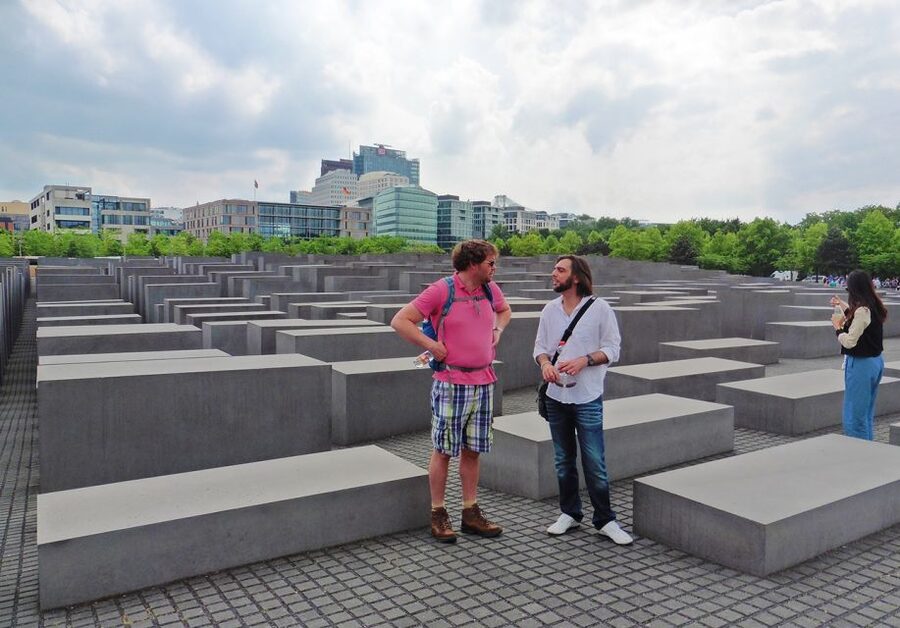
From the Brandenburg Gate, you walk to the nearby Reichstag, the current seat of the German Parliament. During the Nazi era, this is one of the key places in the story because it was part of the political rise that unfolded in 1933 with the Nazi Party and Adolf Hitler coming to power.
This stop is valuable because it ties ideology to institutions. It is easy to talk about evil in an abstract way. It is harder, and more useful, to connect it to decisions made inside political systems.
You also get a built-in contrast: today’s democracy versus the past use of governmental space. That contrast is not about politics lectures. It is about seeing why buildings matter in historical moments.
Same city, a different way to spend the afternoon:
- Berlin: Reichstag, Dome and Government District Guided Tour
★ 4.7 · 18,288 reviews - Berlin: 1-Hour City Tour by Boat with Guaranteed Seating
★ 4.3 · 16,993 reviews - Berlin: TV Tower Standard Entrance Ticket
★ 4.4 · 15,883 reviews - Berlin: Boat Tour Along the River Spree
★ 4.4 · 11,252 reviews
Tiergarten Soviet War Memorial: wartime reality inside the city
Next you move into the inner-city Tiergarten area to see the Soviet War Memorial, including Soviet T-34 tanks and artillery from World War II. This is one of the most grounding parts of the route.
It keeps you from thinking that World War II was something that happened elsewhere. You see tangible evidence of the war’s end and aftermath in a place many people experience as a park and a shortcut.
If you are traveling with teens or younger adults, this stop often makes the war feel real in a way that text-only explanations cannot. You can point, look, and ask questions on the spot.
Holocaust Memorial: the stop that changes your whole pace
Then you reach the Holocaust Memorial, dedicated to the murdered Jews of Europe. This is the kind of place where the guide’s role becomes less about listing facts and more about helping you hold the weight of what happened.
You might already know the broad outline of the Holocaust. Standing in a memorial space forces you to slow down, and the tour gives you context so you do not just walk through and move on.
Even if you are the type who usually keeps going, plan to pause here. This stop is not about speed. It is about comprehension, respect, and memory.
Johann Georg Elser Memorial: resistance inside Germany
A big plus in this tour is that it does not only teach you about the regime. It also shows German resistance, which is crucial if you want a fuller picture.
You visit the Johann Georg Elser Memorial, tied to an often overlooked form of resistance. Elser is a reminder that not everyone accepted the dictatorship, and that people tried to act even when the risks were enormous.
This stop also helps you see the story as human. History becomes less like a distant timeline and more like a set of choices people made under pressure.
Detlev-Rohwedder-Haus: another city clue
You then move to the Detlev-Rohwedder-Haus area. On a map it can look like just another building in the government zone. On this tour, it becomes part of the thread of how the city’s official structures were shaped by the era.
This is one of those stops where your guide’s storytelling matters most. The building itself is not the whole point. The point is what the location helped represent within the regime’s world.
If you tend to glaze over when history gets technical, this is where the tour can bring you back by connecting functions to real places you can see.
Topography of Terror: SS and security agencies, explained where they sat
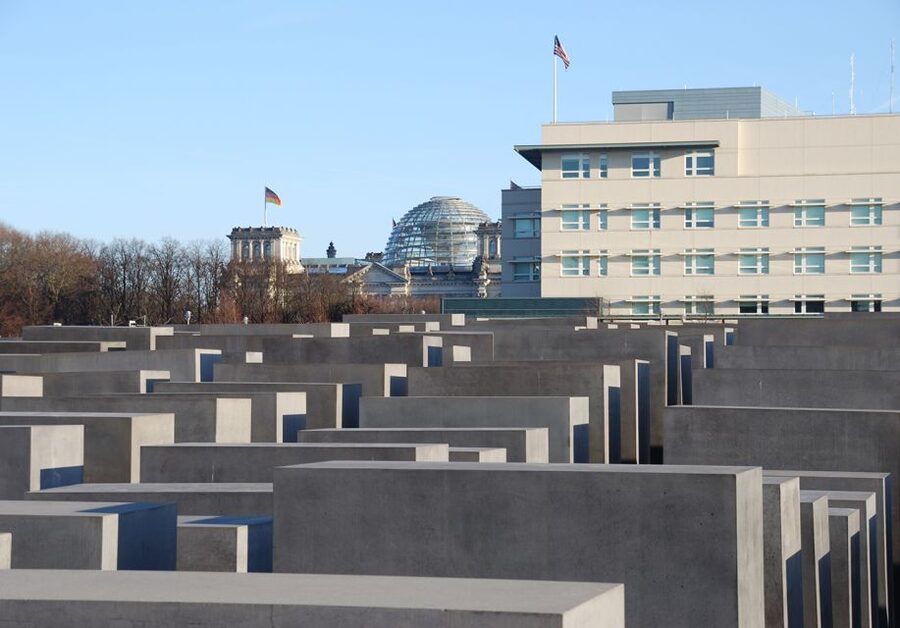
The final major stop is Topography of Terror, where you learn about the headquarters and offices tied to the SS, the Secret State Police, the Reich Security Main Office, and the Reich Aviation Ministry during World War II.
This is the part of the tour that turns everything you saw earlier into a clearer system. Instead of only hearing that the regime was violent, you learn how the machinery worked: who ran what, and how security agencies and state power interacted.
It is also where the tour’s emphasis on resistance gains new meaning. When you understand the infrastructure of terror, you can better grasp how dangerous resistance was, and why it mattered that people tried anyway.
The ending here is strong because you finish in the exact space where the story’s administrative face was built.
What makes the guide matter: stories that help you picture the era
A lot of history walks sound similar on paper. What makes this one stand out is the guide delivery.
In particular, many bookings tie the experience to an enthusiastic guide named Carlo, who explains the Nazi-era buildings right at their locations and answers questions instead of treating the tour like a lecture. If you are nervous about asking questions on this topic, that is a big plus. The tone described is active, lively, and friendly, and the guide stays focused even when the weather is harsh.
One practical example: when it is cold and the streets get icy, Carlo is described as paying attention to pace so the group stays safe and moving. That small detail matters on a walking tour.
Who this tour is for, and who should think twice
This is a strong choice if you:
- Want a 2-hour, high-context route without committing to a full museum day
- Like learning history by walking between major sites
- Are traveling with teens or young adults who need concrete places to connect to big events
- Prefer a small group where your questions can land
It may be less ideal if you:
- Have limited mobility for walking on uneven city surfaces
- Struggle with emotionally heavy subject matter and need breaks beyond what a tight route allows
- Want only light sightseeing with minimal discussion of dictatorship and terror
The tour is wheelchair accessible, so if you use a chair, you can often plan confidently. Still, you will want to consider how much outdoor walking is involved.
Practical planning tips before you go
If you take just a few things seriously, take these:
- Dress for the weather. The tour runs in all conditions, so bring layers and consider gloves
- Wear good walking shoes. The route is compact but on foot
- Be ready for a serious tone. This is a Nazi era and Holocaust-focused route, so give yourself time to absorb it
If your goal is to get more from Berlin afterward, pay attention during the walking parts. That is where you build the mental map that helps you decide which museums or neighborhoods to revisit.
Should you book the Berlin time of National Socialism walking tour?
Book it if you want a focused, guided walk that turns well-known landmarks into specific Nazi-era functions, with the story tied to place. The small group size, the chance for questions, and the route through Brandenburg Gate, Reichstag, Tiergarten Soviet War Memorial, Holocaust Memorial, and Topography of Terror makes it a high-value way to understand Berlin’s 1930s and 1940s story without spending a full day in transit and between museums.
Skip it or choose something else if you want only a casual sightseeing loop, or if you are not comfortable with the heavy themes without additional time for reflection.
If you are deciding between going on your own and booking a guide, I would choose the tour. In Berlin, context is everything, and this one gives you the kind that actually changes how the city looks.
FAQ
Where does the tour start?
Meet your guide directly at the exit of the metro station S+U Bhf. Brandenburger Tor, exit B, in the direction of Pariser Platz/Straße des 17. Juni. Look out for the tour guide with the Get Your Guide – You in Berlin flag.
How long is the Berlin National Socialism walking tour?
The tour is 2 hours long.
What is the price per person?
The price is $43 per person.
Is the tour offered in German?
Yes. The live tour guide language listed is German.
How big is the group?
It is a small group, limited to 10 participants.
Is the tour wheelchair accessible?
Yes, the tour is listed as wheelchair accessible.
Does the tour run in bad weather?
Yes. The tour takes place in all weather conditions.
Does the tour run on public holidays?
Yes. The tour takes place on all public holidays.
What are the main places you visit?
You visit major sites including the Brandenburg Gate, the Reichstag area, the Soviet War Memorial in Tiergarten, the Holocaust Memorial, the Johann Georg Elser Memorial, and Topography of Terror, with additional stops along the route.
Is there a cancellation policy?
Yes. Free cancellation is available up to 24 hours in advance for a full refund.
Is there an option to pay later?
Yes. You can reserve now & pay later to keep travel plans flexible.
Newest Berlin reviews on the site
- Karl-Marx-Allee Walking Tour: Berlin’s Socialist History★ 5.0 · 5 reviews
- Jetbike Berlin fun bike beer bike★ 5.0 · 3 reviews
- Homeless on chic streets: city tour in Berlin from personal experience★ 4.6 · 3 reviews
- Berlin: Sachsenhausen Concentration Camp Guided Tour★ 4.9 · 42 reviews
- Historyof the Trans, Queer & Gay communities of Berlin tour★ 4.8 · 17 reviews
- Historic Berlin Pubs & History Tour★ 4.9 · 73 reviews
- Berlin: City Center Walking Tour★ 4.7 · 45 reviews
- Half-Day Berlin Highlights Segway Expedition★ 4.5 · 61 reviews
Walking Tours, compared.


Berlin’s Best: 2 Hour Walking Tour Third Reich and the Cold War
Read our review →
Third Reich Berlin: Hitler and WWII Walking Tour
Read our review →Browse the lists this tour appears in