
Reviewed · CONCENTRATION CAMP MEMORIAL TOURS
Sachsenhausen Memorial: Walking Tour from Berlin
Sachsenhausen is only a short rail ride away from Berlin. This walking tour takes you to the Nazi camp closest to the capital, and it connects the physical layout to the machinery of control and terror. I especially like the structured, guided path through key sites like the roll-call square and Station Z, and I like how human-centered the teaching feels, with guides who bring context and empathy to a brutal subject.
One thing to plan for: the day involves a lot of walking in all weather, and you cannot eat on the memorial grounds. Also, the schedule starts promptly after the train ride, so being late is a real problem, not a minor inconvenience.
In This Review
- Key Takeaways Before You Go
- Why Sachsenhausen Feels Uncomfortably Close to Berlin
- Getting There by S-Bahn to Oranienburg (And Why It Matters)
- First Orientation in the Berlin Area Before You Reach the Grounds
- Tower A and the Roll-Call Square: Learning Through Space
- Forced Labor, Punishment, and the Prison Areas
- The Former Kitchen Museum and Daily Camp Reality
- Station Z: Crematoriums and the Camp’s Killing Machinery
- Beyond the Fence Line: SS Training, Industry, and Propaganda
- End of War and the Postwar Soviet Special Camp Period
- What the Six-Hour Schedule Really Means for Your Day
- Price and Value: When a Group Tour Makes Sense
- Languages and Guide Quality: What You Can Expect to Hear
- Rules and Practical Tips So You Stay Comfortable
- Should You Book This Sachsenhausen Memorial Walking Tour From Berlin?
- FAQ
- FAQ
- How long is the Sachsenhausen Memorial walking tour from Berlin?
- Where do we travel from and to?
- How do we get to Oranienburg?
- What languages are available for the guide?
- Is there a memorial donation?
- Do I need Berlin public transport tickets?
- Is food allowed during the visit?
- What should I bring and wear?
- What if I need to cancel?
Key Takeaways Before You Go
- A real sense of “model camp” design: you learn how the camp’s architecture and space were used to enforce SS authority.
- You visit the most important hit points on foot: Tower A, roll-call square, punishment and prison areas, and Station Z.
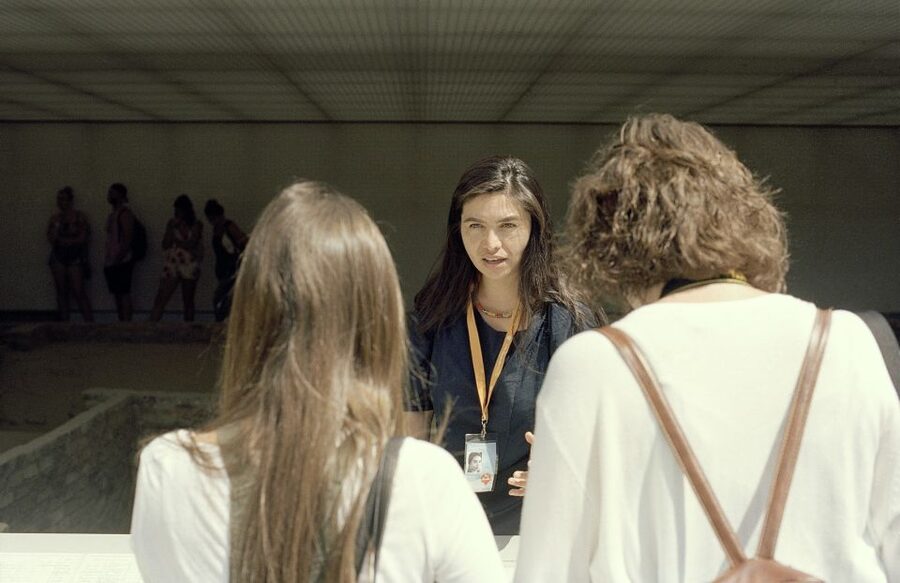
- Guides can make it feel personal and clear: past guides include Fabio, Soleil, Lorenzo, Sueli, and Andrea, who were praised for preparation and empathy.
- It’s not just Nazi Germany, either: you also hear how the site continued under Soviet occupation as a special camp.
- Transport is part of the experience: you travel by S-Bahn from Berlin to Oranienburg and back, and the tour keeps moving.
Why Sachsenhausen Feels Uncomfortably Close to Berlin
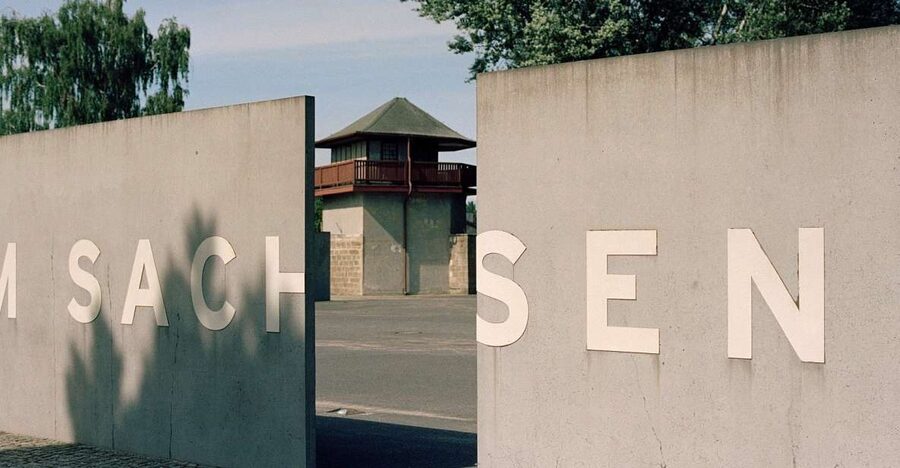
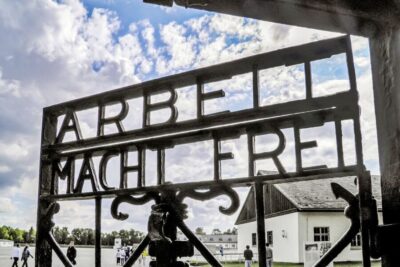
Sachsenhausen Memorial sits just a few kilometers north of Berlin, so the distance alone changes how the story lands. You are not traveling to a faraway page of history. You are going to a place tied to the Nazi capital, which helps explain why the camp system could function with grim efficiency.
The tour’s core value is that it doesn’t treat the camp as a list of dates. It connects specific spaces to specific functions, like how SS authority was enforced through daily routines and the way areas were laid out. That is what turns the visit from “seeing ruins” into understanding mechanisms.
More Concentration Camp Memorial Tours in Berlin
- Berlin: Sachsenhausen Concentration Camp Tour in English
★ 5.0 · 5,711 reviews - Berlin: Sachsenhausen Concentration Camp Memorial Tour
★ 4.7 · 3,716 reviews - Sachsenhausen Concentration Camp Bus Tour in English from Berlin
★ 5.0 · 1,962 reviews
Getting There by S-Bahn to Oranienburg (And Why It Matters)
The day is built around a group train ride from Berlin to Oranienburg, the nearest station to the memorial site. In practical terms, it takes about 40 minutes by train, and you will also have guided time before and after the main visit. This is helpful if you do not want to figure out transit and timing on your own while also preparing emotionally for the day.
Plan for a simple rhythm: board together, arrive, then switch into walking mode. The tour also expects punctuality, because the group will likely take the train shortly after the scheduled start time. If you cut it close, you can miss the train and the tour begins promptly.
A small caution from the experience format: transport coordination can feel a bit spread out during the day. The overall experience still tends to be worth it, but I recommend you give yourself buffer time around the meeting and station connections.
First Orientation in the Berlin Area Before You Reach the Grounds
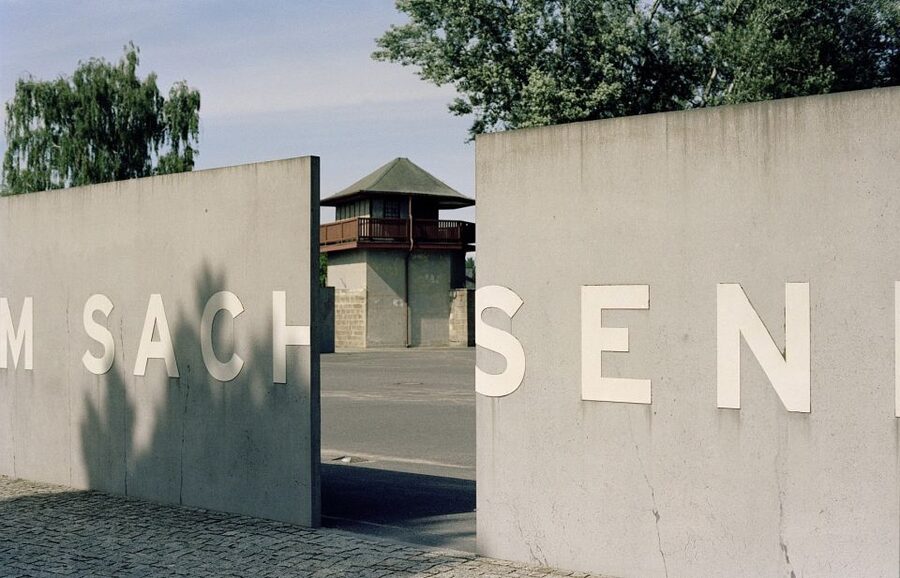
You start with a short guided portion in Berlin, and it is not long, but it serves a purpose. A quick orientation helps you understand what you are heading into, which matters when the subject is heavy and the site itself is complex.
After the Berlin segment, you head to Oranienburg and get another guided briefing time before you reach the memorial. Think of this as mental setup. It helps you recognize why certain locations inside Sachsenhausen mattered, even when you are standing in them with no label pointing you where to look.
Tower A and the Roll-Call Square: Learning Through Space
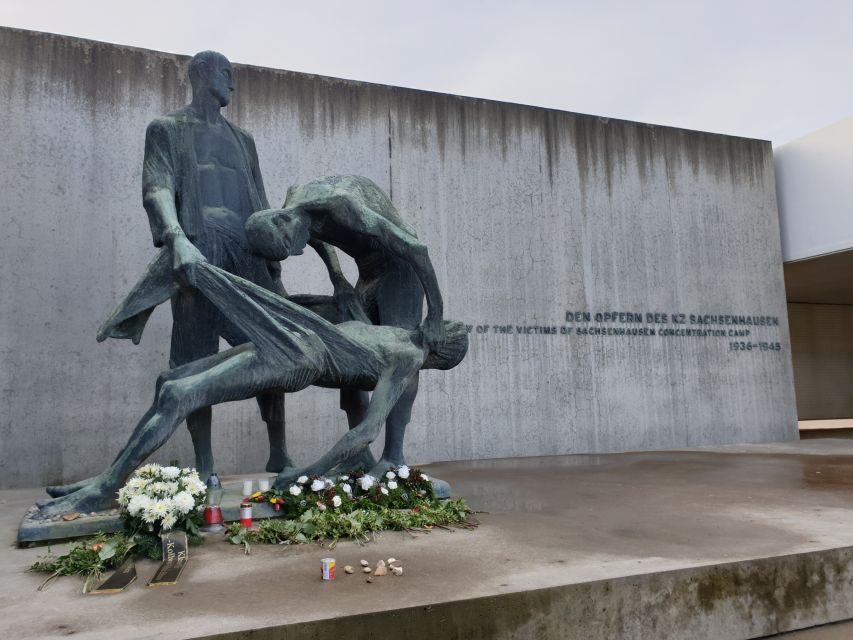
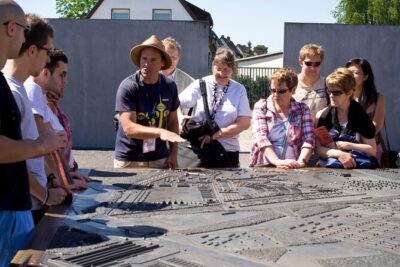
Once you are at the Sachsenhausen Memorial, the main walking tour runs about three and a half hours. You move through the camp with a guide who explains historical research and survivor testimonies, which keeps the information grounded instead of purely theoretical.
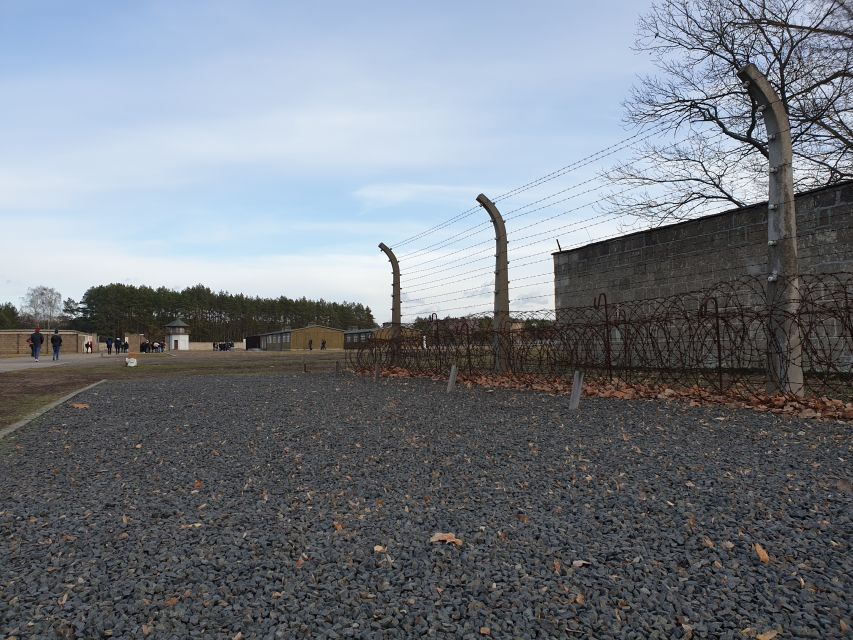
One of the first big stops is Tower A and the roll-call square. This is where the design of the camp becomes very clear. You do not just hear that people were controlled. You see the geometry of control: where SS oversight could be enforced and where prisoners were expected to stand, wait, and comply.
For me, this is the turning point in understanding. The camp layout is not random. The tour frames it as deliberate design for domination, where architecture became a tool of oppression. When you grasp that, the rest of the walk makes more sense.
More Walking Tours in Berlin
- Discover Berlin Half-Day Walking Tour
★ 5.0 · 9,624 reviews - Berlin: Third Reich and Cold War 2 Hour Walking Tour
★ 4.9 · 6,830 reviews - Berlin: Discover Berlin Walking Tour
★ 4.9 · 5,998 reviews - Berlin’s Best: 2 Hour Walking Tour Third Reich and the Cold War
★ 5.0 · 5,486 reviews
Forced Labor, Punishment, and the Prison Areas
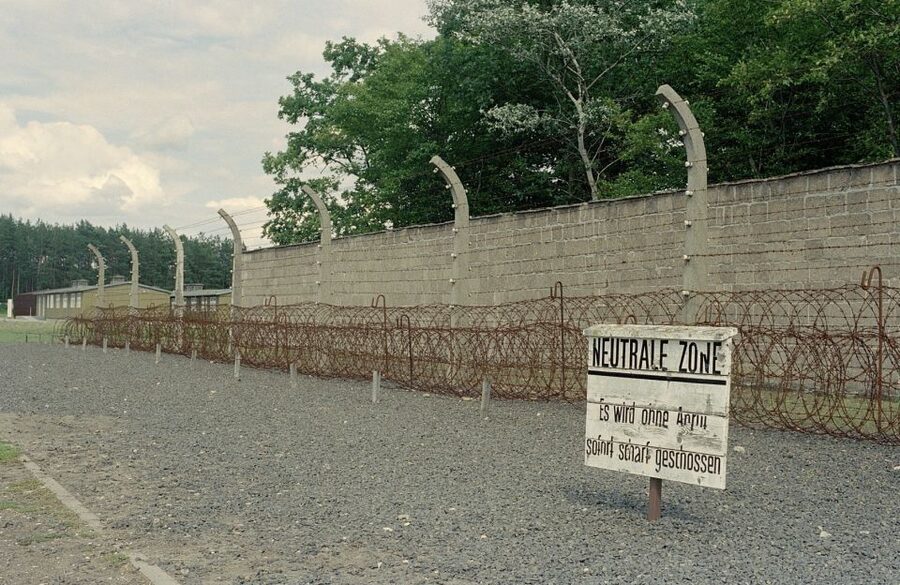
The tour then focuses on how the camp worked day to day, especially through the system of forced labor and punishment. You will walk through areas linked to incarceration routines and the methods used to break people down.
You also visit key prison spaces, including medical experimentation rooms. The guide explains how this was not an accident of history, but part of the Nazi dictatorship’s broader system of cruelty. Even if you think you know the basics, hearing it linked to specific camp functions helps you understand scale and intent.
This section can feel emotionally draining. That is normal. If you tend to get overwhelmed in museums or historical sites, it helps to go slowly, pause when needed, and keep your expectations realistic. You are not supposed to “power through” this like a checklist.
The Former Kitchen Museum and Daily Camp Reality
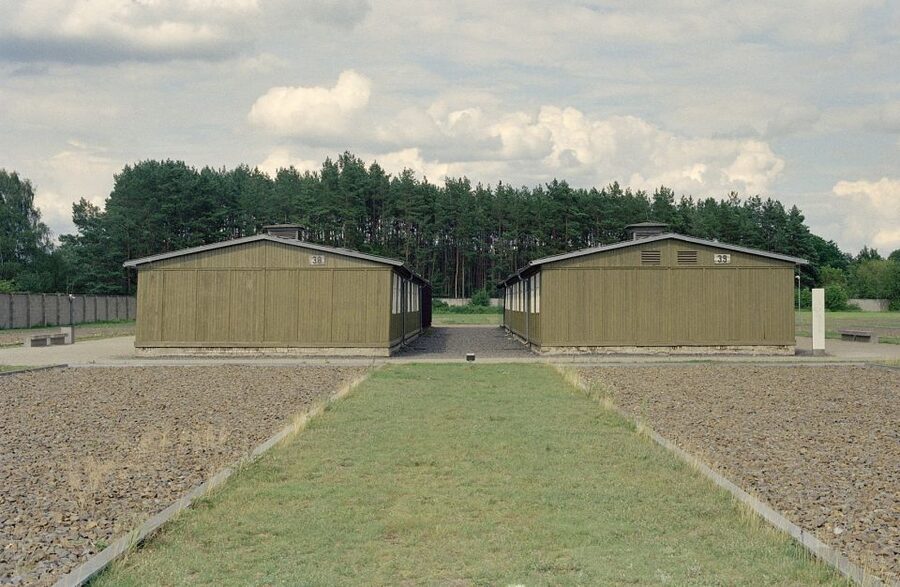
There is a stop at the former kitchen, which is now part of the museum presentation. It might sound like a smaller detail compared to towers and Station Z, but it matters because it pulls you toward everyday reality.
When the guide points out daily structures, you start to see how terror was maintained through routine. Control was not only something that happened during punishments. It was built into the rhythm of camp life, including food systems and how prisoners experienced scarcity.
This is also where the tour’s teaching style tends to shine. Guides who are praised for empathy often focus on what prisoners had to handle, not only what the regime planned. In past experiences on similar schedules, names like Fabio and Lorenzo have been highlighted for making complex facts feel human and understandable.
Station Z: Crematoriums and the Camp’s Killing Machinery
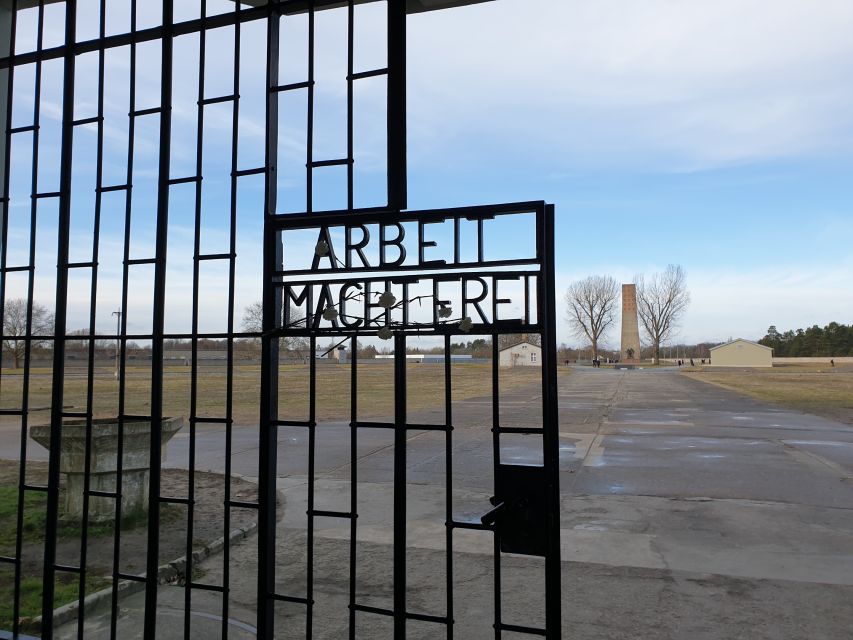
Station Z is the heavy centerpiece for many people. Here, the tour covers the areas where crematoriums and a gas chamber once stood, and the guide connects this to the wider Nazi exploitation and extermination system across Nazi Europe.
This is not the kind of site where the goal is to “look” and move on fast. The tour format, with a guide explaining context, makes it easier to stay oriented. You are guided through what happened and why, and you are not left alone with only your own assumptions.
I recommend bringing a steady pace to this section. Your brain will try to protect itself by rushing. Slowing down helps you absorb what you came for: understanding how the system operated, not just that it was horrific.
Beyond the Fence Line: SS Training, Industry, and Propaganda
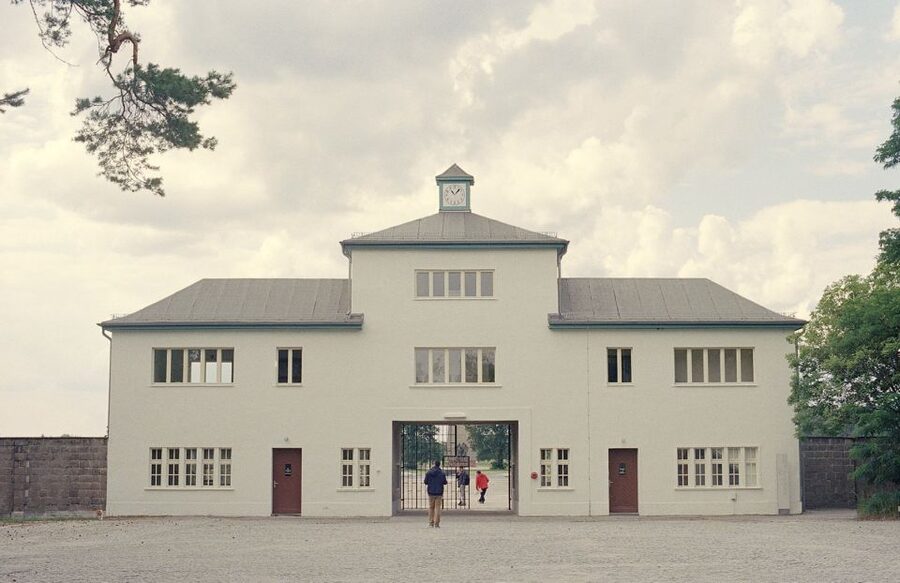
Sachsenhausen was not only a place of confinement. The tour also explains how it served as a model SS concentration camp and how it functioned as a training center for SS guards.
You also hear about the role of private industry in the camp system, and how camps were portrayed in Nazi propaganda. That combination is important for two reasons. First, it shows the dictatorship was not run solely by ideology. It relied on institutions and practices that helped it scale. Second, it shows how propaganda worked as a tool of normalization.
If you like history that explains systems rather than only villains, this part is especially valuable. You start seeing connections between design, labor, and ideology, and how propaganda supported the machinery.
End of War and the Postwar Soviet Special Camp Period
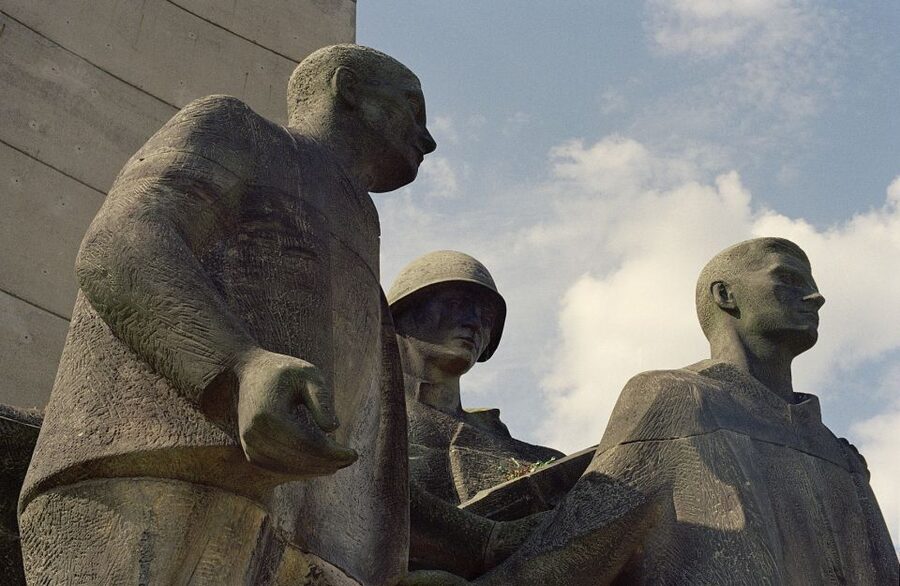
The tour does not stop at Nazi Germany. It also touches on prisoners’ attempts at resistance and the death marches at the end of the war. These parts reinforce that suffering was not limited to one phase, and that the collapse of the system did not mean immediate relief for those trapped inside it.
After World War II, the site continued operating under Soviet occupation as a special camp. The guide covers how thousands of people, including former Nazis, political opponents, and civilians, were detained there, and how many died from hunger and disease.
This is a sobering reminder that history does not reset cleanly when one regime falls. For many people, this section is difficult but clarifying. It helps you understand Sachsenhausen as an ongoing site of detention and control, not a sealed chapter.
What the Six-Hour Schedule Really Means for Your Day
The full experience runs about six hours. That includes train time, short guided segments around the Berlin side of the day, and the long walking tour at the memorial.
Here is what that means for planning:
- You should expect no long sit-down break.
- You should plan your energy for a steady flow of walking and standing.
- You should be ready for the memorial to operate in all weather, since there is no weather switch or shortcut described.
Food planning is a key detail. There is no lunch stop, and eating is not permitted on the memorial site. The tour recommends that you bring your own lunch for the train journey. That is smart. It keeps you nourished without breaking the rules at the site.
Bring comfortable shoes. It sounds obvious, but this is where comfort affects comprehension. If your feet hurt, you miss details, and the point of the tour is learning what the space was built to do.
Price and Value: When a Group Tour Makes Sense
The price is listed as $511 per group for up to 6 people. That sounds high if you compare it to a basic museum ticket. But you should compare it to what you get for that money: a guided walking tour of a major memorial, plus coordinated train travel from Berlin and a structured route through key sites.
If you divide $511 by 6, it comes to about $85 per person for a small group. For a guided, time-managed experience that includes transportation coordination and a multi-hour walking format, that can feel reasonable, especially if you want a guide who can answer questions and keep you oriented.
One tradeoff is that private groups and small groups can mean less flexibility for spontaneous pauses. If your group needs frequent stops for rest or quiet, you might prefer a pace that you can customize. Still, the tour format seems designed for efficient movement, with the guide doing the heavy lifting of storytelling.
Languages and Guide Quality: What You Can Expect to Hear
The tour offers live guides in French, Italian, and English. That matters because Sachsenhausen is full of precise place-based history, and good translation can change comprehension.
The best praise in the experience comes through in how guides teach sensitive material. Past guides highlighted include Fabio, Soleil, Lorenzo, Sueli, and Andrea, with mentions of deep preparation and empathy. In other words, the tour is not just reciting facts. It is explaining how to read the site and what the Nazi system aimed to accomplish.
If you care about clarity, this is where it pays to match your language. When the guide can hold the emotional and historical tone at the same time, the tour feels far more meaningful.
Rules and Practical Tips So You Stay Comfortable
This is a memorial site with clear expectations. The tour notes that smoking, alcohol, drugs, and nudity are not allowed. You will also want to dress for all weather and bring your own food and drinks for the non-memorial portions of the day.
Transit planning is also part of the success of the tour. You will need ABC public transport tickets for Berlin. Bring your ticket so you are not dealing with last-minute purchases, and do not show up late to the start.
If you remember just three things, make them these:
- Bring cash for the donation required by the Sachsenhausen Concentration Camp Memorial.
- Arrive early so you can catch the train and begin on time.
- Wear shoes you can walk in for hours.
Should You Book This Sachsenhausen Memorial Walking Tour From Berlin?
Book it if you want a guided, structured walk that connects camp architecture to how terror functioned. I think it is a strong choice for first-time visitors to concentration camp memorials because it helps you navigate major sites without getting lost in vague explanations.
Skip it or consider a different format if you cannot handle a walking-heavy, emotionally intense day. The tour is not described as easy or short, and there is no lunch stop at the memorial. Also, if you are the kind of person who gets stressed by tight timing, the prompt train departure and “no waiting” policy might be a factor for you.
FAQ
FAQ
How long is the Sachsenhausen Memorial walking tour from Berlin?
The total duration is about 6 hours, with a main walking tour at the memorial lasting about 3.5 hours.
Where do we travel from and to?
You start in Berlin and travel together by S-Bahn to Oranienburg, which is the nearest station to the memorial. After the visit, you return to Berlin with drop-off at Potsdamer Platz 10 and Friedrichstraße 141.
How do we get to Oranienburg?
The tour includes a train ride from Berlin to Oranienburg, with about 40 minutes of train time in each direction.
What languages are available for the guide?
The tour is offered with live guides in French, Italian, and English.
Is there a memorial donation?
Yes. Participants must pay a mandatory €3 donation in cash at the meeting point, and the full amount is donated to the Sachsenhausen Concentration Camp Memorial.
Do I need Berlin public transport tickets?
Yes. You need a public transport ticket for zones ABC of Berlin.
Is food allowed during the visit?
Eating is not permitted on the memorial site, and there is no lunch stop. The recommendation is to bring your own lunch for the train journey.
What should I bring and wear?
Bring comfortable shoes, food and drinks for the non-memorial parts of the day, and a public transport ticket. The tour happens in all weathers, so dress accordingly.
What if I need to cancel?
Free cancellation is available up to 24 hours in advance for a full refund. You can also reserve now and pay later to keep your plans flexible.
More Memorial Site Visits from Berlin
- Berlin: Sachsenhausen Concentration Camp Tour in English
★ 4.8 · 1,889 reviews - Sachsenhausen Concentration Camp Memorial Tour (Max. 15 Guests)
★ 5.0 · 1,516 reviews - Berlin: English Bus Tour to Sachsenhausen Concentration Camp
★ 4.9 · 1,380 reviews - Berlin: Sachsenhausen Concentration Camp and Potsdam Tour
★ 4.6 · 1,334 reviews
Newest Berlin reviews on the site
- Your ticket to The Wall Museum Berlin★ 3.0 · 60 reviews
- Rickshaw Tours Berlin – Groups of up to 16 people with several rickshaws★ 4.0 · 97 reviews
- Love and War in Berlin: Self-Guided Story Puzzle Walk★ 5.0 · 7 reviews
- Warnemuende Shore Excursion: Berlin Private Sightseeing Tour from Rostock★ 5.0 · 4 reviews
- eSIM for Germany and 34 European Countries★ 4.5 · 16 reviews
- Walking on the Wall: 3-Hour Tour in Berlin★ 4.5 · 34 reviews
- Karl-Marx-Allee Tour: Life and Architecture in East Berlin★ 5.0 · 19 reviews
- Warnemuende Shore Excursion: Private Berlin Tour★ 4.5 · 27 reviews
Concentration Camp Memorial Tours, compared.
Sachsenhausen Concentration Camp Tour in English
Read our review →
Dachau Concentration Camp Memorial Site Tour from Munich by Train
Read our review →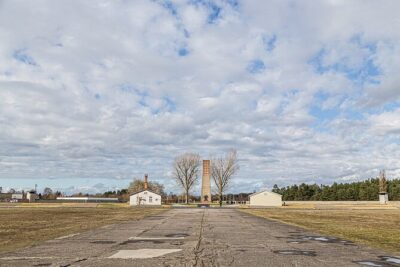
Sachsenhausen Concentration Camp Memorial Tour
Read our review →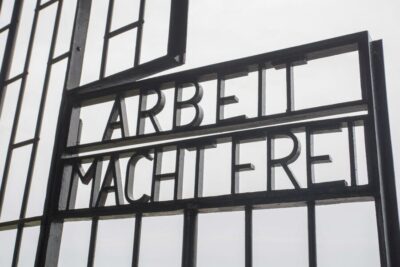
Sachsenhausen Concentration Camp Bus Tour in English from Berlin
Read our review →Sachsenhausen Concentration Camp Tour in English
Read our review →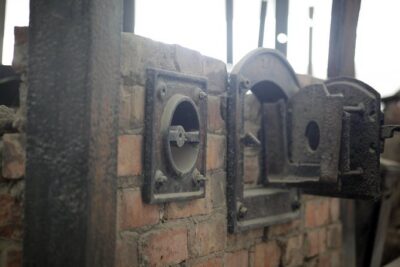
Sachsenhausen Concentration Camp Memorial Tour (Max. 15 Guests)
Read our review →Browse the lists this tour appears in