
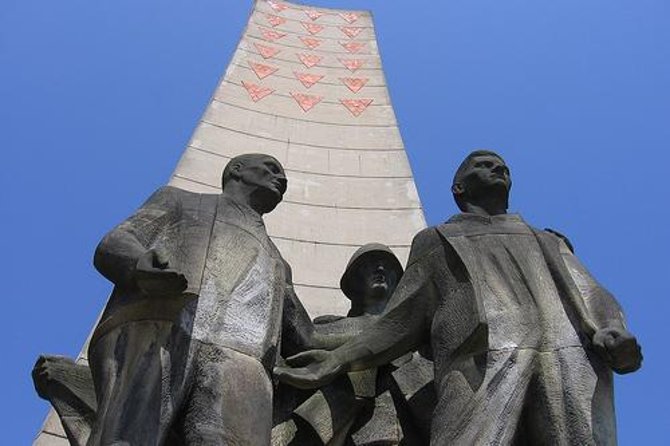
Reviewed · CONCENTRATION CAMP MEMORIAL TOURS
Berlin: Sachsenhausen Concentration Camp Tour in English
Sachsenhausen hits fast, in the best way. I love how this English guided tour connects what you see on the ground to the full story from 1936 to 1945, and I also like that you spend real time at key locations like Station Z and the punishment areas. With guides such as Daniel, Paul Declan, and Xavier (names you may hear on different dates), the tone stays respectful but never vague.
One drawback to plan for is the pace and the walking. You are out on the memorial grounds in all weather for hours, and the tour is not set up for wheelchair access.
In This Review
- Key things I’d circle before you go
- Meeting Friedrichstraße: finding the tour team with yellow umbrellas
- Train to Oranienburg, then a short walk to Sachsenhausen Memorial
- Camp Administration Center: where the Third Reich system becomes concrete
- Station Z and the mass murder locations: seeing the site without turning away
- Jewish Barracks, punishment cells, and the cruelty built into daily life
- Watchtower and command spaces: why layout is part of the story
- Resistance stories you hear along the walk, not as textbook trivia
- Death March, liberation context, and the uneasy question of what came next
- SS training camp and the gallows: the camp as a system of terror
- Time and logistics: a 5.5 to 6 hour day that needs snacks and patience
- Price value at about $22, plus a meaningful donation
- Who this tour suits best, and who may want a different plan
- Should you book Sachsenhausen from Berlin?
- FAQ
- How long is the Sachsenhausen tour from Berlin?
- Where do we meet in Berlin?
- Do I need a public transport ticket to go to Sachsenhausen?
- What sites will the tour include at Sachsenhausen?
- Is food included in the price?
- What languages are the guides?
- Is the tour wheelchair accessible?
Key things I’d circle before you go
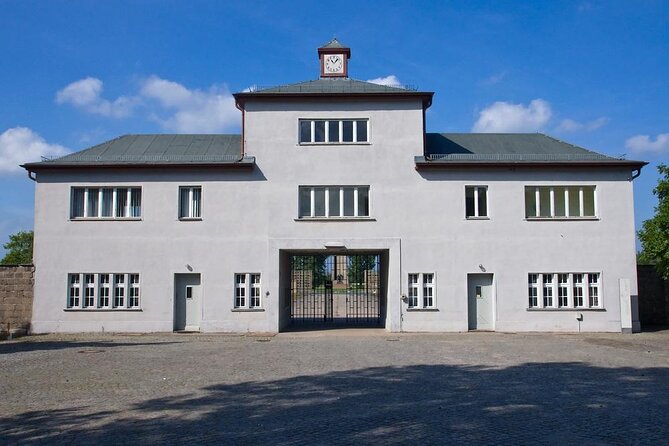
- A licensed guide on both sides of the day, from Berlin to the memorial and back
- A clear route through major sites, from the Camp Administration Center to Station Z, punishment cells, and the gallows area
- Context beyond the camp, including resistance stories, the Death March, and what happened after the Soviets took over
- Small and private group options, so you are less likely to feel like a number
- Included memorial donation (plus a price that stays in the value zone for Berlin day trips)
Meeting Friedrichstraße: finding the tour team with yellow umbrellas
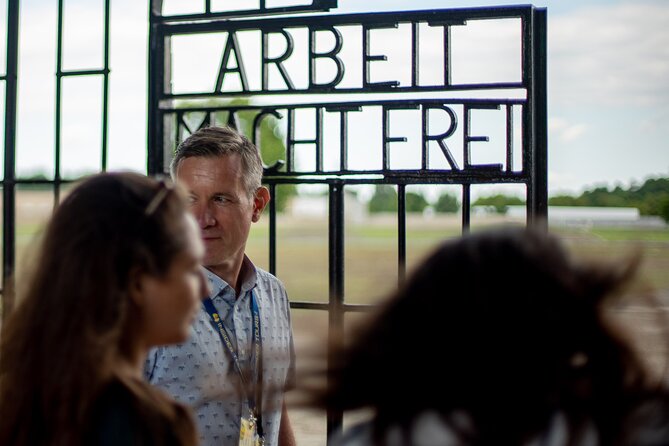
Your day starts in Berlin at Friedrichstraße station, at the square next to the Palace of Tears, called the Traenenpalast. When you arrive, look for guides holding yellow umbrellas so you can spot your group quickly. It is a practical setup, since Friedrichstraße is an easy hub for getting around the city.
If you are the type who likes to get oriented early, this meeting point helps. You will be with your guide from the start, which matters because the rest of the day depends on staying together on public transport.
More Concentration Camp Memorial Tours in Berlin
- Berlin: Sachsenhausen Concentration Camp Tour in English
★ 5.0 · 5,711 reviews - Berlin: Sachsenhausen Concentration Camp Memorial Tour
★ 4.7 · 3,716 reviews - Sachsenhausen Concentration Camp Bus Tour in English from Berlin
★ 5.0 · 1,962 reviews
Train to Oranienburg, then a short walk to Sachsenhausen Memorial
From Berlin, you take the train to Oranienburg. The ride is short, and then you walk about 20 minutes to the Sachsenhausen Memorial. This stretch is not huge, but it does set the tone: you move from city energy into something quiet and heavy.
Here is my practical advice. Wear comfortable shoes and bring water, because even if the weather is mild, you will be standing for explanations. Also, food and drink are not included, so pack snacks if you like to stay ahead of hunger.
Camp Administration Center: where the Third Reich system becomes concrete
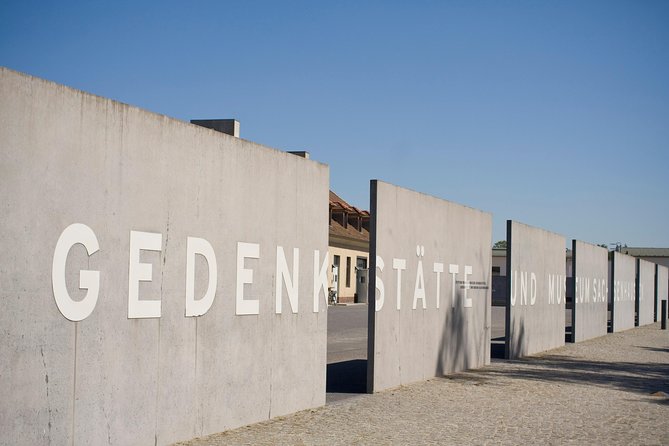
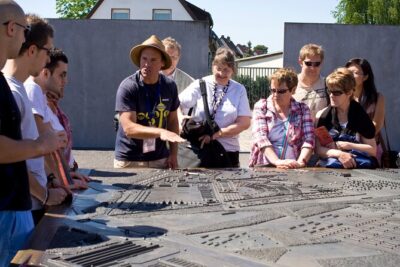
The guided portion begins at the Camp Administration Center, now an on-site museum. This building matters because it once functioned as headquarters for managing the Third Reich’s camp system, including 32 main camps and over 1,000 satellite camps. Standing in that context helps you understand that Sachsenhausen was not just a place, it was part of a larger machine.
Your guide walks you through what the Nazis built and how the camp’s purpose changed over time. You hear how the SS started construction in 1936 with the intention of detaining opposition to the Nazi regime, then expanded to target anyone the NSDAP labeled as a threat to its ideology.
If you care about historical accuracy, this stop is a strong anchor. It gives you a framework for everything else you will see, from the barracks to the killing-related sites.
Station Z and the mass murder locations: seeing the site without turning away
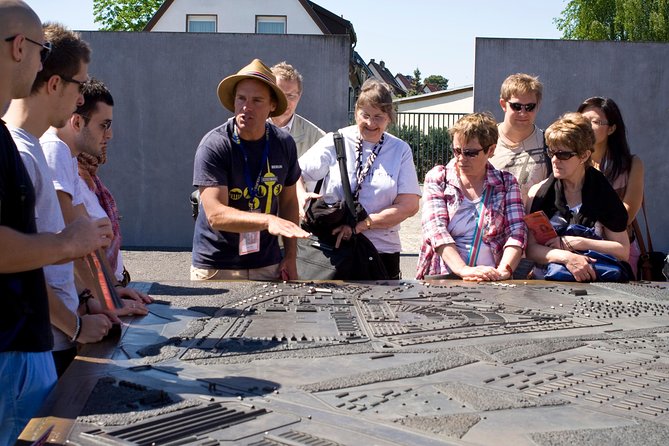
One of the most serious stops is Station Z, a location tied to mass murder. This is also where the tour’s respectful tone really shows. Instead of sensational details, your guide connects the physical layout to how the system operated, and you learn what happened here in plain, careful language.
The highlights also point to locations connected to the gas chamber and execution sites, and that theme continues as you move through the camp route. You are meant to recognize the geography: the camp was designed for control, isolation, and ultimately extermination.
I will be blunt: there is no way to “power through” this part without feeling it. If you are prone to dissociating when things get heavy, give yourself a moment before you enter each section and let the explanations land.
More memorial site visits from Berlin:
- Sachsenhausen Concentration Camp Memorial Tour (Max. 15 Guests)
★ 5.0 · 1,516 reviews - Berlin: English Bus Tour to Sachsenhausen Concentration Camp
★ 4.9 · 1,380 reviews - Berlin: Sachsenhausen Concentration Camp and Potsdam Tour
★ 4.6 · 1,334 reviews - Sachsenhausen concentration camp.
★ 5.0 · 1,189 reviews
Jewish Barracks, punishment cells, and the cruelty built into daily life
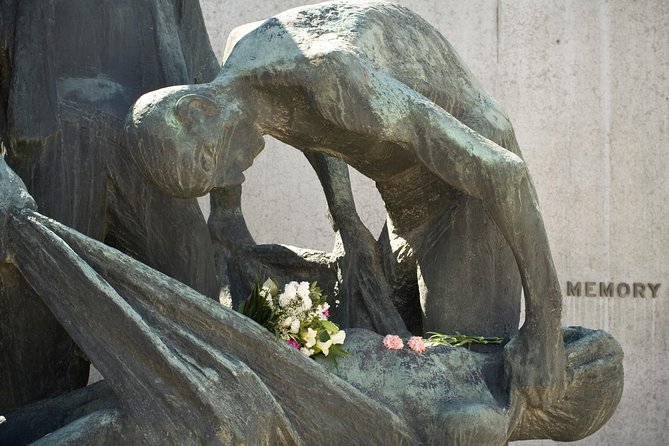
You will also visit the Jewish barracks, plus punishment cells where brutal treatment was carried out. These are not just exhibits, they are rooms and spaces that still tell a story. When a good guide explains what life was like day to day, you stop thinking of the prisoners as a single group and start understanding the categories, policies, and terror that targeted different people.
Your route includes places tied to experiments as well, such as the pathology laboratory and the infirmary. The point is not shock for shock’s sake. It is to show how the camp system used human bodies as tools and how that cruelty was organized, not random.
Many guides on this tour are praised for handling the subject with empathy and careful pacing. Names that come up often include Mikhail, Ariel, Lucia, and Rebecca, with visitors calling out how the guide balances clarity with sensitivity. That matters, because the topic is emotionally demanding and the site does not need sensational add-ons.
Watchtower and command spaces: why layout is part of the story
You will pass the watchtower and also the Commandant’s House. These are key because they help you see control in architecture. A watchtower is not just a viewpoint; it is a statement of surveillance, and the command spaces reinforce that prisoners were always being managed, sorted, and threatened.
Your guide often brings in details about prisoner groups and their fates. You hear about notable individuals imprisoned here, including Stalin’s son. Even when you already know some WWII history, hearing these references in the camp setting makes them feel more specific, and less like names on a page.
Resistance stories you hear along the walk, not as textbook trivia
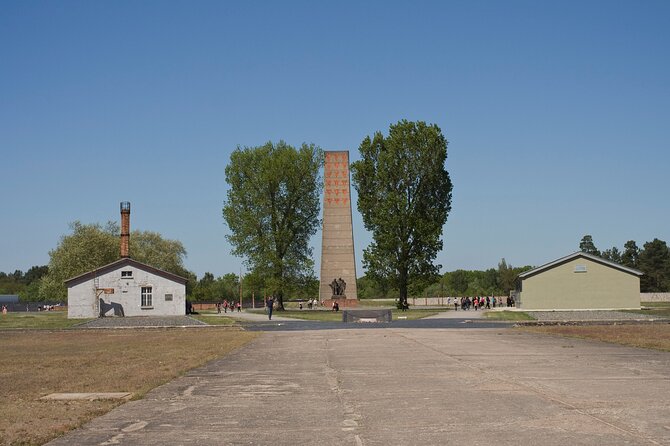
A major part of the tour is how your guide treats resistance. You do not only learn what the Nazis planned, you learn what prisoners did to fight back when they could.
You will hear about the Jewish revolt in 1942, defiance by British POWs, and acts of sabotage by Soviet and Polish prisoners. For me, this is one of the most valuable ways to visit Sachsenhausen. It refuses to leave you stuck in helplessness, and it shows that agency existed even under extreme terror.
If your guide is strong at storytelling, you will feel the difference between reading about resistance and hearing it placed into the camp’s timeline and geography.
Death March, liberation context, and the uneasy question of what came next
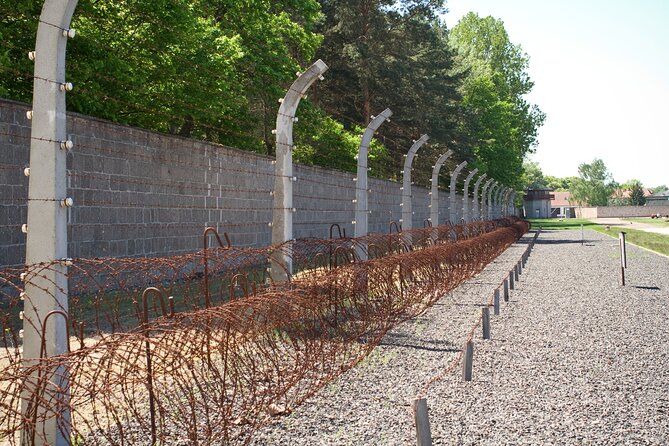
The tour also covers the Death March that preceded the camp’s liberation in 1945. This part matters because it connects Sachsenhausen to the broader collapse and chaos of the final war months. You start to understand how the Nazi camp system did not simply end when the liberation came, it shifted forms, moved people, and caused more suffering in transit.
After that comes another shift, and it is easy to miss if you only think of WWII as a clean before and after. Your guide explains how the camp was later repurposed by the Soviets. You visit Special Camp 1/7, which helps you see that the machinery of confinement did not magically disappear overnight.
This is where the tour becomes especially educational if you like history that explains consequences. You get a sense of continuity in detention systems, even as the controlling power changes.
SS training camp and the gallows: the camp as a system of terror
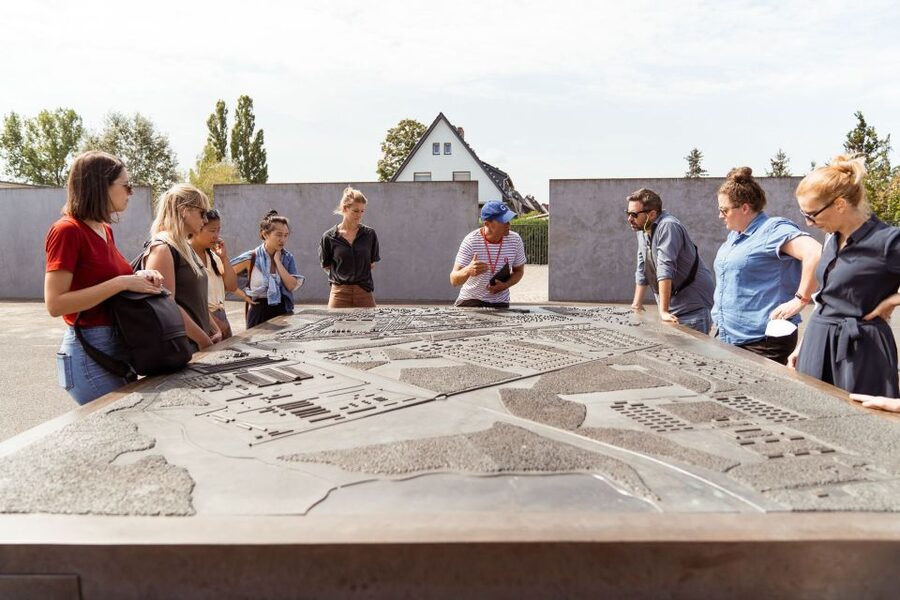
Toward the end of the guided portion, you also visit the SS training camp and the gallows. These stops underline a grim point: the camp was designed not only to detain, but to teach brutality, enforce obedience, and punish.
The gallows area is one of those locations where your imagination tries to fill in too much. Resist that temptation. Let the guide’s pacing and wording anchor you to what is actually known and what the site layout suggests.
If you have ever wondered why certain dictatorships obsessed over discipline and intimidation, this is where you feel the answer in your body. The place communicates it.
Time and logistics: a 5.5 to 6 hour day that needs snacks and patience
This experience runs about 5.5 to 6 hours. You spend a big chunk at the memorial with about three hours of guided walking and explanations. That timing is why your preparation matters.
Public transport tickets are required. Specifically, you need an ABC zone ticket for travel to and from the memorial, and you can buy it on the day with help from the on-site staff. Your guide travels with you on public transport rather than by private vehicle, which makes the day feel more like Berlin travel and less like a chauffeured history lecture.
As for group size, the tour offers private or small groups. On busier dates, the group can be large, but you still tend to get organized into manageable sets once you reach the site.
One more practical note from the real world: the tour runs in all weathers. Bring comfortable layers, and treat the cold as part of the plan rather than a surprise.
Price value at about $22, plus a meaningful donation
At around $22 per person, this is one of those Berlin day trips that feels fair once you factor in what you actually get. You are paying for a licensed English-speaking guide, guided access to the memorial route, and the structure of a guided day trip rather than a random self-guided slog.
There is also a €3 donation to the camp memorial included. That is a small line item, but it signals that the tour is meant to support preservation and education rather than just sell tickets.
If you are choosing between an audio guide and a live guide here, I would pick live. The site includes places that only fully make sense when someone explains how they connect to the camp’s purpose and timeline.
Who this tour suits best, and who may want a different plan
This tour is ideal if you want context, not just locations. You will get a story that moves before, during, and after WWII, including resistance, the Death March, and the Soviet postwar repurposing at Special Camp 1/7.
It is also a good fit if you care about respectful communication. Many guides on this route are praised for being patient with questions and for keeping the mood serious while still delivering the information clearly.
If you have mobility issues, this is not your best match. The tour involves moderate walking, it is not wheelchair accessible, and it is not recommended for limited mobility or walking impairments.
Should you book Sachsenhausen from Berlin?
Yes, if you want an English guided day trip that takes you through the major sites with care and context. This is not a casual sightseeing loop. It is a learning-focused route that helps you connect geography, policy, and timeline, and you leave with a clearer understanding of how the camp system worked.
Book it if you like having a guide who can answer questions while staying respectful. And choose this format over self-guided if you want the on-site stops to come with meaning, not just labels.
Do not book it if you cannot handle prolonged walking outdoors or if you need fully accessible sites. In those cases, you might want a different kind of experience that fits your mobility needs better.
If you do book, come with comfortable shoes, snacks, and the willingness to sit with difficult history. That is the whole deal here, and the guidance is what turns seeing into understanding.
FAQ
How long is the Sachsenhausen tour from Berlin?
The tour lasts about 5.5 to 6 hours in total.
Where do we meet in Berlin?
Meet your guide outside Friedrichstraße train station, on the square beside the Traenenpalast (Palace of Tears). Look for the guides holding yellow umbrellas.
Do I need a public transport ticket to go to Sachsenhausen?
Yes. An ABC public transport ticket is required for travel to Sachsenhausen Memorial and return to Berlin, and you can purchase it on the day with help from on-site staff.
What sites will the tour include at Sachsenhausen?
The tour includes stops such as the Camp Administration Center (museum), Station Z, watchtower, Commandant’s House, Jewish barracks, punishment cells, Pathology Laboratory, the infirmary (experimentation sites), Special Camp 1/7, SS training camp, and the gallows.
Is food included in the price?
No. Food and drink are not included.
What languages are the guides?
The tour is offered with live guides in English (and also German).
Is the tour wheelchair accessible?
No. The tour is not wheelchair accessible and is not recommended for people with mobility impairments or walking difficulties.
Newest Berlin reviews on the site
- Jetbike Berlin fun bike beer bike★ 5.0 · 3 reviews
- Karl-Marx-Allee Walking Tour: Berlin’s Socialist History★ 5.0 · 5 reviews
- Homeless on chic streets: city tour in Berlin from personal experience★ 4.6 · 3 reviews
- Berlin: Sachsenhausen Concentration Camp Guided Tour★ 4.9 · 42 reviews
- Historyof the Trans, Queer & Gay communities of Berlin tour★ 4.8 · 17 reviews
- Historic Berlin Pubs & History Tour★ 4.9 · 73 reviews
- Berlin: City Center Walking Tour★ 4.7 · 45 reviews
- Half-Day Berlin Highlights Segway Expedition★ 4.5 · 61 reviews
Concentration Camp Memorial Tours, compared.
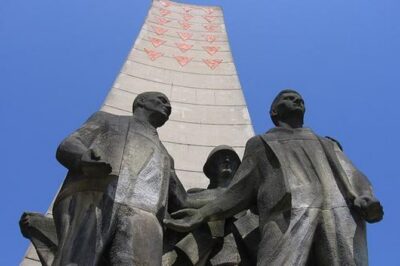
Sachsenhausen Concentration Camp Tour in English
Read our review →
Dachau Concentration Camp Memorial Site Tour from Munich by Train
Read our review →
Sachsenhausen Concentration Camp Memorial Tour
Read our review →
Sachsenhausen Concentration Camp Bus Tour in English from Berlin
Read our review →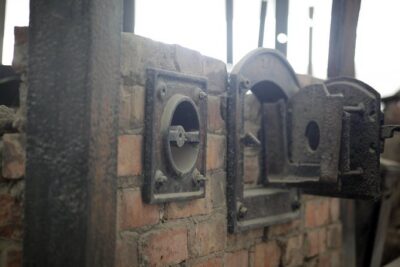
Sachsenhausen Concentration Camp Memorial Tour (Max. 15 Guests)
Read our review →
Browse the lists this tour appears in