
Reviewed · HISTORICAL TOURS
Munich: Historical Walking Tour on the Rise of Hitler
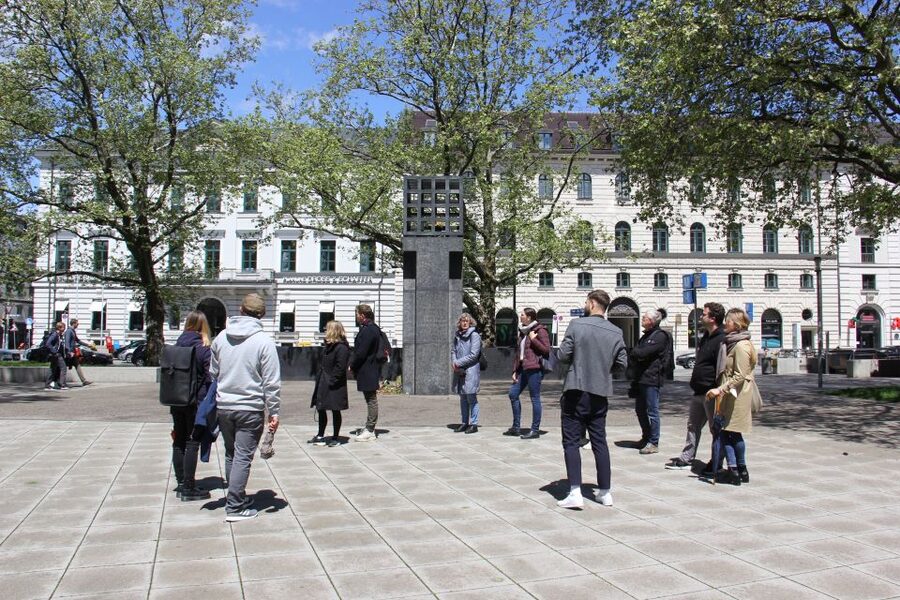
Munich explains the Nazis’ rise in 2.5 hours. This historical walking tour with Alex, a Munich native, connects Marienplatz and other central sites to the early steps of Hitler and the Nazi movement. I like how the tour keeps its focus on the city itself, not just names and dates, so you can see why Munich mattered.
I also loved the chronological way the story unfolds. You get the cause and effect, from Hitler’s early emergence to the “capital of the movement” label and the building boom that followed. That structure helps you follow along even if you are not a history person.
One consideration: this is a serious topic. You will walk through places tied to propaganda and persecution, so expect moments that feel heavy, even though Alex builds in short pauses and keeps the tone respectful and human.
In This Review
- Key highlights I think you should zero in on
- Munich explains how evil gained a foothold, starting at Marienplatz
- Alex keeps the story accurate and the walking doable
- How the tour traces Hitler’s rise through Munich’s key public spaces
- Nazi-era buildings are the real “text” you read on the street
- Where speeches, parades, and war changed the meaning of everyday places
- Price and timing: is $30 worth it for a Munich history walk?
- Practical tips to get the most from your walk
- Who should book this tour, and who might prefer something else
- Should you book this dark history walk in Munich?
- FAQ
- Where is the meeting point?
- How long is the tour?
- What language is the guide?
- Is the tour indoors?
- What should I bring?
- How much does it cost?
Key highlights I think you should zero in on
- Marienplatz start at the Marian Column, easy to find and a strong point of context
- Local guide Alex with deep knowledge from long personal interest in the subject
- Chronological route that ties Munich events to the broader rise of National Socialism
- Propaganda architecture you can still see, including major Nazi-era buildings
- Rallies and speeches in real public squares, plus how Munich endured wartime bombing
- An approach that mixes seriousness with humor, so it stays engaging without getting light
Munich explains how evil gained a foothold, starting at Marienplatz
If you only visit Munich for palaces and beers, this tour will change your mental map fast. Munich can feel open and easygoing. Yet the city also played a decisive role in how National Socialism gained momentum. This walk turns that contradiction into something you can understand in the street level details.
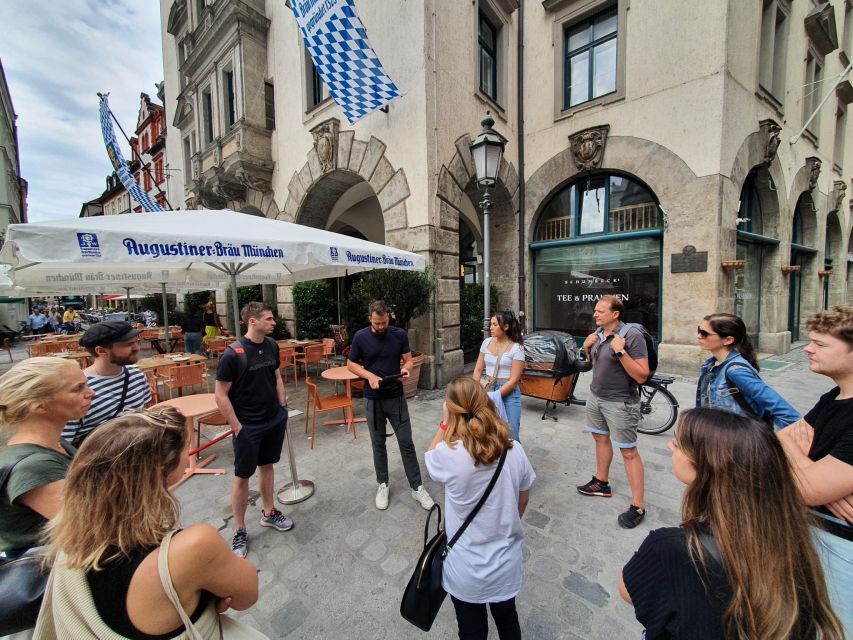
The meeting point is Marienplatz, at the Marian Column with the small golden statue in the middle of the square. That choice matters. It places you in Munich’s civic heart first, then you gradually move into the Nazi-era story tied to nearby public spaces and prominent buildings. It is a good setup because you are not starting in a museum basement. You are starting where Munich’s public life has long been on display.
From the start, you’ll be nudged to look at the city differently. Buildings and squares that look normal at first glance start to feel charged once Alex explains what happened there. I like that you do not need specialized background to get meaning from what you see.
More History Tours in Munich
- Munich: Guided Tour of the historic Town Hall on Marienplatz
★ 4.8 · 63 reviews - Munich Craft Beer & Cultural Tour With Snack
★ 5.0 · 46 reviews - Munich History Tour: Private & Personalized with a Local Guide
★ 4.5 · 33 reviews
Alex keeps the story accurate and the walking doable
Alex is a young professional guide, born and raised in Munich, age 32. The tour is built around his long involvement with the topic since his youth, with a clear goal: to understand how Hitler’s rise was possible and how quickly an inhuman dictatorship could destroy Europe. That purpose shows in how he answers questions. He does not just recite facts. He tries to connect the dots so you can see how people, politics, and symbols moved together.
What I found especially reassuring is his tone. The subject is heavy, but the tour is not grim in a way that shuts you down. One review note that Alex keeps it engaging without going shallow, and that matches what you can expect from his style. He even plans short breaks, which is practical on a 2.5-hour walk when you are standing still to absorb a lot.
He also aims for a tour that works for locals and visitors alike. Reviews mention that even people from Munich still discovered new things. That is a big deal. It suggests Alex is not just giving a “greatest hits” script. He is interpreting the city so the setting clicks into place.
One more real-world plus: Alex may sometimes help you access areas that are not usually open to the public. You should treat that as a possible perk, not a guarantee, since it depends on the site and timing. Still, it’s a good sign when a guide thinks about how to make the story feel tangible, not theatrical.
How the tour traces Hitler’s rise through Munich’s key public spaces
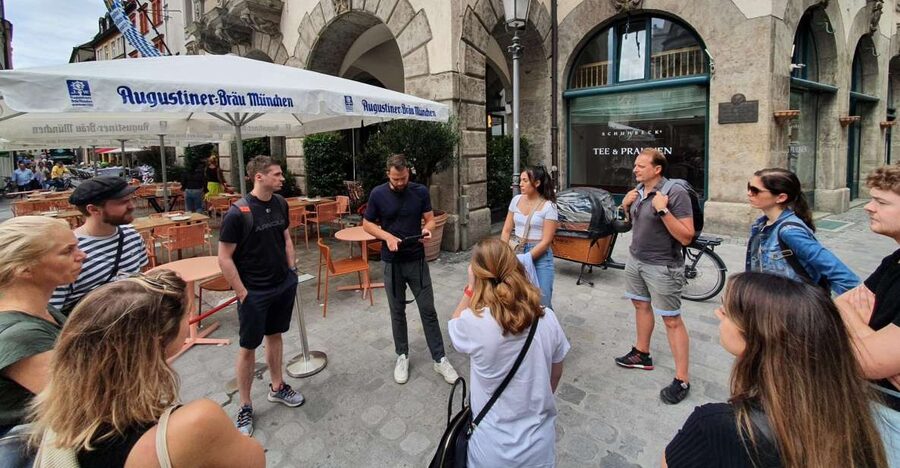
This tour follows the story chronologically. That is not a small detail. It makes the narrative easier to hold in your head. Instead of jumping around, you move through the timeline so Munich’s role becomes clearer step-by-step.
Here is the big arc you will walk through:
- Munich’s decisive role in the rise of the Nazis
- Hitler’s early emergence as a feared dictator of the Third Reich
- The way Munich was later honored with the title capital of the movement
- The building boom that came with that status, including propaganda buildings
- The way these buildings still shape Munich’s cityscape today
- The war years, including how Munich endured bombing
Along the way, you visit the most important squares and buildings tied to Nazi use or Nazi misuse. The tour includes places where Hitler held his first speech, where the Nazis celebrated parades, and where the city suffered during the bombing war. It also includes buildings associated with worship that were used in ways they should not have been used.
If you like understanding history as a chain of decisions, this format helps. You see how an ideology first spreads through public life, then gets built into the physical city, then gets validated with spectacle, then gets paid for with catastrophe.
Nazi-era buildings are the real “text” you read on the street
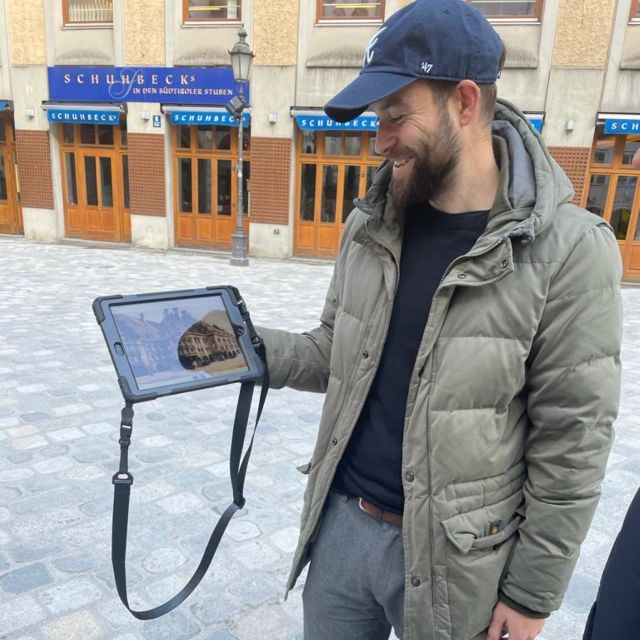
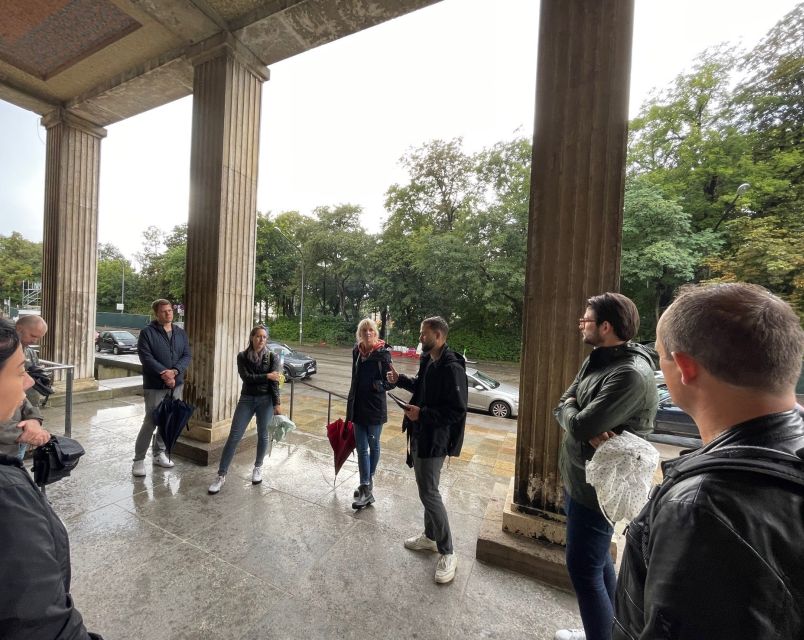
One of the tour’s strongest promises is the chance to see buildings built from Hitler and Nazi-era propaganda structures. The point is not just that these structures exist. The point is how they helped make the movement visible and repeatable.
Alex’s explanations focus on why those propaganda buildings mattered. They were not neutral architecture. They were messages in stone and concrete. Many of them survived the war unscathed, and today they still stand in Munich’s cityscape. That survival is what makes this tour feel urgent. History is not only behind glass here. It is part of the walk you are doing right now.
As you move from stop to stop, expect to spend time looking at the exterior and the setting: how a building faces a square, how it relates to pedestrian flow, how power becomes visible when the city is designed for it. You will also learn what role these buildings played in daily public life during the Nazi era.
You also learn about buildings that were misused as places of worship. That is an especially uncomfortable chapter, but it helps you understand the method. When institutions meant to provide spiritual meaning are forced into political service, it is harder for a population to keep moral distance. This tour does not pretend the subject is easy, but it keeps you oriented in what to notice.
More Walking Tours in Munich
- Munich: Third Reich & WWII Walking Tour
★ 4.6 · 6,181 reviews - Third Reich Walking Tour Munich
★ 4.5 · 4,291 reviews - Munich: Old Town & Viktualienmarkt City Walk in German
★ 4.7 · 2,304 reviews - Munich: Night Watchman Walking Tour
★ 4.7 · 2,092 reviews
Where speeches, parades, and war changed the meaning of everyday places
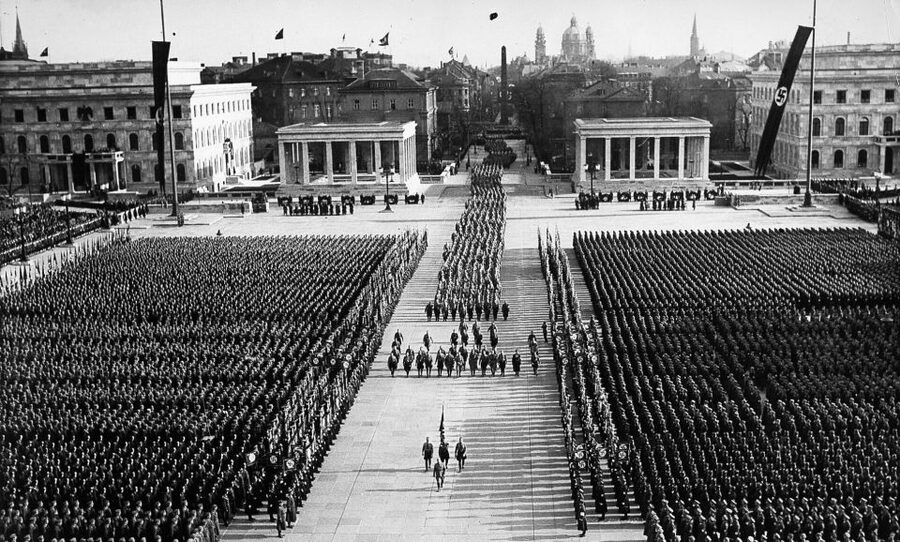
The tour is not limited to architecture. It also brings you to the squares and public spaces tied to rallies and speeches. When you hear that Hitler held his first speech here, it changes how you look at the surrounding streets. When you learn that Nazis celebrated parades in these public areas, the story stops feeling abstract.
This is also where you get the wartime angle. You will learn how Munich endured the bombing war, not as a general historical fact, but as something tied to the city’s prominence and the consequences of the regime’s actions. Alex helps you connect the propaganda era to the physical and human costs that arrived later.
This part can be surprisingly moving. Not because it is emotional theater, but because you are seeing a place that has had multiple identities over time. The city did not just witness events. It was shaped by them.
If you prefer history that includes human gravity and real consequences, this is one of the best parts of the tour. If you prefer only “light” sightseeing, this is the section where you might decide you want a less heavy day.
Price and timing: is $30 worth it for a Munich history walk?
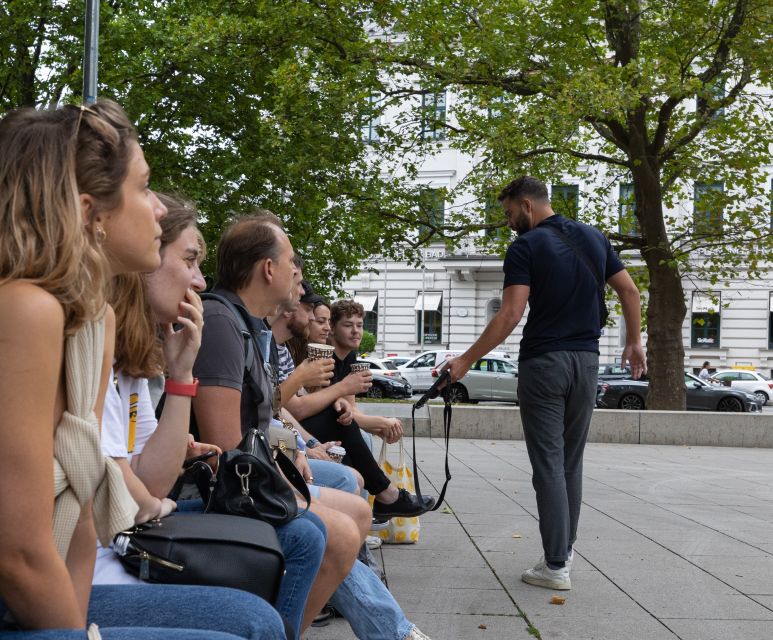
At $30 per person for about 2.5 hours, this is priced like an accessible walking tour, not a pricey museum excursion. You’re paying for something specific: a guided interpretation of the rise of Hitler and National Socialism using central Munich sites, with a guide who is both local and personally motivated by understanding.
You also get:
- A fully guided tour by Alex
- Personal recommendations to explore Munich like a local
Two-and-a-half hours is the right length for this topic. You can absorb a lot without getting wiped out. Reviews also suggest it can run closer to just under three hours while still feeling reasonable. That makes sense: history like this requires some standing time and some quiet processing.
Logistics are straightforward:
- No hotel pickup is included
- You start at Marienplatz
- Bring comfortable shoes because you will walk
- It runs rain or shine
If you are planning other central Munich stops that day, it helps to keep this tour near the beginning or at least in the middle of your sightseeing day. It gives you a new lens for everything else you see.
Practical tips to get the most from your walk
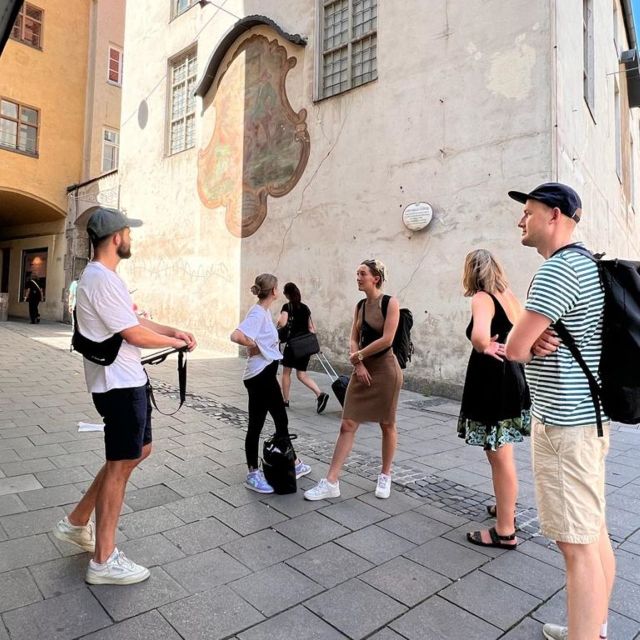
A few things will make the tour click faster.
First, wear comfortable shoes. You are outdoors and you’ll be stopping often. This is not a “keep moving, never look down” style walk.
Second, come with curiosity, not a checklist. Alex’s explanations work best when you let the city lead. If you ask questions, he answers with context, and that makes the timeline feel more personal.
Third, remember the language. This tour is in German. If your German is limited, you might still follow the major story beats, but your enjoyment will depend on how comfortable you are.
Last, mental pacing matters. This is a serious topic. Short breaks are part of the plan, but you should also give yourself permission to pause and take in what you’re hearing.
Who should book this tour, and who might prefer something else
This tour is a great fit if you:
- Want a Munich historical walking tour focused specifically on the rise of Hitler and the Nazi movement
- Like seeing how ideology shows up in real places, especially propaganda architecture and public squares
- Prefer a guide who ties events together with context and answers questions
- Appreciate a tour that stays respectful but does not turn into a dry lecture
- Like the idea of learning in a timeline, not a random set of stops
It may not be the best fit if you:
- Want an easy, low-emotion city stroll
- Are uncomfortable with topics tied to propaganda, persecution, and war
- Need an English-language tour, since the guide speaks German
Should you book this dark history walk in Munich?
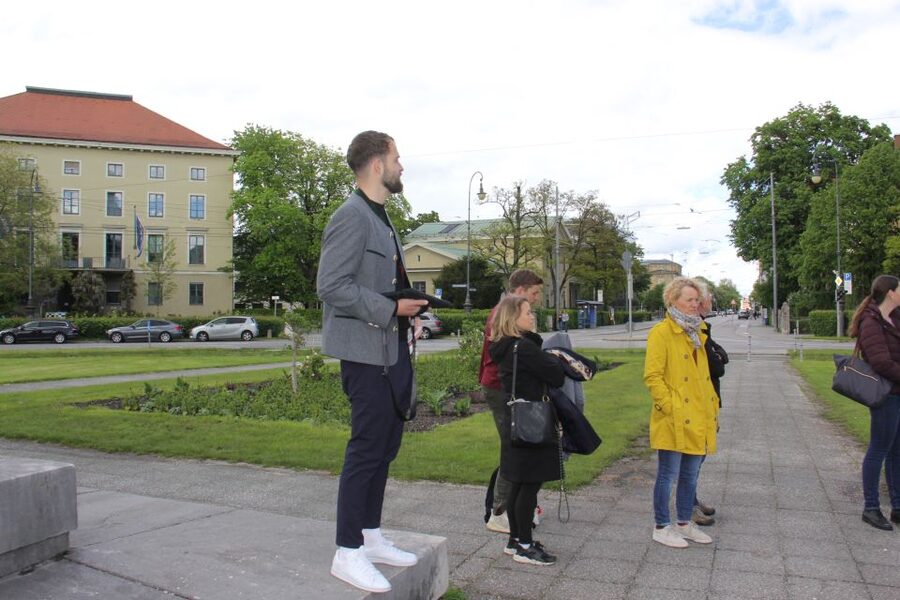
Yes, if you want to understand why Munich played such a key role and you value street-level storytelling. Alex’s style stands out for a reason: he makes a tough subject feel comprehensible without turning it into a shallow performance. Reviews highlight that he stays engaging, answers questions, uses short pauses, and keeps the mood humane even when the content is serious.
Book it if you can handle a heavier topic and you’re okay walking for about 2.5 hours in whatever weather shows up. You’ll leave with a better sense of how a modern city can be pulled into an inhuman system, and how the built environment can preserve that story long after the regime falls.
FAQ
Where is the meeting point?
Meet your guide at Marienplatz, at the Marian Column in the large square. The Marian Column has a small golden statue in the middle of the square.
How long is the tour?
The tour lasts about 2.5 hours.
What language is the guide?
The live tour guide speaks German.
Is the tour indoors?
No. It is a walking tour and it runs rain or shine.
What should I bring?
Wear comfortable shoes.
How much does it cost?
The price is $30 per person.
More Historical Tours in Munich
- Munich and Nazi History Combination Day Tour Small Group
★ 5.0 · 32 reviews - Munich: Nazi History 2-Hour Small Group Walking Tour
★ 5.0 · 30 reviews - Private Sound-of-Music and Historic Salzburg Tour from Munich
★ 5.0 · 28 reviews - Munich: Private Walking Tour of the Historical City Center
★ 4.8 · 7 reviews
Newest Munich reviews on the site
- South Tyrolean specialties and wine tasting★ 5.0 · 5 reviews
- Size Matters Beer Tour Munich★ 4.6 · 105 reviews
- Short & sweet: Tasting the Viktualienmarkt★ 4.8 · 37 reviews
- Schwabing: Insider Tour! Neighborhood, Revolt, Secrets in Munich’s Cult District★ 4.9 · 28 reviews
- From Munich: Royal Fairytale Tour★ 4.9 · 56 reviews
- Munich: Romantic Wine Experience for Two at Viktualienmarkt★ 4.2 · 14 reviews
- Munich: Resistance against Hitler – Historical Walking Tour★ 5.0 · 5 reviews
- Residence of Munich private tour with skip the line ticket★ 5.0 · 4 reviews
Historical Tours, compared.
City History Canal Sightseeing Tour on a Motorboat
Read our review →
Browse the lists this tour appears in