
Reviewed · WALKING TOURS
Konstanz: Private Guided Walking Tour
Konstanz has a statue with a twist. This 2-hour private walking tour pulls you from riverside landmarks to medieval power centers without wasting time. You start in the Marina, then follow the story of bishops, council politics, and even Zeppelin beginnings.
I love how the tour explains the Imperia Statue in a way you can actually picture, right down to the symbols of Pope Martin V and Emperor Sigismund. I also like that you see several standout sites in one go, including the Stephanskirche with round-arched glass paintings and a church that mixes Romanesque roots with rococo details.
One consideration: at $294 per group (up to 15), the value depends on how many people are in your party. And since entrance fees aren’t included, you may need a little extra cash if any stops require tickets.
In This Review
- Key highlights you will feel on your walk
- Konstanz’s two-hour timeline, starting at the Imperia Statue
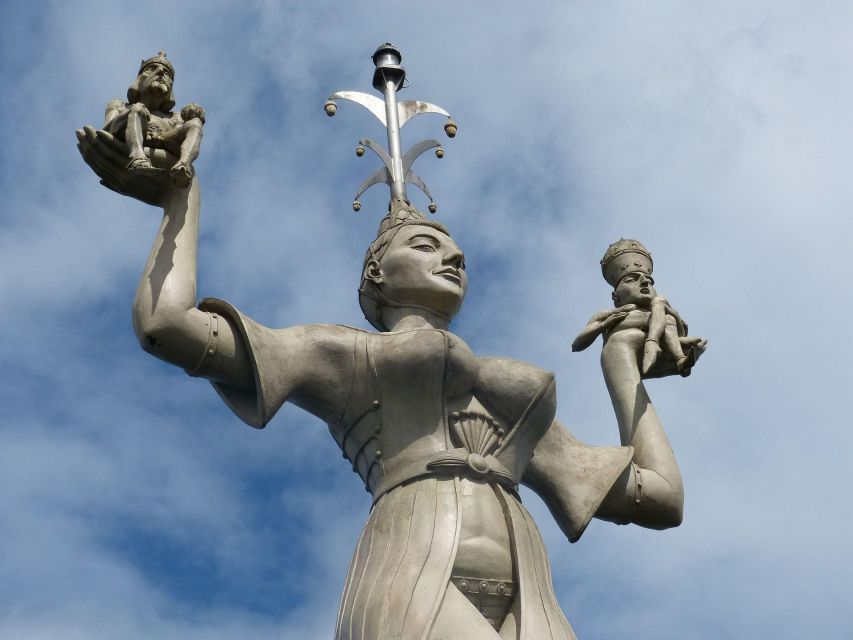
- The Imperia Statue in the Marina: a Council election in stone
- Pope Martin V and the 14th-century Council building
- Ancient Roman fortress clues and medieval trade routes you can still map
- Zeppelin in Constance: Ferdinand’s local link
- Churches, town theatre, and the Triumph of Satire Fountain
- Stephanskirche glass paintings and a square with a hard past
- What the private format changes for your experience
- Price and value: $294 per group up to 15
- Who should book this Konstanz walk, and who might skip it
- Should you book this Konstanz private guided walking tour?
- FAQ
- FAQ
- How long is the Konstanz private guided walking tour?
- Where is the meeting point?
- Is this tour private?
- What languages are available?
- What is the price?
- Are entrance fees included?
- Can the tour be customized?
- What is the cancellation and payment flexibility?
Key highlights you will feel on your walk
- Imperia Statue at the Marina: A Council of Constance story told with startling clarity
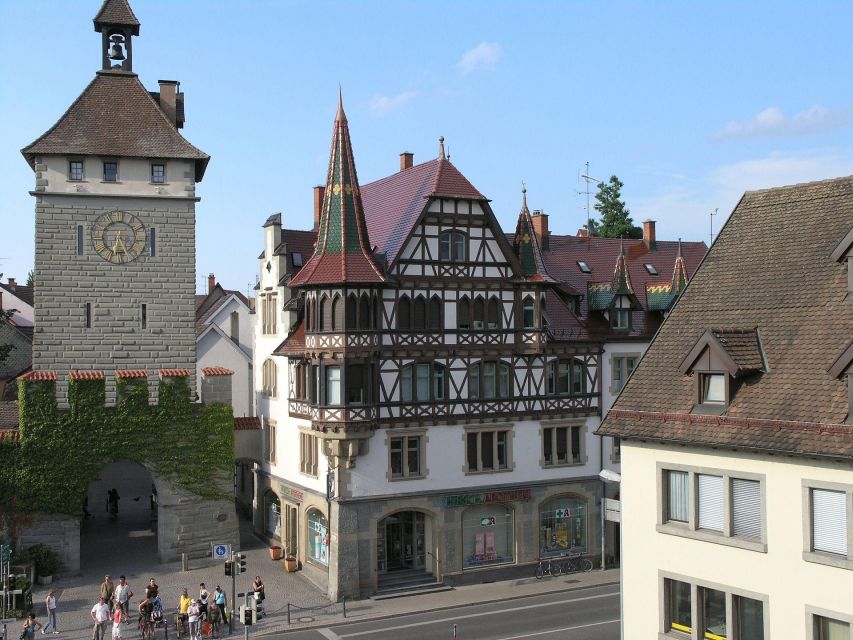
- Pope Martin V election site: A 14th-century council building with a real paper trail
- Rhine-and-border city context: Why Constance sat on major trade routes between Italy, France, and Eastern Europe
- Count Ferdinand von Zeppelin’s birthplace: The town’s link to airship history
- Satire Fountain as street theater: More than 30 comical figures and water basins
- Stephanskirche glass and design mix: Romanesque bones plus rococo touches
Konstanz’s two-hour timeline, starting at the Imperia Statue
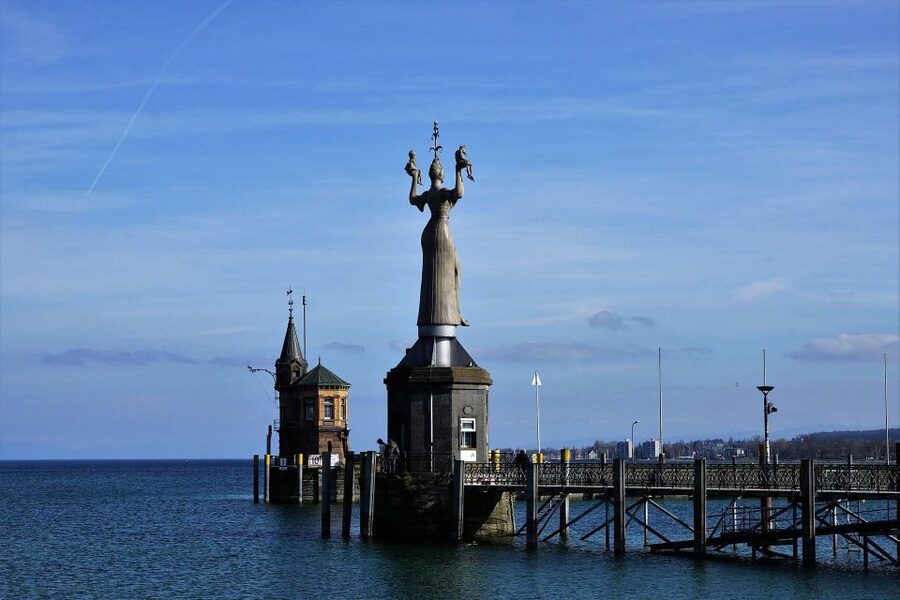
Your tour begins in front of the Imperia Statue in the Marina, Hafenstraße 2, 78462 Konstanz. That matters because it sets the tone fast. You are not starting with a random church door and hoping history sticks. You start with a landmark that is basically a visual summary of one of Constance’s headline moments: the Council of Constance.
From there, your walk works like a guided timeline. You move through different eras, from Roman fortress mentions to medieval trade life, then up to later religious and civic landmarks. The Rhine splitting the city in two is part of the backdrop throughout. Even without getting dramatic about it, you can see why this location mattered for trade and influence, sitting near the Swiss border and along major routes connecting Italy, France, and Eastern Europe.
I also like the pacing choice here. Two hours is long enough to connect stories across multiple streets, but short enough that you can still enjoy the city afterward at your own speed. Since this is a private group with a single guide, you are not stuck listening to other people’s side conversations. It stays focused.
Practical note: wear comfortable shoes. This is a walking route through a historic core, and you’ll want your legs feeling good for those fountain and church stops.
More walking tours in Konstanz:
- Lindau: Express Walk with a Local
★ 4.6 · 3 reviews - Discover Berlin Half-Day Walking Tour
★ 5.0 · 9,624 reviews - Berlin: Third Reich and Cold War 2 Hour Walking Tour
★ 4.9 · 6,830 reviews
The Imperia Statue in the Marina: a Council election in stone
If the tour has a “main character,” it is the Imperia Statue. The story attached to it is strange in the best way, and your guide will explain why it is more than just a quirky photo spot.
The statue commemorates the Council of Constance held from 1414 to 1418. It shows a woman holding two nude men. One is Pope Martin V, the pope elected during the council. The other is Emperor Sigismund, the king who called the council. The symbolism is the point: both men are shown nude except for their identifying power symbols, the crown and the papal tiara.
Here is why I like this stop for your understanding. It turns a distant medieval event into something you can interpret with your eyes. Instead of memorizing names, you learn the roles: who convened the council, who got elected, and how power is represented visually. You can even use it as a mental shortcut later, when you hear other council-era details.
If you are the type who likes to know what you are looking at before you take a picture, this is a great place to start. You get the context immediately, so the statue becomes a reference point, not just a landmark.
Pope Martin V and the 14th-century Council building
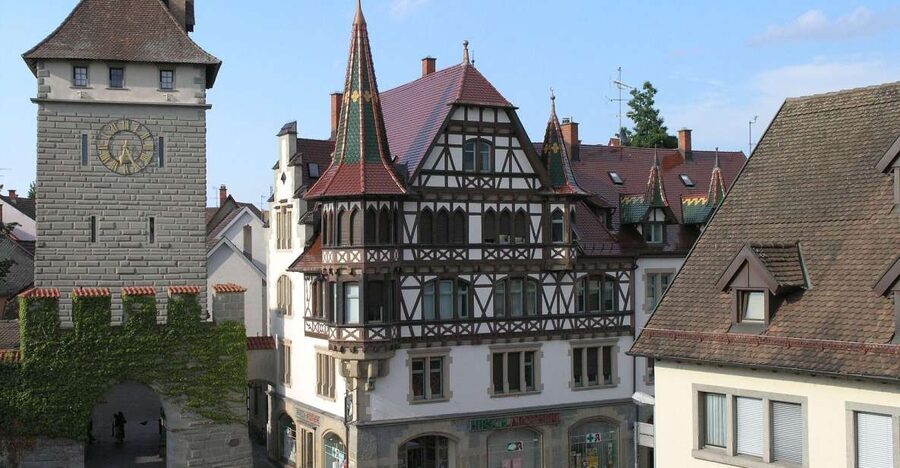
Next up is the Council building, a stop that gives the statue story somewhere to land in reality. The building dates to the 14th century and was used as a granary and warehouse for a long time, so it is not frozen as a museum piece. It has lived a second life, which is often what makes old buildings feel human.
This is also the place where Pope Martin V was elected. That ties the timeline together in your head. The statue tells you what the council commemorates. The building tells you where election power became real.
One thing to consider: the tour focuses on context and key locations, not a ticket-based deep dive into rooms. Entrance fees are not included, so if a particular stop requires payment for access, you will handle that separately. Still, the way this is explained tends to work well for a first visit because you get the “why it mattered” without needing to study an archive.
Ancient Roman fortress clues and medieval trade routes you can still map
The tour also frames Constance as a crossroads. That is one of those details that sounds abstract until someone shows you how the city layout connects to history.
You will hear how Constance sat at the intersection of main commerce routes between Italy, France, and Eastern Europe, with the Rhine and the border situation shaping movement and influence. The city’s story runs from Roman emperors and mentions of an ancient fortress all the way into medieval traders and bishops in the 15th century.
Here is what this means for you on the ground: when the guide points out where the city “faces” toward key directions and routes, you can better understand why certain institutions and monuments showed up where they did. You start seeing the city as an engine, not just a set of pretty buildings.
Also, this is the kind of context that makes later self-guided exploring easier. After the walk, you’ll have a clearer sense of what you are looking at when you wander into side streets or notice older walls.
A few more Konstanz walks and trips to compare
- Constance: Guided City Tour
★ 4.5 · 737 reviews - Konstanz: Mainau Island Entry Ticket
★ 4.6 · 539 reviews - SEA LIFE Konstanz Admission Ticket
★ 3.5 · 218 reviews - Constance: 1.5-Hour Night Watchman City Tour
★ 4.8 · 212 reviews
Zeppelin in Constance: Ferdinand’s local link
Count Ferdinand von Zeppelin is a name most people associate with airships and innovation, but your tour gives you the hometown connection. There is a monument on the route that reminds you he was born in Constance in 1838.
This stop is valuable because it breaks the pattern of “church, council, repeat.” It adds a different kind of legacy, the kind rooted in one person’s birthplace. The guide uses it as a thread between medieval power and later breakthroughs tied to the region.
If you like aviation history even a little, this is a fun pivot. It helps the tour feel varied without turning into a random detour. You still get a sense of how Constance’s identity moved through time, adapting from trade and religious authority to new technology stories.
Churches, town theatre, and the Triumph of Satire Fountain
The middle of the route is where Constance gets fun. You move through religious and civic landmarks that show different styles and purposes.
You will see the Jesuit Church and the town theatre, described as the oldest stages in the German-speaking regions. That detail matters because it turns the theatre into more than architecture. It becomes proof that Constance had cultural ambition early, not just religious or political importance.
Then comes one of my favorite kinds of sightseeing stops: the Triumph of Satire Fountain. It is a sculpture with more than 30 comical figures and several water basins. This is not subtle history. It is street-level storytelling, using humor as a public language.
If you like your sightseeing to include personality, this fountain hits the right note. It also gives your eyes a break from the heavier symbolism of councils and elections. After that, the tour turns back toward religious art and a darker medieval theme.
Stephanskirche glass paintings and a square with a hard past
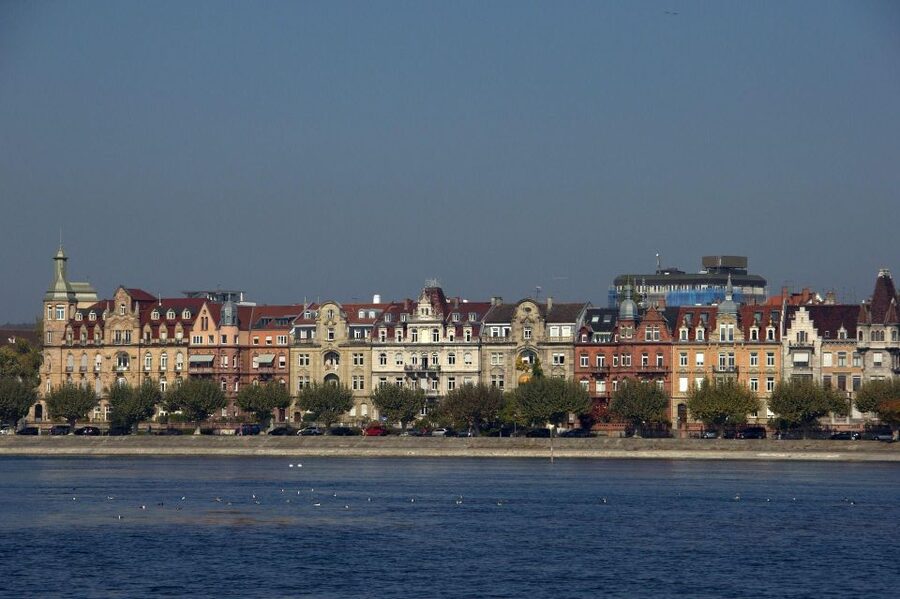
You’ll finish with the Stephanskirche, a church of Romanesque origin decorated with rococo elements. That mix is a big reason this stop works during a walking tour. You are not looking at one time period. You are seeing layers.
The round-arched windows are decorated with impressive glass paintings, and that is the kind of detail that is easier to notice when a guide tells you where to look. These aren’t just pretty windows. They are part of what makes the church feel composed, like the building has a visual program that holds attention.
The tour also goes through a square that historically served as a place for executions and community affairs in the Middle Ages. That is heavy subject matter, but it is also honest and useful. It reminds you that city centers were not only for celebrations and markets. They were also where justice and power were displayed publicly.
If you’re sensitive to historical violence, give yourself a moment here. You do not have to “push through” discomfort to enjoy the sightseeing. A good guide’s job is to provide context, and stops like this are where you can understand the city as a lived place, not a postcard.
What the private format changes for your experience
This is a private group with a local professional guide who stays with your group only. You get two practical advantages from that.
First, you can move through the stories at your pace. If something about Pope Martin V or Emperor Sigismund clicks, you can spend a little extra time mentally connecting it to the building. If you want the next stop faster, you can keep things moving.
Second, the guide can respond to your questions in real time. One of the best signals from the review posted on this experience is that the guide was strong at sharing interesting city facts. That usually means you are not just being walked from object to object. You are getting explanations you can use.
Another plus: since you can request possible customization on the spot, you can steer a bit. For example, if you care more about religious sites or more about civic monuments, you can often ask for small adjustments. The base route still hits the main landmarks, but your interests can shape the emphasis.
If you want a low-stress first look at Constance that still feels personal, this private format is a solid match.
Price and value: $294 per group up to 15
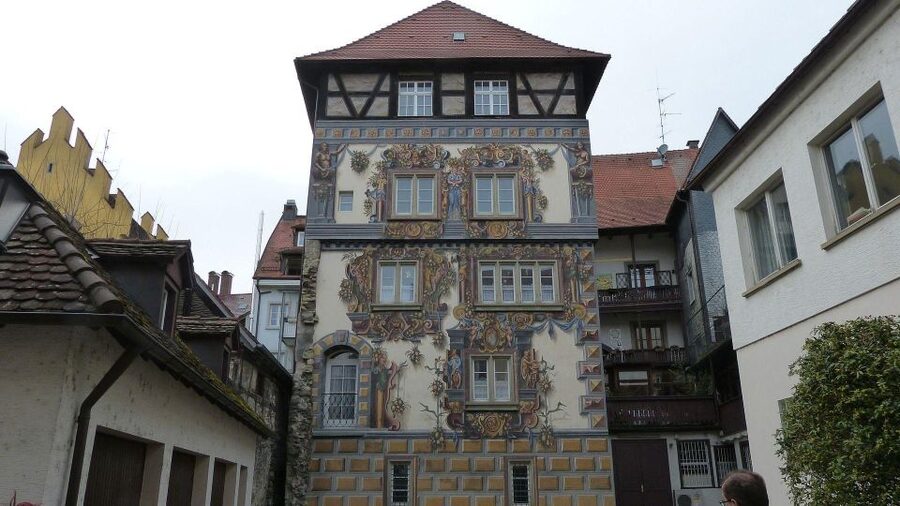
The price is $294 per group for up to 15 people, for a total duration of 2 hours. That pricing model changes the math a lot depending on your party size.
- If you fill the group with 15 people, it can work out to under $20 per person.
- If it is just a small party, the per-person cost rises quickly.
So the real value question is simple: are you traveling with enough people to spread the cost, or are you booking for a couple? If it is just two or three, you are basically paying for the convenience of a private guide plus a tight, focused route.
What makes that value easier to justify is the stop selection. You see major anchor points connected to big historical events, plus distinctive art and architecture like the satire fountain and Stephanskirche glass. Entrance fees are not included, but you are still getting a lot of story and orientation for your time.
Also, booking is flexible: free cancellation up to 24 hours in advance and reserve now, pay later is offered. That is useful if you’re juggling trains, weather, or other day plans around Lake Constance and the Rhine area.
Who should book this Konstanz walk, and who might skip it
I’d book this if you like history with clear explanations and you want to connect names, dates, and symbols to specific places. The Imperia Statue explanation is a big draw if you enjoy learning what a monument is actually saying.
You’ll also like it if you want a compact route. Two hours is enough to hit the council-era landmarks, the Zeppelin reference, and major church and fountain highlights without feeling like you need a whole day.
You might skip it if:
- You want long museum-style time inside buildings (this tour is mainly walking and landmark context).
- Your group will pay the full private rate but keep it to one or two people and you are trying to minimize costs.
- You are only interested in modern Constance and not the 15th-century council and religious setting.
Should you book this Konstanz private guided walking tour?
Yes, if you want a well-structured, story-led introduction to Constance that starts at the most memorable symbol in town and then connects it to the places where power shifted hands. I especially like the way the tour treats the Imperia Statue and the Council of Constance as a coherent thread, not trivia.
If you are traveling with a group of friends or family, the price becomes much easier to swallow, because the cost per person drops fast up to the 15-person cap. If you are booking just for a couple, think of it as paying for time efficiency and guided context, not as a budget walk.
FAQ
FAQ
How long is the Konstanz private guided walking tour?
It lasts 2 hours.
Where is the meeting point?
Meet in front of the Imperia Statue, in the Marina, Hafenstraße 2, 78462 Konstanz.
Is this tour private?
Yes. It is a private group experience with your guide staying with your group only.
What languages are available?
The live tour guide is available in English and German.
What is the price?
It costs $294 per group for up to 15 people.
Are entrance fees included?
No. Entrance fees are not included.
Can the tour be customized?
Yes, there is possible customization on the tour with your local guide on the spot.
What is the cancellation and payment flexibility?
You can cancel up to 24 hours in advance for a full refund. You can also reserve now and pay later to keep plans flexible.
Newest Konstanz reviews on the site
- Surprise Tour of Konstanz guided by a Local★ 5.0 · 4 reviews
- Lindau: Express Walk with a Local★ 4.6 · 3 reviews
- Konstanz: Private Stadtführung mit Weinprobe★ 4.4 · 7 reviews
- Constance: Private City Tour – The Mystical Constance★ 4.5 · 4 reviews
- Constance: Public city tour with wine tasting★ 4.5 · 34 reviews
- Constance: 1.5-Hour Night Watchman City Tour★ 4.8 · 212 reviews
- SEA LIFE Konstanz Admission Ticket★ 3.5 · 218 reviews
- Konstanz: Mainau Island Entry Ticket★ 4.6 · 539 reviews
Walking Tours, compared.

Berlin’s Best: 2 Hour Walking Tour Third Reich and the Cold War
Read our review →
Third Reich Berlin: Hitler and WWII Walking Tour
Read our review →Browse the lists this tour appears in