
Reviewed · MUSEUMS
Berlin: The Wall Museum East Side Gallery Ticket
The Berlin Wall history hits harder when it’s told in rooms. I liked the multimedia mix of films, interviews, and artifacts, and I also appreciated the skip-the-line entry that saves you time. One thing to consider: the presentation is screen and audio focused, so if you prefer a quieter, text-forward museum style, the format might feel less comfortable.
This ticket is straightforward, it’s for a 1-day visit, and it’s based right next to the East Side Gallery, the largest section of the Wall still standing. You’ll start at Mühlenstraße 78-80 in the Mühlenspeicher building, second floor, next to the Pirates Restaurant, and then work through 13 themed rooms that trace the story from postwar life to division, and then the fall in 1991.
If you’re planning Berlin around Cold War history, this is one of those stops that turns broad dates into a lived-in feeling. The museum experience gets high marks for being informative and well put together, and the occasional complaint about presentation is a reminder to set your expectations for a multimedia approach rather than a traditional gallery walk.
In This Review
- Key Points Worth Knowing Before You Go
- Getting to the Wall Museum at East Side Gallery (Mühlenstraße 78-80)
- Price and Logistics: What $14 Buys You and Why Skip-the-Line Helps
- Inside the Museum: 13 Themed Rooms With Film, Interviews, and Artifacts
- How the 1961 Wall Erection and 1991 Fall Come Across in Order
- Pairing It With the East Side Gallery Outside the Museum
- Who This Visit Fits Best (and Who Might Want to Adjust Expectations)
- What a Smooth Visit Looks Like in Real Life
- Should You Book This Wall Museum East Side Gallery Ticket?
- FAQ
- How much is the Berlin: The Wall Museum East Side Gallery Ticket?
- How long is the experience?
- Does the ticket include skip-the-line entry?
- Where is the meeting point?
- What languages are available?
- Is the museum experience wheelchair accessible?
- Can I reserve and pay later?
- What is the cancellation policy?
- Is the ticket valid for one day?
Key Points Worth Knowing Before You Go
- Skip-the-line entry helps you spend more time inside and less time waiting
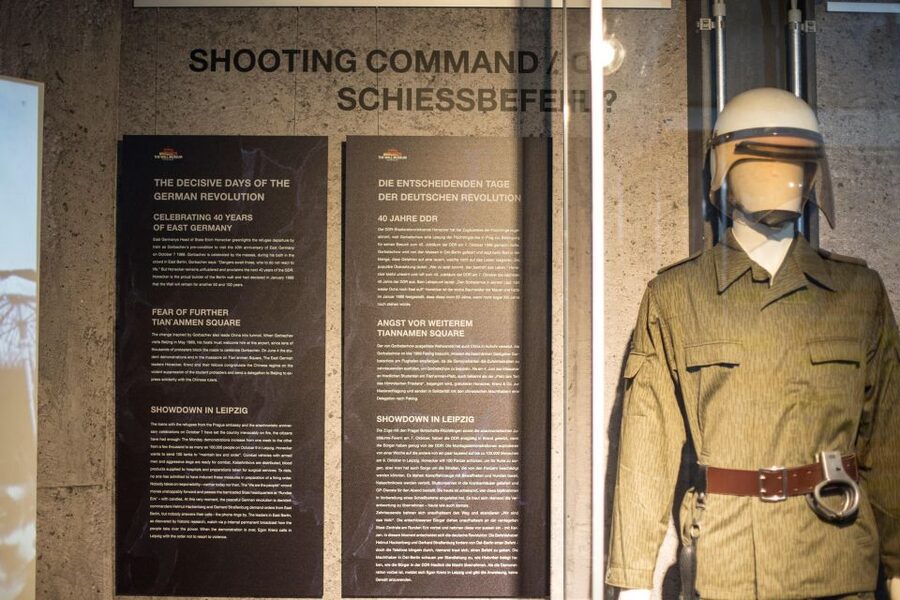
- 13 themed rooms guide you through the Wall story with film, documents, interviews, and artifacts
- Timeline coverage includes the Wall’s 1961 erection and the 1991 fall
- Located beside East Side Gallery, so you can link inside history with what’s still standing outside
- Wheelchair accessible, and there are hosts available in multiple languages
Getting to the Wall Museum at East Side Gallery (Mühlenstraße 78-80)

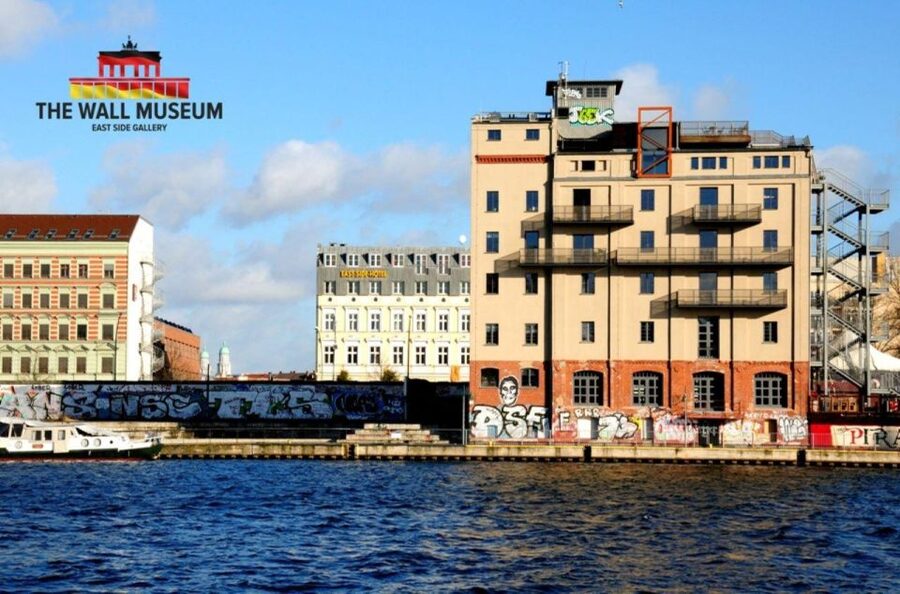
The Wall Museum is located at Mühlenstraße 78-80, in the Mühlenspeicher building at second floor, right next to the East Side Gallery. Your meeting point is described as being next to the Pirates Restaurant, which is handy because it gives you an easy visual anchor while you’re looking for the right entrance.
Why this matters: location is part of the value here. If you’re already planning to see the East Side Gallery, you can stack these two experiences without losing time to transit or “where is it again?” wandering. East Side Gallery is still there in a big, visible way, so stepping in next to it feels like one continuous story, not two separate attractions.
Plan for a focused visit rather than a quick photo stop. The museum experience is built as a guided emotional journey through themed rooms, so give yourself the mental bandwidth to follow the sequence. If you’re doing Berlin in a sprint, you may end up rushing the most important parts.
More Museum Tours in Berlin
- Berlin: Natural History Museum Entrance Ticket
★ 4.6 · 3,382 reviews - Berlin: Museum Island Multiple Museum Entry Ticket
★ 4.4 · 2,861 reviews - Skip-the-Line: Berlin Wall Museum at Checkpoint Charlie
★ 4.1 · 2,041 reviews
Price and Logistics: What $14 Buys You and Why Skip-the-Line Helps
The ticket price is $14 per person, and you’re getting skip-the-line entry plus access to the multimedia museum experience. For Berlin, that’s a fair trade: the museum is not just a few displays, it’s a structured walkthrough through 13 rooms, with film and interview content woven throughout.
Here’s how I think about the value: skip-the-line doesn’t just save minutes, it also reduces friction. If you’re already walking all day, a shorter wait means you can arrive, orient yourself, and then actually stay engaged instead of getting tired before the experience starts.
You also have two booking options that are genuinely useful for flexible travel plans: free cancellation up to 24 hours in advance, and a reserve-and-pay-later option where you can book without paying immediately. One-day validity means you’re not forced into a specific multi-day plan either. Just pick a day you can slow down and treat this like a priority stop.
Inside the Museum: 13 Themed Rooms With Film, Interviews, and Artifacts
This is the heart of the experience, and it’s why I’d call it more than a quick museum. The Wall Museum presents the story through multimedia in 13 themed rooms, each one built around a different angle of Berlin’s recent history during the Cold War era.
What you’ll encounter follows a clear arc:
- The city after the war, and what everyday life looked like before division hardened
- The Wall’s construction period, including the moment the Wall was erected in 1961
- Life in a divided city, with the emotional impact of living behind separation
- The dramatic fall of the Wall in 1991
- A closer look at the truth behind the Wall, and how it changed Berlin
The museum uses films, documents, interviews, and artifacts. That mix is important for two reasons. First, it gives you more than one way to understand what happened, because not everyone processes history best through text. Second, interviews and film can make the timeline feel personal rather than academic, which helps the story stick.
Practical tip: move room by room at a pace that matches your attention. If you feel yourself getting tired, stop and reset rather than pushing through everything quickly. One or two slower rooms can make the later rooms land better.
How the 1961 Wall Erection and 1991 Fall Come Across in Order
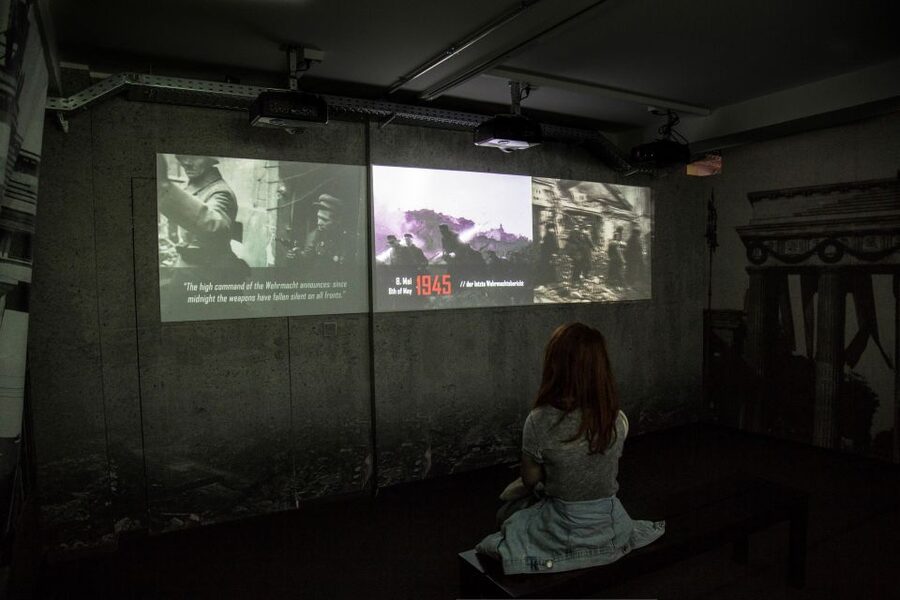
The museum doesn’t just list dates. It builds a sequence that helps you connect cause and effect. Seeing the story start around postwar life, then shift into the Wall being erected in 1961, creates a sense of how quickly an idea becomes concrete and then permanent.
Then the experience moves toward the fall in 1991. That timing is crucial. The fall only makes full sense if you’ve already felt what division did to everyday rhythms. The museum’s room themes are structured to help you understand both the barrier and the moment it broke.
Why this ordering matters for you: if you’re visiting Berlin for the first time, it can be easy to think of the Wall as one symbol, either dramatic or distant. This layout pushes you to treat it as a lived system, with daily consequences. Even if you already know the basic history, the emotional framing through interviews and film can change the way you remember it.
You’ll also get a forward-looking element, the museum addresses how the Wall changed the city afterward. That keeps the experience from ending at 1991 and then leaving you to guess what came next.
A few more Berlin walks and trips to compare
- Berlin: Interactive DeJa Vu Museum Entrance Ticket
★ 4.1 · 1,338 reviews - Berlin: East Side Gallery Spree Cruise in a Solar Catamaran
★ 4.1 · 1,086 reviews - Cold War, Berlin Wall, Spies and the East Side Gallery
★ 5.0 · 1,024 reviews - Berlin WelcomeCard: Museum Island & Public Transport
★ 4.3 · 999 reviews
Pairing It With the East Side Gallery Outside the Museum
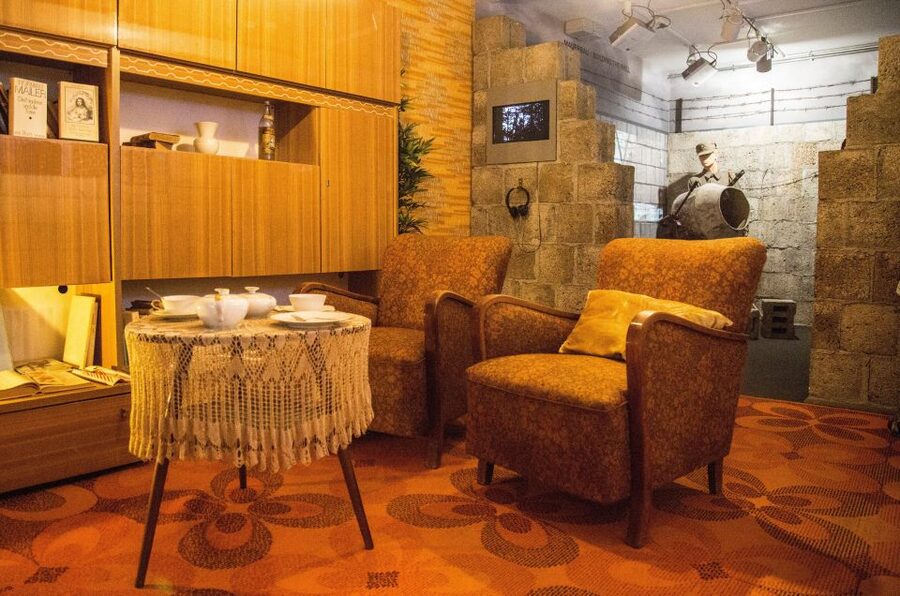
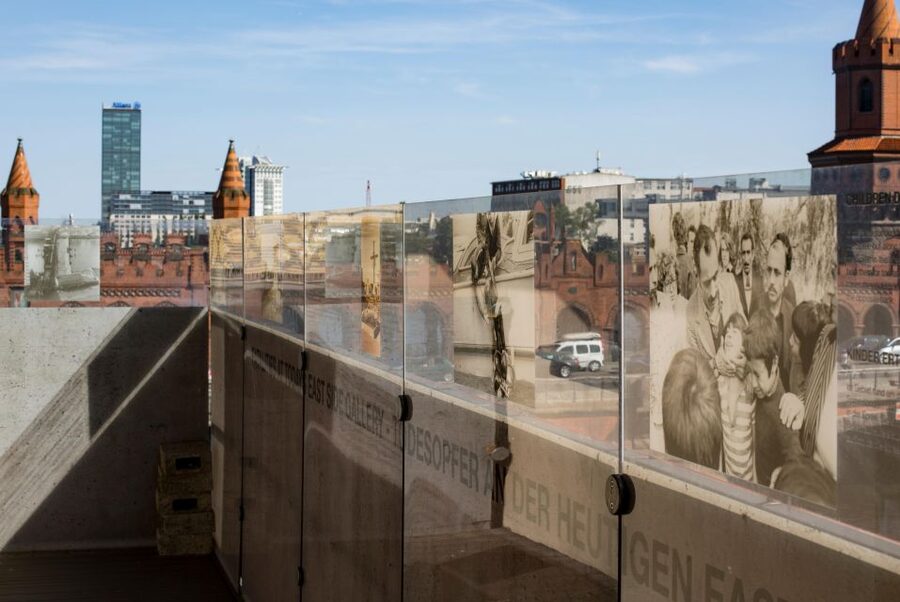
The museum is located next to the East Side Gallery, and that’s a big advantage because you can reinforce what you learn indoors with what still remains outdoors. The East Side Gallery is described as the largest section of the Wall still standing, so it’s not just a nearby landmark, it’s part of the same physical story.
I like pairing them in a simple rhythm:
- Start inside first if you want the context to guide your eyes outside
- Or, if you’re already outside for photos, step into the museum afterward to sharpen what you’re looking at
Either way, keep your time realistic. The museum is designed to take time, and the East Side Gallery is best when you’re not sprinting through it. If you’re a “quick walk, big photos” person, you might enjoy doing the museum later the same day after you’ve calmed down.
One practical note: because the museum is in a specific building (Mühlenspeicher) and on the second floor, you’ll want to follow the meeting point and not rely on instinct while you’re walking nearby. The restaurant reference is useful, but take a minute to confirm you’re entering the correct spot.
Who This Visit Fits Best (and Who Might Want to Adjust Expectations)
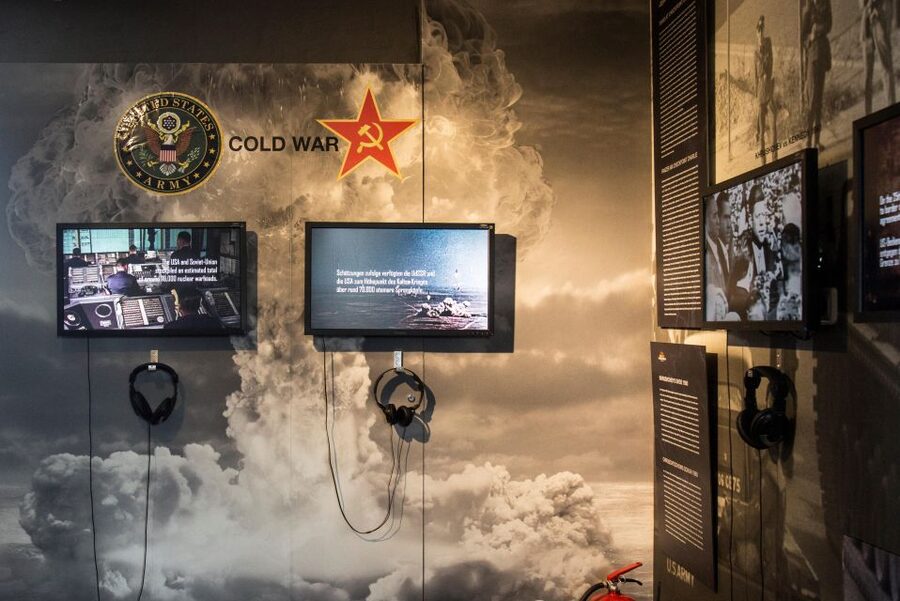
This experience fits best if you want Cold War history presented with emotion and media. The films, interviews, and documents are a core part of the format, and the 13-room structure suggests a museum built for a longer, story-driven visit rather than a short scan.
It’s also a good match if you like authenticity through primary-style presentation. The museum references artifacts and interviews, which usually means you’re looking at the kind of material that makes history feel more immediate than a purely textbook timeline.
You’ll also appreciate the practical support: there are hosts or greeters available in German, English, Spanish, and Italian, so language options are clearly covered. And the venue is wheelchair accessible, which makes it easier to plan confidently if mobility is a factor.
If you’re the type who prefers quiet rooms with mostly labels and fewer screens, you may want to set expectations. The one downside I see is that the multimedia style may not land for everyone, which shows up in the fact that the rating is strong but not perfect. Go in knowing it’s designed as a multimedia journey.
What a Smooth Visit Looks Like in Real Life
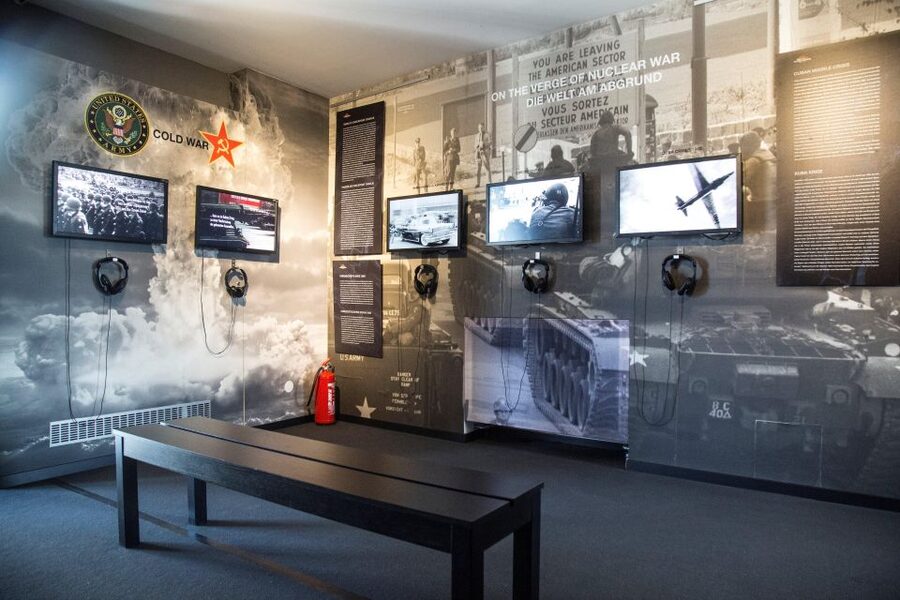
Even without fancy add-ons, you can make this visit run smoothly by planning your day around it.
First, treat this as a priority stop. A good visit is not about checking it off, it’s about letting the sequence build. If you schedule it between two long, physically demanding activities, you’ll likely feel rushed when the emotionally heavier sections arrive.
Second, arrive ready for a focused hour or so. The experience is set up as a journey through themed rooms, meaning you’ll want enough time to follow the changes in theme without constantly checking your watch.
Third, if you’re visiting on a day with other Wall-related sights, consider spacing them out. East Side Gallery outside is incredible, but the museum inside is where the cause-and-effect gets explained through film and interview material. When you stack them too tightly, you can end up tired instead of moved.
Finally, use the ticket value to your advantage. Skip-the-line entry is part of why this works well for limited-schedule days. Even if you’re not behind on time, arriving and moving in quickly can keep your mood right for a history-focused museum.
Should You Book This Wall Museum East Side Gallery Ticket?
I’d book this ticket if you want a guided, media-driven walkthrough of the Berlin Wall story, with strong structure across 13 themed rooms and key turning points like 1961 and 1991. The skip-the-line entry makes it practical, and the $14 price feels reasonable given the amount of room-based content and the multimedia format.
Skip it or reconsider only if you strongly prefer traditional museum pacing with minimal screens and audio. Since the presentation is intentionally multimedia, it’s worth aligning your expectations with that style.
If you’re visiting Berlin and want one stop that turns Cold War facts into something more personal, this is a smart choice. I particularly like that it’s placed right beside East Side Gallery, so you can connect the story you learn with what you can still see in Berlin today.
FAQ
How much is the Berlin: The Wall Museum East Side Gallery Ticket?
The price is listed as $14 per person.
How long is the experience?
The duration is listed as 1 day.
Does the ticket include skip-the-line entry?
Yes. Skip-the-line entry is included.
Where is the meeting point?
The meeting point is Mühlenstraße 78-80, 10243 Berlin, Deutschland, next to the East Side Gallery, in the Mühlenspeicher building, second floor, next to the Pirates Restaurant.
What languages are available?
The host or greeter offers German, English, Spanish, and Italian.
Is the museum experience wheelchair accessible?
Yes, it is listed as wheelchair accessible.
Can I reserve and pay later?
Yes, you can reserve now and pay later.
What is the cancellation policy?
Free cancellation is available up to 24 hours in advance for a full refund.
Is the ticket valid for one day?
Yes, it is valid for 1 day.
Newest Berlin reviews on the site
- Jetbike Berlin fun bike beer bike★ 5.0 · 3 reviews
- Karl-Marx-Allee Walking Tour: Berlin’s Socialist History★ 5.0 · 5 reviews
- Homeless on chic streets: city tour in Berlin from personal experience★ 4.6 · 3 reviews
- Berlin: Sachsenhausen Concentration Camp Guided Tour★ 4.9 · 42 reviews
- Historyof the Trans, Queer & Gay communities of Berlin tour★ 4.8 · 17 reviews
- Historic Berlin Pubs & History Tour★ 4.9 · 73 reviews
- Berlin: City Center Walking Tour★ 4.7 · 45 reviews
- Half-Day Berlin Highlights Segway Expedition★ 4.5 · 61 reviews
Museums, compared.



Skip-the-Line: Berlin Wall Museum at Checkpoint Charlie
Read our review →Browse the lists this tour appears in