
Reviewed · THIRD REICH & COLD WAR TOURS
Traces of World War II and Nazism in Cologne – Private tour
Cologne looks peaceful, but history is loud. This private tour brings the Nazi era into focus through memorial sites and the former Gestapo headquarters, EL-DE Haus. I really like how the walk connects today’s streets to what happened here during WWII, and I also like the way the guide uses visuals to make the past feel real. One thing to consider, the total time can feel tight if you’re hoping for a full 2 hours of nonstop narration.
You start in the city center, where Cologne was heavily hit, and you end in an area where you can keep exploring on your own. Guides work in English and Spanish, and for a small group, the pacing feels focused rather than rushed. Still, bring comfortable shoes, because you’re moving between key stops and you’ll want your legs ready for it.
In This Review
- Key points to know before you go
- Why Cologne Rebuilding Tells the Nazi Story
- Meeting Outside NS-Dok at Appellhofplatz (Red Umbrella Included)
- EL-DE Haus, the Gestapo Headquarters, and How the Past Gets Physical
- Memorials to Nazi Victims, Including the City’s Ways of Remembering
- Operation Millenium, Deportations, and the Names That Stick
- Cologne Cathedral: Why It Still Stands After 90% Destruction
- Alt St. Alban Church: A Change of Tone Without Changing the Message
- The Largest Decentralised Memorial, Plus the Practical Meaning of Memorial Design
- Ending at Plaza del Viejo Mercado, Then Keeping Cologne in Your Head
- Guides, Language, and What That Means for Your Experience
- Price and Value for a Private Group (153 USD for Up to 2)
- Who Should Book This Tour (and Who Might Skip It)
- Should You Book Traces of World War II and Nazism in Cologne?
- FAQ
- FAQ
- How long is the private tour?
- Where does the tour start?
- Is this tour private?
- What languages are available?
- Is the tour wheelchair accessible?
- What is included in the price?
- Are tickets included?
- What should I bring?
- What is the cancellation policy?
Key points to know before you go
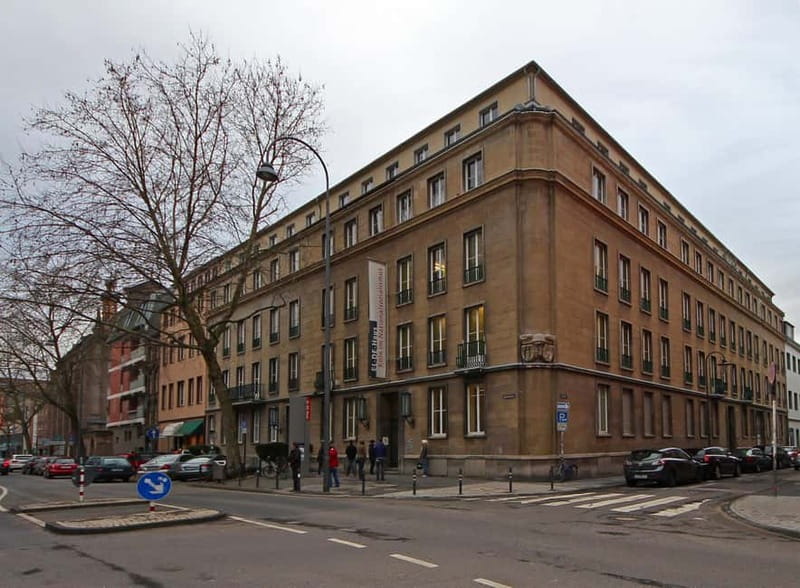
- Start at EL-DE Haus / NS-Dok: the former Gestapo headquarters, now a museum and memorial center
- WWII impact is not abstract here: the tour frames how destruction shaped the modern city
- Memorials to Nazi victims: you’ll look at multiple kinds of remembrance in one short walk
- Cologne Cathedral is part of the story: you’ll hear why it survived when so much else didn’t
- Real people in the narrative: expect names like Edith Stein and Mucki to matter, not just dates
- A private group makes it personal: English or Spanish, with time to ask questions
Why Cologne Rebuilding Tells the Nazi Story
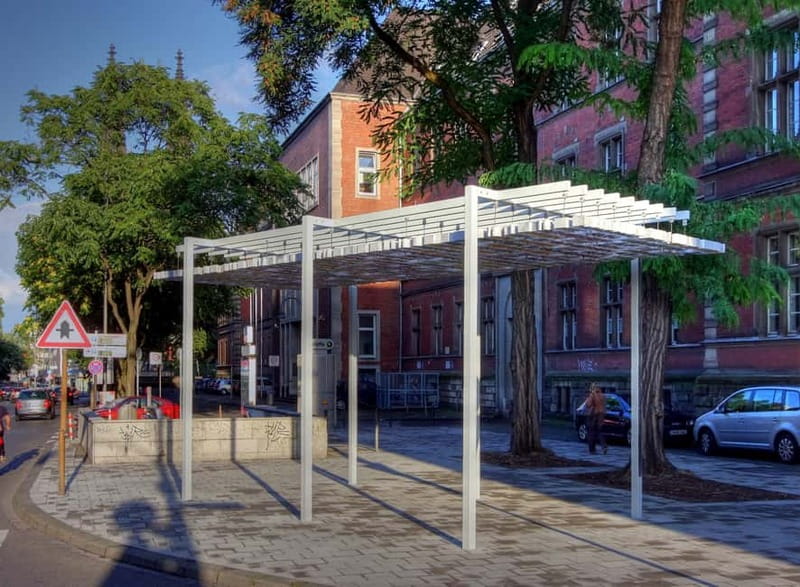
Cologne’s center took a catastrophic hit in WWII. The bombing raids destroyed about 90% of the city center, and that fact changes how you read everything you see today.
What I like about this experience is that it doesn’t treat the Nazi years like a distant chapter. Instead, the tour uses Cologne’s “after” to explain the “before,” including how memorials fit into a city that still has to function as a modern place.
You’ll walk with a guide who can connect the dots for you. That matters because the Nazi era in Cologne is not just about one site. It’s about systems, victims, and what the city chose to remember afterward.
More wartime and Cold War history walks in Cologne:
- Cologne: WWII Sites with Optional EL-DE Haus Private Tour
★ 4.8 · 25 reviews - Cologne EL-DE Haus and WWII Jewish Holocaust History Tour
★ 5.0 · 4 reviews - Berlin: Third Reich and Cold War 2 Hour Walking Tour
★ 4.9 · 6,830 reviews
Meeting Outside NS-Dok at Appellhofplatz (Red Umbrella Included)
Your tour begins outside the NS-Dok at Appellhofplatz, with the guide holding a red umbrella. That’s a small detail, but it helps you find the right person quickly when you’re in a busy central square.
This is a good start point because the theme is immediately clear: you’re stepping into a space tied to the Nazi security apparatus and its consequences. From there, the tour becomes a guided trail through memory, architecture, and public history.
Since it’s a private group, you’re not competing for attention with a larger crowd. That makes it easier to ask for clarification if a name, event, or memorial concept feels new.
EL-DE Haus, the Gestapo Headquarters, and How the Past Gets Physical
The heart of this tour is the former Gestapo headquarters, EL-DE Haus. Today it’s used as a museum and memorial centre, which means you’re not just hearing stories, you’re seeing how the site itself carries meaning.
This stop is powerful because it changes your perspective on “Nazi persecution.” Instead of imagining it from afar, you’re grounding it in a specific location tied to the regime’s enforcement machinery. That local point of view is exactly what makes this tour more than a generic WWII overview.
If your guide uses wartime photos, you’ll likely feel the contrast even more. One of the best strengths here is how the guide can show the city during the war and then bring you back to the modern street. That after-and-before effect is often what turns history into understanding, fast.
Memorials to Nazi Victims, Including the City’s Ways of Remembering
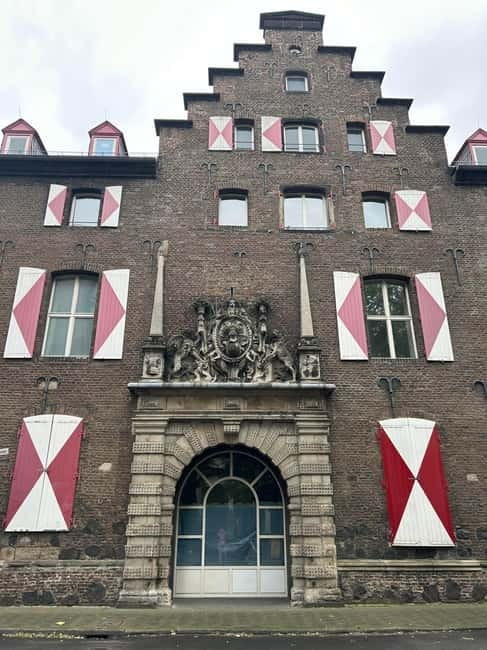
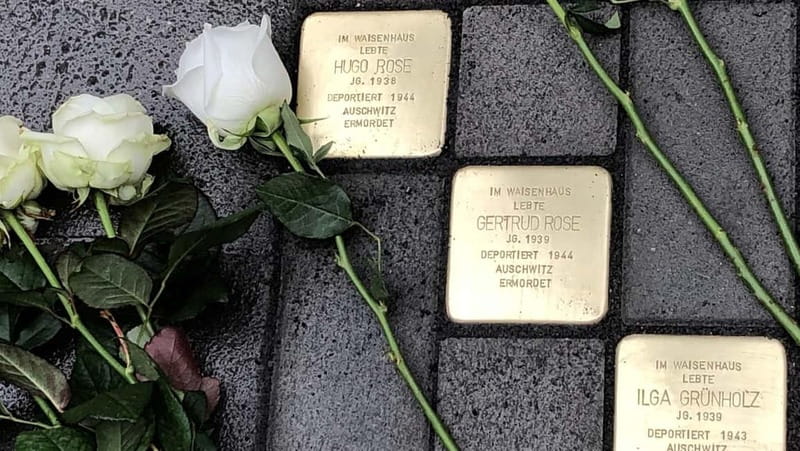
As you move through the city, you’ll look for memorials to Nazi victims. The tour doesn’t frame memorials as decoration. It frames them as tools for remembering people who were targeted, displaced, and erased by the regime.
You’ll also hear about the effects of Nazism and WWII in Cologne from a local angle. That approach helps you avoid a common trap, treating the Holocaust and Nazi persecution as a series of distant events. Here, you see how the consequences landed in neighborhoods, institutions, and daily life.
One detail I think you’ll appreciate is that you’ll encounter multiple kinds of remembrance. That makes it easier to understand why cities build memorials in different forms. Some mark individual lives. Some mark collective tragedies. Some mark the sites where systems operated.
A few more Cologne walks and trips to compare
- Cologne: Panoramic City Cruise
★ 4.3 · 5,698 reviews - Cologne: Brewery Tour with 3 Kölsch Beer Tastings
★ 4.7 · 3,108 reviews - Cologne: Top Sights Rhine River Cruise – Skyline Tour
★ 4.4 · 3,030 reviews - Cologne: Chocolate Museum Entrance Ticket
★ 4.4 · 2,790 reviews
Operation Millenium, Deportations, and the Names That Stick
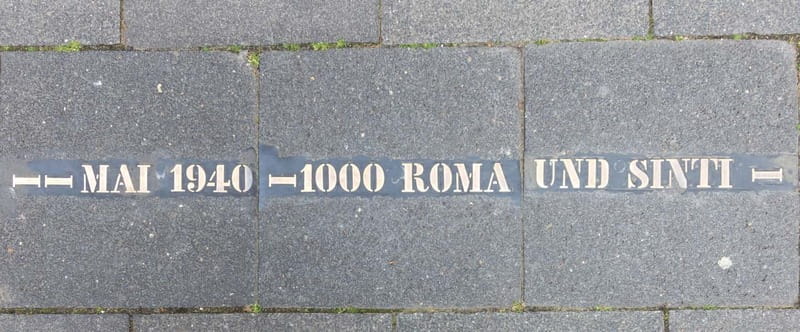
A tour like this only works if it connects the big picture to specific human stakes. In this case, you’ll cover major parts of the timeline, including Operation Millenium and the first mass deportation by the Nazi regime.
You don’t have to be a WWII expert to get something out of this. The value is in how the guide explains the logic of the regime and why deportations were not random cruelty. They were organized policy, carried out with planning and speed.
This is also where the tour’s “people” element matters. You’ll discuss historical figures such as Edith Stein and Mucki. Even if these names are new to you, hearing them in a Cologne context helps you place them in a real geographic and social setting, instead of treating them like bullet points in a textbook.
Cologne Cathedral: Why It Still Stands After 90% Destruction
Cologne Cathedral is usually the famous postcard stop. Here, it becomes something else: a lens for wartime survival and decision-making.
You’ll learn about the role of the Cathedral during the war, and you’ll get an answer to a question many visitors have in the back of their mind. Why is this landmark still standing when so much of the city was destroyed?
That explanation is one of the most interesting parts of the walk because it challenges the simplistic assumption that historic buildings always vanish in mass destruction. The Cathedral’s continued presence turns it into a physical reminder that war does not affect every structure the same way.
If you like architecture, you’ll enjoy how the guide ties the building to lived history, not just aesthetics. If you mainly want the human story, this stop still delivers because it shows how institutions remained part of the city’s story through the crisis.
Alt St. Alban Church: A Change of Tone Without Changing the Message
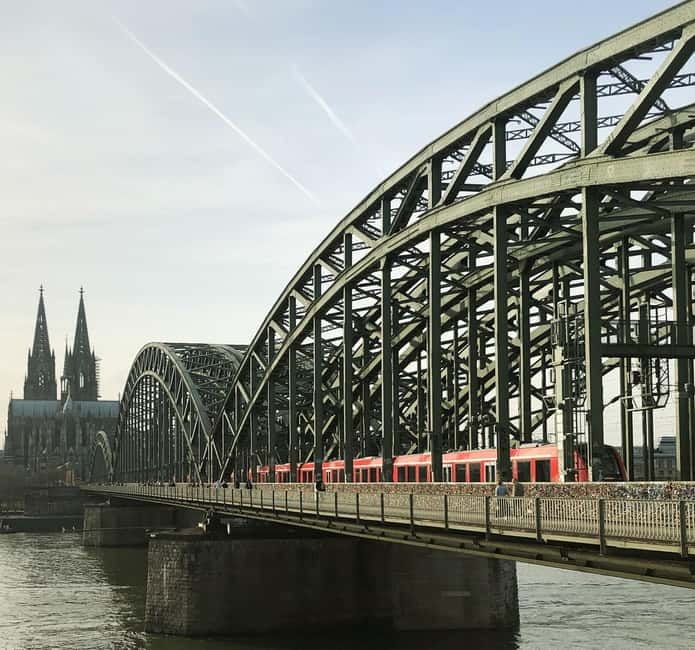
After the major landmark, you’ll visit Alt St. Alban Church. This stop offers a different feel from the monumental Cathedral setting.
In tours like this, the “tone shift” is important. When the topic is heavy, you need moments that let your brain reset while still staying inside the same historical narrative. Alt St. Alban Church gives you that balance, because you’re still in a place shaped by Cologne’s past, even if the details you hear focus on how the city remembered and rebuilt.
Think of it as a pause point. You’ll keep the emotional thread, but you also get a chance to slow down, absorb the surroundings, and let what you heard at earlier sites settle in.
The Largest Decentralised Memorial, Plus the Practical Meaning of Memorial Design
One highlight mentioned for this tour is the largest decentralised memorial in the world. You’ll learn why this kind of memorial approach matters, especially in a city that experienced destruction on such a huge scale.
Decentralised remembrance changes how grief and memory work in daily life. Instead of one place you visit to remember, remembrance is woven into many spots you pass through over time. It can make the past harder to ignore, and it can also make memory more personal.
This part of the tour is especially valuable if you’ve ever wondered why some memorials feel intimate while others feel official. The guide’s explanation helps you connect memorial design to the human goal behind it, which is honoring victims and keeping their names present.
Ending at Plaza del Viejo Mercado, Then Keeping Cologne in Your Head
You finish at Plaza del Viejo Mercado. It’s a natural way to end because you’re released back into the city, not locked into a museum loop.
Use the final minutes to pick a direction and keep walking. You now have a map in your mind, not just on your phone. Even if you don’t add more stops, you’ll likely start noticing details you would have missed before, especially how the city’s layout and buildings reflect its postwar reality.
If you’re pairing this tour with other Cologne sights, I recommend doing it earlier in your trip. The context it gives will make everything else make more sense.
Guides, Language, and What That Means for Your Experience
This is a private tour, and the guide speaks English and Spanish. In practice, that matters because it supports clear pacing and accurate explanations, especially when talking about sensitive events and specific names.
You may get a guide like Nico, Mikolas, Nicolás, or Sophia. Across those names, the pattern you should expect is strong route control and a “city plus history” approach, not just a lecture.
Several guides also bring in visuals, which you’ll feel in how fast the story clicks. If your guide shows photos from WWII and then takes you back to the exact streets, you’ll understand why the tour is often described as eye opening. It’s not only the facts, it’s the contrast.
One more practical point: since this is a short, 2-hour private format, you’ll get more value if you come with a couple of questions. Ask about a name, a memorial type, or how the Cathedral’s story fits the broader timeline.
Price and Value for a Private Group (153 USD for Up to 2)
The price is $153 per group up to 2, for a duration of 2 hours. On paper, that sounds like a lot until you compare it to the value of personal attention.
For two people, it can work out well because you’re paying for a focused guide, not a seat. The itinerary is concentrated around major themes: Nazi victims memorials, the EL-DE Haus Gestapo site, and key context points like WWII destruction and the Cathedral’s wartime story.
Still, consider the one drawback that can affect value. If your guide’s timing runs shorter than planned, you may feel like you didn’t quite get the full rhythm of the tour. A private tour is great, but it depends on the time actually feeling like a full 2 hours in your session.
If you want maximum value, plan to start and finish with breathing room. Don’t book tight connections right after, because you’ll likely want a few extra minutes to absorb what you just learned.
Who Should Book This Tour (and Who Might Skip It)
This tour is a great fit if you want a serious, local WWII and Nazism experience without turning it into a long day. It’s also ideal if you like your history explained through place, not just through pages.
You’ll probably enjoy it most if you are:
- visiting Cologne for a short time and want high-impact context
- curious about Nazi-era persecution in Cologne through specific sites
- the kind of person who likes memorials as living parts of a city’s memory
You might consider another option if you prefer light sightseeing or if you only want broad, surface-level WWII facts. This experience is built around memorials, deportation history, and the consequences of the regime.
Should You Book Traces of World War II and Nazism in Cologne?
I think you should book this tour if you care about understanding Cologne as it is now, with the past not erased beneath it. The mix of the EL-DE Haus Gestapo headquarters, memorial stops for Nazi victims, and the explanations around WWII destruction makes it feel grounded and meaningful.
Two practical reasons to say yes: it’s private, so you get better focus, and it’s short, so you can fit it into a real itinerary. If you go in with comfortable shoes and an open mind for heavy topics, you’ll leave with a much sharper sense of the city, and how remembrance works in everyday space.
FAQ
FAQ
How long is the private tour?
It lasts 2 hours.
Where does the tour start?
The meeting point is outside the NS-Dok at Appellhofplatz, and the guide will have a red umbrella.
Is this tour private?
Yes. It is a private group tour.
What languages are available?
The live tour guide is available in English and Spanish.
Is the tour wheelchair accessible?
Yes, it is wheelchair accessible.
What is included in the price?
A private tour guide is included.
Are tickets included?
No. Tickets or extra expenses are not included.
What should I bring?
Wear comfortable shoes.
What is the cancellation policy?
You can cancel up to 24 hours in advance for a full refund.
Newest Cologne reviews on the site
- From Eigelstein to Nippes: city tour and wine hike★ 3.9 · 4 reviews
- Cologne City Tour “Domstadt Experience” Exclusive tour for up to 12 people★ 5.0 · 6 reviews
- Street Art Tour Cologne Ehrenfeld★ 5.0 · 64 reviews
- Street Art Tour Köln Ehrenfeld★ 5.0 · 33 reviews
- XXL tour (11km)★ 5.0 · 3 reviews
- City Tour per Rikscha in Cologne★ 5.0 · 26 reviews
- Hard Rock Cafe Cologne With Set Lunch or Dinner★ 4.0 · 45 reviews
- Scavenger hunt Belgian Quarter Cologne★ 5.0 · 8 reviews
Third Reich & Cold War Tours, compared.

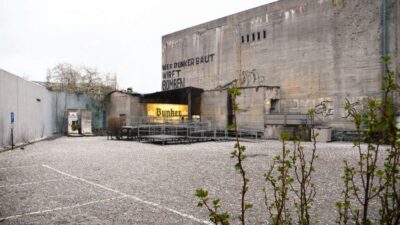
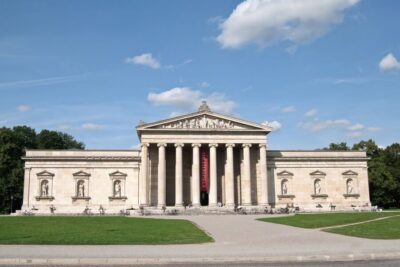
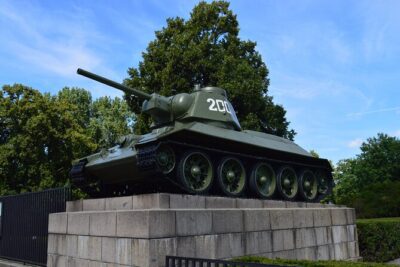
Berlin’s Best: 2 Hour Walking Tour Third Reich and the Cold War
Read our review →
Third Reich Berlin: Hitler and WWII Walking Tour
Read our review →
Skip-the-Line: Berlin Wall Museum at Checkpoint Charlie
Read our review →
Browse the lists this tour appears in