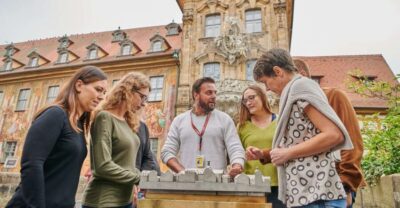
Reviewed · GUIDED
Traces Of Berlin: Guided Berlin Tour (English or German)
Berlin’s Wall story hits fast. In just 2 hours, you trace the city’s most famous Cold War sites, from Die Mauer | The Wall to the viewpoints where the border is still legible. I especially liked how the guide anchors everything in physical places you can actually see, not just vague politics.
Two things I really enjoyed: I love starting at the Die Mauer museum entrance, because it sets the tone and gives you the right mental map before you walk outside. And I also liked the way the tour stitches together major stops like Topography of Terror and Checkpoint Charlie with smaller, detail-led moments, so the history feels specific instead of rehearsed.
One consideration: the route is not gentle. You’ll be walking outdoors on historical surfaces, so plan for uneven ground and skip this if mobility is an issue.
In This Review
- Key highlights you’ll actually remember
- A fast, focused walk through Berlin’s divided spine
- Begin at Die Mauer | The Wall and get your bearings
- Leipziger Platz to Martin-Gropius-Bau, where architecture does the explaining
- Topography of Terror: the streets as a museum
- Checkpoint Charlie and Potsdamer Platz: borders at human scale
- A no-man’s-land surprise stop and the GDR watchtower base
- Ampelmann, street lighting, and the small signs of a big split
- Martin-Gropius-Bau, the socialist mural, and Platz des 17. Juni
- Finishing at Panoramapunkt and Panoramacafè
- Price, pace, and who this Wall tour suits
- Should you book this Traces Of Berlin Wall tour?
- FAQ
- How long is the guided Berlin Wall tour?
- Where does the tour start?
- What languages are available?
- What major sites are included in the experience?
- Is photography allowed during the tour?
- Do I need to bring anything?
- Is transportation included?
- Are meals included?
- Is the tour suitable for people with mobility impairments?
- Can I cancel for a full refund?
- Can I reserve and pay later?
Key highlights you’ll actually remember
- Die Mauer | The Wall at Leipziger Platz to frame what you’re about to see
- Martin-Gropius-Bau and Bundesrat for architecture tied to power and public messaging
- Topography of Terror for the kind of facts that make buildings feel heavy
- Checkpoint Charlie and Potsdamer Platz to understand borders at human scale
- A surprise stop plus a viewpoint that turns the city layout into evidence
- Ampelmann and East-West street lighting cues to catch how division showed up in daily life
A fast, focused walk through Berlin’s divided spine
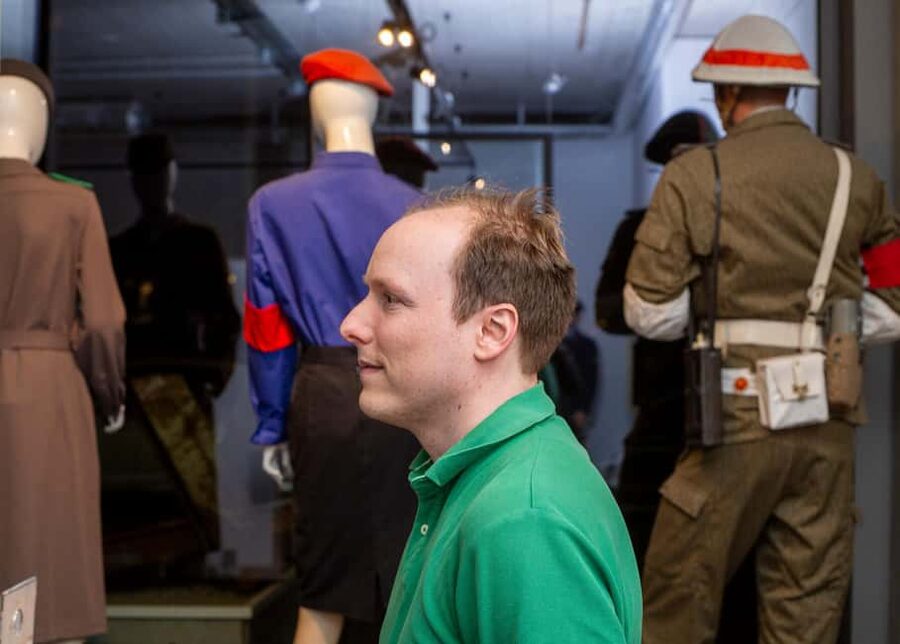
This is a short tour with a clear goal: help you read Berlin like a document. You move through places linked to escape, repression, and resistance, but the pace stays manageable because the duration is only 2 hours.
What makes it work is the mix of big-name landmarks and smaller visual clues. You’re not only told that Berlin was divided, you see how division shaped movement, design, and even street signals. That’s the difference between learning history and getting your bearings in it.
A few more Berlin walks and trips to compare
- Berlin: Reichstag, Dome and Government District Guided Tour
★ 4.7 · 18,288 reviews - Berlin: 1-Hour City Tour by Boat with Guaranteed Seating
★ 4.3 · 16,993 reviews - Berlin: TV Tower Standard Entrance Ticket
★ 4.4 · 15,883 reviews
Begin at Die Mauer | The Wall and get your bearings
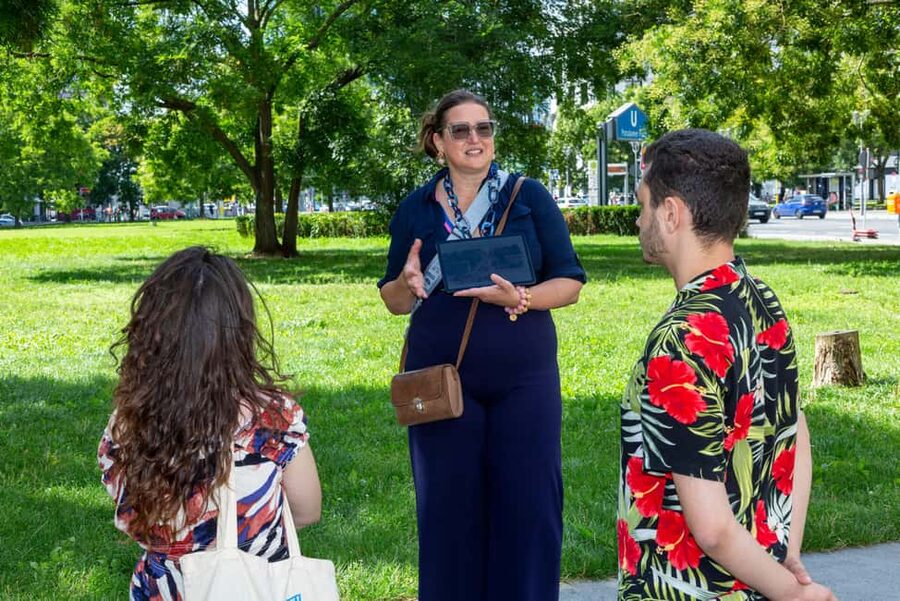
You start at the entrance to Die Mauer | The Wall museum on Leipziger Platz. Even before the walking begins, that starting point matters. It gives you context for why the Wall was more than a barrier, it was a system. A system with watchtowers, controlled access, and a whole geography of fear.
From there, the guide sets you up to notice what you might miss if you walked alone. You learn what kinds of remnants were left behind, what symbols were used, and how Berlin’s landscape carries those memories forward. It’s a smart way to begin because it keeps the tour from feeling like a checklist.
Leipziger Platz to Martin-Gropius-Bau, where architecture does the explaining
Next comes Martin-Gropius-Bau, with a guided visit around 15 minutes. This building is a reminder that politics often speaks through big facades and public-facing design. You get the kind of anecdotes that help architecture make sense, not just impress you for a moment and then disappear.
The tour also includes Bundesrat. When your guide links these sites to Berlin’s divided past, you start to see how each era tried to project authority, identity, and legitimacy. In Berlin, buildings don’t just sit there, they argue.
If you like history that shows up in stone and layout, this portion is a highlight. It’s also a good breather between darker stops, because you can switch from emotional weight to “how did they build power into the city” mode.
Topography of Terror: the streets as a museum
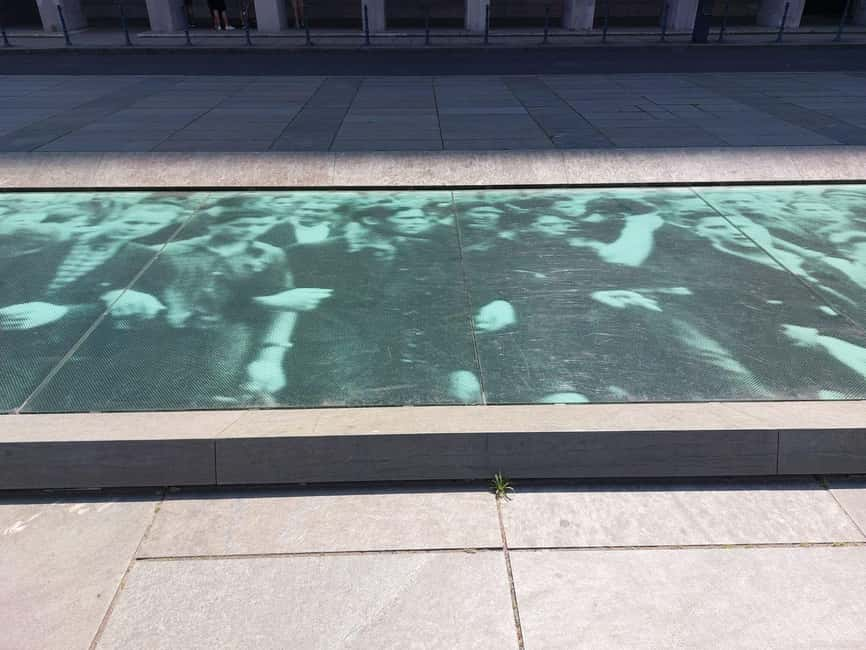
Topography of Terror is next, also with about 15 minutes on site. This is where the tour’s tone can feel heavier. The key value here is the way the guide connects what you see with what happened nearby.
You’re not just walking past old traces. You’re learning how terror operated through institutions and decisions, and how that affected daily life and public space. Even if you already know some German 20th-century history, this kind of place-specific framing can make facts feel sharper.
Practical note: since it’s outdoors as well as site-based, weather matters. If it’s bright, bring sunglasses. If it’s windy, plan your hat strategy so your headwear survives the wind tunnel vibe near major city sites.
Same city, a different way to spend the afternoon:
- Berlin: Boat Tour Along the River Spree
★ 4.4 · 11,252 reviews - Discover Berlin Half-Day Walking Tour
★ 5.0 · 9,624 reviews - Berlin: Government District around the Reichstag Guided Tour
★ 4.7 · 8,447 reviews - Berlin: Reichstag, Plenary Chamber, Cupola & Government Tour
★ 4.6 · 8,422 reviews
Checkpoint Charlie and Potsdamer Platz: borders at human scale
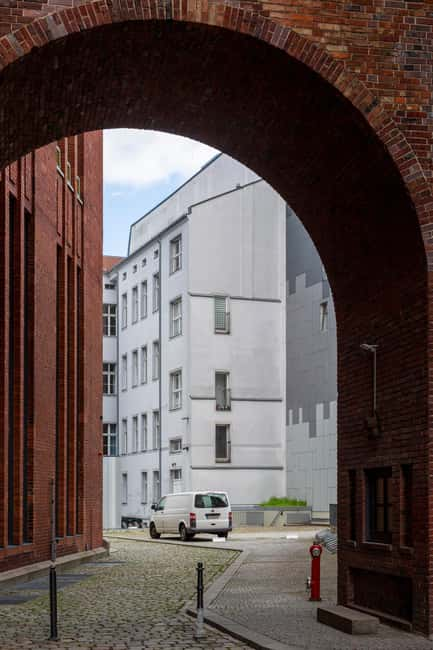
Then you hit Checkpoint Charlie. The stop is short, about 15 minutes, but it’s the kind of location that almost forces you to picture real choices and real risks. This is where the tour’s theme of escape, repression, and resistance turns from general explanation into something more human.
Checkpoint Charlie also works because it sits in a pocket of Berlin where modern tourism and Cold War memory overlap. You’ll notice how the area was shaped for movement and visibility, which helps you understand how border control relied on watching and channeling people.
Potsdamer Platz comes into the conversation as well. It’s useful because it shows you how the city reorganized itself after division. Standing where people flow through today, you can better grasp what it meant when movement was restricted and routes were controlled.
A no-man’s-land surprise stop and the GDR watchtower base
One of the most intriguing parts is the surprise stop. It’s brief, around 15 minutes, and it’s designed to show you something the city doesn’t advertise loudly. That’s a strong match for Berlin, where plenty of important traces are partially “there,” meaning you need guidance to read them.
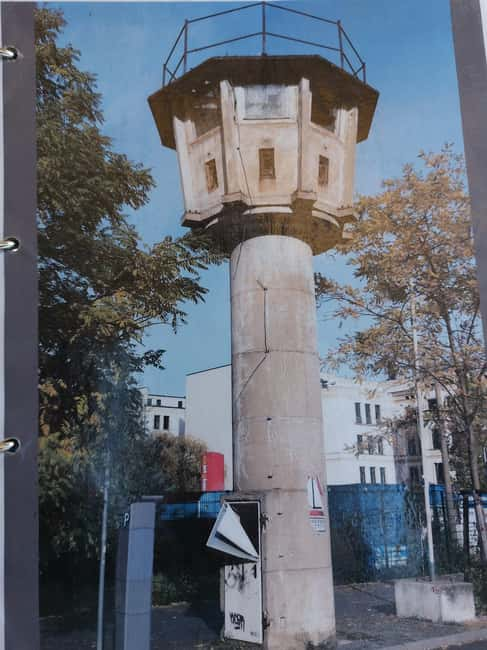
You’ll also visit the base of the former GDR watchtower. This is one of those spots where the physical scale changes how you feel about the Wall. A watchtower base is not dramatic like a movie set, it’s functional. And that functionality is the point. It connects the story to surveillance and control.
The tour also aims at the places that were once no-man’s land. You’re learning that division wasn’t only on paper or in ideology. It was designed into open space, into sightlines, and into what people could or could not cross.
Ampelmann, street lighting, and the small signs of a big split
You’ll learn about the famous Ampelmann. It’s a fun stop, but also more than a photo opportunity. Ampelmann becomes a symbol for everyday life under division, and why small design choices can carry identity.
The guide also points out differences like street lighting between East and West Berlin. These are the kinds of details that stick because they explain division in practical terms. You realize the Wall era was not only about checkpoints and guards, it was about how a city looked and moved minute to minute.
And yes, you’ll hear practical fun facts along the way, including the claim that the first traffic light in Europe was here. Even if you’ve read snippets before, having it placed in the right city context makes the story feel more grounded.
This section is ideal if you like history that shows up in ordinary life. If you prefer only the most solemn monuments, you might find the Ampelmann and traffic light talk lighter. But in Berlin, lightness is part of how people survived, adapted, and kept routines going.
Martin-Gropius-Bau, the socialist mural, and Platz des 17. Juni
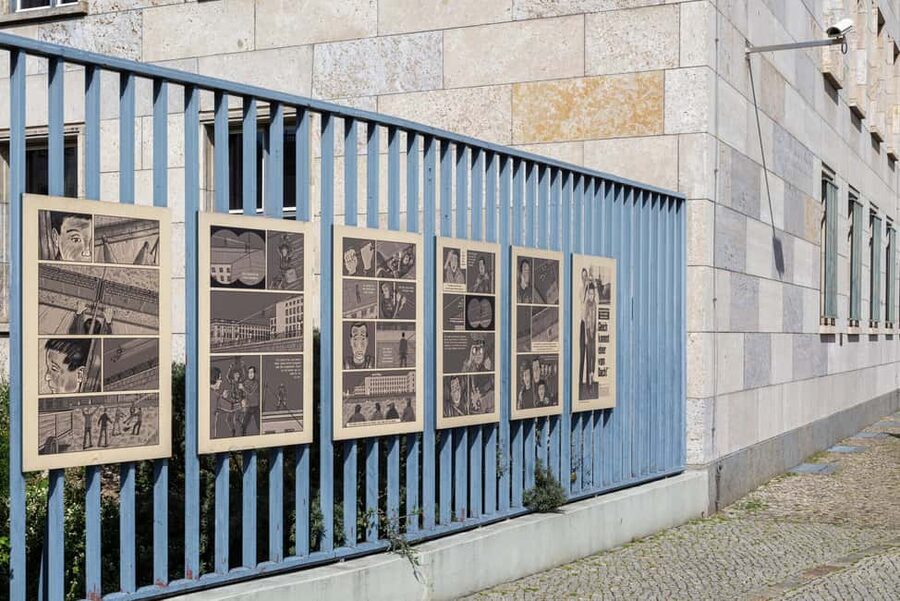
Midway through the walk, you’ll connect architecture and public space to ideology. The tour includes Platz des 17. Juni and also references a socialist mural of June 17th. When your guide links these visuals to the city’s political story, you start seeing why public art and major squares were so important.
Platz des 17. Juni is the kind of place where the city’s layout tells you what matters. Wide streets, big sightlines, and monumental scale can feel like a performance. Berlin did a lot of that performance across different regimes.
This stop is also a chance to refocus. After darker sites, public space helps you step back and see the bigger pattern: how power used geography to shape memory.
Finishing at Panoramapunkt and Panoramacafè
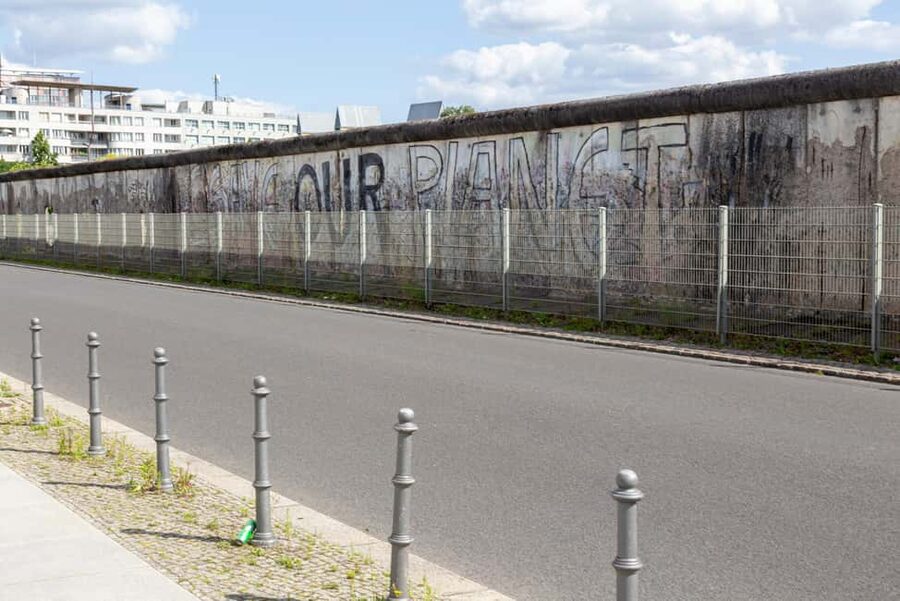
You end at Panoramapunkt, with the finish at Panoramacafè. This is a clever closer because it gives you perspective. You’ve been learning about division through specific points. Now you can connect them by looking at the wider city layout and imagining how routes and sightlines used to work.
A viewpoint matters on Wall tours because it turns scattered facts into spatial understanding. When you can see how blocks connect, how streets align, and where major sites sit relative to one another, you leave with a stronger mental map.
If you want a smooth final moment, grab a drink or snack at Panoramacafè after the tour. It helps you digest what you just saw and gives you an easy place to stop taking photos for a minute.
Price, pace, and who this Wall tour suits
The price is about $41 per person for a 2-hour guided experience. For central Berlin, that’s not a bargain-bucket deal, but it’s also not overpriced when you consider what you’re getting: a guided route through multiple major Cold War sites, plus visits connected to the Wall and the divided city.
This is the kind of tour that works best if you have limited time. With 2 hours, you’re not trying to cover every museum. You’re getting a curated orientation that helps you decide what to do next on your own, whether that means adding a museum stop or simply taking a different walk through the same neighborhoods.
Pace-wise, it’s a walking tour, and you should bring comfortable shoes. The tour information also recommends items like a sun hat, and it specifically calls out outdoor weather and uneven surfaces. This is not the best choice if you need step-free walking all the way through, since it is not suitable for people with mobility impairments.
Language options are English and German, so you can match your comfort level. The tour is run by Namola.
Who I think will like it most:
- You want a Wall overview that is specific, not vague
- You like learning from visible details like Ampelmann and street lighting
- You plan to keep exploring Berlin after the tour and want a mental map first
Who might find it less satisfying:
- You want deep museum time in a single location, without moving on
- You prefer fully indoor, fully accessible stops
Should you book this Traces Of Berlin Wall tour?
I’d book it if you want a practical orientation to Berlin’s divided past and you’re happy with a short, guided walking format. The best reason to go is the combination of famous places like Checkpoint Charlie and Brandenburg Gate with “read-the-city” details like Ampelmann and East-West street differences.
If you have mobility limitations or you hate uneven outdoor walking, skip it. If you’re looking for a gentle, sit-down museum day, pick something else. But if you want to understand how the Wall shaped both dramatic moments and everyday life, this tour is a solid way to get it in just 2 hours.
FAQ
How long is the guided Berlin Wall tour?
The tour lasts 2 hours.
Where does the tour start?
It begins at the entrance to the Die Mauer | The Wall museum.
What languages are available?
The tour is offered in English and German.
What major sites are included in the experience?
You’ll visit places connected to the Berlin Wall area such as Leipziger Platz, Topography of Terror, Checkpoint Charlie, Platz des 17. Juni, and Panoramapunkt, plus viewpoints and key landmark areas like Brandenburg Gate and Potsdamer Platz.
Is photography allowed during the tour?
Yes, photography is allowed.
Do I need to bring anything?
Bring comfortable shoes and comfortable clothes. The tour info also suggests a sun hat, and glasses can help for reading or viewing.
Is transportation included?
No. Transportation to the starting point is not included.
Are meals included?
No. Meals and drinks are not included.
Is the tour suitable for people with mobility impairments?
No, it is not suitable for people with mobility impairments.
Can I cancel for a full refund?
You can cancel up to 24 hours in advance for a full refund.
Can I reserve and pay later?
Yes. The experience offers a reserve now and pay later option.
Newest Berlin reviews on the site
- With Reichstag roof-terrace: Insider Parliament tour★ 4.6 · 41 reviews
- Berlin: guided canoe | kayaktour★ 4.1 · 7 reviews
- Where It All Began: Berlin’s Queer & Trans History Tour★ 4.9 · 6 reviews
- Small Group Tour: “Wild Kreuzberg”★ 4.8 · 189 reviews
- Vegan Food Tour in Berlin Mitte★ 5.0 · 5 reviews
- Ultimate E-Bike Tour of Berlin with Beer Garden Stop★ 5.0 · 4 reviews
- Understanding Kreuzberg: The roots of local (sub)culture★ 4.9 · 11 reviews
- True Berlin Flavors – Street Food Tour at Alexanderplatz★ 4.9 · 8 reviews
Guided, compared.
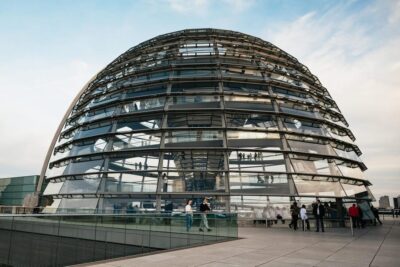
Reichstag, Dome and Government District Guided Tour
Read our review →
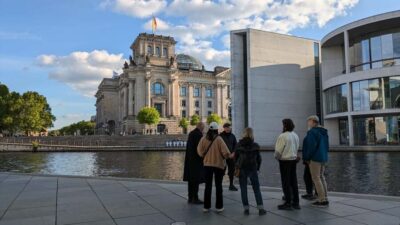
Government District around the Reichstag Guided Tour
Read our review →

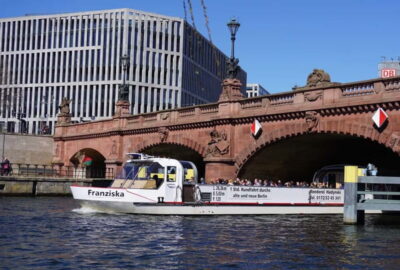
1-Hour Boat Tour with Bilingual Guide (Ger/Eng)
Read our review →