Reviewed · BERLIN TOURS
Small Group Tour: “Wild Kreuzberg”
Berlin changes pace at Kottbusser Tor. This 3 hour small-group walk is one of the most practical ways to understand Kreuzberg’s everyday buzz and its squatter-era leftovers, without getting lost in internet rabbit holes. I love the small group size for real conversation, and I love the tour’s mix of places like the Museum of Objects and Berlin’s Home for the Blind. One possible drawback: the tour is live and in German only, so if you don’t follow German, you may miss a lot of the story.
You’ll start at 137 Skalitzer Straße, in front of Gold Exchange and next to REWE, just a short ride from Kottbusser Tor station (U1 and U8). Expect an all-weathers walk, and you’ll get a rain poncho if needed, plus comfortable-shoes energy is a must. The route focuses on the city slices locals actually use, from Turkish market life to alt club corners and the big symbolic bridge moment at Oberbaumbrücke.
In This Review
- Key things I’d mark on my map before you go
- Kottbusser Tor to the U1 rails, the fastest way to read Kreuzberg
- Adalbertstraße and the Kreuzberg Museum stop that keeps it grounded
- Oranienstraße and Oranienhöfen, where the punk-era story still shows up in storefronts
- The Berlin Home for the Blind stop, a humane pause in the middle of the street story
- Museum of Objects and Mariannenplatz, mass production to art squats
- Fontane-Apotheke and Görlitzer Park, the park that used to be a train station
- Oberbaumbrücke finale, East and West in one symbolic bridge
- Price and logistics, why $24 can make sense for this route
- What to bring so the walk feels easy, not annoying
- Who this tour fits best, and who might want a different choice
- Should you book Wild Kreuzberg?
Key things I’d mark on my map before you go
- Start at Kottbusser Tor, where daily life and night culture share the same square, split by the U1 overground rails
- Oranienstraße and SO36 vibes, the kind of street where punk-era Berlin still feels present in shops and hangouts
- A stop with purpose at the Berlin Home for the Blind, plus downtime at Oranienhöfen for a coffee break you’ll need to buy yourself
- Museum of Objects and the Bethanien art squat, connecting mass production stories to repurposed spaces
- Fontane-Apotheke and Görlitzer Park, mixing a classic pharmacy stop with a park that used to be a train station
- Oberbaumbrücke as a finale, a symbolic link between East and West Berlin
Kottbusser Tor to the U1 rails, the fastest way to read Kreuzberg
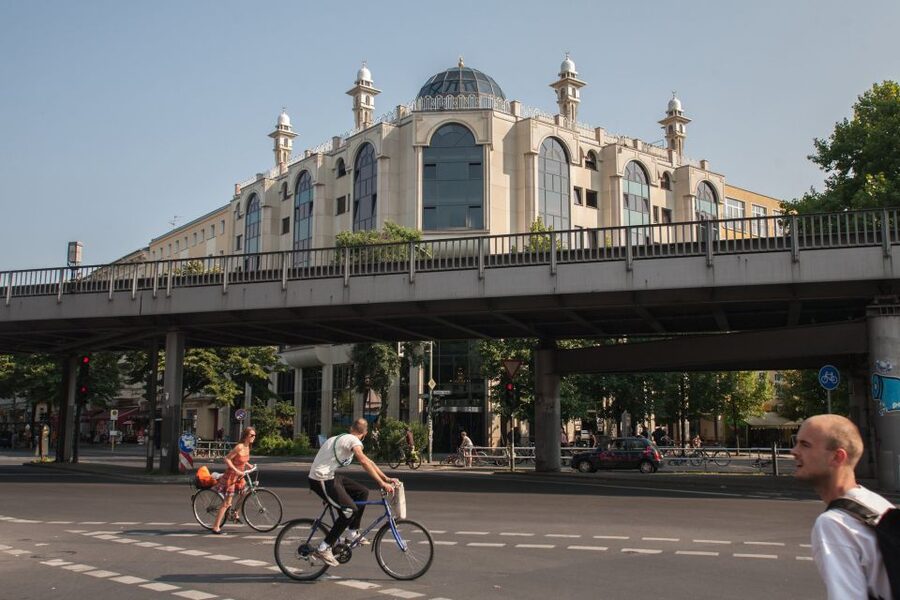
Your tour’s mood is set immediately at Kottbusser Tor, a square where the everyday and the nightlife rub shoulders. You’ll see it visually too, since the famous overground rails of the U1 line cut right through the scene. That matters because Kreuzberg is often described in themes, but the trains and the street layout show you how movement shapes the neighborhood.
From there, you’ll walk past impressive early 1900s buildings and big landmarks like the Sozialpalast area, then toward the spots where food and culture blur together. Expect Turkish market energy, Arabic restaurants, and bistros alongside chic cafes and alternative club venues. This is exactly the kind of mix that makes Kreuzberg feel real, not staged for tourists.
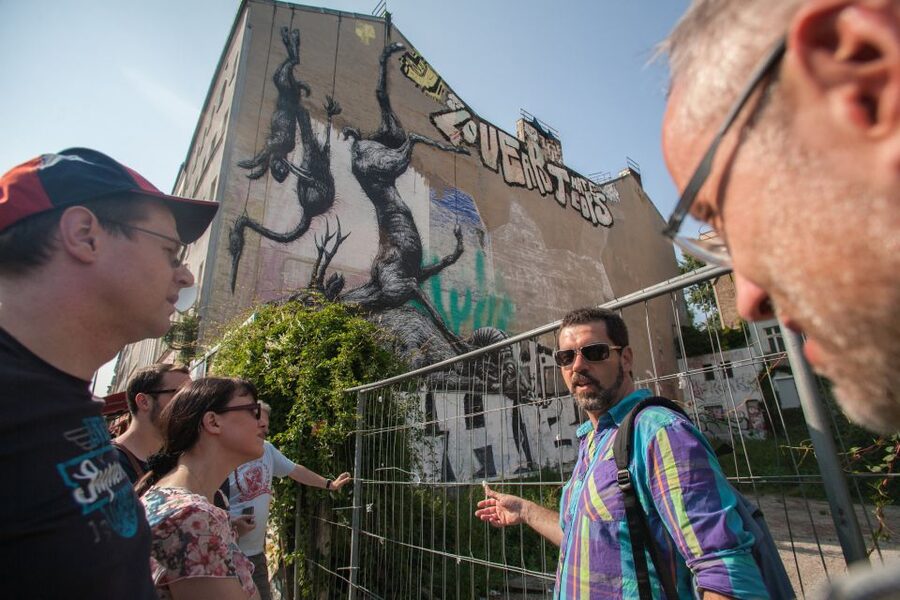
If you’re the type who likes context, you’ll get it. Your guide ties street-level sights to the neighborhood identity, including what remains of Berlin’s squatter scene. It won’t feel like a lecture, it’ll feel like you’re being taught how to look.
A few more Berlin walks and trips to compare
- Berlin: Reichstag, Dome and Government District Guided Tour
★ 4.7 · 18,288 reviews - Berlin: 1-Hour City Tour by Boat with Guaranteed Seating
★ 4.3 · 16,993 reviews - Berlin: TV Tower Standard Entrance Ticket
★ 4.4 · 15,883 reviews
Adalbertstraße and the Kreuzberg Museum stop that keeps it grounded
One of the smartest parts of this tour is that it doesn’t only chase counterculture vibes. You also check out key sights like the Adalbertstraße skyscrapers and the Kreuzberg Museum area. Even if you don’t go into the museum itself, simply passing these locations helps you understand that Kreuzberg isn’t just one era or one stereotype.
I like this balance because Kreuzberg has layers. You get architecture that signals different periods, then you get the neighborhood’s later cultural expression. That combination is what lets the rest of the walk make sense, especially when you see how repurposed buildings ended up becoming social spaces.
Practical note: wear shoes that can handle city sidewalks at walking pace. This is a steady stroll, not a hop-on hop-off style outing.
Oranienstraße and Oranienhöfen, where the punk-era story still shows up in storefronts
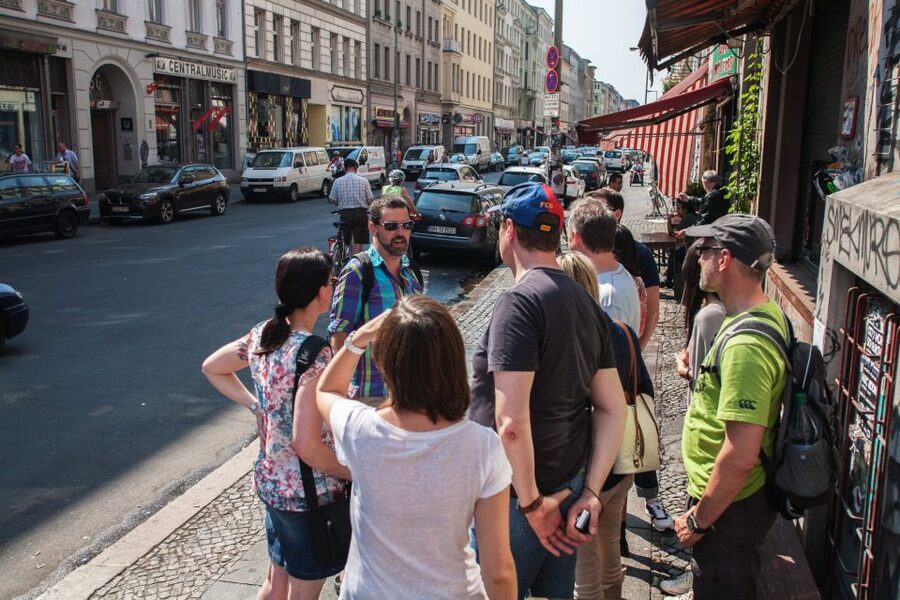
When the route shifts toward Oranienstraße, you’ll feel the “this is the heart of it” energy. The guide focuses on the former SO36 postal district, a name you’ll hear in any serious Kreuzberg conversation. The street has restaurants, bars, shops, and that specific Kreuzberg charm where people look like they’ve been coming there forever.
This part of the walk is especially good if you want the neighborhood vibe without guessing. You’ll pass the places that helped shape the punk district identity, then move toward the Oranienhöfen area for a coffee reset. The tour may say relax over a coffee, but food and drink aren’t included, so plan on buying it yourself.
What you gain here is more than caffeine. You get a breather at the right moment, and your guide can point out how this area reflects older squatter patterns, even today. It’s a good lesson in Berlin urban change: not a clean line from past to present, more like overlap.
The Berlin Home for the Blind stop, a humane pause in the middle of the street story
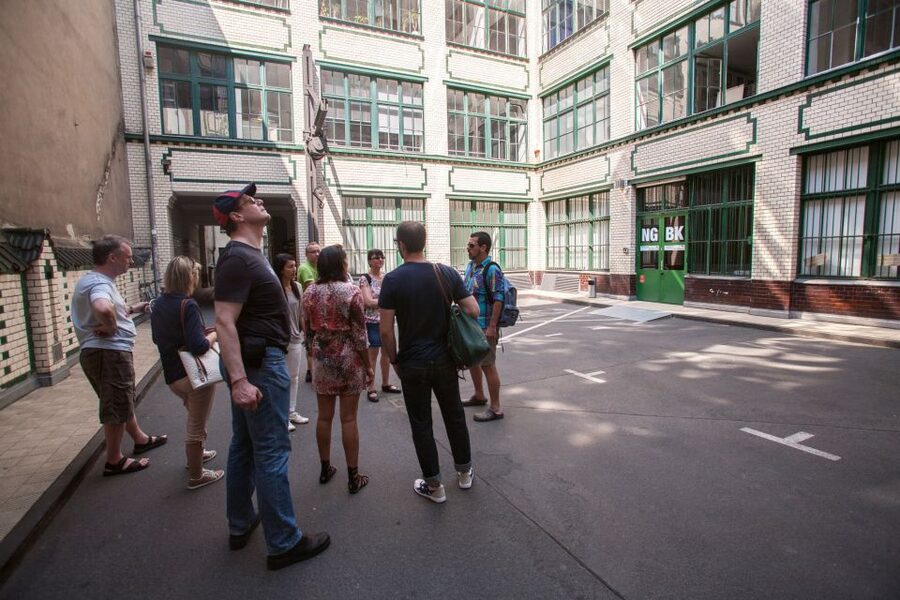
A standout moment is the stop at the Berlin Home for the Blind. This is a human-scale setting in the middle of a neighborhood tour that could have stayed purely about streets and buildings. Instead, you’re reminded that Kreuzberg’s story is also about community services and everyday life, not only nightlife and protest mythology.
Even if you just take in the exterior and the guide’s framing, the shift in tone helps the whole tour land better. You’ll notice how your guide keeps connecting locations to social context, not just geography. For you, that means the neighborhood feels more complete, not like a theme park.
After that, the walk continues through the more artsy and alternative edges, so the contrast actually makes the later stops more interesting.
Same city, a different way to spend the afternoon:
- Berlin: Boat Tour Along the River Spree
★ 4.4 · 11,252 reviews - Discover Berlin Half-Day Walking Tour
★ 5.0 · 9,624 reviews - Berlin: Government District around the Reichstag Guided Tour
★ 4.7 · 8,447 reviews - Berlin: Reichstag, Plenary Chamber, Cupola & Government Tour
★ 4.6 · 8,422 reviews
Museum of Objects and Mariannenplatz, mass production to art squats
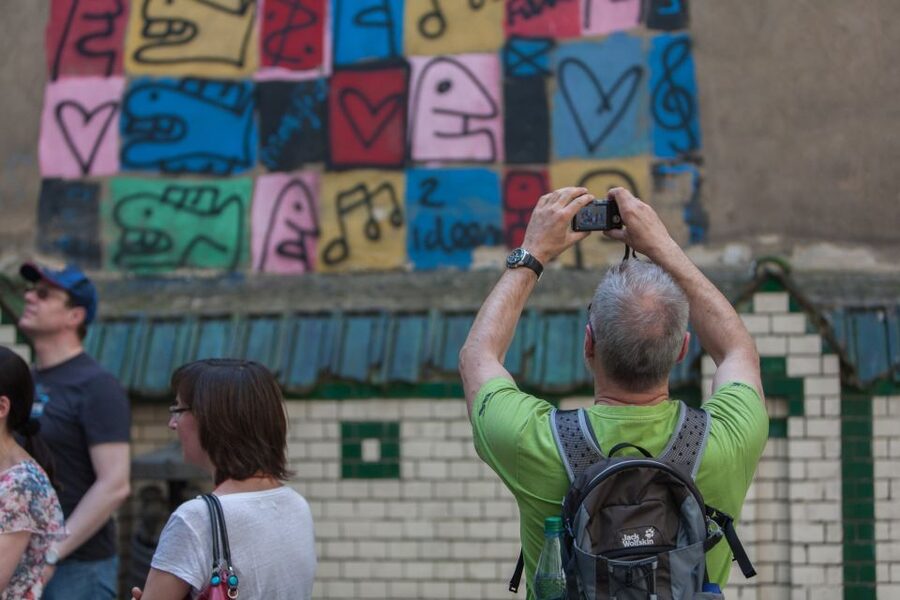
Next comes the Museum of Objects, focused on the history of mass production. This is one of those stops that makes your brain click. Kreuzberg is full of creative reuse and DIY energy, and learning about mass production gives you a backdrop for why people started looking at objects differently.
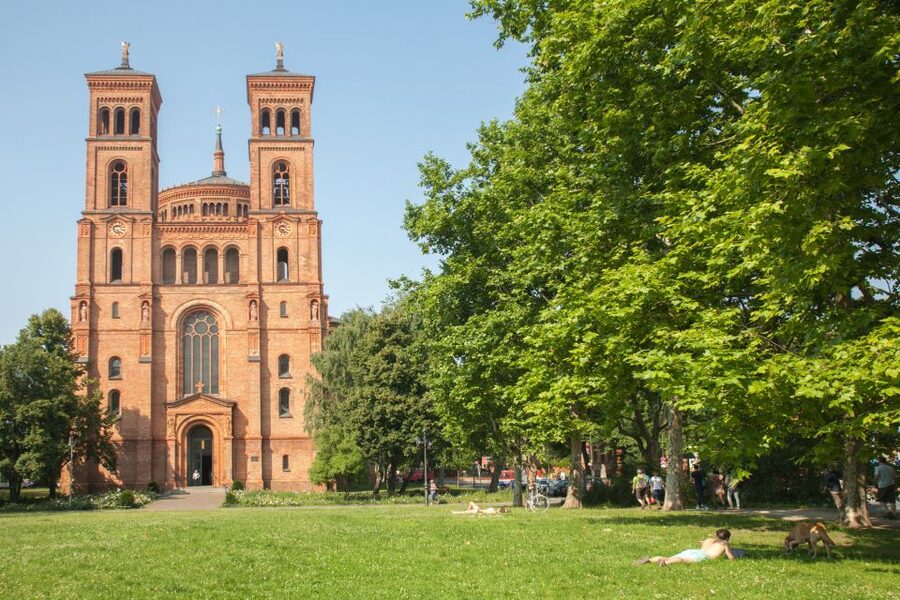
Then you head over to Mariannenplatz, where the art squat Bethanien is located. Bethanien used to be a hospital, and now it’s tied to the squat scene through art and alternative use. That transformation is the point. It’s not just a cool building, it’s a Berlin pattern: leftover space gets new meaning.
Right next door you’ll also find Rauchhaus, another trace of squatters’ everyday life from days gone by. This is where the tour earns its “wild” nickname in a responsible way. It gives you the story behind the reputation, so you can understand the culture instead of just chasing the label.
Tip for your photos: you’ll likely want to look up at facades as well as straight ahead at street life. Bethanien and the Mariannenplatz area reward that slow visual scanning.
Fontane-Apotheke and Görlitzer Park, the park that used to be a train station
The route adds another strong contrast with Fontane-Apotheke, a well-known pharmacy stop. It sounds small, but this kind of stop matters. Berlin neighborhoods stay alive through everyday institutions, not only famous monuments. A pharmacy is one of those places that anchors local routine.
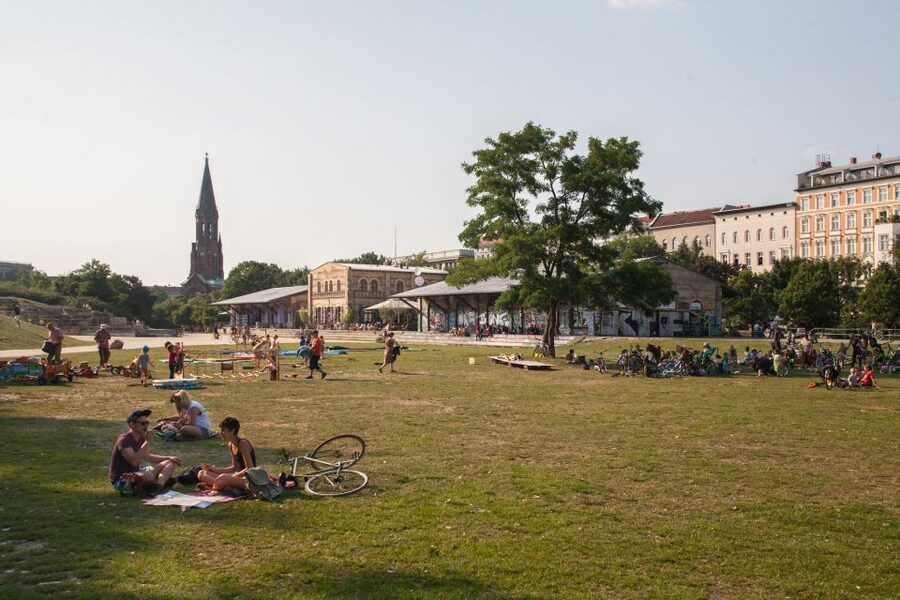
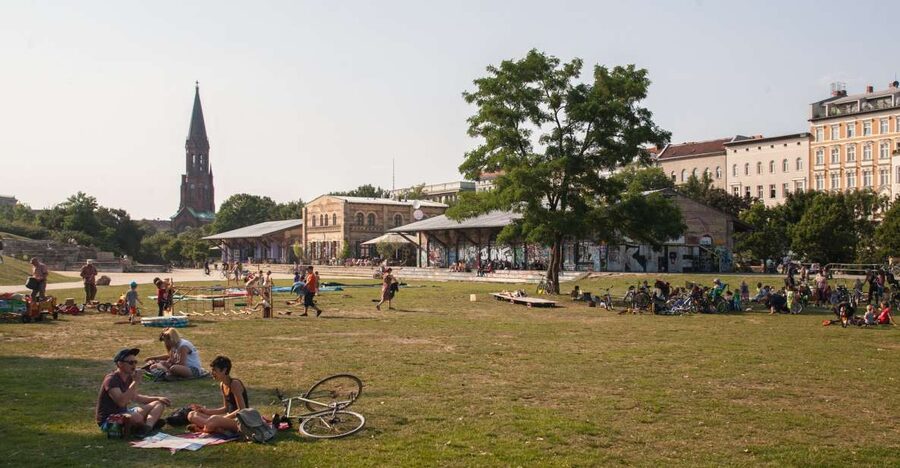
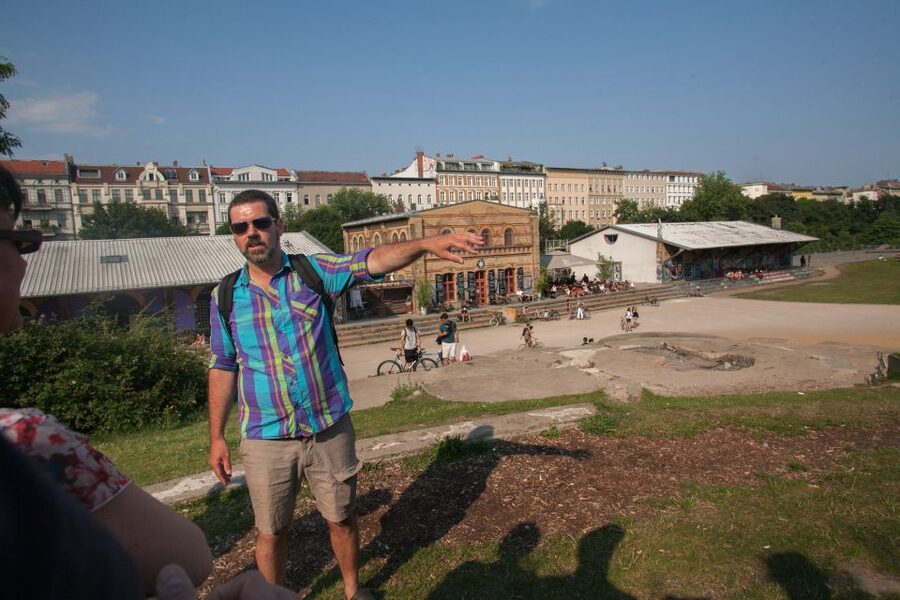
Then you reach Görlitzer Park, a highlight because it was previously a train station. That fact changes how you experience the space. Parks often feel like purely green breaks, but here the ground itself has a different identity, shaped by transportation and logistics. You’re walking through a space that carries a former purpose, which fits perfectly with this tour’s theme of repurposing.
If you like big symbolic moments, this is a quieter one. Still, it’s a memorable way to see how Kreuzberg keeps reusing infrastructure instead of wiping it clean.
Oberbaumbrücke finale, East and West in one symbolic bridge
You end toward the Oberbaumbrücke, the bridge that symbolically links East and West Berlin. As a finale, it works well because the tour has been about layers all along. You started with street identity and urban mix, then moved through squatter traces, art spaces, and repurposed buildings. Ending with a bridge that stands for division and connection gives your walk a clean emotional finish.
It also helps you orient yourself after the tour. Even if you don’t know Berlin’s full map yet, you’ll remember Oberbaumbrücke as a landmark tied to meaning, not just location.
And since the tour ends back at the meeting point, you can keep your afternoon going without complicated transfer plans.
Price and logistics, why $24 can make sense for this route
At $24 per person for a 3 hour guided walk, this is priced for value rather than “see one big thing.” You get a guide, duties covered, and an all-weather approach with a rain poncho if needed. For me, the best value here is the number of distinct story areas you cover in one go, from markets and architecture to squat traces and repurposed spaces.
Group size is a big part of why it’s good value. It runs with a minimum of 3 people and a maximum of 12, so you’re not stuck in a giant herd. That usually means your guide can keep the pace human and answer questions along the way.
One thing to consider before booking: the tour is German language only. If you have basic German or you’re comfortable following along, you’ll likely enjoy it more. If you need English, you may want to look for a different format.
I also saw a negative booking experience in the wild, where an organizer cancelation happened and the guest felt it was handled poorly. I can’t verify what caused every cancellation, but it’s smart to confirm the tour is scheduled at your preferred time before you plan the rest of your day.
What to bring so the walk feels easy, not annoying
This tour is in all weathers, and you should expect rain at least as a possibility. The good news is you’ll get a rain poncho if the weather turns. Still, you’ll want to bring your own backup comfort, especially if you hate soggy socks.
Your biggest practical need is simple: comfortable shoes. You’re walking city streets continuously for about three hours, plus you’ll likely stop for photos and small explanations at each site.
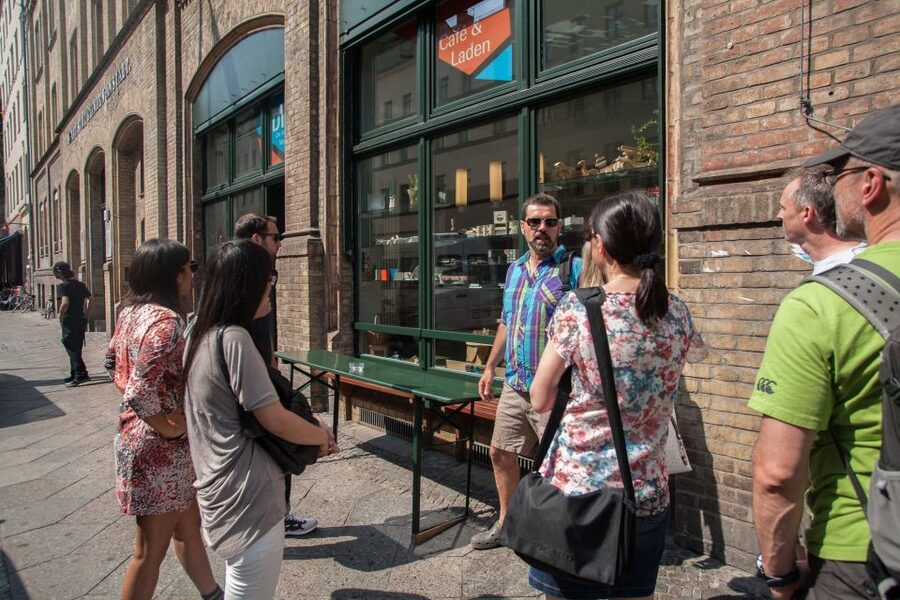
Also keep an eye on your meeting point. Start at 137 Skalitzer Straße, in front of Gold Exchange next to REWE. Your guide should carry a sign for the tour operator, which helps you spot the group quickly.
And because the nearest U-Bahn station is Kottbusser Tor (U1 and U8), plan to arrive with enough buffer time to get to the Skalitzer Straße exit.
Who this tour fits best, and who might want a different choice
This tour is a great fit if you want Kreuzberg’s contrast, street by street. It’s ideal for first-time visitors who already know Berlin is complicated, and who want a guided way to understand that complication without doing it alone.
It’s also good if you like city culture mixed with real places. The stops are not just famous viewpoints, they include everyday institutions like a well-known pharmacy and community-focused spaces like the Home for the Blind.
If you need English or you prefer only famous landmarks, this may not be your best match. The story is very rooted in local context and German narration.
Should you book Wild Kreuzberg?
I’d book it if you want a focused Kreuzberg walk with a real guide, not a quick sightseeing shuffle. The route covers the neighborhood’s identity from Kottbusser Tor to Oranienstraße, then into Bethanien and ends at Oberbaumbrücke, with thoughtful stops like the Museum of Objects and the Home for the Blind.
Book with confidence if you can handle German narration and you’re comfortable with an all-weather walking tour. If language is a dealbreaker, or if you hate walking without lots of breaks, you might prefer a different tour style.
My final advice: bring comfortable shoes, show up at the right Skalitzer Straße meeting spot, and go in curious. Kreuzberg rewards that mindset.
Newest Berlin reviews on the site
- With Reichstag roof-terrace: Insider Parliament tour★ 4.6 · 41 reviews
- Berlin: guided canoe | kayaktour★ 4.1 · 7 reviews
- Where It All Began: Berlin’s Queer & Trans History Tour★ 4.9 · 6 reviews
- Vegan Food Tour in Berlin Mitte★ 5.0 · 5 reviews
- Ultimate E-Bike Tour of Berlin with Beer Garden Stop★ 5.0 · 4 reviews
- Understanding Kreuzberg: The roots of local (sub)culture★ 4.9 · 11 reviews
- True Berlin Flavors – Street Food Tour at Alexanderplatz★ 4.9 · 8 reviews
- Traces Of Berlin: Guided Berlin Tour (English or German)★ 3.3 · 3 reviews
Berlin Tours, compared.
Reichstag, Dome and Government District Guided Tour
Read our review →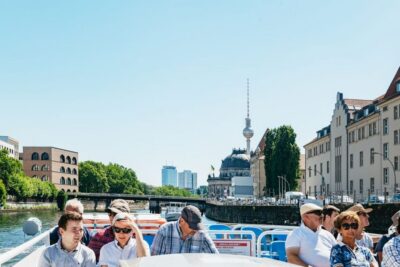
1-Hour City Tour by Boat with Guaranteed Seating
Read our review →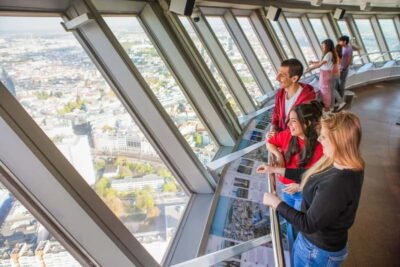
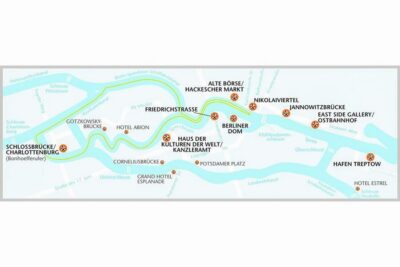
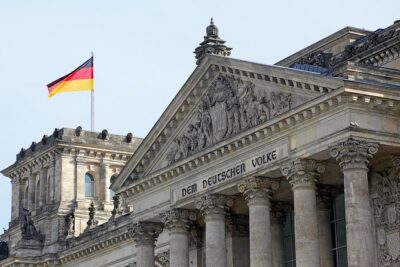
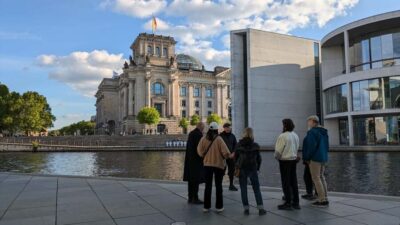
Government District around the Reichstag Guided Tour
Read our review →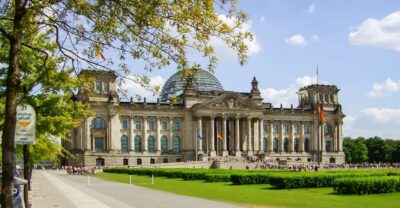
Reichstag, Plenary Chamber, Cupola & Government Tour
Read our review →