Reviewed · BERLIN TOURS
Understanding Kreuzberg: The roots of local (sub)culture
Kreuzberg makes more sense after a good walk. This tour explains how the district’s subcultures grew from real street-level needs, then shows how those values still shape everyday life now. It’s not just facts, it’s stories tied to corners, courtyards, and people.
What I like most is the focus on the squatter movement and the way it connects to activism and experimental arts in the 1970s, all the way to today. I also love the practical payoff: you get a break at Rio-Reiser-Platz and a hot chocolate stop with a local Berlin chocolatier.
A possible drawback: if you want a mostly photo-op tour with no political or social context, this may feel a bit more opinionated and story-driven than you expected. Also, the tour time can run up to 210 minutes, so plan your day with some breathing room.
In This Review
- Key things I’d circle before you book
- Kreuzberg’s subcultures were built, not invented
- Starting near Ostbahnhof, finding the right vibe fast
- The 1970s that still show up in Kreuzberg today
- Hidden backyards, street art, and why courtyards matter
- A short scenic pause, then you hit the social layers
- Rio-Reiser-Platz and the hot chocolate stop you’ll actually plan around
- Stories about the Wall era, and what changed after
- Price and time: is $35 worth it?
- Who this is best for, and who might prefer something else
- What to bring and how to make the most of it
- Should you book this Kreuzberg tour?
- FAQ
- Where do I meet for the Kreuzberg tour?
- How long is the tour?
- What languages are offered?
- What is included in the price?
- Is the tour focused only on history?
- Is the tour wheelchair accessible?
- Can I cancel or pay later?
Key things I’d circle before you book
- Squatters to street art, with a clear line from the 1970s to present-day Kreuzberg
- Hidden backyards and small details you’d likely miss on your own
- Values in action, meaning social and environmental projects led locally
- A real neighborhood break at Rio-Reiser-Platz
- Hot chocolate included, described as the best in town
- Guides with local pull, including Lee, who’s repeatedly praised for making the area feel personal
Kreuzberg’s subcultures were built, not invented

Kreuzberg’s reputation for creativity is true, but it’s also incomplete if you only look at it as a vibe. The district became a magnet because certain conditions kept meeting in the same place: artists looking for space, residents willing to organize, and communities pushing back when official plans ignored real needs.
This is the heart of the tour. You’re not just hearing that Kreuzberg is different. You learn why it turned out that way. And once you understand the “why,” the present makes sense. Street art isn’t random decoration. Community projects aren’t a nice extra. They’re part of the same long conversation that began with protest, squatting, and a belief that the city should serve people, not just paperwork.
The best part is how grounded it stays. You’re walking through actual neighborhoods, turning the past into something you can see. You end up noticing how everyday life carries old decisions forward, in the layout of streets, the feel of courtyards, and the kind of small institutions that survive there.
A few more Berlin walks and trips to compare
- Berlin: Reichstag, Dome and Government District Guided Tour
★ 4.7 · 18,288 reviews - Berlin: 1-Hour City Tour by Boat with Guaranteed Seating
★ 4.3 · 16,993 reviews - Berlin: TV Tower Standard Entrance Ticket
★ 4.4 · 15,883 reviews
Starting near Ostbahnhof, finding the right vibe fast
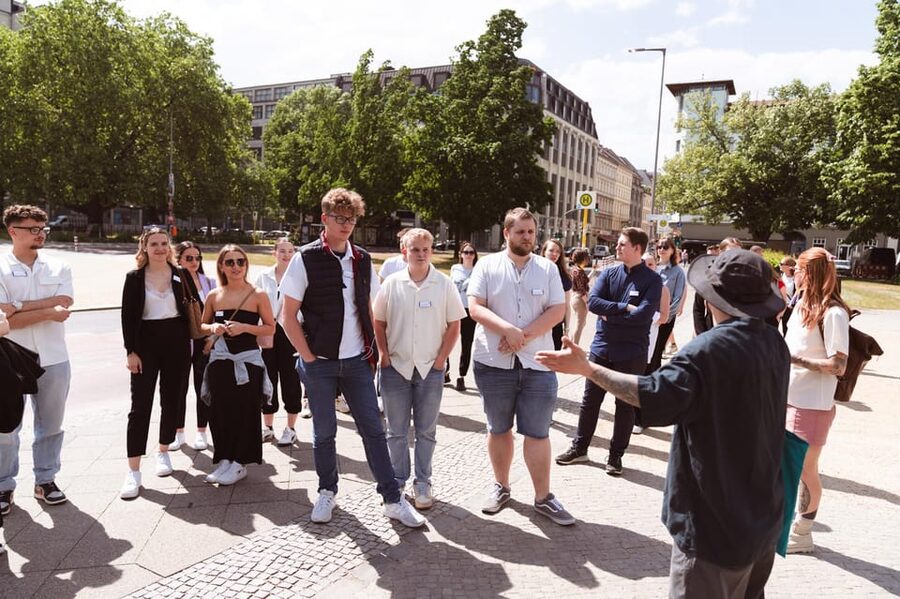
You meet in front of the YAAM entrance, very close to Ostbahnhof. That matters more than it sounds. Kreuzberg can feel chaotic if you start in the wrong spot, or if you arrive after being stuck on a confusing transit route. Starting near Ostbahnhof keeps it easy. You can focus on the walk, not on your phone map battery.
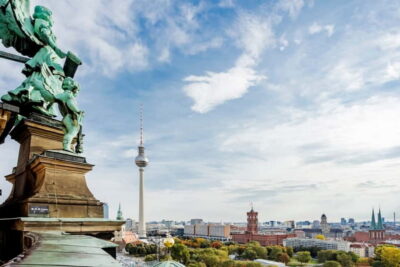
The tour’s pace is designed for questions. There’s a guided stretch where you take in sights and scenic views as you go. You also get a photo stop later, so you’re not stuck doing everything on the move without a chance to reset.
I also appreciate the practical mix of structure and room to wander. There’s a short free time break built in, so you can grab water, look around, or just stand still for a minute. Kreuzberg is one of those places where standing still helps, because details show up when you stop scanning for the next landmark.
The 1970s that still show up in Kreuzberg today
The tour’s story line connects three themes: squatting, activism, and experimental arts. Those aren’t treated like separate chapters. They’re presented as overlapping forces that shaped what people thought a neighborhood should be.
The squatter scene matters because it was about more than occupying space. It was a way of claiming a right to live, build, and create in a city that wasn’t delivering. From there, activism becomes the organizing energy. It turns into public pressure, community initiatives, and a culture of trying things together.
Experimental arts fit naturally into that ecosystem. When you have people seeking alternatives, you also tend to get new forms of expression. The tour helps you see why Kreuzberg developed that reputation for creative risk-taking. It wasn’t just artistic style. It was a social structure that rewarded people who worked outside the conventional system.
What I love here is that the guide doesn’t leave you with only nostalgia. You’re guided to notice how those older values still show up in modern resident behavior. That’s the difference between a history talk and a neighborhood understanding.
Hidden backyards, street art, and why courtyards matter
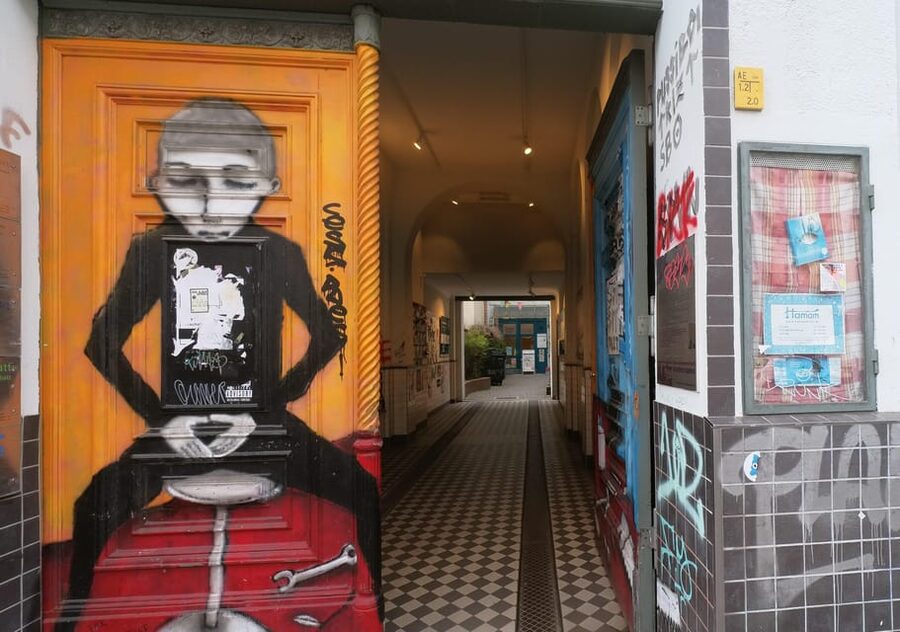
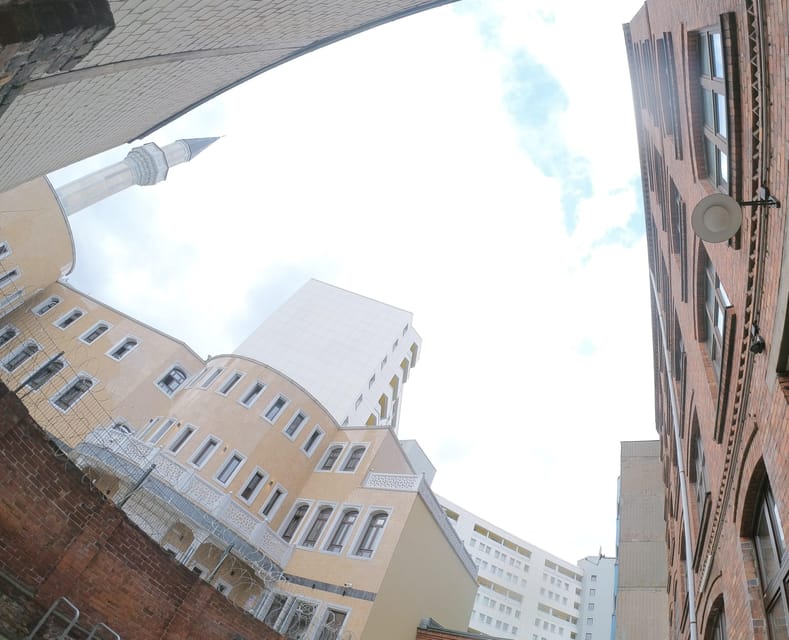
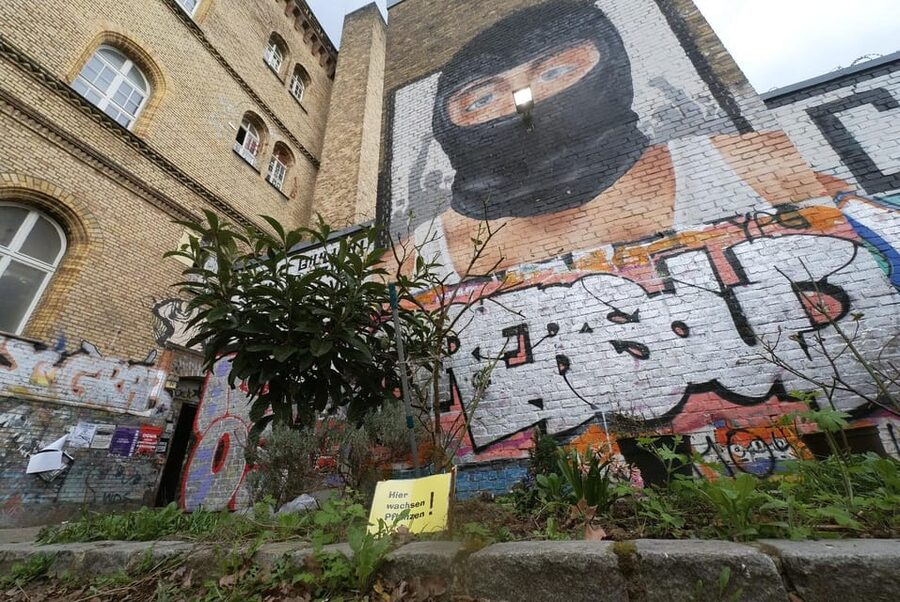
At some point you’ll turn from the main streets into smaller spaces, including hidden backyards. This is where Kreuzberg can feel like a different city from the one you see in passing.
Backyards are practical and political. They’re where community life becomes visible because people use space differently there. When a neighborhood has a culture of cooperation, those spaces often get shared, repurposed, or protected through local effort. The tour connects this to social and environmental projects organized by locals, which gives you a reason to pay attention instead of treating it as random scenery.
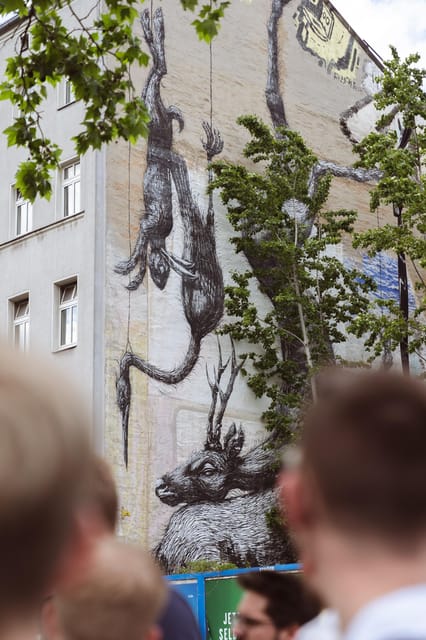
Street art also gets handled with context. You’re not just pointed at a wall. You learn how it connects to the subcultures that grew from the squatter era and the post-Wall years. The result is that the art starts to read like communication. You may still enjoy the color and the design, but you’ll also catch what it’s pushing against or responding to.
If you like to walk and notice, this portion is one of the most rewarding. If you prefer a strict checklist of landmarks, you might find yourself wanting more “big sights.” But Kreuzberg works better when you slow down enough to see how neighborhoods actually live.
Same city, a different way to spend the afternoon:
- Berlin: Boat Tour Along the River Spree
★ 4.4 · 11,252 reviews - Discover Berlin Half-Day Walking Tour
★ 5.0 · 9,624 reviews - Berlin: Government District around the Reichstag Guided Tour
★ 4.7 · 8,447 reviews - Berlin: Reichstag, Plenary Chamber, Cupola & Government Tour
★ 4.6 · 8,422 reviews
A short scenic pause, then you hit the social layers
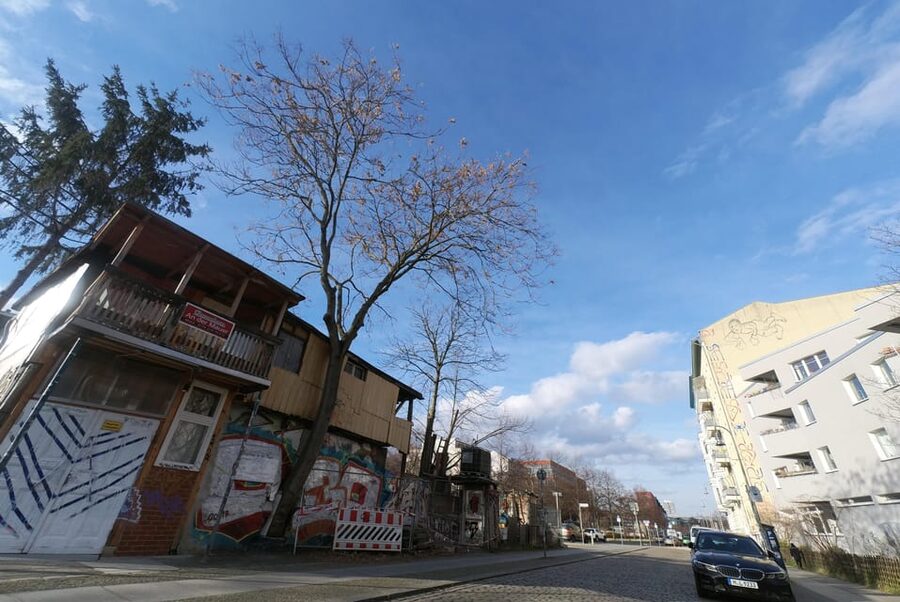
There’s a section with a photo stop plus scenic views on the way. It’s a good moment to reset your eyes. Kreuzberg has lots of lines and surfaces competing for attention, and a breather helps you keep your focus for the second guided segment.
After that, you get a break with 15 minutes of free time. That’s long enough to grab a snack or step aside, but short enough that you’re not losing the thread of the stories. I like this balance. You return with fresh energy, ready for the tour’s second act.
Then the tour continues with more guided walking, building on the earlier themes. By now you’ve learned enough context that the later stories land harder. In a place like Kreuzberg, context changes how you interpret almost everything, including what people choose to keep and what they choose to change.
Rio-Reiser-Platz and the hot chocolate stop you’ll actually plan around
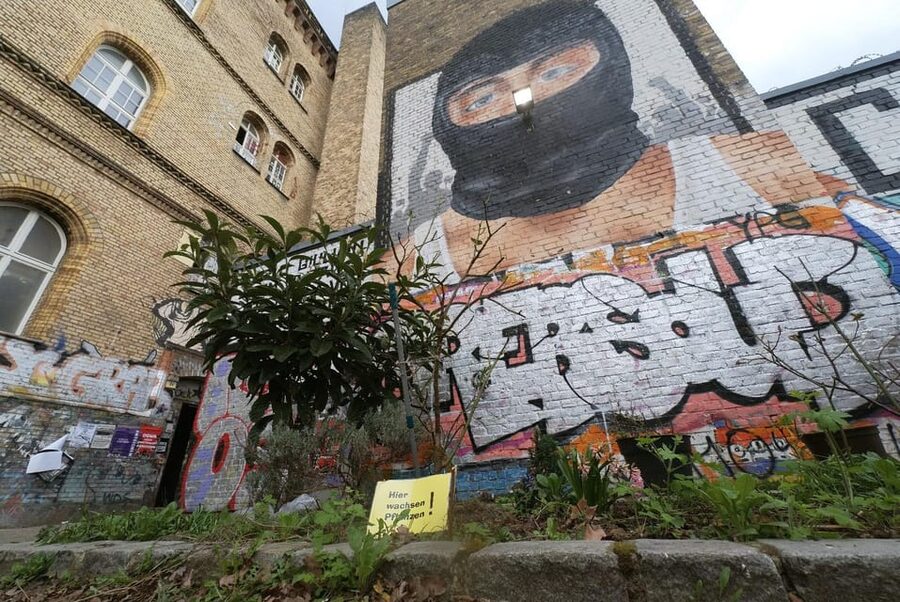
You take a break at Rio-Reiser-Platz and get hot chocolate from a Berlin chocolatiers collaboration. This stop is practical, but it’s also symbolic. It’s in a public space tied to local culture, and it gives your brain a rest from history and street-level detail.
Why it’s such good value is simple. Many walking tours offer a drink. This one offers something specific and memorable, plus a moment to mingle, not just stand in line. The tour also frames the chocolate stop as part of the neighborhood experience, not a random coupon moment.
And yes, the hot chocolate is one of the tour’s signature talking points. The way it’s described also hints at why locals care about what they make. When a district has strong community networks and pride in shared projects, even a simple treat can become part of the identity.
If you’re the kind of person who plans food stops when you travel, you’ll appreciate how this tour builds that in for you, instead of leaving it to luck.
Stories about the Wall era, and what changed after
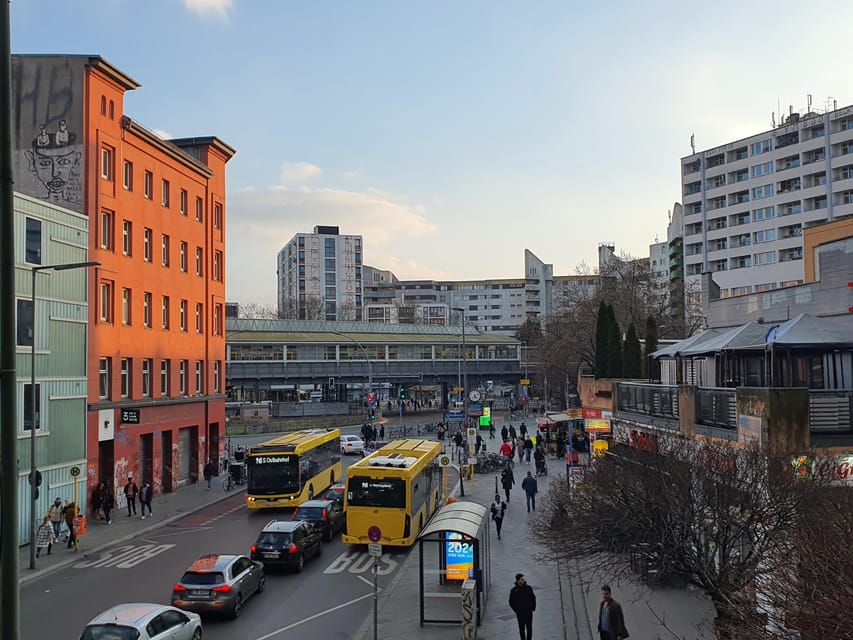
The tour includes some crazy stories about life during the time of the Wall and after. The goal isn’t just shock value. It’s to show how Berlin’s political situation created openings and pressure points that residents and communities responded to.
Kreuzberg sits in the story of a divided city, and the post-Wall period created a different set of challenges. That’s where the earlier themes matter. Squatting and activism were forms of survival and self-definition. After the Wall, those energies didn’t automatically disappear. They evolved, adapted, and kept shaping local life.
This is also where guided storytelling helps most. Without a guide, it’s easy to see buildings and miss how people experienced them. With a guide, those details become human scale. You stop treating history like background noise, and start treating it like something that still influences how a neighborhood functions.
Price and time: is $35 worth it?
At $35 per person, this tour is priced like a mid-range neighborhood walk, especially for Berlin. The big value add is that it includes one hot beverage with collaboration from a local small business. That turns the tour from “pay for guidance” into “pay for guidance plus an actual neighborhood stop.”
The second value factor is time. The duration runs 2 hours to 210 minutes, so depending on pacing you may be getting a longer walk than you’d assume from the short version. You also get a combination of guided segments, a photo pause, and a break. That structure makes it feel like you’re being shown places, not just marched through them.
If you’re traveling solo, $35 is a good way to get context fast. If you’re with friends or family, it can be a cost-effective alternative to hiring separate guides for different interests like street art and neighborhood history.
Who this is best for, and who might prefer something else
You’ll likely love this tour if you want Berlin that feels less like postcard culture and more like a working neighborhood with rules you can understand. It’s a great fit if you care about:
- How grassroots movements shape city life
- Street art with a social context
- Berlin’s post-Wall evolution, not just the headline version
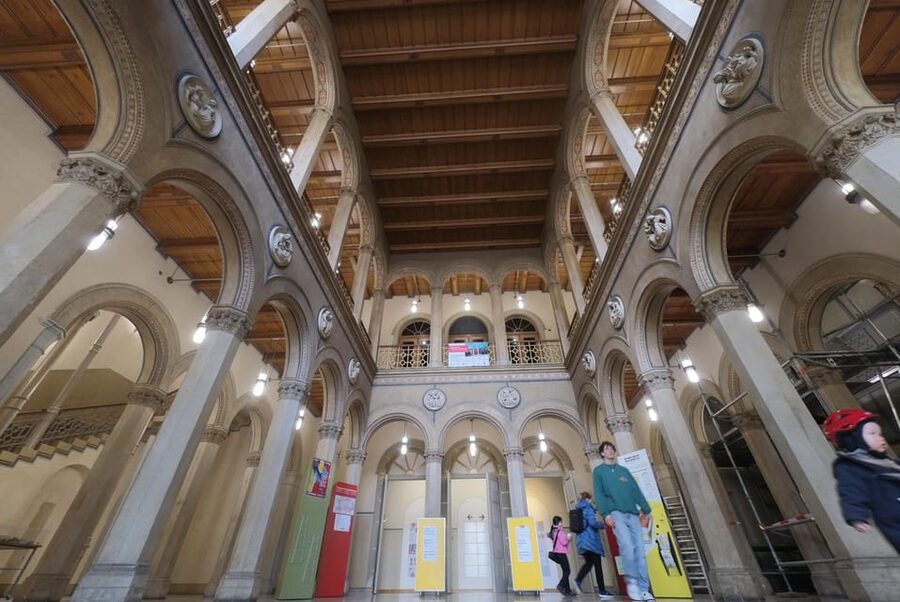
It’s also ideal when you appreciate the “small stuff,” like courtyards, backyards, and the way values show up in everyday habits.
If you only want top museum sites, or if you’re hoping for a totally neutral, politics-free tour, you may find the subject matter heavier than you expected. This isn’t a fluff walk.
What to bring and how to make the most of it
Bring comfortable shoes. You’ll be walking. Bring a charged phone camera if you like photos, because there’s a dedicated photo stop. And if you’re the type who likes to ask questions, this tour rewards that. The guide style described in feedback points to a friendly, story-first approach that makes it easier to ask why things are the way they are.
Also, plan a little flexibility after the tour, because the best part of learning a neighborhood is wanting to keep exploring it. The route ends at U Kottbusser Tor, which makes it convenient to continue on by transit.
Should you book this Kreuzberg tour?
I’d book it if you want Kreuzberg explained through the things that actually built it: squatting, activism, experimental arts, and the lived values that kept evolving after the Wall. You’ll come away with more than a list of sights. You’ll understand how the district’s subcultures became a daily reality.
Skip it if you’re looking for a mostly superficial highlight tour, or if you prefer a strict timeline without social context. And if you’re sensitive to political history, consider that the stories include Wall era life and the activism that followed.
If you book, do one smart thing: come with one question in mind, like how creative communities manage space, or how protests turn into lasting community institutions. The walk is built for that kind of curiosity.
FAQ
Where do I meet for the Kreuzberg tour?
You meet in front of the YAAM entrance, very close to Ostbahnhof.
How long is the tour?
The duration is listed as 2 hours up to 210 minutes, depending on the starting time and pace shown in availability.
What languages are offered?
The live tour guide is available in English, German, and Russian.
What is included in the price?
The tour includes a guided tour with an experienced local guide and one hot beverage (chocolate, coffee, or tea) in collaboration with a local small business.
Is the tour focused only on history?
No. You get the district’s history, plus what subcultures look like in everyday life today, including projects organized by locals and stops that include street art and backyards.
Is the tour wheelchair accessible?
Yes, the tour is listed as wheelchair accessible.
Can I cancel or pay later?
Yes. You can reserve now and pay later, and you can cancel up to 24 hours in advance for a full refund.
Newest Berlin reviews on the site
- With Reichstag roof-terrace: Insider Parliament tour★ 4.6 · 41 reviews
- Berlin: guided canoe | kayaktour★ 4.1 · 7 reviews
- Where It All Began: Berlin’s Queer & Trans History Tour★ 4.9 · 6 reviews
- Small Group Tour: “Wild Kreuzberg”★ 4.8 · 189 reviews
- Vegan Food Tour in Berlin Mitte★ 5.0 · 5 reviews
- Ultimate E-Bike Tour of Berlin with Beer Garden Stop★ 5.0 · 4 reviews
- True Berlin Flavors – Street Food Tour at Alexanderplatz★ 4.9 · 8 reviews
- Traces Of Berlin: Guided Berlin Tour (English or German)★ 3.3 · 3 reviews
Berlin Tours, compared.
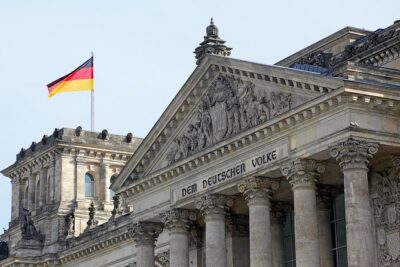
Reichstag, Dome and Government District Guided Tour
Read our review →
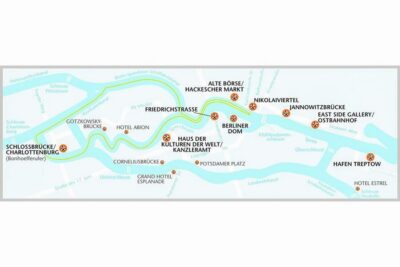
1-Hour City Tour by Boat with Guaranteed Seating
Read our review →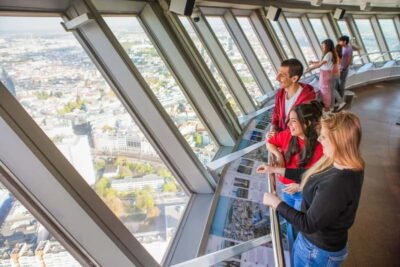
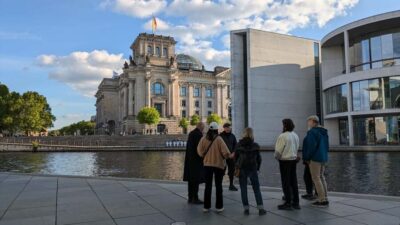
Government District around the Reichstag Guided Tour
Read our review →
Reichstag, Plenary Chamber, Cupola & Government Tour
Read our review →