
Reviewed · CONCENTRATION CAMP MEMORIAL TOURS
The Memorial Tour: Visit to Sachsenhausen Concentration Camp (licensed guide)
A camp tour that hits hard, fast. This Sachsenhausen memorial visit is a 5-hour day out of Berlin with a licensed guide, focused on the places where the Nazi camp system was designed and carried out. You go beyond what you can read on boards by hearing a clear, guided story that connects the buildings to the larger Third Reich machine.
What I like most is the small group size (max 15), which keeps questions in play and helps the guide pace the emotional weight. I also appreciate that the camp admission is included for the main time in the memorial area, so you are not juggling ticket counters mid-day. One thing to consider is that this is a serious, walking-heavy visit, so you’ll want comfortable shoes and a steady head for what you will see.
In This Review
- Key points before you go
- Why this half-day from Berlin feels so specific
- Getting to the memorial: trains, walking, and time to think
- Tower A and the roll-call space: how the camp was laid out
- The infirmary, pathology building, and mortuary cellar
- Station Z: the purpose-built execution facility
- The camp kitchen exhibition: making sense of the story
- SS and Gestapo prison: terror with paperwork and control
- Prisoner barrack block: the human scale of confinement
- Small group, strong guiding, and why it changes the day
- Price and value: what you are actually paying for
- What to bring for a respectful, comfortable visit
- Should you book this Sachsenhausen memorial tour?
- FAQ
- How long is the Sachsenhausen memorial tour?
- What language is the tour offered in?
- What is included in the tour price?
- Do I need an ABC ticket to join the tour?
- Is bus fare included?
- How many people are in the group?
- Is the tour accessible, and are pets allowed?
- Can I cancel for a full refund?
Key points before you go
- Max 15 people keeps the tour personal and question-friendly
- Admission for the core camp visit is included
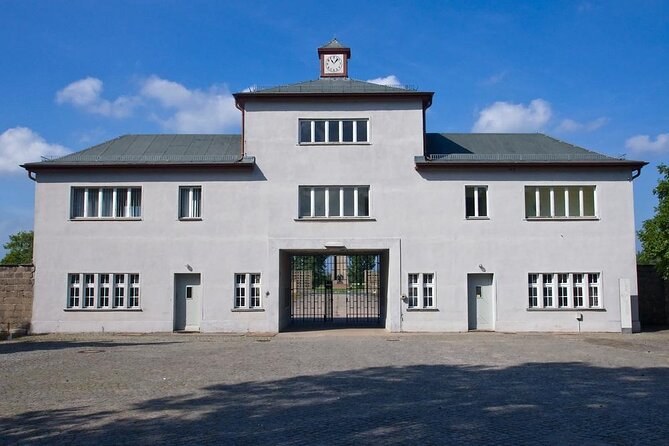
- You’ll see named sites like Tower A, Station Z, and the SS and Gestapo prison
- The commentary gives context on how the Third Reich used concentration camps
- The meeting point is simple, right near the Brandenburg Gate area
Why this half-day from Berlin feels so specific
Sachsenhausen is close enough to Berlin to do well in one day, but far enough that it feels like you are really traveling to another world. Expect a somber, structured route that does not wander. The goal is to help you understand the camp as a system, not just as a collection of shocking images.
The price sits in the mid-range for a guided memorial tour, and that matters here because you are paying for interpretation. At $41.12 per person, plus the guide and a small group, you are also getting the site admission included for the main camp segment. That is good value for a tour that runs about 5 hours total with around 3 hours on site.
More Concentration Camp Memorial Tours in Berlin
- Berlin: Sachsenhausen Concentration Camp Tour in English
★ 5.0 · 5,711 reviews - Berlin: Sachsenhausen Concentration Camp Memorial Tour
★ 4.7 · 3,716 reviews - Sachsenhausen Concentration Camp Bus Tour in English from Berlin
★ 5.0 · 1,962 reviews
Getting to the memorial: trains, walking, and time to think
You meet at Ebertstraße 24, outside Hopfingerbrau, which is right by the Brandenburg Gate area. The start time is 10:00 am, and the day ends back at the meeting point, so you can plan the rest of your Berlin evening without stress.
On the ground, the route from Berlin to the Oranienburg area is typically done via public transit, and you should plan for an extra walk once you are in the town area. Some departures run smoothly with the usual local transport, but if something is delayed, you may end up walking more than you expected. Bring that mindset: you are going to move around a lot, and that movement also gives you time to ask questions as you go.
Practical tip: if the weather is iffy, dress for cold wind and quick temperature shifts. One guide-led day I read about started cool and then turned overcast with strong wind, which made the walking more uncomfortable. Nothing you can do about the weather, but you can dress for it.
Tower A and the roll-call space: how the camp was laid out
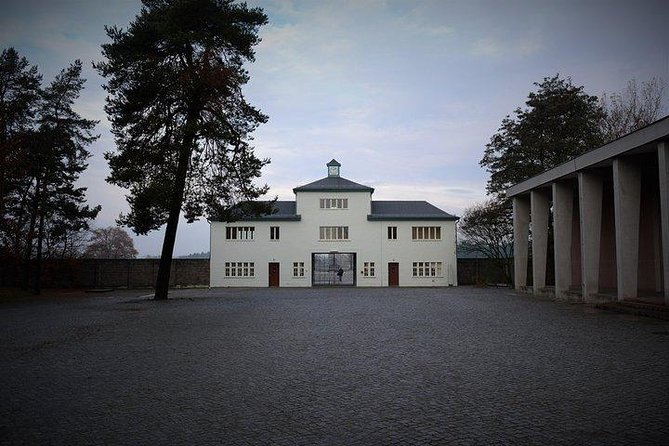
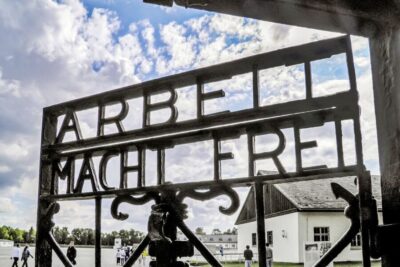
The tour’s first big camp segment is about orientation. You enter through Tower A, the gateway into the main camp compound, and that immediately sets the tone: this was not an accidental place. It was planned.
From there you move to the roll-call area, where the camp’s daily routine becomes real in a way that reading text alone often cannot. Standing where people were counted and controlled gives you a physical sense of how order was enforced. A good guide will also connect that routine back to ideology and command structure, so you understand why it worked the way it did.
What makes this part worth your time is the sequencing. You are not jumping from one gruesome detail to the next. You are seeing how space, supervision, and bureaucracy reinforced each other.
The infirmary, pathology building, and mortuary cellar
Next comes a set of buildings that can be hard to look at. You’ll visit the pathology building, along with infirmary buildings and the mortuary cellar.
This segment matters because it shows concentration camp life was not only about punishment in the yard. It also included medicalized suffering, death processing, and the cold logistics around human bodies. If you feel overwhelmed, that is normal. The best tours do not rush you through. They keep a respectful pace so you can take in what the guide is explaining and pause when needed.
Note the emotional weight. You should treat this as an information tour with human consequences, not a quick history stop.
More memorial site visits from Berlin:
- Berlin: Sachsenhausen Concentration Camp Tour in English
★ 4.8 · 1,889 reviews - Sachsenhausen Concentration Camp Memorial Tour (Max. 15 Guests)
★ 5.0 · 1,516 reviews - Berlin: English Bus Tour to Sachsenhausen Concentration Camp
★ 4.9 · 1,380 reviews - Berlin: Sachsenhausen Concentration Camp and Potsdam Tour
★ 4.6 · 1,334 reviews
Station Z: the purpose-built execution facility
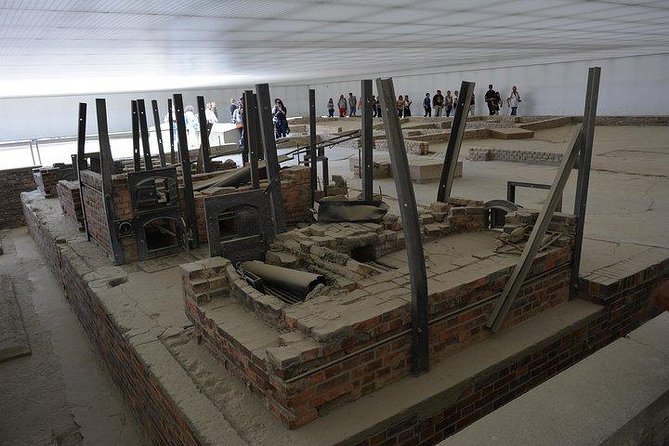
One of the most difficult stops is Station Z, the purpose-built execution facility. Here, the interpretation becomes crucial. Without context, you might only register the grim purpose of the site. With a good guide, you understand how execution was woven into camp governance rather than treated as an isolated event.
This is also where your guide’s storytelling style is a big deal. Several guides connected with this tour have been praised for clear explanations and for answering questions in a calm way, even when the topic is heavy. You want that balance: factual and respectful, with space for your own reaction.
The camp kitchen exhibition: making sense of the story
Later, you visit an exhibition in the former camp kitchen. This stop is less about a single structure and more about how the memorial presents evidence, daily operations, and the camp’s inner workings.
Why I think this matters: kitchens, workshops, and routine spaces help you grasp that the camp was built as a working system. It was not only violence in the abstract. It was enforced labor, managed routines, and constant control.
If you tend to get lost in dates and names, exhibitions like this often help you build mental links. You leave with a clearer picture of how everything fit together.
SS and Gestapo prison: terror with paperwork and control
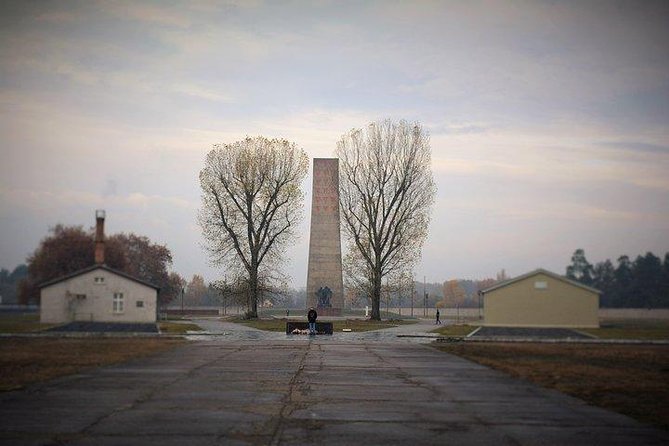
You also see the SS and Gestapo prison. This area helps explain the broader security and interrogation structure surrounding concentration camps. It is a reminder that camps did not operate in a vacuum. They were part of a wider enforcement network under the Nazi regime.
This is where you will likely feel the difference between what the camp displayed to the outside and what it actually did to prisoners. The best guided tours help you notice those contrasts through the layout and through the guide’s links to the Third Reich’s use of power.
If you care about cause and effect, this stop usually delivers. You can connect the buildings you saw earlier, like the control spaces, back to what happened behind guarded doors.
Prisoner barrack block: the human scale of confinement
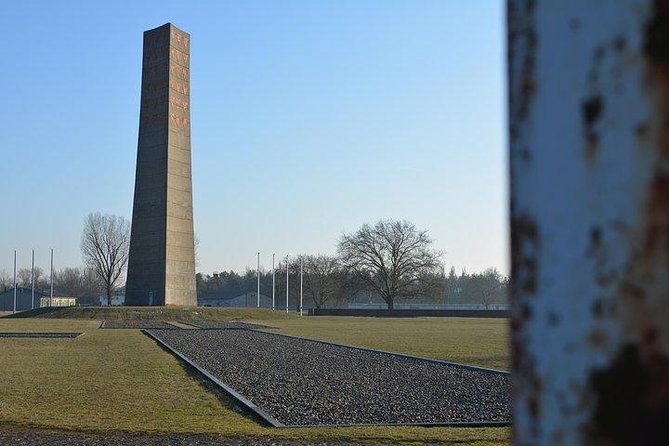
The final camp stop in your route includes a former prisoner barrack block. Barracks are where history turns from policy into lived experience. Even if you only stand in one small section, the scale and design help you understand confinement as a constant.
A small-group setup can matter a lot here. When your guide can see that you need a moment, the group tends to slow down. That is not about comfort at the expense of information. It is about keeping the experience respectful and readable.
This is also one of the places where photos can feel inappropriate or complicated. The guide should help you set a sensible rhythm, including time for basic needs like restroom breaks when necessary.
Small group, strong guiding, and why it changes the day
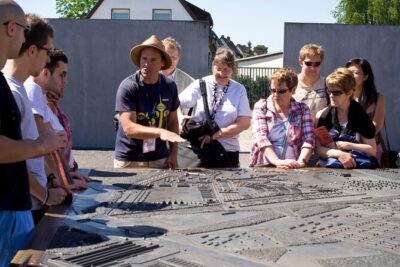
A recurring highlight for this tour is the licensed guide with strong storytelling and lots of room for questions. People praising the experience often mention guides who keep the pace steady, point out the most impactful elements, and check that the group is okay.
Names that come up in positive accounts include Paul from Birchys Berlin Tours, plus guides Aaron and Stephen in other departures. The key pattern is what they all do: they connect what you see to the wider regime, and they keep answering questions instead of shutting down at the next location.
I also like the practical side of this format. One account notes that the guide helped with train tickets and made the first part of the day easier. When you are traveling to a memorial outside central Berlin, that kind of help reduces stress and lets you stay present.
Price and value: what you are actually paying for
At $41.12 per person for about 5 hours, the big value point is that admission is included for the main memorial visit. You are also paying for a guide who can interpret space, not just repeat facts.
At the same time, you need to budget extra for local transit and meals. The tour notes that an ABC ticket is required if you do not already have a travel pass, and the stated cost is €4.70 per person. It also says bus fare and food and drinks are not included, so plan to eat either before or after the tour.
If you already have a transit pass and you are comfortable with walking, this becomes a straightforward purchase. If you do not, the added transport cost is still normal for the Berlin region, but it can change how cheap the day feels.
What to bring for a respectful, comfortable visit
Because this is a memorial tour, you want your body set up to handle the day without distraction.
I recommend:
- Good walking shoes, since you’ll be on your feet for hours
- Weather layers, since Berlin-area wind can make open-air parts feel colder
- A plan for food, since food and drinks are not included
The tour is described as accessible for those with limited mobility, but it is still a site with walking. If mobility is a concern, ask ahead what the pacing looks like and whether there are any parts you might need to take more slowly.
Also, animals or pets are allowed, which may matter to some visitors planning family travel. Just be sure the group size stays small and quiet enough for a respectful memorial environment.
Should you book this Sachsenhausen memorial tour?
Book it if you want a structured, English-language visit that helps you understand why the camp was built and how the Nazi system functioned. The small group size (max 15) and the strong emphasis on guided commentary make this more than a self-guided walk.
Skip it or think twice if you know you struggle with intense historical topics or long walking days. This is emotionally heavy. It is also highly educational, and the guide support can make the experience more manageable without turning it into something light.
If you decide to go, do one more thing: arrive with curiosity and a willingness to listen. The value here is not only seeing the main sites like Tower A and Station Z. The real payoff is understanding how all those places connect into one system of terror.
FAQ
How long is the Sachsenhausen memorial tour?
The tour runs for about 5 hours.
What language is the tour offered in?
The tour is offered in English.
What is included in the tour price?
The tour includes the entry or admission fee for the camp visit.
Do I need an ABC ticket to join the tour?
If you do not already have a travel pass, you will need an ABC ticket. The stated price is €4.70 per person.
Is bus fare included?
No. Bus fare is not included.
How many people are in the group?
The group size has a maximum of 15 travelers.
Is the tour accessible, and are pets allowed?
The tour is described as accessible for those with limited mobility, and animals or pets are allowed.
Can I cancel for a full refund?
Yes. You can cancel for a full refund if you cancel at least 24 hours before the experience start time. Free cancellation is offered, based on the local time cut-off.
Newest Berlin reviews on the site
- Your ticket to The Wall Museum Berlin★ 3.0 · 60 reviews
- Rickshaw Tours Berlin – Groups of up to 16 people with several rickshaws★ 4.0 · 97 reviews
- Love and War in Berlin: Self-Guided Story Puzzle Walk★ 5.0 · 7 reviews
- Warnemuende Shore Excursion: Berlin Private Sightseeing Tour from Rostock★ 5.0 · 4 reviews
- eSIM for Germany and 34 European Countries★ 4.5 · 16 reviews
- Walking on the Wall: 3-Hour Tour in Berlin★ 4.5 · 34 reviews
- Karl-Marx-Allee Tour: Life and Architecture in East Berlin★ 5.0 · 19 reviews
- Warnemuende Shore Excursion: Private Berlin Tour★ 4.5 · 27 reviews
Concentration Camp Memorial Tours, compared.
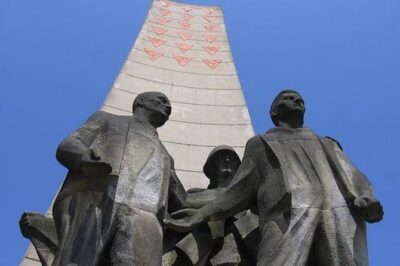
Sachsenhausen Concentration Camp Tour in English
Read our review →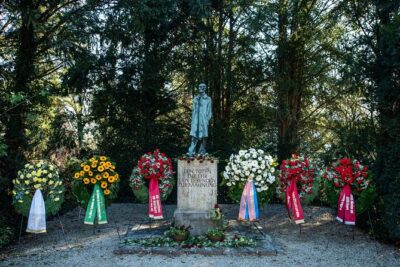
Dachau Concentration Camp Memorial Site Tour from Munich by Train
Read our review →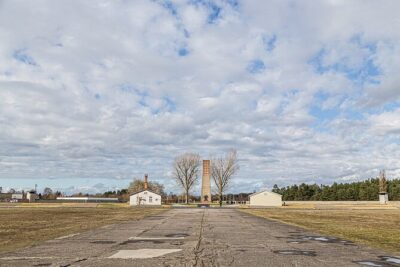
Sachsenhausen Concentration Camp Memorial Tour
Read our review →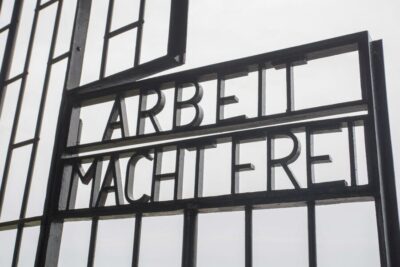
Sachsenhausen Concentration Camp Bus Tour in English from Berlin
Read our review →Sachsenhausen Concentration Camp Tour in English
Read our review →
Sachsenhausen Concentration Camp Memorial Tour (Max. 15 Guests)
Read our review →Browse the lists this tour appears in