
Reviewed · CONCENTRATION CAMP MEMORIAL TOURS
Private Sachsenhausen Concentration Camp tour with train
Sachsenhausen is a sobering day trip. It is also one of the most direct ways to understand how the Nazi system worked, from forced labor close to Berlin to the camp’s brutal inner machinery. This private tour, run through Insider Tour Berlin, adds structure, pacing, and room for questions, not just a walk-and-look experience.
I especially like two things. First, you get hotel pickup and drop-off, then travel to Oranienburg by train, which removes a chunk of stress from a heavy subject day. Second, you spend time on the actual memorial grounds with a licensed guide trained by the memorial authority, so the history lands with context instead of random facts.
One consideration: plan on a lot of walking on an uneven site. Even with a careful pace, this is not the tour to book if mobility is limited, and you will want comfortable shoes and water.
In This Review
- Key takeaways before you go
- Entering Sachsenhausen with the right kind of guide
- Price and logistics: why $338.15 is not just about transportation
- Oranienburg start: the Nazi system was not far away
- Sachsenhausen memorial museum: from Nazi planning to a prison machine
- Walking the haunting grounds: layout, roll calls, and Station Z
- Getting around Berlin to Oranienburg: train day, not car day
- What private pacing feels like (especially on a tough subject)
- Who should book this Sachsenhausen tour
- Should you book? My practical take
- FAQ
- How long is the Sachsenhausen tour from Berlin?
- What does the tour cost and what’s included in that price?
- Do I need to buy admission tickets?
- Is this tour private?
- What language is the tour offered in?
- Is food or drinks included?
- Is the tour suitable for people with limited mobility?
- What is the best way to plan for the day logistically?
- Can I cancel for a refund?
Key takeaways before you go
- Private group, your questions welcome, so you can slow down where you need clarity.
- Train to Oranienburg plus guided time on the memorial grounds keeps the day moving without feeling rushed.
- Licensed memorial-trained guides help connect camp design, prison routine, and Nazi ideology into one story.
- Oranienburg stop adds local context by showing how businesses and towns were tied to forced labor.
- Station Z and the camp layout help you understand how the system functioned, not just what happened.
- Bring stamina, because the day can add up to 10,000-16,000 steps depending on pacing and weather.
Entering Sachsenhausen with the right kind of guide
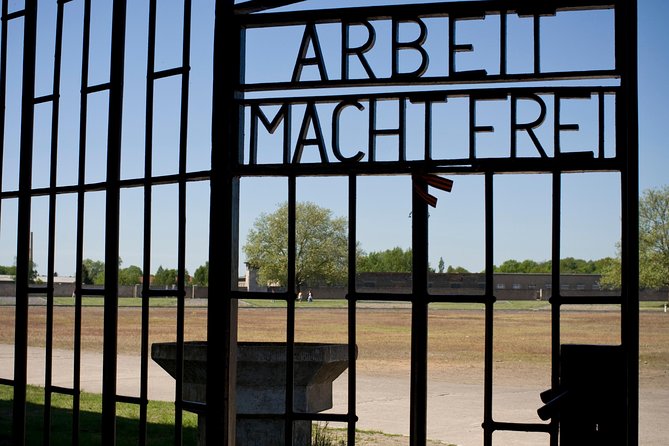
Sachsenhausen is not a place for casual sightseeing. The memorial tells a story through architecture, routes, and routines that make the camp feel engineered, not accidental. That difference matters, because it explains how a society can normalize cruelty with paperwork, logistics, and a daily rhythm.
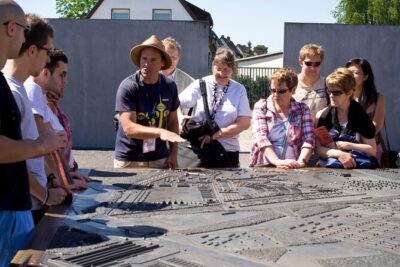
The biggest advantage of booking private is the tone and pacing. In a one-group format, a guide can adjust how you move, how much time you spend, and how you process hard material. You will also have real time for questions, which is useful here, because a lot of visitors leave with more questions than answers.
Many guides on this route show a knack for making the day feel respectful without becoming vague. Guides like Maria, Xavier, and Ioana (all mentioned in real experiences) are described as well spoken, patient with questions, and able to connect the camp to wider events in Nazi Germany and even the postwar period. That is the sweet spot for a memorial visit: specific facts, clear explanations, and room for emotion.
More Concentration Camp Memorial Tours in Berlin
- Berlin: Sachsenhausen Concentration Camp Tour in English
★ 5.0 · 5,711 reviews - Berlin: Sachsenhausen Concentration Camp Memorial Tour
★ 4.7 · 3,716 reviews - Sachsenhausen Concentration Camp Bus Tour in English from Berlin
★ 5.0 · 1,962 reviews
Price and logistics: why $338.15 is not just about transportation
At $338.15 per person for about 6 hours, this tour costs more than a standard group trip. But the price is largely paying for three things you actually feel during the day: a licensed guide, door-to-door service, and a private group format.
Here is what you are buying with your euros and dollars:
- Pickup and drop-off means you spend less time figuring out where to meet.
- A memorial authority-trained guide helps you understand what you are looking at, especially the camp layout and daily routine.
- Private pacing often saves you from the worst part of memorial days, which is being rushed through places that deserve attention.
You should still expect the logistics to be physical. One traveler noted around 11,000 steps, and another reported roughly 16,000 steps after the long day. That does not mean you will suffer, but it does mean you should plan like a hiker: good shoes, water, and a real lunch plan.
Also, this tour does not include food and drinks, so you cannot count on finding everything on-site. If you want to keep your energy up, come ready with water and a simple plan for when to eat.
Oranienburg start: the Nazi system was not far away
The day begins in Oranienburg, a town tightly linked to the camp’s function. The camp was not an isolated hell beyond town limits. Local industry and businesses were tied to forced labor, including factories supporting the war effort.
What I like about this first stop is that it shifts your perspective. You start with the idea that the cruelty had a neighborhood, a supply chain, and local economic benefits. That makes the later camp story hit harder, because you can see how easily normal life can coexist with atrocities just outside town boundaries.
At this part, you walk through town and hear how proximity played a role. You also get an understanding of complicity versus silence, and how people could participate, ignore, or benefit while the violence happened nearby. It is free time in terms of entry, but it is not free in emotional weight.
Sachsenhausen memorial museum: from Nazi planning to a prison machine
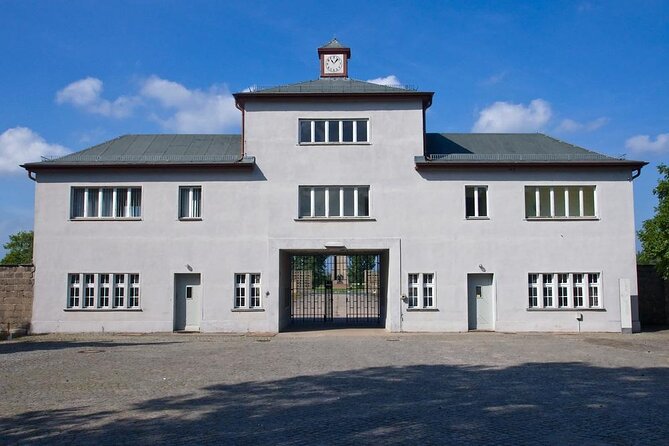
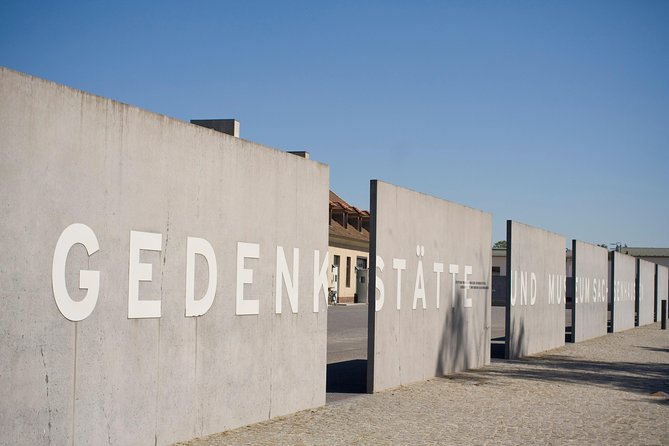
Next comes the Memorial and Museum Sachsenhausen. This is the moment where the story becomes historical and structured: why the camp existed, what it was designed to do, and how it expanded.
A key context you get here is the camp’s connection to Nazi ambitions. During the 1936 Olympics, slave laborers were forced to build the camp north of Berlin, intended for political enemies. Over the following decade, roughly 200,000 people were imprisoned there. The camp was evacuated by the Soviets in 1945, and for another five years it was used to imprison about 60,000 war criminals, including Nazis and collaborators.
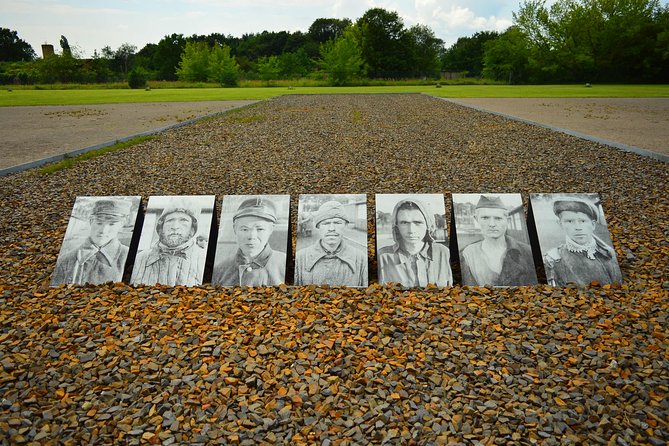
You might think a concentration camp visit is only about prisoner suffering. This museum helps you see something else: how the system was set up to run, how it used labor, control, and ideology together, and how it fit into Nazi goals. One strong theme from these experiences is that the focus can be less on the victims’ stories and more on the horror of how the Nazis organized it.
That focus can feel heavy, but it is also valuable, because it explains mechanisms. When you leave, you are better equipped to recognize how propaganda and bureaucracy can support mass violence.
More memorial site visits from Berlin:
- Berlin: Sachsenhausen Concentration Camp Tour in English
★ 4.8 · 1,889 reviews - Sachsenhausen Concentration Camp Memorial Tour (Max. 15 Guests)
★ 5.0 · 1,516 reviews - Berlin: English Bus Tour to Sachsenhausen Concentration Camp
★ 4.9 · 1,380 reviews - Berlin: Sachsenhausen Concentration Camp and Potsdam Tour
★ 4.6 · 1,334 reviews
Walking the haunting grounds: layout, roll calls, and Station Z
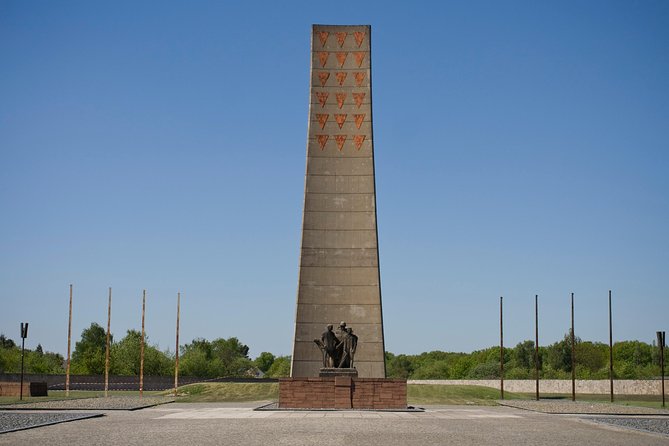
After the museum time, you move into the camp itself with an expert guide at the Gedenkstätte und Museum Sachsenhausen. This is the part that many people describe as chilling, because the grounds are so specific and so intentionally arranged.
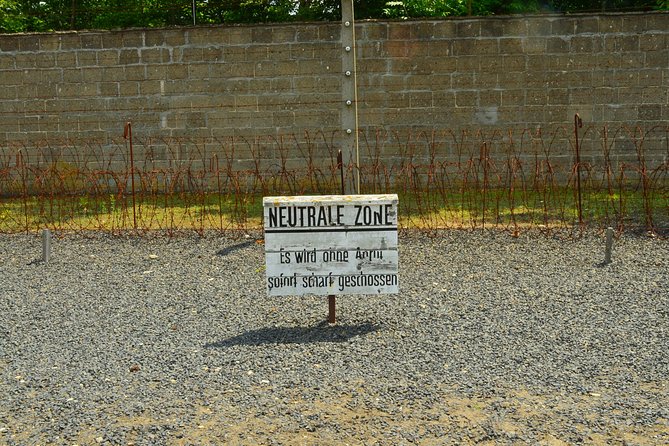
The camp design tells a lot. You learn about the triangular layout, how Tower A functions as the main entrance marker, and how Station Z represents the camp’s exit point for industrialized killing. You also spend time near the roll call square, where prisoners were forced to line up, often in brutal cold and under constant control.
What makes the guided walk different from looking at stone and signage is the way the guide connects features of the site to daily routine and prisoner experience. You are not just seeing places. You are hearing how the SS used space to control movement, break spirit, and enforce dehumanization.
A few hard details tend to be emphasized in these guided experiences:
- barracks packed far beyond their intended capacity
- forced labor structured to exhaust and degrade
- systematic efforts to strip identity, reduce human worth, and enforce obedience
You might feel your brain trying to protect you by tuning out. That is normal. A good guide keeps you present by explaining what you are seeing, then giving you space to process it.
Also, you often get broader context that stretches beyond 1945. Guides may connect the camp story to Nazi propaganda and international failures, like the Évian Conference, and then to the postwar use of the site. That wider framing is useful because it shows how political choices before and after the camps mattered.
Getting around Berlin to Oranienburg: train day, not car day
This tour is explicitly built around getting there by train. That is a real benefit if you want to experience normal public transport as part of the day. One thing I like about rail-based tours is that they feel more grounded in everyday life, rather than isolating you in a private van from start to finish.
In practice, your day usually looks like this:
- Hotel pickup
- train transfer toward Oranienburg
- a walk from the station toward the memorial site, with time in between for context from your guide
Some experiences include short taxi rides if it reduces walking. That is not guaranteed, because it depends on your group and the day’s movement plan, but it is worth knowing as a strategy. If you are traveling with older family members or anyone who tires quickly, ask early about options.
Bring a simple day kit. You will want comfortable shoes, water, and something to eat. Amenities on-site may be limited during parts of the visit, and a private tour does not automatically include a meal stop.
What private pacing feels like (especially on a tough subject)
On a memorial day, pacing is ethics. Rush can cheapen the experience. Slow can become draining. A good private guide finds a balance.
The best guides on this route are described as:
- punctual with meeting points
- careful with timing, not rushing through exhibits
- willing to adjust to what your group wants to ask or see next
- respectful with tone, especially when questions get personal
You will also benefit from having a guide who can translate “complicated matters” into something clear. Several named guides, including Klaus, Martin, Paul, and Nickolai, are described as professional, kind, and able to answer questions without flattening the complexity.
If you want to spend extra time at a specific area, private format makes that easier. One traveler described being able to linger without feeling pushed onward.
Who should book this Sachsenhausen tour
This is a strong match if:
- you want a private, guide-led day that explains how Nazi systems operated
- you care about both camp mechanics and the wider political context
- you prefer structured time with experts rather than a self-guided walkthrough
- you are comfortable with a somber topic and want it handled respectfully
You might reconsider if:
- walking is hard for you, because the route can involve substantial steps and uneven surfaces
- you want a light day or a quick visit, because this is emotionally heavy and time is used intentionally
- you need an included lunch, because food and drinks are not part of the package
If you are traveling as a family, private can work well when the guide adjusts pace to your group dynamic. Some experiences highlight guides tailoring the day to family needs and even finding practical solutions like taxi help when necessary.
Should you book? My practical take
Book it if you want more than a checklist visit. Sachsenhausen is one of those places where the layout, the logic of control, and the daily routine matter, and a licensed guide helps you connect the dots without turning the site into mere facts.
I would not book this if you are avoiding tough history or if mobility is limited. This is not a “sit and soak up vibes” tour. It is a walk through documented cruelty with clear explanations, so go prepared, take breaks when needed, and give yourself time to process after the visit.
If your goal is a thoughtful, guided memorial day that respects the complexity of what happened, this private train-based tour is a strong value at $338.15.
FAQ
How long is the Sachsenhausen tour from Berlin?
It runs about 6 hours.
What does the tour cost and what’s included in that price?
The price is $338.15 per person. It includes a licensed guide trained by the memorial authority and hotel pickup and drop-off.
Do I need to buy admission tickets?
Admission is included for the Memorial and Museum Sachsenhausen stop. The other listed walking stops have free admission.
Is this tour private?
Yes. It is a private tour/activity, and only your group participates.
What language is the tour offered in?
The tour is offered in English.
Is food or drinks included?
No. Food and drinks are not included.
Is the tour suitable for people with limited mobility?
It is not recommended for individuals with limited mobility or walking impairments.
What is the best way to plan for the day logistically?
Expect a long, walking-focused day. The tour uses public transit by train from Berlin to the Oranienburg area, plus walking on the way to the memorial. Wear comfortable shoes and bring water.
Can I cancel for a refund?
Yes, you can cancel up to 24 hours in advance for a full refund.
More Train Experiences in Berlin
- Private Day Trip to Potsdam from Berlin by Train
★ 4.5 · 27 reviews - From Berlin to Sachsenhausen Camp: Private Tour by Car or Train
★ 5.0 · 3 reviews - Dachau Concentration Camp Memorial Site Tour from Munich by Train
★ 4.5 · 5,637 reviews - Nuremberg: City Tour with the Bimmelbahn Train
★ 4.4 · 2,475 reviews
Newest Berlin reviews on the site
- Your ticket to The Wall Museum Berlin★ 3.0 · 60 reviews
- Rickshaw Tours Berlin – Groups of up to 16 people with several rickshaws★ 4.0 · 97 reviews
- Love and War in Berlin: Self-Guided Story Puzzle Walk★ 5.0 · 7 reviews
- Warnemuende Shore Excursion: Berlin Private Sightseeing Tour from Rostock★ 5.0 · 4 reviews
- eSIM for Germany and 34 European Countries★ 4.5 · 16 reviews
- Karl-Marx-Allee Tour: Life and Architecture in East Berlin★ 5.0 · 19 reviews
- Warnemuende Shore Excursion: Private Berlin Tour★ 4.5 · 27 reviews
- Walking on the Wall: 3-Hour Tour in Berlin★ 4.5 · 34 reviews
Concentration Camp Memorial Tours, compared.
Sachsenhausen Concentration Camp Tour in English
Read our review →
Dachau Concentration Camp Memorial Site Tour from Munich by Train
Read our review →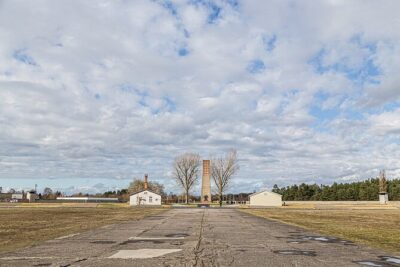
Sachsenhausen Concentration Camp Memorial Tour
Read our review →
Sachsenhausen Concentration Camp Bus Tour in English from Berlin
Read our review →Sachsenhausen Concentration Camp Tour in English
Read our review →
Sachsenhausen Concentration Camp Memorial Tour (Max. 15 Guests)
Read our review →Browse the lists this tour appears in