
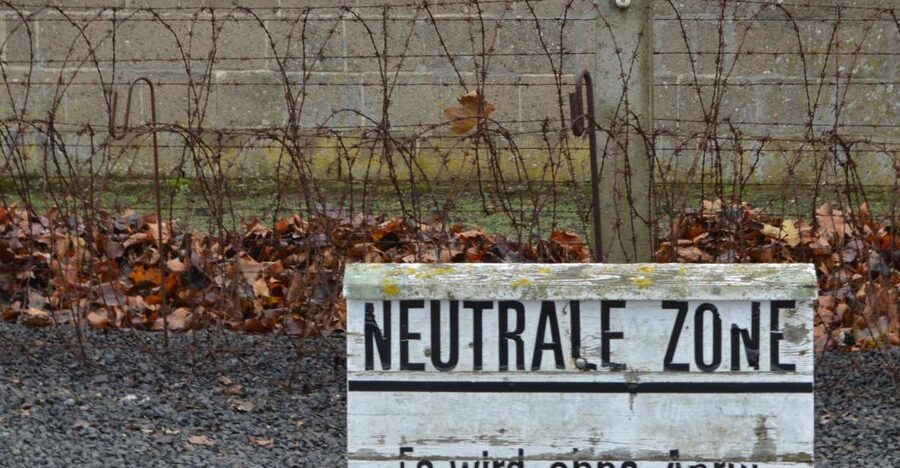
Reviewed · CONCENTRATION CAMP MEMORIAL TOURS
From Berlin: Sachsenhausen Concentration Camp Guided Tour
History here hits hard. Sachsenhausen is one of Germany’s most sobering places to learn WWII’s truths. I love that this tour pairs a licensed, language-fluent guide with the memorial’s exact locations, so facts land where they belong, not in vague generalities.
You’ll also appreciate the practical side. The trip includes a private car transfer from Berlin, keeping you off crowded buses and giving you a calm start before a heavy visit. The main drawback is also the most important one to consider: this is emotionally intense ground, and you should come ready for a serious subject and cold weather by bringing warm clothing.
In This Review
- Key highlights to know before you go
- Why Sachsenhausen demands a real guide
- Berlin pickup, private car comfort, and time you actually keep
- The museum and memorial grounds, where your attention should go first
- Command Headquarters to the barracks: seeing how control worked
- Prisoner categories, slave labor, and the cruelty of a system
- Executions, cremation sites, and violence under Nazi and Soviet control
- Prominent prisoners and the names that make the history stick
- Making the most of a four-hour private tour
- Price and value: is $512 per person worth it?
- Who should book this tour, and who might prefer something else
- Should you book this Sachsenhausen guided tour?
- FAQ
- How long is the Sachsenhausen guided tour from Berlin?
- Is the tour private or shared with other groups?
- What language options are available for the licensed guide?
- Does the tour include transportation from Berlin?
- Is museum admission included?
- Is the tour wheelchair accessible?
- Can I cancel for a refund?
Key highlights to know before you go
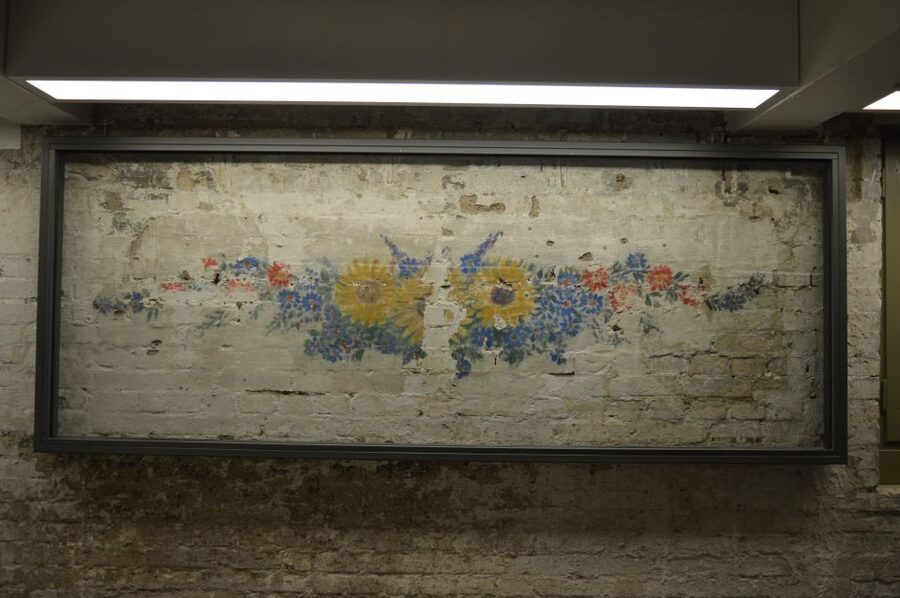
- Private guide at Sachsenhausen Memorial and Museum for a focused, question-friendly experience
- Air-conditioned pickup and drop-off from Berlin so the ride feels comfortable and direct
- Command Headquarters and prisoner sites including barracks and places tied to camp operations
- Memorials, burial areas, and mass graves that explain what happened to victims
- Museum exhibits covering Nazi and Soviet violence after the camp’s role changed
- A special look at prominent prisoners and categories of victims including Jews, Soviet POWs, Jehovah’s Witnesses, and more
Why Sachsenhausen demands a real guide
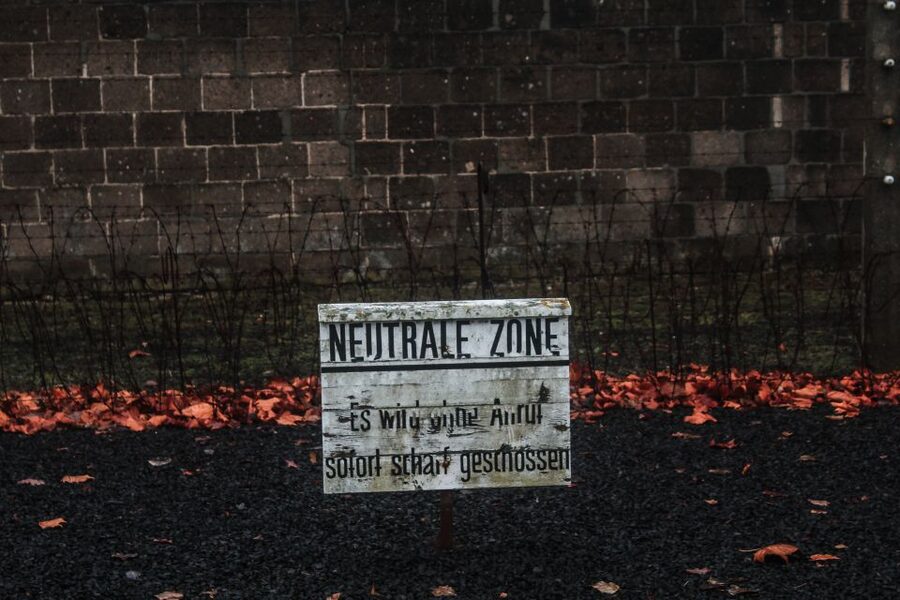
Sachsenhausen Concentration Camp was not just another camp on a timeline. It was used as a model and training site, where Nazi authorities tried to improve systems of terror and execution before sending methods to other death-camp realities. That idea alone makes a guided visit worth it, because it helps you connect causes and consequences without getting lost in dates and names.
What I like about this format is that the guide’s job is not only to explain what you see. It is also to connect it to the larger story of Nazi extremism and what followed under Soviet control. You end up understanding how systems were built, enforced, and justified, then how victims were treated when power changed hands.
You should also know that this place is physically arranged for telling a story. If you wander on your own, it is easy to miss why certain buildings, paths, or memorial spots matter. With a licensed guide, those details come with context.
More Concentration Camp Memorial Tours in Berlin
- Berlin: Sachsenhausen Concentration Camp Tour in English
★ 5.0 · 5,711 reviews - Berlin: Sachsenhausen Concentration Camp Memorial Tour
★ 4.7 · 3,716 reviews - Sachsenhausen Concentration Camp Bus Tour in English from Berlin
★ 5.0 · 1,962 reviews
Berlin pickup, private car comfort, and time you actually keep
This tour starts with pickup from your accommodation in Berlin. You get a private driver and a clean, air-conditioned vehicle for your group, and that matters more than most people think.
First, it saves energy. A four-hour tour can feel tight, so you want the ride to be smooth rather than stressful. Second, private transport means you are not stuck waiting behind multiple hotel pickups or squeezed into a full bus. You can focus on the day’s purpose as you travel north.
There is a small psychological benefit too. Before you step onto camp grounds, you want a moment of calm, not a loud boarding scramble. A comfortable transfer helps you transition in a steadier way, which can make the visit feel more manageable.
The museum and memorial grounds, where your attention should go first
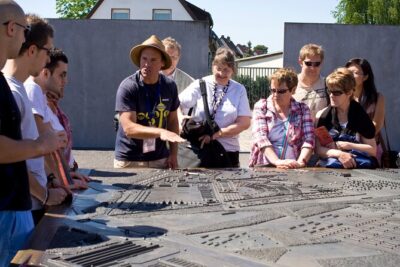
Once you arrive, you join a licensed guide for a private tour of the former concentration camp and the memorial site. This is not a quick walk-past. The tour is designed to take you through several key areas so you can understand how the camp was organized and how it functioned.
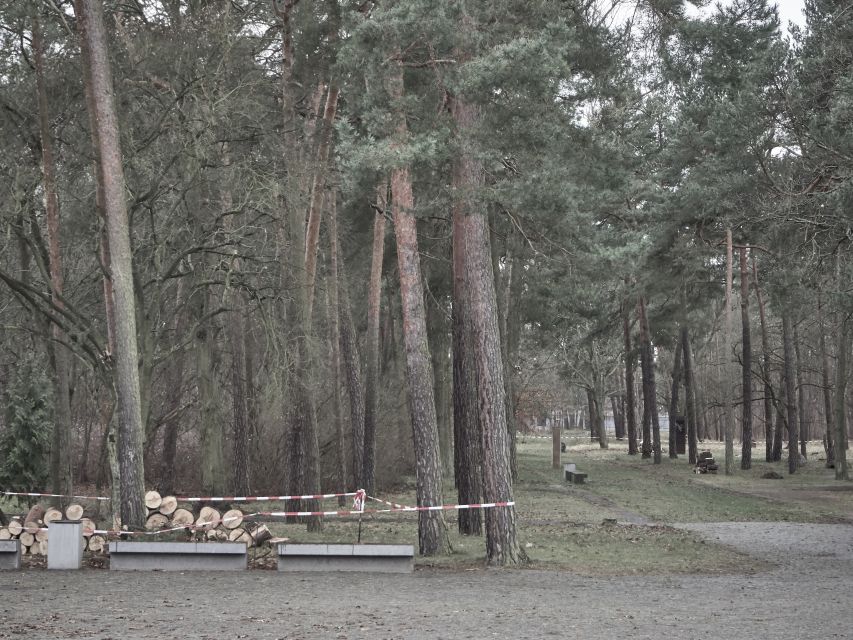
You will see major camp features such as the Command Headquarters, prisoners’ barracks, and sites connected to the early crematorium. You will also encounter memorial elements that honor victims, including a mass grave for concentration camp victims, burial grounds, and several memorials placed throughout the area.
Inside the museum, expect exhibits that explain camp operations under the Nazis and later under the Soviets. That dual perspective is important. It helps you see how violence and dehumanization did not stay frozen in one regime or one moment in time. Instead, you get a clearer picture of how oppressive systems can shift while still inflicting suffering.
If you care about learning fast and in the right order, ask your guide what to notice visually as you move. A good guide will help you read the site rather than just hear a lecture.
Command Headquarters to the barracks: seeing how control worked

The Command Headquarters is one of those stops that can reshape how you picture the whole camp. From there, the tour usually frames the logic of control: where decisions were made, how authority was enforced, and how prisoners were managed day to day.
Then the focus shifts toward the prisoner barracks. This is where the tour becomes more personal, in the sense that you start to understand what confinement meant in practice. The barracks are not just buildings in your photos. They are a window into overcrowding, restraint, and the daily degradation that supported the camp’s machinery.
One of the best ways to use your time here is to pay attention to scale. Notice size, spacing, and how pathways connect areas of control to areas where people were held. Your guide’s explanations bring those observations into focus, especially when they discuss labor exploitation and prisoner abuse.
More memorial site visits from Berlin:
- Berlin: Sachsenhausen Concentration Camp Tour in English
★ 4.8 · 1,889 reviews - Sachsenhausen Concentration Camp Memorial Tour (Max. 15 Guests)
★ 5.0 · 1,516 reviews - Berlin: English Bus Tour to Sachsenhausen Concentration Camp
★ 4.9 · 1,380 reviews - Berlin: Sachsenhausen Concentration Camp and Potsdam Tour
★ 4.6 · 1,334 reviews
Prisoner categories, slave labor, and the cruelty of a system
Sachsenhausen included many different groups of prisoners, and you are not meant to remember only one story. Instead, the tour helps you understand a system that targeted people across nationality, politics, religion, and identity.
During the museum portion, you will learn about slave labor and prisoner abuses. The exhibits and guide explanations also cover categories including Jehovah’s Witnesses, Soviet POWs, Poles, Jews, Homosexuals, and Freemasons, among others. There is also a focus on how Nazism treated victims as resources to be exploited or eliminated.
This part can feel heavy, so pace yourself mentally. You do not have to absorb everything at once. If you feel overwhelmed, keep returning to the guide’s main thread: how the camp operated, how cruelty was organized, and how victims were dehumanized.
A notable strength of private guiding is the chance to ask for clarity in real time. If something is confusing, you can ask right there instead of trying to piece it together later.
Executions, cremation sites, and violence under Nazi and Soviet control
The tour does not shy away from the most brutal realities. You will see areas tied to executions, the camp prison, and the site of the first crematorium. These places help explain how the camp supported mass killing and why camp systems were built to be efficient.
The memorial elements reinforce what happened to victims. Along the way, you will encounter burial grounds and memorials, including a mass grave for concentration camp victims. Standing near these commemorative spots changes how you interpret the rest of the site. You start thinking less about what happened as an abstract historical concept and more about individuals and families who were lost.
You also learn about how the camp’s role evolved and how the Soviets used it after the Nazi period. The museum exhibits cover both Nazi and Soviet operations, which gives you a fuller, more honest understanding of violence at the site across regimes.
If you are the type of traveler who likes facts, this is the part where the guide’s context matters most. Ask how each site fits into the bigger chain of events, not just what happened there.
Prominent prisoners and the names that make the history stick
One of the most compelling parts of the tour is learning that Sachsenhausen held prominent and varied prisoners. The guide’s explanations include political prisoners such as Joseph Stalin’s oldest son, the penultimate Prime Minister of France, and the family of the Crown Prince of Bavaria. You will also hear about Jehovah’s Witnesses, Soviet POWs, and other targeted groups.
These names are useful because they shrink the distance between history class and the lived reality of persecution. When you hear a familiar political reference paired with a camp site, it becomes easier to connect the ideology to outcomes, and outcomes to human cost.
From a learning perspective, this is also where a compassionate guide earns their value. You may be guided by people like Gunnar, who have been recognized for handling a difficult subject with care, and Silvia, praised for strong knowledge about both the site and the journey to reach it. Even when you know a little WWII history, the guide helps you see what you missed.
Making the most of a four-hour private tour
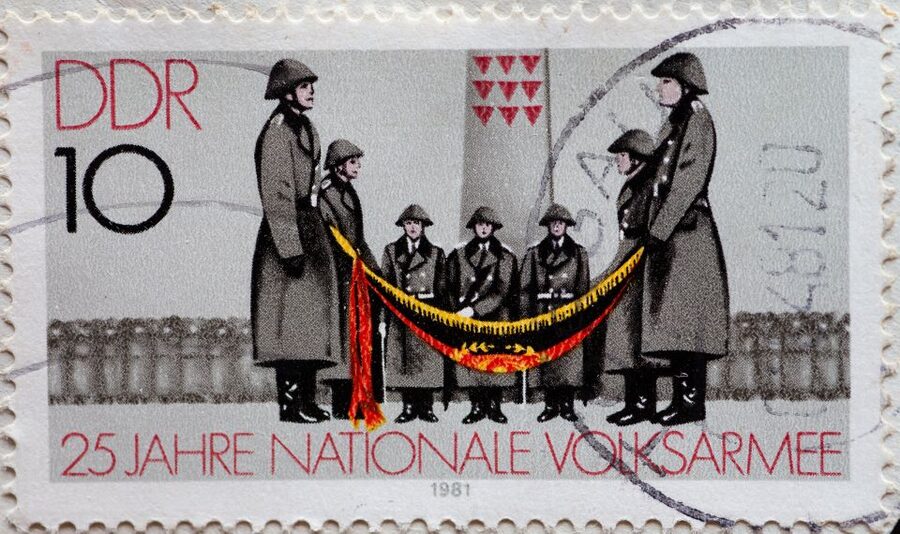
This is a four-hour experience, so it is best to treat it as a focused education session rather than casual sightseeing. Wear comfortable walking shoes, because you will be moving through multiple areas, and plan for stillness at memorial spots where you will want a moment to absorb what you are seeing.
Warm clothing matters. The tour guide notes you should bring warm clothing, which is practical advice, especially if you are traveling outside peak summer weather. You will likely spend time outdoors between museum and camp sections.
Your group is private, so language choice is a smart lever. The guide is available in German, English, French, Italian, Spanish, and Polish. If you can choose English or another language you feel fully fluent in, do it. This is one of those days where small wording differences can affect understanding of cause, responsibility, and victims’ experiences.
If you want the visit to feel complete, do this simple trick: keep a short list in your head of questions you want answered. For example: how Sachsenhausen functioned, how prisoner groups differed, or how violence was carried out and documented. A private format makes it realistic to get those questions addressed.
Price and value: is $512 per person worth it?
At $512 per person for a four-hour private tour, the cost is not cheap. But it is not random pricing either. You are paying for a three-part package: private Berlin transportation, a licensed guide fluent in your language, and free admission to the Sachsenhausen Memorial and Museum.
The value calculation is simple if you think in terms of what this day could cost if you tried to DIY it. You would need round-trip transport, museum entry, and someone who can explain what you are looking at in context. Here, those pieces are bundled.
The strongest value driver is the private transfer. It reduces friction and keeps your schedule tight and comfortable. The second is the guide. Sachsenhausen is not a place where generic audio content or self-guided browsing typically gives you the same level of clarity, especially regarding camp operations under Nazi and Soviet control and the way different prisoner groups were targeted.
If you travel with friends, family, or a small group, the private format also means less waiting and fewer distractions. It becomes a more respectful, more controlled way to learn.
Who should book this tour, and who might prefer something else
This tour is a strong match if you want structure, context, and direct explanations at key locations. It is also a good fit if you care about understanding how the camp worked as a system and not just memorizing facts. The mix of command spaces, prisoner areas, museum exhibits, and memorial elements creates a coherent learning path.
It may feel less ideal if you only want a light, surface-level history visit. Sachsenhausen is serious ground. You should book it when you are prepared to engage with uncomfortable content and when you can handle an emotionally heavy experience.
Also, if you are traveling with mobility needs, the tour notes it is wheelchair accessible, which is a meaningful practical point for planning.
Should you book this Sachsenhausen guided tour?
Yes, if you want a focused, private 4-hour visit with a licensed guide and the added comfort of pickup and drop-off in Berlin. The free museum admission, the careful route through major sites like the Command Headquarters, barracks, prison areas, and memorial spaces, plus the museum’s coverage of Nazi and Soviet operations, makes it a high-value way to learn rather than just visit.
Book it with the right expectations. Bring warm clothing, choose a language you can follow confidently, and plan to slow down at memorial stops. If you do that, this tour becomes one of the most serious, educational half-day experiences you can have in northern Germany.
FAQ
How long is the Sachsenhausen guided tour from Berlin?
The tour duration is 4 hours.
Is the tour private or shared with other groups?
It is a private group experience.
What language options are available for the licensed guide?
The guide is available in German, English, French, Italian, Spanish, and Polish.
Does the tour include transportation from Berlin?
Yes. You get a private car transfer with pickup from your accommodation in Berlin and drop-off after the tour.
Is museum admission included?
Yes, admission to the Sachsenhausen Memorial and Museum is included.
Is the tour wheelchair accessible?
Yes, the tour is wheelchair accessible.
Can I cancel for a refund?
Free cancellation is available up to 24 hours in advance for a full refund.
Newest Berlin reviews on the site
- Jetbike Berlin fun bike beer bike★ 5.0 · 3 reviews
- Karl-Marx-Allee Walking Tour: Berlin’s Socialist History★ 5.0 · 5 reviews
- Homeless on chic streets: city tour in Berlin from personal experience★ 4.6 · 3 reviews
- Berlin: Sachsenhausen Concentration Camp Guided Tour★ 4.9 · 42 reviews
- Historyof the Trans, Queer & Gay communities of Berlin tour★ 4.8 · 17 reviews
- Historic Berlin Pubs & History Tour★ 4.9 · 73 reviews
- Berlin: City Center Walking Tour★ 4.7 · 45 reviews
- Half-Day Berlin Highlights Segway Expedition★ 4.5 · 61 reviews
Concentration Camp Memorial Tours, compared.
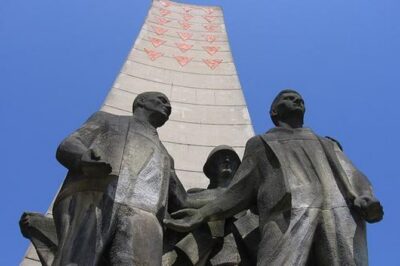
Sachsenhausen Concentration Camp Tour in English
Read our review →
Dachau Concentration Camp Memorial Site Tour from Munich by Train
Read our review →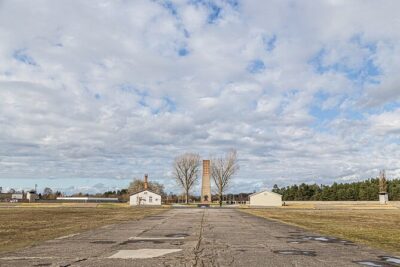
Sachsenhausen Concentration Camp Memorial Tour
Read our review →
Sachsenhausen Concentration Camp Bus Tour in English from Berlin
Read our review →Sachsenhausen Concentration Camp Tour in English
Read our review →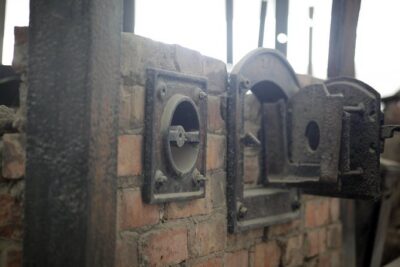
Sachsenhausen Concentration Camp Memorial Tour (Max. 15 Guests)
Read our review →Browse the lists this tour appears in