
Reviewed · CONCENTRATION CAMP MEMORIAL TOURS
Berlin: Sachsenhausen Memorial 6-Hour Tour in Spanish
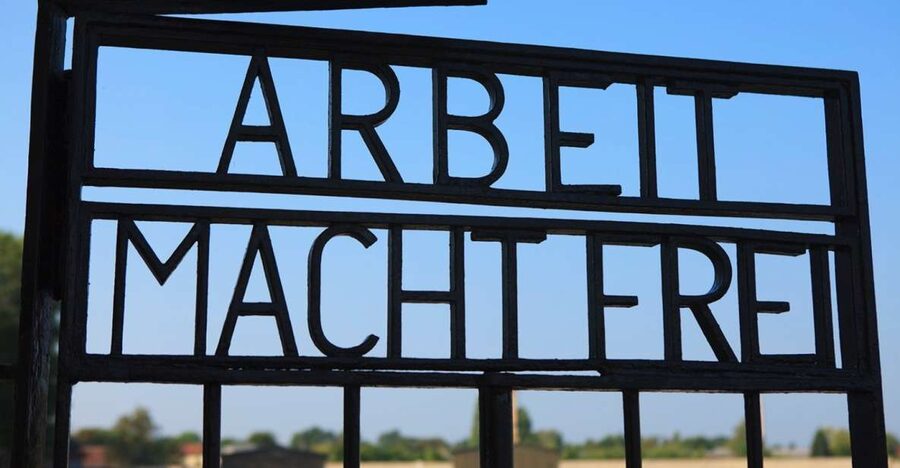
Sachsenhausen hits hard, even before you arrive. This Spanish 6-hour tour from Alexanderplatz takes you beyond the train ride, straight into the places where the Nazi camp system operated, then explains what came after with the Soviet gulag chapter.
I especially like two things. First, you get the story in Spanish with guides who explain the mechanics, not just dates. I’ve seen how a guide like Héctor keeps it clear, even when the subject matter is grim, and even when Germany feels new. Second, the tour doesn’t stay abstract, it brings you to the heart of the camp’s design, including Station Z.
The main thing to plan for is practical. You need a public transport ticket (zones ABC), and there’s no shop at Sachsenhausen, so bring snacks and drinks. If you show up without those basics, the day can feel unnecessarily uncomfortable.
In This Review
- Key things that make this tour worth your time
- From Alexanderplatz to Sachsenhausen: the real rhythm of the day
- Finding the group at the Fernsehturm in Alexanderplatz
- A Tower: understanding how a camp ran, not just what happened
- Station Z: why this killing site is explained with precision
- The museum, personal accounts, photos, and official documents
- GDR memorial: how the site remembers after 1945
- Value and price: what $41 buys you in real terms
- Who should book this Sachsenhausen tour in Spanish
- Should you book this Sachsenhausen memorial tour?
- FAQ
- Where do I meet the tour group in Berlin?
- How long is the Sachsenhausen tour?
- What language is the guide?
- What are the main sites included in the tour?
- Do I need to buy public transport for this tour?
- Is there food or a shop at Sachsenhausen?
- Is the tour wheelchair accessible?
Key things that make this tour worth your time
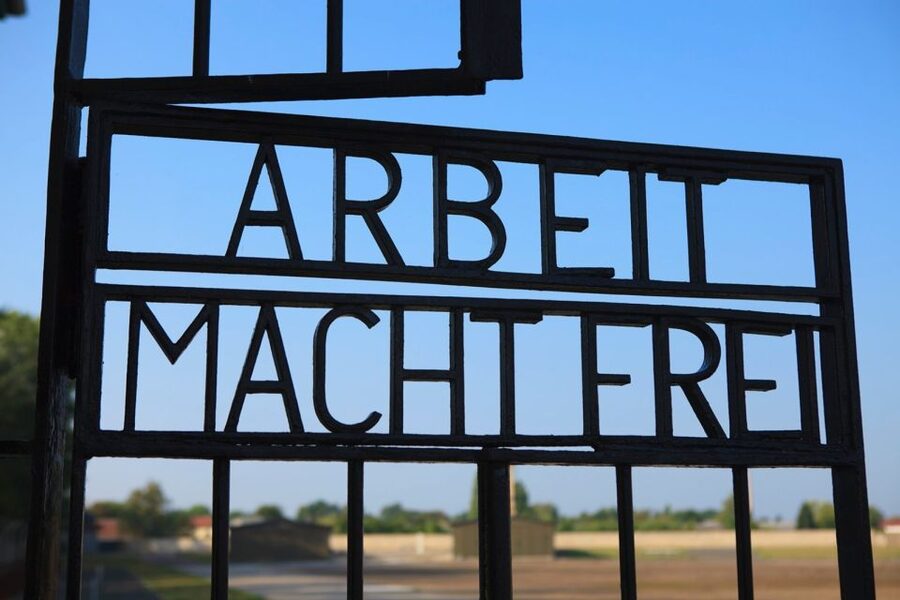
- A Tower roll-call layout helps you understand how prisoners were processed, not just imprisoned
- Station Z is explained as a purpose-built killing site added in 1942
- Nazi and Soviet chapters are connected, since Sachsenhausen became a gulag after WWII
- Museum, personal accounts, photos, and documents give context beyond the outdoor exhibits
- GDR memorial area adds another layer to how the site is remembered today
- Spanish guidance makes the whole experience more usable if you do not speak German
From Alexanderplatz to Sachsenhausen: the real rhythm of the day
This tour is built around one simple idea: you travel far enough to make the visit meaningful, but not so far that the day falls apart. You start in central Berlin, then head to the northern outskirts where the memorial sits. The train ride is about 50 minutes, which is long enough to settle in and short enough to avoid losing the day to transit.
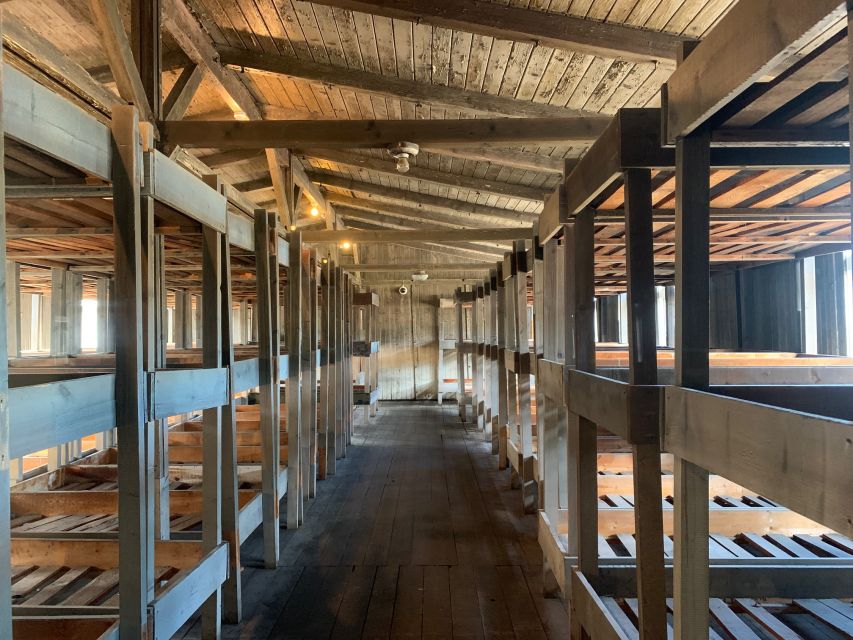
Once you’re there, the focus turns serious and steady. You’re not just seeing buildings. You’re learning how Sachsenhausen worked, what daily life could look like, and what kinds of labor prisoners were forced to do. The time in the camp grounds and museum is what makes the 6 hours feel full, not rushed.
One more thing I like: the tour keeps the pacing thoughtful. It’s a heavy topic, and the structure helps you absorb it in order. You start with the camp’s origins and function, then you move into the specific places that represent different aspects of the system.
More Concentration Camp Memorial Tours in Berlin
- Berlin: Sachsenhausen Concentration Camp Tour in English
★ 5.0 · 5,711 reviews - Berlin: Sachsenhausen Concentration Camp Memorial Tour
★ 4.7 · 3,716 reviews - Sachsenhausen Concentration Camp Bus Tour in English from Berlin
★ 5.0 · 1,962 reviews
Finding the group at the Fernsehturm in Alexanderplatz
Your meeting spot is easy to miss if you arrive without a plan. You’ll meet by the Alexanderplatz TV Tower (Fernsehturm), right in front, next to the only entrance. Look for a green flag with the text tours en español.
It’s also described as being between the TV tower and the train station of Alexanderplatz, near the Espresso House. If you want an extra safety move, give yourself a little buffer time to orient, since Alexanderplatz is busy and you’ll want to arrive calm before the day turns solemn.
Since the guide is Spanish-speaking, getting your footing early matters. You’ll be able to start with instructions, and then you can focus on the content once everyone boards the train.
A Tower: understanding how a camp ran, not just what happened
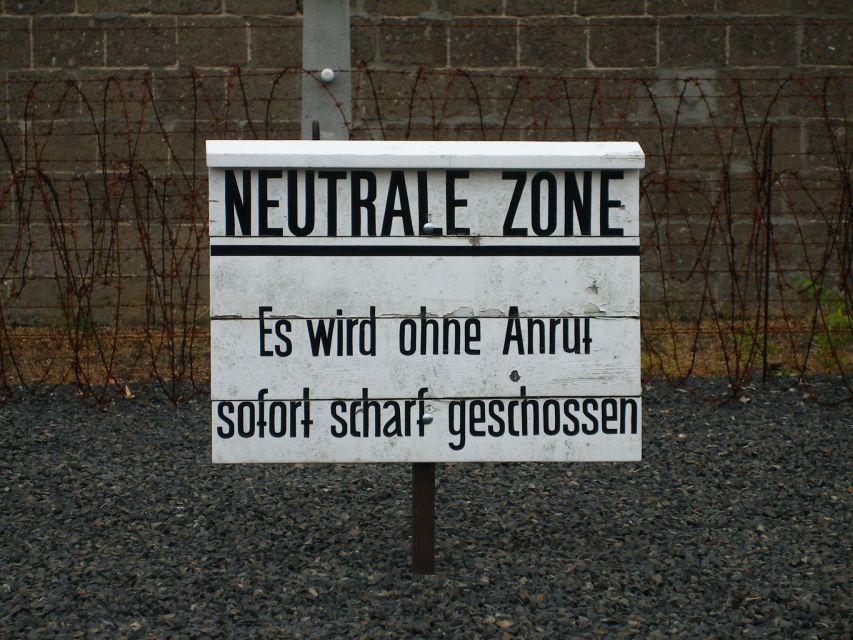
The A Tower is one of the camp stops that makes everything feel more specific. It was the roll-call location, which means it connects directly to how the camp’s routine worked. Roll call sounds like a small detail until you understand it as part of control, surveillance, and constant checking.
Standing in that space, you’re not just looking at architecture. You’re seeing a design meant to structure prisoners’ lives and movements, and to make the system feel inescapable. It’s the kind of place that turns an outline into reality.
In a good memorial tour, the goal is to explain relationships. Here, the tour ties the roll-call function to the broader camp structure, so you understand why some places were built, and how daily operations supported the overall purpose of Sachsenhausen as an administration hub.
If you’re someone who likes clarity, this is where you’ll appreciate the guide’s job. One of the best compliments from past participants is how the guide helps you understand how things worked, including the legal and administrative side of the system. That kind of explanation matters, because it shows how cruelty was carried out through systems, not just individual actions.
Station Z: why this killing site is explained with precision
Station Z is the stop people usually remember for a reason. It was added in 1942 with the purpose of killing victims quickly and clinically. That phrase can sound abstract until you’re told it on-site, where the layout and function make the intention harder to ignore.
This is also where the tour’s structure becomes important. You don’t only hear that mass murder happened. You learn how the camp adapted and engineered its processes over time. The tour links the Nazi period to the specific methods used at the camp, which helps you understand how the camp’s role fit into the larger machinery of terror.
I also like that the explanation does not jump around. You move from the broader understanding of the camp’s operations into the specific, infamous space. That makes Station Z feel like the logical end of the earlier lessons, not an unrelated shock stop.
Be prepared for the emotional impact. This is not a place for multitasking. If you can, give your phone a rest during the most intense moments. Your brain will remember better when you’re fully present.
More memorial site visits from Berlin:
- Berlin: Sachsenhausen Concentration Camp Tour in English
★ 4.8 · 1,889 reviews - Sachsenhausen Concentration Camp Memorial Tour (Max. 15 Guests)
★ 5.0 · 1,516 reviews - Berlin: English Bus Tour to Sachsenhausen Concentration Camp
★ 4.9 · 1,380 reviews - Berlin: Sachsenhausen Concentration Camp and Potsdam Tour
★ 4.6 · 1,334 reviews
The museum, personal accounts, photos, and official documents
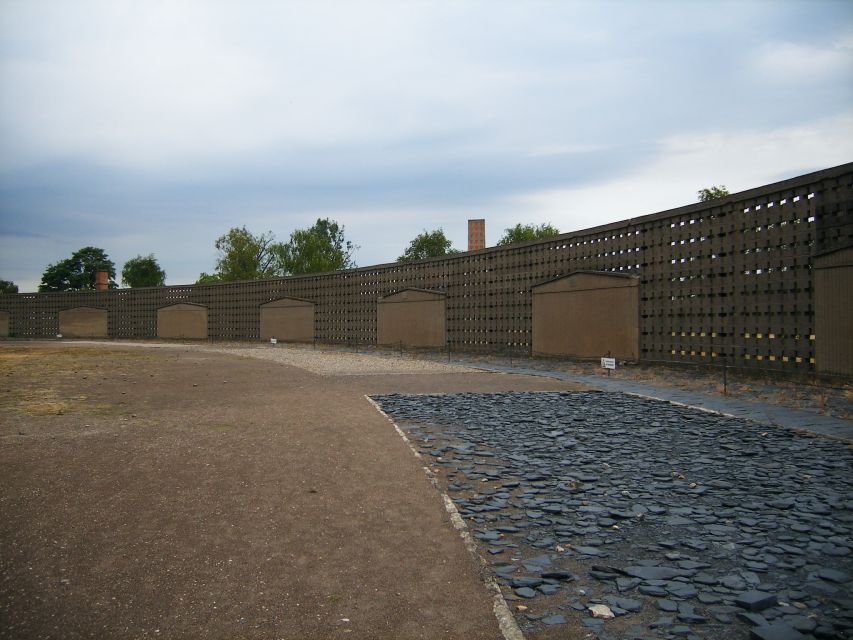
Sachsenhausen is not just outdoor ground and buildings. The site has a museum and exhibits that provide context, and the tour uses them in a smart way. You’ll have access to personal accounts of survivors, photographs, and official documents. That combination matters because it balances viewpoint and evidence.
Outdoor sites show you space and design. Documents and personal stories show you people and procedure. When you get both, you can start to understand the camp as a system that affected real lives in real time.
I also appreciate that the tour addresses camp work in plain language. The camp was intended as a model camp and later served as the center for administration of other Nazi concentration camps. That makes the labor component more than a sad detail. It becomes part of the logic of how the camp functioned and why it mattered.
If you only visit from the outside, Sachsenhausen can feel like a site of ruins. With the museum and exhibits in the mix, it becomes a readable story.
GDR memorial: how the site remembers after 1945
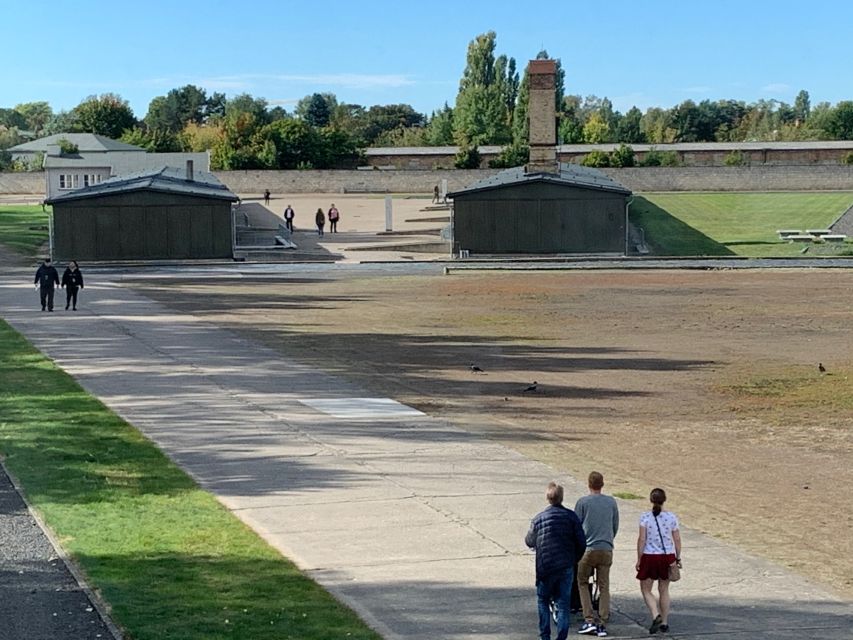
After the fall of Hitler, the story did not end. The Soviets transformed Sachsenhausen into a gulag for their own prisoners. The memorial today also preserves the site to educate people about those deaths.
This is where you can feel the tour’s balancing act. It connects the Nazi period with the Soviet period without pretending the experiences are the same. The point is continuity of oppression in different forms, and the importance of remembering how systems of forced imprisonment operate.
The tour also includes the GDR memorial. That detail adds a distinct layer because it shows how later Germany treated, built, or framed remembrance over time. In other words, you leave with not only what happened, but also how the place has been used for public learning and moral accountability.
It helps to keep one mindset: you’re not visiting a theme park version of history. You’re walking through a memorial that exists so people can learn. The tour makes that purpose practical by tying each stop to an explanation.
Value and price: what $41 buys you in real terms
The price is about $41 per person for a 6-hour Spanish-guided experience. What makes it feel like fair value is what’s included. You get a full tour with the Spanish-speaking guide, plus a concentration camp foundation surcharge of €3.
The public transport ticket is not included, and you’ll need one that covers zones ABC. That’s the main cost you’ll add yourself. Still, even with that extra, this tour often looks like good value because you’re paying for interpretation, structure, and access to the memorial’s key places, including the A Tower and Station Z.
Where tours sometimes fall short is in language. If you do not speak German well, you can end up reading signs while the important context passes you by. Here, Spanish guidance is the difference between visiting the site and understanding it.
Also, 6 hours in total is enough time to learn without feeling like a rushed highlight reel. You do not just get a quick look. You get an on-the-ground explanation plus museum time.
Who should book this Sachsenhausen tour in Spanish
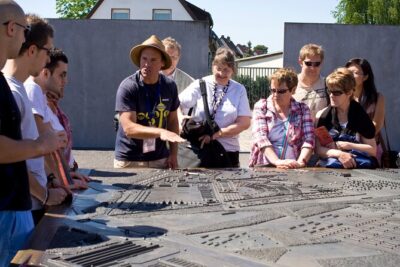
This is a good match if you want a structured, guided visit rather than a self-paced walk. It’s also a smart choice if Spanish is the language you trust most for heavy topics. Guides like Héctor have been praised for explaining things plainly, without sugarcoating, and for helping people understand the system behind the suffering.
I’d also consider booking if it’s your first time in Germany. When the country feels unfamiliar, having a guide handle the story and the logistics rhythm can make you feel less lost. The same guides that help with language also help you connect the dots between sections of the camp.
One consideration: plan for cold and long outdoor moments. The north of Berlin can be windy, and the camp grounds are exposed. A guide can still keep you focused, but your comfort comes down to your preparation. Bring snacks and drinks because there’s no shop at Sachsenhausen.
If you are very sensitive to graphic emotional content, this may still be possible, but go in with your own pacing strategy. You can stay close to the group for the explanations, then take a moment when you need it.
Should you book this Sachsenhausen memorial tour?
If you want the best chance to understand Sachsenhausen in a Spanish tour that hits the key locations like A Tower and Station Z, I’d say yes, book it. The combination of on-site stops, museum work, and the way the tour explains how the camp system functioned makes it more than a photo visit.
I’d skip it only if you’re looking for light, casual sightseeing, because this is serious history with a heavy emotional weight. Also, if you hate planning even small things, remember you’ll need your zones ABC transport ticket and you should bring snacks since there’s no shop.
Choose this tour when you want clarity and structure, especially if you want the story told in Spanish and you care about understanding how these places operated, then how the site was repurposed and remembered after WWII.
FAQ
Where do I meet the tour group in Berlin?
You’ll meet at the front of the Alexanderplatz TV Tower (Fernsehturm) at Alexanderplatz. Look for a green flag that says tours en español, beside the only entrance to the tower, between the tower and the train station, near the Espresso House.
How long is the Sachsenhausen tour?
The tour duration is 6 hours.
What language is the guide?
The live tour guide speaks Spanish.
What are the main sites included in the tour?
You’ll visit A Tower and Station Z, plus the National Memorial Sachsenhausen, including the GDR memorial.
Do I need to buy public transport for this tour?
Yes. A transport ticket covering zones ABC is needed, and public transport tickets are not included in the tour price.
Is there food or a shop at Sachsenhausen?
There is no shop at Sachsenhausen, so it’s advisable to bring snacks and drinks.
Is the tour wheelchair accessible?
Yes, the tour is wheelchair accessible.
Newest Berlin reviews on the site
- Jetbike Berlin fun bike beer bike★ 5.0 · 3 reviews
- Karl-Marx-Allee Walking Tour: Berlin’s Socialist History★ 5.0 · 5 reviews
- Homeless on chic streets: city tour in Berlin from personal experience★ 4.6 · 3 reviews
- Berlin: Sachsenhausen Concentration Camp Guided Tour★ 4.9 · 42 reviews
- Historyof the Trans, Queer & Gay communities of Berlin tour★ 4.8 · 17 reviews
- Historic Berlin Pubs & History Tour★ 4.9 · 73 reviews
- Berlin: City Center Walking Tour★ 4.7 · 45 reviews
- Half-Day Berlin Highlights Segway Expedition★ 4.5 · 61 reviews
Concentration Camp Memorial Tours, compared.
Sachsenhausen Concentration Camp Tour in English
Read our review →
Dachau Concentration Camp Memorial Site Tour from Munich by Train
Read our review →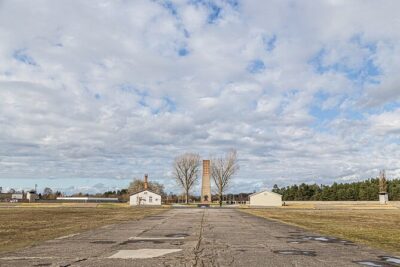
Sachsenhausen Concentration Camp Memorial Tour
Read our review →
Sachsenhausen Concentration Camp Bus Tour in English from Berlin
Read our review →Sachsenhausen Concentration Camp Tour in English
Read our review →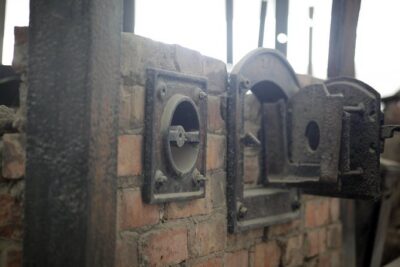
Sachsenhausen Concentration Camp Memorial Tour (Max. 15 Guests)
Read our review →Browse the lists this tour appears in