
Reviewed · CONCENTRATION CAMP MEMORIAL TOURS
From Munich: Dachau Memorial Site Full-Day Tour
Six hours in Dachau changes how you see Europe. I loved the Memorial-qualified guide and the way the route walks you through the camp’s key spaces, from the Jourhaus and Arbeit Macht Frei sign to the bunker and barracks. You’ll also get context for how the camp worked day to day, not just a photo stop. One consideration: this is heavy, graphic history, so it is emotionally intense and not suited to kids under 14.
Getting there is straightforward. You meet at Marienplatz in front of Ludwig Beck, then ride metro and bus/coach out to the Dachau Memorial Site, with the tour bringing you back to the same meeting point late afternoon. The guide is English-speaking, and the full plan fits into a 6-hour day even though about 4 hours are spent inside the camp.
The guides are a big part of why this tour works. In the feedback I read, names like Marcin, Sam, Adam, Hein, and Keith came up often for their respectful tone, clear pacing, and the way they answered questions on the spot. One more note, from what I saw described, the group can move steadily with limited break time during the camp walk, so wear shoes you trust.
In This Review
- Key Things I’d Notice First
- Why Dachau Matters, and What a Memorial-Qualified Guide Adds
- Getting From Munich to Dachau: Marienplatz Meet and Smooth Public Transport
- Entering the Camp Proper: Jourhaus, Arbeit Macht Frei, and Appellplatz
- Bunker and Barracks: How Daily Operations Turned Into Terror
- The Camp’s Three Phases (1933 to 1945): Seeing Change Over Time
- What to Bring, and How to Handle a Long, Emotionally Intense Day
- Guide Quality and Pace: What the Names You Hear in the Group Have in Common
- Price and Value: Why 51 USD Can Make Sense
- Should You Book This Dachau Memorial Site Tour From Munich?
- FAQ
- How long is the Dachau Memorial Site full-day tour from Munich?
- Where do I meet the guide in Munich?
- Is the tour guide English-speaking?
- Are children allowed on this tour?
- Can I eat or record video during the tour?
- Is this tour suitable for people with mobility issues or wheelchair users?
Key Things I’d Notice First
- Memorial-qualified guide who explains camp life, death, and daily operations, from registration onward.
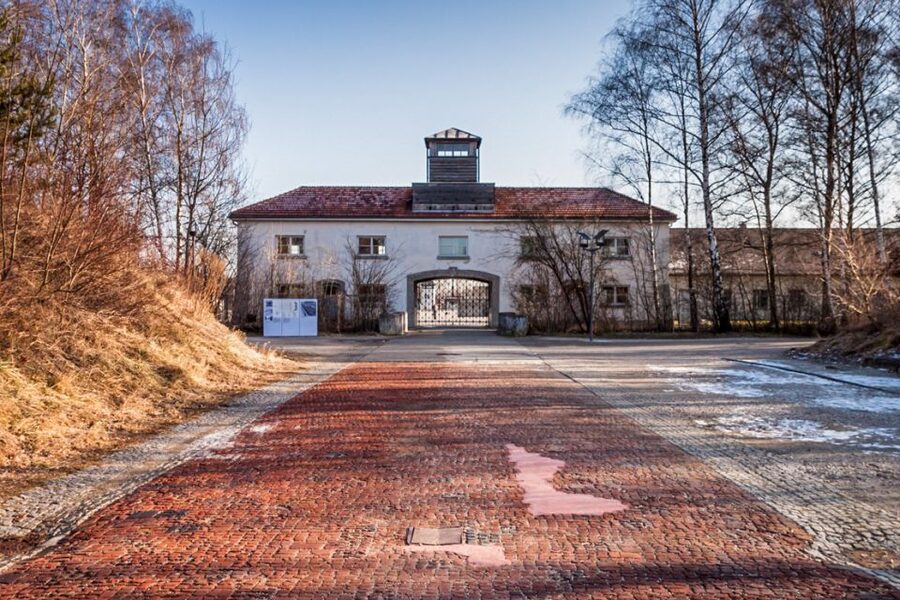
- Jourhaus and Arbeit Macht Frei give you the camp’s tone right at the entrance.
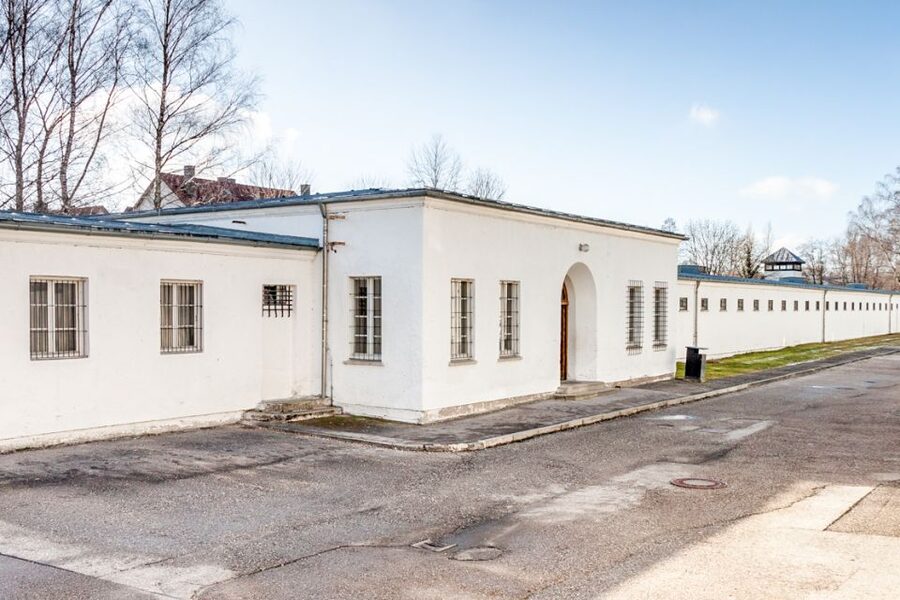
- Bunker, barracks, and the School of Terror show how the system enforced control and punishment.
- Structured route and timing, with about 4 hours inside the camp during a 6-hour overall day.
- Clear, calm organization that keeps the group together and helps you stay on track.
Why Dachau Matters, and What a Memorial-Qualified Guide Adds
Dachau is not just a historic site. It is one of the first permanent concentration camps run by Nazi Germany, and it operated through the full 12-year stretch of Nazi rule. That alone makes it crucial to understand, but the bigger value here is how the guide frames what you see.
With a Memorial-qualified guide, you get interpretation that ties physical locations to the human reality inside them. The tour covers why the camp was opened, who arrived first, and the three phases of the camp, plus how it evolved over time from 1933 to 1945. Instead of wandering and trying to connect the dots yourself, you follow a guided path through the spaces where registration, prisoner processing, trials, and punishment were carried out.
I also like that the tour does not treat Dachau like a museum version of the past. The commentary is built around camp life and death for prisoners who passed through the gates, and it explains the daily operations from the moment people were registered through the system’s brutality. That kind of structure helps you process what you are seeing, especially on a day when you cannot slow down too much.
More Concentration Camp Memorial Tours in Munich
- Dachau Concentration Camp Memorial Site Tour from Munich by Train
★ 4.5 · 5,637 reviews - From Munich: Dachau Memorial Site Day Tour
★ 4.8 · 2,723 reviews - From Munich: Dachau Memorial Site Half-Day Trip
★ 4.7 · 2,526 reviews
Getting From Munich to Dachau: Marienplatz Meet and Smooth Public Transport
This is a true day trip. Plan for a 6-hour total duration, with about 2 hours of travel and roughly 4 hours at the camp. The tour keeps it manageable by using public transport plus coach, rather than forcing you into a private car schedule.
You start by meeting your guide on Marienplatz, in front of the department store Ludwig Beck (Marienplatz 11). Look for a white and blue umbrella and signs advertising the Dachau tour. If you run late, the tour partner provides an emergency phone number, so have that handy.
From Munich, the ride is broken into pieces to reflect how you actually get there: about 40 minutes by subway/metro, then 10 minutes by bus/coach to reach the memorial site. There is also a short break at the site before the guided portion begins, so you can reset before walking through the most emotionally difficult parts.
Back in Munich, the tour returns you to the original meeting point in the late afternoon. That matters because Dachau can feel like “one big event” in your day, and it is nice when transportation and timing are already handled.
Entering the Camp Proper: Jourhaus, Arbeit Macht Frei, and Appellplatz
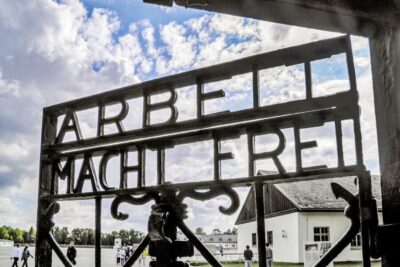
The entrance experience is powerful, and the tour gets you there in the right order. You pass through the Jourhaus, the entrance building area, and you see the infamous gate wording, Arbeit Macht Frei. The guide uses this moment to explain not just the slogan, but the purpose and threat behind the entire camp system.
Right after that, the route takes you into key spaces that help you understand how control worked. You’ll spend time at the gateway area and then continue to places like Appellplatz, the assembly ground where prisoners were counted and processed. Seeing the layout in sequence matters, because many of these areas only make sense when you understand how people moved through the camp’s routine.
One practical point I think you should take seriously: this is not a casual photo circuit. Video recording is not allowed, and the guide’s focus is on interpretation, not sightseeing. You will want to read signage and exhibits closely, because the guide’s commentary often ties directly to what the text panels explain.
Also remember the tour’s rules inside the memorial setting. Food is not permitted while on tours at Dachau. Eat a solid breakfast before you go, and if you bring anything to snack on, keep it for outside the camp tour time, like during transit.
Bunker and Barracks: How Daily Operations Turned Into Terror
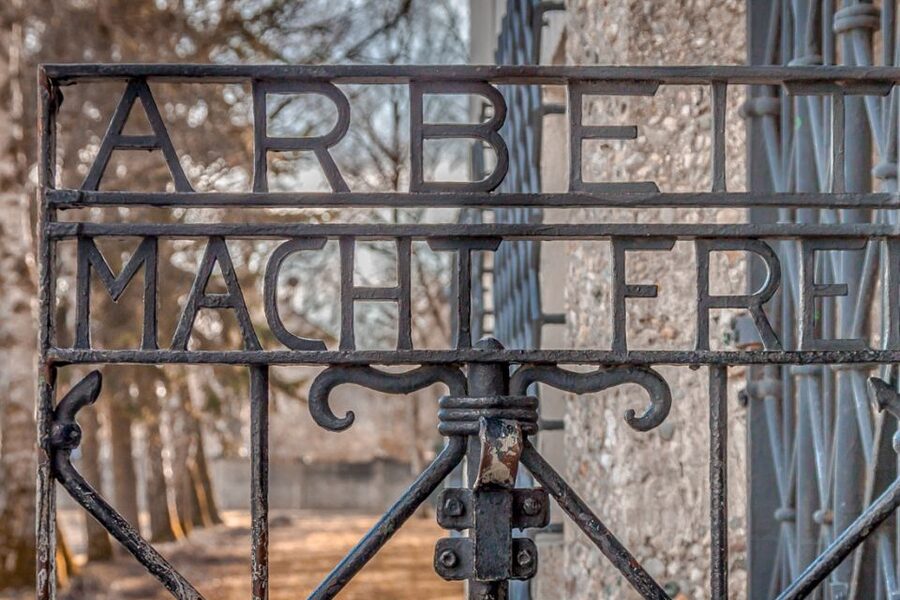
The camp visit gets darker quickly, and the tour does a good job of pacing that darkness. After the entrance area and assembly ground, you move toward the sites tied closely to confinement and punishment, including the Bunker and barracks such as Barrack X.
The guide connects these locations to how the system worked day to day. You learn about registration and new prisoners, how the machinery of control operated, and how prisoners faced trials tied to torture and punishment. The important part is that the tour doesn’t just say, something terrible happened. It explains how the Nazi camp system functioned as a repeatable process.
This is where having a Memorial-qualified guide feels especially valuable. The bunker and barracks are physical spaces, but without context they can blend together. With the guide, you understand why each space existed, what it was used for, and what the conditions meant in practical terms for the people inside.
In the feedback I read, guides like Adam, Sam, and Keith were singled out for keeping the group together and talking clearly enough that you do not lose the thread. That matters here. When the subject matter is heavy, your attention becomes fragile. A well-run tour helps you follow the story in order, which makes your visit more meaningful and less overwhelming.
More memorial site visits from Munich:
- Dachau Concentration Camp Memorial Tour with Train from Munich
★ 4.5 · 955 reviews - Early-Start Dachau Memorial Half-Day Tour from Munich
★ 5.0 · 942 reviews - Guided Dachau Concentration Camp Memorial Site Tour with Train from Munich
★ 5.0 · 920 reviews - Full-Day Dachau Concentration Camp Memorial Site Tour from Munich
★ 5.0 · 897 reviews
The Camp’s Three Phases (1933 to 1945): Seeing Change Over Time
Dachau’s history is not one static scene. The camp evolved across the years, and the guide’s coverage of the three phases is one of the most useful parts of the experience.
Instead of treating Dachau as only an opening chapter from 1933, the tour follows the camp’s development through the Nazi regime’s timeline. You hear how the camp changed in structure and operation as the war progressed. That evolution helps you understand why the camp’s purpose and methods became more entrenched and more systematic.
This time framing also helps you process the sites you see. For example, if the tour mentions early prisoner arrivals and the camp’s initial setup, then later shifts to how operations intensified, you start to notice how the physical spaces connect to that timeline. You are not just walking past buildings, you are watching an institutional system grow more brutal over time.
One small piece of advice that feels worth repeating: pace yourself with the reading. The guide may encourage you to rely on the text panels rather than treating them like background decoration. In a place like this, that approach helps you get the factual baseline the commentary builds on.
What to Bring, and How to Handle a Long, Emotionally Intense Day
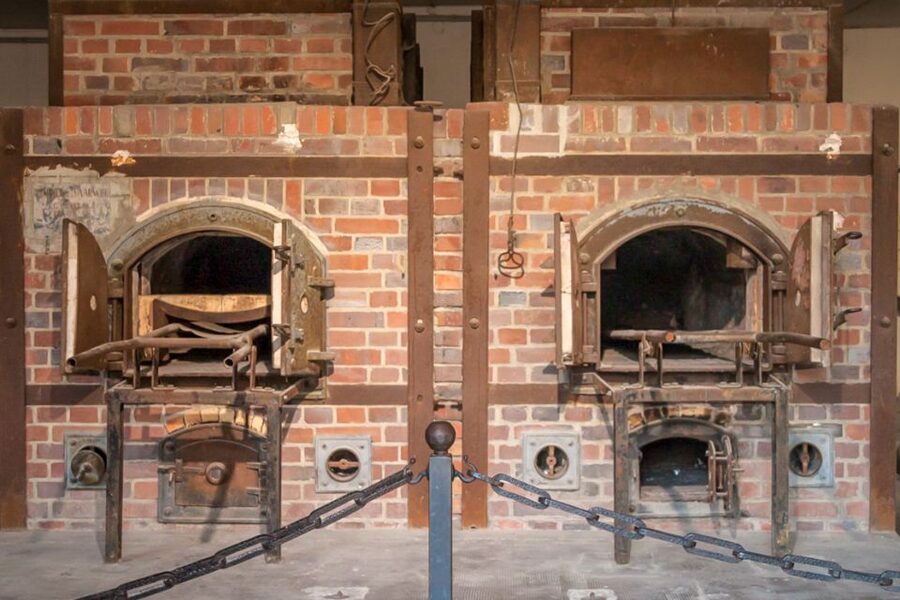
Even a well-run day trip can feel long when you are walking through one of the most painful parts of modern history. Expect comfortable shoes to be non-negotiable. You’ll also want water and weather-appropriate clothing, since you will be outside for parts of the day.
Bring snacks with caution. Since food is not permitted while on tours at Dachau, you should plan to eat before you enter the camp. If you want a backup, keep snacks for transit or your own time outside the guided camp segment. Do not count on eating during the camp walk.
There are also clear rules for what not to do. Smoking is not allowed, and alcohol and drugs are not allowed. Video recording is also not allowed inside the tour.
Finally, consider who should go. Children aged 13 or under are not permitted. Those aged 14 and over are welcome only if accompanied by parents who understand the graphic nature of the content, and proof of age may be required. The memorial site guidelines indicate some themes and exhibits are not suitable for those under 14. The tour is also not suitable for people with mobility impairments, wheelchair users, or people with respiratory issues.
If any of these factors apply, it is better to make that decision early, rather than hoping you can “push through” on the day.
Guide Quality and Pace: What the Names You Hear in the Group Have in Common
The strongest praise in the feedback I read focused on guide delivery. Marcin came up repeatedly for being respectful, friendly, and packed with detail. Sam was praised for being considerate with the group’s cold-weather needs and for delivering facts sensitively. Adam was repeatedly described as extremely knowledgeable with a clear plan from start to finish, including keeping people together and making sure they understood the route.
Hein and Keith were also mentioned for clarity and for sharing survivor-linked context the guide had learned through meeting survivors, as described in the feedback. I also saw an emphasis on pacing. Several comments pointed out that the tour moves steadily but not randomly, with time at key locations and organized transitions.
One thing to keep in your head is that this tour is structured for interpretation, not long scenic breaks. In the feedback, people noted there is limited time between key buildings and restroom use is planned around arrival and transitions. So go into it assuming you will stay with the group for long stretches inside the camp.
If you want a reason to choose a guided format over DIY, this is it. The guide turns a complicated and painful place into a coherent route, explains what you are looking at in context, and keeps you moving at a pace that respects the subject without rushing you past it.
Price and Value: Why 51 USD Can Make Sense
At about $51 per person, this is not “cheap,” but it also is not just a ticket price. What you are paying for is guided interpretation plus transportation on the day trip.
The price includes the train fee, bus fee, and a live English guide. You also do not need to solve Munich-to-Dachau logistics yourself on the day, which can be a real time saver. Even if you can reach Dachau independently, you still would need to understand what to look at and how to place each site in the camp’s history. This tour handles that with a Memorial-qualified guide.
Now the balanced take. If you are the kind of person who reads extensively on your own and you already know exactly how the camp’s layout fits the timeline, you might find the DIY cost lower. But you would be trading money for context, and at Dachau, context is the whole point.
For most visitors, $51 becomes good value because it buys you both logistics and the guidance that makes the experience clearer. It is also a good option if you want the day managed from start to finish while you focus on what you are seeing and reflecting on.
Should You Book This Dachau Memorial Site Tour From Munich?
Book it if you want a structured camp route led by a Memorial-qualified guide, and you value a clear sequence through the sites like the Jourhaus, Appellplatz, bunker, barracks, and the School of Terror. It is also a smart pick if you prefer not to figure out transit timing on the fly during a heavy, time-limited day.
Skip or reconsider if you are traveling with a child under 14, or if accessibility limits apply for mobility, wheelchair needs, or respiratory concerns. Also think twice if you expect lots of breaks. This is mainly a walking, guided day with a planned rhythm and limited eating inside the camp.
If your goal is to understand Dachau in a grounded way, with context and careful pacing, this day trip from Munich is a solid choice.
FAQ
How long is the Dachau Memorial Site full-day tour from Munich?
The total duration is 6 hours. The plan includes about 4 hours visiting inside the camp, plus about 2 hours of travel time.
Where do I meet the guide in Munich?
Meet at Marienplatz, in front of the department store Ludwig Beck (Marienplatz 11). Look for a white and blue umbrella and signs advertising the Dachau Tour.
Is the tour guide English-speaking?
Yes, the tour includes a live guide in English.
Are children allowed on this tour?
Children aged 13 or under are not permitted. Children aged 14 or over are welcome if accompanied by parents who understand the graphic nature of the tour content, and proof of age may be required.
Can I eat or record video during the tour?
You cannot record video. Also, it is not permitted to eat food while on tours at Dachau.
Is this tour suitable for people with mobility issues or wheelchair users?
No. The tour is not suitable for people with mobility impairments or wheelchair users. It is also not suitable for people with respiratory issues.
Newest Munich reviews on the site
- Klassik im Museum★ 5.0 · 6 reviews
- Hidden Architectural Gems of Munich (Max. 16 guests)★ 4.9 · 52 reviews
- From Munich: Herrenchiemsee Palace and Boat Trip Day-Tour★ 4.8 · 129 reviews
- Munich: Half-Day Skip-the-Line Neuschwanstein Castle Tour★ 4.6 · 110 reviews
- Glockenbachviertel culinary – the food tour★ 4.6 · 5 reviews
- From Munich: To Neuschwanstein Castle, Linderhof, Oberammerg★ 4.7 · 8 reviews
- From Munich: Dachau Memorial Site Tour in Spanish★ 4.9 · 300 reviews
- From Munich: Trip to Neuschwanstein & Linderhof in Spanish★ 4.8 · 282 reviews
Concentration Camp Memorial Tours, compared.
Sachsenhausen Concentration Camp Tour in English
Read our review →
Dachau Concentration Camp Memorial Site Tour from Munich by Train
Read our review →
Sachsenhausen Concentration Camp Memorial Tour
Read our review →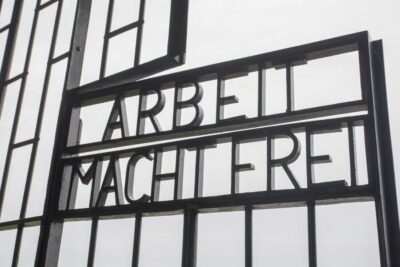
Sachsenhausen Concentration Camp Bus Tour in English from Berlin
Read our review →Sachsenhausen Concentration Camp Tour in English
Read our review →
Sachsenhausen Concentration Camp Memorial Tour (Max. 15 Guests)
Read our review →Browse the lists this tour appears in