
Reviewed · HISTORICAL TOURS
Berlin: Historic Center Walking Tour with a Real Berliner
Berlin’s center has a storyline you can walk. This 2-hour Mitte tour with a real Berliner guide connects the city’s turning points as you move from Nikolaikirche Museum to the Brandenburg Gate. I especially like how the route stays focused on the big “why” behind the landmarks, not just the what.
What I also like is the pace and size. It’s a small group, limited to 10, so you can actually ask questions and get clear answers from the likes of Carlo. One possible drawback: it’s an all-weather outdoor walk, so if you hate moving for 2 hours, you may feel it.
In This Review
- Key highlights worth your attention
- Walking Mitte like you’re reading a timeline
- Nikolaiviertel, then right into the “how Berlin formed” story
- Museum Island and the Spree: where the center makes sense
- Humboldt Forum and the rebuilt City Palace effect
- Berlin Cathedral and the center’s civic confidence
- A quick Television Tower sighting for city orientation
- Palace Bridge and the historic core, built for kings and empires
- Unter den Linden: the royal boulevard you can actually walk
- Brandenburg Gate: reunification history lands when you’re standing there
- Price and value: what $43 buys you in central Berlin
- Who this Berlin historic center walk is best for
- Practical tips to make the most of the 2 hours
- Should you book this Berlin Historic Center Walking Tour?
Key highlights worth your attention
- Old-city start at Nikolaikirche Museum to set the tone with the city’s core layers
- Museum Island and the Spree view corridor so you understand how the river shapes the center
- Rebuilt Berlin City Palace look and feel tied to the story of power and identity
- Unter den Linden royal boulevard with major sites in a walkable line
- Brandenburg Gate as a reunification focal point with context before, during, and after division
- Small group format that keeps the experience talkable and flexible
Walking Mitte like you’re reading a timeline
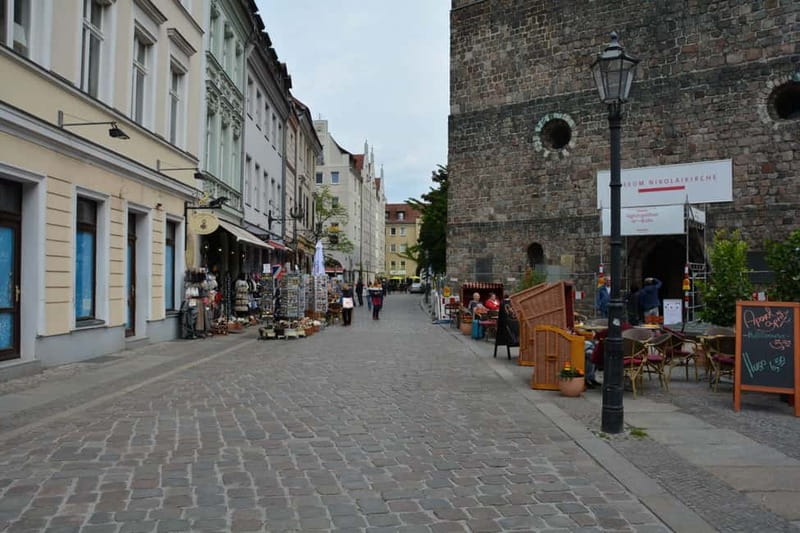
If you want Berlin in one afternoon, this is a smart way to do it. The route threads together monarch-era power, the Cold War, and reunification, using landmarks you can see and compare without hopping all over the map. It starts at Nikolaikirche Museum, in the heart of the older city area, so you’re not beginning with a random photo stop.
You’ll notice the guide has a talent for making the city’s changes feel logical. Berlin didn’t just “happen,” it evolved, split, and then reassembled itself. That’s the kind of framing that turns a list of buildings into something you can remember.
The timing is tight but workable. In about 2 hours you’ll walk the historic center, hit multiple crown-jewel sights, and still have time for questions if your guide keeps the conversation going.
More History Tours in Berlin
- Berlin: Natural History Museum Entrance Ticket
★ 4.6 · 3,382 reviews - Berlin: 3-Hour World Heritage Cruise to Potsdam
★ 4.5 · 1,569 reviews - Berlin: History of the Third Reich Guided Walking Tour
★ 4.7 · 791 reviews
Nikolaiviertel, then right into the “how Berlin formed” story
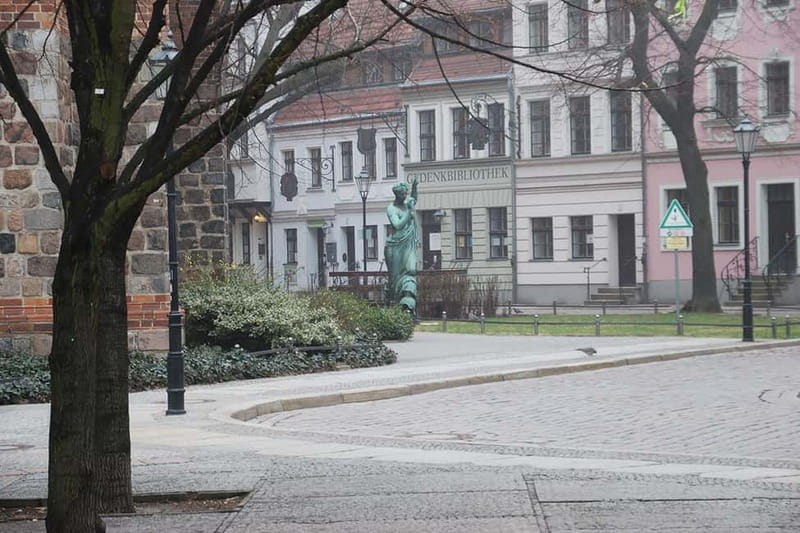
You meet outside Nikolaikirche Museum (St. Nicholas’ Church Museum), and from there you head into Nikolaiviertel. This is the kind of area where the city’s early identity is close enough to the surface that a good guide can point out what changed and why.
From the start, the tour is built around origins and evolution. You’ll hear how Berlin moved from a smaller trading village into Germany’s capital, and how the city’s identity kept shifting as different rulers and eras took over. That matters because Berlin’s center can feel like a mix of styles unless someone gives you the timeline.
Also, you’re not just walking past things. The guide ties the street-level experience to the larger political events, so when you see a “pretty” building, you also understand what it represented at the time.
Museum Island and the Spree: where the center makes sense
After Nikolaiviertel, you shift toward Museum Island, where the Spree helps you orient. This stretch is one of the most useful parts of a first Berlin walk because it visually links the river, the museums, and the civic core.
You’ll spend time around the Museum Island area, with stops and explanations connected to Berlin’s cultural power. The tour is also designed to help you recognize key sights in context, including the Berlin Cathedral and the Old Museum from the broader Museum Island complex.
A plus here is that you get a big-picture “frame” for the rest of the day. Once you understand how the island and river sit in the city, the next landmarks along the walk feel less like random “must-sees” and more like a connected plan.
Humboldt Forum and the rebuilt City Palace effect
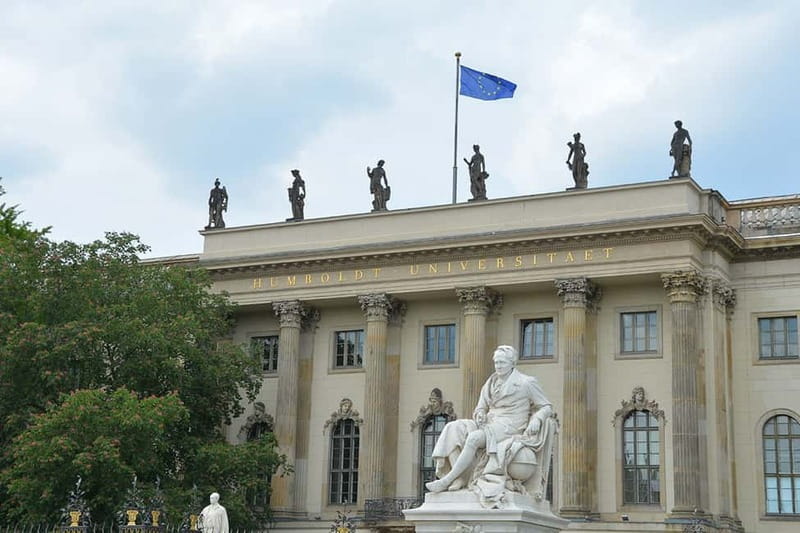
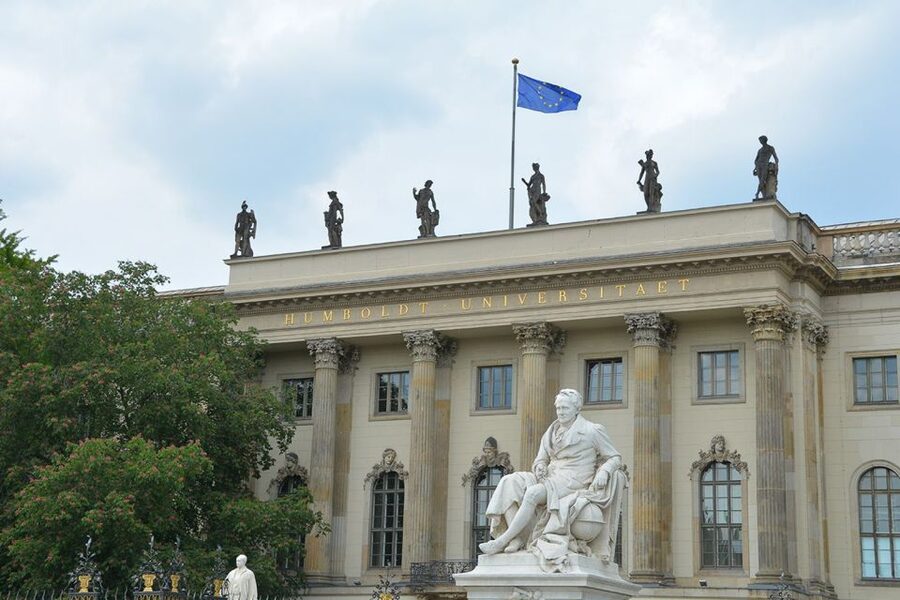
Next comes the Humboldt Forum area and its surroundings, plus time at Humboldt University. This part of the walk helps you connect culture and education to the city’s self-image. You’re not just seeing institutions, you’re being guided through why Berlin keeps returning to the question of identity.
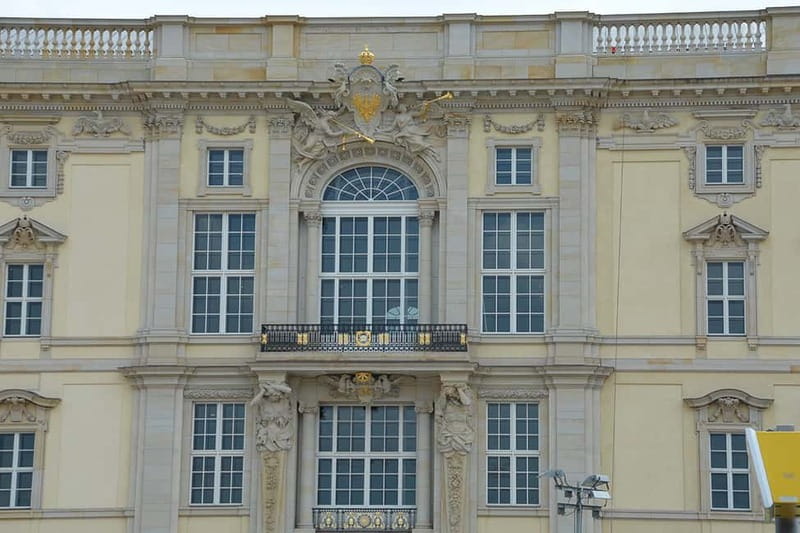
One of the most memorable moments is admiring the reconstructed Berlin City Palace. Even if you’re not into architecture, it’s the kind of site where the story matters as much as the stone. The guide explains it as part of Berlin’s evolution, including how the city moved from older power structures into the modern era.
The value of this stop is that it teaches you to read the city’s choices. Reconstruction, museums, and civic buildings are never only about aesthetics. Here, they are part of how Berlin tells its own story.
More Walking Tours in Berlin
- Discover Berlin Half-Day Walking Tour
★ 5.0 · 9,624 reviews - Berlin: Third Reich and Cold War 2 Hour Walking Tour
★ 4.9 · 6,830 reviews - Berlin: Discover Berlin Walking Tour
★ 4.9 · 5,998 reviews - Berlin’s Best: 2 Hour Walking Tour Third Reich and the Cold War
★ 5.0 · 5,486 reviews
Berlin Cathedral and the center’s civic confidence
As you continue through the central area, you’ll see Berlin Cathedral. This isn’t just a “pretty church dome” moment. In this walk, the Cathedral works as a visual anchor for the idea of a capital city that wanted to look permanent and important.
You’ll also get a sense of scale that’s hard to grasp when you’re only browsing photos. Standing where the landmarks line up, you feel how much space the city dedicates to religious, political, and cultural statements.
If you prefer active learning over passive sightseeing, you’ll like how your guide uses each stop to connect themes. Power, culture, and modernization show up repeatedly, just wearing different architectural outfits.
A quick Television Tower sighting for city orientation
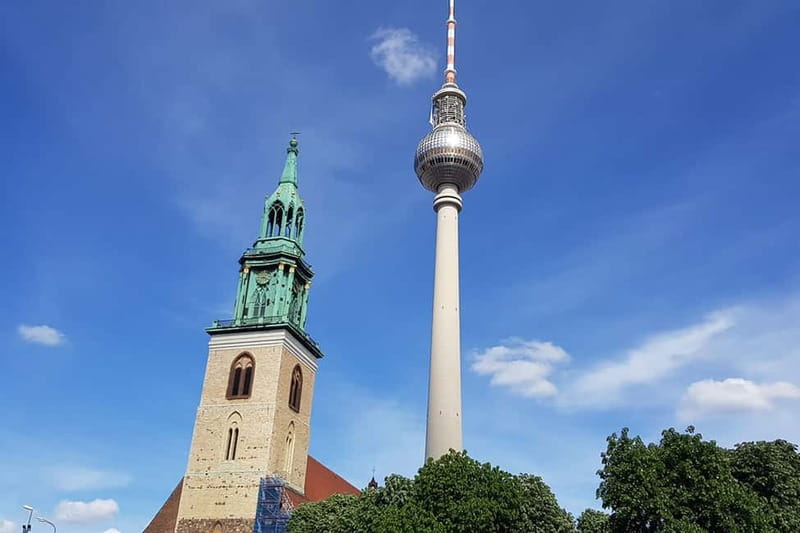
One item that’s built into the walk is seeing Berlin’s highest building, the Television Tower. Even if you only spot it from a distance while you’re moving, it helps you build a mental map of the city.
This is practical travel value. Berlin can be confusing at first, especially around Mitte where old and newer layers overlap. A clear “big marker” like the TV Tower gives your brain an extra reference point, so the walk feels easier to follow.
The guide uses moments like this to connect the physical city to the historical story you’re hearing. That combination makes the information stick.
Palace Bridge and the historic core, built for kings and empires
When you cross the Palace Bridge (Schlossbrücke), you’ll move into a part of the historic center where the architectural mood becomes more unmistakably “royal.” The guide explains the significance of this area, including the presence of impressive buildings from times of kings and emperors.
This section is valuable because it shows how power was displayed in space. The city’s historic core isn’t just scenic, it was designed to communicate rank and authority. Walking here with context turns it from a camera stop into an understanding of how Berlin’s rulers wanted to be remembered.
If you like architecture but also need the story, this is where both worlds meet. The bridge itself is a simple walk, but it functions like a threshold in the narration.
Unter den Linden: the royal boulevard you can actually walk
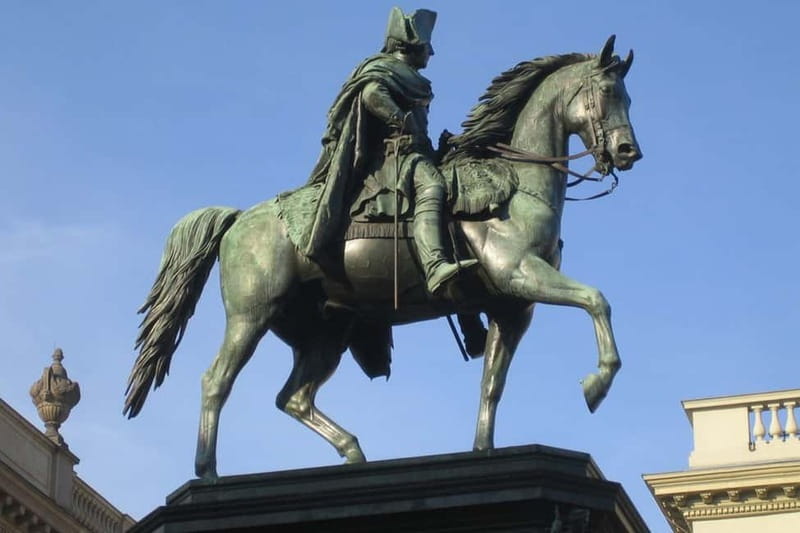
Then you reach Unter den Linden, Berlin’s oldest boulevard. This is one of the most useful corridors for first-time visitors because so many major sites sit along it like bookmarks on one page.
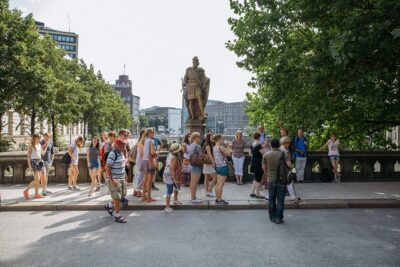
The guide points out the Equestrian Statue of Frederick the Great, and that’s a nice way to transition from “buildings of power” to “symbols of power.” You’ll also see the State Opera and learn how the cultural spotlight worked alongside political authority.
Humboldt University and St. Hedwig’s Cathedral are part of this same walkable stretch. The effect is that you get variety without losing your bearings. One moment you’re looking at civic education, the next at a church landmark, then back to the opera house.
If you’re the type who likes to compare how different eras used architecture to communicate, this boulevard delivers. It also gives you a “choose your own pace” feeling, because you can pause for photos while still being pulled forward by the guide’s narrative.
Brandenburg Gate: reunification history lands when you’re standing there
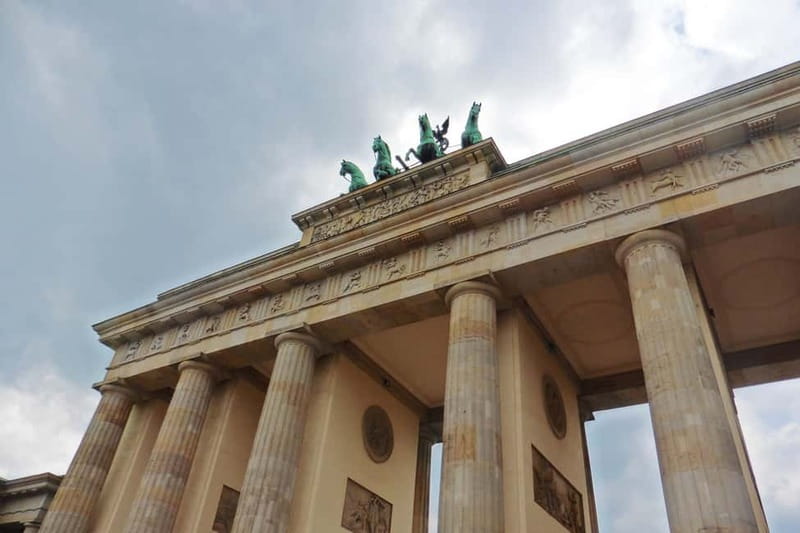
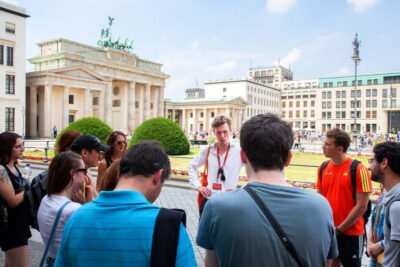
Finally, the walk ends at Brandenburg Gate. This is the focal point for reunification in 1990, and your guide shares the moving story of the landmark before, during, and after Berlin’s division.
What makes this stop work in a guided walking format is the buildup. Because you’ve already traced the city from older origins into Cold War reality, Brandenburg Gate doesn’t feel like a disconnected icon. It feels like the result of years of tension, politics, and rebuilding.
It’s also a practical end point. Finishing at a world-famous landmark means you can easily continue on afterward using the central location as your anchor.
If you want one place in Berlin that gives you an emotional “click,” it’s usually this kind of stop with the right context. Here, the guide’s job is to make sure you understand why the gate mattered, not just that it looks dramatic in photos.
Price and value: what $43 buys you in central Berlin
At $43 per person for 2 hours, this tour sits in a reasonable range for a guided walk that covers multiple top sights in Mitte. The key value is not a long museum visit or a packed bus route. It’s the guidance and the story structure that helps you connect landmarks you’d otherwise treat as separate.
You also get a small group setting, limited to 10 participants. That matters because in a small group you’re more likely to get direct answers and clearer explanations when you ask follow-up questions.
Another value point is the guide quality. Many of the experiences tied to Carlo, Karl, or Karlo emphasize passion and clear communication, including adding extra help like orienting you to nearby transit routes when needed. That sort of “I’ll help you figure out what to do next” attitude is where a walking tour earns its money.
One note on scope: food and drinks are not included. The tour also does not include hotel pickup and drop-off, so you’ll want to be ready to get yourself to the meeting point and back.
Who this Berlin historic center walk is best for
This tour is best for you if you want a strong first-pass orientation to Berlin. It’s great on your first day or first evening because it helps you build a mental map and a timeline, two things that pay off during the rest of your trip.
It’s also a good fit if you enjoy history that connects to place. The tour doesn’t treat landmarks like isolated postcards. It explains how Berlin changed from Prussian times to a reunited Germany, and how the Cold War shaped the city you see today.
You might prefer a different format if you want lots of time inside major buildings or you strongly dislike outdoor walking in changing weather. This one is designed as an outdoor walk in all weather conditions.
Practical tips to make the most of the 2 hours
Bring comfortable shoes. You’re moving through a dense part of the city, and 2 hours in a walking tour adds up.
Wear clothes you can adjust in cool or rainy conditions. The tour runs in all weather and on public holidays, so plan for the day you actually get, not the weather you hoped for.
If you care about photos, take them but keep a little flexibility. The route includes major “wow” sights, including Museum Island, Unter den Linden, and Brandenburg Gate, and the guide’s pacing works best if you don’t stop too long at every spot.
Should you book this Berlin Historic Center Walking Tour?
Yes, I think you should book it if you want the historic core of Berlin explained in plain language and mapped to what you can see on foot. For the money, the focus on the city’s evolution from Prussia to reunified Germany, plus the steady hit list of central landmarks, makes it a smart value.
Book it especially if you like learning in motion and you want your first Berlin experience to feel organized rather than overwhelming. Skip it if you want a mostly indoor, slow museum day, or if weather extremes would make a 2-hour outdoor walk miserable for you.
More Historical Tours in Berlin
- Berlin Historical Highlights Walking Tour
★ 4.9 · 657 reviews - Berlin: 1h Boutiquestyle-Cruise on the Historic HEMINGWAY
★ 4.6 · 563 reviews - Berlin Private Complete History All Day Walking Tour
★ 5.0 · 474 reviews - Berlin: Cold War Era History Guided Bike Tour
★ 4.8 · 413 reviews
Newest Berlin reviews on the site
- Jetbike Berlin fun bike beer bike★ 5.0 · 3 reviews
- Karl-Marx-Allee Walking Tour: Berlin’s Socialist History★ 5.0 · 5 reviews
- Homeless on chic streets: city tour in Berlin from personal experience★ 4.6 · 3 reviews
- Berlin: Sachsenhausen Concentration Camp Guided Tour★ 4.9 · 42 reviews
- Historyof the Trans, Queer & Gay communities of Berlin tour★ 4.8 · 17 reviews
- Historic Berlin Pubs & History Tour★ 4.9 · 73 reviews
- Berlin: City Center Walking Tour★ 4.7 · 45 reviews
- Half-Day Berlin Highlights Segway Expedition★ 4.5 · 61 reviews
Historical Tours, compared.
City History Canal Sightseeing Tour on a Motorboat
Read our review →
Browse the lists this tour appears in