
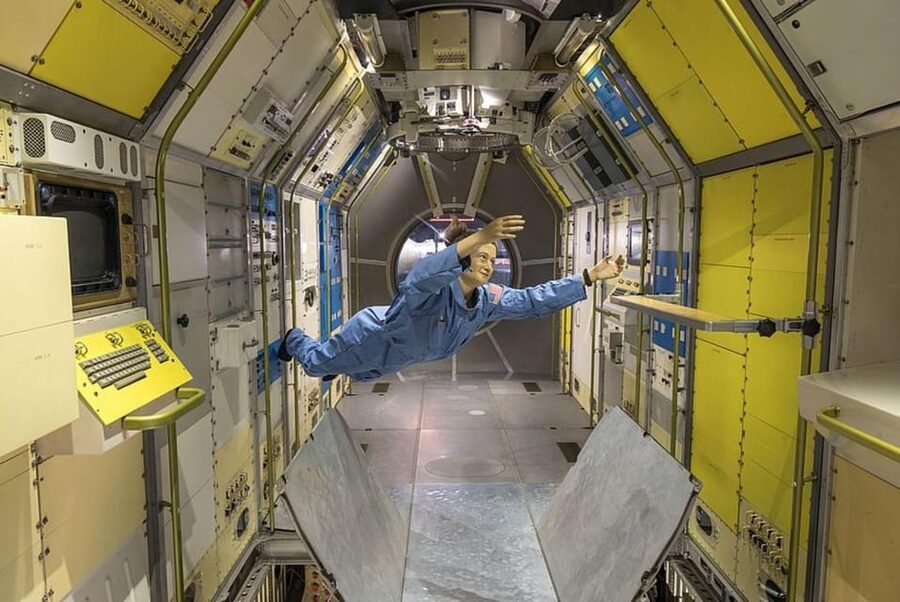
Reviewed · MUSEUMS
Munich: Deutsches Museum Entry Ticket
Science on an island makes planning easy. The hands-on exhibits and 20 permanent exhibitions turn big ideas into something you can touch, test, and watch, and the museum is built for real flow from the entrance to the restrooms. The only catch is that it is a lot of museum, so if you want a short stop, you may feel a bit rushed with so many topics and objects competing for your attention.
What I like best is the mix of scale and focus. You get access to the museum’s main collections across roughly 20,000 square meters, plus the fun kind of learning, with experiments and demonstrations sprinkled through the day. It is also hard to beat the setting on Museumsinsel, inside the city core, so you can make this your main Munich activity without eating up your entire day just getting there.
In This Review
- Key highlights to look for
- Why the Deutsches Museum feels like a Munich must
- Tickets, value, and what you actually receive
- Getting your bearings at Museumsinsel 1 (before you pick a route)
- How to plan a solid day across 20 exhibitions
- Layer 1: Start with your biggest interest theme
- Layer 2: Hit your two “must-see” demonstration areas
- Layer 3: Leave room for hands-on stations
- Hands-on science: why the interactive stations are the real point
- Top highlights that make the museum feel famous
- The 3 demonstration stops I would prioritize
- Model railway: science you can watch in motion
- Microscopy theater: turning tiny into understandable
- Chemistry demonstrations and shows
- The museum’s collection and why the scale helps
- The story behind the museum: Oskar von Miller and the mission
- Using the audio guide to save time and remember more
- Timing tips that prevent the end-of-day scramble
- Who this ticket suits best
- Should you book the Deutsches Museum entry ticket?
- FAQ
- What’s included with the Deutsches Museum entry ticket?
- How long is the ticket valid?
- What are the opening hours and the last admission time?
- Is the museum wheelchair accessible?
- Do children need to be accompanied?
- Can I cancel and rebook if my plans change?
Key highlights to look for
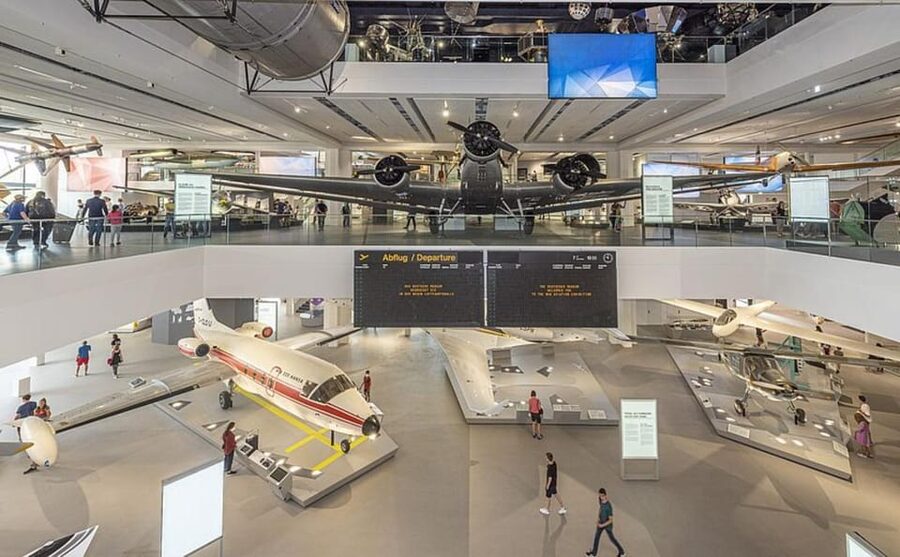
- 20 permanent exhibitions spanning aviation, astronautics, atomic physics, chemistry, and more
- Interactive stations and experiments that make science feel practical, not just theoretical
- Over 125,000 objects including famous inventions and historical machines
- Big demonstration-style stops like the model railway, microscopy theater, and chemistry shows
- A central river-island location at Museumsinsel 1, convenient for pairing with other sightseeing
Why the Deutsches Museum feels like a Munich must

The Deutsches Museum is one of those places that makes you rethink what a museum can do. Instead of treating science like a set of cold facts, it treats it like a working system. You walk through the history of technology, then you see how principles show up today, and you keep getting little opportunities to try, test, or watch the science happen.
Two things really set the tone. First, the museum is all about natural science and technology, so you are not searching for the “right wing” to match your interests. Second, it lives on Museumsinsel, a small island in the middle of the city, which makes the museum feel both major and easy to reach.
If you love the question, how does that work, this museum fits you perfectly. If you only want art or slow gallery wandering, you might feel like you are in the wrong universe.
More Museum Tours in Munich
- Munich: Beer and Food Tour with Dinner & Oktoberfest Museum
★ 4.7 · 1,086 reviews - Munich: FC Bayern Museum + Arena View
★ 4.5 · 944 reviews - Munich: Magic Bavaria – Museum of Fun, Selfies and Illusions
★ 4.1 · 251 reviews
Tickets, value, and what you actually receive
You are paying $17 per person for a 1-day entry ticket with access to the exhibitions. On paper, that sounds simple, but the value comes from what “access to all exhibitions” means in practice. This is not a curated one-track experience. It is a place where you can pick your own path across multiple themes and still feel like you completed something.
You also get a downloadable multilingual audio guide through the Deutsches Museum app. That matters because the museum is big, and science topics move fast. A good audio guide helps you connect the dots without turning your day into constant reading at every wall.
One more smart detail: the museum is listed as wheelchair accessible, and it is described as barrier-free across space from the entrance to the restrooms. That translates into less stress for families, people with mobility needs, and anyone who just wants smoother movement through a busy site.
Getting your bearings at Museumsinsel 1 (before you pick a route)

Start at the main entrance at Museumsinsel 1, 80538 Munich. The museum sits on the island, so you will likely feel like you have arrived at a calm, self-contained world even though you are close to central Munich.
Before you decide where to go, take 10 minutes to do two things:
1) Open the Deutsches Museum app and load the audio guide in your language.
2) Scan the main exhibition areas so you know which themes you are chasing first.
This is not about being efficient for efficiency’s sake. It is about saving energy. With science and technology, your interest can change quickly once you see something hands-on. A quick orientation helps you follow your curiosity without backtracking.
How to plan a solid day across 20 exhibitions
The ticket is valid for one day, and the museum runs daily from 9:00 to 17:00, with the last admission at 16:30. That last admission time is important. It is your built-in reminder that a “casual stroll” can turn into a rushed sprint if you wait too long to commit to your route.
A good strategy is to plan your day in three layers: one big theme, two “wow” stops, and a flexible block for whatever grabs you next.
Here is a practical flow you can copy:
A few more Munich walks and trips to compare
- Munich: FC Bayern Museum Entry Ticket
★ 4.6 · 193 reviews - Munich: Residenz Museum Tickets and 2,5-hour Guided Tour
★ 4.9 · 81 reviews - Munich Nymphenburg Palace & Carriage Museum Fast-Track Tour
★ 4.5 · 32 reviews - Munich Nymphenburg Palace Tickets and Tour, Carriage Museum
★ 4.9 · 22 reviews
Layer 1: Start with your biggest interest theme
The museum covers topics like aviation and astronautics, atomic physics, and chemistry, plus other engineering-focused areas. Pick one theme to ground your visit early. When you start with something you already care about, the rest of the museum connects to that mindset.
If you are an aviation or space person, early momentum helps. You will see famous technology through the lens of how it got built, tested, and improved over time. If physics or chemistry is your angle, starting there helps you notice the patterns across other machines later.
Layer 2: Hit your two “must-see” demonstration areas
You do not want to leave the best showpieces to chance. The museum highlights several unique demonstrations like:
- Model railway
- Microscopy theater
- Chemistry demonstrations and shows
These feel different from standard exhibits. Think of them as science performed with clarity. If you hit them mid-day, you also avoid the common trap where you burn time early on displays that do not move you, then show up for your favorite area too late.
Layer 3: Leave room for hands-on stations
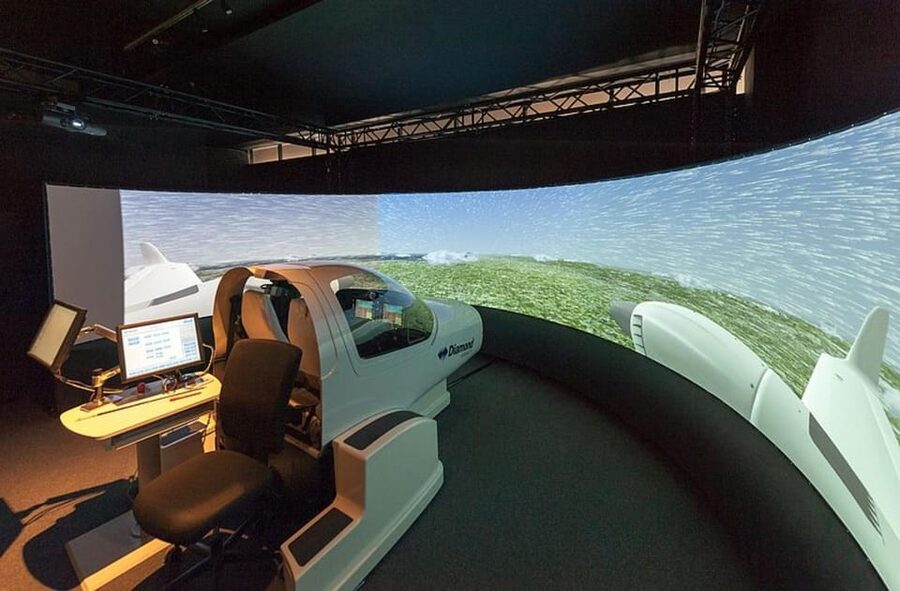
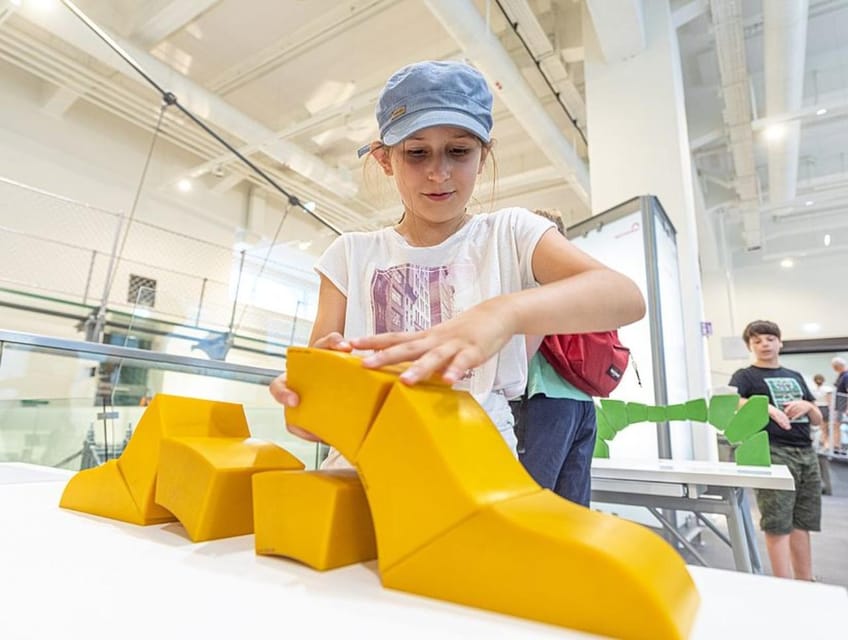
After your anchored theme and your main demonstrations, save a chunk of time for interactive experiments and hands-on stations. The museum is built around this kind of learning. It makes the concepts stick because you experience them, not just read about them.
If you only give the interactive areas a quick look, you will miss what the museum is best at.
Hands-on science: why the interactive stations are the real point
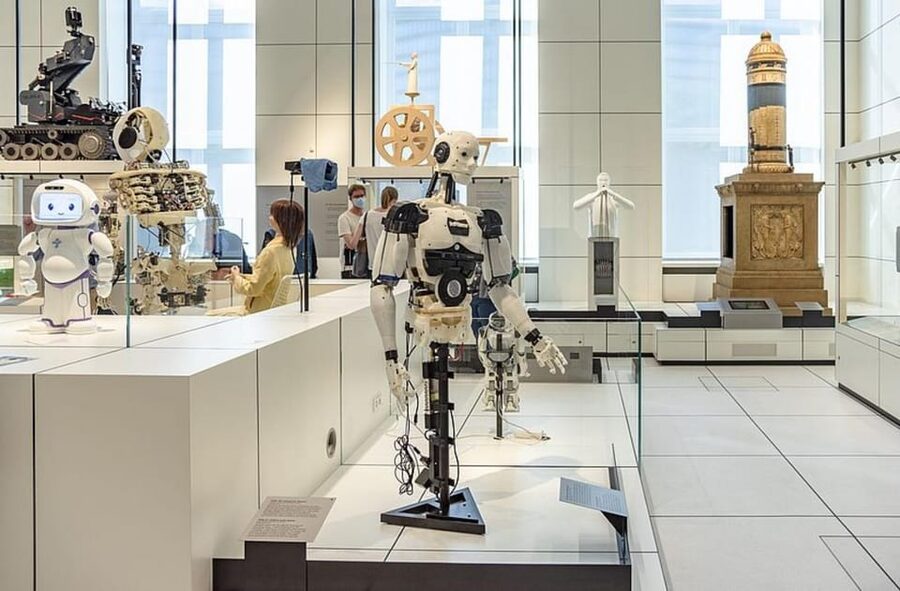
A lot of big museums have interactive spots. The Deutsches Museum is different because the hands-on experience is part of the whole museum logic. You are not visiting for one exhibit, then leaving. You are visiting to keep switching from reading to doing to watching.
The exhibits are arranged across 20 permanent exhibitions, and the experience is described as including hands-on stations and experiments. That is a key word. You do not just see what happened in history. You often get a version of the underlying principle in action.
This is also where science education becomes more human. Even if you are not a science student, you can usually figure out the basic cause and effect. That feeling, of pushing something and watching it respond, is why the museum earns such strong recommendations.
Top highlights that make the museum feel famous
When a museum has major inventions and iconic machines, it is doing more than decoration. It is giving you a timeline you can feel. In the Deutsches Museum, that timeline includes famous objects such as:
- the first diesel engine
- historic printing presses
- a lunar rover
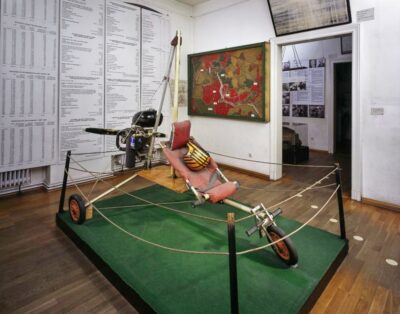
- iconic airplanes
Those names matter because they represent turning points. A diesel engine is not just machinery, it is industrial change. Printing presses are about information technology before the internet. A lunar rover connects science to exploration. Airplanes connect materials, aerodynamics, and engineering decisions to how humans moved through the world.
What I find useful is how these objects fit into the broader exhibits. You are not treating them like trivia. You are seeing how engineering, physics, and real-world needs shape what gets invented and why.
The 3 demonstration stops I would prioritize
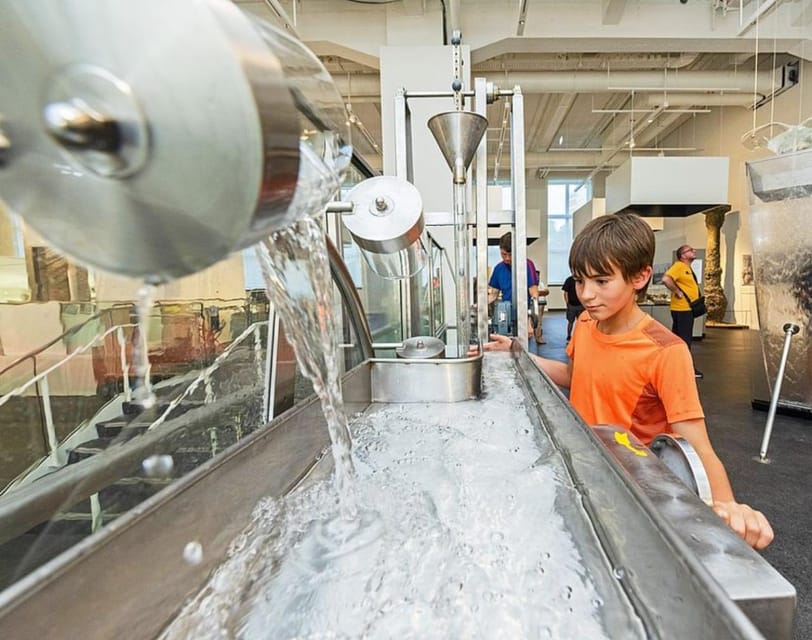
If you only remember one thing from this review, make it this: plan to catch the major demos. They are the moments where the museum feels most alive.
Model railway: science you can watch in motion
A model railway might sound niche, but in a science museum it becomes a chance to see systems thinking. Tracks, timing, power, and control all show up in a way that is easy to follow. It is a smart break from static displays, especially if you are with kids or you need a reset during a long day.
Microscopy theater: turning tiny into understandable
Microscopy is hard to grasp when you only hear the word. The microscopy theater is designed to make the invisible visible. It is the kind of stop that changes your scale of understanding. After you see the results, you will notice the theme across other displays about materials and observation.
Chemistry demonstrations and shows
Chemistry can feel abstract when it is all lab coats and safety rules. The museum’s chemistry experiences and demonstrations help connect chemical behavior to real results. Even if you are not into chemistry class, you can still appreciate the method and the outcomes, and that makes it one of the best “I did not know I would like this” areas.
The museum’s collection and why the scale helps
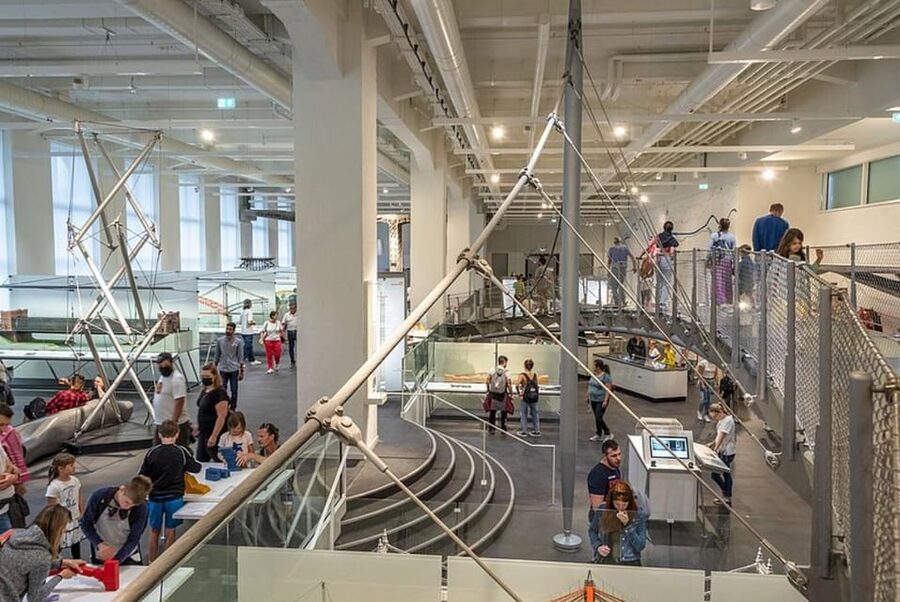
The museum’s collection includes over 125,000 objects, and the museum receives around 1.5 million visitors annually. That scale can intimidate you, but it is also the reason the museum can offer depth without feeling random.
When you have access to a large collection, you can build your own logic. You can see how different inventions rely on the same scientific principles, then follow those principles across other exhibitions. That is how the day stops feeling like browsing and starts feeling like learning.
Also, the museum is described as covering both the history and the future of science and technology. That gives your visit a forward-looking shape. Instead of only asking what worked in the past, you start thinking about where the next breakthroughs might come from and why.
The story behind the museum: Oskar von Miller and the mission
The Deutsches Museum was founded in 1903 by Oskar von Miller. Knowing that early goal helps you understand why the museum feels like a big education project rather than a collection cabinet.
It was designed to offer a comprehensive overview of science and technology, and today that mission shows up in the way topics are spread out. You do not just get one era or one field. You get engineering, physics, chemistry, exploration, and communication-era technology themes.
The museum also plays a role in preservation, including Germany’s largest museum library and a leading special archive on the history of science and technology. Even if you do not spend time in archives during your visit, knowing it exists gives weight to the exhibitions. This museum is not only showing objects, it is keeping the documentation and context alive.
Using the audio guide to save time and remember more
The Deutsches Museum app provides a downloadable multilingual audio guide included with your ticket. To get real value, use it like this:
- Save audio for the big exhibits and demonstrations first.
- Let the app help you understand what you are seeing, not just repeat what you can read.
The museum is big enough that you could spend hours without really absorbing why each area matters. The audio guide helps you connect the object to the principle, which is where science museums become memorable.
If you prefer minimal screen time, you can still use the audio as a targeted tool. Pick a handful of stops to listen closely to, then enjoy the rest with your own curiosity.
Timing tips that prevent the end-of-day scramble
Because the last admission is 16:30 and the museum closes at 17:00, you want a plan for your final hour.
I suggest this simple approach:
- Aim to finish your must-see demonstrations by mid-afternoon.
- Use late afternoon for interactive stations and the exhibits you keep returning to.
If you try to see everything in sequence, you will run out of time. Science museums reward choice. Pick what you care about first, then let the rest fill in around it.
Who this ticket suits best
This is a best-fit experience if you want:
- a science and technology museum with major inventions and modern themes
- interactive learning that works for adults and kids
- a central, practical activity in Munich that you can do in a day
It is less ideal if you need an art museum vibe, or if you only want a quick 60 to 90 minute stop. The museum is large, with many topics, and the best experience comes when you give it real time.
Should you book the Deutsches Museum entry ticket?
Book it if you like hands-on learning, enjoy science topics, and want a Munich activity that feels important without feeling stuffy. At $17 per person with access to all exhibitions plus a multilingual audio guide, it is strong value for a full-day indoor experience.
Skip it only if you are not interested in science and technology as a theme, or you are likely to be impatient with a big, choice-heavy museum. If that describes you, you might feel overwhelmed.
If you can handle a day where you bounce between history, experiments, and big inventions, this is the kind of ticket that pays off fast. The museum is built for understanding how things work, and once you start testing your way through the exhibits, it becomes hard to leave.
FAQ
What’s included with the Deutsches Museum entry ticket?
The ticket includes entry and access to all exhibitions. It also includes a downloadable multilingual audio guide through the Deutsches Museum app.
How long is the ticket valid?
The ticket is valid for 1 day. You can check availability to see starting times.
What are the opening hours and the last admission time?
The museum is open daily from 9:00 to 17:00. The last admission is at 16:30.
Is the museum wheelchair accessible?
Yes. The museum is listed as wheelchair accessible, and the description notes barrier-free space from the entrance to the restrooms.
Do children need to be accompanied?
Yes. Children under 12 must be accompanied by an adult.
Can I cancel and rebook if my plans change?
Free cancellation is available up to 24 hours in advance for a full refund. You can also reserve now and pay later, meaning you can book without paying immediately.
Newest Munich reviews on the site
- Munich – the essential walking tour★ 5.0 · 30 reviews
- Munich Beer and Bavarian Bites Small-Group Tour★ 5.0 · 167 reviews
- Munich to Prague – Private Transfer with 2 hours of Sightseeing★ 5.0 · 6 reviews
- 800 Years of History: A Munich GPS Audio Tour★ 4.5 · 12 reviews
- Munich in the 3rd Reich and WW2 private walking tour★ 5.0 · 148 reviews
- Munich Scavenger Hunt and Sights Self-Guided Tour★ 4.5 · 8 reviews
- Munich Christmas Market Small Group Tour with Gingerbread Heart★ 4.0 · 9 reviews
- Munich Food Tour with Full Meal & Drinks by Do Eat Better★ 5.0 · 59 reviews
Museums, compared.


Skip-the-Line: Berlin Wall Museum at Checkpoint Charlie
Read our review →Browse the lists this tour appears in