Reviewed · MUNICH TOURS
Mozart and German Composers Private Tour in Munich
Composers walk with you through Munich. This private Old Town tour turns major landmarks into story stops, with Mozart, Strauss, Wagner, and other German composers guiding the route. I love the way the guide connects each place to how music was made and performed in Munich, not just dates and names. I also love that you walk to iconic sights like Marienplatz, Frauenkirche, and the Munich Residenz, so the history feels real on your feet.
One thing to consider: even though it’s listed as a 2-hour walking tour, the pace can run a little longer, so plan for a small buffer before your next activity. If you like a strict schedule, that extra time is worth factoring in up front.
In This Review
- Key Things You’ll Notice on This Munich Mozart Tour
- Why This Tour Works: Munich Seen Through the Music Makers
- Starting at Marienplatz: The Perfect Launch Point for Musical Munich
- St. Peter’s Church and the Sound of Early Munich
- Frauenkirche and the Composer Training Link You Might Miss
- The National Theater and the Bavarian State Opera Connection
- Mozart at the Residenz: Where Court Culture Shaped Composition
- Cuvilliés Theater and Idomeneo (1781) in the Residenz Complex
- Guide Quality and the Most Praised Part of the Experience
- Price and Value: Is $215 Per Person Reasonable?
- Practical Tips So Your Walking Tour Feels Easy
- Who Should Book This Mozart and German Composers Tour
- Should You Book It? My Straight Answer
- FAQ
- Where does the Mozart and German Composers Private Tour in Munich start?
- How long is the tour?
- What locations will you see during the walking tour?
- Is this a private tour?
- What languages are available for the guide?
- What composer-related highlights are included?
- Do you get recommendations for other places to visit?
- What should I do the day before the tour?
Key Things You’ll Notice on This Munich Mozart Tour

- Composer-led storytelling that explains why these spots mattered to the people who wrote and performed music
- Marienplatz and Frauenkirche as anchors, with cultural links to major Renaissance and early modern musicians
- St. Peter’s Church and its early-13th-century choir tradition as a starting point for the city’s musical mindset
- Bavarian State Opera and the National Theater tied to Wagner premieres and Strauss’s work
- Munich Residenz highlights including the context for Mozart’s concert for Elector Karl Theodor and Ferdinand IV
- Cuvilliés Theater and Idomeneo (1781) as a clear “composer moment” inside the Residenz complex
Why This Tour Works: Munich Seen Through the Music Makers
If you usually visit churches and palaces like photo backdrops, this tour changes the angle. It treats Munich as a music city, where power, faith, and public taste shaped what got composed and performed. You’re not just looking at famous buildings, you’re learning what role they played in real musical life.
I like that the tour has clear composer “threads.” You’ll connect Wolfgang Amadeus Mozart to court culture at the Residenz, then pivot to Richard Wagner at the National Theater, and bring it home with Richard Strauss’s role as a conductor. When those names appear, you get the place-and-purpose context that makes them feel less like textbook headlines and more like living work.
The other reason this tour clicks is the tone. The best version of this experience is when the guide makes classical music stories easy to follow, with facts you can repeat later. That’s exactly where this tour scores, with guides praised for being well informed and genuinely delightful in how they tell the story.
A few more Munich walks and trips to compare
- From Munich: Neuschwanstein & Linderhof Castle Full-Day Trip
★ 4.6 · 14,646 reviews - Neuschwanstein & Linderhof Castle-Fairytale Day Tour from Munich
★ 4.5 · 7,275 reviews - Munich: Third Reich & WWII Walking Tour
★ 4.6 · 6,181 reviews
Starting at Marienplatz: The Perfect Launch Point for Musical Munich
Your tour begins at a very practical, easy-to-find landmark. Meet your guide in front of hotel BEYOND by Geisel, Marienplatz 22, 80331 Munich, opposite St Peter. Don’t go inside the hotel, it’s just a meeting point.
Marienplatz is one of those squares that organizes the whole city in your mind. From here, you can understand why Munich became a crossroads for court music, church music, and the music that regular city life wanted. The tour uses that geography smartly, so you’re not zigzagging randomly.
I recommend you arrive a few minutes early and do a quick scan of the square. It helps you orient fast, which makes the walking feel smoother when the guide starts explaining how Munich’s musical world took shape. If you’re trying to fit this into a tight schedule, this is a good choice because you’re centered right away, not shuttled across town.
St. Peter’s Church and the Sound of Early Munich
Right after you start, you’ll move toward St. Peter’s Church, one of the city’s strongest “sound history” points. The choir tradition there dates back to the early 13th century, which gives you a sense of how long structured music-making was part of Munich’s everyday spiritual life.
This stop matters because church music was one of the biggest engines of training. Choirs needed singers, composers needed forms, and communities needed performances. When you hear about the choir’s long tradition, it stops being abstract, and you start understanding how musical skills were passed along through generations.
You don’t need to be a musician to appreciate it. The guide helps you connect this early tradition to later eras, where court and civic tastes grow alongside church culture. It’s a useful bridge: you see how the same city can support serious sacred music and later become a place where major operas and big-name composers find their stage.
Frauenkirche and the Composer Training Link You Might Miss
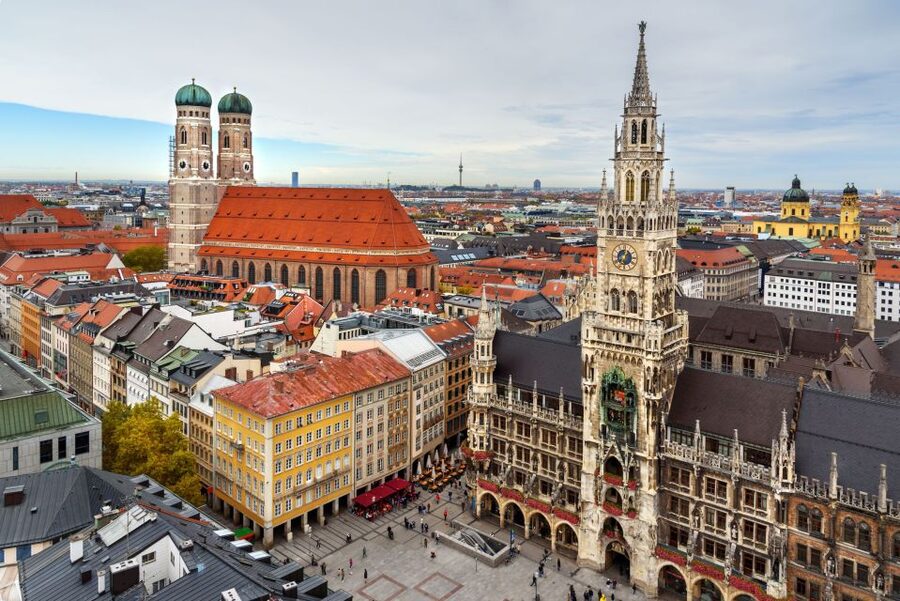
From St. Peter’s area, you’ll stroll through Marienplatz to Frauenkirche. This is where the tour often feels like it “clicks” for classical music fans, because it connects the landmark to real musical education.
You’ll also hear about how young musical talents trained under the guidance of legendary musicians like Orlande de Lassus, one of the prominent figures of the 16th century. That detail is more than trivia. It explains how talent moved through Munich, and why the city could produce and attract musicians with serious reputations.
Frauenkirche itself is iconic, but what you’ll take away is the “why” behind the icon. The building becomes a clue to the city’s musical networks. It’s the difference between saying, I saw a famous church, and saying, I understood how music got taught and circulated here.
Same city, a different way to spend the afternoon:
- Dachau Concentration Camp Memorial Site Tour from Munich by Train
★ 4.5 · 5,637 reviews - Neuschwanstein Castle Tour from Munich
★ 4.5 · 5,117 reviews - Third Reich Walking Tour Munich
★ 4.5 · 4,291 reviews - Munich Hop-On Hop-Off Tour: 1-Day or 2-Day Ticket
★ 4.3 · 4,161 reviews
The National Theater and the Bavarian State Opera Connection
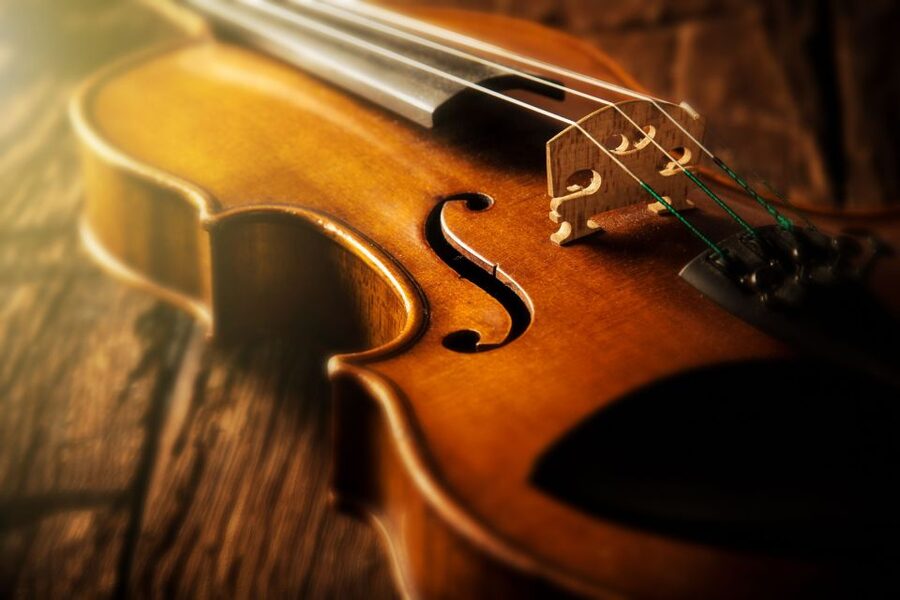
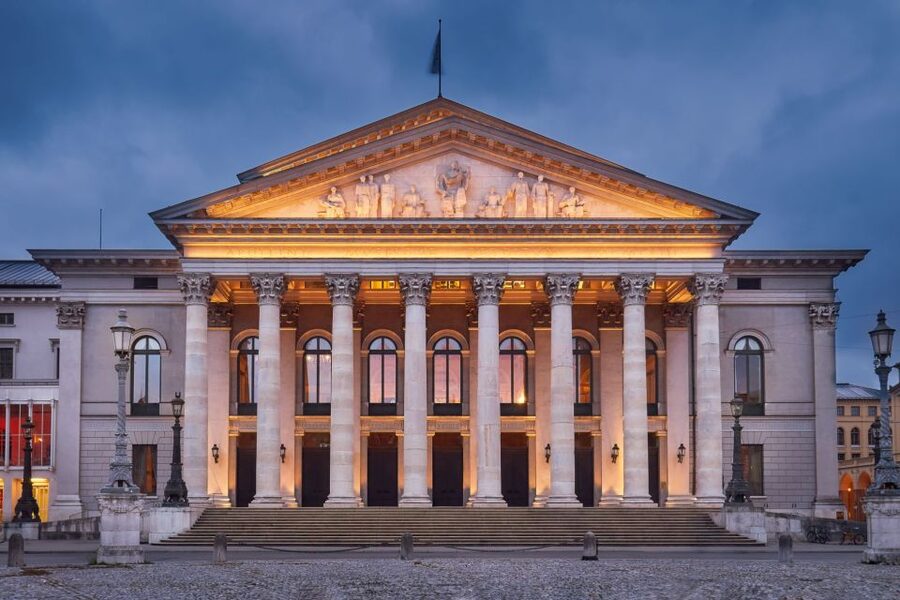
Next up is the National Theater, home to the Bavarian State Opera (Bayerische Staatsoper). This is one of the most significant composer-linked areas in the route, because the guide ties it to major premieres and high-level musical leadership.
You’ll learn that Richard Wagner’s works were premiered here, which instantly upgrades the stop from impressive architecture to an actual creative milestone. The tour also covers that Richard Strauss worked there as a third conductor, which adds a different layer. Instead of only focusing on one composer type, you get a sense of how different musical visions lived in the same institutional space.
This is a good point in the walk to pay attention to the guide’s anecdotes. The information is the kind that makes opera feel less distant, because it shows the people and the jobs behind the performances. You’ll leave understanding that opera culture is not random, it’s a system of venues, conductors, rehearsals, and patrons.
Mozart at the Residenz: Where Court Culture Shaped Composition
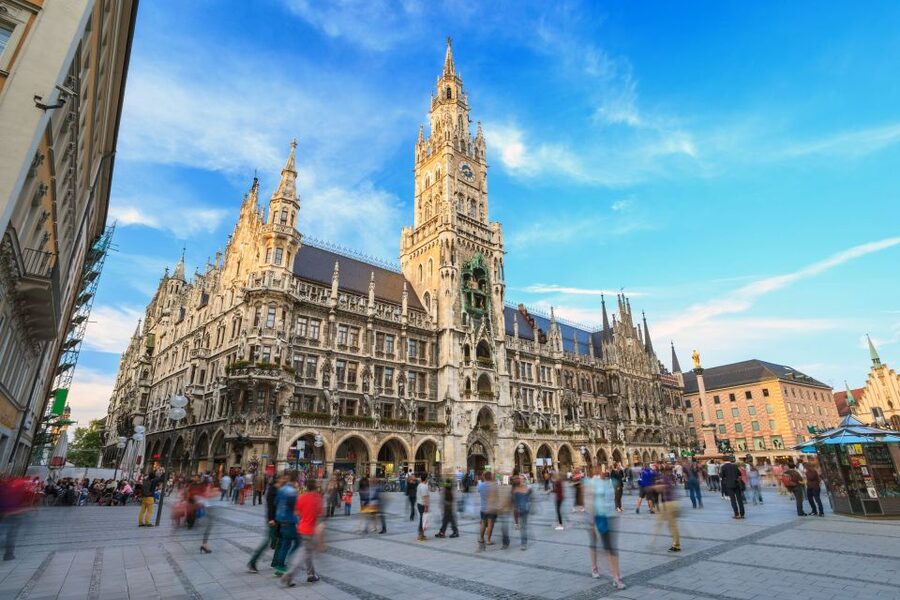
The tour then turns to the Munich Residenz, the major historic palace complex, and it frames it as a music stage for elite culture. One highlight is that Wolfgang Amadeus Mozart played a concert there for Elector Karl Theodor and King of Naples, Ferdinand IV.
That detail is a big deal because it puts Mozart inside a political and social world. You’re not just learning that Mozart was famous, you’re seeing how fame worked at court, how rulers used music to project status, and how a composer’s career could connect to international power centers.
When the guide explains the context, the Residenz stops feeling like a generic “royal building” and starts feeling like a working environment for performances. Even if you mainly care about the music names, you’ll appreciate how the tour ties those names to the places that mattered for patronage.
Cuvilliés Theater and Idomeneo (1781) in the Residenz Complex
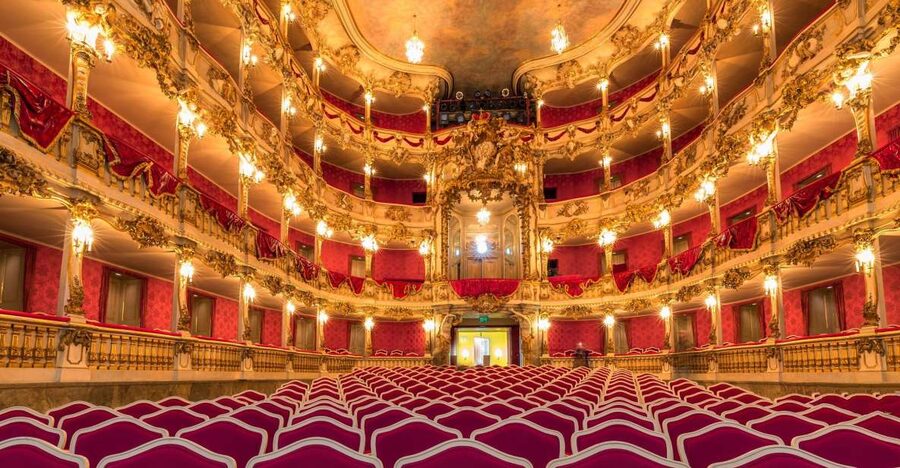
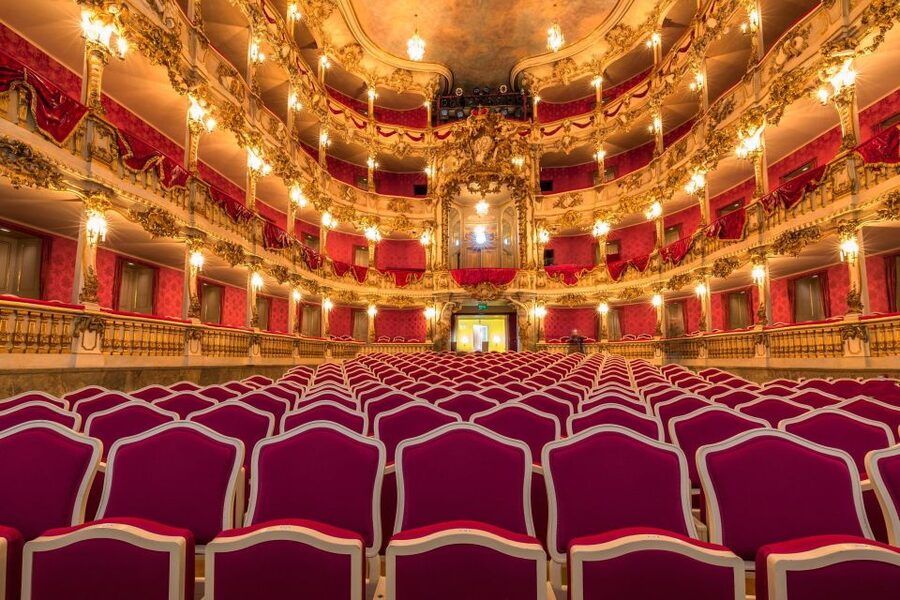
Inside the Residenz complex is the Cuvilliés Theater, another key “composer moment” on this tour. Here, you’ll learn that Mozart premiered his opera Idomeneo in 1781.
This stop is valuable because it’s specific. “Idomeneo premiered here in 1781” is the kind of anchor detail that sticks, especially if you’ve ever wondered what the Residenz era really sounded like. The guide’s job is to connect that premiere to the broader Munich story you’ve been building across the walk.
If you like tours that end with a clear payoff, this is the right kind of ending. You start with early musical foundations at St. Peter’s, move through training and landmark culture at Frauenkirche, hit the big public opera world at the National Theater, then land on a Mozart premiere tied to a real year. That arc makes the time feel structured instead of scattered.
Guide Quality and the Most Praised Part of the Experience
The most praised element of this tour is how the guide tells the stories. The best feedback emphasizes that the guide was very well informed and delightful to listen to, especially for music lovers who want more than a surface-level “sightseeing script.”
You can feel the difference when a guide doesn’t just list facts, but explains what those facts mean. Here, that shows up in how the tour connects composers to venues, institutions, and traditions like court music, bourgeois music culture, and church music. That mix helps you understand Munich’s musical identity as more than one composer or one era.
If you want to get the most out of your time, come with one or two composer interests. For example, if Mozart is your focus, you’ll get extra payoff from the Residenz and Cuvilliés Theater sections. If your brain runs on opera and big works, you’ll likely love the Wagner and Strauss portions tied to the Bavarian State Opera.
Price and Value: Is $215 Per Person Reasonable?
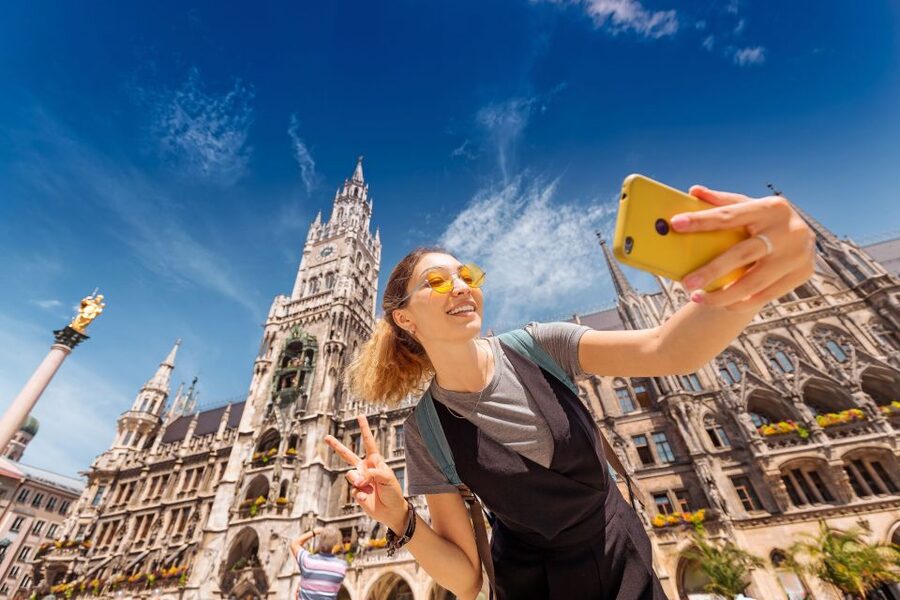
This tour is priced at $215 per person for a private, 2-hour walking experience. Whether that feels like a good deal depends on how you travel.
If you value a private guide who can tailor the route to your interests, the cost can make sense because you’re paying for time, expertise, and the fact that the route stays tight around the major composer-linked sites. You’re also getting a licensed guide and language support in English, French, German, Italian, Spanish, or Polish, so you’re not settling for generic explanations.
If you only want a quick overview and you don’t care about music history details, you might find cheaper group tours elsewhere. But this one is built for people who want to leave with usable context, like how Wagner premiered works here and how Strauss worked in the opera world. For $215, you’re buying the story logic that turns buildings into musical evidence.
Practical Tips So Your Walking Tour Feels Easy
This is a walking tour through Old Town. Comfortable shoes matter, and so does checking what you plan next because the route can run a bit longer than 2 hours.
A small but smart tip: check your email the day before the tour. You’ll receive important information there, and it helps you avoid last-minute surprises. Also, use the meeting point instructions exactly. Meet outside hotel BEYOND by Geisel and don’t enter the hotel.
Finally, if you’re traveling with a specific language preference, pick it up front. The tour guide is fluent in your chosen language, and you’ll get more out of composer names and musical context when you can follow comfortably without translating in your head.
Who Should Book This Mozart and German Composers Tour
This is a great fit if you are:
- A classical music fan who wants composer context tied to real Munich venues
- Short on time and focused on Old Town landmarks
- Traveling as a couple or small group and prefer a private guide experience
- Interested in how court culture and church tradition shaped music making
It’s also a good choice if you like tours that mix storytelling with specific place facts, not just architecture appreciation. If Mozart, Strauss, and Wagner are your “starter pack,” you’ll get plenty of payoff in this route.
Should You Book It? My Straight Answer
Yes, I’d book it if you want Munich through the lens of major German composers and you care about the connections between places and performances. The tour’s value comes from the guide-led storytelling and the way key stops are linked to real composer milestones like Wagner premieres, Strauss’s conductor role, Mozart’s Residenz concert, and Idomeneo’s 1781 premiere.
Skip it only if you want a casual walk with minimal music talk, or if you have a hard, inflexible schedule with no buffer. If your day can flex by a little, this private tour is one of the more satisfying ways to understand why Munich earned a reputation as a music center.
FAQ
Where does the Mozart and German Composers Private Tour in Munich start?
Meet your guide in front of hotel BEYOND by Geisel, Marienplatz 22, 80331 Munich, Germany, opposite St Peter. Do not enter the hotel, it is only a meeting point.
How long is the tour?
The tour duration is 2 hours. Starting times depend on availability.
What locations will you see during the walking tour?
You’ll see Old Town highlights including Marienplatz, Frauenkirche, St. Peter’s Church, the National Theater, the Munich Residenz, and Cuvilliés Theater.
Is this a private tour?
Yes. This is a private group tour.
What languages are available for the guide?
The guide is available in English, French, German, Italian, Spanish, and Polish.
What composer-related highlights are included?
You’ll learn about Mozart, Strauss, Wagner, and other German composers, including links to performances and roles at venues like the Bavarian State Opera and the Residenz, plus Mozart’s Idomeneo premiere in 1781 at Cuvilliés Theater.
Do you get recommendations for other places to visit?
Yes. The tour includes recommendations on the best places to visit.
What should I do the day before the tour?
Check your email the day before the tour to receive important information.
Newest Munich reviews on the site
- Munich – the essential walking tour★ 5.0 · 30 reviews
- Munich Beer and Bavarian Bites Small-Group Tour★ 5.0 · 167 reviews
- Munich to Prague – Private Transfer with 2 hours of Sightseeing★ 5.0 · 6 reviews
- 800 Years of History: A Munich GPS Audio Tour★ 4.5 · 12 reviews
- Munich in the 3rd Reich and WW2 private walking tour★ 5.0 · 148 reviews
- Munich Christmas Market Small Group Tour with Gingerbread Heart★ 4.0 · 9 reviews
- Munich Food Tour with Full Meal & Drinks by Do Eat Better★ 5.0 · 59 reviews
- Munich Scavenger Hunt and Sights Self-Guided Tour★ 4.5 · 8 reviews
Munich Tours, compared.

Neuschwanstein & Linderhof Castle Full-Day Trip
Read our review →
Neuschwanstein & Linderhof Castle-Fairytale Day Tour from Munich
Read our review →
Dachau Concentration Camp Memorial Site Tour from Munich by Train
Read our review →
Munich Hop-On Hop-Off Tour: 1-Day or 2-Day Ticket
Read our review →