
Reviewed · HISTORICAL TOURS
Lübeck: Private Historical and Architectural Walking Tour
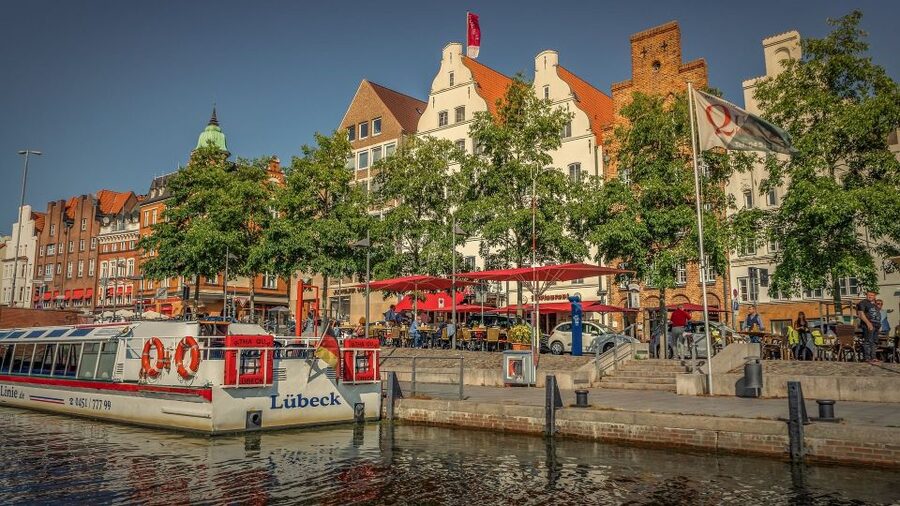
Lübeck’s brick walls have stories. This private, 90-minute walk strings together the city’s medieval gates, church squares, and famous literary sites, with a local guide who brings the places to life. I like that you start at Holsten Gate and finish near major UNESCO highlights. You also get a hands-on food moment with marzipan built into the route.
My favorite part is the way architecture turns into something you can read. You’ll connect the gothic brick look, the merchant wealth, and the trade routes that shaped daily life, not just admire buildings from the outside. The tour’s pacing makes it easy to ask questions as you walk through the Merchants’ Quarter area and nearby viewpoints.
One thing to consider: the route is a walking tour on cobbled streets, so it is not suitable for people with mobility impairments or wheelchair users. Bring comfortable shoes, and plan for tight turns and uneven ground.
In This Review
- Key highlights you’ll actually notice
- Start at Holsten Gate, the brick Gothic doorway
- Cobbled streets and Lübeck’s City of Seven Spires views
- Buddenbrook House and the Mann family trail
- St. Mary’s Church and the devil outside
- Marzipan tasting with a sweet side of Lübeck
- Lübeck Town Hall, a UNESCO-famed finish
- Price and value for a 90-minute private group
- Who this tour fits best
- Quick practical tips to get more from 90 minutes
- Should you book this private Lübeck walk?
- FAQ
- How long is the Lübeck private historical and architectural walking tour?
- What is the price for this tour?
- Where do we meet the guide?
- What is included in the price?
- Are entry tickets included?
- What languages are the tour guide available in?
- Is the tour wheelchair accessible?
Key highlights you’ll actually notice
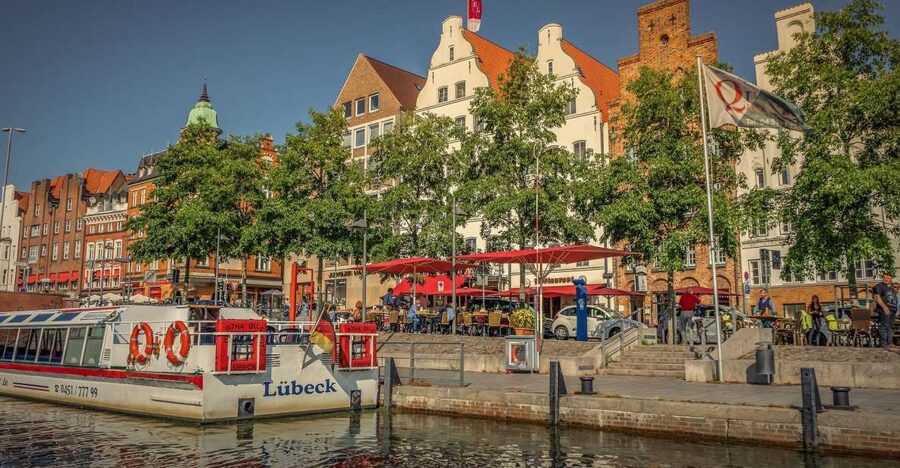
- Holsten Gate’s gothic brick vibe, built in 1464, plus the freedom symbolism tied to the late medieval city
- City of Seven Spires viewpoints, with a skyline check that includes multiple churches and salt-related storage
- Buddenbrook House links to Thomas Mann and Heinrich Mann, so literature meets the street
- St. Mary’s brick gothic scale, including an entertaining devil story outside the church
- Marzipan tasting at a traditional bakery, with the sweet treat’s local significance explained
- A beautiful UNESCO-famed finish at Lübeck Town Hall
Start at Holsten Gate, the brick Gothic doorway
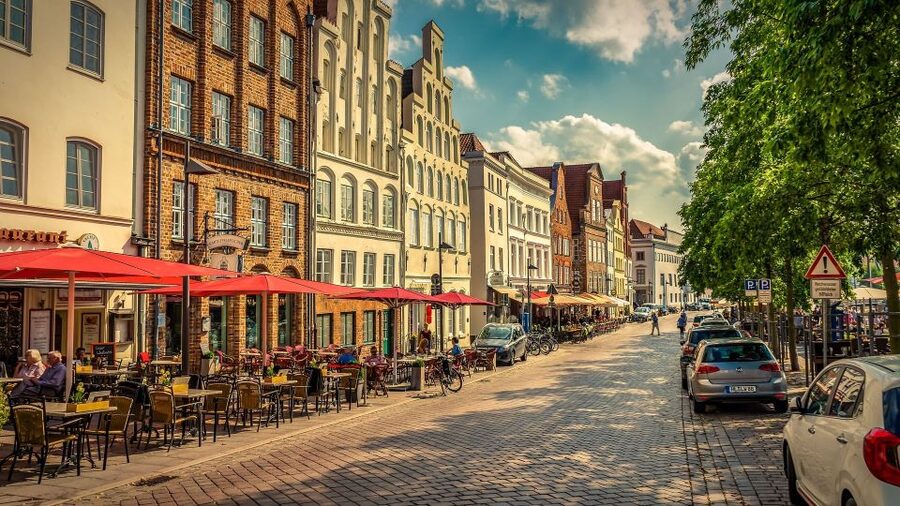
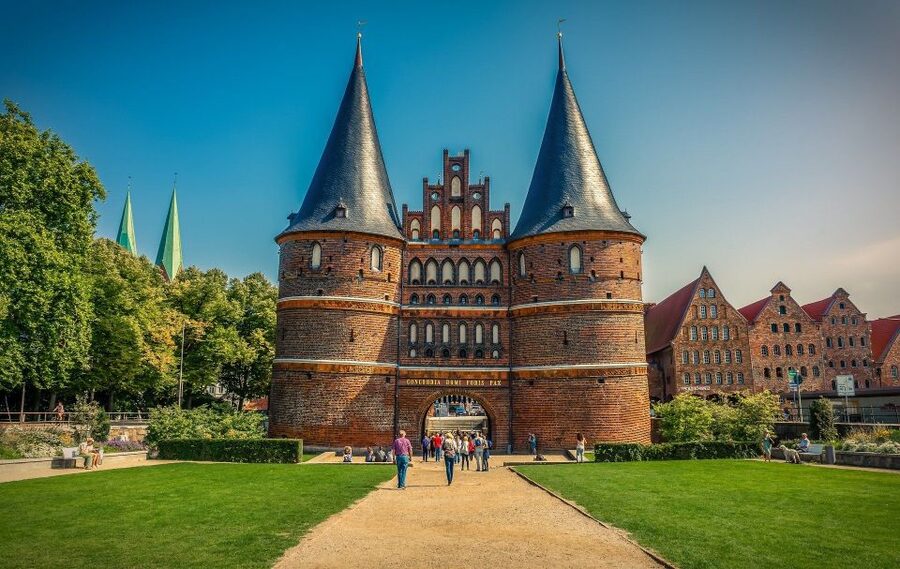
Your tour begins in front of the Holsten Gate, near the Museum Holstentor. This is a smart place to meet, because it is the medieval city gateway you keep hearing about when people describe Lübeck’s “gateway to the north” feel.
Holsten Gate dates to 1464 and is a tall brick gothic structure. It matters for two reasons. First, it is one of the last remaining gothic relics of Lübeck’s medieval fortifications. Second, it is one of only two surviving city gates, which gives you that rare sense of how the city once controlled entry and movement.
As you stand there, your guide sets the scene with what the gate meant. It was built to symbolize freedom, and you’ll hear how that idea fits the bigger story of Lübeck’s power and independence as a trading city. Then the walk starts to make sense. You are not just moving from photo spot to photo spot. You are walking through the city’s logic: defense, trade, wealth, and belief, all packed into a compact area.
Quick tip: arrive a few minutes early so you can orient yourself near the museum entrance area. You will have an easier time spotting your guide and matching faces to names.
A few more Lubeck walks and trips to compare
- Lübeck: Hanseatic League History Walking Tour
★ 4.9 · 57 reviews - Leipzig: City History Canal Sightseeing Tour on a Motorboat
★ 4.7 · 7,671 reviews - Berlin: Natural History Museum Entrance Ticket
★ 4.6 · 3,382 reviews
Cobbled streets and Lübeck’s City of Seven Spires views
Once you leave Holsten Gate, you head inward toward some of the best street-level “read the city” moments. Lübeck is often described as the City of Seven Spires, and you get a look at that skyline idea in real time.
Your guide points out panoramic views of the historic skyline, including five churches. That sounds like a trivia line until you try to see it while standing in place. The spires change the whole visual rhythm of the city, and they help you understand why brick gothic structures became the signature look.
You’ll also notice other landmarks that hint at the economy behind the beauty: salt storehouses and the brick homes built by wealthy merchants. The wealthy merchant buildings you see nearby were raised in the late 1700s, when Lübeck’s prosperity had long roots from earlier trade. The tour explains the merchants’ roles in the city’s economic evolution along Baltic routes, which is where the walk turns from scenery into meaning.
This section works best if you lean into questions. Ask your guide how trade changed the city, not just what ships carried. Even in 90 minutes, you’ll walk away with a clearer picture of how a port city can use architecture like branding.
And yes, there is a practical reality check: Lübeck’s charm comes with uneven paving and cobbles. Comfortable shoes are not optional here. If you’re even slightly worried about your feet, plan for extra sock support and take it slow on turns.
Buddenbrook House and the Mann family trail
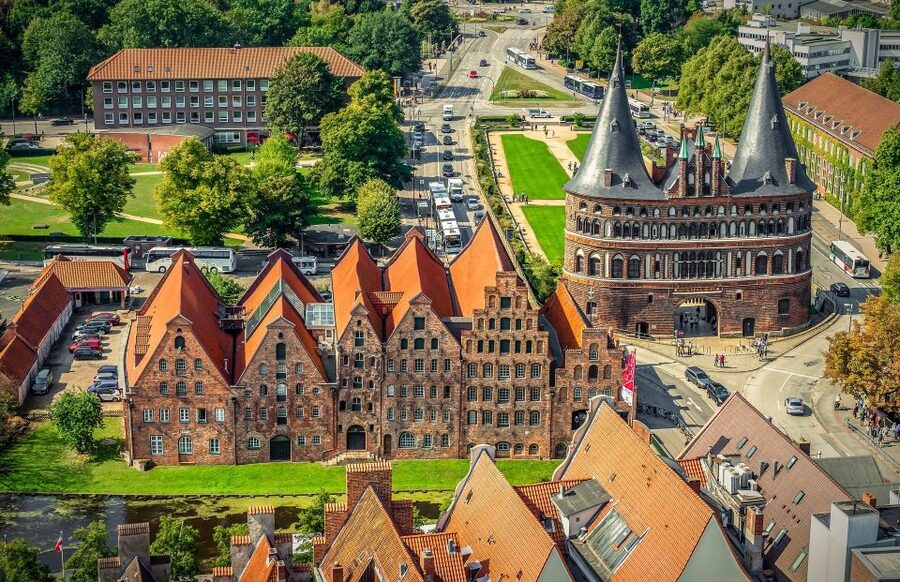
Next up is Buddenbrook House, a stop that adds a different flavor to Lübeck. This is where the city’s streets connect to the literary world of Thomas Mann and Heinrich Mann.
What I like about this stop is that it gives context without getting stuck in schoolbook mode. Instead of treating authors as names on a textbook, you follow the idea of footsteps. You see the kind of setting that made these stories feel grounded in real German life and real social pressure, especially in a merchant city where money and reputation mattered.
Because Lübeck has strong ties to commerce, literature fits naturally here. The Buddenbrook name also pulls you toward themes that shaped German writing: family expectations, the cost of success, and the tension between old traditions and changing economic realities. Your guide ties it back to the city’s merchant identity so it does not feel like a random detour.
Even if you are not a deep literature person, this stop is still useful. It helps you remember that cities are living stages. People made choices there, and those choices left traces that someone later turned into stories.
If you want maximum value, come ready with one question. For example: how does a merchant city shape characters? Your guide will usually have a clean answer, and you’ll hear details you would never catch on your own.
St. Mary’s Church and the devil outside
St. Mary’s Church is next, and it is a key moment. This is the third largest brick gothic church in Germany, which gives you a scale reference that you can feel even from the outside and surrounding areas. Brick gothic is Lübeck’s visual signature, and St. Mary’s is one of the big reasons people remember the style.
The guide also brings in the nearby Merchants’ Quarter connection. That matters because churches were not only religious spaces. In a merchant city, they also sit inside a web of civic pride and public life. When you connect the church to the merchants’ world, the architecture stops being decorative. It becomes functional and social.
Then comes a fun detail that makes the stop memorable: an entertaining story about a little devil who resides outside the church. Stories like this are not just for laughs. They make the building feel human, like someone cared enough to add a playful or unsettling touch for passersby. It also gives your brain an anchor. When you later recall the trip, that devil story sticks, and it pulls the rest of the church context with it.
This stop is a great place to slow down. If the tour pace feels fast, it is also the spot where you can ask for one extra detail: what should you notice on the façade or around the entry area? Your guide can point out small elements you would likely miss.
More walking tours in Lubeck:
- Lübeck: Express Walk with a Local
★ 4.9 · 10 reviews - Lübeck: Old Town Highlights Private Walking Tour
★ 4.8 · 8 reviews - Discover Berlin Half-Day Walking Tour
★ 5.0 · 9,624 reviews - Berlin: Third Reich and Cold War 2 Hour Walking Tour
★ 4.9 · 6,830 reviews
Marzipan tasting with a sweet side of Lübeck
After the churches and historic streets, the tour turns to something you can taste. You’ll visit a traditional marzipan bakery and do a taste-test of different varieties of marzipan, with the sweet treat’s significance explained as part of the story.
I love this kind of stop because it turns a cultural detail into a physical memory. You can look at a city gate all day, but food is what your senses keep. And marzipan is a Lübeck calling card, so learning the mouthwatering history while tasting helps the facts stick.
Because the guide talks about significance, you’ll likely connect marzipan to the city’s identity as a trading and crafting place, where specialty goods became part of how Lübeck defined itself. Even if you think you know marzipan already, tasting different varieties helps you understand why locals treat it as more than a generic candy.
Practical note: if you have food allergies, ask in advance or be ready to check with the bakery. The tour data does not list ingredient details, so don’t assume anything.
If you want the best odds of getting recommendations afterward, keep a small note in your head: which variety you liked best. When you walk on, you’ll know what to look for in shops later, instead of buying blindly.
Lübeck Town Hall, a UNESCO-famed finish
To close the tour, you stop by Lübeck’s Town Hall. It is considered one of the most beautiful town halls in Germany, and it is also a UNESCO World Heritage Site.
This ending works because it ties civic power back to everything you saw earlier. You started at a city gate that represented freedom. You walked through spaces where merchants shaped wealth and influence. Now you finish at the seat of local authority, where that influence becomes stone, brick, and public presence.
A UNESCO site can sometimes feel like a stamp with no emotion. Here, the guide’s job is to connect the building’s beauty to what it represented in the city’s functioning life. You’ll see the town hall as more than a landmark. You’ll see it as a symbol of how Lübeck organized itself and projected authority.
If you have time after the tour, this is a great area to linger, take a final look around, and orient yourself. You’ll already have context, so photos will mean more.
And because the tour is only 90 minutes, it is easy to pair this finish with a relaxed walk afterward. You’ll be in the right mood, not rushed, and ready to keep exploring on your own pace.
Price and value for a 90-minute private group
The price is $265 per group up to 15 people for a duration of about 90 minutes. That pricing model matters.
If you’re a solo traveler, the cost per person can feel steep for a short walk, especially since entry tickets are not included. But with a private group, the value changes quickly. Once you split the group price among multiple people, it becomes a reasonable way to get expert guidance rather than cobbling together multiple self-guided stops.
What makes it good value for the money is the mix. You’re not only doing architecture. You’re doing gate history, merchant economy, literary connections, church scale, and a marzipan tasting. That combination is hard to replicate with a self-guided plan in a single compact route.
Also, it is a private group, so you can set the pace. If something grabs your attention, your guide can usually slow down or add context without derailing the whole schedule.
One more reality check: there are no entry tickets included, so if you want to go inside particular buildings, plan for that separately. This tour is built around walking, looking, and learning from key exterior points and storytelling moments.
Who this tour fits best
This is a great choice if you want a guided introduction to Lübeck that stays focused. I’d especially recommend it for people who like architecture but also want the human layer. The route connects brick gothic style with trade power, and then adds literature and food so you don’t leave with only stones in your head.
It is also a good fit for:
- Small groups who want a shared experience with a guide who can answer questions
- First-time visitors who want orientation fast in a compact historic core
- Food-minded travelers who like learning why a local specialty matters
It’s not a good fit if you need wheelchair access or if mobility limitations make cobblestones and walking difficult.
Quick practical tips to get more from 90 minutes
- Wear comfortable shoes with good grip. Cobblestones and uneven ground can surprise you.
- Dress for cool-to-changeable weather. Northern Germany can feel breezy near historic open spaces.
- Meet your guide at Holsten Gate near Museum Holstentor, and give yourself a few minutes to settle in.
- Go in ready to ask one question about what you’re seeing: trade, churches, or the writers behind Buddenbrook.
- If you’re hoping for indoor time at specific stops, remember entry tickets are not included, so you may need extra arrangements.
These steps help you get the kind of payoff where the city feels clearer by the end, not just prettier.
Should you book this private Lübeck walk?
If you want a tight, high-impact introduction to Lübeck, I think you should book it. The balance is strong: a major medieval gate, church-and-merchant context, Buddenbrook House literary connections, and a marzipan tasting that makes the place stick in your senses.
I would especially choose this tour if you’re traveling with a small group and you want real guiding, not just a route on your phone. The private format, the storytelling details like the little devil outside St. Mary’s, and the guide’s ability to connect brick and trade make the experience feel personal and efficient in just 90 minutes.
If you have mobility challenges, skip it for a more accessible option. Otherwise, this is one of the cleanest ways to understand Lübeck without rushing through it blindly.
FAQ
How long is the Lübeck private historical and architectural walking tour?
It lasts 90 minutes.
What is the price for this tour?
The price is $265 per group, up to 15 people.
Where do we meet the guide?
Meet in front of the Holsten Gate near Museum Holstentor.
What is included in the price?
A private guide and the tour are included.
Are entry tickets included?
No, entry tickets are not included.
What languages are the tour guide available in?
The live guide speaks German and English.
Is the tour wheelchair accessible?
No. It is not suitable for wheelchair users or people with mobility impairments.
Newest Lubeck reviews on the site
- Lübeck’s old town by canoe: explore and circumnavigate on your own★ 4.8 · 24 reviews
- Lübeck zwischen Grusel und Geschichte Truecrime zu Halloween★ 4.7 · 50 reviews
- Lübeck: Old Town Highlights Private Walking Tour★ 4.8 · 8 reviews
- Lübeck: The Culinary City Tour – Lübeck Lukullisch★ 4.7 · 26 reviews
- Lübeck Day Pass – Day ticket for Lübeck museums★ 4.0 · 15 reviews
- Lübeck: Architecture and Local Craft Private Guided Tour★ 4.0 · 6 reviews
- Lübeck: Hanseatic League History Walking Tour★ 4.9 · 57 reviews
- Lübeck: Express Walk with a Local★ 4.9 · 10 reviews
Historical Tours, compared.
City History Canal Sightseeing Tour on a Motorboat
Read our review →
Browse the lists this tour appears in