
Reviewed · MUSEUMS
Hamburg: International Maritime Museum Entrance Ticket
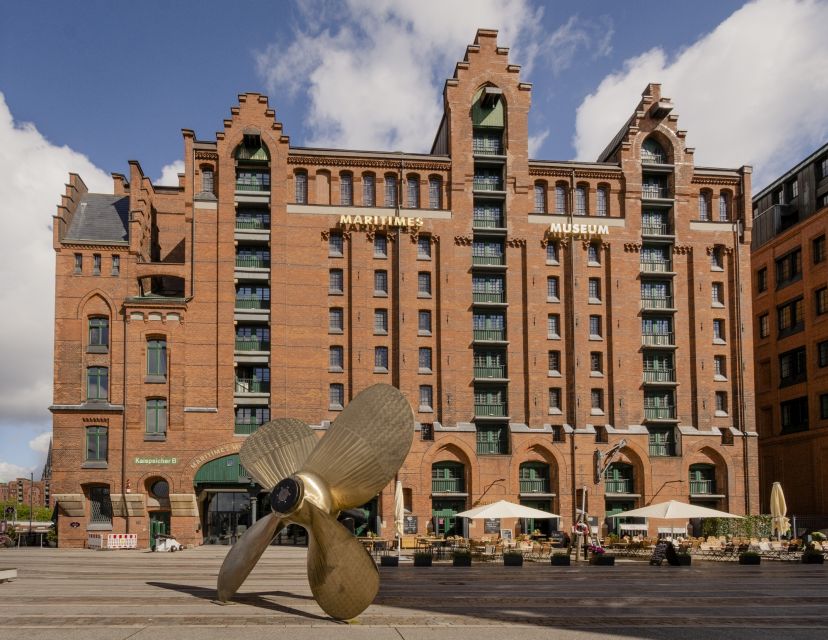
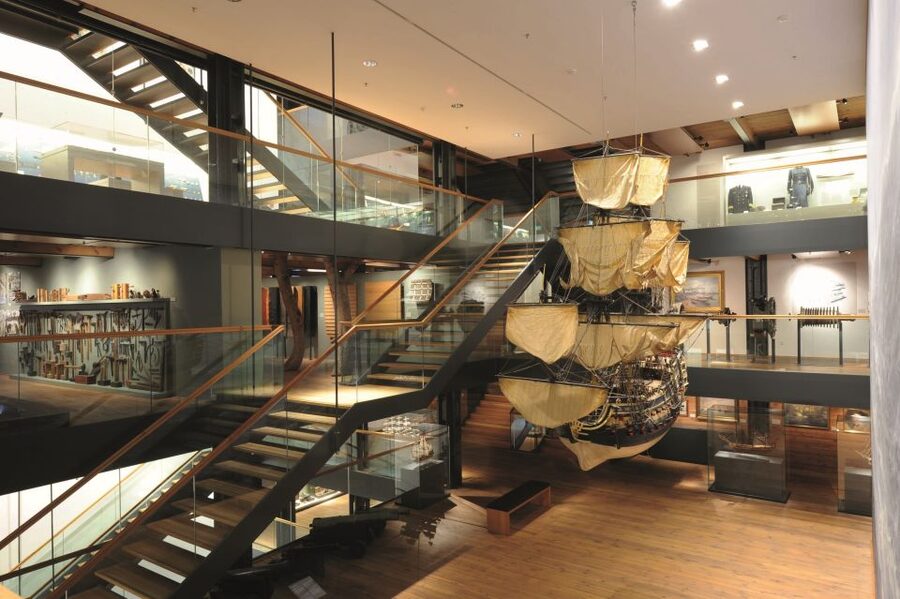
Ships, ice, and robots, all under one roof. Hamburg’s International Maritime Museum turns nine decks into a clear path through centuries of sea life, housed in the oldest surviving warehouse in the city, with 40,000 exhibition pieces you can actually wander through instead of just glance at.
The model of the Queen Mary II made from 1 million LEGO bricks is the kind of exhibit that makes kids grin and adults stare. The main catch is size and reading load, it can feel like a lot, and some signage is German only in places, so you may want to pace yourself.
If you want a self-paced day that mixes ship tech, global navies, and hands-on feeling, this is an easy yes.
In This Review
- Key highlights at a glance
- Entering the International Maritime Museum: why the building matters
- Nine decks you can manage: how to see a lot without burning out
- LEGO Queen Mary II and the “wow factor” you’ll remember
- Pirates, navigation, and the human side of seafaring
- Ship types and trade: windjammers, cogs, and dragon boats
- Medals, uniforms, and navies worldwide: why the details are worth time
- The marine biology research floor: ice, instruments, and sound
- Timing your visit: how long you really need in a nine-deck museum
- Food and rest: coffee kiosk and a nearby restaurant plan
- Audio guide: when it’s worth the extra cost
- Price and value: what $16 really buys you
- Language reality: English support plus some German-only labels
- Who this museum fits best
- Should you book this Hamburg maritime museum ticket?
- FAQ
- Where is the International Maritime Museum entrance?
- What is included with the ticket?
- Is an audio guide included?
- Are there audio guides in English?
- How long is the ticket valid?
- Can I skip the ticket line?
- What is the cancellation policy?
- Is the museum wheelchair accessible?
Key highlights at a glance
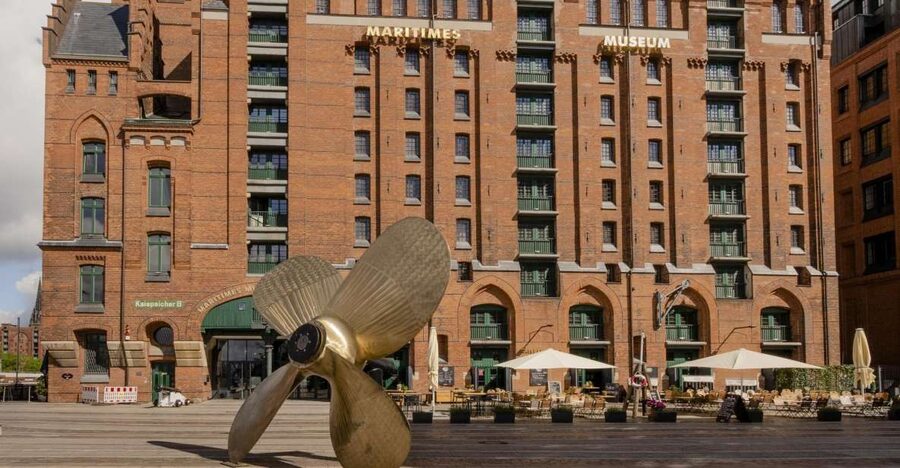
- Oldest surviving Hamburg warehouse setting that adds atmosphere without needing a guided tour to make it feel real
- Queen Mary II built from 1 million LEGO bricks for a fun, instantly eye-catching centerpiece
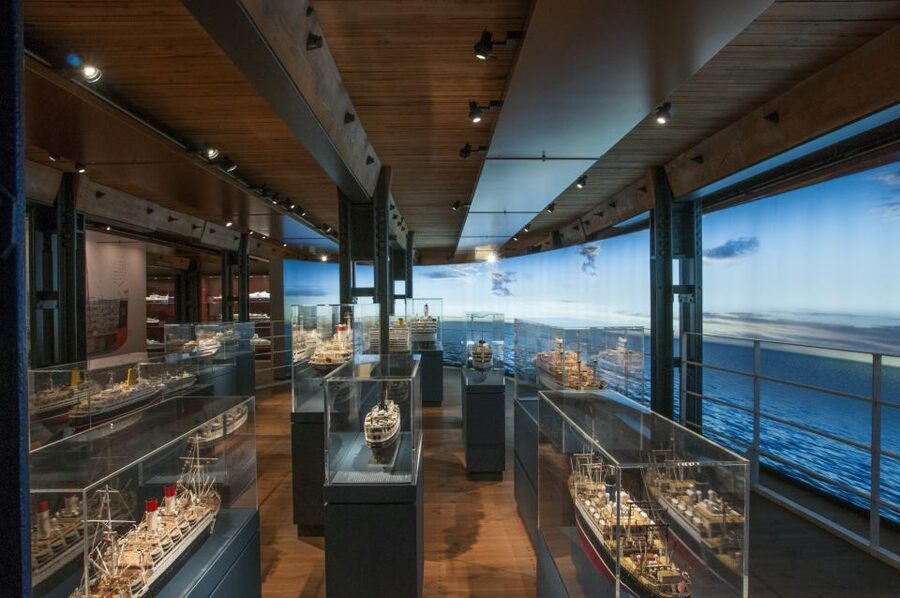
- 40,000+ objects across nine decks so you can go broad or focus on what you care about
- Medals and uniforms from navies worldwide if you like the human side of maritime history
- Marine biology research floor with instruments, sea-bed samples, and underwater audio
Entering the International Maritime Museum: why the building matters
The International Maritime Museum sits right where Hamburg history made sense, in an old warehouse that still feels like a working space. Instead of a sterile gallery, the setting gives you that “I’m inside maritime storage” feeling, which makes the exhibits easier to take in.
The ticket gets you into a museum designed to move you vertically across nine decks. That layout matters because you are not hunting room numbers for hours. You are following a museum flow that’s meant for browsing and comparing.
Even if you’re not a ship expert, you’ll pick up the big ideas quickly, exploration, trade routes, navigation skills, and how different cultures used the sea.
More Museum Tours in Hamburg
- Hamburg: Entrance to the Museum Ship Cap San Diego
★ 4.7 · 467 reviews - Hamburg: Museum of Illusions Ticket
★ 4.3 · 366 reviews - Hamburg: Ticket for the Paradox Museum
★ 4.3 · 321 reviews
Nine decks you can manage: how to see a lot without burning out
With more than 40,000 pieces, this museum can go from fun to overwhelming fast. The trick is not trying to see everything. You’ll have the best day if you pick a few “anchor themes” and then let the rest fill in.
Here’s a practical way to pace it:
- Spend your first pass on the easiest-to-scan sections, models, uniforms, and the big story areas like navigation and maritime exploration.
- Plan one longer stop for the most specific area you care about, like the marine biology research floor later on.
- Keep your last hour for details you skipped, especially ship tech, instruments, and anything that caught your eye but you rushed.
You’ll also notice the museum is built for lingering. One review notes a coffee kiosk partway up that helps you reset mid-visit. I’d treat that as a built-in strategy, not an afterthought.
LEGO Queen Mary II and the “wow factor” you’ll remember
The headline moment for many people is the Queen Mary II model made with 1 million LEGO bricks. It’s big, detailed, and instantly readable even if you don’t know the ship. That matters, because a lot of maritime museums can lean heavily on text.
The best part of this kind of display is how it pulls you into the surrounding exhibits. Once you’ve seen how model builders think, you naturally start noticing the finer points on other ship models and maritime engineering displays.
You can also use the LEGO exhibit as a time marker. If you plan to arrive, go straight to it, and then work outward, you end up with a visit that feels complete even if you run short on time.
Pirates, navigation, and the human side of seafaring
Hamburg’s maritime story is not just about ships. It’s about decisions people made, routes they tried, and tools they used to stay on course.
In the museum, you’ll find sections that focus on:
- Pirates and the drama of sea power
- How captains mastered navigation
- The evolution of exploration through different kinds of vessels
This is one of the museum’s strengths, it connects the romance to practical skills. Navigation isn’t treated as magic. It’s presented as something people learned, tested, and improved.
If you like stories, this part gives you characters. If you like technology, it gives you the “how did they do it” angle.
A few more Hamburg walks and trips to compare
- Hamburg: RICKMER RICKMERS Museum Entry Ticket
★ 4.6 · 269 reviews - Hamburg: 3-Day Art Exhibition & Gallery Ticket
★ 4.6 · 34 reviews - Hamburg: FC ST. PAULI-MUSEUM Entrance Ticket
★ 4.5 · 19 reviews - Berlin: Jewish Museum Berlin Entrance Ticket
★ 4.5 · 8,393 reviews
Ship types and trade: windjammers, cogs, and dragon boats
The museum doesn’t stay stuck in one era or one region. You’ll see references to many vessel types, including windjammers, cogs, and dragon boats. That variety is useful because the sea was never one single world.
It also helps you compare what sea routes needed. Some ships were built to move goods fast. Others were shaped for different waters, different cargo, and different labor systems.
And if you’re curious about modern trade, there’s also a section that explains containerisation and its effects. That bridges the gap between old-world exploration and how global shipping works today.
Medals, uniforms, and navies worldwide: why the details are worth time
One reason maritime museums can feel dry is that they focus only on steel and wood. Here, the museum gives you the human uniform side too.
Look for medals and uniforms from navies around the world. Even when the display text is brief, you’ll learn a lot from what’s visible:
- rank and role
- how different navies presented themselves
- what mattered enough to mark formally
This is a strong section if you like portrait-style history. It turns “navy” from an abstract idea into real people with real identities and insignia.
The marine biology research floor: ice, instruments, and sound
This is the standout area for anyone who likes science as much as ships. The museum features a floor dedicated to marine biology research, built with scientific institutions and designed to stay current.
What you’ll encounter is not just models. You’ll see research tools and real materials, including:
- instruments used for research
- samples from the sea bed
- films taken by underwater robots
- an actual wall of ice
- underwater audio samples that help you “hear” the sea
The wall of ice is a great moment to slow down. It makes the science feel physical, not just theoretical.
And the audio is what surprised me most in this kind of exhibit. Sound is hard to fake convincingly. It turns the display into an experience you can feel, even if you’re standing still.
Timing your visit: how long you really need in a nine-deck museum
A one-day ticket is the right size for this museum, but the museum itself can stretch your time.
If you’re a fast reader and you mostly want the headline exhibits, you can probably do a solid visit in a few hours. If you like to pause at labels, compare models, and linger in the research area, plan several hours and expect to leave wanting one more hour.
One practical tip: use the museum’s vertical design to your advantage. When you finish a section, don’t “backtrack emotionally.” Just keep moving upward or downward until you hit another area that truly pulls you in.
Food and rest: coffee kiosk and a nearby restaurant plan
For a museum this big, rest is not optional. You’ll want a break so you can stay interested instead of just tired.
There’s a coffee kiosk partway up where you can take a breather and process what you just saw. That’s especially helpful if you’re visiting with kids, because you can break the day into manageable chunks.
Also, there’s a restaurant next door that works well if you want to extend the outing without forcing a long walk. If you’re hungry, make the restaurant your “second anchor” after the marine biology floor.
Audio guide: when it’s worth the extra cost
The ticket does not include an audio guide. An audio guide is available to purchase for €3.50 at the reception desk, in English and German.
Should you get it? If you read slowly or you like extra context for technical exhibits, it can help you connect the dots fast. If you prefer wandering and only stopping where you care, you can probably skip it and rely on the exhibit labels.
Either way, the audio guide option is there, so you can match the museum to your style.
Price and value: what $16 really buys you
At about $16 per person, this is a strong value for a museum that gives you:
- entrance to the full exhibition
- skip the ticket line
- nine levels of maritime material
- a collection that’s designed to be the world’s largest private maritime collection
In other words, you’re not paying for one or two big attractions. You’re paying to walk through a museum that has enough depth to keep you busy for a long stretch.
If you’re traveling as a family, check whether a family ticket is offered. That’s the simplest way to keep the day affordable.
Language reality: English support plus some German-only labels
Many exhibits will feel easy to follow because there’s a lot of English support, but not everything is guaranteed in both languages. Some displays are only in German, so if you are relying on English for every label, that’s something to plan for.
My practical advice: don’t treat every text panel as a must-read. Pick themes and let the visuals do some of the work. Maritime museums are full of models, uniforms, and technical shapes that communicate even when the label language changes.
Who this museum fits best
This ticket is especially good if you:
- want a self-paced day that still feels organized
- like ship models, maritime technology, and navigation topics
- enjoy science exhibits, especially marine research themes
- are visiting with kids who respond well to visual wow moments like the LEGO ship
It’s also a good option if you like global connections. The uniforms, navies, and vessel variety help you understand how different cultures interacted with the sea.
If you only want one narrow topic, like purely biology or purely modern shipping, you might find the museum broad. In that case, you’ll do best by choosing your anchors early and skipping anything that does not match your interests.
Should you book this Hamburg maritime museum ticket?
Yes, if you want a single-ticket plan for a full maritime education day without the hassle of a guided itinerary. The value is in the sheer amount you can see, plus the museum’s balance of story, objects, and science.
I’d book it if you’re curious about the mix of global navies and research tools, and if you like the idea of a museum with enough wow moments to keep everyone interested, including the LEGO Queen Mary II and the marine biology research floor.
If you know you hate big museums or you only want English-only reading, consider your tolerance for size and language gaps. In that case, plan fewer stops and target the sections you care about most.
FAQ
Where is the International Maritime Museum entrance?
The museum entrance is at Koreastraße 1, 204457 Hamburg. You go directly to the entrance.
What is included with the ticket?
Your ticket includes admission to the International Maritime Museum.
Is an audio guide included?
No. The audio guide is not included. You can buy one for €3.50 at the reception desk.
Are there audio guides in English?
Yes. Audio guides are available in English and German for €3.50 at the reception desk.
How long is the ticket valid?
The ticket is valid for 1 day. You should check availability to see starting times.
Can I skip the ticket line?
Yes. This experience includes skip the ticket line.
What is the cancellation policy?
You can cancel up to 24 hours in advance for a full refund.
Is the museum wheelchair accessible?
Yes. The museum is wheelchair accessible.
Newest Hamburg reviews on the site
- Hamburg: Interactive Crime Theater Tour in German★ 4.7 · 319 reviews
- Harbor Tour with Live moderation in German★ 3.8 · 4 reviews
- Hamburg: Westfield, Speicherstadt & Elbphilharmonie Tour★ 4.5 · 86 reviews
- Hamburg: Walking Tour for School Groups★ 4.8 · 10 reviews
- Hamburg: Twilight cruise★ 3.7 · 15 reviews
- Hamburg: St. Pauli District and Beer Tour★ 4.7 · 84 reviews
- Hamburg: Tour of Blankenese on the Banks of the Elbe★ 4.5 · 14 reviews
- Hamburg Traditional Food Tour: Full Meal and Drinks★ 5.0 · 3 reviews
Museums, compared.



Skip-the-Line: Berlin Wall Museum at Checkpoint Charlie
Read our review →Browse the lists this tour appears in