Reviewed · BERLIN TOURS
Berlín y el Nacionalsocialismo. Group Tour in Spanish
Berlin feels different when you know the streets’ names.
This 4-hour walking tour links the rise of the Nazis to the exact corners you see in central Berlin. You’ll trace the road from the Treaty of Versailles and the Weimar Republic to Hitler’s power, then walk through the political machinery that helped make it stick. I love that it stays focused on real locations tied to the regime’s story, and that the guide adds context around propaganda and planning for a future Germania.
One thing to consider is timing and pacing. It is a half-day on foot, so you’ll want comfortable shoes, and the group pauses may feel a bit long to some people.
In This Review
- Key highlights at a glance
- Why this Berlin walking tour works (and who it suits)
- Meeting point at Alexanderplatz: get oriented fast
- What you learn before you even reach the key Nazi sites
- Memorial pause: Sinti and Roma victims of National Socialism
- The Berlin-Rome-Tokyo axis: history in front of embassies
- Wilhelmstrasse walk: from ministries to the machinery of control
- Germania and future planning: why plans mattered to the regime
- Ending at the former Führer Chancellery spot
- Spanish guiding style: clear story, pace you can follow
- Price and value: $29 for a focused half-day
- How to prep: what to bring and how to avoid hassle
- Best ways to pair this tour with your Berlin plans
- Should you book Berlín y el Nacionalsocialismo?
Key highlights at a glance
- Start at Alexanderplatz, easy to find, next to the Fernsehturm area
- Spanish-speaking guide for a clear, chronological story
- Embassy-front history tied to the Berlin Rome Tokyo axis
- Wilhelmstrasse walk up to the Luftwaffe Ministerium area
- Memorial for Sinti and Roma victims, included in the route
- End at the former Führer Chancellery spot, with Hitler’s final days explained
Why this Berlin walking tour works (and who it suits)
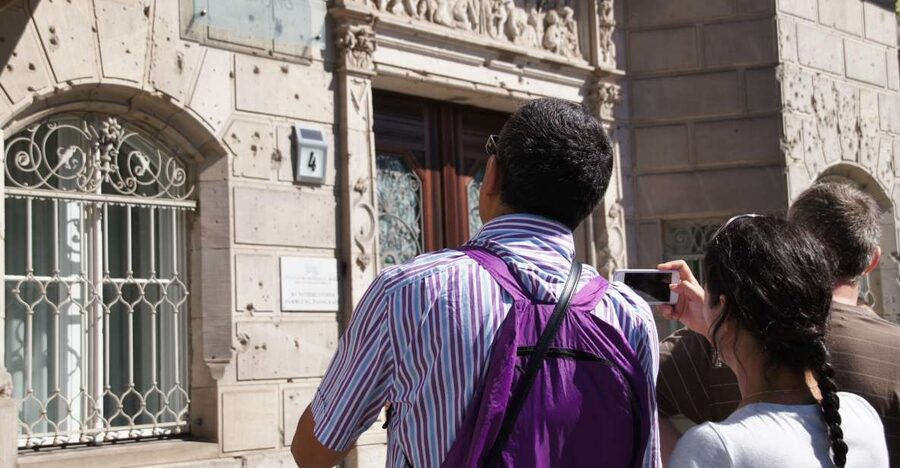
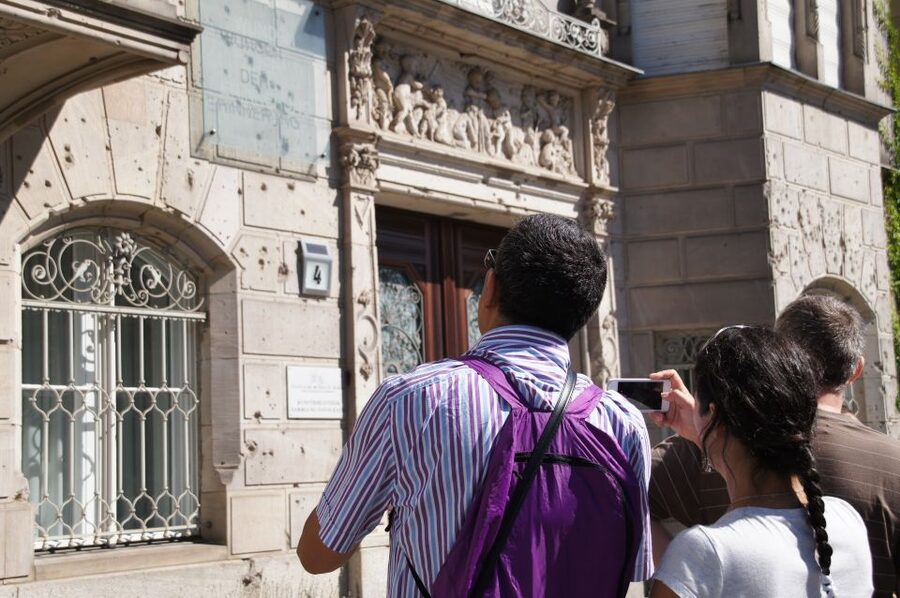
If you like history that has street-level details, this tour is a good fit. Berlin has layers, and the Third Reich years are not just a chapter in a book. They sit in government buildings, ceremonial streets, and memorial spaces. This half-day format is built for that reality: you get a sequence of events, then you get the streets to match them.
The tour is also practical in the way it’s taught. You’re not just handed dates. You’re walked through how the Nazis used politics, messaging, and state power to reshape daily life and the future they imagined. You’ll also cover the lead-up to Hitler’s rise, including the Treaty of Versailles and the Weimar Republic, which helps the later stops make sense instead of feeling like random landmarks.
Who should book? I’d say you’ll enjoy it most if:
- you want a structured walk that covers the key Third Reich topics in one go
- you prefer Spanish interpretation so you can follow the story smoothly
- you’re curious about propaganda and state institutions, not only war events
It may not be your ideal choice if you’re expecting a light, casual city stroll. This is history on purpose, and the subject matter is heavy, even when the pace is manageable.
A few more Berlin walks and trips to compare
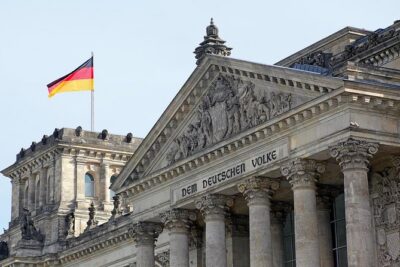
- Berlin: Reichstag, Dome and Government District Guided Tour
★ 4.7 · 18,288 reviews - Berlin: 1-Hour City Tour by Boat with Guaranteed Seating
★ 4.3 · 16,993 reviews - Berlin: TV Tower Standard Entrance Ticket
★ 4.4 · 15,883 reviews
Meeting point at Alexanderplatz: get oriented fast
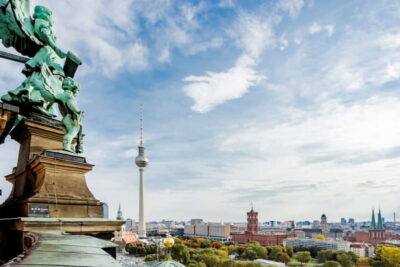
You’ll meet near the Fernsehturm (Berlin TV Tower) at Alexanderplatz. Look for a green flag with the text tours en español, right next to the only entry to the tower. The meeting area is between the Fernsehturm and Alexanderplatz train station, and it’s beside the Espresso House.
This location is a smart start. Alexanderplatz is one of the most connected areas in Berlin, and it’s easy to navigate even if you’re still figuring out the city. If you arrive early, take a minute to get your bearings at street level. When the group gathers by the flag, you can transition from sightseeing mode to walking tour mode without stress.
What you learn before you even reach the key Nazi sites
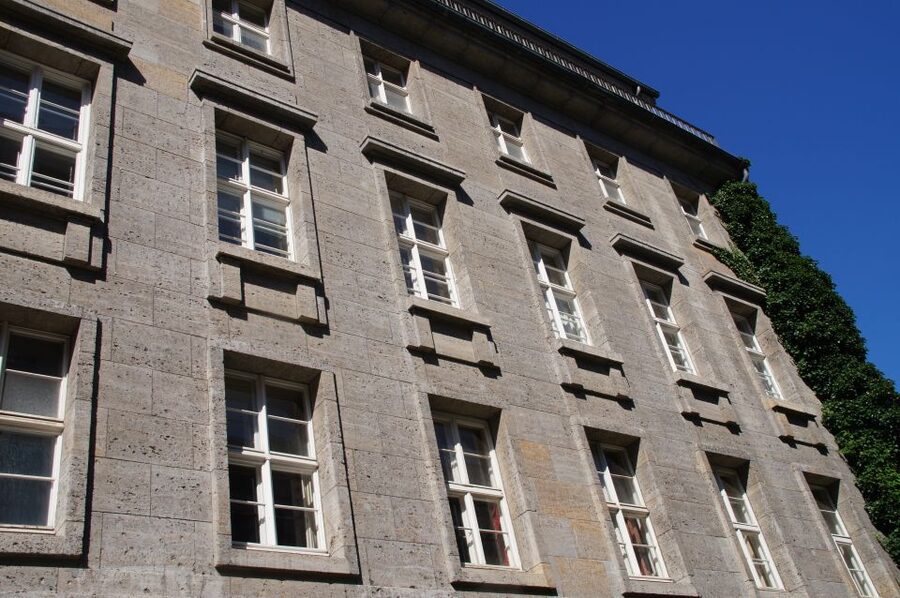
A big part of the value here is the lead-in. The tour begins with the Treaty of Versailles and the context of the Weimar Republic. That matters because it frames how instability and resentment fed the kind of politics the Nazis promoted.
Then the guide connects the dots into Hitler’s rise to power. You’ll also hear about leading figures and how the regime’s internal messaging worked, including the role of Goebbels and propaganda programs. Even if you already know the general outline, you’ll likely appreciate the order: you start with the conditions, then move to the people, then to the institutions and locations that carried out the plan.
You can think of this as history with cause and effect. By the time you walk toward Wilhelmstrasse and the ministry-related areas, you’re not just seeing buildings. You understand why the regime cared so much about control of narrative and government functions.
Memorial pause: Sinti and Roma victims of National Socialism
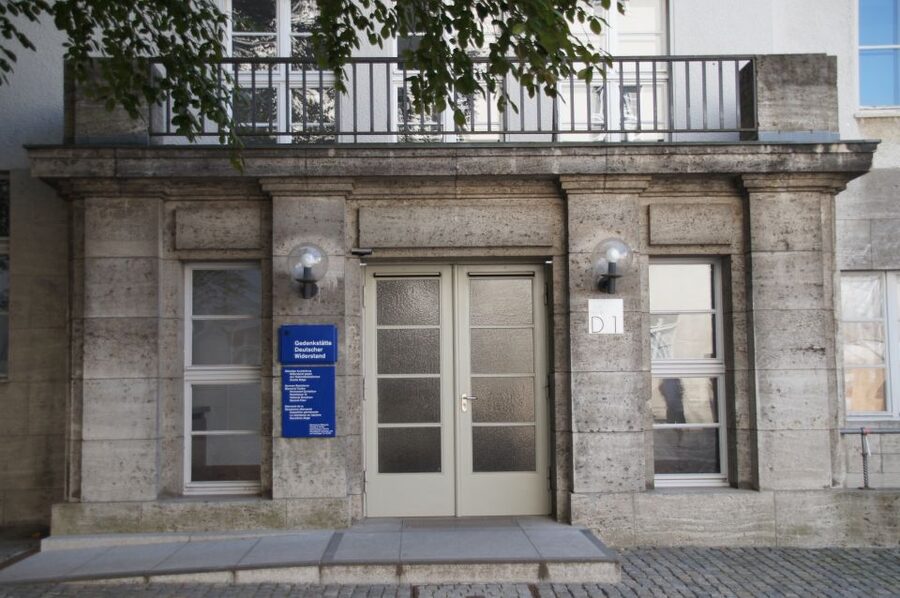
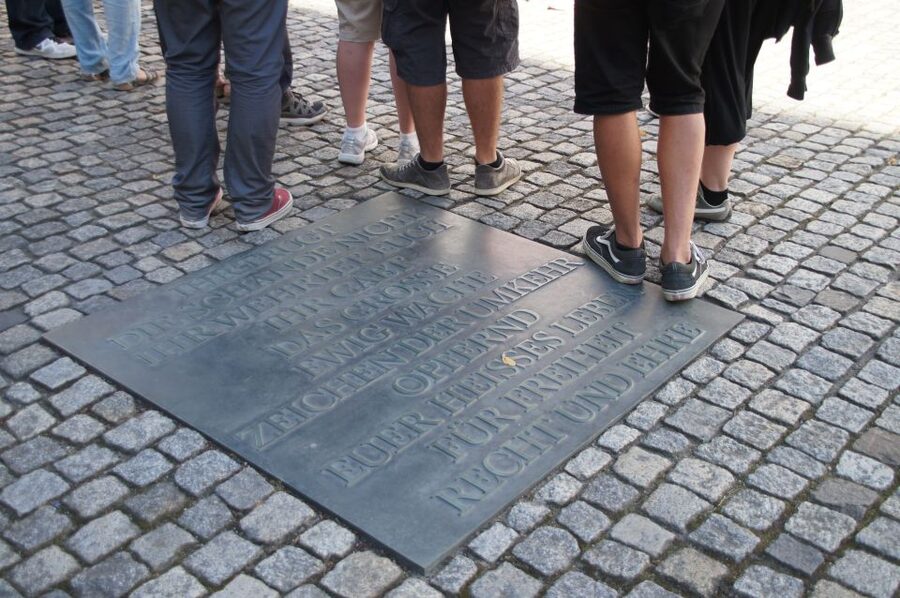
One of the most important stops on the route is the Memorial to the Sinti and Roma Victims of National Socialism. This is not a quick photo stop. You’ll pass through this memorial area as part of learning about Nazi plans for the future and the way persecution was built into the system.
I appreciate that the tour includes this memorial in the middle of the route rather than treating it as an optional detour. It helps keep the story grounded in human impact. It also gives you a moment to slow down and reset your focus before the tour shifts back to ministries, propaganda, and planning.
If you’re sensitive to difficult topics, plan for that. This kind of memorial space deserves a respectful pace, and the guide context is the right way to approach it.
Same city, a different way to spend the afternoon:
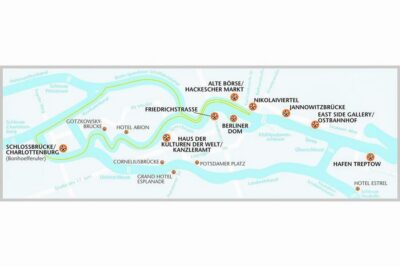
- Berlin: Boat Tour Along the River Spree
★ 4.4 · 11,252 reviews - Discover Berlin Half-Day Walking Tour
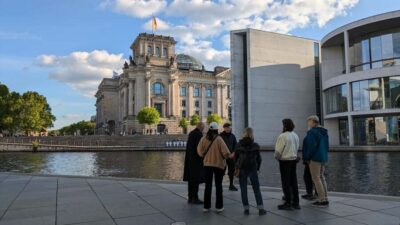
★ 5.0 · 9,624 reviews - Berlin: Government District around the Reichstag Guided Tour
★ 4.7 · 8,447 reviews - Berlin: Reichstag, Plenary Chamber, Cupola & Government Tour
★ 4.6 · 8,422 reviews
The Berlin-Rome-Tokyo axis: history in front of embassies
Then the tour moves to the international signaling side of the Nazi story. You’ll learn about the Berlin Rome Tokyo axis while walking in front of the Italian and Japanese embassies.
This section is useful because it shows how Nazi Germany positioned itself beyond its borders. The axis idea was not just ideology. It was diplomacy, alignment, and political messaging aimed at creating a sense of power and inevitability. Seeing it tied to embassy-front locations helps you understand how foreign relations were part of the regime’s public posture.
Practical tip: stand where your guide tells you to stand. Embassy-front stops can be tight, and the guide may choose a viewpoint that keeps the explanation clear while you respect barriers and foot traffic.
Wilhelmstrasse walk: from ministries to the machinery of control
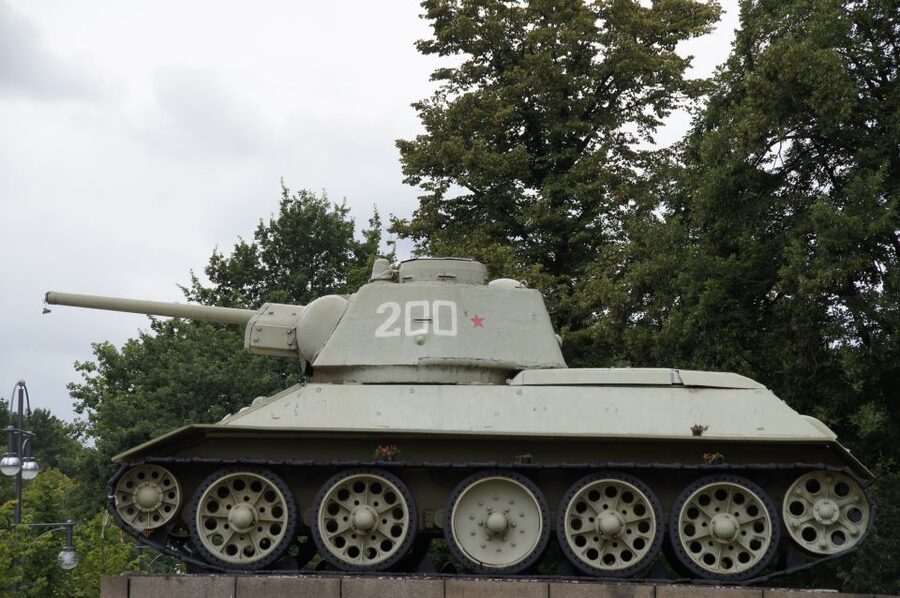
After the embassy-front context, you’ll stroll up Wilhelmstrasse toward government-related sites, including the Luftwaffe Ministerium area and the Nazi Propaganda Ministry.
This is the section I’d highlight for readers who want “how the system worked” more than “who won what.” Wilhelmstrasse is a street where power looks like it belongs to administration, not chaos. That contrast is part of the lesson. You see how propaganda and defense structures could coexist under one political umbrella.
What makes this stretch valuable is the way the guide links institutions to the themes you heard earlier, especially messaging and state planning. It becomes a physical timeline. The route turns abstract concepts like propaganda and planning into something you can point at in the city.
One consideration: this is part of the walk, not museum time. If you want longer indoor explanations, you might still enjoy this tour, but you may want to pair it later with a museum stop focused on documents or objects.
Germania and future planning: why plans mattered to the regime
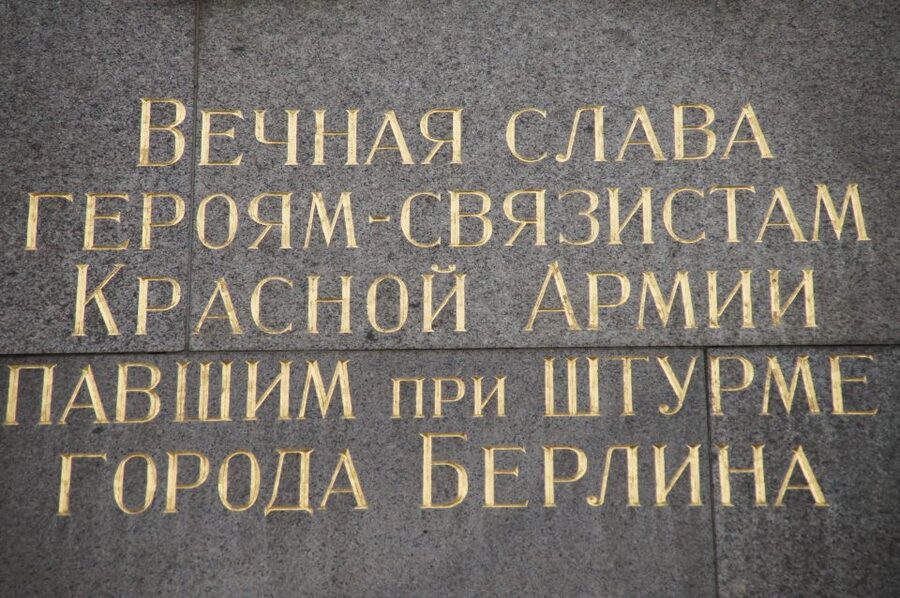
The tour also includes discussion of the Nazis’ plans for a future Germania, described as a capital of the world. That topic can sound like a distant fantasy, but it ties directly into how regimes manufacture belief.
When you hear how the Nazis imagined Berlin’s future, it helps you understand why they cared about architecture, symbolism, and bureaucratic direction. It wasn’t only about winning power. It was about shaping what people would think history should look like.
Walking through the city while learning this angle can be unsettling, because you realize how much of politics is about controlling the story people live inside.
Ending at the former Führer Chancellery spot
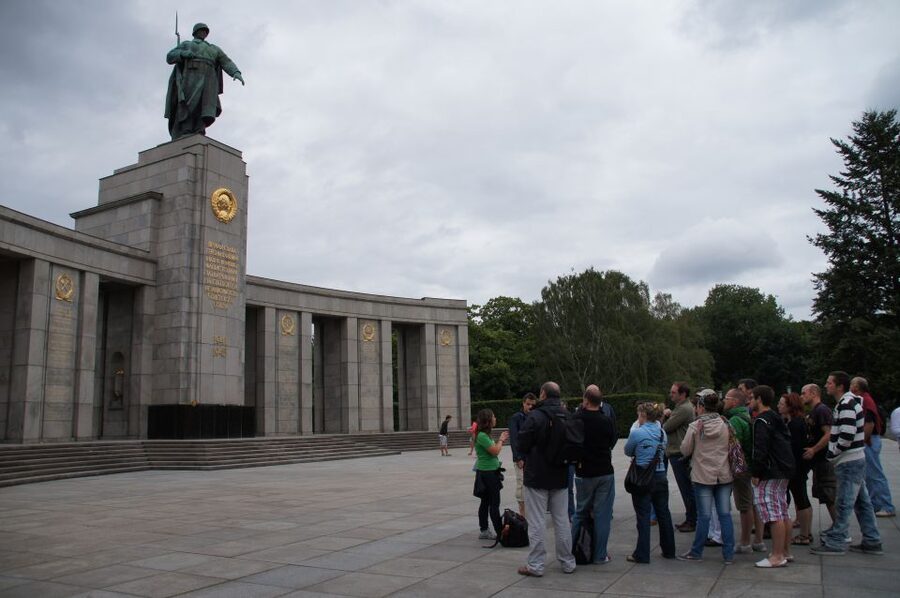
The tour finishes at the exact spot where the Führer Chancellery once stood. From there, your guide talks about Hitler’s final days in his bunker.
This ending matters. It gives the whole walk a clear emotional frame. You start with the political background and messaging, you walk through institutions and diplomatic alignment, and you end at the center where decision-making narrowed to the last stretch.
Even if you know the general outline of the final days, the setting changes how you experience it. It’s one of those moments where the city stops being a map and becomes a witness.
Spanish guiding style: clear story, pace you can follow
This tour is specifically offered in Spanish, with a live guide. That language focus is a big deal. Berlin history can be dense, and having the explanation delivered in Spanish means you can keep your attention on meaning, not translation.
From the guide feedback you’ll likely find on your booking experience, guides such as Sam and Martín are praised for attention and information quality. Celia is mentioned as especially patient and well-prepared. That’s a good sign, because patience matters on walking tours. People need time to ask basic questions and to hear the story clearly while moving.
There is also a useful note of caution: one review suggests there were pauses that felt unnecessary. That doesn’t mean the tour is slow, just that pacing preferences vary. If you like constant momentum, you may want to mentally plan for occasional group regrouping.
Price and value: $29 for a focused half-day
At $29 per person for a 4-hour walking tour, the main value is the guided structure. Berlin has so many monuments that a self-guided walk can turn into a “see everything, understand little” day.
This price point makes sense because you’re paying for:
- Spanish interpretation
- a guided route that connects major themes to specific locations
- a concentrated timeline, from Versailles and Weimar into the Nazi era and end-stage events
Two practical cost notes matter. First, you’ll need Transport Card AB for the public transit part, and it’s not included in the price. Second, you should bring a public transport ticket. If you already have a Berlin transit pass or you’re using local transit frequently, this won’t hurt your budget. If not, factor it in.
Also note: the tour is wheelchair accessible, which is a real plus for visitors planning mobility in advance. The route is a walking tour, so accessibility still depends on your comfort level with streets and group logistics, but it is listed as accessible.
How to prep: what to bring and how to avoid hassle
Here’s what you should bring:
- a public transport ticket
- your Transport Card AB (necessary and not included)
- comfortable walking shoes
That’s it for the essential items listed. Since this is a 4-hour outdoor tour, dress for Berlin weather and wear layers. Even in mild weather, walking can warm you up, then cool you down quickly near open spaces.
If you’re traveling with kids or you prefer shorter stops, you might find this tour is more serious and structured than casual sightseeing. It fits better with adults or older teens who want explanation and context.
Best ways to pair this tour with your Berlin plans
This tour covers a key arc: Versailles and Weimar context, Hitler’s rise, propaganda, Germania planning, embassy axis, ministry areas, and the final chancellery spot. If you want to round it out, you can pair it with:
- a museum visit focused on Nazi-era documents or forced persecution history
- a separate stop that focuses on the postwar rebuilding story, so your trip ends with context rather than only rupture
If your schedule is tight, this half-day tour is a strong anchor. It gives you a spine for the rest of your Berlin days.
Should you book Berlín y el Nacionalsocialismo?
Book it if you want a structured, Spanish-guided walking route that connects the Third Reich story to the city itself. The strongest reasons are the concrete locations and the thematic teaching, from propaganda and institutions to the embassy-front axis and the ending at the Führer Chancellery spot. The inclusion of the memorial for Sinti and Roma victims also makes the tour feel ethically grounded, not just historical.
Skip it or reconsider if you dislike heavy subject matter or you’re hoping for an easy, purely sightseeing pace. Also, plan your transit, since Transport Card AB is required and not included.
If you’re looking for a focused half-day that turns Berlin streets into an understandable narrative, this is one of the more practical ways to do it in Spanish.
Newest Berlin reviews on the site
- Day trip through multicultural city landscapes & photo highlights★ 5.0 · 5 reviews
- Berlin in one day – day tour with an expert guide★ 5.0 · 14 reviews
- Berlin on Your Own – Deluxe Round Trip from Warnemünde Port★ 4.5 · 5 reviews
- Berlin sightseeing boat tour on the Spree★ 4.0 · 93 reviews
- Berlin by Night Private Tour – All Must-See Sites Magically Lit Up at Night★ 4.0 · 5 reviews
- Berlin & Sachsenhausen Concentration Camp Tour from Warnemünde and Rostock Port★ 4.5 · 60 reviews
- Berlin & The Third Reich Private Guided Tour★ 5.0 · 3 reviews
- Berlin and Car Culture Tour★ 4.5 · 8 reviews
Berlin Tours, compared.
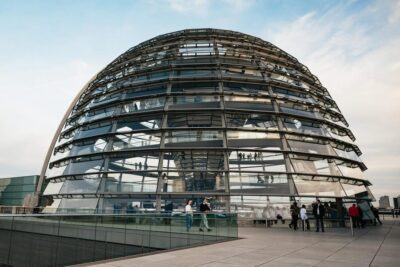
Reichstag, Dome and Government District Guided Tour
Read our review →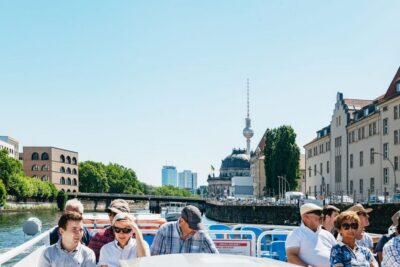
1-Hour City Tour by Boat with Guaranteed Seating
Read our review →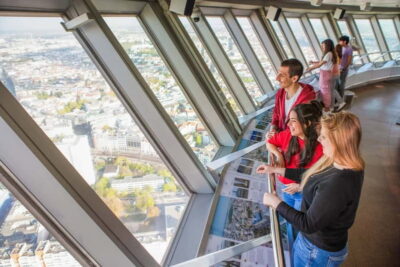
Government District around the Reichstag Guided Tour
Read our review →
Reichstag, Plenary Chamber, Cupola & Government Tour
Read our review →