
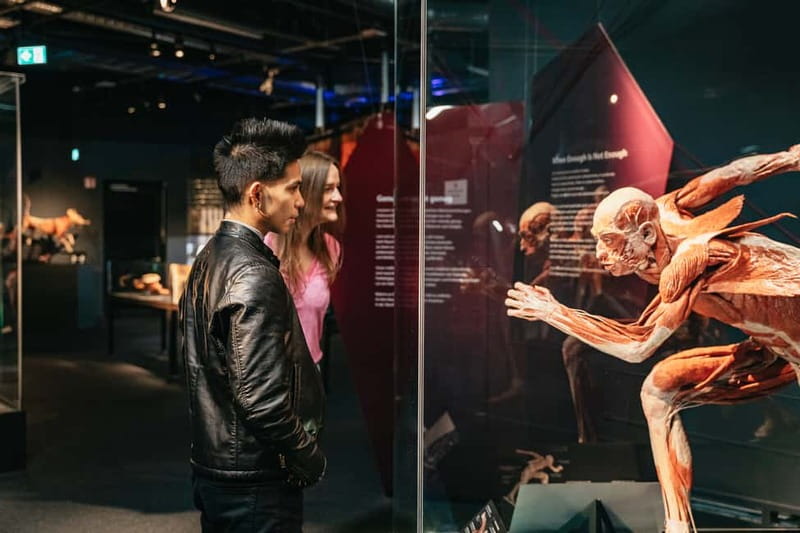
Reviewed · MUSEUMS
Berlin: Tickets for the BODY WORLDS Museum in Berlin
Human bodies, on full display.
This BODY WORLDS museum experience in Berlin is one of the most thought-provoking science walks you can do, built around real preparations by Dr. Gunther von Hagens and striking plastinates that make the insides of the body feel real, not textbook. I like how the exhibits connect body systems to everyday understanding, from organs to diseases.
What I also really like is the way the museum breaks complex anatomy into clear, readable pieces. You move through the muscles, skeleton, digestive system, embryo development, cardiovascular system, respiratory organs, and nervous system in a way that feels structured, not chaotic.
One consideration: it is not a low-stress visit. Some audio elements can be hard to find or may be out of order, and it is also not geared for very young children.
In This Review
- Key highlights to know before you go
- Finding BODY WORLDS at Panoramastraße 1a
- Ticket price and value for a one-day body science visit
- What the museum is like: real plastinates, no filter
- Your route through anatomy: skeleton, organs, and disease made understandable
- Skeleton and the muscular system
- Digestive system and how it transforms
- Embryo development in the womb
- Cardiovascular system and the flow of life
- Respiratory organs and the exchange idea
- Nervous system and the body-mind link
- The big questions zone: happiness, stress, and long-term health
- Timing your visit: opening hours, last admission, and how long you need
- Audio, labels, and practical tips that actually help
- Who should go, and who might want to rethink it
- Should you book BODY WORLDS Museum tickets in Berlin?
- FAQ
- How long is the BODY WORLDS Museum ticket valid?
- What is the price per person?
- What are the opening hours and last admission?
- Where is the meeting point?
- Is the audio guide included in the ticket?
- Are cloakroom and lockers included?
- What languages are available?
- Is the museum wheelchair accessible?
Key highlights to know before you go
- Whole-body plastinates that show how organ functions and common diseases fit together
- A clear walk through major systems: skeleton, muscles, digestion, heart, lungs, and nerves
- Embryo development and other development themes, presented visually and directly
- Big ideas beyond anatomy, including stress, happiness, and healthy longevity
- Text is designed in small chunks, so you do not feel buried in information
- A practical heads up, audio elements may be spotty on some days
Finding BODY WORLDS at Panoramastraße 1a
BODY WORLDS is easy enough to reach once you set your target on Panoramastraße 1a, 10178 Berlin. If you are doing other central Berlin stops, plan to arrive with a bit of buffer, because once you step in, you will want time to settle into the layout.
This is a walk-through museum, not a show that needs you to sit and wait for a start time. The ticket is valid for one day, and you can check starting times before you go. If you prefer daylight energy and better navigation, aim to arrive earlier within opening hours.
One practical note: the museum includes wheelchair accessibility. If you are traveling with mobility needs, I suggest arriving at a time when the crowds are calmer so you can move through exhibits at your own pace.
A few more Germany walks and trips to compare
- Berlin: Jewish Museum Berlin Entrance Ticket
★ 4.5 · 8,393 reviews - Berlin: DDR Museum Tickets
★ 4.3 · 3,443 reviews - Berlin: Natural History Museum Entrance Ticket
★ 4.6 · 3,382 reviews
Ticket price and value for a one-day body science visit
The ticket price is $24 per person, and that cost buys you entrance to the BODY WORLDS exhibition. No audio guide is included in the ticket price you were given, and you should expect to rely heavily on the exhibit labels and any provided audio elements you choose to use separately.
So is it good value? For me, it comes down to two things. First, the museum is not just about pretty images, it is built around real human preparations made visible through plastination. Second, you get a full day science experience with multiple body systems plus the museum’s extra sections on how the body relates to stress, happiness, and long life.
At this price, it is also a good “rain day” option. You can keep moving indoors, and you can pace yourself without worrying about transport schedules once you are inside.
What the museum is like: real plastinates, no filter
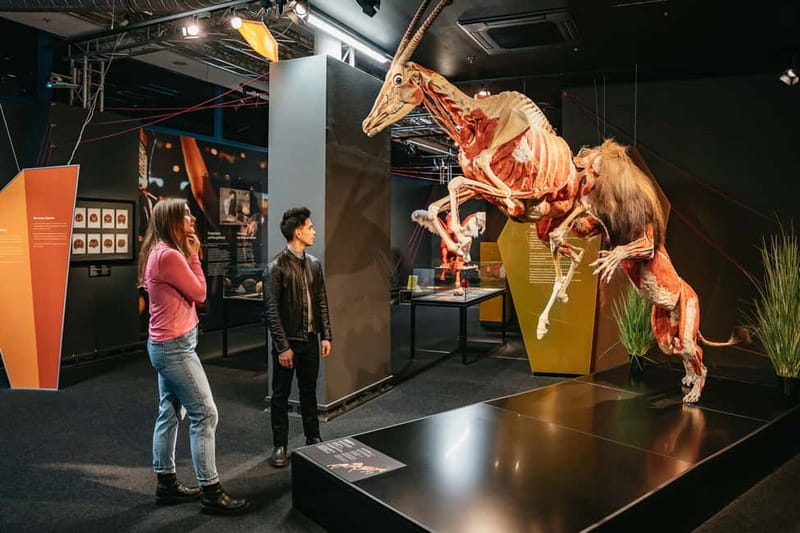
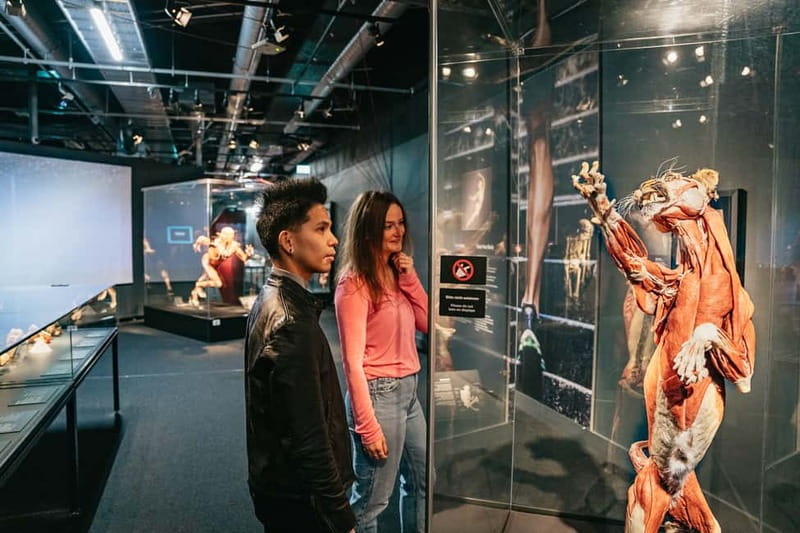
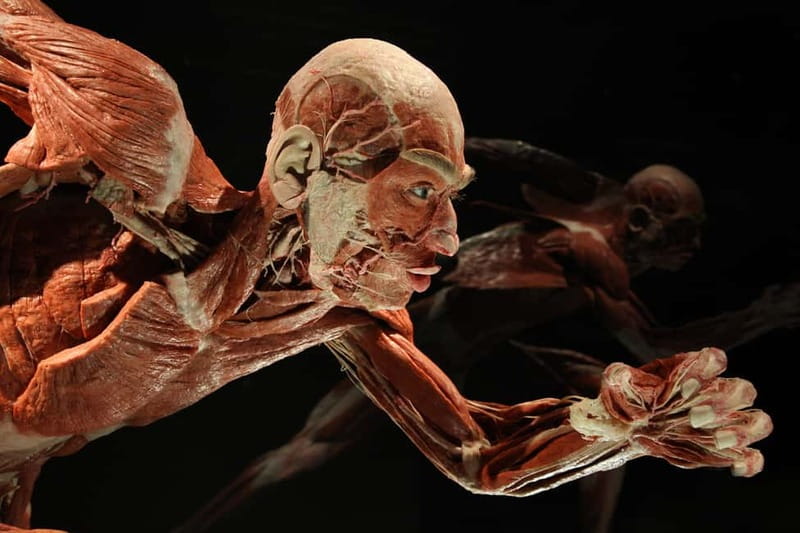
BODY WORLDS has a straightforward promise, you learn what connects human beings by seeing your own body from the inside out. The most memorable part is the plastinated displays, including whole-body preparations and sections that focus on specific organ functions.
Visually, it is bold and very human. If you like science, you will appreciate how direct the presentation feels. If you are squeamish, you may want to take breaks, because this is not a toned-down experience. This is also why I think it works best when you give yourself time to process what you are seeing instead of trying to rush through.
The museum also balances anatomy with meaning. Beyond muscles and organs, you move into ideas about existence, including what influences happiness and how the body copes with stress. That mix is part of the appeal, because you leave thinking about your body as something you live in every day, not something you only study for a test.
Your route through anatomy: skeleton, organs, and disease made understandable
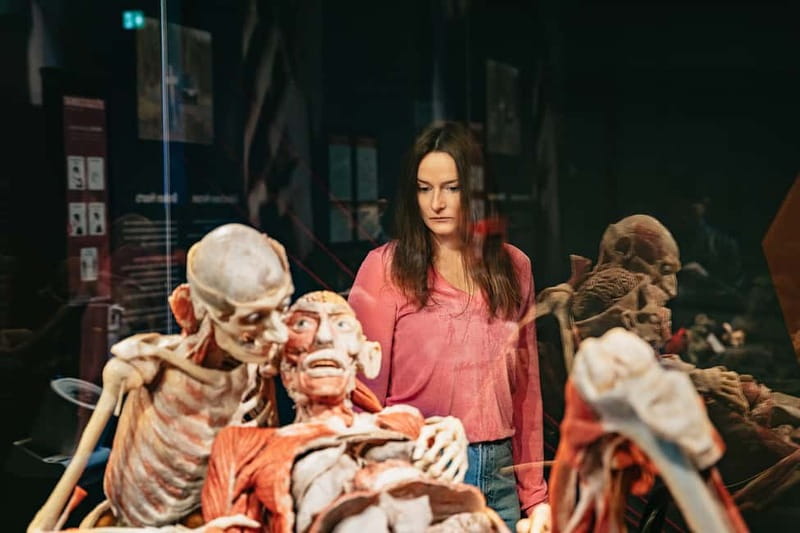
You can think of the museum as a sequence of connected “rooms” or zones that guide your attention from structure to function. Each system helps you build a mental map of how the body works.
Here is what you should expect as you walk through:
Same city, a different way to spend the afternoon:
- Berlin: Reichstag, Dome and Government District Guided Tour
★ 4.7 · 18,288 reviews - Hamburg: Sex and Crime in St. Pauli Tour for Ages 18 +
★ 4.7 · 17,793 reviews - Berlin: 1-Hour City Tour by Boat with Guaranteed Seating
★ 4.3 · 16,993 reviews - Berlin: TV Tower Standard Entrance Ticket
★ 4.4 · 15,883 reviews
Skeleton and the muscular system
The early sections help you anchor the body in structure. You get a clear look at the skeleton, then how muscles interact with that structure. This matters because muscles are not just “in the body,” they are what allow movement and protection. Seeing them in context helps your brain understand why injuries and disorders can show up in very specific ways.
Digestive system and how it transforms
Next, the digestive system section focuses on how the body processes what you eat. It is a useful reminder that digestion is a chain, not a single organ moment. The visual approach makes it easier to connect the dots between organs and what can go wrong when things do not work smoothly.
Embryo development in the womb
Then you get the embryo development area. This part is emotionally different from the rest because it shifts from maintenance to origins. It also gives the anatomy story a timeline, helping you see how complex structures begin.
Cardiovascular system and the flow of life
The cardiovascular system is where the museum’s science starts to feel practical. It is about transport and timing, and the visual presentation makes you think about the body as a moving system, not a set of separate parts.
Respiratory organs and the exchange idea
The respiratory section helps you understand breathing as an exchange process. It’s a good stop when you want the museum to move beyond “where things are” into what those parts actually do for daily survival.
Nervous system and the body-mind link
Finally, the nervous system section ties into the museum’s bigger themes. When you see how nerve structures are organized, you can connect that to reactions, stress responses, and the way your body gets signals and adapts.
If you take your time, these areas reinforce each other. You start noticing patterns, like how systems overlap and how issues in one part can affect the whole.
The big questions zone: happiness, stress, and long-term health
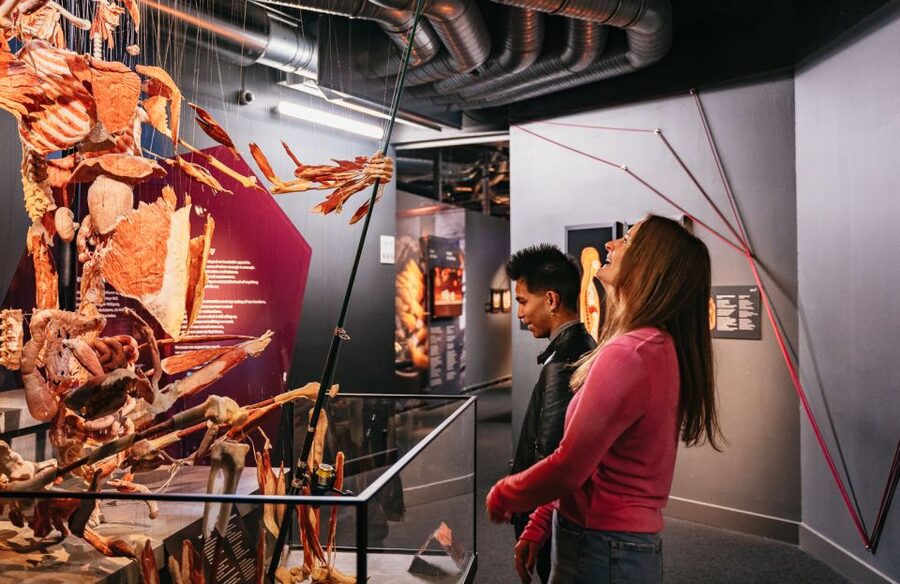
One of the reasons people keep coming back to BODY WORLDS is that it does not stop at anatomy. After the body systems, you hit sections that ask: what determines existence, and how does the body handle real life?
You will find content that covers:
- what influences a person’s happiness
- how the body copes with stress
- the balance between excess and moderation
- what the body needs to live a long, healthy life
This is not a substitute for therapy or medical advice. It is a way to connect biology to daily behavior. Even if you mostly come for the plastinates, these parts tend to stick because they make the science feel personal.
If you like museums that leave you with questions, this is where the experience shifts from purely visual to reflective. It also pairs well with the anatomical exhibits, because you already understand the “hardware” by then, so the later themes feel less abstract.
Timing your visit: opening hours, last admission, and how long you need
The museum is open Monday to Sunday from 10:00 AM to 7:00 PM, with last admission at 6:00 PM. It is closed on December 24.
Most people do not need a full day in the strict sense. Plan on about 2 hours if you want a solid viewing pace without rushing. If you read carefully, pause for the visual moments, or want extra time in your favorite zones, allow a bit longer.
Start earlier rather than later if you can. You get more calm navigation and more time to revisit the exhibits that hit you hardest. And because the last admission is 6:00 PM, you do not want to gamble if you are stacking multiple activities that day.
Audio, labels, and practical tips that actually help
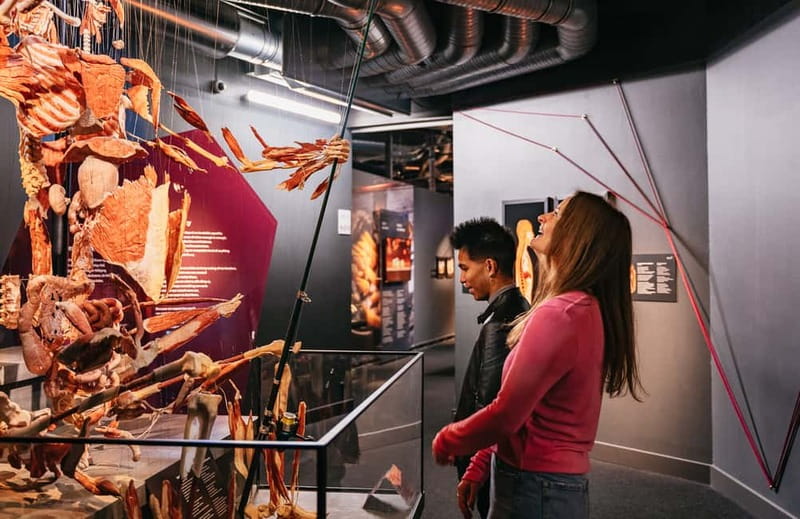
There is no audio guide included with the ticket you have, so plan to rely on the exhibits’ text and any audio elements you choose to use separately. In practice, you will probably spend as much time reading as you do looking, because the museum’s labels are designed in smaller, manageable chunks.
That said, there are some realistic “heads up” items:
- Some audio exhibits may be out of order or tricky to locate.
- If you are counting on audio as your main learning tool, keep a backup mindset and switch to reading and visual cues if something does not work.
I also recommend building your own focus. For example, you can choose one theme to linger on, like the cardiovascular system, then let the rest of the path flow. That keeps the visit from feeling like sensory overload.
Finally, remember this is real human preparation. If you want your body science visit to feel thoughtful rather than stressful, pace it. Short breaks, a bottle of water, and slower reading make a big difference.
Who should go, and who might want to rethink it
This museum is best for adults and older teens who are curious about how the body functions and why diseases happen. It is also ideal if you like hands-on learning that is visual and direct.
If you are bringing kids, think carefully. It is generally not suitable for very young children, and younger visitors may find it boring or disruptive. That is not a moral judgment, it is just about age and attention span for anatomy.
If you want a rainy-day plan in Berlin that is actually educational, BODY WORLDS fits that role very well. It is also a strong option for couples or solo travelers who enjoy museums that provoke real thoughts after you leave.
Should you book BODY WORLDS Museum tickets in Berlin?
Yes, if you want a one-day Berlin activity that is science-first, visually unforgettable, and built to connect the inside of your body to big life questions. The value is strong for the price because you get not just one exhibit, but an entire guided-feeling path through major systems, plus the museum’s reflections on stress, happiness, and longevity.
Consider skipping or adjusting expectations if you rely heavily on audio tools and cannot handle the possibility that some audio elements may be out of order. Also, if you are traveling with very young children, you may want a different family-friendly museum option.
If your curiosity is stronger than your squeamishness, book it. Then plan for 2 hours, arrive with a calm pace, and let the exhibits do what they are designed to do, make you see your own body in a brand-new way.
FAQ
How long is the BODY WORLDS Museum ticket valid?
The ticket is valid for 1 day.
What is the price per person?
The price is $24 per person.
What are the opening hours and last admission?
Opening hours are 10:00 AM to 7:00 PM, with last admission at 6:00 PM.
Where is the meeting point?
The meeting point is Panoramastraße 1a, 10178 Berlin.
Is the audio guide included in the ticket?
No. The ticket includes entrance to the BODY WORLDS exhibition, but an audio guide is not included.
Are cloakroom and lockers included?
A cloakroom and lockers are not included. Lockers are described as being subject to a charge.
What languages are available?
The available language noted is English.
Is the museum wheelchair accessible?
Yes, the experience is wheelchair accessible.
Newest Germany reviews on the site
- Koblenz: The Living Vineyard, Nature & Wine Enjoyment★ 5.0 · 14 reviews
- Koblenz: Sektmuseum Histor. Kelllergewölbe incl. 1 Glas Sekt★ 4.5 · 41 reviews
- Koblenz: Wein-& Sektgeschichte(n) incl. Wein/Sekt Verkostung★ 4.7 · 8 reviews
- Koblenz: Private pub crawl with insider guide & free shots★ 5.0 · 5 reviews
- Koblenz: Christmas Boat Tour with Mulled Wine★ 4.3 · 35 reviews
- Koblenz: Express Walk with a Local★ 5.0 · 4 reviews
- Koblenz: Guided tour Moselle kisses Rhine★ 5.0 · 3 reviews
- Koblenz: Rhine Valley Castle Sightseeing Cruise★ 4.6 · 98 reviews
Museums, compared.



Skip-the-Line: Berlin Wall Museum at Checkpoint Charlie
Read our review →Browse the lists this tour appears in